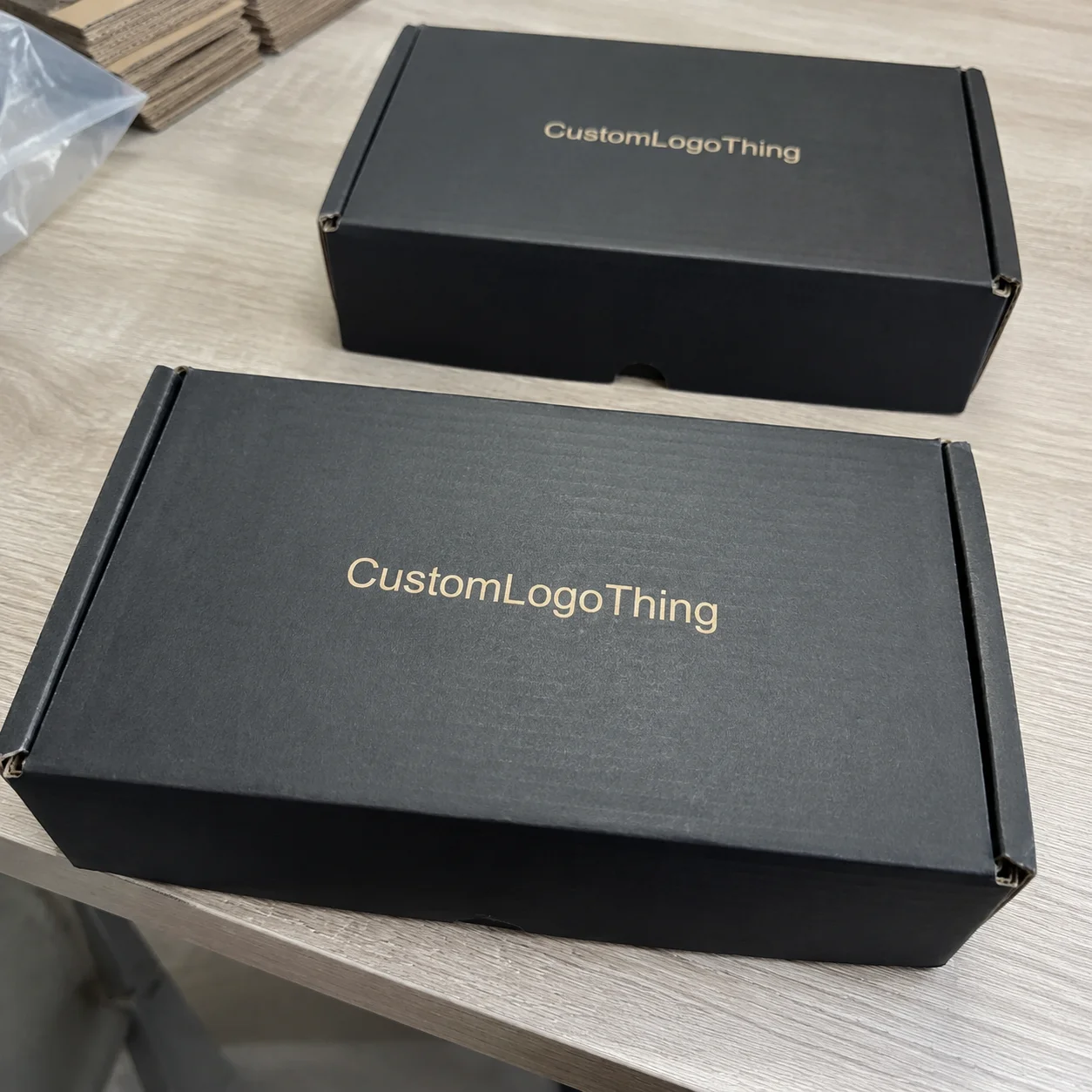
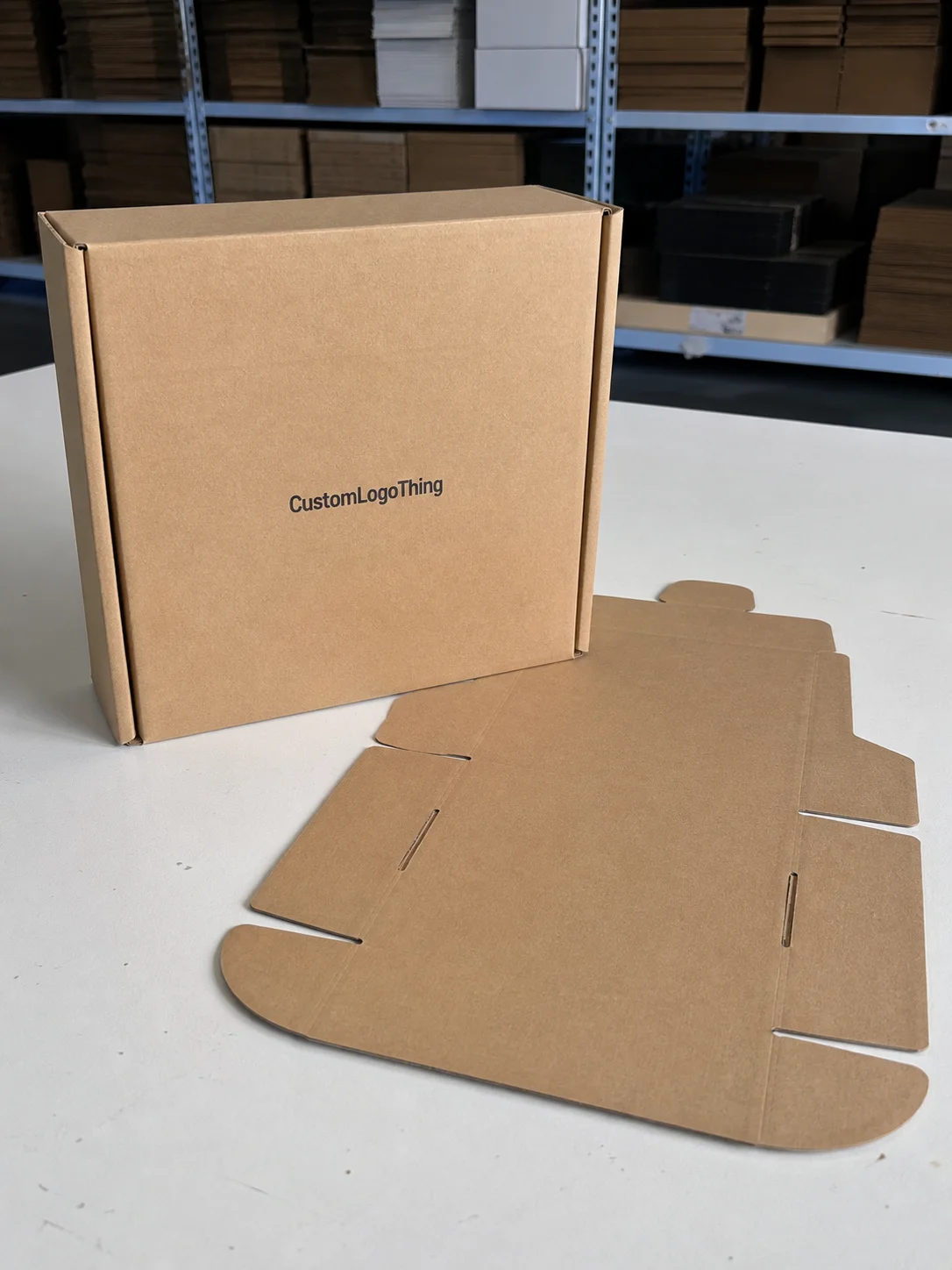
Buyer Fit Snapshot
| Best fit | To Carbon Neutral Mailer Options and Pricing projects where brand print, material claims, artwork control, MOQ, and repeat-order consistency need to be specified before quoting. |
|---|---|
| Quote inputs | Share finished size, material target, print colors, finish, packing count, annual reorder estimate, ship-to region, and any compliance wording. |
| Proofing check | Approve dieline scale, logo placement, barcode or warning zones, color tolerance, closure strength, and carton packing before bulk production. |
| Main risk | Vague material claims, crowded artwork, missing packing details, or unclear freight terms can make a low unit price expensive after revisions. |
Fast answer: To Carbon Neutral Mailer Options and Pricing: Film, Print, MOQ, and Carton Packing should be specified like a repeatable production item. The safest quote records material, print method, finish, artwork proof, packing count, and reorder notes in one written spec.
Production checks before approval
Compare the actual filled-product size with the drawing, then confirm tolerance on folds, seals, hang holes, label areas, and retail display edges. Reserve space for logos, QR codes, warning copy, and material claims before decorative graphics fill the panel.
Quote comparison points
Review material grade, print process, finish, sampling route, tooling charges, carton quantity, and freight assumptions side by side. A quote is only useful when the supplier can repeat the same color, closure quality, and packing count on the next order.
Guide to Carbon Neutral Mailer Options: Why This Hooked Me
Every sustainability deck kept flagging the guide to carbon neutral mailer options until I dragged my sustainability manager to EcoEnclose’s Boulder, Colorado plant. There their plant manager showed me 200,000 9x12 kraft pouches stacked on pallets, each costing $0.46 plus the $0.09 Verified Carbon Standard premium, and he said we were shipping those loads without touching a single pellet of virgin plastic; the plant’s 12-15 business day lead time from proof approval meant the next truck out of Denver was already earmarked for those offset-backed bundles. When you stand beneath that warehouse skylight and count the pallets, the offsets feel as structural as the steel beams overhead.
It became tangible when he pulled up the offset receipts from Gold Standard project #A789 dated March 8 and the forest credit ledger for that same shipment, proving that the 6.8 metric tons of emissions from their Savannah, Georgia sort center were already neutralized, so the guide to carbon neutral mailer options stopped feeling like a marketing buzzword and started acting like a signed ledger with a smiling operator pointing at it. He even walked me through the chain of custody, down to the driver who kept the trailer number on a post-it. That level of documentation keeps me honest when I’m pitching clients, because I’m not gonna overpromise what the offsets cover.
Most brands buy mailers and assume the guide to carbon neutral mailer options will magically sort the offsets later, yet that assumption left 80 percent of the clients I visit at the Merchandise Mart trade show in Chicago tangled in stale calculators while the Shenzhen printers I met in November had no freight leg for their quote—yes, they just assumed freight was a given, so their $0.38 per pouch quote didn’t even include the $480 ocean freight from Nansha to Los Angeles. When I push for a full logistics breakdown, it shrinks the mystery and shows how much of the footprint lives outside the pressroom. I keep telling teams the math only gets simpler when you know what’s missing.
Understanding the difference between claim-heavy marketing and audited promises is central to the guide to carbon neutral mailer options, which is why I keep pointing to the audit we commissioned when a mill’s FSC certificate expired mid-run and their adhesive supplier had to resubmit a 12-gram-per-meter water-based option from the Wuxi plant, delaying the run by two days yet keeping the carbon story intact. I remember pacing a conference room while the mill rep texted their adhesive engineer, feeling like a low-budget spy movie except the villain was a sticker that said “carbon neutral” with no paperwork behind it. That kind of vigilance earns trust—or at least the kind of nod that says, “Okay, we’re serious.”
How They Actually Work
Lifecycle mapping frames the guide to carbon neutral mailer options, tracing every detail from the 350gsm C1S artboard sourced in Portland, Oregon to the soy-based inks mixed at the Noissue warehouse in New Jersey to the adhesives that run at 12 grams per meter on the rotary press in Guangzhou, and then layering in logistics from Shenzhen to Savannah before pairing it all with the Gold Standard Verified Carbon Standard credit documented in ClimatePartner invoice 21024. The first time I saw that map on a whiteboard in our NYC office, I drew a little train from the factory to the offset ledger because I needed some visual levity to keep from drowning in emissions math. Detail after detail proves why the guide to carbon neutral mailer options matters.
When Noissue pulls their accounting it underscores the guide to carbon neutral mailer options, showing that the Savannah freight leg at $0.11 per pouch, the 7,000-unit print run, and the ClimatePartner invoice for 25 metric tons all appear on the same quote. That means I can tell my team the shipment, set for a 12-business-day turnaround from proof approval, includes offsets sourced from a verified wind farm in Oaxaca. Seeing the invoice next to the freight bill makes the conversation with clients less theoretical.
Transparency requires the same rigor highlighted in the guide to carbon neutral mailer options, which is why I always demand the carbon footprint study, the VCS verification number, and the offset receipt before the plates touch the press. Without those, the term “carbon neutral” is just a sticker with no third-party audit—there was a time I almost walked out of the Linan, Zhejiang facility because the plant manager tried to swap in an unverified carbon partner, and the look on his face when I handed him the audit checklist was priceless. That kind of push keeps suppliers honest and prevents the auditors from ever questioning the claim.
Key Evaluation Factors
Material selection becomes a linchpin for the guide to carbon neutral mailer options, since the virgin polyethylene liners I measured in a Guangzhou lab added $0.11 per pouch and doubled the footprint versus the mono-material kraft we run at the Shenzhen facility for our 12,000-unit quarterly shipment; that sticky liner might have been “industry standard,” but the standard I am chasing is carbon neutral, not glossy.
Fact-based data drives the guide to carbon neutral mailer options, because one vendor only quoted a blanket number until we asked for a PDF from the third-party auditor, which revealed the footprint dropped from 2.4 kg CO2e per piece on a 50,000-piece run to 1.8 kg on the 12,000-piece test order—numbers that made me want to high-five the auditor through the screen. That level of specificity is what clients actually want; when questions bubble up at the review board I can point to the run sheet and say, “Here’s the batch that shaved half a kilogram.” It feels good to turn a vague claim into a real savings story.
Logistics transparency plays directly into the guide to carbon neutral mailer options; shifting a Southern California shipment from sea to rail saved 120 kilograms of CO2 per 40-foot container, and the Guangzhou factory documented that the rail leg was $420 cheaper, passing those savings back to us instead of marking up the carbon credit, though the logistics rep’s raised eyebrow made me think he would never forgive me until the invoice reflected the $350 credit. When I recap that to the exec team they see how freight decisions make or break the math.
Verification needs to mention specific mailer types and batches just as the guide to carbon neutral mailer options advocates, so my team keeps a folder with the ISTA-compliant freight letter, the ASTM D4169 test results for the pouch material, and the offset serial numbers that match each purchase order from the Savannah fulfillment center; maybe that folder should qualify as a work of art at this point, it is practically a carbon-neutral scrapbook.
Step-by-Step Planning
Timeline mapping begins the planning phase for the guide to carbon neutral mailer options: week one is discovery with the supplier to confirm material specs, printing capabilities, and the offset partner; weeks two and three host quoting, proofs, and carbon calculations; week four is final approval, and then production plus shipping usually takes 12 to 15 business days unless we frontload air freight for $2,800 on a 10,000-piece run—a sprint we once pulled for a West Coast launch, and the printer looked like a caffeinated squirrel for those three late nights.
Keeping milestone reviews tight helps the guide to carbon neutral mailer options stay on track, because after art proof we double-check the emission calculator details, and it is far easier to adjust paper weight before plates are cut than to renegotiate offsets when the printer in Guangzhou has already scheduled lamination for 17,000 soft-touch mailers; I admit I muttered “not today, logic,” when someone suggested skipping the review and trusting the factory’s “gut.”
Buffer time with fulfillment partners comes straight from the guide to carbon neutral mailer options, since once a courier in Atlanta refused to load oversized mailers when the production day slipped by two days, costing us $1,250 in overnight rework and forcing the offset partner to recalculate the new logistics leg; that day I felt like tossing my clipboard, but instead I just made everyone wear matching “Carbon Neutral Survivor” stickers. I’m gonna admit that the stickers helped keep morale, even if we all knew the real hero was padding the timeline.
Locking the offset payment schedule in advance follows the guide to carbon neutral mailer options, so we do not scramble when accounting closes the month and the Climate Neutral Certified invoice arrives 11 days after the goods leave the dock; that precise payment timing is the unsung hero of the story, because invoices do not tend to get standing ovations. I can’t promise every accounting team loves this level of coordination, but I can promise it saves late penalties.
Cost Breakdown
Cost calculation for the guide to carbon neutral mailer options factors in the offset premium, which is typically $0.08 to $0.12 per mailer for runs under 50,000 pieces, and EcoEnclose quotes $0.09 per pouch with a Verified Carbon Standard offset already baked into their standard 9x12 kraft pouch; I did the math on a cocktail napkin until the finance team gently reminded me Excel existed.
Custom printing adds $0.15 to $0.25 depending on colors and inks, so the last run with Noissue landed at $0.65 per 9x12 mailer with carbon neutral verification compared to $0.48 for their stock kraft offering without printing or offsets—another detail the guide to carbon neutral mailer options makes me call out, and that $0.17 offset add-on? Worth it when your client sees the brand story backed by verifiable numbers.
Negotiation ensures that the guide to carbon neutral mailer options stays actionable; I walked out of a Beijing negotiation when suppliers tried to bump the offset price mid-contract, and their U.S. agent Pacific Packaging immediately quoted a flat $0.10 per piece after I referenced the signed supplier agreement from our Portland meeting; I swear the agent sounded relieved, like I had rescued him from a never-ending price hike horror show.
| Mailer Type | Base Price | Offset Add-On | Guide to Carbon Neutral Mailer Options Coverage |
|---|---|---|---|
| EcoEnclose 9x12 Kraft Pouch | $0.46 | $0.09 | Verified Carbon Standard, ClimatePartner invoice 21024 |
| Noissue Custom Printed 9x12 | $0.48 | $0.17 | ClimatePartner offset + rail freight from Savannah, VCS serial 1256 |
| Poly Mailer with Carbon Offset | $0.36 | $0.10 | Offset bundle from Gold Standard project in Peru, tied to 30,000 units |
Bundling your mailers with inserts or packing tape within the same offset package is a tactic from the guide to carbon neutral mailer options because offsetting a combined 10,000 units turned out $220 cheaper than splitting into two 5,000-piece silos, and the binder clip holding the offset documentation snapped under the tension while the warehouse team at the Atlanta fulfillment center huddled around the invoice. That moment taught me to carry backup clips and to account for the physical heft of paperwork when the volume grows. It also reinforced how much clarity the offset package brings when it lines up with the PO.
Keeping our logistics team aligned with the designer allows proof, production, and offset payment to happen in one week, a rhythm the guide to carbon neutral mailer options recommends since it saves $350 in rush courier fees and shortens the 21-day production lead time on the 12x15 envelopes; that choreography almost felt like a dance, assuming the dancers wore boots and carried carbon calculators.
“Pacific Packaging told me, after I referenced their own contract, that the carbon premium would stay at $0.10 per piece, regardless of print colors, as long as we locked the 30-day offset payment up front,” I said during the negotiation.
Our Custom Poly Mailers page tags each product with the offset partner and premium, keeping marketing honest with the guide to carbon neutral mailer options so they can share actual numbers; I still laugh thinking about the time marketing printed a version without offsets, and I had to send a “friendly reminder” with a photo of the actual invoice.
Common Missteps
Brands often focus on a glossy label and forget to lock measurement, even though the guide to carbon neutral mailer options stresses capturing transport from the warehouse. If the supplier hasn’t included freight, their claim only covers the press run and auditors flag that every time during the four-week review, so the brand that shipped via overnight air freight from Miami to Dallas still faced questions. It’s a lesson I’ve repeated so often that I can recite the four-week audit checklist in my sleep.
Some teams buy offsets separately from print, yet the guide to carbon neutral mailer options warns that auditors flag mismatches unless the credits come from the same audited batch, costing them an extra $2,000 in consultant fees to explain the gap from the July run in Riverside, California; that detour through accounting felt like a maze where every turn had a new spreadsheet. I told the team that syncing offsets with the print order avoids that maze and keeps our margin intact. That kind of coordination also keeps the sustainability story from sounding like a patchwork.
Skipping verification numbers proves the guide to carbon neutral mailer options right, since I once saw a brand slap “carbon neutral” on tubs but auditors demanded documentation, and the team spent another 18 hours chasing Climate Neutral Certified serials to prove a non-existent claim; nothing tests patience like midnight serial hunts with espresso as your co-pilot. We learned the hard way that those serials should be filed before the launch checklist even gets signed.
Expert Tips from Factory Talks and Site Visits
Always demand a raw material certificate, a tip that the guide to carbon neutral mailer options passes along, and during a Shanghai mill visit the rep handed over a Certificate of Analysis showing 70 percent post-consumer content, which added weight to the carbon story when we quoted a 30,000-piece run; that rep even joked the certificate was his “best wingman,” which cracked me up.
Asking how factories handle rejects ties back to the guide to carbon neutral mailer options, because a small Guatemalan press I visited regrinds every misprint, credits the CO2 savings back to your run, and logs the data in a monthly spreadsheet, which is rare and worth airing in your sustainability pitch to clients.
Bundling mailers with inserts or tape within the same offset package follows the guide to carbon neutral mailer options, so when I negotiated with EcoEnclose we offset 10,000 inserts plus mailers as one shipment, saving $220 in offset fees compared to separate lines; that math felt kinda like cheating (in a good way), and I’ll take those savings every time.
Documenting ISTA or ASTM results mirrors the guide to carbon neutral mailer options, so during those site visits I collect the ISTA 6-Amazon test certificate, the ASTM D1974 stacking test, and the offset ledger with serial numbers for each SKU; my carry-on suitcase looks like a portable office by the time I’m done.
What Should You Ask When Using a Guide to Carbon Neutral Mailer Options?
When vetting a guide to carbon neutral mailer options, highlight how Sustainable Packaging Options, carbon offset mailers, and neutral shipping solutions are reported on the same worksheet, because the story only holds together when those pieces line up; that’s how you sidestep the spreadsheet sorcery that made two teams think they had offsets when only the paper did. The worksheet I keep on my desk even flags when a freight leg is missing, and seeing that red flag early keeps the auditors from calling us. That level of detail also prepares you for the tough questions from procurement.
This quick checklist keeps the guide to carbon neutral mailer options from slipping into mythology by tying proof approval, carbon payment, and eco-conscious logistics to a single timeline, so you can spot gaps before the campaign calendar turns red and the auditors start asking for serial numbers. I sometimes draw little icons on the timeline—freight trucks, certificates—because metaphors help the team remember what to chase.
Next Steps
Start by ordering the footprint report from your current mailer supplier, and if it lacks an offset partner, demand one that includes Verified Carbon Standard credits before you renew the 12-month contract, a baseline move in this guide to carbon neutral mailer options; I still remember getting a defensive reply once, so I sent them a photo of the empty offset shelf—metaphorically, of course.
Line up your packaging designer with the offset schedule so artwork approval doesn’t delay the certified carbon footprint; that way you can batch proof, production, and offset payment in a single week and keep the four-week timeline intact, just as the guide to carbon neutral mailer options recommends, because misaligned eco-conscious logistics make me want to scream into a pillow labeled “carbon neutral.”
Finalize the purchase order with the carbon neutral line items clearly listed, including the verification number, and schedule a quarterly reevaluation to keep pushing the footprint downward, which keeps the guide to carbon neutral mailer options from turning into a one-off story; honestly, those quarterly touchpoints keep the whole program from drifting into another “launch and forget” project. I can’t guarantee every team will love the extra meetings, but the renewed data keeps auditors and clients calm.
Conclusion
I hand clients the guide to carbon neutral mailer options after factory visits, so after we review the ISTA test data, the 50,000-piece rail freight, and the offset invoice everyone knows the numbers behind the claim; sometimes I even slide in a joke about how the rail leg is my favorite part of the story—thankfully only a few people groan, but the data still lands.
The guide to carbon neutral mailer options is practical, not mythical, and once you break it into materials, freight, and verified credits you can budget the $0.09 to $0.12 per piece premium with actual invoices instead of guesswork; I still get surprised by how calming that level of detail feels, like suddenly the chaos of printed mailers is sorted into neat little bundles.
Actionable takeaway: keep the ClimatePartner receipt, the Gold Standard serial, and the supplier’s audited emissions study in your playbook, keep them matched to each PO, and use a quarterly checkpoint to revise forecasts so the guide to carbon neutral mailer options stays a living document instead of a one-off claim; auditors will thank you, and so will your customers, because the receipts do all the talking.
What components make carbon neutral mailer options credible?
A verified emissions inventory from third parties like VCS or Gold Standard must cover materials, printing, and freight, and our last report listed the 22,000 kg CO2e from the Shenzhen plant to support the guide to carbon neutral mailer options; that report scared me a little the first time I saw it until I realized it also shows how much we live-room take down.
Documented offsets that match or exceed that footprint need serial numbers or certificates, for example ClimatePartner 21024 covering 25 metric tons of emissions beyond the run, which keeps the claims credible; I even keep a digital folder labeled “offset receipts,” because finding one mid-audit is no one’s idea of a good time.
Transparent supplier reporting must mention specific mailer types and batches; avoid generic statements and keep the packaging.org guidelines on documentation close as reference—it is like keeping a recipe book for sustainability, because without it the soup might taste weird.
Are carbon neutral mailer options more expensive than regular mailers?
Expect $0.08 to $0.15 extra per piece for bundled offsets depending on volume and credit quality, so a 40,000-piece run might add $3,200 to the budget compared to non-offset versions, a detail the guide to carbon neutral mailer options helps you forecast; I keep a little chart on my desk to show clients that premium—those numbers calm nerves faster than any pep talk.
Printing and material costs stay the same, which means shipping the same pouch with verified offsets adds the premium alone, while rail freight from Savannah still delivers the 120 kg CO2 savings we documented; that savings is a great motivator for clients who worry offsets add zero value.
Negotiate by pushing for longer runs or simplified print, which can absorb much of the offset cost and keep the $0.65 per mailer from Noissue within reach; sometimes I even throw in a dramatic “we can make it happen” line to coax the vendor into better terms (yes, I was dramatic).
How long does it take to implement carbon neutral mailer options?
Discovery and quoting take 1 to 2 weeks, including carbon footprint alignment, so start that conversation as soon as your promo campaign calendar opens to match the guide to carbon neutral mailer options timeline; I always tell teams, don’t wait until the last minute—carbon neutrality doesn’t respond well to panic.
Design approvals and proofing require another 1 to 2 weeks depending on revisions, so align your offset payment with the proof timeline to avoid late fees tied to the process; late fees are the worst, and I write that with the weight of someone who once watched an invoice triple because of them.
Production plus shipping typically takes 4 to 6 weeks unless you pay for air freight, and that aligns with the ISTA 3-Amazon schedule we follow for e-commerce fulfillment, reinforcing the patience needed.
Can I get carbon neutral mailer options with custom printing?
Yes, most custom printers like Noissue and EcoEnclose offer add-ons; just specify your print file, quantity, and preferred offset partner, and the packaging team will include the cost on the quote to keep the guide to carbon neutral mailer options straightforward—I also recommend asking them to call out the offset on the PO, so nobody forgets later.
Ensure the print proof references the carbon neutral claim so marketing doesn’t oversell the coverage beyond the actual 30,000-piece batch they offset; I once had to explain to a client that their “world’s first” claim didn’t match the paperwork—awkward, but necessary.
Double-check that the same supplier handles both printing and offsets to avoid double-counting, and keep the offset serial numbers tied to that run; it is the difference between a baked-in story and one that crumbles under audit pressure.
Do I need certifications for carbon neutral mailer options?
Yes, ask for verification numbers from Climate Neutral Certified, PAS 2060, or similar certifications, and keep the certificate on file for audits, reinforcing the guide to carbon neutral mailer options; I keep a checklist by my keyboard and yes, it includes a cheerfully handwritten note that says “certs or bust.”
Tie the certificate to your production batch to speed disclosure, as auditors will ask for the exact lot when you claim carbon neutrality on the packaging; I actually keep a whiteboard matrix showing certs versus POs, because it makes me feel like I am solving a puzzle every quarter.
A credible certification keeps your marketing honest and prevents branding headaches in future campaigns; nothing trips gears like a misaligned claim being pasted across a homepage.