What a Mailer Boxes Private Label Supplier Actually Does
A brand can spend six months refining a product, then lose the customer in six seconds because the box arrives crushed, late, or oddly generic. A mailer Boxes Private Label Supplier is not just a printer with corrugated sheets. It is the production partner behind a brand-owned shipping experience, especially for ecommerce companies that may never meet the buyer in person.
Private label mailer boxes are corrugated or paperboard boxes manufactured for resale, subscription programs, retail kits, agencies, launches, and fulfillment operations under the buyer's branding. The format might be a roll-end mailer with a logo, a subscription box with printed interior panels, an influencer kit with a fitted insert, or a discreet shipper sent directly from production to a 3PL.
Many buyers treat the box as decoration. It is more complicated than that. A mailer is a structural product, a freight cost, a packing-station workflow, a brand asset, and sometimes the first physical proof of a digital promise. If the product page says premium and the corrugated mailer arrives scuffed, loose, and off-color, the customer may not identify the board grade. They will still feel the gap.
A standard custom mailer vendor may be enough for a one-time promotion. Private label work asks for more: recurring SKUs, confidential production files, blind shipping, reseller support, consistent reorder specs, neutral paperwork, and tight version control. The right supplier should help with structure, material, print method, dielines, inserts, shipping performance, compliance details, and repeatable production documentation.
Packaging buyer reality: a beautiful box that cannot survive parcel handling is not a premium package. It is a preventable claim, a replacement shipment, and an avoidable support ticket.
How Private Label Mailer Box Production Works
Production usually follows a familiar path: inquiry, specifications, quote, dieline, artwork, proof, sample if needed, production, quality control, packing, and freight. The schedule should not start in your head when the first email is sent. It starts in the supplier's schedule after the specs are usable, the artwork is approved, and payment or credit terms are settled.
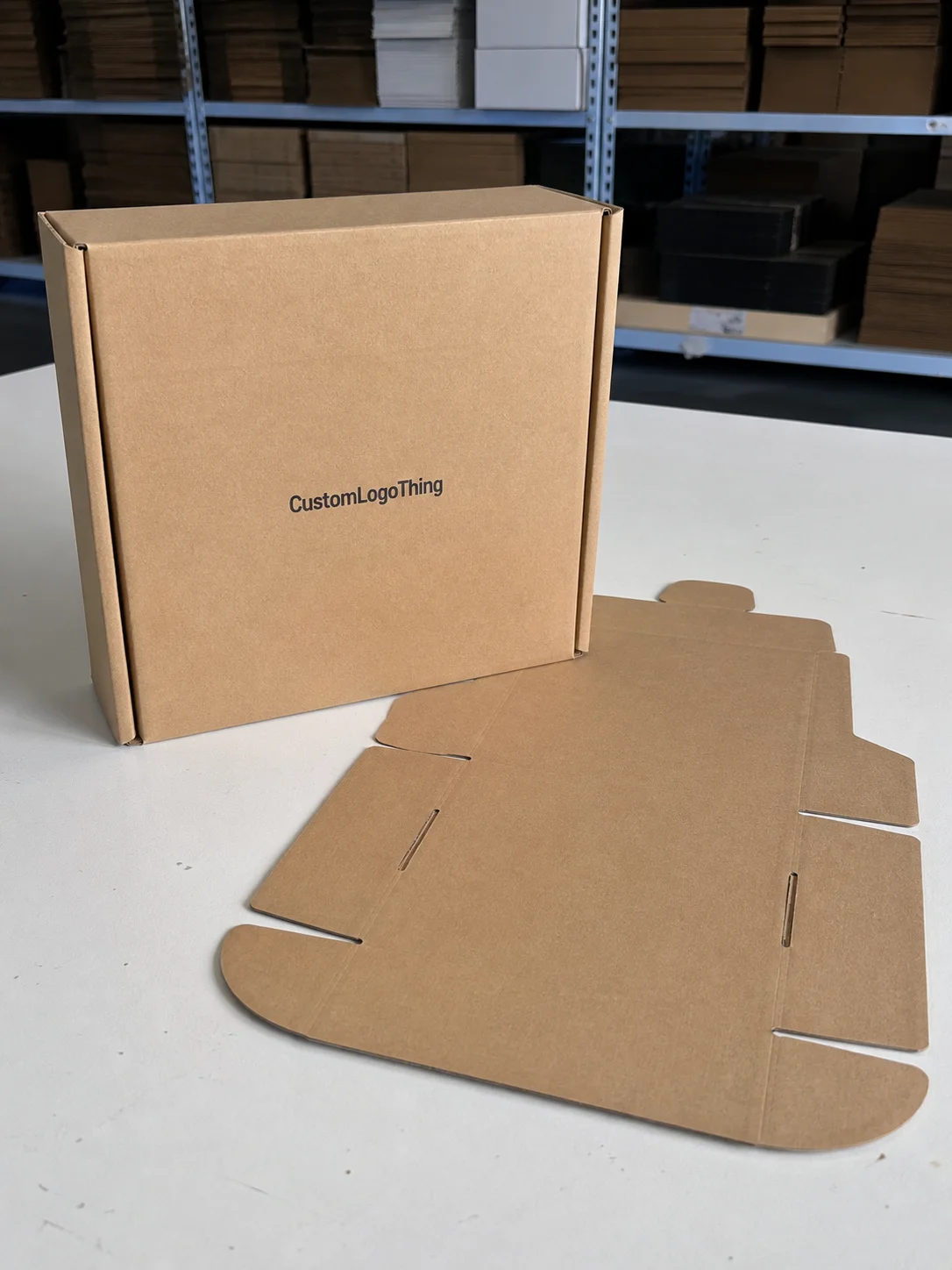
Common styles include roll-end front tuck mailers, tab-lock mailers, literature mailers, subscription boxes, ecommerce shipper boxes, and gift-ready corrugated mailers. Roll-end front tuck designs are popular because they assemble without tape and present well on opening. Literature mailers are flatter and efficient for documents, apparel, samples, and lightweight kits. Larger shipper boxes need closer attention to board grade, stacking strength, and product restraint.
Artwork can be applied several ways. Digital printing is flexible for short runs, multiple SKUs, variable graphics, and test launches. Flexographic printing often makes sense for repeat volume with simpler graphics and fewer colors. Litho-lamination produces a cleaner retail-style print surface by mounting a printed sheet to corrugated board, but setup and material costs rise. Foil stamping, spot UV, embossing, debossing, and soft-touch coatings can look polished. They also add cost, lead time, and sometimes recycling complications.
Structure quietly does half the selling. Flute type, board grade, score lines, locking tabs, dust flaps, and insert fit can matter as much as the logo. E-flute, roughly 1.5 mm thick, often gives a smoother print surface. B-flute, closer to 3 mm, usually brings more cushioning and compression strength. A mailer boxes Private Label Supplier that treats those materials as interchangeable may produce a box that looks fine in a product photo and fails during carrier sorting.
Repeatability is the private label test. A prototype can be hand-fed, hand-folded, and fussed over. A scalable supplier has to hold color, tolerance, material, carton count, pallet pattern, and packing method across reorders. Agencies, distributors, and ecommerce operators may also need blind shipping, neutral documents, reseller-friendly communication, and production files that do not expose the manufacturing source.
Key Specs to Confirm Before You Request a Quote
A good quote starts with boring details. Boring details protect margin. Before asking a mailer boxes private label supplier for pricing, prepare length, width, depth, whether the dimensions are inside or outside, board type, flute profile, quantity, print coverage, finish, destination, packing requirements, and insert needs.
Dimensions should come from the product, not from a competitor's box. Even a quarter-inch of unused space can multiply into higher freight, more void fill, and slower packing over 5,000 or 50,000 shipments. Parcel carriers price by size as well as weight, and dimensional weight can make a lightweight product expensive to ship if the box is oversized.
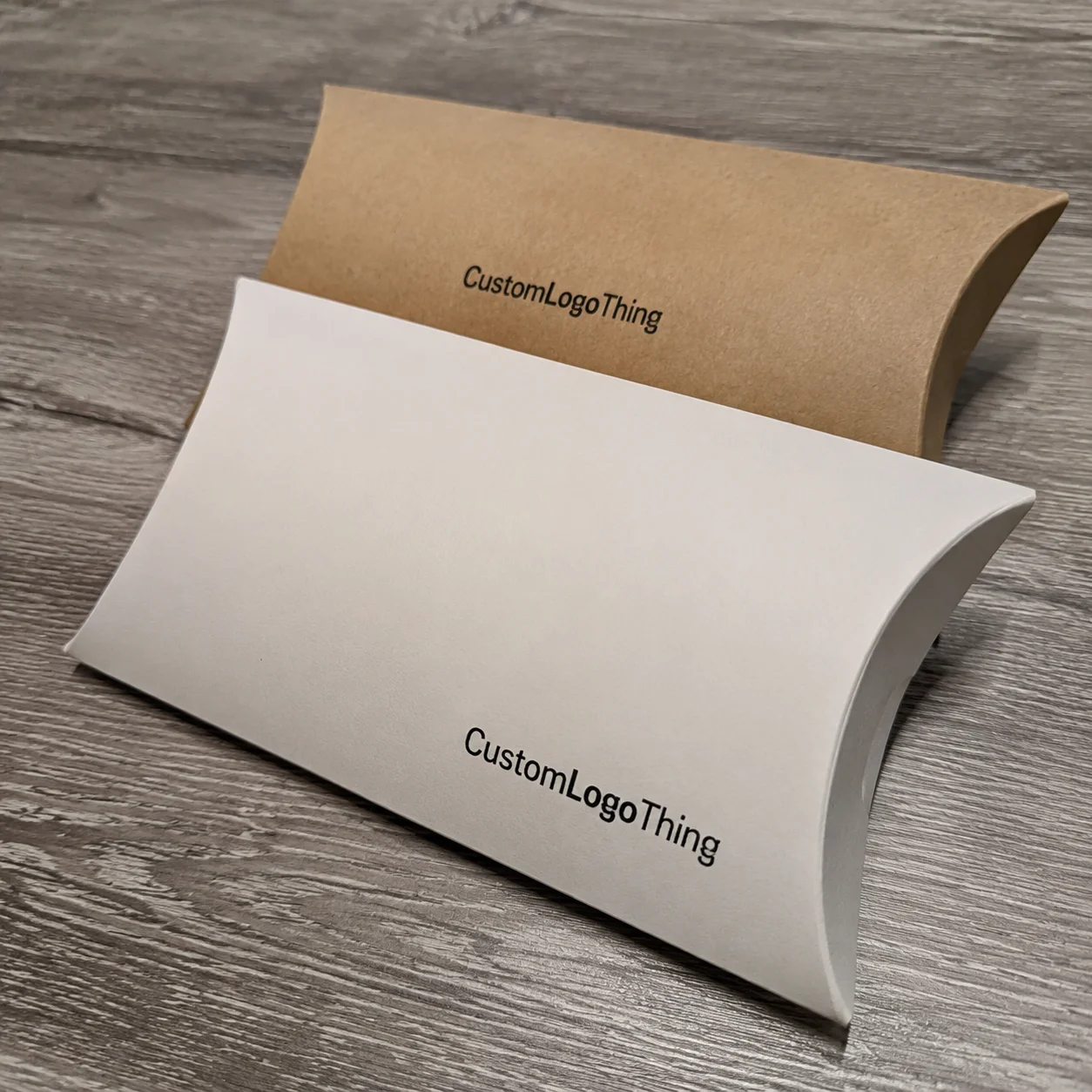
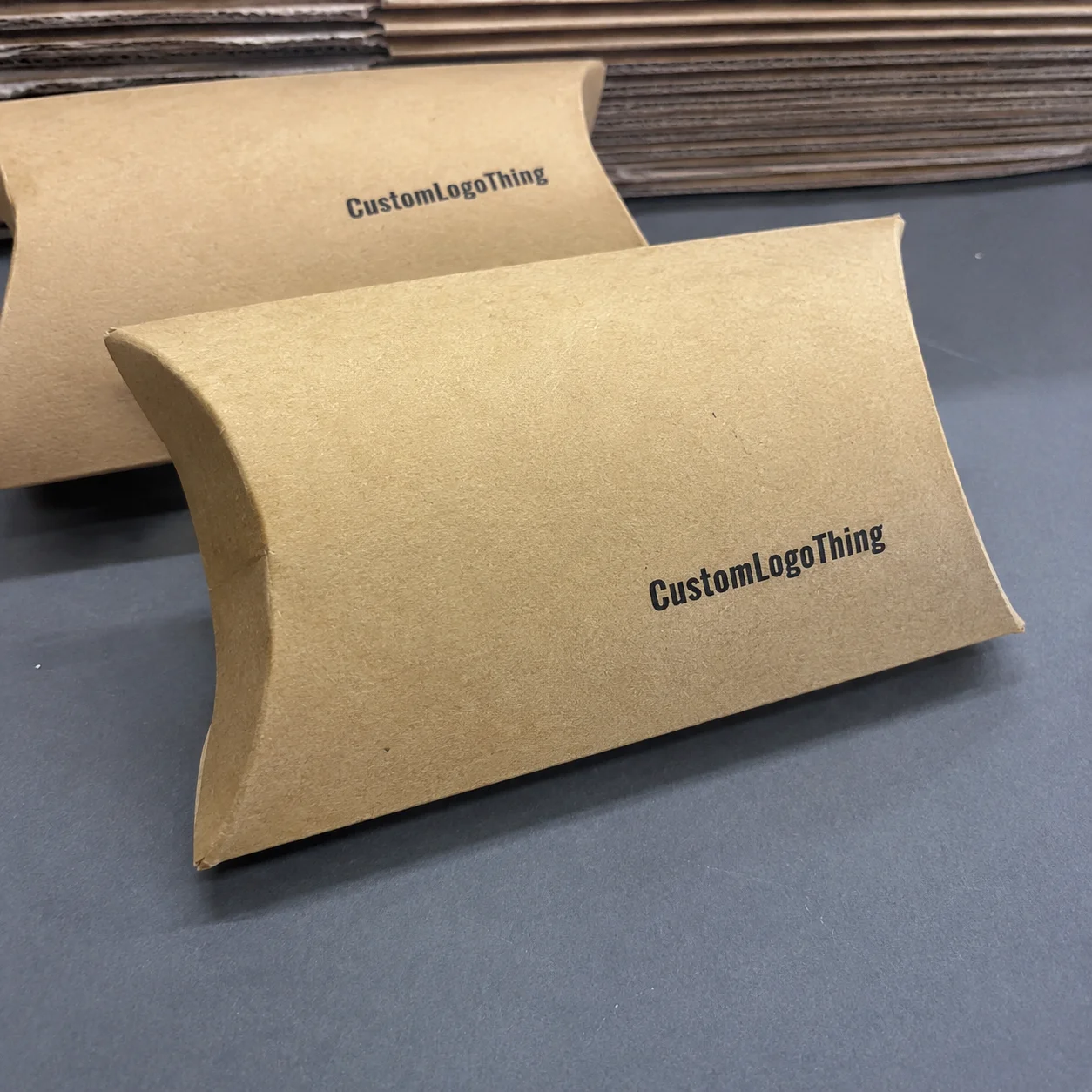
Material choice changes both appearance and performance. Kraft corrugated gives a natural ecommerce look and hides scuffs better than bright white stock. White corrugated makes graphics pop, especially for beauty, wellness, gifts, and subscription categories. E-flute is common for custom printed mailer boxes because it prints cleanly and folds neatly. B-flute can be better for heavier items or products needing more cushioning. Coated paperboard or litho-laminated sheets can create a retail presentation, though they are not always necessary for parcel shipping.
Print decisions should be tied to volume and brand requirements. Digital print is usually practical for 100 to 2,500 pieces, especially if there are multiple designs. Flexo may become more attractive at higher quantities, but plates and setup need to be spread across the run. Litho-lam can deliver strong graphics for branded mailer boxes, yet buyers should expect higher setup cost and longer production planning.
Sustainability claims deserve careful questions. Ask about recycled content, FSC-certified paper options, water-based inks, curbside recyclability, coatings, and whether decorative films or foil areas interfere with recycling. Ask whether the supplier can document material claims. Vague words like eco-friendly do not help much during a retailer review or internal compliance check.
- Product weight: needed for board selection, inserts, and shipping tests.
- Shipping method: parcel, LTL, fulfillment center transfer, or direct-to-consumer delivery.
- Warehouse handling: hand packing, auto-labeling, pallet storage, or high-speed subscription assembly.
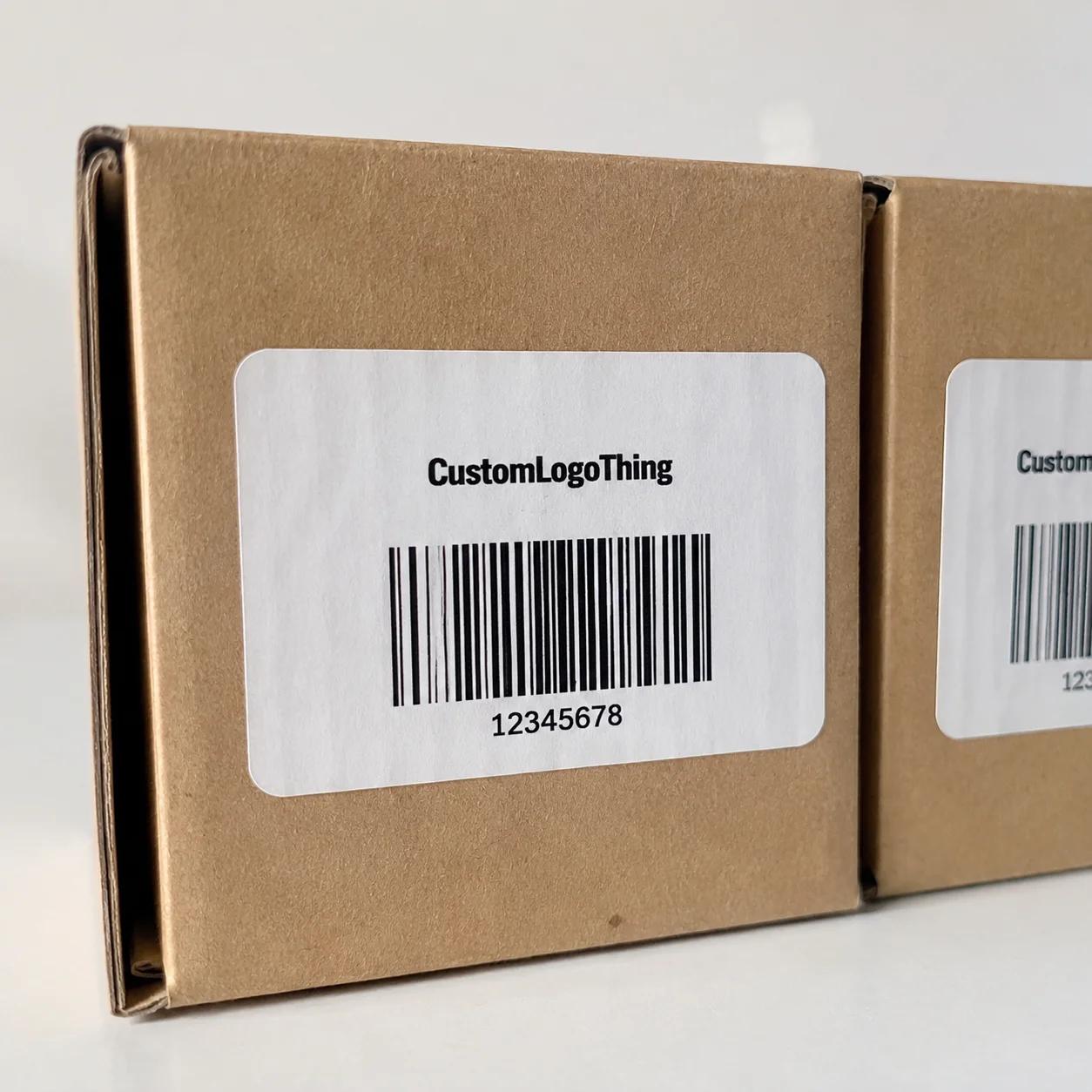
- Compliance copy: warnings, recycling marks, suffocation notices for inner bags, and barcode placement.
Cost, Pricing, MOQ, and Unit Cost Drivers
Mailer pricing is a stack of variables, not a single number. Box size, board grade, print method, color count, ink coverage, coatings, tooling, die costs, sample fees, quantity, packing format, and freight all push the unit cost up or down. A small kraft mailer with one-color flexo branding will price very differently from a full-color white E-flute subscription box with printed interior panels.
As a planning range, short digital runs of custom corrugated mailer boxes might sit around $1.20 to $3.50 per unit for 250 to 1,000 pieces, depending on size and print coverage. A 5,000-piece repeat run may drop into the $0.65 to $1.45 range for common sizes, while very small paperboard mailers or simple one-color runs can price lower. Specialty finishes, heavy ink coverage, inserts, and long-distance freight can erase those savings quickly. Market conditions, board availability, and supplier equipment move the numbers, so treat ranges as estimates, not guarantees.
MOQ is often misunderstood. Some suppliers can run short digital orders because setup is lighter. Others only become competitive once the order absorbs press setup, material waste, die setup, and quality checks. A mailer boxes private label supplier that supports recurring programs may quote a higher MOQ but offer better reorder stability, private label documentation, and packing consistency.
| Cost Driver | Typical Buyer Choice | Budget Impact | Practical Watchout |
|---|---|---|---|
| Print method | Digital, flexo, or litho-lam | Digital can cost more per unit; flexo and litho need setup volume | Compare color quality and setup charges, not just unit price |
| Board and flute | Kraft E-flute, white E-flute, B-flute, coated sheets | Stronger or whiter materials usually cost more | Under-spec board can lead to crushed corners and reships |
| Order quantity | 500, 2,500, 5,000, or 10,000 pieces | Higher quantities usually reduce unit cost | Inventory ties up cash and storage space |
| Freight and packing | Cartons, pallets, warehouse delivery, fulfillment center routing | Can add $0.08 to $0.40 per usable box on bulky orders | Cheap boxes shipped inefficiently are not cheap |
Unit cost can mislead. A $0.12 cheaper mailer is not a win if it needs extra void fill, slows packing by 15 seconds per order, or fails at a 2% higher damage rate. On 10,000 shipments, that defect rate can become 200 replacement conversations. Ask for tiered quotes at a test run, standard reorder, and scale order. The price curve often changes sharply once tooling, plates, and setup time are spread across enough pieces.
Hidden costs deserve direct questions: dieline revisions, rush fees, proofing, plate charges, custom dies, palletization, residential delivery surcharges, color matching, split shipments, fulfillment center routing labels, and storage if the supplier holds inventory. A clean quote should tell you what is included and what is conditional.
Process, Timeline, and Lead Time From Proof to Delivery
A realistic first-order timeline often runs 15 to 30 business days after proof approval for standard printed mailers, plus transit. Sampling, specialty finishes, custom inserts, imported materials, or peak capacity can stretch that. Reorders may be faster, sometimes 10 to 20 business days after approval, because the dieline, color targets, and packing method already exist.
The sequence matters: discovery and specs, quote approval, dieline creation, artwork upload, proof review, sample if needed, production scheduling, printing, converting, quality inspection, packing, and shipping. Lead time does not truly begin until the mailer boxes private label supplier has approved artwork and the commercial details are settled. That distinction prevents missed launch dates.
Ask for a physical sample when structure matters. A digital proof checks layout, copy, barcode position, and panel orientation. It cannot tell you whether the flap feels flimsy, whether the candle jar rattles, whether the insert grips the product, or whether the front tuck tab tears during packing. For a high-value launch, paying $75 to $250 for a structural or printed sample can be cheaper than discovering the problem across 3,000 finished boxes.
Several bottlenecks repeat across packaging projects: missing dieline files, low-resolution artwork, unclear Pantone references, late product measurements, compliance text changes, and undecided shipping destinations. High ink coverage can also require longer drying or more careful handling. Foil, spot UV, and embossing introduce extra steps and more chances for schedule drift.
For shipping performance, many buyers reference ISTA test procedures, especially for parcel distribution. Not every startup needs a full lab test before a first small run, but the logic still applies: test the packed box as it will ship. Drop it. Stack it. Label it. Open it as a customer would. Simple tests do not replace certified testing, but they reveal obvious failures before money is trapped in inventory.
How Does a Mailer Boxes Private Label Supplier Protect Your Brand?
A mailer boxes private label supplier protects a brand by controlling the parts customers never see directly: file privacy, repeatable specs, neutral shipping documents, consistent color targets, and packaging that survives the route. That sounds less exciting than a printed interior panel. It is also where many private label packaging programs either mature or start leaking margin.
For agencies and distributors, confidentiality matters. Ask whether the supplier can remove its branding from cartons, invoices, samples, shipping labels, packing slips, and production notes shared with end clients. Ask who owns dielines and print files. Ask whether reorder files are stored by SKU, version, and approved date. A strong supplier should treat these details as routine, not as favors negotiated after production.
Brand protection also means quality protection. A custom packaging supplier should define acceptable tolerance for size, color, board, scoring, and print registration. Corrugated is not a laboratory material; there will be variation. The useful question is whether the variation is named, measured, and managed before the boxes reach the packing table.
Quality control should include practical checkpoints. Confirm that the supplier checks board grade, flute direction, cut accuracy, score depth, print registration, glue or lock-tab performance, carton count, and packing labels. For printed mailers, ask how color is controlled across reorders. For reseller programs, ask how samples are labeled and whether neutral documentation is available for client-facing shipments.
Step-by-Step Guide to Vetting the Right Supplier
Vetting a supplier is partly about print quality, but the sharper questions are operational. Can they hold the spec? Can they communicate clearly with a reseller or agency? Can they ship without exposing their brand? Can they explain why one board is better than another for a specific product weight?
- Define the use case. Ecommerce shipping, retail kits, influencer mailers, subscription programs, gift boxes, and reseller inventory all need different structures. A cosmetics mailer with six small bottles has different risks than a folded apparel mailer.
- Prepare a spec sheet. Include dimensions, product weight, order quantity, artwork requirements, destination, desired launch date, sustainability requirements, and whether dimensions are internal or external.
- Ask for comparable samples. Request similar board grades, print methods, and box styles. A supplier does not need to show confidential client work, but it should be able to demonstrate material and print capability.
- Confirm private label support. Ask about blind shipping, neutral paperwork, pallet labels, reseller communication, and whether production documents can avoid supplier branding.
- Request tiered pricing. Compare setup, tooling, sampling, production, packing, and freight across at least three quantities. Matching specs is the only fair comparison.
- Review proofing procedures. Confirm who checks dieline alignment, barcode placement, warning copy, color references, carton markings, and panel orientation before production begins.
- Test the packed box. Use the real product. Check drop resistance, insert fit, closure strength, label adhesion, stacking behavior, and packing speed.
- Document reorder specs. Record board grade, flute, dimensions, print method, color references, approved proof, packing count, pallet pattern, and tolerance notes.
The best suppliers often reveal themselves in the questions they ask before quoting. If they ask only for a logo and quantity, be cautious. A serious mailer boxes private label supplier will ask about the product, route, handling, launch date, and whether the box is expected to sell, protect, or do both.
Buyers often pair mailer boxes with branded stickers, neck tags, or tamper labels, so planning the system together can reduce rework. See Custom Labels & Tags for related branding pieces, or review broader Custom Packaging Products if the mailer is one part of a larger launch kit.
Common Mistakes That Turn Custom Mailers Into Expensive Inventory
The first mistake is choosing by appearance alone. A box that photographs well may still collapse under stacking pressure, spring open during packing, or require too much labor at the bench. Parcel networks are not gentle; belts, bins, trucks, and drop points put pressure on corners and closures.
The second mistake is sending artwork before confirming the dieline. Folds, tabs, glue zones, score lines, and dust flaps can cut through logos, QR codes, legal copy, or campaign messages. Good artwork follows structure. It does not fight it.
The third mistake is comparing quotes without matching specs. Two suppliers can price the same-looking mailer differently because one uses 32 ECT board, another uses a lighter grade, one includes freight, and one excludes plates or dies. Ask the mailer boxes private label supplier for the board grade, flute, print method, finish, packing count, and freight assumption in writing.
Color variation causes more tension than many buyers expect. Kraft stock mutes color. White corrugated brightens it. Coated sheets change ink holdout. Digital and flexo may interpret the same brand color differently. Pantone references help, but corrugated is not a coated brochure. Allow reasonable tolerance and approve a physical target if color is mission-critical.
Another expensive mistake is ordering too much before testing demand. Bulk pricing is attractive, yet slow-moving packaging consumes warehouse space and can lock a brand into old messaging, old dimensions, or a retired product bundle. Seasonal subscription boxes are especially vulnerable because the calendar moves faster than the inventory.
Many teams also treat packaging as a final-week task. Bad idea. Mailer boxes touch design, operations, freight, customer experience, and cash flow. A late dieline can delay artwork. A late artwork change can delay proofing. A late proof can miss the production slot. The ripple is real.
Next Steps Before You Approve a Private Label Mailer Order
Before approval, build a short checklist and refuse to rush it. Confirm final dimensions, product weight, board grade, flute, print method, finish, dieline approval, artwork proof, sample approval if used, quantity, shipping address, packing format, carton count, pallet requirements, and reorder file name. One missed detail can create thousands of identical mistakes.
Ask three direct questions before production begins: What exactly is included in this quote? What can change the lead time? What happens if the finished boxes do not match the approved proof? A credible supplier should answer plainly. If the answers are vague, pause.
A packaging decision log is unglamorous and extremely useful. Record material choices, color references, supplier notes, approved sample photos, dieline version, reorder tolerances, and the reason each decision was made. Future teams should not have to rebuild the project from memory, especially if the buyer, designer, or fulfillment partner changes.
Calculate total landed cost per usable box, not just printed unit price. Include freight, damage rates, storage, inserts, void fill, packing labor, and expected waste. If a branded mailer reduces void fill by $0.18 per shipment and cuts damage claims by even a fraction of a percent, the higher unit price may be rational. If it only looks better in a mockup, question the spend.
The best mailer boxes private label supplier should make buying clearer by turning specs, pricing, timeline, and quality checks into a repeatable system. Gather product measurements, request tiered quotes, ask for material samples, review the proof slowly, compare alternatives such as Custom Poly Mailers where appropriate, and test one packed box before scaling.
Frequently Asked Questions
What should I ask a mailer boxes private label supplier before ordering?
Ask about box style, board grade, flute, print method, MOQ, setup costs, sampling, lead time, freight, private label support, and reorder documentation. Request comparable samples and confirm whether the quoted price includes tooling, proofs, packing, and shipping or only the printed box.
How much does a custom private label mailer box usually cost?
Cost depends on size, material, quantity, print coverage, finishing, setup, and freight. Small digital runs often cost more per unit than larger repeat orders, while higher-volume flexo or litho-lam projects can reduce unit cost once setup is absorbed. Compare total landed cost, including shipping, storage, damage risk, inserts, and void fill.
What is a typical MOQ for private label mailer boxes?
MOQ varies by supplier, print method, and box construction. Digital printing may support lower quantities, while flexo, litho-lamination, specialty finishes, and custom dies often require higher volumes. Ask for tiered pricing at several quantities so you can see where unit cost improves enough to justify more inventory.
How long does production take for branded mailer boxes?
Timeline depends on dieline readiness, artwork approval, sampling, material availability, production capacity, finishing, and freight distance. First orders usually need more buffer than reorders because specs, proofs, color expectations, and packing details must be confirmed before production begins.
Can a mailer boxes private label supplier ship orders without their branding?
Many private label suppliers can support blind shipping, neutral paperwork, reseller-friendly communication, or discreet cartons, but confirm this before quoting. Specify packing labels, pallet labels, paperwork requirements, and whether the supplier can ship directly to a warehouse, fulfillment center, or end client.