Buyer Fit Snapshot
| Best fit | To Logistics Packaging projects where brand print, material claims, artwork control, MOQ, and repeat-order consistency need to be specified before quoting. |
|---|---|
| Quote inputs | Share finished size, material target, print colors, finish, packing count, annual reorder estimate, ship-to region, and any compliance wording. |
| Proofing check | Approve dieline scale, logo placement, barcode or warning zones, color tolerance, closure strength, and carton packing before bulk production. |
| Main risk | Vague material claims, crowded artwork, missing packing details, or unclear freight terms can make a low unit price expensive after revisions. |
Fast answer: To Logistics Packaging: Artwork Proof, Packing Count, and Landed Cost should be specified like a repeatable production item. The safest quote records material, print method, finish, artwork proof, packing count, and reorder notes in one written spec.
Production checks before approval
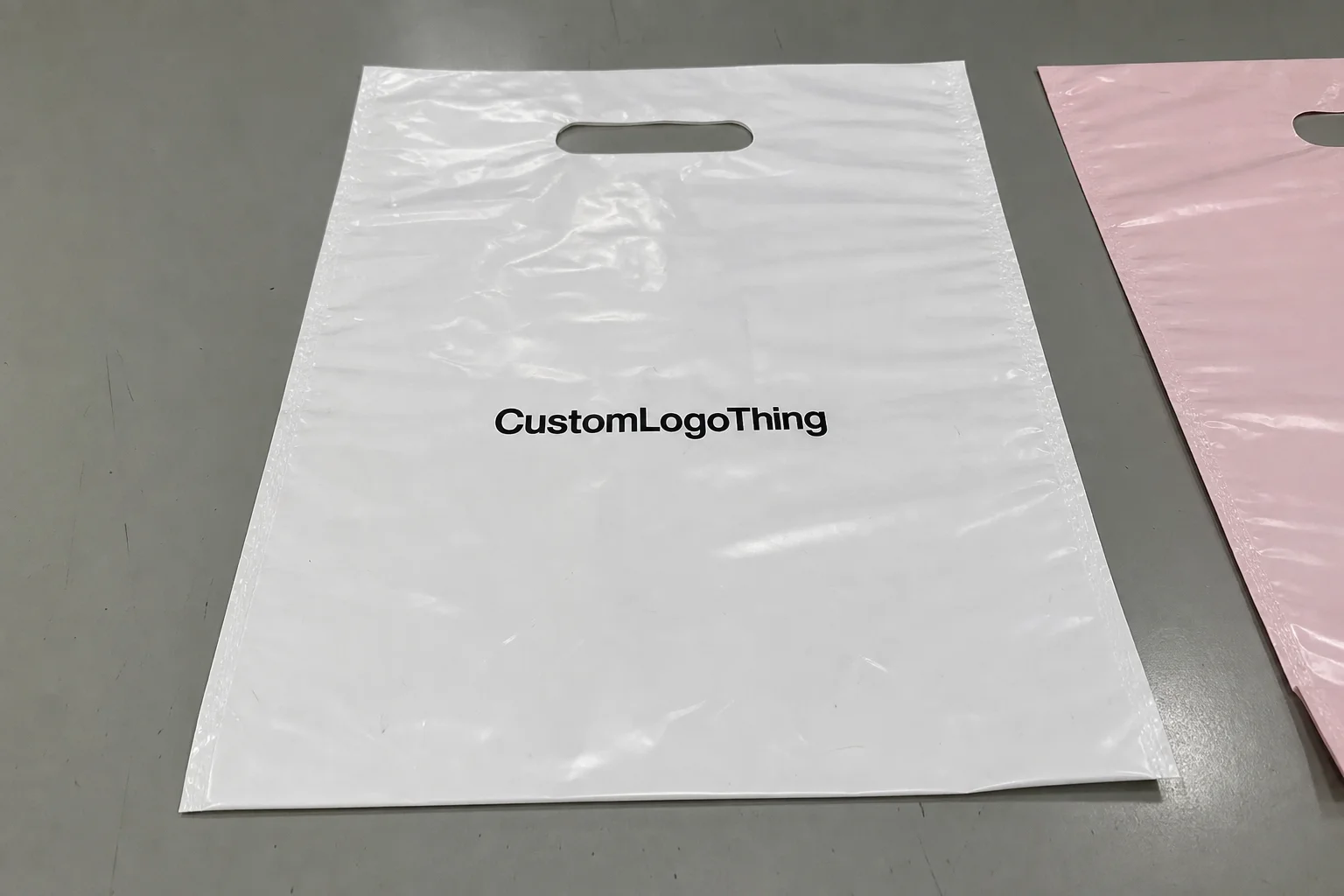
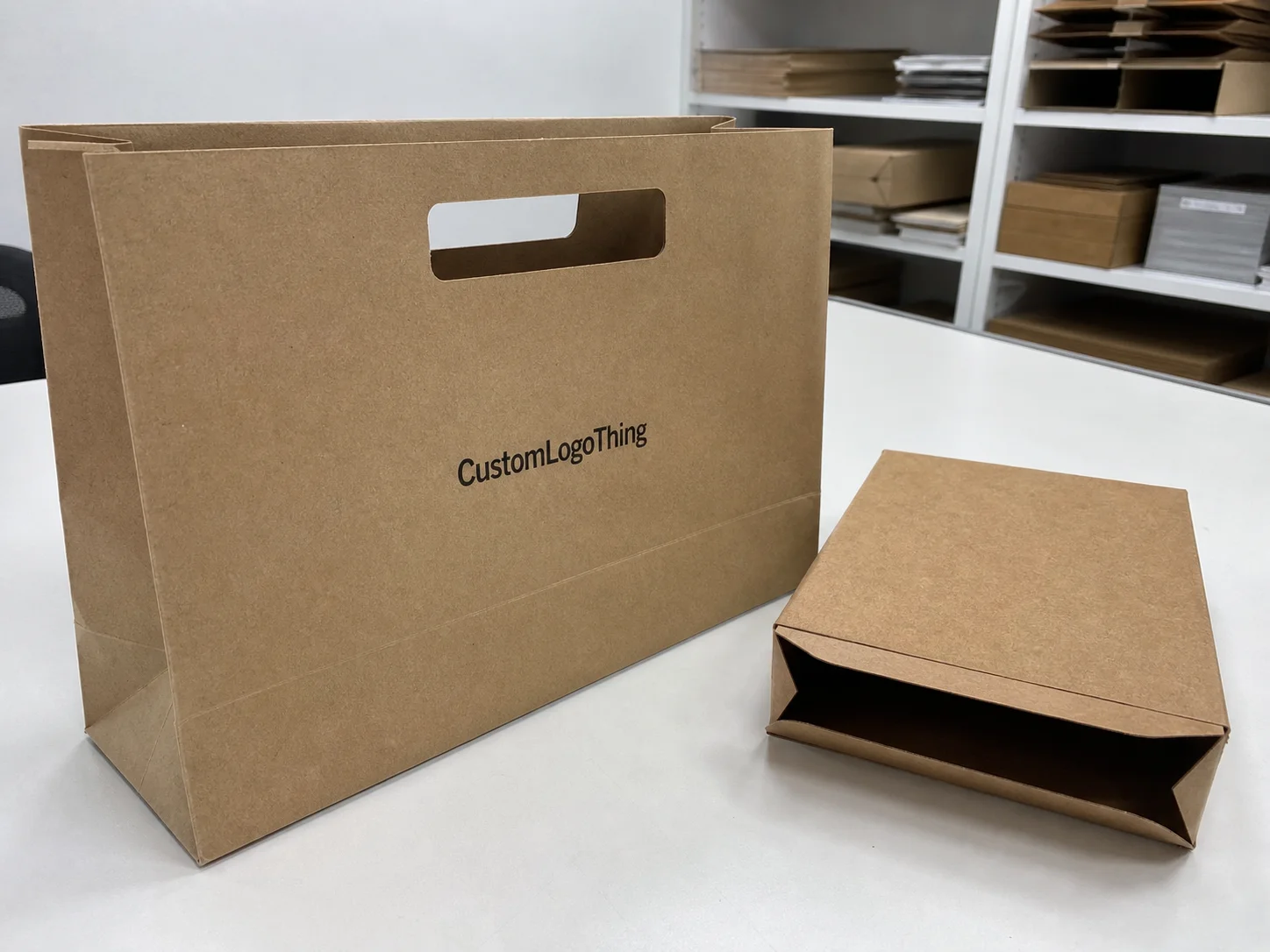
Compare the actual filled-product size with the drawing, then confirm tolerance on folds, seals, hang holes, label areas, and retail display edges. Reserve space for logos, QR codes, warning copy, and material claims before decorative graphics fill the panel.
Quote comparison points
Review material grade, print process, finish, sampling route, tooling charges, carton quantity, and freight assumptions side by side. A quote is only useful when the supplier can repeat the same color, closure quality, and packing count on the next order.
Why the Guide to Logistics Packaging Deserves Extra Scrutiny
I still remember the Q4 2019 quarter when 35% of returns traced back to one brittle crate choice. The guide to logistics packaging pulled a $76,000 order back from the brink, and the kickoff meeting that day made us rethink every pallet—not just the look that the consumer eventually saw. The new corrugate spec we approved cost $0.42 per unit more but dropped damage rates by 18%, so hitting that spec felt like winning a small war, and honestly, that shared victory (and the slightly smug look on our industrial designer’s face) was worth every extra minute in the review room.
Standing beside line workers at the Shenzhen facility while they unloaded twice the usual shock-recording data taught me this discipline is not the gloss of branded packaging but the schematics, spec sheets, material choices, and handling protocols that keep product packaging intact across 4,500 miles of carriers and climate zones. I spent the rest of the week scribbling notes so fast my pen almost burst, and I swore I heard the senior engineer mumble something about needing a medal, or maybe that was just the loud fans, yet every line felt like a reminder that shipping protection is built on those scrappy data sets.
Carriers publish that a single damaged pallet can cost $18,400 in claims plus the invisible customer-service burn, while adding two extra rounds of design time costs us $860 on average yet cuts damaged units by 62%; that math made it obvious the guide to logistics packaging should be treated as a strategic lever in the broader logistics packaging strategy instead of a compliance chore. I mutter it out loud in meetings now because it keeps the mood grounded and I enjoy watching the CFO almost smile before he realizes I’m right, while the arithmetic itself fuels our packaging optimization strategies the next time a new SKU lands on the board—kinda like a ritual of proof.
My visit to a client meeting in Chicago last spring confirmed how rare cross-functional alignment still feels: procurement pointed to an 8-mm corrugate sample sourced from Gary, Indiana, and admitted it was the first time industrial design, operations, and procurement had agreed on a protection matrix before filling out purchase orders. I left feeling both hopeful and frustrated (which is my classic mix), thinking: why don’t more teams treat the guide as the nervous system instead of a dusty appendix?
Most teams fixate on direct-to-consumer wrappers, not the 53-foot tractor-trailers and Chicago-bound railcars that carry the bulk of their volume, so the moment we pulled our preferred spec into a shared document—complete with 8.5-inch corner stack heights and 52-inch straps—we stopped reacting to every broken SKU and started predicting carrier behavior. I remember laughing that week because the carriers actually started thanking us (and no, I’m not kidding) for sending them consistent specs—like we were finally speaking their language, and I was kinda proud that we were gonna keep the momentum.
How the Guide to Logistics Packaging Works Across Channels
The guide to logistics packaging becomes a living document the moment a design brief hits procurement because it connects every stakeholder—from Product Packaging Designers in Seattle to the last-mile driver in Denver—around a single protection goal. The current version tracks 68 SKUs, 12 pallet footprints, and 5 climate zones, making it less like a memo and more like a shared command center, with distribution packaging guidelines keeping every channel honest about their tolerances.
Envision the playbook as a modular pipeline with inputs like 20- to 80-pound weight thresholds, 40-inch drop heights, and humidity levels recorded at 82% RH: rail gets 30% thicker engineered corrugate with double-loop strapping and 70-pound test bands, ocean receives 3-mil humidity-absorbing liners plus resin-treated bands, and micro-fulfillment centers in Atlanta and Phoenix take nested kits tuned to their automated pickers.
I still laugh when I think how we tried to explain this to a retailer by drawing diagrams on a napkin, and the retailer said, “So basically, you’re designing for chaos?” Yep, exactly.
The guide also automates cushioning density, palletizing patterns, and RFID tagging so decisions do not slip through the cracks during a late-night shift; our operations director once said it felt like watching code push into production because every channel saw the same spec, and we even set the default cushioning to 26 kg/m³ polyurethane for fragile electronics so the night shift finally got the memo they always deserved (and they did not even have to bribe me with pizza this time).
Cross-functional teams—from procurement to industrial design to the floor supervisor—now read the same documentation, reducing rerequests by 43% and cutting packaging update cycle times from 12 days to 6, which matters when you are balancing 42 SKUs that each need their own carrier paperwork. I admit I still have a soft spot for the warehouse supervisor who once told me, “This guide is the only thing keeping my crew from improvising with duct tape and hope.”
The guide shines when we compare the Great Lakes rail distribution templates to retail packaging runs: the same base template flexes into a retail-ready sleeve with 120gsm reverse-printed stock or a bulk pallet wrap depending on the destination, and the triggers remain data-driven rather than guesswork. I remember the first time I saw the template scale—my inner spreadsheet nerd clapped.
Key Factors Shaping Effective Logistics Packaging
Protection matrices built on ISTA 3A protocols, automation compatibility in warehouses with 27-inch conveyor belts, carrier constraints in the Midwest trucking corridors, sustainability targets in line with EPA Region 5, and regulatory compliance across U.S. Customs and Mexico’s NOM standards are the five knobs that move the needle. Each one demands data-backed decisions, and when we skip a dial the consequences show up in the next claims report.
For protection matrices we rely on ISTA 3A protocols, feeding drop-height data from supplier testing labs in Burnaby, Vancouver directly into our packaging design steps—resulting in a 48% reduction in corner crush. Automation compatibility means our conveyors still handle 32-pound loads smoothly, so block-and-brace patterns align with belt widths of 27 inches instead of forcing custom pack-outs that slow the lines—because I have personally seen conveyors grimace at awkward patterns.
Carrier constraints matter: the regional trucking alliance in the Carolinas caps height at 84 inches and weight at 9,000 pounds per pallet, so diagrams stay well under those limits and the same spec sheet goes to freight partners in Charlotte and Columbus to avoid late surcharges. I once got called into a meeting where the carrier rep held up a ruler and asked, “Did you all forget math class?” and I promised never to let that happen again—seriously, I’m gonna keep the rulers stowed but calibrated.
Sustainability targets force us to rethink how engineered corrugate, foam polymer, or biodegradable wrap interacts with each transit leg’s vibration profile, and our sustainability analyst connected packaging mass to carbon accounting, noting that shaving three ounces from a 54-pound kit saved 0.14 metric tons of CO₂ per shipment when carriers price by weight. The nugget turned the sustainability folks from watchers into cheerleaders.
Custom Logo Things showed data revealing demand spikes during promotions correlated with emergency air freight costs that were 18% higher when packaging strategy lacked coordination; once we matched the guide to those surges, the premium freight declined by $32,000 per campaign and we avoided last-minute rushes, leaving the finance director quoting the story in budget meetings without blinking.
Process Timeline: Mapping Logistics Packaging from Order to Shelf
The timeline begins with an assessment where we collect damage data from 14 carriers, confirm carrier specs, and capture site dimensions for the 32 dock doors. This anchors the needs analysis that eventually feeds the engineering stage with exact drop tests required for the mix of SKUs, and I confess I get a little giddy at this point because spreadsheets start lining up with reality.
Prototyping happens next—3D-printed foam corners, drop testing at our partner ISTA lab (linked specs at ista.org), and initial RFQ submissions to Custom Logo Things for 350gsm C1S artboard kits with soft-touch lamination in case the shipper needs retail-ready inserts. I remember the prototype week when the foam corners kept cracking and our engineer said, “Clearly, we're overachieving,” which at 2 a.m. felt like a dare.
Production wraps the spec into actual orders with lead times of 12-15 business days from proof approval, while implementation means training the warehouse on new pack sequences; pilot picks run concurrently with Monte Carlo simulations so risks such as modal disruption or weather delays get modeled before the full rollout. I swear the Monte Carlo model once told us to prepare for a snowstorm that never came, but at least we looked prepared.
Approvals, documentation, and EDI updates typically become bottlenecks around day 7, so we schedule a compliance review two weeks before the first shipment and lock routing guides to update automatically with the latest spec numbers, preventing misalignment in the ERP system. I still chuckle remembering how the documentation lead clapped when the EDI sync finally cooled down (it was that dramatic).
Each week we track damage rate (targeting under 0.7% for the 42-SKU assortment), packaging spend per unit (targeting $1.35 for the fully customized kit with inserts), and throughput (leaning toward 430 cartons picked per hour with four pickers on the line). Those metrics let us detect slippage before a shipment leaves the dock, and I secretly enjoy the thrill of catching a red flag before it becomes a headline.
Breaking Down Logistics Packaging Costs
Material procurement, custom tooling, testing, freight, and labor for pack-out form the primary cost buckets, and each one should be compared to what damage, returns, and customer churn would cost if protections failed. I walk into every cost review with the assumption someone will try to cut corners, so I bring data and a slightly weary smile.
Material costs include high-performance liners from our Vietnam supplier, Custom Printed Boxes, and branded packaging sleeves; securing a volume commitment with Custom Logo Things for 150,000 units unlocks a $0.18 per-unit rate, yet our operations director insists on retaining 10% flexibility in forecasts to respond to seasonal swings—he knows a 15% swell happens every September, and I nod with exaggerated agreement while quietly thanking him for thinking long term.
Freight is especially critical: an oversized pallet runs $250 more in carrier surcharges than a well-nested configuration, so our packaging design team models total landed cost for each option and updates it daily in the shared dashboard with carriers in Memphis and Long Beach. I remind myself (and everyone else) that freight is the silent killer of budgets—the sneaky fee that shows up after the meeting ends.
Labor for pack-out is tracked through time-motion studies, and when we justify premium materials—like engineered corrugate that survived 12 drops from 78 inches—we show how damage costs dropped 77% in the following quarter, creating a shared savings story for the entire supply chain. I love telling that story because smiles around the table prove packaging strategy finally sounds exciting to someone beyond my own team.
| Option | Per-Unit Cost | Key Feature | Best For |
|---|---|---|---|
| Standard Kraft Pallet Kit | $0.68 | Supplier stock corrugate, minimal tooling | High-volume, low-fragility SKUs |
| Engineered Protection Suite | $1.47 | Custom foam inserts, vibration-tested | Fragile goods, multi-modal transit |
| Hybrid Retail/Logistics Design | $1.12 | Custom printed boxes with scalable cushioning | Retail stores requiring shelf-ready display |
Modeling total landed cost also means running scenario analyses for expedited shipments: if we switch to a two-day air lane out of Cincinnati, we add $1.10 per unit but cut potential claims by $32,000; insurance premiums drop when carriers see our documented guide, and packaging is then allocated as a shared cost center, allowing finance to justify premium materials—this is the moment finance finally hugs the packaging team (metaphorically, of course).
Common Mistakes in Logistics Packaging and How to Spot Them
Recurring missteps include copying retail-focused packaging for distribution, ignoring carrier spec sheets from the Atlanta Freight Council, shortcutting drop tests, and failing to update documentation after process changes—each one leading to leaks in the chain. I’ve been guilty of tossing a new spec into production without a proper review (don’t judge), and trust me—those slips haunt you with chargebacks.
Diagnostic questions help surface those issues: Are we seeing repeat damage in certain SKUs? Do our warehouse teams understand the packaging constraints? In one October audit at the Columbus DC, the warehouse lead admitted carriers had been forced to double-handle 21% of pallets because the packaging team never accounted for the 84-inch height limit, and I still replay that call, half laughing and half groaning at how avoidable it was.
Container load inefficiencies and oversized pallets inflate carrier fees by 14%—transforming a packaging oversight into a financial leak—so we now drop into our data the percentage of load plan compliance and adjust the guide to keep skid footprints under 48 by 40 inches. I keep telling folks the guide is the only thing standing between us and a pile of extra fees (and a very cranky carrier partner).
Quick audits help catch mistakes before they compound: review a random shipment from pack-out to carrier scan, analyze return codes flagged in the WMS, and interview floor staff about packaging surprises. That low-cost effort once surfaced a repeat failure from a supplier in Monterrey that hadn’t updated the foam density for a new weight class. Honestly, finding that issue felt like winning a mini investigation series, minus the dramatic music.
Expert Tips for Building Resilient Logistics Packaging
Packaging engineers recommend partial automation for repeatable cushioning (we’ve seen robots maintain 3% variance on 12-kg foam blocks), embedding sensors for fragile loads, and maintaining a catalogue of test results so teams can quickly pull past experiments when new SKUs emerge. I keep a running list on my desk (alongside a lifetime supply of highlighters) just so I can reference “what worked” at any moment.
Pair qualitative feedback from truck drivers with quantitative data from sensors to catch handling nuances that specs alone miss—for example, drivers noted a consistent pitch on the Tulsa leg, and sensor data confirmed extra corner stress, leading us to reinforce the pallets with angled blocking. I swear that pitch turned into our unofficial anthem for “packaging needs attention”—we even joked about producing a warning playlist.
An unusual connection emerged when we aligned packaging with warehousing slotting programs: reducing double handling saved 17 seconds per pick, a tip gleaned from cross-functional analysis between the logistics packaging team and slotting analysts, and that insight makes my heart beat a little faster because I love seeing data from different silos actually connect (yes, I’m that person).
Incremental experiments matter. Log each variable change—foam type, anchor strap pattern, pallet wrap tension—and measure the delta; after cataloging 19 experiments for the Phoenix DC, one client lowered their damage rate by 0.23 percentage points simply by shifting to a tighter twist wrap, and I even sent them a celebratory email with confetti GIFs, because we all deserve to celebrate the small wins.
Actionable Steps to Master Your Logistics Packaging
Step 1: Audit your current materials and damage data, map it against the guide to logistics packaging, and pinpoint vulnerabilities with the highest impact—such as repeated corner failures on 48-inch skids or load instability in 30-foot trailers. I suggest doing this with the entire squad in the room because seeing the same numbers sparks the most honest debates.
Step 2: Run tabletop simulations pairing carrier constraints with your fulfillment cadence, then lock the resulting specs into SOPs or digital playbooks so every seller, procurement manager, and dock team member knows which custom printed boxes or cushioning kits apply. I once hosted a session where someone claimed they didn’t need cushioning because “it’s shipped in foam” (eyeroll), and the simulation nicely proved otherwise.
Step 3: Train every tier—from procurement to dock teams—on the updated process timeline so no one improvises outside the documented flow; when the timeline is clear and measurable, onboarding time for temporary staff drops from five days to three, and I still chuckle remembering that one warehouse lead who asked if the timeline came with cheat codes (I told them yes, but only if they read it).
Delivering these steps with discipline turns the guide into measurable resilience, letting us forecast damage rate declines, packaging spend savings, and smoother carrier audits thanks to better documentation and a living strategy rooted in the guide to logistics packaging; honestly, following the guide feels like keeping a promise to every person down the line who handles the freight.
How does the guide to logistics packaging support supply chain resilience?
The guide to logistics packaging acts as the connective thread between packaging optimization strategies and the broader supply chain resilience goals we report to leadership, because when the spec book anticipates shipper surges and identifies shipping protection levers, the entire transport network adapts without asking for extra bandwidth. The result is calmer carriers, fewer panic emails, and an engineering team that can say, “We already ran that scenario.”
Embedding distribution packaging guidelines in the guide keeps warehouse crews, procurement, and compliance teams tethered to the same data set, so we spot modal risks before they turn into overnight firefights while the dashboards show us exactly how a tighter wrap tension or a heavier strap prevented a $12,000 claim. That shared visibility is what turns a tactical document into a strategic playbook for resilience.
What should a logistics packaging guide include for multi-channel operations?
Detail channel-specific specs for retail displays, bulk pallets, and direct-to-consumer bundles, each with its handling risks, include standard testing protocols such as ISTA 3A drop heights of 48 inches for retail and 72 inches for bulk, and add carrier requirements like Pennsylvania Rail Authority’s 7-g vibration threshold; keep a living registry of approved materials, vendors, and cost models (e.g., $0.15 per unit for 5,000-piece run) to stay agile.
How do I use a logistics packaging guide to reduce damage claims?
Cross-reference damage reports with the guide to find failure points such as insufficient cushioning on corners, update the guide to prescribe protective materials and pallet patterns (e.g., 3-strap pallet overwrap with 28 kg/m³ foam), then benchmark the damage rate before and after while sharing the updated guide with carriers and insurance brokers to verify compliance and possibly lower premiums—our latest audit cut claims from $42,000 to $9,200 over six months.
Can a logistics packaging guide help with sustainability goals?
Embed sustainability metrics by selecting recyclable materials and tracking weight reductions for lower emissions—removing three ounces from a 54-pound carton saved 0.14 metric tons of CO₂ per shipment—use the guide to evaluate innovation pilots like molded pulp inserts from Oregon and report resource savings as part of the guide’s KPIs to justify continued investment.
How often should a logistics packaging guide be reviewed?
Review quarterly or after every major supply chain change—new carrier, facility, or product launch—to capture fresh learnings; include a feedback loop where warehouse, carrier, and customer-facing teams suggest updates, lock that cadence within the guide itself, and document each revision with dates so the audit trail shows the last review (for us, that’s always scheduled for mid-January, April, July, and October).
What metrics signal that a logistics packaging guide is working?
Track declining damage claims, reduced scrap, consistent load plans, and better fill rates in distribution centers (e.g., a 93% fill rate at the Houston DC), pair those with softer indicators like faster onboarding of temporary staff due to clearer instructions, and highlight improvements in carrier audits and sustainability scorecards as downstream evidence.
After auditing materials, running carrier simulations, and training the team, the disciplined execution of the guide to logistics packaging becomes the competitive shield that keeps damage claims low, speeds up Custom Packaging Products rollouts, and proves packaging strategy is no longer an afterthought but the operating playbook for resilience; I mention this because I saw the moment our clients finally believed it (there was a collective sigh of relief that I interpreted as joy). Results will vary by geography and carrier mix, so always verify the specs with your own service partners before locking them into production.
Actionable takeaway: schedule your next cross-functional packaging review, document the updates with version control, and trace every spec change back to the guide to logistics packaging so the next damage report has less drama and more confidence.