What a Soap Refill Plastic Bags Carton Packing Checklist Actually Prevents
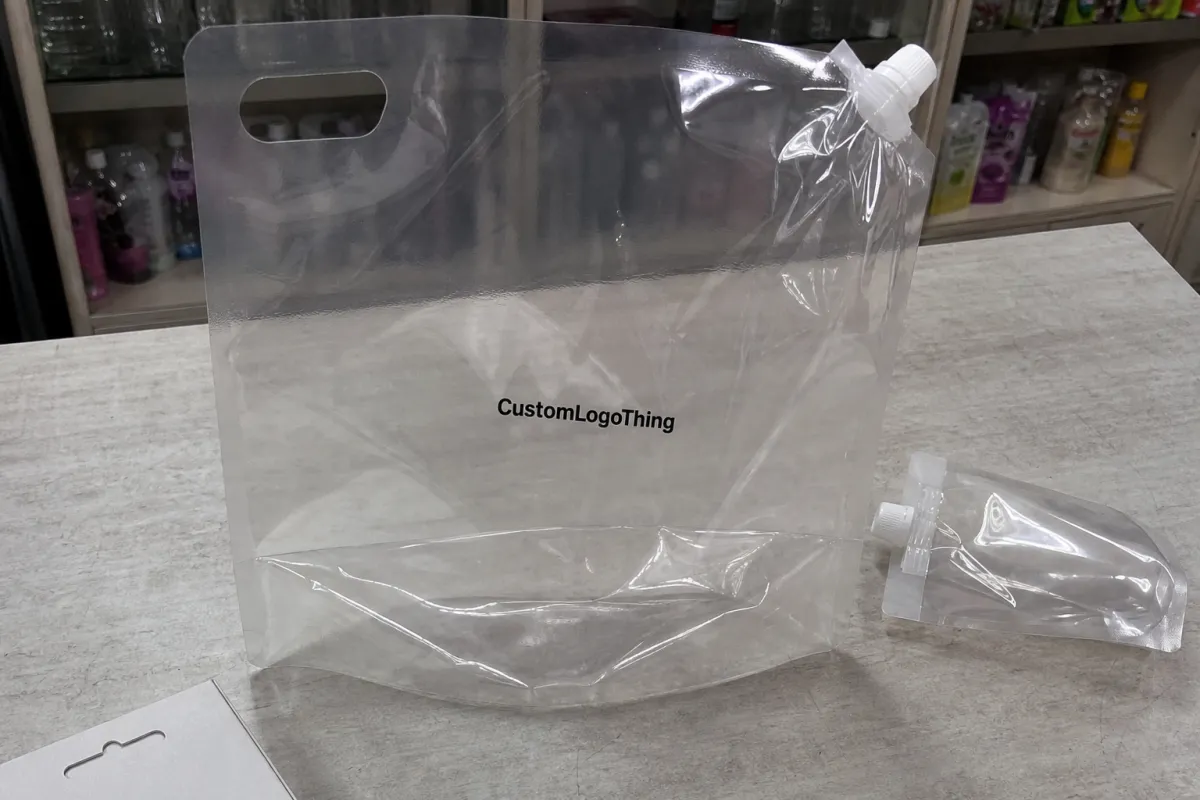
A refill pouch can look perfect on the filling line, then the master carton bows, one corner crushes, and six bags start leaking before retail. Very glamorous. Very avoidable. A soap Refill Plastic Bags carton packing checklist is not administrative decoration; it is the buyer's defense against leaks, crushed cartons, unreadable barcodes, rejected pallets, and freight claims.
Think of it as one combined packing specification. It covers the flexible refill bag, closure, inner packing method, carton structure, label placement, pallet pattern, and shipping conditions the product must survive. If those decisions sit in separate email threads, someone will miss one. Usually the expensive one.
Soap refill packaging is harder than dry goods because liquid moves. A 1 liter pouch shifts weight every time a carton is dropped, tilted, stacked, or vibrated on a truck. Caps and spouts create hard pressure points. Fragrance oils can stress certain films. Humidity weakens low-grade corrugated faster than many buyers expect.
DTC soap brands, hotel amenity suppliers, refill station operators, private label manufacturers, and procurement teams ordering custom refill bags in bulk all need the same discipline: approve the packed carton, not just the pouch artwork.
Practical rule: pretty packaging that fails freight is just expensive confetti with a cap.
How Soap Refill Bags and Cartons Work Together in Shipping
The packaging stack usually starts with the primary plastic refill bag. Then comes the closure or spout, sometimes an inner liner, divider, or paper pad, then the shipper carton or retail-ready case, master carton, pallet wrap, and freight handling. Each layer has a job. Skip one job and the next layer has to work harder.
The carton is not just a box. It controls compression, protects the bag seams, reduces scuffing on printed films, keeps cases stackable, and makes warehouse handling less chaotic. A plain master carton may need one-color marks and enough strength for palletized shipping. A retail-ready carton needs cleaner print, tear-away features, shelf presentation, and tighter dimensional control. Export cartons may need stronger board, better moisture resistance, and clearer shipping marks.
Bag format changes carton packing immediately. Pillow pouches stack differently from stand-up pouches. Side-gusset bags settle differently than lay-flat refill packs. Spouted pouches need clearance for the cap and neck, or the spout becomes a small plastic hammer hitting the pouch beside it during transit.
Orientation matters. Upright packing can improve presentation and reduce surface scuffing, but it may concentrate load around caps. Flat packing can improve carton utilization, but it pushes liquid toward seams. Alternating or nested packing often works best for soft pouches because it spreads spout pressure and reduces bulging. Test it before buying 20,000 cartons. Radical idea, apparently.
Headspace deserves the same attention. A 1 liter pouch filled too tight behaves like a water balloon with branding. Most liquid pouches need controlled headspace so the contents can move slightly without forcing the seals outward. The right allowance depends on film structure, seal width, fill temperature, formula viscosity, and whether the pouch is shipped upright or flat.
Use basic testing touchpoints before full production: sample carton packing, drop testing, compression checks, vibration checks, and barcode scanning after cartons are packed. For formal transport testing, many brands reference procedures from ISTA. Smaller runs do not always need a lab report, but they do need evidence that the pack survives realistic handling.
Key Specs That Decide Whether Refill Packs Leak, Bulge, or Survive Freight
A useful checklist starts with the bag specs. Confirm material structure, film thickness, barrier needs, seal width, gusset style, spout size, cap type, tear notch, zipper if used, and print method. For many soap refill packs, film thickness may sit around 90-160 microns. Larger volumes, spouted formats, aggressive formulas, and parcel shipping may require more structure.
Material choice is not a branding mood board decision. LDPE and PE blends offer flexibility and good squeeze performance. Laminated films add stiffness, puncture resistance, print quality, and barrier. Recyclable mono-material PE options can be a sensible move, but they often need tighter sealing windows and stronger validation. Not a problem. Just not magic.
Soap formulas can be rude to packaging. Surfactants, essential oils, fragrance oils, alcohol content, and citrus components may affect film choice, ink resistance, odor barrier, and long-term seam performance. If the formula is new, run compatibility checks for at least 2-4 weeks under room and elevated temperature conditions. National retail programs usually need longer. Shorter is gambling with nicer stationery.
Carton specs matter just as much. Confirm corrugated grade, flute type, burst strength or edge crush test rating, carton dimensions, board moisture resistance, glue strength, and print coverage. A common shipper may use 32 ECT C-flute or B-flute, but heavy liquid loads, tall pallets, humid storage, or parcel distribution may need higher ratings. ASTM and TAPPI methods are often used for corrugated performance testing, and buyers can review broader packaging education through PMMI.
Build carton dimensions around filled bag dimensions, not flat artwork dimensions. Flat measurements are cute. Filled products are reality. Measure height, width, depth, spout projection, cap diameter, and the thickest point after filling. Add tolerance for film memory and production variation: often a few millimeters per side on small pouches, more on 1 liter and 2 liter formats.
Weight limits need a hard number. Define bags per carton, gross carton weight, total liquid load, and whether warehouse teams can lift the case safely. Many buyers try to keep hand-lift cartons under 35 lb, and lighter is better for frequent picking. Heavier cartons may be acceptable for pallet-only handling, but parcel carriers punish weak corners, excess movement, and sloppy void fill.
Labeling and compliance details belong on the same checklist: SKU, lot code area, carton mark, orientation arrows, country of origin, recycling symbols, handling marks, and barcode placement. FSC claims require certified paperboard and correct chain-of-custody support; the FSC rules are not decorative. If you print a claim, keep the backup.
Cost and Pricing Factors Buyers Should Lock Before Quoting
Unit cost is not only the plastic bag price. A real quote includes film structure, printing setup, plates or cylinders, spout hardware, caps, carton board grade, inner packing, labor, testing, freight, and waste allowance. A cheap quote missing cartons, caps, or freight is not cheap. It is unfinished math.
For custom soap refill bags, the main cost drivers are order quantity, bag size, print colors, matte or gloss finish, spout and cap style, custom shape, barrier film, and recyclable material structure. A basic unspouted refill pouch at higher volume may be far cheaper than a custom printed spouted pouch with matte varnish and a special cap color. Shocking, I know.
Carton cost drivers are simpler but still annoying: corrugated grade, dimensions, print coverage, SKU count, retail versus shipper quality, inserts, dividers, and export strength. Plain master cartons are usually cheaper than printed retail-ready cartons. Larger cartons are not always cheaper per bag if they need stronger board, reduce pallet efficiency, or become too heavy for safe manual handling.
| Packaging Choice | Typical Cost Impact | Best Use | Buyer Watchout |
|---|---|---|---|
| Plain master carton | Often low; roughly $0.60-$1.80 each depending on size and board | Bulk shipping, warehouse handling, private label cases | Weak board can collapse under liquid weight |
| Printed retail-ready carton | Moderate to high; print and die-cut features add cost | Club packs, shelf displays, retail replenishment | Artwork changes can delay carton production |
| Basic refill pouch | Lower than spouted formats at similar volume | Refill stations, economy packs, simple e-commerce bundles | Pour control may be weaker without a spout |
| Spouted refill pouch | Higher; spout and cap hardware add material and labor | Premium refills, controlled pouring, repeat household use | Caps create pressure points inside cartons |
Small custom printed pouch runs can land much higher per unit because setup is spread across fewer pieces. Larger runs lower unit cost but punish bad specs harder. Changing carton size after 500 samples is irritating. Changing it after 50,000 printed cartons is a procurement migraine with a purchase order attached.
Send suppliers the right details early: target fill volume, filled bag dimensions if available, material preference, print artwork, carton pack count, destination, annual volume, and shipping method. Parcel, LTL, full truckload, and ocean container freight create different risks. A soap Refill Plastic Bags Carton packing checklist helps every supplier quote the same scope, which makes comparison less like reading tea leaves.
Process and Lead Time From Sample Bag to Packed Carton
The normal process has several steps: requirements review, material recommendation, dieline and artwork setup, sample or prototype approval, print proof, bag production, carton production, packing trial, final inspection, and shipment. Some steps can run together. Artwork review, carton structure planning, and freight estimates can move while bag material is being confirmed.
The slow steps are the ones buyers underestimate. Custom film sourcing, spout tooling, print plate setup, revised artwork, formula compatibility testing, and carton compression testing can all add days or weeks. A familiar stock pouch may be ready much faster than a new custom printed spouted recyclable structure. First orders need breathing room.
Sample types are not interchangeable. A digital mockup checks layout. A blank functional sample checks fit and hand feel. A printed sample checks brand color and finish. A filled test sample checks leaks, bulging, cap torque, carton fit, and shipping behavior. If you only approve the pretty empty pouch, you have approved the easiest part.
Typical planning can run 2-4 weeks for simple stock or lightly customized packaging, 5-8 weeks for custom printed bags with cartons, and longer for specialty films, tooling, or formal transport testing. Timing depends on supplier capacity, artwork readiness, import method, inspection requirements, and whether the formula is already proven in similar packaging. Rush orders and liquids are not a cute combination.
Inspection points should be written before production starts: seal strength, print registration, cap torque, bag count per carton, carton weight, barcode scan, carton markings, pallet configuration, and photo documentation. If the supplier knows the acceptance points in advance, fewer arguments happen later. Amazing how that works.
Buyers can shorten turnaround by approving dielines quickly, sending final artwork, avoiding fill-volume changes midstream, and confirming carton packing before mass production. The checklist should travel with the project from first quote through final inspection, not appear after cartons already failed.
Step-by-Step Packing Checklist Before You Approve Production
Use this section as the working version of your soap refill Plastic Bags Carton packing checklist. Print it, paste it into a supplier brief, or turn it into a shared spreadsheet. Just do not leave these decisions floating in chat threads.
- Confirm filled bag size. Measure height, width, depth, spout projection, cap diameter, and filled thickness. Flat pouch dimensions are not enough.
- Set the carton pack count. Base it on gross weight, carton strength, warehouse handling, pallet pattern, and freight class. Do not choose 24 pieces only because it looks tidy in a spreadsheet.
- Choose packing orientation. Bags may ship upright, flat, alternating, or nested. Document the approved method with photos from the packing trial.
- Check pressure points. Spouts, caps, sharp carton seams, tight corners, and dividers can rub or puncture flexible bags during vibration.
- Confirm carton dimensions. Allow tolerance for real filled product. Too tight causes bulging; too loose causes movement, scuffing, and cap impact.
- Add carton markings. Include SKU, quantity, gross weight, lot code area, orientation arrows, liquid handling marks, barcode, destination labels, and country of origin if required.
- Approve the pallet pattern. Confirm cases per layer, layers per pallet, pallet height, corner boards if used, and stretch wrap method. A strong carton can still fail if the pallet leans like a bad patio umbrella.
- Keep a signed packing standard. Every reorder should follow the same bag count, carton type, packing direction, and loading pattern unless a controlled change is approved.
A strong checklist also includes test records. For parcel shipping, run drop tests on the packed carton. For palletized LTL, check compression and vibration. For warehouse scanning, test barcodes after stretch wrap and after cartons are stacked. Small checks. Big savings.
Common Mistakes That Turn Good Refill Bags Into Freight Claims
Mistake one: approving artwork before confirming the spout, cap, and filled profile. Pretty graphics do not fix a pouch that cannot pack efficiently. Lock the physical format first, then make the design behave inside that shape.
Mistake two: using the same carton for multiple fill sizes without testing. A 500 ml pouch and a 1 liter pouch may share branding, but they do not share shipping behavior. The larger pouch has more liquid movement, more seam pressure, and usually more carton load.
Mistake three: ignoring compression. Liquid refill packs are heavy, and stacked cartons need enough board strength for warehouse and freight pressure. If the cases will sit four or five layers high, the bottom layer has to survive static weight plus handling abuse.
Mistake four: packing bags too tightly. Buyers often assume tight equals secure. With liquid pouches, tight can mean seam pressure, cap stress, and bulging cartons. A little controlled tolerance is better than turning every case into a pressure cooker.
Mistake five: skipping formula compatibility checks. Fragrance oils, solvents, citrus oils, and aggressive surfactants can cause softening, staining, swelling, odor transfer, or seal weakness. Not every formula causes trouble, but the expensive way to find out is after a container has shipped.
Mistake six: forgetting barcode and label placement. If a warehouse cannot scan the carton easily, the design team has created a very attractive nuisance. Keep barcodes away from corners, seams, heavy gloss distortion, and stretch wrap folds where possible.
Mistake seven: failing to document the approved packing method. Without photos, carton specs, and pack counts, every reorder becomes a tiny guessing game with expensive consequences. A checklist turns the approved method into a repeatable standard.
Turn the Checklist Into a Supplier-Ready Brief
Before contacting a packaging manufacturer, prepare the basics: product formula type, fill volume, target bag format, spout requirement, artwork status, expected order quantity, carton pack count, and shipping destination. If the product ships DTC, say that. Parcel shipping is harder on individual cartons than neat palletized freight.
Build a one-page packing brief with five blocks: bag specs, carton specs, packing method, testing requirements, and quote assumptions. The brief does not need to be fancy. It needs to be clear. Include target materials, film thickness preference, print colors, carton grade if known, pack count, gross weight target, and whether samples must be tested filled or weighted.
Ask the supplier for a material recommendation, carton strength recommendation, MOQ tiers, unit cost by quantity, sample plan, production timeline, and freight estimate. Also ask what is excluded. Tooling, plates, caps, inserts, lab testing, shipping marks, and special pallets can hide outside the first quote if you do not force the details into the open.
Request one packed sample carton before mass production. Not one pretty empty pouch. A real filled or weighted packing test that shows how the product behaves in the chosen case. Photograph the carton before and after handling, check corners, scan the barcode, and inspect every seal near the cap or spout.
Compare suppliers based on complete landed cost, not only bag price. The cheapest pouch is not cheap if the carton fails and soap leaks into a warehouse aisle. Confirm dimensions, request samples, run a packing trial, approve carton markings, document pallet pattern, and keep the approved spec for reorders.
The final value of a soap Refill Plastic Bags carton packing checklist is boring in the best possible way: fewer assumptions, fewer leaks, fewer freight claims. Design, purchasing, production, and shipping stop making separate decisions. The packed carton becomes the standard, not an afterthought.
FAQ
What should be included in a soap refill bag carton packing checklist?
Include bag size, filled dimensions, material structure, spout and cap details, carton grade, carton dimensions, bags per carton, gross carton weight, packing orientation, carton markings, pallet pattern, and required tests. Add photos from the approved packing trial so production teams can repeat the method on every reorder.
How many soap refill plastic bags should go in one carton?
The right count depends on fill volume, filled bag thickness, carton strength, and safe handling weight. Avoid cartons that become too heavy for warehouse staff or bulge when stacked. Test the actual filled bags before locking the count.
Do soap refill pouches need special cartons for shipping?
Often, yes. Liquid refill pouches shift weight, stress seams, and create pressure points around caps or spouts. Use corrugated cartons strong enough for the gross weight, stacking height, transit method, and humidity conditions.
What affects the pricing of soap refill plastic bags and cartons?
Main cost drivers include bag size, film thickness, print colors, finish, spout hardware, order quantity, carton board grade, carton printing, inserts, testing, and freight. Smaller orders usually cost more per unit, while larger orders lower unit cost but require tighter spec approval before production.
How long does the soap refill packaging process usually take?
Timing depends on whether the bag is stock or custom, whether printing is required, whether a spout is used, and whether carton testing is needed. Plan extra time for first orders, new formulas, custom printed bags, recyclable structures, and sample carton packing trials.

