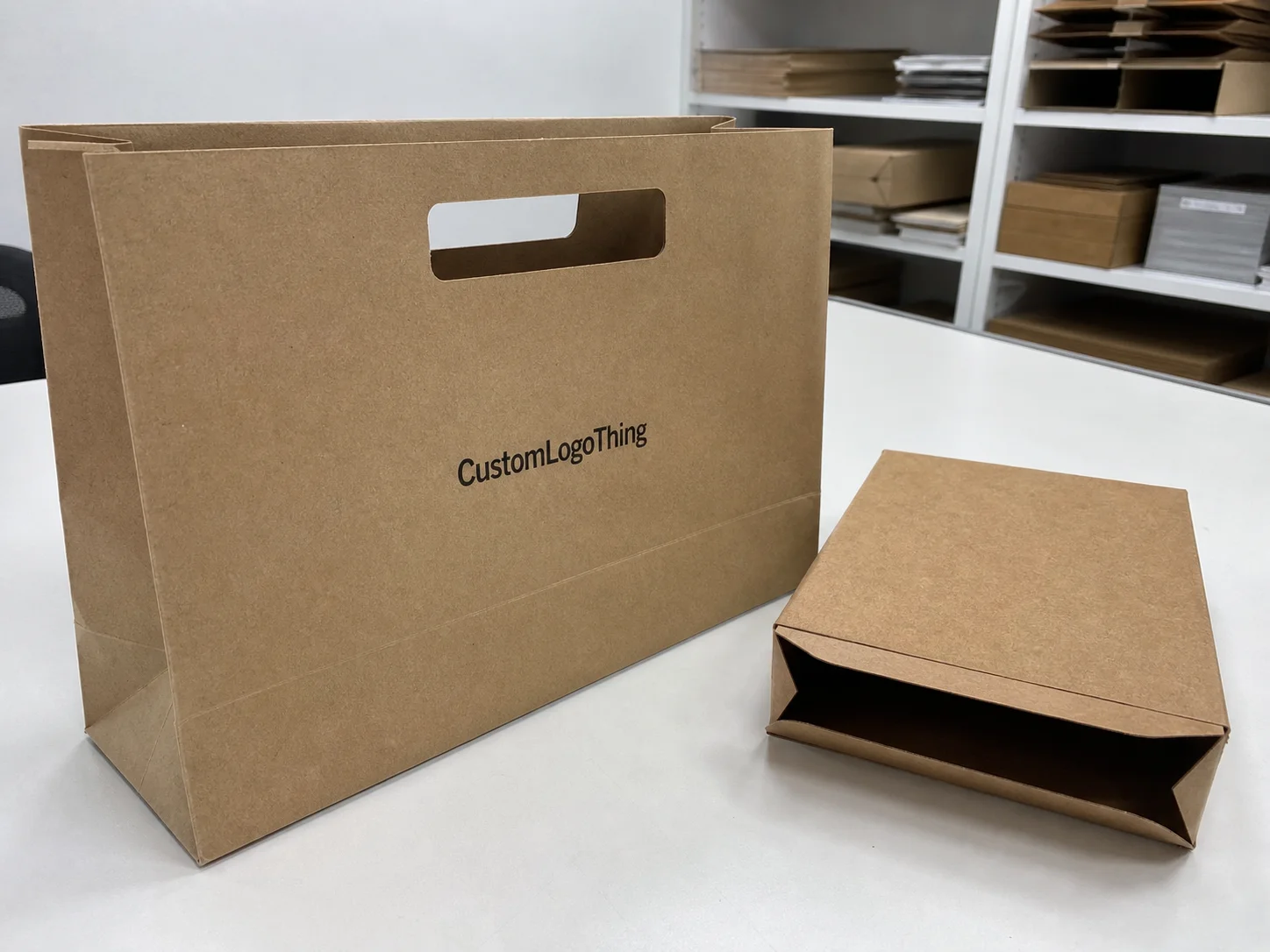
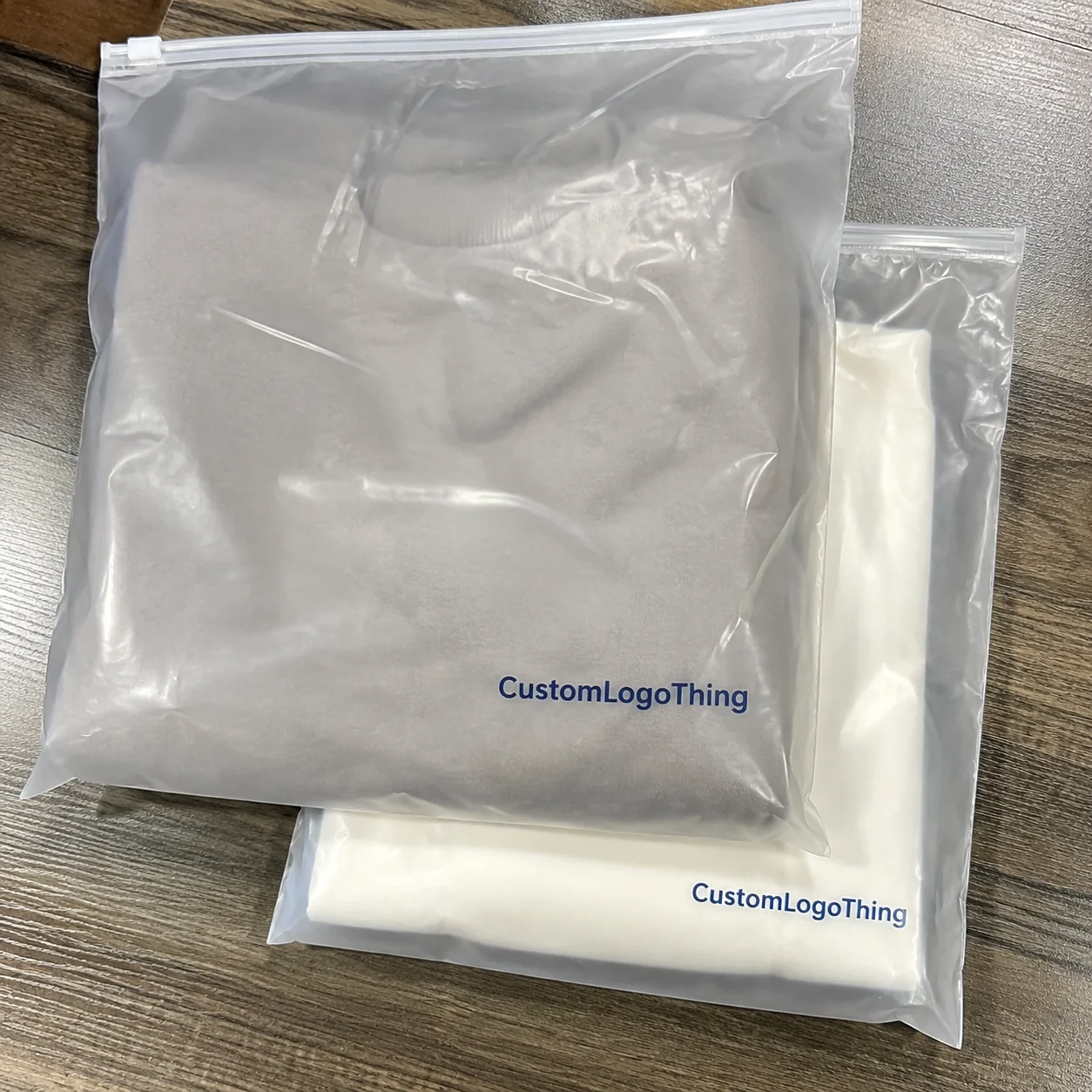
Buyer Fit Snapshot
| Best fit | handmade goods packaging buyers comparing specs, samples, proofing, MOQ, unit cost, lead time, and reorder risk where brand print, material, artwork control, and repeat-order consistency matter. |
|---|---|
| Quote inputs | Share finished size, material target, print colors, finish, packing count, annual reorder estimate, and delivery region. |
| Proofing check | Approve dieline scale, logo placement, barcode or warning zones, color tolerance, and any recyclable or compostable wording before bulk production. |
| Main risk | Vague material claims, crowded artwork, or missing packing details can create delays even when the unit price looks attractive. |
Fast answer: Handmade Goods Packaging: Material, Protection, Proof, and Production Checks should be specified like a repeatable production item. The safest quote includes material, print method, finish, artwork proof, carton packing, and reorder notes in one written spec.
What to confirm before approving the packaging proof
Check the product dimensions against the actual filled item, not only the sales mockup. Ask for tolerance on folds, seals, hang holes, label areas, and retail display edges. If the package carries a logo, QR code, warning copy, or legal claim, reserve that space before decorative graphics fill the panel.
How to compare quotes without losing quality
Compare board or film grade, print process, finish, sampling route, tooling charges, carton quantity, and freight assumptions side by side. A lower quote is only useful if the supplier can repeat the same color, closure quality, and packing count on the next order.
Walking through the Custom Logo Things Corona corrugation line again, I remember spotting a candle label stuck under a conveyor belt guard and thinking that this guide to Packaging for Handmade goods wasn’t only about engineering—it was about how each box would cradle a candle, a soap bar, and a trust deposit from a small collections creator. Those tactile moments on the plant floor, where the smell of fresh board mingles with powdered ink, remind me that every fold, glue line, and printed paragraph is choreographed for a hand to slip into a moment of delight. Honestly, I think the board smell is the weirdest comfort (the corrugation line has a scent profile that should come with tasting notes), and it keeps me coming back.
It might sound hyperbolic, but after two decades moving pallets beside Stanpac inserters and watching set-ups at our Driscoll freezer wrap room, I’ve learned that a carefully built guide to Packaging for Handmade goods can pivot shipping damage into a five-star review before the recipient lifts the lid. The rhythm of loading boards into the Heidelberg, the subtle hum of the inline flexo press, and the precise torque our caretakers apply to the tooling bolts all signal that what the customer receives should feel as deliberated as the product itself. I remember when I first saw a Driscoll wrap line jam because someone fed in too much tissue; we all swore at the machine like it owed us money, which is the kind of frustration that strangely bonds a team.
Guide to Packaging for Handmade Goods: Why It Deserves More Than a Box
When I stepped onto that Custom Logo Things Corona corrugation line, the hum of the inline flexo press underscored what I tell every partner: this guide to Packaging for Handmade goods needs to cover structural integrity, tactile finishes, and narrative details—not because marketing teams want more copy but because my floor manager, Luis, trusts the packaging to soft-land a hand-poured soy candle from our Valencia studio. We measure how each liner board responds to the pressure of a die-cut nip and how the print registration dances with a CMYK blend designed to mimic hand-mixed dyes.
The shelves of my trucks are filled with anecdotes, and one surprising detail ships with every kit: shoppers remember the package before the product. That emotional first impression is what shifts branded packaging from a protective solution into emotional currency, which keeps the product packaging story alive even in the waiting rooms of the USPS hub in Colton. Stories travel back from those shipping bays, describing the way kraft curls release when a cotton string is cut, or how a planted-seed card fits beneath a molded pulp tray with reassuring precision.
A guide to packaging for handmade goods in this setting always includes in-line compression strength checks at 15 PSI, because artisanal ceramics or custom printed boxes need to resist not just knocks but the hubcaps of freight docks. We also mirror materials. If the artisan uses recycled cotton ribbon, the packaging often mirrors that with recycled kraft and a cotton-fiber sleeve to echo the same warmth, which reinforces the retail packaging identity without adding costly foil.
No stage of the craft should feel disconnected from the final unwrap. That means pairing recycled kraft board from the Twin Rivers mill with glassine tissue or eco fibrillated cellulose interior liners and adding small unboxing rituals such as a planted-seed card tucked beneath the foam insert. Doing so proves that the guide to packaging for handmade goods seen on the floor is about more than a box—it’s about continuing the craftsmanship through the moment the customer opens it.
“I didn’t know packaging could feel like a second handmade layer,” our client from Glendale said while inspecting the kraft curl tied with cotton string, reminding me that this guide to packaging for handmade goods is about curating a ritual.
From the stitching of the ribbon to the exact angles on the tuck-top lid, the guide to packaging for handmade goods influences product packaging design choices all the way back to the studio sketches so the final branded packaging doesn’t feel like an afterthought but an integral part of the maker’s story. Honestly, I think those storytelling choices are why the floor feels more like a studio than a factory (the music is always louder than regulation allows, and no one seems to mind).
How Packaging for Handmade Goods Works: From Studio Sketch to Ship
Our production sequence at Custom Logo Things begins with a design brief in which clients submit measurements, fragility notes, and their most cherished product narratives, often referencing our Custom Packaging Products catalog for ideas on structure or finish techniques.
When the art department receives the brief, they translate those notes into dielines on the Kongsberg PRO, adding nested protection systems—such as an adjustable insert with a foam base and corrugated separator—that hold delicate vases or glass droppers without touching the printed surface. That level of care is part of the guide to packaging for handmade goods I always describe when I sit with the structural engineers in our Corona studio.
Prototyping is executed on the HP Indigo for color accuracy, then reviewed under a spectrophotometer to make sure Pantone 1807 or Pantone 7568 hit the right warmth when we add texture finishes. Once approved, the dielines route to the Heidelberg press and finishing lines, with a standard timeline of two to three weeks from board cutting to packed pallet, depending on complexity—whether the project requires aqueous coating, soft-touch lamination, or a unique nesting system for a soap and candle duo. That attention to detail also ensures the Handmade Product Packaging aligns with the Custom Packaging Solutions our teams map out for every maker.
The logistics integration is something vendors rarely see up close. I still remember a call with a Portland ceramics brand monitoring humidity fluctuations; our teams immediately scheduled a humidity check that used data from our environmental sensors in the finishing room, ensuring the final product packaging was stored at 45% relative humidity until outbound. That’s the kind of specificity this guide to packaging for handmade goods relies on from start to finish.
Quality checkpoints include compression testing at 20 PSI, drop tests from 36 inches, humidity checks, and tamper-evident seals, which is particularly crucial for delicate textiles or ceramics. We even document the tamper evidence—whether satin ribbon with a break-away tab or heat-sealed cello wrap—so your fulfillment team knows exactly how to confirm the package integrity before shipping.
Every step echoes the concept of the guide to packaging for handmade goods: from detailed dieline work to final shipping instructions, we automate the handoff between studio and courtyard so that the handmade object feels protected and revered. Honestly, I think the logistics team deserves a standing ovation (if any team ever endured a rush emoji-inspired launch I’ve seen it in their planning sheets).
Key Factors and Cost Considerations When Packaging Handmade Goods
The balance between tactile story and performance starts when we weigh the product and evaluate its dimensions. That’s why I always ask clients for specific SKU weights, length, width, and height so the structural engineering team can model load distribution, whether we need cushioning, slip sheets, or custom inserts built in our Stanpac assembly area to minimize movement without squeezing the object.
Climate plays a major role; I remember a Pasadena-based soap maker whose workshop humidity would climb past 70%. In that case we recommended either wax sealing or laminated wraps, and we leaned on recycled kraft board for the outer shell so the project packaging stayed breathable. The guide to packaging for handmade goods I walk through with clients also includes moisture-barrier specs for marine-grade adhesives we use in high-humidity zones, ensuring the glue line remains strong even after a shower of condensation.
Cost includes many components: material grade, ink coverage, foil stamping, assembly time, and shipping dimensions. For instance, using 350gsm C1S artboard with soft-touch lamination and metallic foil can push a run from $0.72/unit to $1.22/unit at volumes of 5,000, while a tuck-top with matte aqueous coating stays around $0.38/unit for the same volume. When quoting, our teams build stepped pricing tiers to compare corrections—what we pay for adhesives, the set-up for embossing, and the labor for gluing—so you can choose whether a rigid sleeve or a tuck-top box delivers the best ROI while staying aligned with retail packaging goals.
Another consideration is tooling. Repeated tooling runs reduce per-unit spend, so ordering a larger initial quantity (with staged shipments to manage storage) often makes sense when demand is predictable. That said, storage can be limited, so we coordinate with warehouse partners near the packaging plant to keep those extra units accessible without clogging your studio.
When we talk about the guide to packaging for handmade goods in pricing conversations, I emphasize transparency, showing how each decision—from ink type to foil—affects the bottom line. That kind of detail-driven discussion prevents surprises and keeps package branding aligned with what the client values most (really, I wish every invoice came with a narrative like that, but alas, it just doesn’t).
Step-by-Step Guide to Building Handmade Goods Packaging
Step 1: Catalog your product library. Record every SKU’s dimensions, note fragile breakpoints, and specify finish preferences so the Structural Engineering team can draft efficient dielines. Minimizing waste is key, and when they see your catalog showing a 6-inch vase and a 2.5-inch bath bomb alike, they design one template with minimal microflute cuts.
Step 2: Choose materials that combine protection and feel. Corrugated flutes such as A-flute or B-flute work wonders for heavier wares, while rigid board suits luxury soaps. For breathability, kraft with aqueous coatings keeps the surface smooth while allowing the hand-crafted scent to breathe. Request a swatch pack from Custom Logo Things’ material library and test adhesives like the water-based starch with a four-second open time to see how well it adheres to every finish.
Step 3: Collaboration on artwork and finishing is crucial. Decide whether spot UV, embossing, or metallic foil is necessary, and use consistent artwork templates to reduce set-up time. Before production, approve digital proofs and double-check color with Pantone chips—our prepress team calibrates with a ColorCert system to ensure the Pantone 1807 is as warm on the box as it is in your branding guide.
Step 4: Prototype and test. The floor runs drop tests and stacking sequences using 45-pound test sample boxes, so you learn early if cushioning is needed. Allow two to three days for prototypes and another week for revisions. That’s when you discover whether to add tissue liners, eco fibrillated cellulose, or even a belly band that keeps lids snug.
Step 5: Schedule the run. Coordinate timelines with your fulfillment cycle, build in buffer days—the presses typically need 5-7 business days for full-color runs and three days for finishing—and prepare a packaging acceptance plan for when pallets arrive. This guide to packaging for handmade goods ensures nothing is left to last-minute guesses.
Throughout this approach, keep retail packaging and package branding in mind, making sure your shipping carriers know the dimensions so they don’t flag your pallet for oversized charges. During one project, syncing with USPS Commercial Base pricing saved a creator nearly $0.18/unit simply because we optimized the dimensions after prototype testing. Honestly, that was the most thrilling math homework I’ve done all year.
Common Mistakes to Avoid When Packaging Handmade Goods
One of the most frequent errors is oversizing boxes and inflating dimensional weight. That would have sunk a seasonal candle launch if we hadn’t built snug inserts on the Bruderer sizer to minimize movement without squeezing. When boxes are too roomy, the product packaging feels generic, and shipping costs surge, so the guide to packaging for handmade goods always includes a check for snug fits.
Another mistake is neglecting the transition from studio to distribution. Without checking courier requirements, moisture-sensitive items arrive with warped labels, which is why we align packaging choices with the most frequent shipping partners. In fact, our team in Corona works closely with FedEx and UPS to keep label adhesives compatible with thermal printing standards.
Skipping the prototype stage can be costly. We once received a dieline that looked perfect on screen, only to discover the glued tabs wouldn’t fold properly during assembly. The guide to packaging for handmade goods mandates an assembled mock-up before any glue hits the board so we can catch structural faults early. It drives me a little crazy when people say “just ship what we have” because the only thing that arrives quickly after that are complaints.
Finally, overcomplicating packaging with too many layers or adhesives leads to unnecessary labor and waste. Sometimes a fold-over sleeve with a simple belly band triggers the emotional response your brand craves without pushing budgets past their comfort zone (and there’s nothing wrong with a little restraint, even though the foil-philosophy folks at the adjacent table would disagree).
Expert Tips from the Custom Logo Things Floor
Use consistent artwork templates to cut setup time—our master guides for repeat clients let us dial in color, varnish, and embossing without reinventing the wheel each season, which keeps the packaging design experience focused on new innovations rather than on re-approval cycles.
Layer protective elements such as tissue liners, eco fibrillated cellulose, and kraft crinkle within a sturdy tuck box, ensuring fragile ceramics survive our Driscoll freezer wrap room intact. Combine these with branded packaging touches like silk-screened logos or a hand-stamped number to maintain that human connection.
Pair digital printing with spot finishes for small runs. Our Xerox iGen engine keeps artisanal aesthetics alive when you need fewer than 1,000 pieces, while still allowing product packaging to feel premium. Pairing a digital print with a metallic foil belly band might add only $0.12/unit at low volumes compared to the $0.45/unit lift that litho requires.
Plan for future lines with packaging experts so you can bundle multiple SKUs into modular kits using adjustable insert systems, keeping tooling lean while broadening gifting options. This approach forms part of the guide to packaging for handmade goods we share in strategy sessions.
Always keep your team informed about adhesives, set-up times, and finishing demands so there are no surprises. If you’re leaning toward embossing, expect an extra three days for tooling inspection; that is, unless the embossing plate is part of an existing library we can reuse.
Actionable Next Steps for Your Handmade Goods Packaging
Inventory your current packaging, note what worked and what failed, and then map that against your sales calendar so you can plan procurement windows. Bring that list to your Custom Logo Things customer success lead, who can align it with factory capacity and the guide to packaging for handmade goods we’ve refined over the years.
Request a swatch kit and dieline consultation—use the samples to test adhesives, inks, and textures in your studio lighting and get a rough budget estimate from our quoting team that includes materials, printing, finishing, and logistics. The swatches often reveal subtleties like how soft-touch lamination feels against a hand-knit blanket.
Schedule a prototype review with the production floor, giving them at least a week to iterate so you can conduct drop tests and social-media-worthy unboxing sessions before committing to the full production run.
Plan your fulfillment workflow by coordinating packing instructions, shipping carriers, and receiving checks so the day your finished boxes hit your customers, the experience feels as handcrafted as the goods inside. If your team partners with artisan shipping vendors, share those packaging details early so every carrier understands the ritual behind the wrap.
How does this guide to packaging for handmade goods elevate first impressions?
When I talk about this guide to packaging for handmade goods with brand teams, I tell them it is their first handshake with a customer who may only grip the carton once. Each fold takes cues from Custom Packaging Solutions we engineering teams map out, ensuring the story, sensation, and structure align before the courier even scans the label.
Stretching that handshake through artisan shipping means we coordinate with carriers to keep dimension checks, humidity control, and tracker placement in sync, so the tactile appeal isn’t compromised by over-zealous pallet jostling. Because when the box arrives with that cotton string intact, the customer feels the maker’s care, and the ritual of pulling the ribbon reverberates back through the entire craft supply chain.
Conclusion and Final Thoughts
So, when you think about the guide to packaging for handmade goods, remember it touches everything from structural engineering in Corona to final touches in the finishing room. The combination of careful material selection, proactive testing, and human-centered design ensures that your product packaging tells the same story as the piece inside, following the lessons I’ve learned across multiple factories and client collaborations.
Keep iterating with your partners, stay curious about new textures and adhesives, and let retention times be guided by real bulletins from the floor to ensure your handmade goods still feel handmade after they leave the plant. Honestly, I’m convinced a good package could talk back to you if it wanted to, so treat it kindly.
Frequently Asked Questions
What are the first steps in my guide to packaging for handmade goods?
Catalog each product’s dimensions, fragility, and volume expectations so you understand shrinkage and airflow needs. Gather branding assets and compose the story your packaging tells—color palette, typography, and tactile finishes all contribute. Reach out to Custom Logo Things with those specs to get a dieline consultation and timeline estimate.
How can I keep costs down when packaging handmade goods?
Select materials like recycled kraft or single-wall corrugation that stay protective while trimming pounds. Bundle multiple SKUs into a modular kit to amortize tooling, and lock in volume pricing with staged shipments. Lean on digital printing for short runs to avoid plate fees, then accent with economical finishes like soft-touch aqueous coatings.
What timeline should I expect when packaging handmade goods?
Allow a week for prototyping and testing before approving the final dieline and artwork. Expect two to three weeks for full-color litho printing with finishing—longer for foil, embossing, or complex gluing. Factor in an extra few days for quality checks, boxing, and staging for your chosen carrier.
How do I choose sustainable materials for packaging handmade goods?
Start with FSC-certified paperboard or recycled corrugated and ask the supplier for chain-of-custody documents. Balance sustainability with function; recycled materials can still be reinforced with eco-friendly adhesives and recycled liners. Test finishes (like water-based inks or plant-based varnishes) on your samples before ordering large runs.
Can I get custom logos on packaging for handmade goods?
Yes—Custom Logo Things offers both digital and flexo printing, letting you reproduce logos in Pantone colors or metallic foils. Upload vector artwork early so the prepress team can build plates and check for bleed or trapping issues. Consider embossing, debossing, or spot varnish to add tactile depth without sacrificing the handmade aesthetic.