Buyer Fit Snapshot
| Best fit | Custom Jewelry Inserts Wholesale Cost projects where brand print, material claims, artwork control, MOQ, and repeat-order consistency need to be specified before quoting. |
|---|---|
| Quote inputs | Share finished size, material target, print colors, finish, packing count, annual reorder estimate, ship-to region, and any compliance wording. |
| Proofing check | Approve dieline scale, logo placement, barcode or warning zones, color tolerance, closure strength, and carton packing before bulk production. |
| Main risk | Vague material claims, crowded artwork, missing packing details, or unclear freight terms can make a low unit price expensive after revisions. |
Fast answer: Custom Jewelry Inserts Wholesale Cost: Material, Print, Proofing, and Reorder Risk should be specified like a repeatable production item. The safest quote records material, print method, finish, artwork proof, packing count, and reorder notes in one written spec.
Production checks before approval
Compare the actual filled-product size with the drawing, then confirm tolerance on folds, seals, hang holes, label areas, and retail display edges. Reserve space for logos, QR codes, warning copy, and material claims before decorative graphics fill the panel.
Quote comparison points
Review material grade, print process, finish, sampling route, tooling charges, carton quantity, and freight assumptions side by side. A quote is only useful when the supplier can repeat the same color, closure quality, and packing count on the next order.
Custom Jewelry Inserts Wholesale Cost: What Buyers Pay
Custom Jewelry Inserts Wholesale Cost: The Hidden Fit Problem
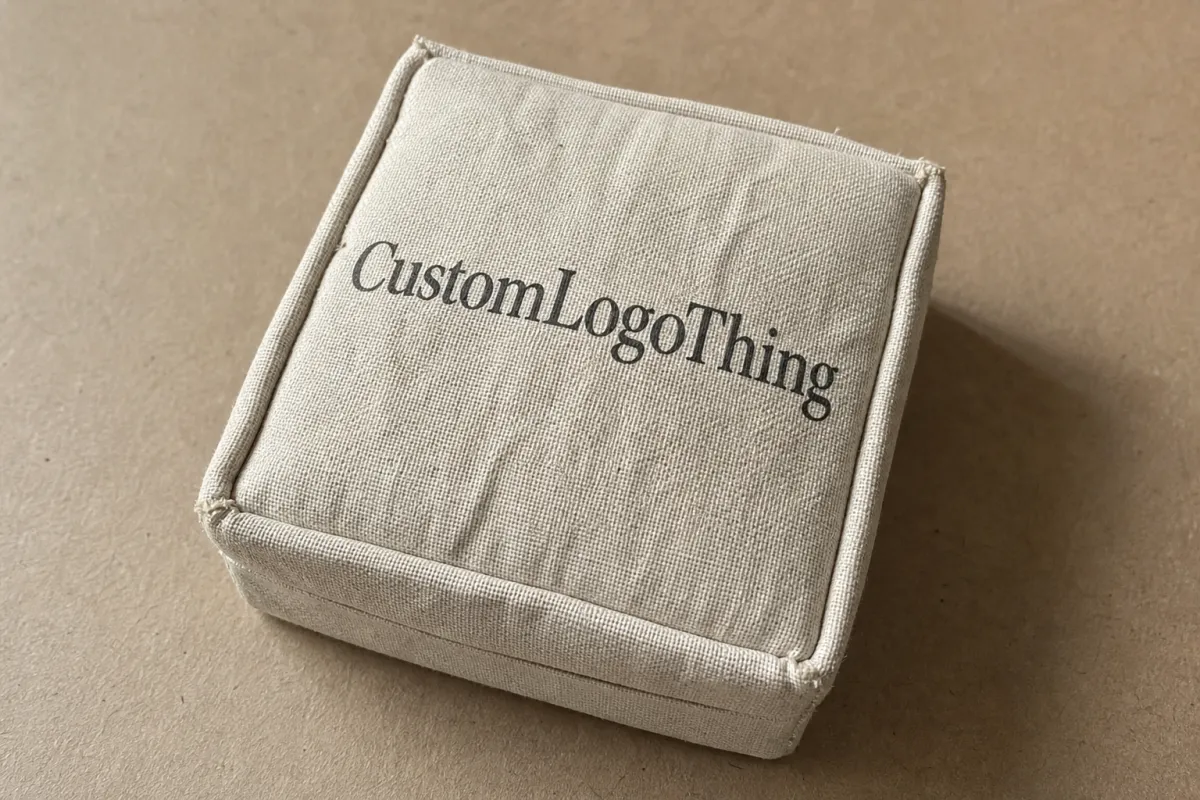
custom jewelry inserts wholesale cost is usually decided less by the visible finish and more by how precisely the insert fits the jewelry, the box, and the packing method. A jewelry box can look premium on a shelf, but if the ring tilts inside the cavity, a pendant rattles against the lid, or a pair of earrings shifts during transit, the unboxing feels cheap. The carton can still be beautiful. The experience will not be.
That is the hidden fit problem, and it is where many buyers misread cost.
From a packaging buyer's point of view, the insert is not decorative filler. It is working hardware for the box. It protects the item, controls presentation, and keeps fulfillment from turning into a slow, annoying mess. In wholesale runs, those jobs matter. Every extra second in packing labor, every damaged return, and every tray that sits crooked in the box adds real money to the order.
The cheapest insert on paper is not always the cheapest insert in practice. The one that causes breakage, slows packing, or makes the jewelry look off-center can cost more by the time the product reaches a customer. A well-built insert keeps the box closing correctly, centers the item, and gives you the same presentation whether the order goes to boutiques, marketplaces, subscription kits, or direct-to-consumer shipments.
Buyers usually need more than a price sheet. They need a blunt view of material choices, MOQ, tooling, lead time, and the fit details that decide whether the package feels finished or rushed. If the line uses custom printed boxes, a drawer-style carton, or a rigid setup box, the insert has to work with the outer structure. Otherwise, the whole package starts fighting itself.
This post breaks down the practical side of the purchase: what the inserts are for, which specs matter, what drives pricing, how wholesale production usually works, and how to ask for a quote without getting a pile of guesswork back. If you are comparing options across Custom Packaging Products or planning a broader rollout through our Wholesale Programs, the rule stays the same: fit first, finish second, cost third.
Product Details: What Custom Jewelry Inserts Are Made For
Custom jewelry inserts are the interior support structure inside jewelry boxes, drawer boxes, rigid setups, presentation trays, and display packaging. Their job is simple: hold rings, earrings, necklaces, bracelets, charms, watches, or multi-piece gift sets in place so they stay secure and look intentional when opened. The insert can be a plain die-cut board. It can also be a layered build with wrapped surfaces, foam cores, and shaped cavities that cradle the jewelry more precisely.
Different jewelry categories need different constructions. A single ring insert often needs a narrow post or shaped slot that keeps the band upright without crushing the metal. Earrings need pair spacing so the fronts do not touch or twist. Necklaces need channel length, tie-down points, or a lay-flat route that keeps the chain from becoming a knot. Bracelets and bangles may need a wider arch or a deeper recess so the piece does not ride too high against the lid. Matching sets often need multi-cavity layouts that keep each item visible while still protecting it.
Materials vary widely, and the choice changes both appearance and cost. Common options include:
- Die-cut foam for secure fit, low movement, and clean cavity shapes.
- EVA or EPE foam when compression resistance and controlled cushioning are needed.
- Molded pulp for an eco-forward structure, often used where sustainability and lower material weight matter.
- Paperboard inserts with cutouts for a lighter, lower-cost construction.
- Wrapped board with paper, fabric, or specialty laminate for a more polished presentation.
- Flocked or velvet-touch surfaces when the brand wants a softer jewelry contact point and a richer display feel.
Not every line needs a luxury finish. A high-volume retail program may care more about pack speed, stackability, and consistency than plush texture. A bridal or gift collection usually needs a more elevated look because the interior package helps sell the perceived value of the jewelry itself. Packaging design is part of the buying decision. Not decoration. Not an afterthought.
The same insert style can be adapted for retail packaging, wholesale distribution, or direct-to-consumer shipping. A display tray for a store case might emphasize neat visibility and repeated handling, while an e-commerce insert needs stronger protection through distribution. The best design balances function and appearance instead of overbuilding one side and ignoring the other. That balance is usually where the real savings show up.
"The insert is invisible until it fails. Then the whole package looks cheaper, even if the box itself is excellent."
Specifications That Drive Performance and Appearance
When a buyer asks for a quote, the specification sheet matters almost as much as the material itself. A good insert is built around exact dimensions, cavity depth, wall thickness, surface texture, and the amount of compression allowed around the jewelry. If the cavity is too loose, the item moves. If it is too tight, the jewelry gets hard to remove or starts rubbing against the edges during repeated handling.
The first measurement set should always include the outer box size, the internal clearance, the jewelry dimensions, and the lid depth. For rigid boxes and drawer boxes, even a few millimeters can change how the insert sits inside the carton. A gap that looks harmless on a drawing can become a visible offset in the finished box. That affects how premium the package feels in hand.
Jewelry-specific details matter too. A ring post height that is too short can let the ring lean forward. Earring spacing that is too narrow can make the pair touch. Necklace channels need enough length to keep chains flat, but not so much that the chain drifts around. Bracelet cavities should reflect the arc of the piece rather than forcing a straight shape that creates pressure points. Small details. Big difference.
Durability is another spot buyers sometimes miss. Some inserts only need to survive a single presentation. Others have to handle repeated opening and closing, retail handling, or the vibration and compression of shipping. In those cases, the insert material, lamination, and adhesive layers need to hold shape over time. A low-density foam may be fine for a short display cycle, but it can fail in recurring replenishment programs.
Compatibility with the outer structure matters just as much. The insert has to work with the box closure, hinge depth, magnet position, lid clearance, and any sleeve or printed wrap. If the insert sits too high, the lid may bow. If it sits too low, the jewelry can look sunken or badly framed. That problem shows up fast with custom printed boxes, where the exterior branding is supposed to feel polished and the interior has to keep up.
For brands trying to standardize product packaging across multiple SKUs, it helps to define a consistent tolerance range. That makes sourcing easier across new styles and cuts down revision cycles later. A slightly more flexible insert design may cost more in engineering, but it can save money when the same interior concept gets reused across several jewelry lines.
Buyers who want a practical sourcing process usually start by asking for one of three approaches:
- Exact fit for one jewelry SKU and one box style.
- Family fit for several sizes that share the same construction.
- Universal layout for a range of items that can share one insert architecture.
The more exact the fit, the better the presentation. The more flexible the fit, the easier it is to keep inventory manageable. Neither choice wins every time. It depends on launch volume, SKU count, and how tightly the brand wants to control the unboxing experience.
Custom Jewelry Inserts Wholesale Cost: Pricing, MOQ, and Quote Factors
custom jewelry inserts wholesale cost comes down to a cluster of practical factors: material type, cavity complexity, finish level, tooling, assembly steps, and order quantity. Two inserts can look almost identical from the top and still price very differently once the build details are clear. One may be a simple die-cut board with minimal labor. Another may use layered foam, wrapped surfaces, adhesive assembly, and a flocked top layer that takes more handling and more quality control.
Volume has a big effect on unit cost. Larger wholesale orders spread setup, tooling, and calibration across more pieces, so the unit price usually drops as quantity rises. Smaller runs carry more preparation cost per piece because the line still needs to be set, tested, and verified. That is why MOQ is not just a supplier rule. It is often tied to how efficient the construction is on the production floor.
Here is a practical comparison of common insert styles and how they usually behave in wholesale pricing:
| Construction | Typical Use | Relative Unit Cost | Common MOQ Profile | Notes |
|---|---|---|---|---|
| Paperboard with die-cut openings | Lightweight retail packaging, basic jewelry sets | $0.12-$0.30 | Often lower | Good for volume runs where appearance and pack speed matter more than softness. |
| Die-cut foam | Rings, earrings, compact necklace layouts | $0.18-$0.45 | Moderate | Strong fit control and predictable cavity shapes, useful for secure presentation. |
| EVA or EPE foam with wrap | Mid-range branded packaging and gift sets | $0.25-$0.60 | Moderate to higher | More steps in assembly and a better visual finish than plain foam. |
| Flocked or velvet-touch wrapped board | Premium jewelry boxes, bridal and gifting lines | $0.45-$0.95 | Higher | Soft surface and elevated look, but more labor and finish control are involved. |
| Molded pulp | Eco-forward retail packaging and shipping-friendly inserts | $0.10-$0.28 | Moderate | Often attractive for sustainability goals, though the surface feel is different from premium wraps. |
Those ranges are directional, not a promise. Final pricing depends on dimensions, printing, finish coverage, insert thickness, packaging method, and whether the project needs a custom die or a new mold. A simple ring insert with a basic board build may sit near the lower end of the range. A luxury multi-piece insert with layered assembly, precision cutouts, and a soft-touch finish will move higher.
MOQ expectations usually change by construction method. Simpler stock-based builds may allow smaller runs, especially if the dimensions can be adapted from existing tooling. Highly custom inserts often need larger commitments because the production line must be set up around the specific cavity geometry or finishing method. A clear quote should state the MOQ, sample Cost, Lead Time, and whether tooling is included.
When comparing quotes, buyers should ask these questions:
- Does the price include sampling, or is sampling separate?
- Are tooling and dies included in the unit price or billed once?
- What surface finish is included, and what would be an upgrade?
- Is the insert shipped flat, assembled, or pre-packed inside the box?
- Does the quote assume standard tolerances, or is a tighter fit being charged separately?
That last point matters more than many people expect. Two quotes can look close on paper, but one may be built around a much tighter dimensional tolerance. That tighter fit can improve presentation and reduce movement, yet it can also increase production checks and raise the real cost. If the jewelry has delicate prongs, polished metal, or stone settings that scratch easily, paying for the better fit often makes sense because it reduces damage and returns.
Another hidden difference is finish labor. A wrapped board with visible corner work takes more time than a plain cut insert. Flocking and laminate steps can add handling, reject risk, and drying time. Those are all valid costs, but they should be visible in the quote so the buyer can compare apples to apples. A lower unit price that omits those details is not the better deal. It is just the cheaper line item.
For brands planning broader package branding, the insert should be priced as part of the entire presentation system. The outer box, the insert, the sleeve, the printed card, and the closure method all work together. If the box is premium but the insert is loose or visually flat, the package feels incomplete. If the insert is beautiful but slows packing by several seconds per unit, labor cost starts eating the value.
Process, Timeline, and Lead Time for Wholesale Orders
A disciplined production process keeps wholesale orders from drifting. The usual path starts with discovery, where the supplier confirms the jewelry type, box style, target quantity, finish level, and shipping destination. After that comes measurement review, material selection, sample development, approval, production, quality checks, and shipment. If the buyer has all the data ready at the start, the quote and sampling stages move faster and there is less back-and-forth later.
The sample stage deserves real attention. A sample should confirm not only the cavity fit, but also how the insert sits in the box, how the jewelry looks against the surface, and whether the lid closes without pressure. That is the best time to catch issues with height, compression, spacing, or alignment. Once bulk production starts, changes are slower and more expensive. Fun, right? Not really.
Typical lead times vary with construction. Straightforward insert styles often move faster because they require fewer steps and fewer special materials. Fully custom builds with wraps, layered assemblies, or specialized cutouts need more time for setup and finishing. If the order includes printed cards, sleeves, or a coordinated retail packaging component, that coordination can add several days as well.
As a rough planning guide, many simple wholesale insert projects can move from approved sample to bulk shipment in about 10-15 business days, depending on factory queue and material availability. More complex builds often take 15-25 business days or longer. Those ranges can shift if the order is large, if artwork needs approval, or if the insert uses a material that must be sourced specially. Buyers planning a launch window should build in enough cushion to absorb proof changes and transit time.
There are a few checkpoints that keep the schedule healthy:
- Approved measurements before quoting or sampling.
- Finish references or material samples when appearance matters.
- Fast sample feedback so revisions do not stall the line.
- Clear packing instructions if the insert ships nested or pre-assembled.
- Early shipment planning for launches, seasonal retail resets, or wholesale replenishment windows.
Shipping performance should also be part of the discussion. If the insert is going into a distribution program, the buyer may want to validate how the finished pack performs under vibration, compression, and drop conditions. Industry methods from ISTA, including procedures commonly used for parcel distribution testing, are useful here. The same is true of broader distribution profiles such as ASTM D4169, especially when a package must survive mixed handling before it reaches a retailer or end customer. For reference, ISTA publishes testing guidance at ISTA.
On the sustainability side, buyers working with paperboard or fiber-based components may also want to confirm sourcing credentials such as FSC chain-of-custody where appropriate. That does not make every package automatically greener, but it does give the buyer a verifiable paper trail for responsibly sourced fiber. The FSC organization outlines those standards at FSC.
Lead time is not just a factory issue. It affects launch calendars, sales forecasts, and wholesale commitments. If a line ships late, the jewelry itself may sit in inventory while the packaging catches up. That is one reason experienced buyers treat packaging as part of the product release, not a last-minute accessory.
Why Choose Us for Wholesale Jewelry Insert Sourcing
Buyers usually want the same three things from a supplier: consistent fit, clear communication, and a pricing structure that makes sense at scale. That is the practical value of sourcing through a team that understands packaging design and not just decoration. The goal is not to talk around the work. It is to produce an insert that fits correctly, ships on time, and keeps the jewelry looking organized from the first sample to the last carton in a run.
Experienced packaging teams know how small changes affect the final result. A slight shift in foam density changes compression. A different wrap changes how the cavity reads visually. A tighter board cut can alter lid pressure. None of that is dramatic on its own, but together those details decide whether the insert feels premium or merely adequate. That judgment keeps unit cost under control without pushing quality into the danger zone.
Good sourcing also means thinking about repeatability. A design that works for a test run should still work when the order scales. If the insert will be used across multiple styles, the tooling and tolerances should support that growth. When wholesalers build a line for seasonal refreshes or recurring replenishment, consistency saves time in ordering and pack-out. That matters especially for Wholesale Programs that need a dependable interior format across several retail accounts.
Quality control should be concrete, not vague. A reliable supplier checks:
- Overall size and squareness of the insert.
- Fit of the cavity against the jewelry dimensions.
- Surface consistency, including wrap tension and finish match.
- Alignment inside the box and lid clearance.
- Repeatability from sample to bulk production.
That level of control matters because jewelry is unforgiving. A scratched finish, a bent prong, or a necklace that tangles in the tray can turn a well-made package into a bad customer experience. Strong sourcing helps reduce those failures before they hit fulfillment.
There is also a business case for choosing a partner who can support both value-driven and premium builds. Not every SKU needs the same construction. A high-volume line may work best with a simpler paperboard or molded pulp structure, while a flagship product may justify flocked or wrapped interiors. A supplier that can handle both makes it easier to match the package to the product instead of forcing one packaging style across the entire catalog. That flexibility helps brands balance branded packaging, shelf appeal, and shipping efficiency.
Practical support matters just as much as material know-how. Clear sample notes, straightforward quote revisions, and realistic advice on MOQ can save a buyer from overcommitting to a structure that looks good on paper but is too expensive in production. The best results usually come from a frank conversation about what the insert needs to do, how many pieces are needed, and how far the package has to go before it reaches the customer.
A dependable insert supplier lowers more than the price of the part. It lowers the risk of damage, the time spent repacking, and the chance that a premium item arrives with a presentation problem.
For brands that are expanding their packaging line, the right partner can also help coordinate related components such as sleeves, protective shippers, or custom printed boxes. That keeps the interior and exterior in step, which matters when the package is part of the purchase decision. If the outer carton is polished but the interior support is inconsistent, the customer notices. If both are aligned, the package feels deliberate and well managed.
Next Steps: Request the Right Quote and Move Forward
The fastest way to get a useful quote is to prepare the information the supplier actually needs. Start with the outer box dimensions, the jewelry dimensions, the preferred material, the finish level, target quantity, and any packing or shipping constraints. If you already have a sample box or a reference insert, send that too. A physical reference often clears up fit questions that a drawing cannot.
A simple decision path usually works best:
- Choose the jewelry type and define how it should sit in the box.
- Decide the presentation level based on retail, gift, or shipping use.
- Estimate annual volume so the MOQ and tooling approach make sense.
- Request two or three quote scenarios to compare value, premium, and budget constructions.
- Review a sample before the bulk order is released.
That approach gives the buyer a cleaner view of tradeoffs. A premium finish may be worth it for a hero product. A more restrained structure may be the smarter move for a fast-turn wholesale line where every cent in unit cost matters. The point is to choose deliberately instead of taking the first quote that lands in the inbox.
If you are comparing options across a product line, it helps to think in tiers. One tier can be tuned for high-volume retail packaging with a simple, efficient insert. Another can support a mid-range branded packaging look with more visual polish. A third can be reserved for prestige launches where the inside of the box has to feel as refined as the exterior branding. That tiered approach keeps the packaging system flexible without forcing every SKU into the same cost structure.
Once the details are ready, a targeted quote moves quickly. From there, the sample confirms the fit, the production plan locks in, and the schedule gets much easier to manage. That is the practical advantage of treating packaging as part of the product build instead of a last-minute accessory.
If your next purchase depends on custom jewelry inserts wholesale cost, gather the measurements, describe the jewelry, define the box style, and ask for a proposal that separates sample cost, tooling, MOQ, and unit price. Once the fit is confirmed and the sample is approved, the rest of the order becomes far more predictable.
Frequently Asked Questions
What drives custom jewelry inserts wholesale cost the most?
Material choice is usually the biggest driver, followed by cavity complexity, finish level, and the number of assembly steps. Higher quantities reduce unit cost because setup and tooling are spread across more pieces. Special wraps, flocking, or layered builds typically cost more than plain cut inserts.
What is the typical MOQ for custom jewelry inserts wholesale?
MOQ depends on the construction method, material, and whether the insert is fully custom or based on an existing structure. Simpler styles may allow smaller runs, while highly custom inserts often need larger minimums to keep production efficient. A proper quote should state MOQ, sample pricing, and bulk pricing together.
How do I choose the right material for jewelry box inserts?
Match the material to the jewelry type, presentation level, and shipping needs. Foam works well for secure fit and clean cavities, while wrapped board or flocked surfaces can create a more premium look. If you are unsure, ask for samples so you can compare feel, compression, and visual finish before ordering.
How long does production usually take for wholesale jewelry inserts?
Lead time depends on sample approval, material availability, and the complexity of the insert. Simple builds usually move faster than custom wrapped or multi-piece constructions. Approving measurements and samples quickly helps keep the project on schedule.
Can you make inserts to fit an existing jewelry box?
Yes, the box dimensions and internal clearance are used to build the insert to fit the existing packaging. A sample or detailed measurements help confirm fit before bulk production. This is often the best route when a brand wants to upgrade the interior without changing the outer box.

