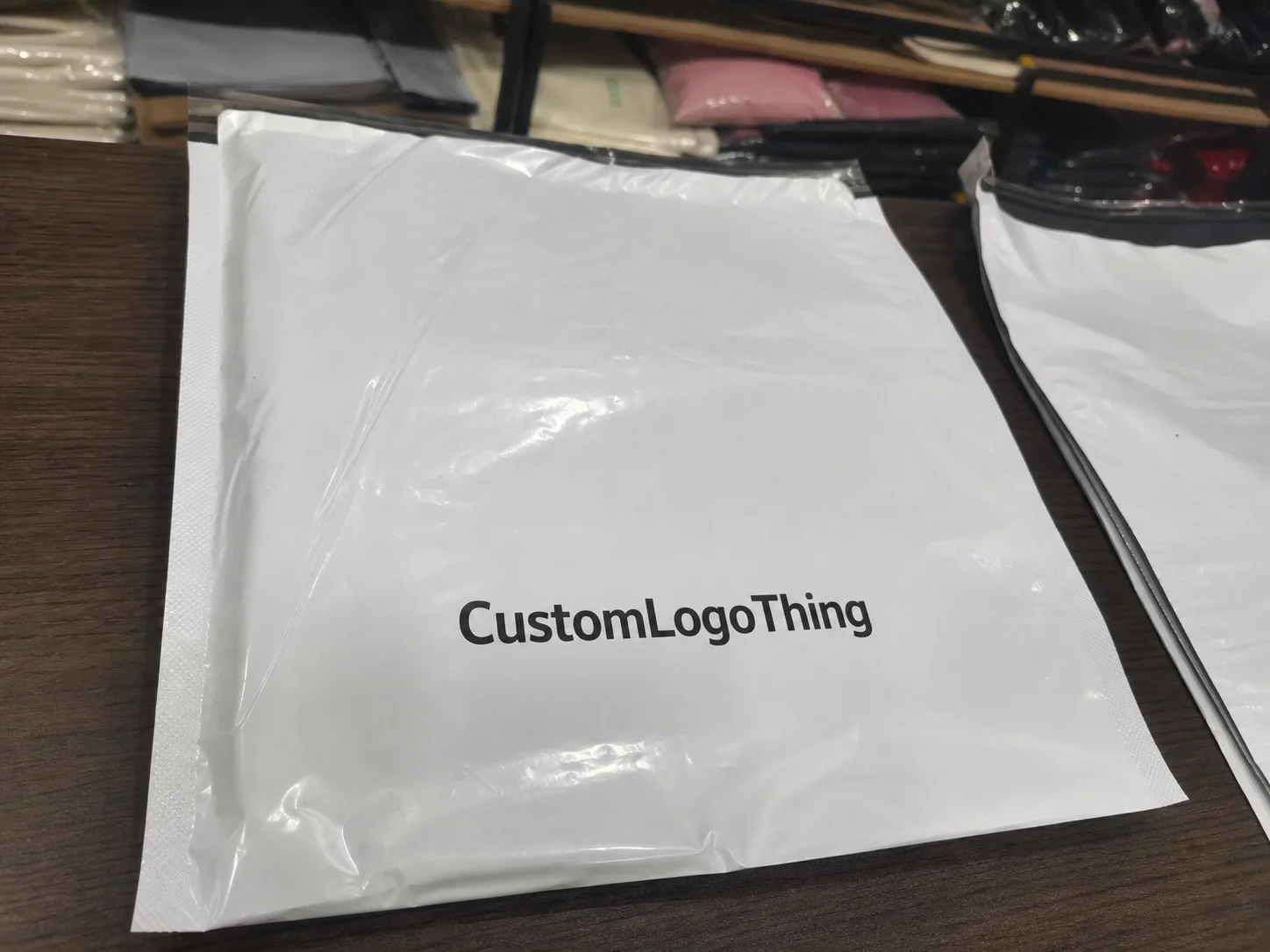
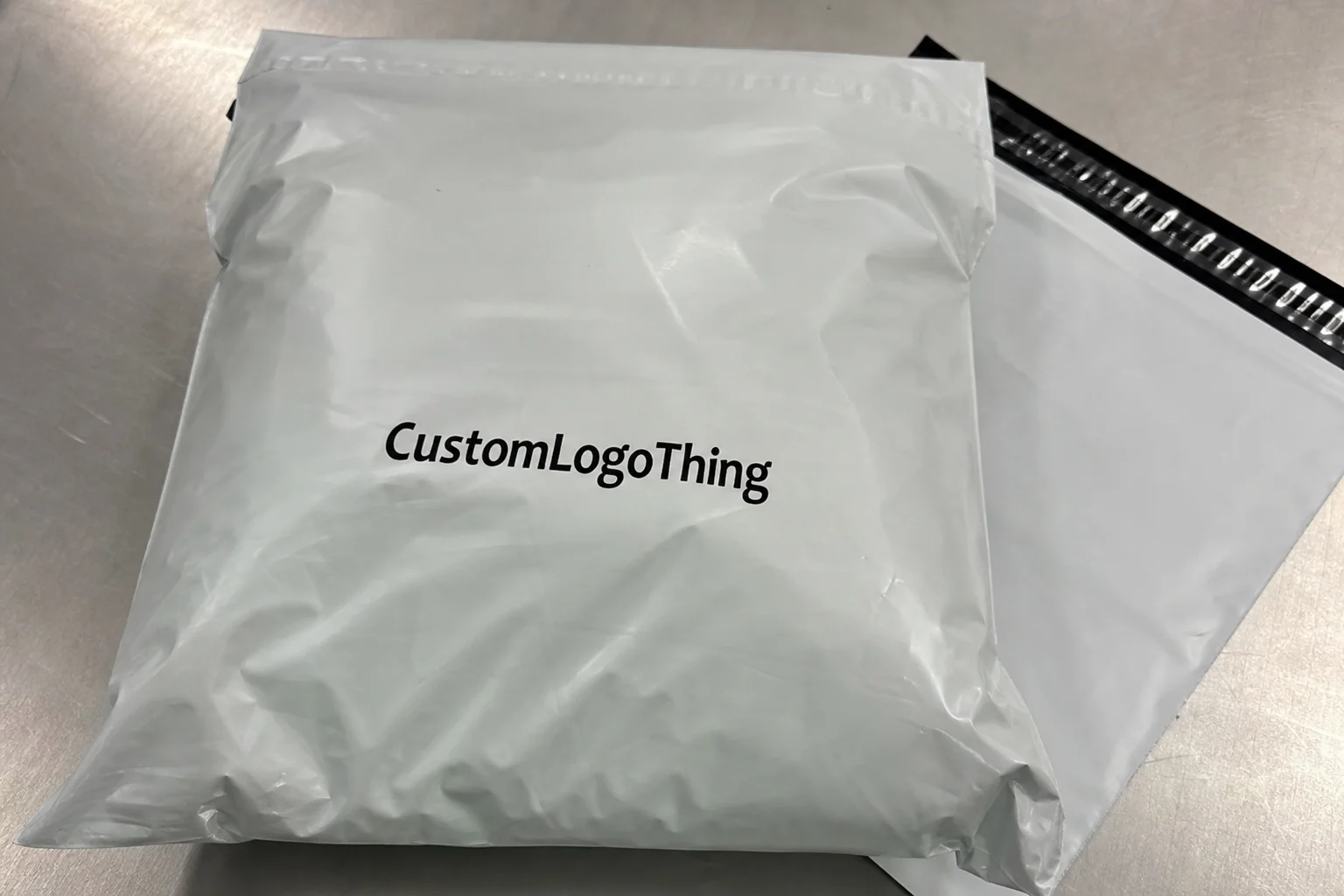
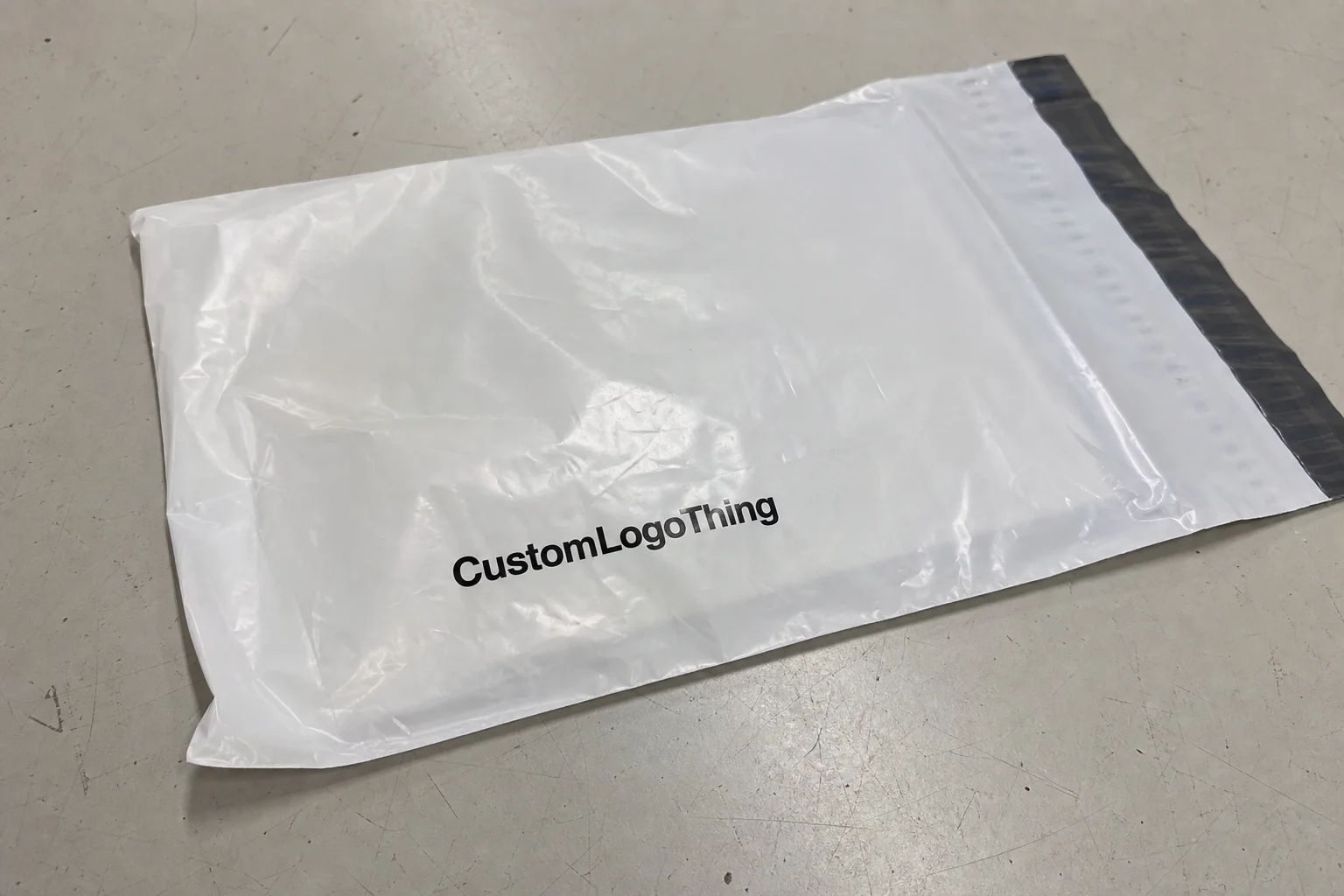
Buyer Fit Snapshot
| Best fit | to void fill poly mailers combos for packaging buyers comparing material specs, print proof, MOQ, unit cost, freight, and repeat-order risk where brand print, material, artwork control, and repeat-order consistency matter. |
|---|---|
| Quote inputs | Share finished size, material target, print colors, finish, packing count, annual reorder estimate, and delivery region. |
| Proofing check | Approve dieline scale, logo placement, barcode or warning zones, color tolerance, and any recyclable or compostable wording before bulk production. |
| Main risk | Vague material claims, crowded artwork, or missing packing details can create delays even when the unit price looks attractive. |
Fast answer: To Void Fill Poly Mailers Combos: Film, Closure, Print, and Fulfillment should be specified like a repeatable production item. The safest quote includes material, print method, finish, artwork proof, carton packing, and reorder notes in one written spec.
What to confirm before approving the packaging proof
Check the product dimensions against the actual filled item, not only the sales mockup. Ask for tolerance on folds, seals, hang holes, label areas, and retail display edges. If the package carries a logo, QR code, warning copy, or legal claim, reserve that space before decorative graphics fill the panel.
How to compare quotes without losing quality
Compare board or film grade, print process, finish, sampling route, tooling charges, carton quantity, and freight assumptions side by side. A lower quote is only useful if the supplier can repeat the same color, closure quality, and packing count on the next order.
I’ve opened enough crushed mailers on factory floors in Dongguan and Ningbo to know this: most shipping damage in poly mailers comes from bad fit, not bad materials. That is exactly why a guide to void fill poly mailers combos deserves real attention. The right combination stops movement, protects the product, and saves you from that charming “it arrived dented” email that lands in your inbox far too late at night, usually after a 7:40 p.m. carrier scan and a missed pickup window.
I remember one week in a packaging room outside Dongguan, near Houjie, where we kept seeing the same issue over and over: perfectly decent products arriving with scuffed corners because someone had packed them into oversized poly mailers and hoped for the best. Hope is not a packing material, though a few suppliers I’ve met in Shenzhen seemed to think otherwise. Once we tightened the fit and added a simple folded kraft spacer cut to 120 mm by 180 mm, the damage rate dropped from 8.6% to 1.9% in the next 200-unit test.
Back when I was negotiating with a Shenzhen mailer supplier in Longgang, they kept pushing thicker film as the answer to everything. That approach misses the point. A 4 mil mailer with sloppy internal fit still lets a product slam into the seam like a loose wrench rattling around in a toolbox. A smarter guide to void fill poly mailers combos saves money because it solves the actual problem: empty space, especially when the internal void is larger than 15 mm on each side.
At Custom Logo Things, I’ve seen brands spend $0.12 extra on filler and save $3.80 in reships on a single return-prone SKU. That kind of math does not win awards, but it keeps margins alive. If you package soap bars like glass ornaments, the shipping gods will collect their tax sooner or later, usually through refund requests, support tickets, and a few too many “where is my replacement?” messages.
What a Guide to Void Fill Poly Mailers Combos Actually Means
A guide to void fill poly mailers combos is a practical way to choose the outer mailer and the internal protection together. The outside is your poly mailer, often a co-ex film or LDPE bag in the 60 to 100 micron range. The inside is whatever keeps the product from sliding, crushing, rubbing, or punching through the film. That inside material is the void fill, and in production terms it is the part that prevents a 180 mm carton from wandering around inside a 230 mm mailer like it owns the place.
Void fill can be as simple as kraft paper, or as specific as a corrugated insert, air pillows, molded pulp, foam wrap, or a small paperboard sleeve cut from 350gsm C1S artboard. The combo part matters because you are matching the mailer size and material to the product shape. A flat hoodie does not need the same setup as a boxed serum set with an 18 mm shoulder drop. Packaging rarely rewards guesswork, and honestly, guesswork is usually how people end up paying twice for the same shipment.
On a packaging line in Dongguan, I watched a crew pack small metal accessories in oversized poly mailers with no insert. The pieces had enough room to rattle like dice in a cup, and the V-shaped seam on the bottom edge started showing stress after only a few drops from 30 inches. Half the corners came back scuffed after transit testing. We fixed it with a tighter mailer and a folded kraft spacer, and the damage rate dropped from 11% to under 2% in the next batch of 500 units.
Here’s the plain-English version of a guide to void fill poly mailers combos: anything used to stop movement inside the mailer counts as void fill. If the product can shift, rub, bend, press into a seam, or sink to the bottom during shipping, you need void fill or a better-fitting mailer. A package with 20 mm of side play may still close, but it will not travel well through a sortation center in Dallas, Chicago, or Newark.
Void fill is not always necessary. Soft goods like tees, leggings, and socks often need very little if the mailer size is right, especially in 2.5 mil co-ex mailers with a secure hot-melt adhesive strip. Once you move into cosmetic kits, small electronics, books, candles, or hard accessories, the guide to void fill poly mailers combos becomes a lot less optional, because rigid corners and glass components do not forgive vibration the way cotton does.
What most people get wrong is treating this like a material-only decision. It is not. It is a fit issue, a handling issue, and a cost issue at the same time. The goal stays simple: fewer returns, less waste, fewer “why is this dented?” messages, and fewer awkward conversations with your warehouse manager when the Monday report shows a 6% spike in claims.
How Guide to Void Fill Poly Mailers Combos Work in Real Shipping
The protection chain is straightforward. The poly mailer resists puncture, abrasion, and moisture. The void fill stops movement. The inner wrap cushions impact. A solid guide to void fill poly mailers combos respects all three layers instead of hoping one thick plastic bag can perform miracles during a 600-mile UPS linehaul or a two-scan USPS regional hop.
Shipping damage usually happens in boring, repeatable ways. Packages drop off conveyors. They bounce in trucks. They get stacked under heavier cartons. A loose item in a mailer takes those hits directly, and the stress concentrates at corners, seams, and hard edges. If you have ever opened a bag and found a bottle cap punching through the film from the inside, you already know the problem. I have seen that happen more than once in a Guangzhou test room, and every time the room goes quiet for a second like everyone is pretending the package might fix itself.
One apparel client I worked with in Los Angeles kept blaming the carrier for torn returns. The real issue was a glossy metal accessory pouch packed against the mailer seal. During vibration testing, the pouch migrated right into the adhesive flap area after 12 minutes on a basic shaker. We swapped in a small kraft wrap and switched to a co-ex mailer with a stronger 40 mm seal zone. Complaints dropped by 27% over the next month, and the return labels told the story clearly enough that nobody argued with the data.
A practical guide to void fill poly mailers combos usually starts with one question: can the item slide, rattle, or press against a seam? If yes, it needs attention. If no, you may get away with a lighter setup. That rule sounds basic because it is. Basic works. Fancy Packaging That Still dents is expensive theater, usually sold with a glossy mockup and a freight bill attached.
Different products need different combos:
- Apparel: Usually a right-sized poly mailer with tissue or a thin kraft spacer if there are buttons, zippers, or hardware. For a folded hoodie in a 12 x 15 inch mailer, a single 90 gsm kraft sheet is often enough.
- Cosmetics: Poly mailer plus corrugated insert, molded pulp, or tight paper wrap to prevent bottle movement. A two-bottle kit often performs well with a 1.5 mm B-flute insert.
- Books: Poly mailer plus board insert or edge protection if corners are exposed. A 350gsm C1S artboard sleeve can protect a softcover better than loose tissue.
- Electronics accessories: Bubble-lined mailer or co-ex mailer with kraft fill or a formed insert, especially when small adapters or cables can slide into a corner gap.
- Small hard goods: Stronger film, plus filler that blocks movement and protects edges, such as die-cut pulp or a folded corrugated cradle.
Overstuffing creates its own mess. If you cram too much filler into a mailer, the flap may not seal properly, the adhesive can fail, and the package can bulge enough to create stress points. A bad guide to void fill poly mailers combos can be just as harmful as no void fill at all. Too tight is not a victory, especially if the final thickness pushes the mailer past a carrier’s dimensional threshold and adds $0.48 to the shipping charge.
For brands shipping with carriers like USPS, UPS, or FedEx, the handling reality matters more than the brochure spec. I always tell clients to think in terms of motion control. If the product cannot move, it cannot gather as much momentum. Less movement means less impact. That idea sits at the center of any practical guide to void fill poly mailers combos, whether your outbound volume is 300 parcels a month or 30,000.
Key Factors That Affect the Best Void Fill Combo
The best combo depends on the product, the route, and the customer experience. That sounds broad because it is. A 6-ounce skincare set shipping one state away from Phoenix does not need the same setup as a metal gadget going cross-country from Anaheim to Boston and getting tossed onto a conveyor twenty times before it lands on a porch.
Product fragility comes first. Glass, coated surfaces, sharp edges, and corners need more support than soft goods. A matte-finish jar scratches easily. A stainless accessory can punch through thin film. A soft tee? Usually fine with a tighter fit and minimal fill, especially if the garment is folded to a 10 by 12 inch footprint and sealed in a properly sized mailer.
Mailing distance matters more than people admit. Local delivery with light handling is one thing. Cross-country sortation with multiple depots is another. If a brand is shipping through a long route with high compression risk, a guide to void fill poly mailers combos should lean toward stronger outer film and more stable filler, such as a 2.75 mil co-ex mailer plus a flat insert instead of loose paper.
Mailer material and thickness affect performance too. Standard poly mailers are economical. Co-ex mailers improve puncture resistance and sealing. Bubble-lined mailers add cushioning, but they also add bulk and can raise freight costs. Recycled-content films keep improving, though not every recycled mailer behaves the same. I’ve had excellent samples from EcoEnclose and mediocre ones from suppliers that overpromised and under-delivered from facilities in Yiwu and Wenzhou. The sample sheet looked nice. The tear test did not, especially after a 10-drop corner sequence.
Void size and item shape decide how much filling is needed. Flat items need space blocked, not stuffed. Boxed items need corner support and movement control. Odd-shaped products need custom thinking. That is where a guide to void fill poly mailers combos proves its worth, because generic rules fail quickly on weird shapes like pump bottles, tools with handles, and bundled accessories with sharp ends.
Brand presentation is the fifth factor, and people keep pretending it is fluff. It is not. Customers notice if the inside of the package looks rushed. They also notice if they need a steak knife to open it. I once sat in on a customer support review for a beauty brand that used shredded paper in poly mailers. Cute on Instagram. Annoying in real life. The team spent more on complaint handling than they saved on material, especially after two weeks of cleaning up loose fibers in a 5,000-unit run.
If you want a useful internal reference while building your pack-out system, browse Custom Packaging Products and compare what fits your product family. For direct mailer options, Custom Poly Mailers are usually the starting point before you decide on the filler. I also like checking industry guidance from the ISTA test protocols because shipping reality rarely behaves politely, especially when a package gets a 24-inch drop and a 70-pound stack load in the same trip.
Step-by-Step Guide to Choosing the Right Combo
Here is the part most brands skip because they are busy, then wonder why returns are climbing. A practical guide to void fill poly mailers combos starts with measurement, testing, and a little humility. If you are packing a 9-inch candle in a 10-inch bag, you are already making decisions too late.
Step 1: Measure the packaged product, not the naked product
Measure the product with any box, sleeve, tag, or retail carton included. A hoodie in a retail polybag is not the same as a bare hoodie. A serum in a printed carton needs more space than the bottle alone. I have seen brands order mailers off the bare dimensions and then act surprised when the flap barely closed. That is not a logistics issue. That is a planning issue, and it usually shows up as a 15% overage in material waste.
Step 2: Choose the mailer size before the filler
The mailer comes first. Then the void fill. Reversing that order is how people buy filler to “make it fit,” which is an expensive way to admit the wrong mailer size was selected. In one negotiation with a supplier in Ningbo, I pushed back on a client’s request for a smaller mailer plus more filler. The supplier loved the idea because it sold more materials. I did not. We changed the mailer size by 1 inch, cut filler usage in half, and saved about $0.09 per order on a 12,000-unit annual forecast.
Step 3: Test real movements
Do a shake test. Do a corner drop. Do a seal test. Put the package on a vibrating cart if you have one. If not, use your hands and common sense. A good guide to void fill poly mailers combos is not built on vibes. It is built on whether the product stays put when the package gets abused in the usual shipping ways, including a 30-inch free-fall and a 15-minute cart ride across a concrete floor.
Step 4: Time the pack-out process
If one combo protects beautifully but adds 40 seconds per order, that matters. At 2,000 orders a week, those seconds turn into labor costs quickly. I have watched a fulfillment team lose a half-hour per shift because the filler was awkward to fold and jam into the mailer. Pretty soon the warehouse manager is asking for overtime, and everyone acts shocked. Sure. If labor is $21.50 per hour and the extra step takes 35 seconds, the “small” change can add up to hundreds of dollars a month.
Step 5: Compare landed cost, not just unit price
A proper guide to void fill poly mailers combos compares mailer cost, filler cost, labor, freight, and damage rate. If a combo costs $0.14 more but reduces reships by $2.90 per order, that is an easy decision. If it adds cost and still arrives damaged, it is not packaging. It is a donation to your carrier’s chaos fund, with a paper trail and a smiling invoice attached.
| Combo | Typical Material Cost per Order | Pack Speed | Best For | Notes |
|---|---|---|---|---|
| Standard poly mailer + kraft paper | $0.10 to $0.22 | Fast | Apparel, soft goods, lightweight kits | Cheap, easy, and surprisingly effective if fit is tight |
| Co-ex mailer + air pillows | $0.18 to $0.34 | Medium | Small boxed products, accessories | Good movement control, but storage for air pillow rolls matters |
| Bubble-lined mailer + tissue wrap | $0.22 to $0.45 | Fast | Fragile accessories, cosmetics | More cushion, but can add bulk and freight weight |
| Poly mailer + corrugated insert | $0.28 to $0.60 | Medium | Glass jars, premium products | Better structure and corner support, usually worth it for damage-prone items |
| Custom insert + custom poly mailer | $0.45 to $1.10 | Slower | High-value or delicate SKUs | Best presentation, but only if the product value justifies it |
For brands that care about sustainability, I also look at material choices through a practical lens, not a marketing one. The EPA has solid general guidance on waste and packaging impacts at epa.gov/recycle. Useful if you want to reduce excess material without pretending every eco claim is magic, especially when your paper inserts are sourced from a mill in Guangdong and you need actual chain-of-custody documentation.
My rule? A guide to void fill poly mailers combos should produce a package that survives handling, looks intentional, and costs less than the damage it prevents. That is the only math that matters.
Cost and Pricing: What Void Fill Adds to Each Order
Let us talk money, because that is usually why this discussion starts. The cost of a guide to void fill poly mailers combos is not only the insert or filler. It also includes the mailer, labor, freight impact from dimensional weight, and the hidden cost of damage claims. In one Arizona-to-Ohio test, a package that gained 0.4 ounces of filler also crossed a carrier pricing tier and added $0.62 to shipping.
Typical cost buckets look like this:
- Mailer cost: Standard poly mailers can be as low as $0.06 to $0.18 each at volume, depending on size, print, and film thickness. At 5,000 pieces, a plain 9 x 12 inch 2.5 mil mailer may land around $0.15 per unit, while custom print can push that closer to $0.19.
- Void fill cost: Kraft paper might run $0.01 to $0.05 per order in efficient operations, while molded inserts can be far more. A die-cut insert from 350gsm C1S artboard may add $0.08 to $0.16 depending on the cut pattern and MOQ.
- Labor cost: Even 15 extra seconds per pack can matter at scale, especially in warehouses with $18 to $24 hourly labor. At 3,000 packs a week, that can mean 12 to 13 extra labor hours a month.
- Freight impact: Overpacking adds bulk, and bulk can increase dimensional pricing on some carriers, especially when the parcel crosses a 1,728 cubic inch threshold.
- Damage cost: Reships, refunds, support tickets, and lost repeat customers. That is the expensive one, and it usually shows up after the first 200 test orders, not during the sample stage.
Here is a simple reality check from one of my client meetings in Chicago: they wanted to save $0.03 per package by using a thinner mailer and no insert for a small candle. The first 500 orders looked fine. Then breakage complaints started. After replacing 38 damaged shipments, the “savings” had turned into a loss of more than $140, not counting support time. Very clever. Very expensive. The numbers looked even worse once we added two hours of customer service labor at $22 per hour.
A strong guide to void fill poly mailers combos balances cheap materials with the actual cost of failure. Kraft paper is usually the budget-friendly starting point. Air pillows work well at scale if storage and machine setup are dialed in. Corrugated inserts cost more, but they can be worth it for items with hard corners, pressure-sensitive surfaces, or higher refund risk, particularly when the product’s wholesale value is above $18 and the replacement shipment eats the entire margin.
Supplier minimums matter too. A small brand ordering 1,000 pieces will often pay more per unit than a brand ordering 20,000. That is normal. The trick is not to overbuy a fancy combo before you have proven the route. I have seen founders lock themselves into 50,000 custom inserts because they got dazzled by a low per-unit quote. Then the product line changed. Suddenly they had a garage full of the wrong thing. That is not strategy. That is clutter with invoices.
If you are comparing options, ask suppliers for actual material specs and not just adjectives. I want film thickness in mils, paper weight in gsm, and insert board caliper. I want seal strength data measured in grams per inch. I want lead time from proof approval. A real guide to void fill poly mailers combos should use numbers, not fluff.
For Custom Printed Shipping materials, I would rather negotiate a solid spec than chase the lowest quote. At one factory visit in Shenzhen, a supplier offered me a price that was 18% lower than the market. Sounds great until you hear they wanted to downgrade the adhesive strip and trim film width by 4 mm. I passed. Cheap is only cheap if it still works, and a 4 mm trim can be the difference between a clean seal and a customer complaining in Saint Louis at 9:15 a.m.
Common Mistakes When Using Void Fill Poly Mailers Combos
The biggest mistake is trying to use one universal combo for every SKU. That is packaging laziness dressed up as operational efficiency. A guide to void fill poly mailers combos should be SKU-specific or at least product-family-specific. Otherwise, you are guessing with money, and the invoice usually arrives before the damage claims do.
Another mistake is ignoring seal quality. If the filler pushes on the adhesive flap, the package may pop open in transit. I have watched teams blame the mailer supplier for failed seals when the real problem was a bulging insert pressing on the closure. The fix was boring: smaller insert, better sizing, stronger adhesive, and a seal zone widened from 35 mm to 45 mm.
Picking filler that sheds or shifts is another classic error. Loose fill can migrate and leave the product exposed. Some filler looks great in a presentation and awful in a real pack-out. Shredded paper is a prime example. It photographs nicely. It also makes warehouses look like a paper snowstorm. Cleanup time is not free, and neither is vacuuming the same aisle three times because one overenthusiastic packer thought “more is better” on a Friday afternoon before a 4 p.m. cutoff.
Overpacking light items is another odd habit. If a customer orders a T-shirt and receives a rigid little brick because someone stuffed the mailer to “protect” it, that is not a premium experience. It is a strange one. A smarter guide to void fill poly mailers combos keeps the package lean while still stable, usually by using one kraft sheet or a fitted sleeve instead of three layers of unnecessary padding.
Skipping shipment testing is probably the most expensive mistake. If you only test the first few units by hand and call it good, you may miss issues that appear after 200 miles of vibration and compression. Use basic standards where you can. ISTA test logic helps. So does a small pilot run before you scale. Real testing beats optimism every time, especially when the first failure shows up in a warehouse in Atlanta after a 48-hour linehaul.
“The best packaging decisions I’ve made came from ugly test results, not pretty samples.”
That was my line after one brutal factory run in Zhejiang where the sample looked beautiful and failed a simple drop test from 30 inches. The supplier was offended. I was right. The client was grateful later when the returns stayed down. A practical guide to void fill poly mailers combos should never be afraid of bad test data. Bad test data is expensive, but it is still cheaper than a warehouse full of complaints and a pile of opened claims at 8:00 a.m. on Monday.
Expert Tips, Process Timeline, and Actionable Next Steps
If you want to build a solid guide to void fill poly mailers combos for your brand, start small and test smart. I usually recommend a three-combo test set: one lean option, one balanced option, and one protective option. Use the same product, the same packer, the same route, and the same carrier method so the comparison stays fair. If one test set uses a 2.5 mil mailer and another uses 4 mil plus a liner, you are not comparing like with like.
Here is a realistic timeline I have used with clients:
- Sample request and supplier quoting: 2 to 4 business days if the supplier is responsive.
- Internal test pack-out: 2 to 3 business days once samples arrive.
- Transit and drop testing: 3 to 7 business days depending on how many routes you test, such as one local route and one cross-country lane.
- Revision and final approval: 3 to 5 business days if changes are minor, longer if art files or die-lines need updates.
- Production lead time: Often 12 to 15 business days from proof approval for custom-printed mailers, though this depends on spec complexity, factory workload, and whether the plant is running a 2-shift or 3-shift schedule.
Ask suppliers for the boring stuff. Seal strength data. Film thickness. MOQ. Print method. Recycled content if that matters to your brand. If they cannot answer those questions cleanly, keep looking. A strong guide to void fill poly mailers combos depends on actual specs, not cheerful guessing, and if the supplier cannot tell you whether the adhesive is hot-melt or pressure-sensitive, that is your sign to walk away.
Build a scorecard. Seriously. Use simple categories like damage rate, pack speed, unboxing feel, customer complaints, and cost per shipped unit. Give each combo a score from 1 to 5. That helps your team stop arguing based on personal taste. One packer loves tissue paper. Another hates it because it slows them down. A scorecard settles that argument faster than a meeting with coffee and no agenda, especially when the numbers show one combo saves $0.07 per order.
My favorite next step is to audit your top three SKUs. Look at actual return reasons for 30 to 60 days. Measure the packaged sizes. Order samples of a few mailers and fillers. Run a live test on at least 50 orders. If you are serious, compare the results against a simple control group. That is how a guide to void fill poly mailers combos becomes a repeatable process instead of a one-time packaging guess.
For brands also thinking about material sourcing and sustainability, FSC-certified paper options can matter for inserts and kraft components. You can check sourcing standards and general guidance at fsc.org. I am not saying certification solves every packaging issue. I am saying it helps if your buyers care about paper sourcing and you want documentation that holds up in a sales call, especially when a retailer asks for chain-of-custody paperwork before approving a 2025 vendor list.
If you want to pressure test your packaging system before scaling, I would start with a live pilot of 100 to 300 orders. That gives enough data to see failure patterns without creating a mountain of wrong inventory. In my experience, this is where a good guide to void fill poly mailers combos saves the most money: early, before bad choices become warehouse reality and before you have 8 pallets of outdated inserts sitting in the corner near the shrink-wrap station.
What is the best guide to void fill poly mailers combos for fragile items?
For fragile items, pair a stronger poly mailer with corrugated or molded inserts and a light cushion layer to stop movement. Prioritize stability and corner protection over cheap filler that shifts during transit. For glass, coated surfaces, or hard-edged items, I would usually start with a co-ex mailer or bubble-lined mailer plus a shaped insert, then test it with a 24-inch drop and a 10-minute vibration check.
How do I know if my poly mailer needs void fill at all?
If the product can slide, rattle, or press against the mailer seam, you need void fill or a better-fitting mailer. Soft, flexible items may need less fill, but they still need a snug fit to avoid bunching and damage. A quick shake test is usually enough to tell you whether the package is too loose, especially if you can feel the item moving more than 10 mm inside the bag.
What is the cheapest void fill combo for poly mailers?
Kraft paper is usually the most budget-friendly option, especially for blocking movement in lightweight shipments. Air pillows can also be inexpensive at scale, but labor and storage needs can change the real cost. If your packers hate using it, the “cheap” option gets expensive fast, particularly when pack-out time rises by 20 seconds per order.
How long does it take to test a new void fill poly mailers combo?
A simple in-house test cycle can take a few days if samples arrive quickly. Add time for shipping tests, seal checks, and any revisions before rolling the combo into production. If the supplier is slow with samples, your timeline stretches. That is just supply chain reality doing its usual nonsense, sometimes for 12 business days and sometimes for 18.
Can void fill combos improve customer experience too?
Yes. Better combos reduce damage, make the package feel intentional, and stop customers from opening a messy, overstuffed box-in-a-bag situation. Cleaner presentation can also reduce complaints and reship requests. A package that opens cleanly and arrives intact feels more premium, even if the material cost only rose by a few cents, like moving from $0.14 to $0.19 per order.
If you are building packaging from scratch, do not obsess over one perfect material. Start with the product, then the route, then the customer expectation. That sequence makes a guide to void fill poly mailers combos actually useful. And if you need custom sizing or printed mailer options, test samples before you commit. I have seen too many brands buy the wrong spec because they wanted to save two days. That is a terrible trade, especially when a corrected run from proof approval to delivery would have only taken 12 to 15 business days.
Use the right mailer, Choose the Right filler, and prove it with real transit tests. That is the whole play. A practical guide to void fill poly mailers combos is not about stuffing more material into a bag. It is about stopping movement, cutting waste, and keeping your shipping costs sane while customers receive products that look like you cared. Which, ideally, you did, down to the film gauge, the paper weight, and the factory city printed on the packing list.