Buyer Fit Snapshot
| Best fit | Custom Printed Shipping Boxes Minimum Order projects where brand print, material claims, artwork control, MOQ, and repeat-order consistency need to be specified before quoting. |
|---|---|
| Quote inputs | Share finished size, material target, print colors, finish, packing count, annual reorder estimate, ship-to region, and any compliance wording. |
| Proofing check | Approve dieline scale, logo placement, barcode or warning zones, color tolerance, closure strength, and carton packing before bulk production. |
| Main risk | Vague material claims, crowded artwork, missing packing details, or unclear freight terms can make a low unit price expensive after revisions. |
Fast answer: Custom Printed Shipping Boxes Minimum Order: Board, Finish, Dieline, and Unit Cost should be specified like a repeatable production item. The safest quote records material, print method, finish, artwork proof, packing count, and reorder notes in one written spec.
Production checks before approval
Compare the actual filled-product size with the drawing, then confirm tolerance on folds, seals, hang holes, label areas, and retail display edges. Reserve space for logos, QR codes, warning copy, and material claims before decorative graphics fill the panel.
Quote comparison points
Review material grade, print process, finish, sampling route, tooling charges, carton quantity, and freight assumptions side by side. A quote is only useful when the supplier can repeat the same color, closure quality, and packing count on the next order.
For many brands, the phrase Custom Printed Shipping boxes minimum order reads like a wall. I get that. It sounds a little bureaucratic, a little cold, like a number someone in a back office invented to make your life harder. But in practice, it is often the least risky way to test fit, print quality, and customer response without tying up too much cash or warehouse space. I have stood on corrugated lines in Dallas, Texas, and in a converter outside Charlotte, North Carolina, where a client’s first run was only 500 boxes, and that small order revealed more in three days than a spreadsheet could have told them in three months. Honestly, I think that is one of the best uses of packaging money: learn fast, waste less, and avoid the classic “we ordered a mountain of boxes and then changed the logo” disaster. The right custom printed shipping boxes minimum order can protect margins, reduce damage, and give your packaging a professional look long before a large-volume program makes sense.
A lot of people overestimate how much packaging they need at the start. I’ve seen it again and again in ecommerce teams shipping from Chicago, Illinois, and Los Angeles, California. A clean, well-made box with proper logo placement and the right board grade can carry a brand farther than a stack of generic cartons ever will. That is why Custom Printed Shipping boxes minimum order is not just a procurement question; it is a packaging strategy question tied directly to order fulfillment, package branding, and the first physical impression your customer gets when the parcel lands on the porch. And yes, that first impression matters more than people want to admit, especially when the box arrives with a dent the size of a quarter from a regional parcel hub in Memphis, Tennessee.
Custom Printed Shipping Boxes Minimum Order: Why the Smallest Run Can Be the Smartest Start
I remember a meeting in a Midwest ecommerce warehouse in Columbus, Ohio, where the owner had convinced himself he needed 20,000 boxes before he could “look real” to customers. We pulled one sample carton off a pallet, ran his product through a packout test, and found the original idea was 1/4 inch too tight once the insert was added. That kind of moment is humbling. A smaller custom printed shipping boxes minimum order would have saved him from a costly redesign later, and that is the part many first-time buyers miss: the minimum is often the smartest place to begin because it reveals the truth about fit, graphics, and handling before the budget gets stretched. I’ve said this to clients with a straight face and a very tired coffee in hand: “Better to discover a problem with 500 boxes than with 50,000.”
Minimum orders exist for plain, practical reasons. A corrugated plant in Dongguan, China, or a converting facility in Monterrey, Mexico, still has to pay for setup time, die cutting, board staging, print calibration, and press changeovers, whether the run is 300 pieces or 30,000. On a flexographic line, the operator may need to adjust anilox rollers, ink density, and registration just to get your logo to sit cleanly on kraft corrugated. On a digital press, the calibration is different, but the cost logic is the same: if you want a fully branded carton, someone has to prepare the files, validate the print path, and approve the structure. That is why custom printed shipping boxes minimum order is always shaped by the economics of production, not just by the buyer’s preference. Packaging does not care about wishful thinking. The press, unfortunately, is very literal.
Cash flow tells the same story. A first run of 500 or 1,000 boxes can validate the size and graphics while keeping funds available for inventory, ads, or freight. I have seen brands in Austin, Texas, launch with a low-MOQ box, use it for a 90-day sales test, and then scale only after the actual return rate and customer feedback justified a larger buy. That is a much safer path than ordering warehouse-filling quantities before your custom printed shipping boxes minimum order has proven itself in the field. I’m biased, of course, but I think caution is underrated in packaging. A bold idea is great; a bold idea that doesn’t collapse in transit is better.
One distinction gets blurred often: MOQ and practical starting quantity are not always the same thing. A true MOQ is the absolute floor a supplier is willing to run based on equipment and material economics. A practical starting quantity is the number that makes sense for a specific box style, artwork layout, and board grade. A manufacturer in Shenzhen may offer stock sizes with custom print at a lower custom printed shipping boxes minimum order, while a fully custom die line with special inserts may require more units because tooling and setup have to be spread across the run.
“The smallest run is often the most honest run. It tells you whether the box fits, whether the print reads well, and whether your customer will actually notice the branding.”
That quote came from a plant manager in Ohio who had spent 18 years running corrugated converting lines. I have never forgotten it because it matches what I have seen across dozens of accounts: a smaller custom printed shipping boxes minimum order can give you better decisions, lower waste, and a cleaner path to scale.
If you are still comparing options, our Custom Shipping Boxes page is a good place to review common formats before you request a quote. You can also browse Custom Packaging Products if your program may eventually include inserts, mailers, or retail-ready packaging.
Product Details: What You Can Customize in Printed Shipping Boxes
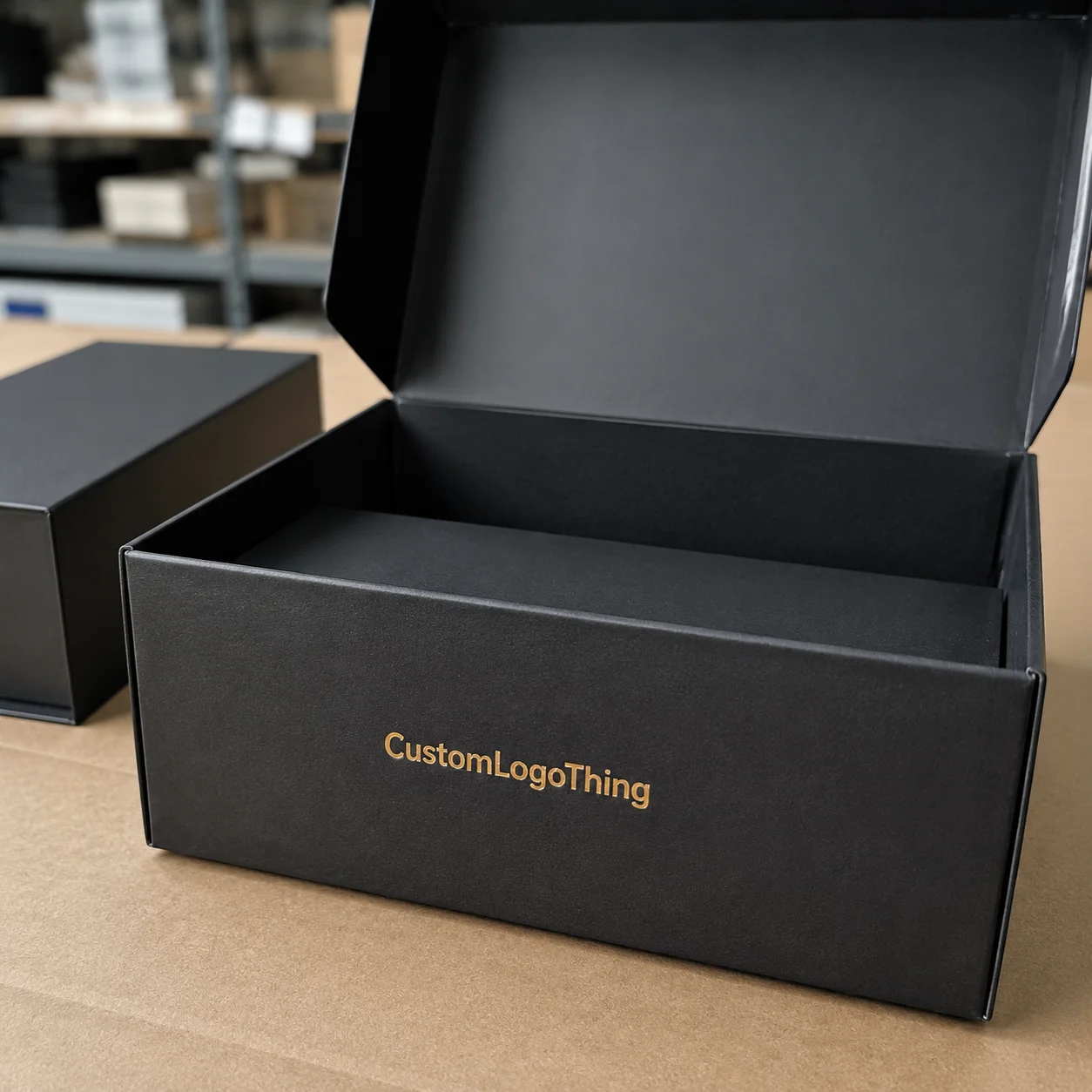
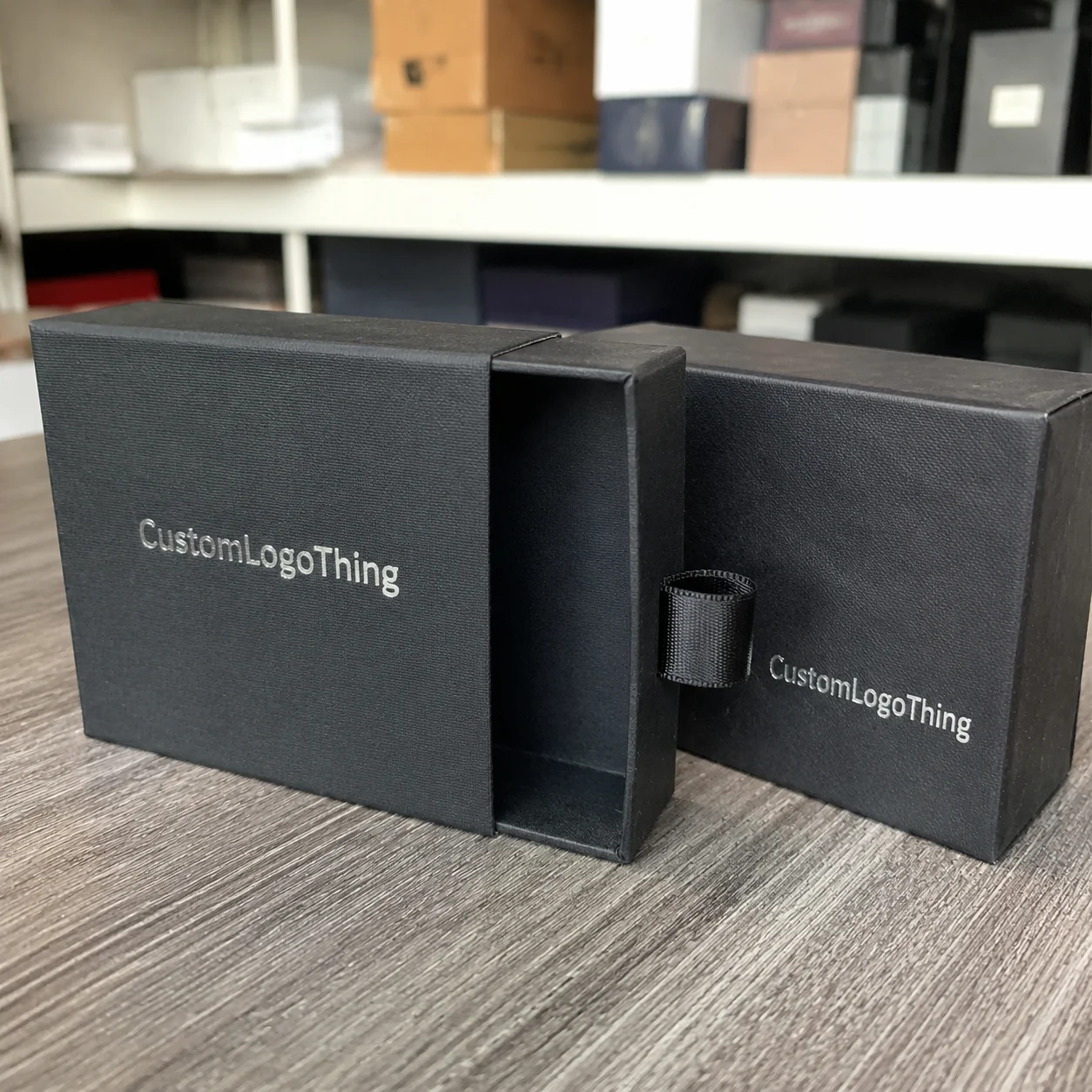
Not every shipping box is built the same, and that is where smart packaging design starts. For ecommerce shipping, the most common structures I see are regular slotted containers, mailer-style corrugated boxes, and tuck-top shipping formats used when the unboxing experience matters as much as transit protection. A regular slotted container is often the workhorse for warehouse shipping because it stacks well on pallets and is easy to pack. Mailer boxes, especially roll-end front lock styles, are popular when brands want a cleaner opening moment and a more polished piece of branded packaging. The right choice depends on product weight, fulfillment speed, and how much of your package branding needs to show before the box is even opened. I’ve had clients in Seattle, Washington, fall in love with a mailer style on sight, then realize their product needed a sturdier structure. Pretty is great. Pretty and practical is better.
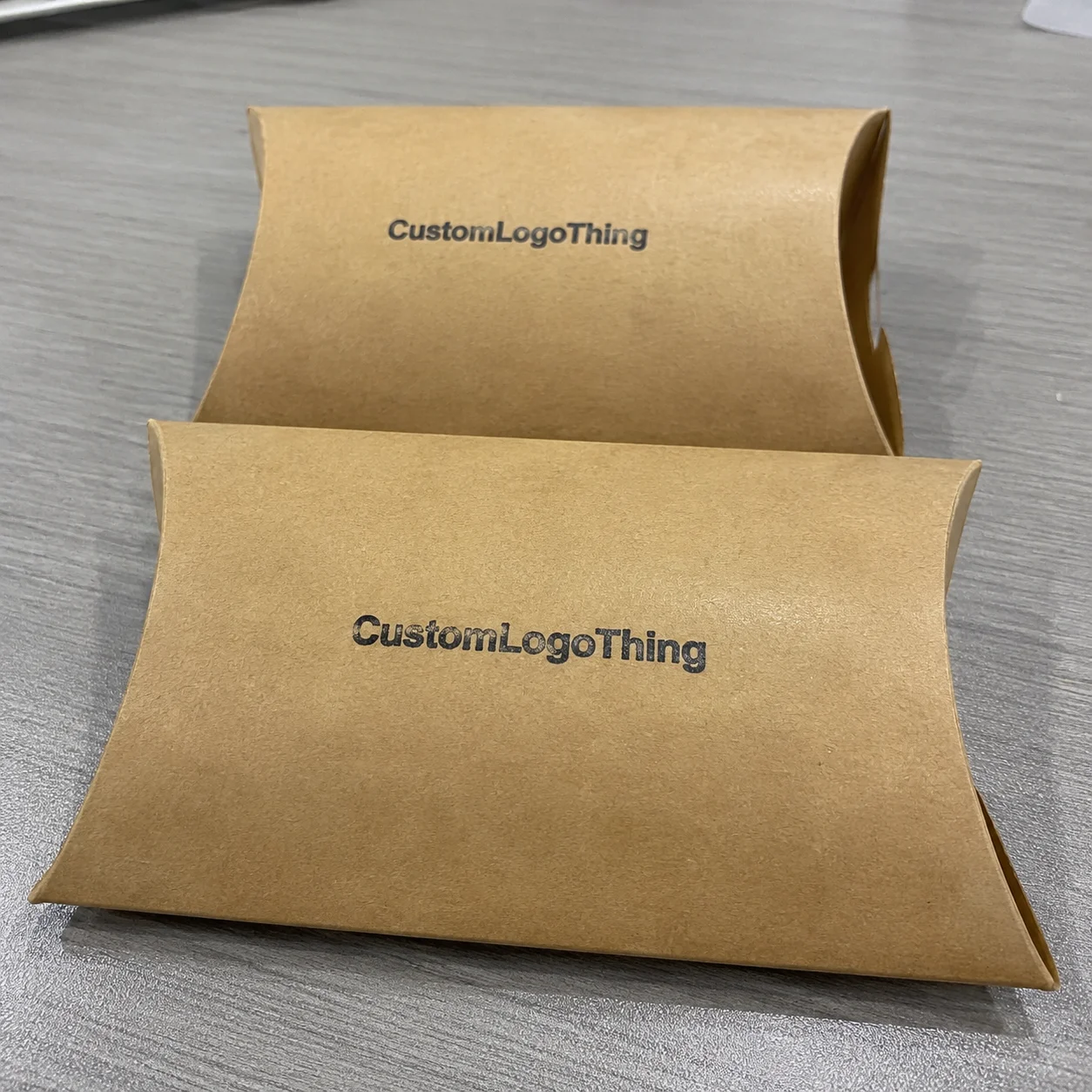
For print, the options are broader than many buyers expect. One-color flexo is still a strong choice for simple logos, shipping marks, or minimal line art on kraft board. Two-color work can add dimension without pushing the cost too high. Full-color digital graphics are ideal for smaller custom printed boxes runs, especially when the artwork uses gradients, photos, or seasonal campaigns. Interior printing can be strong, too, where the outside panel stays restrained but the inside reveals a bold message or pattern. That approach is especially effective for subscription packaging and direct-to-consumer product packaging programs. I’m a fan of the inside-print surprise because it feels intentional without screaming for attention from ten feet away.
Board grade matters just as much as the art. E-flute is common for lighter ecommerce goods because it offers a smoother print surface and a compact profile. B-flute is sturdier and gives better compression performance for many shipping cartons, especially when the box will be handled multiple times in a parcel network. Double-wall corrugated comes into play when the contents are heavier, more fragile, or stacked in a distribution center for longer periods. For heavier products, I always ask about Edge Crush Test values, not just the appearance of the print, because the box has to survive the actual route from pack table to final delivery. A beautiful box that crushes like an empty cereal carton is not cute. It is expensive.
Here is a simple comparison I often use when helping buyers think through the custom printed shipping boxes minimum order and the structure they need:
| Box Type | Typical Use | Print Style | Best For | Common Starting Point |
|---|---|---|---|---|
| Regular Slotted Container | Standard shipping and warehouse fulfillment | 1-color flexo or digital | General ecommerce, bulk packing | 500–1,000 units |
| Mailer-Style Corrugated Box | Retail-like unboxing and subscription programs | Full-color digital or 2-color flexo | DTC brands, gift kits, kits with inserts | 250–1,000 units |
| Double-Wall Shipping Box | Heavier or fragile contents | Simple branding or spot print | Industrial parts, glass, premium goods | 500–2,000 units |
Finishing choices also affect the final feel. A matte aqueous coating can reduce scuffing and give the box a softer appearance. Gloss coatings can make logos pop, though they are not always the best answer for recycled kraft aesthetics. Some brands want the natural look of uncoated kraft corrugated because it signals restraint and sustainability. If your boxes will sit in humid backrooms in Atlanta, Georgia, or move through busy distribution centers in New Jersey, a moisture-resistant finish can be useful, but I always tell clients not to over-spec a box just to sound premium. A well-chosen board and a clear print layout usually outperform decorative extras that never pay for themselves. That sounds blunt, I know, but packaging has a way of punishing vanity choices.
For related programs that pair well with shipping cartons, you may also want to review Custom Poly Mailers for lightweight goods. And if your business uses structured purchase tiers, our Wholesale Programs page explains how higher quantities can improve unit economics without sacrificing consistency.
Specifications That Affect Fit, Print Quality, and Durability
The most common mistake I see in a custom printed shipping boxes minimum order request is that the buyer sends only external dimensions and assumes that is enough. It is not. I need inside dimensions, product weight, any insert or divider thickness, and a sense of how the carton will be used in the packing line. A box that looks perfect on paper can fail once the product, filler, and tape are all added. If your item measures 9.75 inches by 6.5 inches by 4 inches, I want to know whether you need 1/8 inch or 3/8 inch of clearance, because that single detail changes the die line, the board choice, and sometimes the minimum order itself. That one little gap can be the difference between a box that works and a box that makes the whole team sigh at the packing table.
Dimensional weight matters, too, especially in ecommerce shipping. Carriers bill based on size and actual weight, so a box that is 2 inches larger than necessary can raise freight costs on every shipment. I have watched fulfillment teams in Nashville, Tennessee, save serious money simply by tightening the carton spec from a loose oversized mailer to a right-sized corrugated box with a better insert. That is one reason the custom printed shipping boxes minimum order should always be tied to the product and the shipping lane, not just the logo placement.
Print quality changes with the board surface. Kraft corrugated is durable and familiar, but dark inks and fine reverse type can show differently than they do on white-lined board. If your brand uses thin lines or small fonts, I recommend asking for a print proof on the actual board grade, because a logo that looks crisp on a monitor may fill in on rough kraft. In my experience, anything below a 6-point font on corrugated can get risky unless the art is extremely clean and the press is well dialed in. That is true whether you are ordering a massive run or working through a custom printed shipping boxes minimum order. I’ve had more than one client learn this the hard way, and nobody enjoys discovering that their tiny tagline has become a fuzzy gray suggestion.
When talking to a supplier, ask for the technical details that tell you how the box will perform:
- Burst strength for puncture and basic durability expectations.
- Edge crush test (ECT) to understand stacking strength in distribution.
- Flute profile such as E-flute, B-flute, or double-wall construction.
- Board caliper so you know the actual thickness, not just the marketing label.
- Shipping performance assumptions if the box will move through parcel networks or palletized freight.
For compliance and testing language, I often refer clients to recognized industry resources like the International Safe Transit Association and the technical standards materials from the Institute of Packaging Professionals. If your team handles sustainability claims, the Forest Stewardship Council is also worth reviewing when paper sourcing matters to your brand story.
Structure and print only work if the artwork is prepared correctly. A proper file package should include vector logos, Pantone references, approved dieline placement, and bleed plus safe-zone setup. If your designer gives me a flat JPG with no scale and no marks, I know we are going to burn time fixing basic issues. A strong custom printed shipping boxes minimum order starts with art that respects the press, the board, and the die line, not just the creative idea. And yes, I have had to say “please don’t send the logo as a screenshot” more times than I’d like to admit.
Custom inserts and dividers can make a big difference in damage rates. A corrugated insert might stop a glass jar from shifting 1/2 inch in transit, which is often the difference between a clean delivery and a return. I have seen cosmetics brands in New York City, candle makers in Portland, Oregon, and specialty food companies in San Diego, California, reduce complaints simply by changing the void-fill strategy inside the box. That is why product packaging should be planned as a system: carton, insert, closure, and shipping method all need to work together.
Custom Printed Shipping Boxes Minimum Order, Pricing, and What Drives Cost
Pricing for a custom printed shipping boxes minimum order is driven by a handful of clear variables, and once you know them, the quote starts to make sense. Quantity is the biggest factor, followed by the number of ink colors, the size of the box, the board grade, the coating choice, and whether the job requires new tooling. A simple one-color logo on a stock-size mailer can be far easier to price than a full custom die-cut box with internal print, a branded insert, and a moisture-resistant finish. That does not mean one is better than the other; it means each one is built from different labor and material inputs. I honestly think this is where a lot of frustration comes from: people compare boxes as if they were all the same thing, and they just aren’t.
Setup charges are where first-time buyers sometimes get caught off guard. There may be a die charge, a printing plate charge on flexo jobs, or a tooling charge if the box requires custom cutting. Those costs do not vanish at low quantities, so the per-unit price on a small run can look higher than expected. The good news is that as quantities rise, those fixed costs are spread across more pieces and the unit price usually drops. I always advise buyers to compare the custom printed shipping boxes minimum order pricing against at least one larger quantity so they can see where the break point sits. Sometimes the jump is modest. Sometimes it’s the difference between “fine” and “why is this so much cheaper per box?”
You can save money without hurting performance in a few practical ways:
- Choose a standard board grade that still protects the product.
- Simplify to one or two ink colors if the artwork allows it.
- Use a stock size that fits the item with minimal void space.
- Keep coatings selective rather than covering every surface.
- Confirm whether a pre-existing die line can be adapted instead of creating a new one.
I have watched brands spend extra on decorative print coverage only to realize the box sits inside a shipper sleeve or on a warehouse shelf where no one ever sees the full artwork. That is money better spent on stronger board, better inserts, or a cleaner fit. A thoughtful custom printed shipping boxes minimum order should support the business model, not drain it. Honestly, if a design choice can’t survive a shipping lane and still make financial sense, it’s probably more vanity than strategy.
Freight matters more than many people expect. Corrugated is bulky, and pallet count can turn a reasonable production quote into a much higher landed cost if the shipping lane is long or the boxes are oversized. A pallet of flat-packed shipping cartons may still take up significant cube, so it is worth asking for shipping estimates to your destination zip code before approving the order. I have had clients in Miami, Florida, save several hundred dollars simply by consolidating pallet loads or moving the delivery point closer to the fulfillment center. That kind of planning is part of the true cost of a custom printed shipping boxes minimum order.
One practical way to evaluate value is to think in terms of total impact. If a better box reduces damage by even 2% on a product with expensive returns, that improvement can more than pay for the difference between a generic carton and a branded one. If the box improves repeat recognition in your ecommerce shipping program, it also supports package branding in a way that standard brown boxes never will. That is why the lowest price is not always the best buy, and why I tell people to judge the order by landed cost, protection, and presentation together.
Here is a realistic pricing view I would give a buyer reviewing a custom printed shipping boxes minimum order:
| Order Profile | Typical Pricing Pressure | What Helps Lower Cost | Best Use Case |
|---|---|---|---|
| Low MOQ, simple one-color print | Setup cost spread over fewer units | Stock size, standard board, single ink | Launches, tests, limited runs |
| Low MOQ, full-color graphics | Higher print complexity and proofing time | Digital print, smaller box, clean vector art | Premium ecommerce and seasonal campaigns |
| Mid-volume, custom die-cut program | Tooling and cutting setup included | Reusing a platform dieline, fewer special finishes | Growing brands and recurring replenishment |
If you want a quote that is actually useful, send dimensions, artwork, quantity, destination, and whether the order is for retail packaging, warehouse shipping, or a hybrid use. A complete brief reduces surprises and makes the custom printed shipping boxes minimum order much easier to evaluate with confidence.
Process and Timeline: From Quote to Delivered Boxes
The order process usually starts with a quote request that includes dimensions, quantity, board preference, artwork, and destination. If you leave out the product weight or insert thickness, the estimate may be incomplete, and the custom printed shipping boxes minimum order may come back with a range rather than a firm number. I always recommend giving the supplier as much information as possible up front because corrugated is unforgiving when a spec is vague. A box that is off by 1/8 inch can throw off the entire packout. I’ve watched a perfectly good launch in Toronto, Ontario, get delayed because someone guessed “close enough” on a measurement. Close enough is not a measurement. It is a headache.
After the quote, proofing begins. This stage includes dieline review, digital mockups, and confirmation of print placement. On more technical programs, I ask for a structural sample or at least a PDF with dimensions clearly marked. That extra step is worth it. In one client review, we caught a logo that sat too close to a glue flap, which would have disappeared in production. Fixing it in proofing took 20 minutes. Fixing it after the box was printed would have meant wasting a pallet. A careful custom printed shipping boxes minimum order process should always include this kind of review.
Production itself follows a familiar sequence on a corrugated converting line:
- Board is staged and cut to sheet size.
- The print station applies the artwork.
- The sheet passes through die cutting and slotting.
- Panels are folded, glued, or stitched if required.
- Finished boxes are bundled, packed, and palletized.
That sequence sounds simple, but each step depends on the one before it. If the board moisture content drifts or the print density is inconsistent, the whole run can slow down. On busy plant floors in Ho Chi Minh City or Guadalajara, especially during peak ecommerce shipping periods, press schedules matter a lot. A job with multiple ink colors or a custom cutter guide will usually take longer than a straightforward one-color box. For a low-volume custom printed shipping boxes minimum order, I like to tell clients to expect a more careful, not necessarily faster, process. Careful is good. Slow because of preventable mistakes is not.
Timeline variables are often more important than the quoted production days. If material is in stock, artwork is final, and the structure is standard, the order can move efficiently. Add holiday congestion, a special coating, or a new die line, and the lead time can stretch. I have seen a 10-business-day estimate become 15 because the client revised the logo twice after proof approval. That is not unusual; it is just packaging reality. If your launch date is fixed, build in cushion. A dependable custom printed shipping boxes minimum order plan leaves room for proofing, transit, and a small correction window.
From a planning standpoint, here is how I usually frame the timeline:
- Quote stage: 1 to 2 business days once all specs are supplied.
- Proofing stage: 1 to 3 business days depending on revisions.
- Production stage: typically 12 to 15 business days from proof approval.
- Freight delivery: varies by region, pallet count, and carrier choice.
That is a real-world estimate, not a promise, because every plant and every job is different. Still, it gives you a practical framework for a custom printed shipping boxes minimum order so you can align inventory with sales, subscription launches, or seasonal peaks.
Why Choose Us for Custom Printed Shipping Boxes Minimum Order
Custom Logo Things understands packaging as a working part of the business, not a decorative add-on. I like that approach because it reflects how boxes actually behave on a factory floor, in a pack station, and inside a delivery truck. A strong custom printed shipping boxes minimum order should be engineered with the same discipline as a larger national program, just with more flexibility in starting quantity.
We pay attention to the details that matter in production: board sourcing, print consistency, dimensional control, and practical packout. That includes how a carton stacks on a pallet, how the print reads on kraft versus white-lined board, and whether the opening style matches the product’s weight and handling needs. I have spent enough time around flexographic presses and corrugated converting lines to know that good results come from clear specs and honest communication, not overblown promises. That is the standard I would want for my own custom printed shipping boxes minimum order, and it is the standard we work toward here.
Clients also appreciate knowing exactly what they are getting before production starts. That means clear answers on artwork, sample approval, lead time, and freight. It also means saying “no” when a request is technically possible but not economical for the quantity. That kind of honesty saves everyone time. A box that looks good on a mockup but fails in transit is not a win, and a custom printed shipping boxes minimum order should never be treated as an experiment with no controls. I’d rather have the slightly uncomfortable conversation now than the very expensive one later.
If your program may expand into retail packaging or multiple SKU sizes, our team can help you map the next step so the first order does not lock you into a dead-end structure. That matters for growing brands, subscription boxes, and ecommerce operators who need flexibility. You can also review answers to common production questions on our FAQ page if you want a quicker starting point before requesting specs.
What sets a useful packaging partner apart is not just the ability to print a logo. It is the ability to guide a buyer through MOQ, cost, material selection, and production timing without hiding behind vague language. That is especially true with a custom printed shipping boxes minimum order, where small decisions can have a big effect on the final landed cost and the customer experience.
Next Steps for Ordering Custom Printed Shipping Boxes
Before you request a quote, gather the essentials: inside dimensions, product weight, estimated quantity, preferred print style, and any insert or divider requirements. If you already know the board grade you want, include that too. A well-prepared brief makes a custom printed shipping boxes minimum order easier to price accurately and faster to move through proofing.
It also helps to send logo files, brand colors, and any retailer or shipping requirements at the start. If your team has a Pantone number, use it. If the artwork will go on the inside panel, say so. If the box must fit a specific shelf, mailer tray, or fulfillment bin, include those dimensions. These details can shave days off a project because the proof will be closer to final from the beginning. That is the practical side of a custom printed shipping boxes minimum order that buyers often appreciate only after they have been through one or two packaging launches.
I strongly recommend asking for two pricing scenarios: one at the minimum order and one at a higher volume. That comparison makes it much easier to understand where your unit economics improve. Sometimes the jump from 500 to 1,000 boxes is modest; sometimes it is significant enough that the larger run is obviously the better decision. You will not know until you see both. That is one of the smartest ways to evaluate custom printed shipping boxes minimum order options before you commit.
Also confirm the lead time, shipping method, and pallet count before production starts. A good quote should tell you how many pallets are coming, whether the boxes will ship flat or assembled, and what the expected delivery window looks like. Surprises at the dock are expensive, and no one wants a delayed launch because freight was not planned correctly. A disciplined custom printed shipping boxes minimum order process avoids that headache.
Finally, request a sample or digital proof and review it carefully. Check fit, branding, fold lines, and landed cost. If the sample aligns with your product and the total economics make sense, approve it with confidence. For many brands, that first order becomes the foundation for better ecommerce shipping, cleaner order fulfillment, and stronger package branding over time. If your team is ready to move, a thoughtful custom printed shipping boxes minimum order is often the fastest path to a professional, cost-aware packaging program.
For buyers who want to keep the first step practical, the simplest path is to start with a clear spec sheet, compare quantities, and order only what you can test properly. That is how I have seen the best packaging programs begin, and it is why the right custom printed shipping boxes minimum order can be a smart, controlled entry into branded Packaging That Actually performs in the field.
How Does the Custom Printed Shipping Boxes Minimum Order Work?
In practice, a custom printed shipping boxes minimum order is the smallest production run that a supplier can price and make efficiently based on the box structure, print method, and material requirements. For some buyers, that means a low-MOQ digital run of 250 or 500 units. For others, especially with special tooling or heavier corrugated board, the starting quantity may be higher. The key is that the minimum order is not arbitrary; it reflects setup, production, and material economics.
The easiest way to understand it is to think about what has to happen before the first box is packed. A dieline has to be approved, the art has to be imposed correctly, the board has to be staged, and the press or digital printer has to be calibrated. If the order is tiny, those fixed steps still happen, which is why the unit price can be higher on a smaller run. That does not make the order bad. It just means the economics are concentrated into fewer pieces, which is normal for custom printed shipping boxes minimum order programs.
That is also why a good supplier will ask for more than just quantity. Inside dimensions, product weight, board grade, artwork, and shipping destination all affect the final answer. If you send complete information, the quote will be far more accurate and the production path will be clearer. I have seen brands save both time and money simply by giving a better brief. That is often the difference between a rushed order and a custom printed shipping boxes minimum order that actually supports the launch plan.
Frequently Asked Questions
What is the minimum order for custom printed shipping boxes?
The minimum order usually depends on box style, print method, and board type. Digitally printed runs can start lower than flexographic or fully custom die-cut programs, and a supplier should confirm MOQ after reviewing size, artwork, and structural requirements. For many buyers, the real starting point for custom printed shipping boxes minimum order is less about a fixed number and more about how the job is built.
Can I get custom printed shipping boxes with a low minimum order?
Yes, many manufacturers offer low-MOQ options using stock sizes or efficient digital print setups. Using a standard board grade and simple graphics can help keep the starting quantity manageable. Low minimums are often ideal for launches, seasonal tests, and subscription packaging pilots, especially when you want to validate a custom printed shipping boxes minimum order before scaling.
What affects the price of custom printed shipping boxes minimum order?
Price is influenced by quantity, dimensions, print colors, board grade, and setup requirements. Artwork complexity and whether custom tooling is needed also affect cost. Freight can be a major factor for corrugated boxes because shipping cartons are bulky, so the landed cost of a custom printed shipping boxes minimum order should always include delivery.
How long does production take after approving the proof?
Lead time depends on material availability, print method, and order complexity. Simple low-MOQ orders may move faster than fully custom structural programs, but approval delays or artwork revisions can extend the timeline. Final files should be ready early so the custom printed shipping boxes minimum order stays on schedule.
Do I need print-ready artwork for a custom printed shipping box minimum order?
Print-ready vector artwork is strongly preferred for accurate logos and clean lines. Most suppliers can help with dielines and proof setup, but final files should follow the approved template. Providing Pantone colors and clear placement instructions helps reduce revisions and keeps the custom printed shipping boxes minimum order moving through production efficiently.