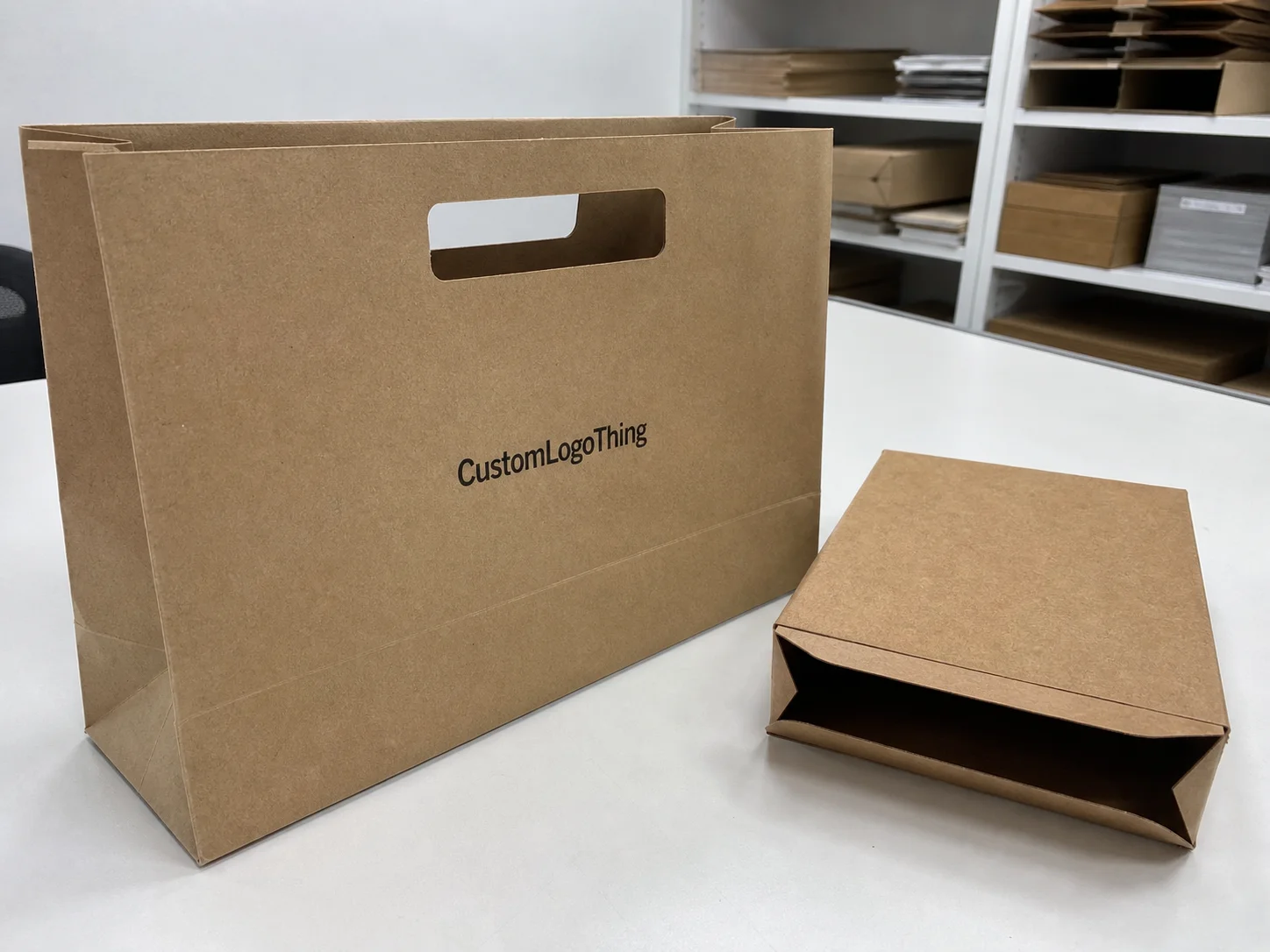
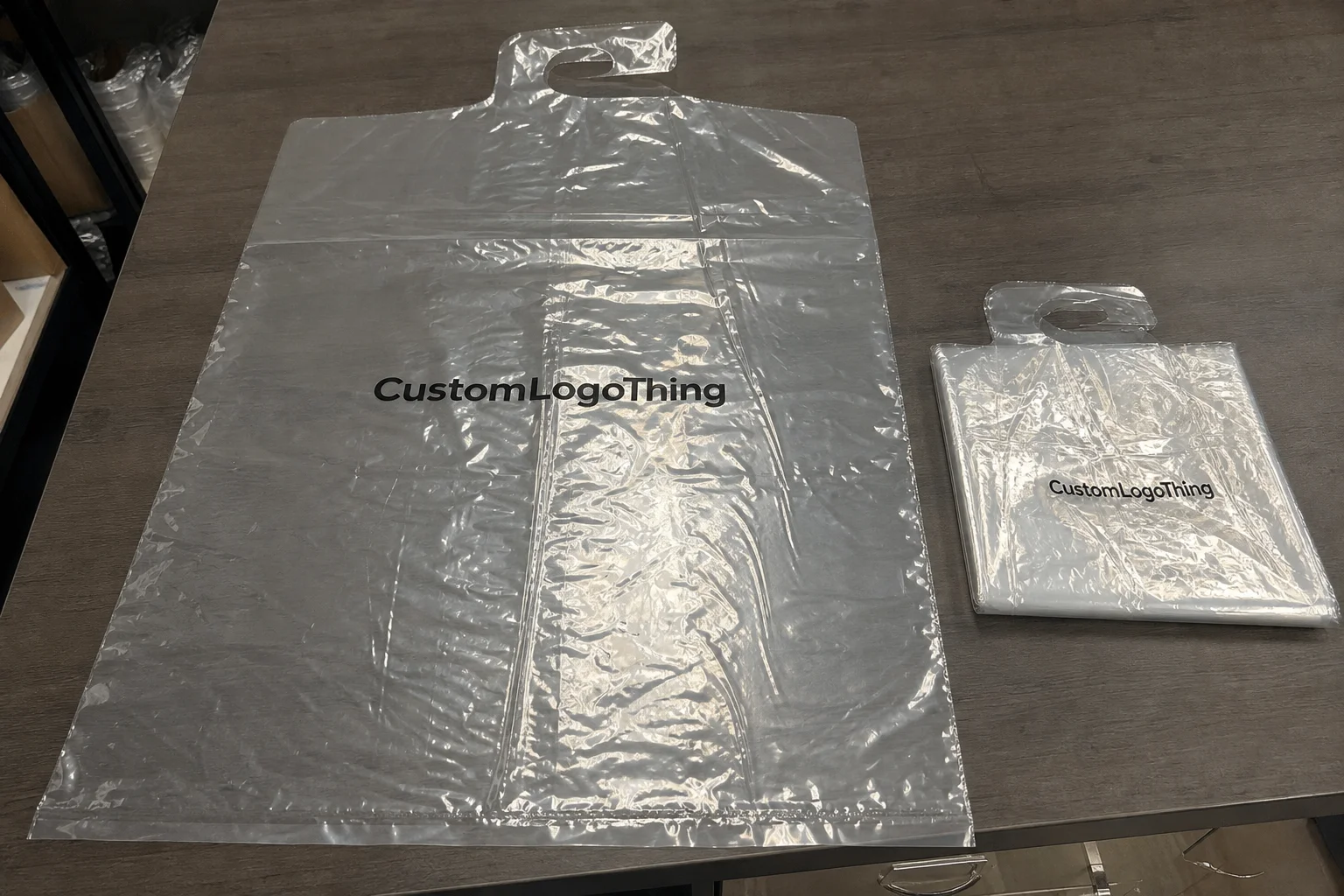
Buyer Fit Snapshot
| Best fit | To Zero Waste Packaging projects where brand print, material claims, artwork control, MOQ, and repeat-order consistency need to be specified before quoting. |
|---|---|
| Quote inputs | Share finished size, material target, print colors, finish, packing count, annual reorder estimate, ship-to region, and any compliance wording. |
| Proofing check | Approve dieline scale, logo placement, barcode or warning zones, color tolerance, closure strength, and carton packing before bulk production. |
| Main risk | Vague material claims, crowded artwork, missing packing details, or unclear freight terms can make a low unit price expensive after revisions. |
Fast answer: To Zero Waste Packaging: Artwork Proof, Packing Count, and Landed Cost should be specified like a repeatable production item. The safest quote records material, print method, finish, artwork proof, packing count, and reorder notes in one written spec.
Production checks before approval
Compare the actual filled-product size with the drawing, then confirm tolerance on folds, seals, hang holes, label areas, and retail display edges. Reserve space for logos, QR codes, warning copy, and material claims before decorative graphics fill the panel.
Quote comparison points
Review material grade, print process, finish, sampling route, tooling charges, carton quantity, and freight assumptions side by side. A quote is only useful when the supplier can repeat the same color, closure quality, and packing count on the next order.
I’ve spent enough time on packing lines to know this: the quickest way to burn cash is to put a strong product in weak packaging. I remember standing beside a conveyor in a fulfillment center in Columbus, Ohio, watching perfectly good goods rattle around in a box like loose change in a coffee tin, and thinking, well, that’s one way to turn margin into confetti. A real guide to zero waste packaging begins there, with the full chain of decisions that shape what gets designed, purchased, filled, shipped, opened, and thrown away. If the carton is 2 inches too large, the problem starts before the tape is even applied.
On one client visit in Portland, Oregon, I watched a team spend nearly $18,000 a month on corrugated inserts and void fill for a small skincare line, only to find that 42% of the volume in each shipper was air. That air carried a freight cost. It carried warehouse overhead. It carried a carbon footprint. It also irritated customers, which is harder to price and just as real. Honestly, I think that’s one of the most underrated penalties in packaging: the eye-roll factor. That’s why a guide to zero waste packaging matters to brands that care about more than the label on the box, especially when the difference between a 12 x 9 x 4 mailer and a 14 x 10 x 6 mailer shows up in dimensional charges every single week.
Most people get the idea backwards. They begin with disposal. Design comes first. A practical guide to zero waste packaging looks at material intensity, reuse potential, recycling pathways, and whether the package can do its job with less material from the start. In many cases, the right answer is a 350gsm C1S artboard carton with one insert removed, not a flashy structure with three finishes and a recycling symbol that nobody can actually use.
Guide to Zero Waste Packaging: What It Means and Why It Matters
In plain English, a guide to zero waste packaging means designing packaging so it avoids landfill, incineration, and unnecessary material use by favoring reuse, refill, recyclability, compostability, and minimalism. That sounds neat on paper. Reality is messier. In my experience, the difference between a smart package and a green-looking liability usually comes down to three details: material compatibility, local recovery infrastructure, and how much protection the product actually needs. A paper-based shipper made in Richmond, Virginia, for example, may be fully recyclable on paper and still fail if the adhesive strip or barrier film blocks local recovery in the customer’s ZIP code.
One pattern shows up again and again in audits: a large share of packaging waste is created before the product ever reaches the customer. It starts at the design table. It shows up in procurement meetings when someone approves a heavier insert “just in case.” It appears when a supplier recommends a laminated structure because it prints beautifully, even though the final pack is far harder to recycle. A strong guide to zero waste packaging is really a guide to better upstream decisions. I’ve been in those rooms in Chicago, and frankly, they can feel like a group project where everyone agrees on the poster but nobody wants to carry the cardboard. The numbers are usually what change minds: a 16-gram insert may seem small until it becomes 80,000 units a quarter.
Precision matters here too. A pouch printed with green leaves is not zero waste. A box with “eco-friendly packaging” on the flap is not automatically low impact. If the material ends up in landfill, if the package uses mixed polymers that can’t be separated, or if the design uses more raw material than necessary, the label changes nothing. A serious guide to zero waste packaging asks for measurable end-of-life pathways and lower material intensity, not decorative claims. In practical terms, that means asking for fiber weight, resin type, adhesive composition, and the disposal route in specific markets like California, Ontario, or the UK.
Why do businesses pay attention? Waste reduction can move several numbers at once. A lighter mailer can reduce shipping weight. A right-sized carton can shrink dimensional charges. A simpler structure can cut overages and warehouse SKUs. I’ve seen brands save 8% to 14% on freight by removing oversized cartons and excess dunnage, before they even touched the sustainability story. Customers notice too. Packaging feels deliberate when it fits the product instead of smothering it. That’s one reason the guide to zero waste packaging has become so relevant in retail packaging and subscription fulfillment alike, especially for brands shipping from Los Angeles, Atlanta, or Toronto where pallet space is expensive and labor is even more so.
This piece takes a practical angle. The guide to zero waste packaging below covers how the system works, which factors matter most, common mistakes, and the steps I’d use if I were helping a brand convert one SKU at a time. For broader inspiration or product development support, Custom Logo Things also offers Custom Packaging Products that can be tailored for branded packaging and product packaging programs, including printed cartons, inserts, and mailers with minimums that often start at 500 pieces and scale to 25,000 units or more.
“The best packaging isn’t the one with the loudest sustainability claim. It’s the one that survives the route, reduces waste, and still makes the customer trust the brand.” — something I told a client after reviewing 17 failed mailer prototypes in one week
How Zero Waste Packaging Works in Real Supply Chains
A usable guide to zero waste packaging has to deal with the whole supply chain, not just the shelf or the trash bin. Packaging starts as raw material, moves through converting, printing, packing, shipping, customer use, and then enters an end-of-life system that may or may not exist where the customer actually lives. That lifecycle view changes the picture fast. A paper mailer produced in Shenzhen and shipped to a warehouse in Savannah, Georgia, is not automatically more sustainable than a slightly heavier local option if the overseas lead time is 28 days and the ocean freight adds another 14.
On the floor of a contract packer in Ohio, I once watched operators reject a compostable insert because it snagged on the loading equipment at a 90-degree turn. The material was promising on paper. The line was not built for it. The line supervisor gave me a look that said everything before he even opened his mouth. That’s the part many corporate teams miss. A guide to zero waste packaging must account for machine compatibility, sealing temperatures, stacking strength, and the actual pace of fulfillment. If a material slows a line by 12%, the sustainability gain gets eaten by labor and throughput losses. In a plant running 1,200 units per hour, that slowdown is not theoretical; it is a Tuesday.
The hierarchy is simple, and I recommend brands use it in this order: eliminate unnecessary packaging first, then reduce what remains, then reuse, refill, recycle, and only then consider composting where the infrastructure exists. Composting sits last for a reason. Consumer behavior is inconsistent. Municipal access is inconsistent too. In many regions, a compostable package without a nearby industrial composting facility is just a more expensive piece of trash. That is an uncomfortable truth, but a necessary one in any honest guide to zero waste packaging. In Phoenix, for example, curbside access can differ block by block, and that detail changes the decision more than a marketing deck ever will.
These are the formats I see working most often:
- Mono-material mailers that improve recyclability by keeping the structure simple, often in 2.5 mil to 4 mil film gauges.
- Returnable shipping systems for B2B or controlled DTC flows, especially where reverse logistics already exist in hubs like Dallas, Chicago, or New Jersey.
- Molded fiber inserts that replace plastic trays in electronics, cosmetics, and food-service adjacent product packaging, commonly formed from recycled pulp.
- Paper-based wraps for apparel and small consumer goods where abrasion protection is modest and print coverage can stay light.
- Refill-ready containers for cleaning products, personal care, and premium beverage applications, usually designed around 250 ml, 500 ml, or 1 liter formats.
Systems matter more than formats. A package that is recyclable on paper can underperform if local recycling programs reject it. I’ve seen a glossy paper-poly laminate marketed as recyclable in one region, then flagged as contamination in another because the curbside sorting line couldn’t identify it. That’s why a good guide to zero waste packaging always asks: Can the customer dispose of this correctly? Can the recovery system process it? Can the logistics partner handle the format without extra secondary packaging? If the answer changes between Minneapolis and Miami, the claim needs to change too.
Comparisons help. A package made from 100% recycled paperboard, designed with a single adhesive strip and no plastic window, may look plain. Yet it often performs better than a “premium” two-piece setup with magnets, foam, and foil accents. The first option may be accepted in more municipal systems and use fewer grams per unit. The second may win a design award and lose on waste, freight cube, and labor. That contrast sits at the center of the guide to zero waste packaging and of smarter packaging design overall. A 150-gram rigid box can easily outrun a 62-gram folded carton in cost and emissions before the customer even opens it.
If you want to benchmark shipping performance, standards matter. I often point clients to ISTA transit testing and ASTM material guidance when they ask how to validate package durability. For end-of-life claims, industry and public resources help too, including the EPA’s packaging and waste guidance at EPA recycling resources and the Forest Stewardship Council’s certification framework at FSC. A serious guide to zero waste packaging should never rely on vibes alone, and it should never skip the paperwork that proves a board grade came from certified mills in Oregon, British Columbia, or Finland.
Key Factors in a Zero Waste Packaging Strategy
A practical guide to zero waste packaging comes down to five decision points. Get these wrong, and the result is a green claim with poor performance. Get them right, and waste can fall without making the product fragile or the operation chaotic. In one project I reviewed in Atlanta, the difference between a workable spec and a costly one came down to a single 0.4 mm change in carton depth.
Material selection
Start with the material that best fits the product and the disposal reality. Recycled paperboard, molded fiber, kraft paper, mono-PE film, mono-PP film, and refillable glass or rigid plastic all have a place. The trick is matching the material to the route. A luxury candle in a paper wrap won’t work if the wax softens in transit. A food-safe container needs compliance, not just post-consumer recycled content. In a genuine guide to zero waste packaging, the question is not “what sounds green?” It’s “what performs and can be recovered?” A coffee subscription shipping from Vancouver in January needs a different structure than a body-care refill sent from Austin in July.
Design efficiency
Material choice matters, but design efficiency often matters more. Reduce void space. Remove redundant inserts. Avoid mixed-material closures when a single-material option can do the job. In one supplier meeting in Michigan, I watched a brand cut package weight by 27% just by eliminating a foam shoulder insert and redesigning the carton lock. The carton still passed ISTA-style transit checks. The customer still liked the unboxing. That is the kind of outcome a strong guide to zero waste packaging should deliver, and it often starts with a dieline adjustment rather than a new material.
Cost and pricing
People ask me what zero waste packaging costs, and the honest answer is: it depends on the system, not just the unit quote. I’ve seen a paper mailer cost $0.18 per unit at 5,000 pieces, while a molded fiber insert came in closer to $0.31 per set at the same quantity. A Custom Folding Carton printed on 350gsm C1S artboard can land around $0.15 per unit for 5,000 pieces if the artwork is simple and the conversion run is clean, while a premium rigid setup in New Jersey might run $0.85 to $1.40 per unit depending on inserts and finishing. But the cheaper option is not always cheaper overall. Add damage rates, freight cube, storage, assembly labor, and returns, and the picture changes fast. A full guide to zero waste packaging should compare total landed cost, not just purchase price. I wish that were always obvious, but somehow “cheap per unit” still walks into meetings dressed like a winner.
| Option | Typical Unit Cost | Operational Impact | End-of-Life Profile |
|---|---|---|---|
| Paper mailer, mono-material | $0.18–$0.26 at 5,000 units | Low cube, fast pack-out, easy storage | Widely recyclable in many regions |
| Molded fiber insert + corrugated shipper | $0.28–$0.42 per set | Better protection, slightly more assembly time | Often recyclable, good fiber recovery potential |
| Reusable mailer system | $1.20–$3.50 per unit | Requires reverse logistics and customer participation | Best for controlled loops, not universal use |
| Compostable film mailer | $0.24–$0.40 at 5,000 units | Good for some categories, variable line performance | Dependent on local composting access |
Compliance and claims
This is where brands get into trouble. A package can be technically recyclable and still be a bad claim if the local system doesn’t process it. Compostable claims need real verification. Food contact, child safety, ink migration, and adhesive performance all matter too. If you’re making environmental claims, verify them with supplier documentation and certifications, not a sales brochure. A careful guide to zero waste packaging should reflect the standards, not the marketing deck. If a supplier in Guangzhou, Milan, or Raleigh can’t provide a spec sheet, migration data, and a chain-of-custody file, the claim is still unproven.
Customer experience
The package still has a job to do for the customer. It needs to open without frustration, protect the product, and reflect the brand. That’s true for luxury packaging design, direct-to-consumer subscriptions, and everyday retail packaging. I’ve seen minimal packages that looked noble and arrived dented, and I’ve seen simpler packages that felt premium because the fit, finish, and print were thoughtful. Good package branding is not the enemy of low-waste thinking. In the best cases, they reinforce each other. A two-color print on a 100% recycled board in Kansas City can feel more considered than a foil-heavy carton made three states away.
If you’re building eco-friendly packaging, don’t separate sustainability from the customer moment. People remember the first tear strip, the amount of filler, the smell of inks, and whether the package made disposal obvious. Those details affect repeat purchase more than a vague claim on the underside flap. A strong guide to zero waste packaging respects both the planet and the person opening the box. That means clear instructions, exact disposal language, and a structure that opens in under 10 seconds without a kitchen knife.
Guide to Zero Waste Packaging: Step-by-Step Implementation Process
The most effective guide to zero waste packaging is a process, not a one-time purchase. I’ve helped teams move from “we want less waste” to actual new pack specs, and the successful ones always worked in stages. That matters because packaging changes can break things in subtle ways: label adhesion, stack stability, carton crush, machine speed, and even retail shelf presence. A pilot in a 15,000-unit run often reveals more than a year of internal debate.
Step 1: Audit current packaging. List every component, material type, weight, supplier, cost, and disposal path. Don’t forget hidden items like tape, corner guards, polybags, desiccants, and printed inserts. One beauty client I worked with in Los Angeles discovered they were paying for three separate printed components that all repeated the same instructions. The audit saved them 1.7 tons of paper annually before any redesign even started. That kind of detail belongs in any serious guide to zero waste packaging. The same audit also revealed a $0.07 tape overuse per order that nobody had tracked.
Step 2: Set the real goal. Are you trying to reduce material volume by 20%? Eliminate plastic? Improve recyclability? Build a refill system? The answer changes the design brief. A team focused on landfill diversion will choose differently from a team focused on carbon footprint reduction. Those are related, but not identical. A package made from heavier recycled paperboard may improve recovery rates while increasing weight. A good guide to zero waste packaging spells out those trade-offs early, ideally in a one-page spec with measurable targets and an owner for each metric.
Step 3: Map the timeline. For a simple material swap, I typically expect 3 to 6 weeks from briefing to approved proof, assuming artwork is ready and no compliance issue appears. For a full redesign, plan 8 to 16 weeks. If tooling changes are involved, especially for molded fiber or rigid containers, it can stretch further. Supplier lead times, testing, and QA all add time. A realistic guide to zero waste packaging never promises miracles on a Friday and delivery by Monday. In manufacturing hubs like Shenzhen, Dongguan, or Ho Chi Minh City, it is common for proof approval to production handoff to take 12 to 15 business days once the art is locked.
Step 4: Prototype and test. Validate drop resistance, compression, vibration, seal integrity, shelf appearance, and pack-out speed. Don’t test only in a lab with perfect handling. Test the actual warehouse. I’ve seen prototypes pass bench testing and fail during peak season because the fulfillment team packed them differently under pressure. ISTA protocols help, but field testing reveals the things the lab misses. That is a recurring lesson in any practical guide to zero waste packaging. If a box survives a 36-inch drop test but fails when stacked five-high on a humid dock in Houston, the lab result only tells half the story.
Step 5: Pilot one SKU or one region. I strongly prefer a small launch first. Pick a product with enough volume to gather data, but not so much that a failure becomes expensive. A pilot can reveal whether the new mailer fits the fulfillment line, whether the print holds up, and whether customers understand disposal instructions. One client ran a 90-day pilot on just 12,000 units before scaling to 80,000. They found a closure issue with humid storage that would have been costly at full volume. That saved them a return spike and a lot of stress. Regional pilots in Arizona and Florida are especially useful because heat and humidity expose weak adhesives fast.
Step 6: Measure outcomes. Track packaging weight, freight cube, damage rates, returns, labor minutes per order, and customer feedback. If you are doing true zero waste work, measure recovery rates too. Did customers recycle the pack? Did they return the container? Was the refill adoption rate 18% or 62%? Numbers matter. A guide to zero waste packaging without measurement is just opinion in a nicer font. I’d rather see a dashboard with five ugly metrics than a slide deck with one pretty promise.
Here’s a compact checklist I use with brands that want a cleaner package without losing performance:
- Remove any component that does not protect, inform, or sell the product.
- Choose the simplest material structure that meets transit and shelf requirements.
- Verify disposal pathways by region, not by assumption.
- Run a pack-out test with the actual fulfillment team.
- Compare total cost, not just per-unit price.
- Update claims only after documentation is complete.
That process may sound basic. It isn’t. It is where brands either create a credible guide to zero waste packaging or end up with a nice-looking fail. The difference often comes down to whether someone checked the dieline, the glue, and the receiving dock before placing the order.
Common Mistakes When Building Zero Waste Packaging
Most failures I’ve seen don’t come from bad intentions. They come from shortcuts. A team wants a better story, so they pick a material that photographs well. Or they cut filler too aggressively and spike damage. Or they use compostable language before checking whether the customer can actually compost the package. A guide to zero waste packaging should be brutally honest about these mistakes, because each one has a price tag attached to it, often in the same month the launch goes live.
First mistake: choosing based on marketing appeal. A package that looks eco-conscious may be worse operationally than a plainer option. I’ve seen brands choose a fiber tray because it matched their sustainability narrative, only to discover it broke on humid outbound pallets in Jacksonville, Florida. The replacement cost alone wiped out months of savings. Good intentions are not a shipping spec. A structure that performs at 18°C in a studio may fail at 32°C in transit.
Second mistake: overengineering. Adding coatings, layers, windows, decorative elements, or multiple adhesive systems often defeats the waste goal. The irony is hard to miss: brands remove one plastic element and then add two paper ones that increase total material use. If your guide to zero waste packaging leads to more components, something has gone sideways. I’ve seen “minimal” cartons that carried four inks, two varnishes, and a glued window that made them harder to recycle than the standard box they replaced.
Third mistake: ignoring hidden costs. A lower unit price can be deceptive. If the new package increases labor by 20 seconds per unit, that is expensive at scale. If it grows carton dimensions and pushes you into a higher shipping tier, the savings disappear. If it raises damage by even 1.5%, the returns hit can be painful. The smartest guide to zero waste packaging always includes total cost of ownership. At 100,000 units, an extra 12 seconds per pack can mean hundreds of labor hours and a very visible invoice from operations.
Fourth mistake: making unsupported claims. “Recyclable” and “compostable” are not decorative words. They carry legal and reputational weight. I once sat in a supplier negotiation in Seattle where a sales rep insisted a film was recyclable “in most places.” That phrase should set off alarms. Most places is not a standard. Local acceptance varies widely. If you can’t back up the claim with testing and actual recovery pathways, don’t print it. A credible guide to zero waste packaging protects trust first.
Fifth mistake: leaving operations out of the room. Procurement, quality, fulfillment, and customer service all need a say. If they are not part of the planning, the design may be impossible to source, too slow to pack, or too confusing to explain. In a factory meeting outside Dallas, I watched a packaging redesign get rejected in 11 minutes because nobody had checked the glue line speed. Eleven minutes. That was enough to expose the gap. A real guide to zero waste packaging respects the floor, not just the brief.
One more thing: zero waste is not a moral purity test. Sometimes a better package is simply a less wasteful compromise. A paperboard shipper with a small amount of barrier coating may outperform a “fully compostable” alternative that fails in humid storage and causes more damage. The right answer depends on the product, the route, and the recovery system. That nuance is exactly why the guide to zero waste packaging has to stay practical, especially in regions where recycling rules differ between counties only 30 miles apart.
Expert Tips for Smarter Zero Waste Packaging Decisions
If I were advising a brand tomorrow, I’d start with simplification, not substitution. The lowest-waste package is often the one that deletes something. A lid that does not need a secondary seal. A carton that does not need a tray. A shipper that does not need filler. That principle sits near the center of any mature guide to zero waste packaging, and it’s usually cheaper than the flashy alternative by the time freight and assembly are counted.
Right-size everything. Oversized packaging creates waste in three places: material, freight, and customer perception. A box with 35% headspace is practically advertising inefficiency. Right-sizing reduces void fill, improves pallet density, and can lower shipping damage because the product shifts less. In my work, right-sizing has delivered some of the fastest paybacks, often under six months on high-volume SKUs. That is not theory. That is warehouse math. On a 50,000-order month, even a 0.25-inch trim can matter.
Ask suppliers for specific data. You want recycled content percentages, FSC chain-of-custody details where relevant, MOQ, lead time, tested caliper or basis weight, and compatibility with your machinery. For instance, a supplier might quote 350gsm C1S artboard with soft-touch lamination at a favorable price, but if the lamination blocks recyclability in your target market, the spec is wrong for the job. The guide to zero waste packaging should always include supplier documentation review. Ask for exact numbers: caliper in points, tensile data, and whether the sheet can be printed in Shenzhen, Monterrey, or Warsaw within your preferred window.
Use visual instructions. If the package is recyclable, compostable, refillable, or returnable, say so clearly and briefly. A small icon plus one sentence usually beats a long paragraph. If customers need to separate parts, tell them exactly how. I’ve seen brands improve proper disposal by adding a two-color diagram on the inside flap. It cost less than a cent per unit at scale and improved compliance noticeably. Good eco-friendly packaging is as much about communication as material. A simple “remove tape, flatten carton, recycle curbside” line can outperform a paragraph of corporate language.
Test in real conditions. Temperature swings, humidity, and carrier handling expose weak points quickly. A package that works in a climate-controlled room may fail in summer freight lanes. I always ask teams to test at least one hot-weather scenario and one crush scenario. A guide to zero waste packaging that ignores actual shipping conditions misses the point. Try 38°C heat, 70% humidity, and a 48-hour carrier delay before you call it ready.
Think about brand fit. Zero waste does not have to look austere. You can build beautiful branded packaging with fewer components, cleaner graphics, and smarter folds. Some of the best package branding I’ve seen used one color, one paper stock, and one strong message. Customers remembered it because it felt deliberate, not loud. That is a different kind of premium. A matte white carton made in Monterrey with a single black imprint can feel more expensive than a crowded box with seven finishes.
One more tip from the field: do not confuse “less material” with “less protection.” The goal is not to make the product vulnerable. The goal is to eliminate what is unnecessary and keep what protects value. That balance sits at the heart of a useful guide to zero waste packaging. If you remove 15 grams and add 3% breakage, the math is not in your favor.
Next Steps: Turn a Zero Waste Packaging Plan Into Action
If you are ready to act, start with one SKU. Not ten. One. Pick a product with known volume and measurable pain points, then score the current pack on material use, cost, protection, and end-of-life outcomes. That scorecard gives your team a baseline, and a guide to zero waste packaging becomes much easier to operationalize when everyone can see the numbers. A single item shipped 8,000 times a month tells a clearer story than a whole catalog of mixed results.
Next, ask suppliers for three versions: a reduction-first option, a recyclable option, and a reusable or refill-friendly option. That comparison often reveals where the biggest gains are hiding. Sometimes the most sustainable choice is simply a smaller carton with better fit. Other times, a returnable system makes sense because the customer base is concentrated and the reverse logistics are already in place. The right answer depends on the channel, the product value, and the brand promise. A B2B client in the Midwest may justify a reusable tote at 40 cycles; a single-order DTC brand in rural areas may not.
Then run a pilot. Compare it against your current package for damage, labor, shipping cost, and customer feedback. Document everything. I mean everything: assembly time in seconds, carton crush notes, complaint volume, even how long it takes a new hire to pack 25 orders. Real-world data makes a stronger case than a presentation deck. A disciplined guide to zero waste packaging should survive contact with operations. If the pilot spans 30 days and 5,000 units, you have enough signal to make an informed call without betting the quarter on a guess.
Make the customer instructions short and visual. If the material is curbside recyclable, say that plainly and only if it is true in your target markets. If it needs a return label, make the return step obvious. If it is a refill system, show exactly how to use it in two steps, not eight. People do not read packaging like analysts. They skim. Good instructions cut waste, mistakes, and support tickets. A two-line instruction set on the inside flap will often outperform a long sustainability manifesto printed on the back panel.
Finally, schedule a review after launch. At 30 days, 90 days, and again after the first full quarter, check the data and refine the design. In my experience, the best packaging programs never “finish.” They improve. That is not a flaw. It is the point. A living guide to zero waste packaging should help brands keep trimming waste while protecting the product, the budget, and the customer experience. If the first production run is 20,000 units from a plant in Vietnam and the second is 60,000 units from Mexico, review the specs again before ordering the next round.
If you want to build better custom printed boxes, cleaner product packaging, or packaging systems that align with sustainability goals without pretending the supply chain is simple, start with the basics above. The strongest guide to zero waste packaging is not the most glamorous one. It is the one that gets implemented, measured, and improved. That usually means one approved dieline, one clear spec sheet, one supplier in a named city, and one timeline everyone agrees on before the first purchase order is sent. Once the baseline is clear, the next move is simple: remove one unnecessary component, then test the result before scaling it. That’s the part people skip, and it’s usually where the waste hides.
FAQ
What is the guide to zero waste packaging in simple terms?
It is a framework for designing packaging that avoids landfill waste through reduction, reuse, refill, recycling, or composting. The best version starts by removing unnecessary material, not by adding new labels or claims. A practical example is replacing a three-piece insert set with a single molded fiber tray cut to fit a 9 x 6 x 2 product footprint.
How do I know if zero waste packaging is actually recyclable or compostable?
Check whether the material is accepted by local recycling or composting systems, not just whether it is technically recyclable. Look for certifications and material specifications from the supplier, especially for compostable claims. If the supplier cannot identify the resin, fiber source, adhesive type, and the regions where recovery works, the claim is incomplete.
How much does zero waste packaging usually cost compared with standard packaging?
Unit price can be higher or lower depending on material and order volume, but total cost should include damage rates, freight, storage, and labor. Right-sized designs often save money by reducing filler, cube size, and shipping waste even if the material itself costs slightly more. For example, a $0.15 per unit carton at 5,000 pieces may outperform a $0.11 mailer if it lowers breakage and returns by even 2%.
How long does it take to switch to zero waste packaging?
A simple material swap may take a few weeks, while a full redesign or reuse system can take several months. Timeline depends on testing, supplier lead times, compliance checks, and whether packaging equipment needs to change. For many projects, proof approval to finished production typically takes 12 to 15 business days once artwork is locked.
What is the biggest mistake businesses make with zero waste packaging?
They focus on the material label instead of the whole system, which can lead to higher waste, more damage, or misleading claims. The smarter approach is to measure real performance after launch and adjust the design based on data. If the package looks greener but costs $0.04 more, adds 18 seconds of labor, and raises damage by 1.5%, it is not a win.