Buyer Fit Snapshot
| Best fit | Holiday Packaging Design for Small Brands projects where brand print, material claims, artwork control, MOQ, and repeat-order consistency need to be specified before quoting. |
|---|---|
| Quote inputs | Share finished size, material target, print colors, finish, packing count, annual reorder estimate, ship-to region, and any compliance wording. |
| Proofing check | Approve dieline scale, logo placement, barcode or warning zones, color tolerance, closure strength, and carton packing before bulk production. |
| Main risk | Vague material claims, crowded artwork, missing packing details, or unclear freight terms can make a low unit price expensive after revisions. |
Fast answer: Holiday Packaging Design for Small Brands: Artwork Proof, Packing Count, and Landed Cost should be specified like a repeatable production item. The safest quote records material, print method, finish, artwork proof, packing count, and reorder notes in one written spec.
Production checks before approval
Compare the actual filled-product size with the drawing, then confirm tolerance on folds, seals, hang holes, label areas, and retail display edges. Reserve space for logos, QR codes, warning copy, and material claims before decorative graphics fill the panel.
Quote comparison points
Review material grade, print process, finish, sampling route, tooling charges, carton quantity, and freight assumptions side by side. A quote is only useful when the supplier can repeat the same color, closure quality, and packing count on the next order.
Holiday shelves are brutal, and Holiday Packaging Design for Small brands often gets noticed before the product itself, especially in gift-heavy categories like candles, specialty food, beauty kits, and stationery sets. I’ve watched buyers in Chicago, Illinois and Dallas, Texas pick up a box, rotate it once, and decide in under five seconds whether it feels giftable. That is not an exaggeration. For holiday packaging design for small brands, the stakes are real because packaging becomes the first salesperson, the first holiday cue, and sometimes the only thing a customer sees before checkout. Frankly, if the box looks tired, the product is already playing catch-up. A $0.22 sleeve can do more than a $2,000 photo shoot if the shelf read is right.
Seasonal packaging can act like a short-term brand campaign without forcing a full rebrand. You can change a sleeve, add a belly band, shift the palette, or introduce a foil accent and suddenly the product feels limited, timely, and more giftable. In my experience, small brands have an advantage here. They can move faster than national chains, adapt to local tastes, and tell a more specific story with fewer layers of approval. That flexibility matters in Holiday Packaging Design for small brands. I remember one founder in Portland, Oregon telling me, “We can’t compete with their budget.” Sure. But you can beat them on taste, timing, and having a point of view. That counts, especially when a 5,000-unit run lands at $0.15 per unit for a paper belly band and not $1.80 for a full rigid box.
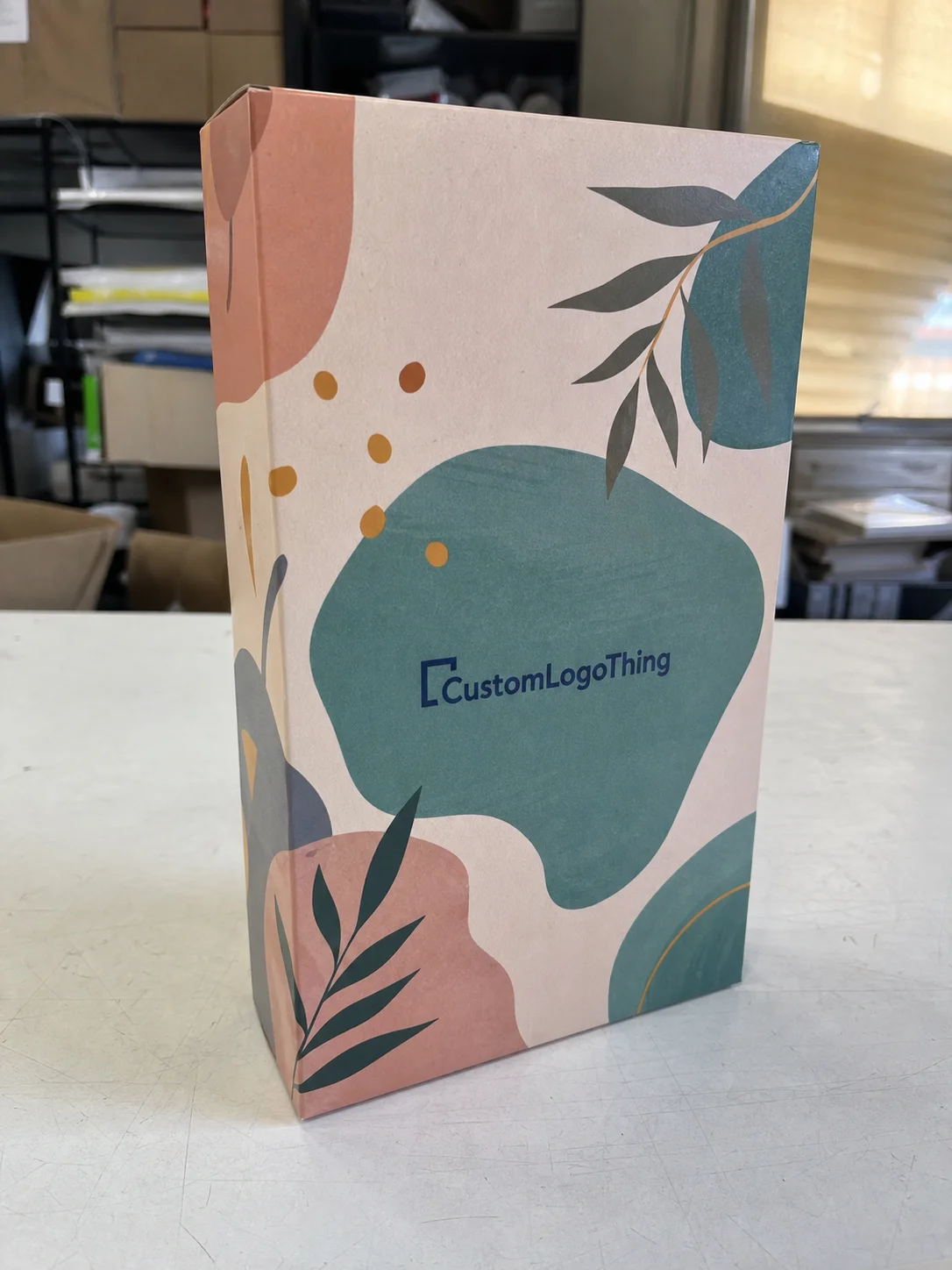
When I say holiday packaging, I mean the complete package experience: color, structure, messaging, finishes, insert cards, tissue, seals, and the way the package opens in the hand. It is part visual design, part logistics, part psychology. People love to pretend it is just “making it pretty.” Cute. Then they see the freight quote from Shenzhen or Ho Chi Minh City and the die-line and suddenly everyone develops an interest in operational constraints. A strong holiday packaging design for small brands strategy is not about covering every surface with snowflakes. It is about making the packaging feel premium, strategic, and achievable on a budget that would make a national brand designer laugh into their espresso. A 350gsm C1S artboard with matte aqueous coating can look far more expensive than a loud foil explosion, and it usually costs less.
Here’s the promise: by the end, you’ll know how to build holiday packaging design for small brands that looks polished, fits production realities, and still leaves room for profit. I’ll also share what I’ve seen on factory floors in Shenzhen and Dongguan, what buyers actually respond to in New York and Los Angeles, and where small brands can save money without making the package look cheap. And yes, I’ll point out the landmines, because I’ve stepped on enough of them for all of us. If a supplier says a “rush” order is fine and still quotes 18 business days, believe the 18 business days.
Holiday Packaging Design for Small Brands: Why It Matters Now
Holiday packaging works because seasonal buying is emotional, not purely rational. I’ve stood in a retailer’s seasonal aisle in Minneapolis while a merchandiser explained that the packaging mattered more for gifting than the product claims on the back panel. That lines up with what I’ve seen across candle, snack, and beauty clients: the package is doing the heavy lifting before anyone reads ingredients or instructions. For holiday packaging design for small brands, that is a major opportunity. A strong package can signal “gift,” “limited,” and “special” in one glance. Honestly, that’s half the battle in December, especially when shoppers are staring at 40 nearly identical boxes.
Small brands often assume seasonal packaging is out of reach. It isn’t. In practice, holiday packaging design for small brands can be built as a targeted seasonal overlay, not a ground-up overhaul. Think of a kraft folding carton with a printed sleeve, a stock mailer with a custom insert, or a rigid box that gets one seasonal ribbon and a new top lid graphic. These are compact changes, but they can change how the item is perceived on shelf and online. I’ve seen a tiny adjustment make a product go from “nice” to “oh, that’s a gift.” Same product. Different attitude. One client in Austin, Texas paid $0.19 per unit for a seasonal sticker system and lifted bundle sales enough to cover the whole campaign.
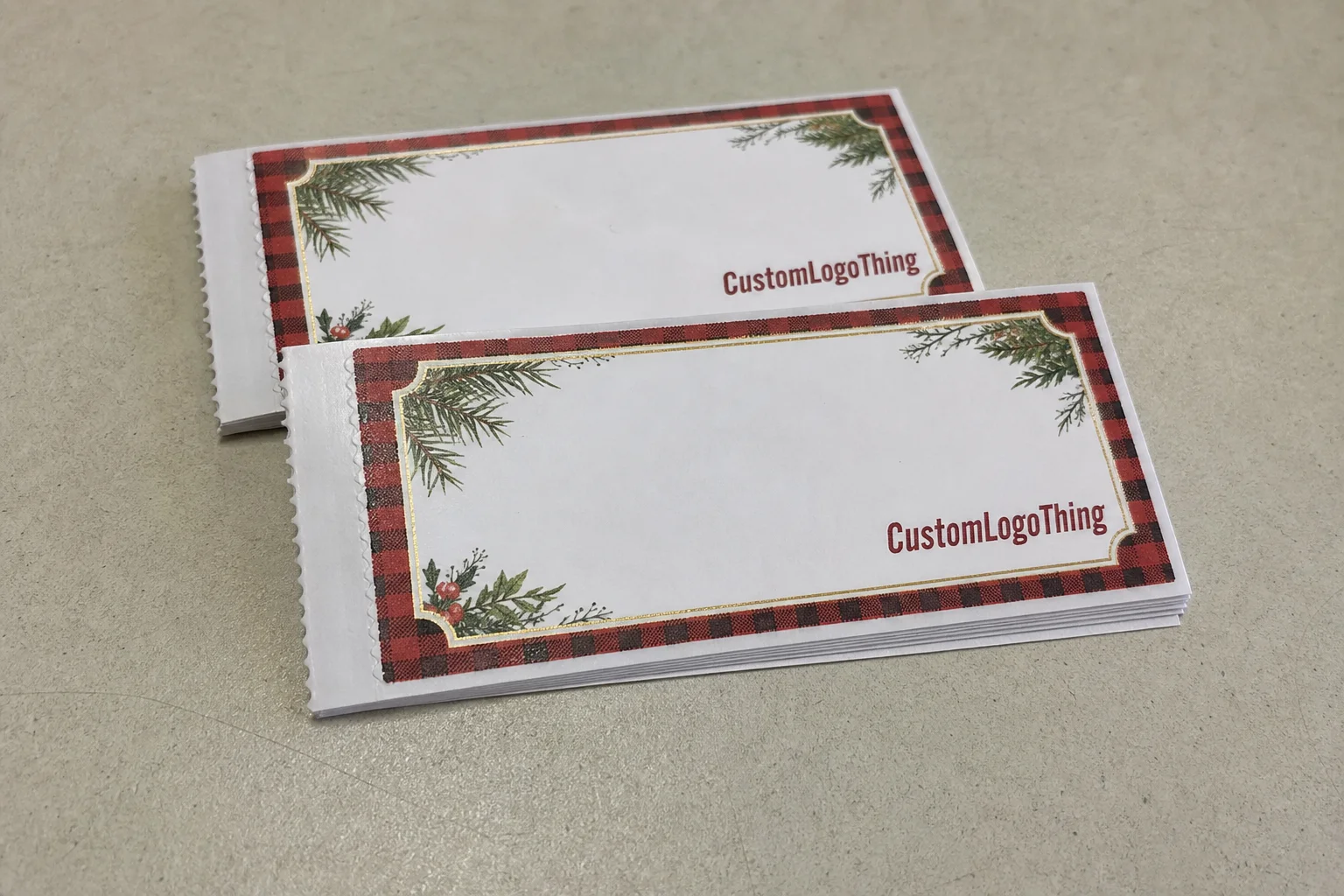
Holiday design does not need to shout to work. Too much decoration just turns the package into generic seasonal noise. The better route is to preserve package branding while layering one or two holiday cues. A deep evergreen accent, a metallic copper line, or a winter illustration style can do more than a full-page collage of ornaments. That restraint is what makes holiday packaging design for small brands feel intentional instead of desperate. And desperate packaging? You can spot it from across the aisle, usually right next to the overused plaid and the stock snow globe illustration.
There is also a business reason to care now. Seasonal packaging can move units faster, improve giftability, and support repeat purchase. I’ve seen a food brand in Brooklyn increase bundle sales simply by adding a structured outer sleeve and a small “gift-ready” message printed on 90# uncoated stock. No new product formulation. No expensive restructure. Just better product packaging for the season. I remember the buyer practically nodding before the sample was even opened. That’s the power of first impression, and it usually shows up before the customer ever reaches the ingredients panel.
“The package didn’t just look nicer. It gave the buyer permission to buy it as a gift.” That’s a line I heard from a retail client in a planning meeting in Seattle, Washington, and it still holds up.
Small brands also have the advantage of specificity. A regional chocolatier in Vermont can reference local winter traditions. A soap maker in Asheville, North Carolina can lean into artisan textures. A stationery brand can make the package feel like a handwritten note. That emotional precision is hard for mass-market brands to fake. In holiday packaging design for small brands, specificity beats generic sparkle almost every time. Generic sparkle is basically the packaging equivalent of a shrug with glitter on it, and nobody needs that in a gift aisle.
How Holiday Packaging Design for Small Brands Works
Good holiday packaging design for small brands usually follows a simple path: concept, structure, artwork, proofing, sampling, production, then delivery. The challenge is not the sequence. It is the timing. Design teams want to explore three concepts; production teams want final dielines yesterday; sales teams want boxes on hand before the holiday rush. I’ve watched that triangle create more stress than any print defect ever did. It’s a beautiful little mess, especially when a brand wants a November launch and approves art in late September.
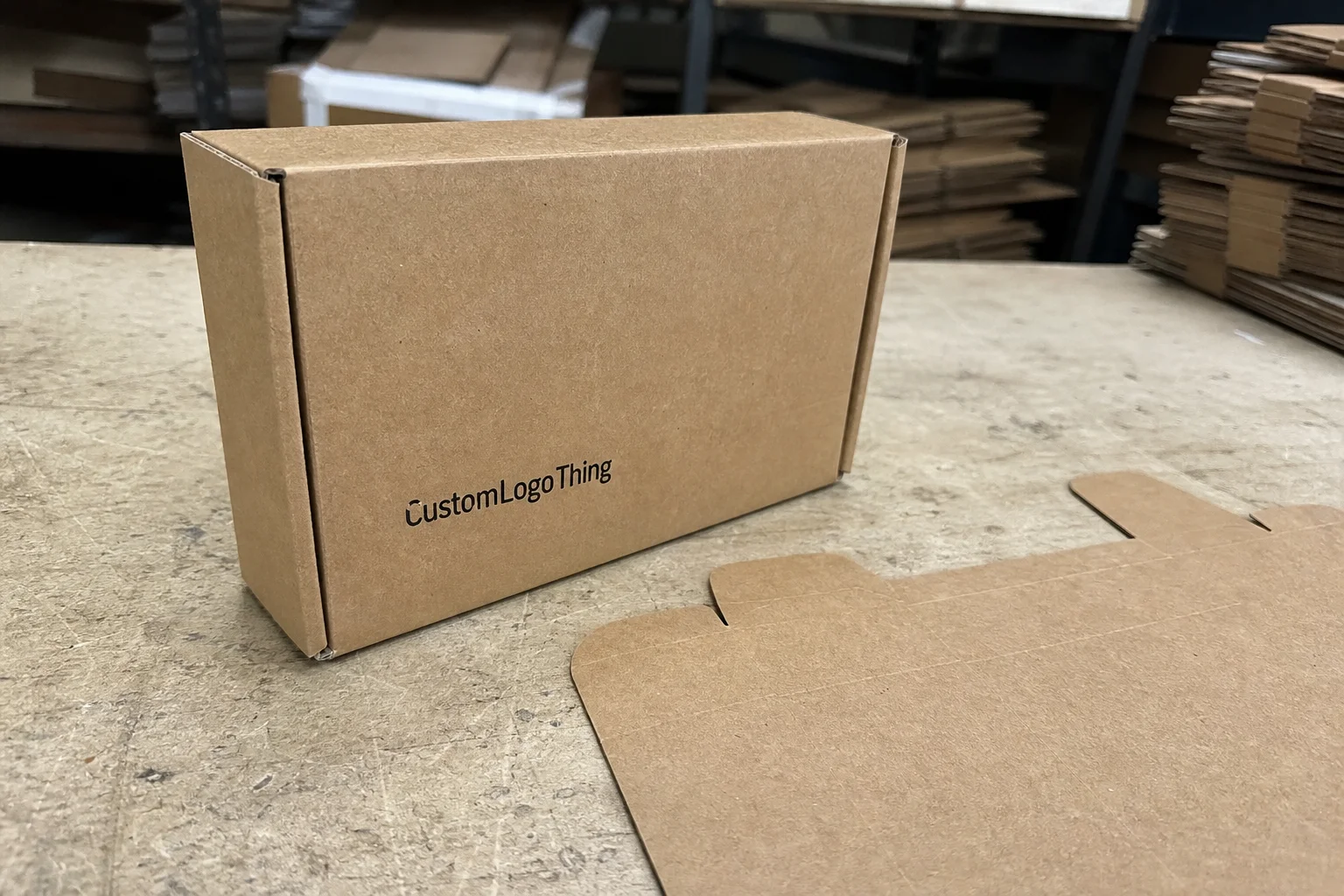
Most small brands do not need to redesign everything. They can build seasonal packaging on top of an existing system. That might mean printed labels on stock jars, a belly band around a folding carton, a sleeve on a mailer, or tissue with a seasonal repeat pattern. These are low-friction ways to improve holiday packaging design for small brands without committing to a fully custom structure. It is one reason I often recommend starting with overlays before moving into custom printed boxes. Overlays are the packaging version of a great jacket: enough to change the whole look, not enough to wreck your budget. A paper sleeve at $0.12 per unit for 5,000 pieces does the job surprisingly well.
Consistency matters. The seasonal package should still look like the same brand that existed in October. If your base brand uses clean typography and minimal color, don’t suddenly switch to a glitter-heavy holiday style that feels rented for the season. Brand systems work because customers recognize them. In holiday packaging design for small brands, the best results usually come from a familiar structure plus a seasonal accent, not a complete personality transplant. Nobody wants packaging that behaves like it had an identity crisis in November, and your printer definitely doesn’t want a 3 a.m. revision email.
From a production standpoint, the format choice matters a lot. Digital print is typically the most flexible for smaller quantities and faster updates, especially if you need 250 to 2,500 units with multiple SKUs. Offset printing usually makes more sense when consistency and higher volume matter, and the setup cost can be justified. Structural packaging, such as custom printed boxes or rigid cartons, increases perceived value because it changes the tactile experience. I’ve seen customers describe the same lotion as “gift-worthy” simply because it arrived in a heavier box with a tighter fit and better opening sequence. That is not magic; it is package branding doing its job. I wish more people respected that instead of asking for “a little extra wow” like it can be ordered from a menu at a factory in Ningbo.
Performance should be measured, too. I like to look at four things: shelf visibility, social sharing, gift appeal, and conversion impact. If the package photographs well, holds up in transit, and makes people say “I could give this to someone,” the design is doing work. For holiday packaging design for small brands, those are better metrics than “does it feel festive enough?” Festive enough is not a KPI. Sadly. A package can score an 8/10 on gift appeal and still cost only $0.31 more per unit if the structure is smart.
For brands comparing options, here’s a simple view of how seasonal formats tend to stack up:
| Packaging option | Typical use | Approx. cost at 5,000 units | Lead time | Notes |
|---|---|---|---|---|
| Printed label | Jars, bottles, pouches | $0.04–$0.12/unit | 5–10 business days | Lowest cost, strongest for fast seasonal updates |
| Belly band or sleeve | Soap bars, candles, kits | $0.10–$0.28/unit | 10–15 business days | Good balance of impact and affordability |
| Printed mailer | E-commerce shipping | $0.45–$1.20/unit | 15–20 business days | Supports unboxing and social sharing |
| Custom printed box | Retail and gift sets | $0.75–$2.50/unit | 20–35 business days | Higher perceived value, more setup complexity |
| Rigid box | Premium sets | $2.50–$6.00/unit | 25–45 business days | Strongest gift appeal, highest cost and storage needs |
Boxes for Small brands' class='blog-content-img' loading='lazy'>
That table is a useful starting point, but pricing depends on materials, finishes, and volume. I’ve seen a simple paper sleeve go from $0.12 to $0.31 a unit because a brand asked for soft-touch lamination plus gold foil on both sides. Small changes add up quickly. Packaging budgets do not care about wishful thinking. I learned that the hard way standing on a factory floor in Dongguan while someone said, with a straight face, “Can we keep the premium feel and lose the premium cost?” I almost applauded the optimism.
Key Factors in Holiday Packaging Design for Small Brands
The first factor is audience fit. Who is buying the gift, and who is receiving it? Those are often two different people. In one meeting with a tea client in San Francisco, the buyer kept saying “luxury,” but the actual recipient profile leaned younger and more design-aware. We shifted from ornate gold typography to a calmer editorial style with a foil accent on the closure. Sales improved because the package matched the buyer’s intent and the recipient’s taste. That is the kind of judgment call that separates average holiday packaging design for small brands from packaging that moves.
Visual hierarchy is next. Holiday color palettes can go wrong fast when everything is screaming for attention. Red, green, metallics, pattern, and message blocks all competing at once usually creates clutter. A cleaner approach is one main seasonal color, one support color, and one focal element. Typography should still lead the eye. If your package has a 7-point serif on a busy background, you’ve already created a readability problem. For holiday packaging design for small brands, clarity is more valuable than decoration. Pretty and unreadable is just expensive confusion, usually with a $180 proof fee attached.
Materials and finishes matter because they shape how premium the package feels in hand. A 350gsm C1S artboard with a matte aqueous coating feels very different from a 250gsm stock with no finish. Soft-touch lamination adds a velvety feel, while foil and embossing create a higher-value moment. I’m cautious with embellishments, though. Foil is beautiful, but if it’s used on a large area it can become a cost sink. In holiday packaging design for small brands, one foil logo or one embossed icon often does the job better than a fully gilded surface. I’ve watched teams chase “luxury” so hard they ended up with packaging that looked like it lost an argument with a jewelry ad from Miami.
Sustainability is not just a marketing checkbox. Many buyers now look for FSC-certified paper, recyclable paperboard, and lower-waste structures. If you want a practical resource on recycled paper and packaging choices, the EPA has useful guidance at EPA recycling resources. I’ve had clients win over retail accounts simply by swapping plastic windows for paper-based alternatives in facilities near Nashville, Tennessee and Guangzhou, China. That change reduced friction in buyer conversations and fit the brand story better. For holiday packaging design for small brands, sustainability can strengthen the design if it is handled honestly. No one wants a “green” package that feels like it was greenwashed by committee.
Cost is where most small brands need discipline. A design that uses four inks, two specialty finishes, a window patch, and a custom insert can look beautiful in a render and painful in a quote. The smartest brands choose one upgrade that customers can feel or see. A printed mailer plus a custom insert may deliver more impact than a rigid box with five embellishments. That’s a useful truth in holiday packaging design for small brands: spend where the customer notices. Not where the spreadsheet gets a headache. If your quote starts at $0.74 per unit and ends at $1.42 after “just a few upgrades,” you’ve already met the danger zone.
Here are the main cost variables I watch on factory quotes:
- MOQ: lower minimums usually mean higher unit prices.
- Print method: digital is flexible; offset is better for consistent high-volume runs.
- Board grade: 250gsm, 300gsm, and 350gsm stocks perform very differently.
- Finishes: foil, embossing, spot UV, and soft-touch each add cost.
- Tooling: dies, plates, and cutting molds can add setup charges.
I’ve negotiated enough packaging jobs to know where savings hide. One client in Minneapolis needed a premium feel but had a tight budget. We replaced a full custom insert with a two-piece paperboard cradle and spent the savings on a stronger exterior print. The result looked more expensive than the quote suggested. That kind of tradeoff is central to holiday packaging design for small brands. I’m a big fan of that move because it puts money where the customer’s fingers actually go.
Holiday Packaging Design for Small Brands: Step-by-Step Process
Step one is defining the holiday goal. Are you trying to increase gift sales, improve retail pickup, create a better unboxing moment, or generate more user-generated content? Those are different goals, and they call for different packaging moves. For example, a DTC skincare brand may care most about unboxing and social sharing, while a bakery gift box may care more about shelf pickup and giftability. In holiday packaging design for small brands, the goal should decide the format, not the other way around. A $0.09 seasonal sticker can be enough if the product already has a strong base pack.
Step two is auditing what you already have. I always ask clients to list every reusable asset: current carton, mailer, label size, insert dimensions, tissue, sticker, and shipping case. One brand I worked with discovered their existing mailer was already strong enough for the season. We only needed a printed sleeve and a new insert card. That saved them nearly 22% versus a complete redesign. Small brands often overlook how much value is sitting in their current retail packaging. I can’t tell you how many times I’ve said, “You already paid for half of this system, please stop trying to burn it down and start over.”
Step three is working backward from launch. Do not start with the artwork deadline. Start with the retail ship date, the warehouse receiving date, and the fulfillment ramp. Then subtract proofing, sampling, production, and transit. A realistic timeline for holiday packaging design for small brands might look like this:
- Concept and brief: 5–7 business days
- Initial design rounds: 7–10 business days
- Structural or print proofing: 3–7 business days
- Sampling and corrections: 7–10 business days
- Production: 12–30 business days depending on format
- Ocean or domestic shipping: 5–20 business days
That timeline can compress, but the cost of compression is real. Rush jobs shrink vendor choice, and vendor choice is usually what protects quality. I once visited a Shenzhen facility where a client had insisted on a rushed printed carton order. The artwork was fine, but the die-line had not been checked against the board thickness. The first sample looked beautiful until we folded it. One flap buckled, and the entire run needed adjustment. That mistake cost them a week and a few hundred dollars in new tooling. It is a classic holiday packaging design for small brands problem: the screen version looked perfect, the physical version did not. Paper does not care about your mood board, and it especially does not care if you approve at 11:48 p.m.
Step four is developing 2–3 creative directions. I prefer to keep one direction conservative, one moderately expressive, and one that pushes the seasonal idea further. Then I test them against three realities: brand fit, production feasibility, and cost. A creative that fails one of those tests is a nice mood board, not a production plan. That is especially true in holiday packaging design for small brands, where every extra impression count matters. A designer can fall in love with an idea in ten minutes; a factory can reject it in ten seconds. Guess which opinion wins. Usually the one sitting next to the 6-color press in Guangdong.
Step five is sample approval and inventory planning. This is where a lot of brands stumble. They approve artwork, forget that inventory needs to be received and stored, then get caught when demand spikes two weeks before peak shipping. A good plan includes a buffer for 10% more packaging than forecast if the product historically performs well during gifting season. If the packaging sits in a third-party warehouse, confirm stack height, pallet size, and label orientation before the cartons arrive. The details sound boring until they create a bottleneck. A pallet spec of 48" x 40" sounds dull until it blocks a dock in New Jersey for three days.
For brands looking to browse production options, our Custom Packaging Products page is a useful place to compare formats, and our Case Studies page shows how different package branding strategies played out in real projects.
And if your packaging has to survive transit testing, it should be designed with recognized methods in mind. The ISTA standards are worth a look because shipping reality is often less forgiving than the design deck suggests. I’ve seen beautiful boxes fail simple drop tests because they had too much empty headspace. In holiday packaging design for small brands, protecting the product matters just as much as attracting the buyer. A pretty box that arrives crushed is just a disappointment in costume.
When I visited a Midwest co-packer in Columbus, Ohio last year, the operations manager said something that stuck with me: “Pretty packaging that jams the line is not pretty for long.” He was talking about foldability, glue flaps, and tolerances. He was right. Design has to respect the machine. That’s one of the hardest but most useful lessons in holiday packaging design for small brands. The factory will not politely adjust itself because the artwork is adorable, and the line operator will not forgive a carton that needs a butter knife to assemble.
Cost, Pricing, and Timeline Realities for Small Brands
Let’s talk numbers, because vague pricing advice is not very helpful. A seasonal label run of 5,000 pieces may sit around $0.04 to $0.12 per unit, depending on size and stock. A printed sleeve or belly band can land around $0.10 to $0.28 per unit. Printed mailers usually sit higher, often $0.45 to $1.20 per unit, because material usage and print area are larger. Custom printed boxes can range from roughly $0.75 to $2.50 per unit, and rigid boxes can move far beyond that. Those figures are not universal, but they are a useful planning baseline for holiday packaging design for small brands. For example, I recently saw a 5,000-piece 350gsm C1S folding carton quote at $0.38 per unit in Shanghai, with a 14-business-day production window after proof approval.
The hidden costs are where budgets get blown. Design revisions, extra sample rounds, cutting dies, plates, rush fees, freight, warehousing, and split shipments all add up. One client once approved a finish upgrade late in the process and unknowingly triggered a new proof cycle plus a three-week delay. The price jump was not dramatic in one line item, but it snowballed across production. That’s why experienced buyers keep a contingency of 10% to 15% for holiday packaging design for small brands. I wish I could say people learn this the first time. Usually they learn it the expensive way, right after the first freight invoice lands from Los Angeles to Chicago.
Timeline pressure affects quality more than most people expect. A supplier can often make almost anything, but not always with the same consistency under a compressed schedule. If your window is tight, digital print can be a smart choice because plate setup disappears and changes are easier. If your order is larger and your artwork is final, offset can deliver more consistent color across a run. For structural custom printed boxes, you need more lead time because the board conversion and assembly process adds complexity. That is the practical side of holiday packaging design for small brands. Time is not just a calendar issue; it is a quality control issue wearing a calendar hat. If a vendor promises rigid boxes in 7 business days, ask them which part of physics they’ve decided to ignore.
Here’s a rough comparison that I give clients when they ask where to put their money:
| Format | Relative cost | Perceived value | Best use case | Budget note |
|---|---|---|---|---|
| Label | Low | Moderate | Fast seasonal refresh | Best for small runs and SKU changes |
| Sleeve/Belly band | Low to medium | High | Gift sets and retail packaging | Great ROI when base packaging stays unchanged |
| Printed mailer | Medium | High | E-commerce unboxing | Useful for social content and repeat ordering |
| Custom printed boxes | Medium to high | Very high | Premium holiday bundles | Higher setup, stronger shelf presence |
| Rigid box | High | Highest | Limited-edition gifting | Needs storage, planning, and stronger margin support |
One practical tip: plan for reorder risk. Seasonal demand can outperform forecasts by 20% or more if the design hits the right emotional tone. I’ve seen it happen in beauty and confectionery in Philadelphia and Atlanta. If your packaging lands well, you do not want to be waiting on a second run while sales are peaking. A smart holiday packaging design for small brands plan includes a backup quantity and an overflow storage strategy. Otherwise you get the fun little disaster of selling out the box before the product, which is a very special kind of headache. The product is in the warehouse, the box is not, and everybody suddenly remembers they hate surprises.
For sustainable material choices, the FSC site is useful because many retail buyers now ask about responsibly sourced paper. If your brand says “eco-conscious,” your packaging should be able to back that up. In my experience, that honesty sells better than vague green claims. Buyers can smell fake sustainability from a mile away, and they do not like it. A simple FSC-certified board at 300gsm with water-based coating often does more for credibility than a long paragraph of green adjectives.
Common Mistakes in Holiday Packaging Design for Small Brands
The first mistake is overdoing the holiday cues. Snowflakes, ribbons, metallic stars, pine branches, gift tags, and “joy” messaging all at once usually muddies the brand. It can also make the package feel dated the moment the season passes. Strong holiday packaging design for small brands uses one or two cues, not twelve. Holiday packaging is not a contest to see how many ornaments fit in one square inch. A single copper foil line on a 250gsm folded carton is often smarter than a full surface packed with clip-art winter cheer.
The second mistake is designing for the screen rather than the factory. A render can hide a lot. It won’t tell you whether the fold lines crash into the artwork, whether a foil edge will register poorly, or whether a panel has enough safe margin. I’ve watched a beautiful packaging design die on the first production proof because the logo sat too close to a seal line. The designer was talented. The file just ignored manufacturing reality. That happens more than people admit in holiday packaging design for small brands. The factory does not care that the logo looked balanced in Figma, and the line in Suzhou will not pause for aesthetics.
The third mistake is forgetting the unboxing sequence. What happens first? What does the customer see second? What message lands when they lift the lid or remove tissue? If the outside is gorgeous but the inside is blank, the emotional peak is too short. In one project, we added a simple printed note inside the lid—just 11 words—and it became the most photographed element of the package. Sometimes the cheapest addition creates the strongest memory. That is a lesson I keep seeing in holiday packaging design for small brands. A tiny inside detail can do more than a whole extra layer of glitter, especially if the inside print costs only $0.06 per unit.
Another common error is spending too much on embellishment and too little on clarity. A soft-touch coating feels rich, but if your logo becomes hard to read under low light, the finish is working against the package. I’d rather see one excellent tactile detail than three weak decorative ones. If the package cannot communicate the product, the decoration has failed. This is especially true in holiday packaging design for small brands, where every square inch has to earn its place. A box with a beautiful lid and unreadable side panels is just a very polite failure.
Starting too late is the final trap. Vendor calendars fill early, especially for custom printed boxes and giftable formats. Late starts force rush decisions, and rush decisions usually increase cost while lowering control. I have never seen a brand regret starting early. I have seen plenty regret starting in a panic. For holiday packaging design for small brands, time is often the cheapest resource you have, and the one most often wasted. Honestly, I’d rather review ten decent concepts in advance than one frantic masterpiece at midnight with a supplier in Guangdong waiting on the file and a printer in Dongguan asking where the dieline went.
Expert Tips and Next Steps for Holiday Packaging Design for Small Brands
Here’s what I tell small-brand founders when they want packaging that feels premium without going off the rails: choose one strong seasonal motif and build around it. That motif could be a botanical line drawing, a ribbon graphic, a warm metallic accent, or a single holiday phrase. Not five. Not seven. One. That restraint keeps holiday packaging design for small brands focused and easier to reproduce across SKUs. It also keeps your printer from emailing you a very patient-looking “we should talk” note, usually after a proof correction adds three more days.
Pick one memorable moment that customers can photograph. Maybe it’s a reveal sentence printed inside the lid. Maybe it’s a colored tissue layer that contrasts with the outer box. Maybe it’s a ribbon closure or a foil-stamped seal. I’ve seen social content spike because of a 2-inch insert card that was written well and printed on heavy uncoated stock in a short run of 1,000 units. The moment does not need to be expensive; it needs to be memorable. That is the trick in holiday packaging design for small brands. Tiny can still feel special if it lands emotionally, and a $0.09 insert can outperform a $1.20 embellishment if the copy is right.
Build a short checklist and use it before every approval:
- Concept matches the holiday goal
- Budget includes design, print, freight, and buffer
- Supplier has confirmed MOQ and lead time
- Sample has been tested in hand and in shipping
- Artwork has readable typography and clean hierarchy
- Inventory plan includes storage and reorder protection
Test with a small audience before full production. I mean actual people, not just the internal team that already loves the concept. Put 3 to 5 sample packages in front of customers or sales reps and ask three questions: Would you gift this? What do you notice first? Does anything feel hard to open or unclear? That feedback is worth more than another round of internal guessing, and it can save a brand from expensive misfires in holiday packaging design for small brands. Also, people are weirdly honest when you hand them something physical. Use that. I’ve had a sample fail because the lid tab caught on a thumb in under ten seconds. That was a good ten seconds to spend.
One more practical recommendation: if your base packaging already works, keep it. Add a seasonal overlay, an insert, or a printed closure instead of changing everything. Brands often think “new” means “better.” Sometimes “smart” means changing just one component. I’ve seen that approach protect margin, reduce setup complexity, and make reorders simpler. That is the kind of efficiency that gives holiday packaging design for small brands real staying power. New is exciting. Controlled is profitable. A 350gsm insert card plus a printed sleeve can be all you need to create the right seasonal lift.
For brands that want a next step, start with a packaging audit. Review what you already use, estimate what it costs today, and choose one element to upgrade for the season. If you need help comparing formats, Custom Packaging Products and Case Studies can show you how branded packaging choices affect both appearance and operations. Good package branding is not about being the loudest item on the shelf. It is about making the right impression, consistently, with a Budget That Still leaves margin in the business. If you can get a holiday-ready box from Guangzhou to your warehouse in 15 business days after proof approval, that’s not luck. That’s planning.
In my experience, the best holiday packaging design for small brands feels like a smart conversation between brand, product packaging, and season. It is specific. It is practical. It respects the line, the warehouse, and the buyer. And when it works, it doesn’t just decorate the product for December. It makes the brand easier to remember in January too. Which, let’s be honest, is the part people forget to plan for. A strong seasonal package can do that without blowing the budget, especially if the final unit cost stays under $0.30 for a simple overlay or $1.00 for a modest custom mailer.
What is holiday packaging design for small brands?
Holiday packaging design for small brands is the seasonal packaging work that helps a product feel giftable, timely, and on-brand without forcing a full packaging overhaul. It can include labels, sleeves, inserts, ribbons, printed mailers, or custom printed boxes. The goal is to make the package earn attention during the holiday season while staying realistic on budget, lead time, and production constraints.
How can small brands make holiday packaging design feel premium on a budget?
Use one high-impact upgrade, such as a sleeve, insert, or seal, instead of redesigning everything. Focus on color contrast, typography, and a single tactile finish like soft-touch lamination or a small foil stamp. Keeping the base packaging consistent helps seasonal changes stay affordable and repeatable, and a 5,000-unit sleeve run can often stay around $0.10 to $0.28 per unit depending on stock and finish.
What is the best timeline for holiday packaging design for small brands?
Start planning several months before launch so there is room for concepting, sampling, approvals, and production. Build in extra time for supplier lead times, especially if you need custom printed boxes, rigid boxes, or specialty finishes. Leave a shipping buffer so packaging arrives before sales or fulfillment peaks. A typical timeline is 12–15 business days from proof approval for simple print components, and 20–35 business days for custom printed boxes.
What are the most cost-effective holiday packaging options for small brands?
Printed labels, belly bands, sleeves, and inserts usually cost less than fully custom boxes. Digital printing can be more flexible for smaller runs and faster seasonal updates. Reusing an existing package with a seasonal overlay often delivers the best balance of cost and impact, especially when the base pack is already a 300gsm or 350gsm board that only needs a seasonal wrap.
How do I keep holiday packaging on-brand instead of too festive?
Start with your existing brand colors, fonts, and tone, then layer in seasonal accents. Choose one holiday cue that supports your brand story rather than decorating every surface. Check that the packaging still looks credible after the season ends in case leftover inventory is used later. A single foil icon or a muted seasonal palette usually works better than a full red-and-green takeover.
What should small brands test before approving holiday packaging design?
Test readability, color accuracy, durability, and how the package opens and closes. Check whether the packaging fits your product securely and ships without damage. Review the design in both photos and real hands, because those two settings can reveal very different problems. If possible, sample on the exact 350gsm C1S artboard or mailer board you plan to run so the proof matches the final product.