Buyer Fit Snapshot
| Best fit | Design Brand Packaging on Budget That Still Sells projects where brand print, material claims, artwork control, MOQ, and repeat-order consistency need to be specified before quoting. |
|---|---|
| Quote inputs | Share finished size, material target, print colors, finish, packing count, annual reorder estimate, ship-to region, and any compliance wording. |
| Proofing check | Approve dieline scale, logo placement, barcode or warning zones, color tolerance, closure strength, and carton packing before bulk production. |
| Main risk | Vague material claims, crowded artwork, missing packing details, or unclear freight terms can make a low unit price expensive after revisions. |
Fast answer: Design Brand Packaging on Budget That Still Sells: Material, Print, Proofing, and Reorder Risk should be specified like a repeatable production item. The safest quote records material, print method, finish, artwork proof, packing count, and reorder notes in one written spec.
Production checks before approval
Compare the actual filled-product size with the drawing, then confirm tolerance on folds, seals, hang holes, label areas, and retail display edges. Reserve space for logos, QR codes, warning copy, and material claims before decorative graphics fill the panel.
Quote comparison points
Review material grade, print process, finish, sampling route, tooling charges, carton quantity, and freight assumptions side by side. A quote is only useful when the supplier can repeat the same color, closure quality, and packing count on the next order.
If you’re trying to figure out how to design brand Packaging on Budget, here’s the blunt version: the money is usually not hiding where beginners think it is. I’ve seen brands save $8,000 on a 12,000-unit run by changing ink coverage from 100% flood black to 38% coverage and trimming a box by 6 mm on each side. Not the logo. Not the material. Just fewer square inches of ink and a tighter dieline. That’s why how to design brand packaging on budget is really about priorities, not penny-pinching.
I’ve spent enough time around factories in Shenzhen, Dongguan, and Ningbo to know this part gets messy fast. Founders fall in love with foil stamps and magnetic closures, then act shocked when the quote shows up looking like a threat. Honestly, I think most people start with decoration because it feels creative, but packaging is a manufacturing problem first. If you want how to design brand Packaging on Budget to actually work, you have to design for cost, shipping, and customer perception at the same time. Cute box. Great. But if it adds $1.40 per unit and your margin is $4.25, congratulations, you just built a donation program.
Custom Logo Things gets a lot of requests from brands that want branded packaging that looks expensive without eating half their profit. That’s possible. I’ve done it with Custom Printed Boxes, simple folding cartons made from 350gsm C1S artboard, and even plain Kraft Mailers That looked sharp because the design was disciplined. The trick is understanding where customers notice value and where they really do not. (Spoiler: they are not counting your finish layers.)
How to Design Brand Packaging on Budget Without Looking Cheap
I remember visiting a Shenzhen facility where a client was losing money on every unit because their box used full flood black on the outside and three additional spot colors inside. The factory manager pointed at the ink chart and said, with a straight face, “This is a branding choice, yes? Also a budget problem.” He was right. That brand changed only one thing—ink coverage—and saved thousands across a 12,000-piece run. That is the real lesson in how to design brand Packaging on Budget: simplify the parts people won’t miss, then spend where the customer actually looks.
Budget packaging does not mean the cheapest thing you can physically make. It means the best-looking packaging for the money you can afford, while still protecting the product and surviving shipping. I’ve seen a $0.62 mailer box outperform a $2.10 rigid box because the first one was clean, sturdy, and fit the product exactly. The second one looked fancy on a sample table and got crushed in transit because the insert was sloppy. Cheap packaging looks rushed. Smart packaging looks intentional. That difference matters if you care about package branding and repeat purchases.
Here’s the part founders hate hearing: packaging has three jobs. It must protect the product, reflect the brand identity, and survive shipping. If it fails any one of those, you didn’t save money. You just moved the cost somewhere else, usually into returns, replacements, or angry emails. A design that balances those three jobs is the whole game when learning how to design brand packaging on budget.
I tell clients to start with the simplest structure that works. No gold stars for making a box harder to manufacture. If a standard mailer or folding carton does the job, use it. If the product needs more protection, add the minimum necessary insert. Then stop. You can always upgrade the visual layer later, but a bad structure is expensive forever. A standard mailer in 32 ECT corrugate or a folding carton in 300gsm to 350gsm board is often enough for small cosmetics, supplements, and lightweight accessories.
“The best budget box is the one no customer thinks about twice. They notice the brand, not the waste.” — A production manager I worked with in Dongguan after we cut a carton line from six colors to two
That quote stuck with me because it’s true. Good product packaging supports the sale without begging for attention. The customer notices the logo, the color, the texture, and whether the package opened cleanly. They don’t sit there counting how many finishes you used. Well, most don’t. A few packaging nerds do. I’m one of them.
How Budget Packaging Design Actually Works
If you want to master how to design brand packaging on budget, You Need to Know what actually drives cost. There are seven big ones: box style, dimensions, material thickness, print method, finishes, inserts, and quantity. Every quote I’ve ever reviewed eventually came down to those seven levers. Sometimes the supplier dresses it up with fancy language. Still the same levers.
Box style matters because different structures require different labor and tooling. A straight tuck folding carton is far cheaper than a rigid setup box with a ribbon pull. A mailer box is usually more efficient than a custom two-piece setup if you’re shipping direct-to-consumer. I’ve negotiated with suppliers in Guangdong, China who quoted the “box” part at a nice low number, then quietly added gluing, mounting, and manual packing later. Read every line item like a suspicious adult. Because you should be.
Dimensions matter even more than most founders think. Shrink the footprint by 8% and you often cut board usage, freight volume, and storage costs at the same time. I once had a client insisting on a dramatic oversized carton because it “felt premium.” We built the sample, ran a carton test, and found the product moved around like a maraca. The final version was 14 mm smaller on each side, used less board, and looked better because it fit properly. That’s a cleaner answer to how to design brand packaging on budget than any fancy effect ever will be.
Print method changes the economics fast. Digital printing is usually the friendliest for small runs because setup costs are lower. Offset printing becomes more attractive as volume grows, especially if your colors need tighter control. Flexo is often a good fit for simpler graphics and high-volume packaging. If someone suggests foil stamping, embossing, or spot UV before the core structure is settled, I usually ask them whether they enjoy making invoices larger for sport. Those finishes can absolutely work, but they can also destroy a budget in a very elegant way.
Supplier quoting behavior is another big one. A printer may give you a tempting unit price, then add plate charges, coating fees, proofing, and freight once the conversation moves forward. I’ve seen a quote that started at $0.39/unit land at $0.71/unit after “small adjustments.” Small to whom? Not the budget. This is why how to design brand packaging on budget includes quote reading skills, not just design skills.
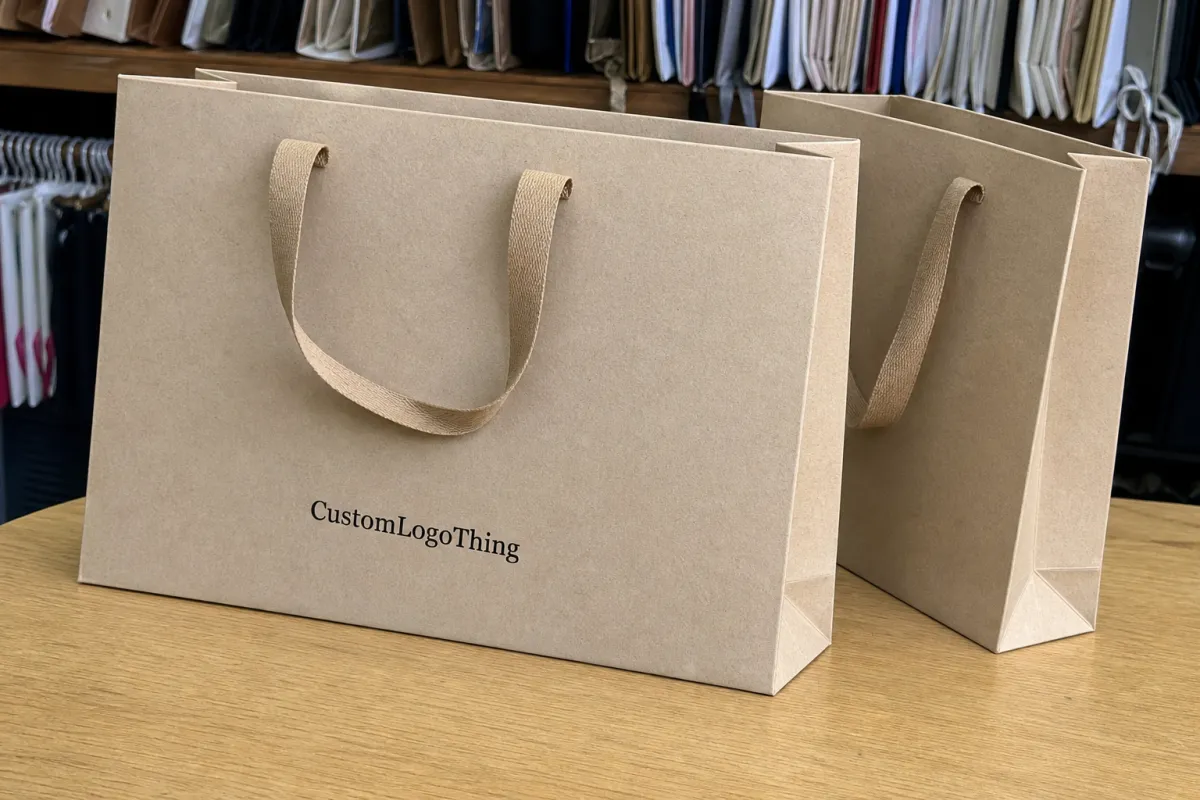
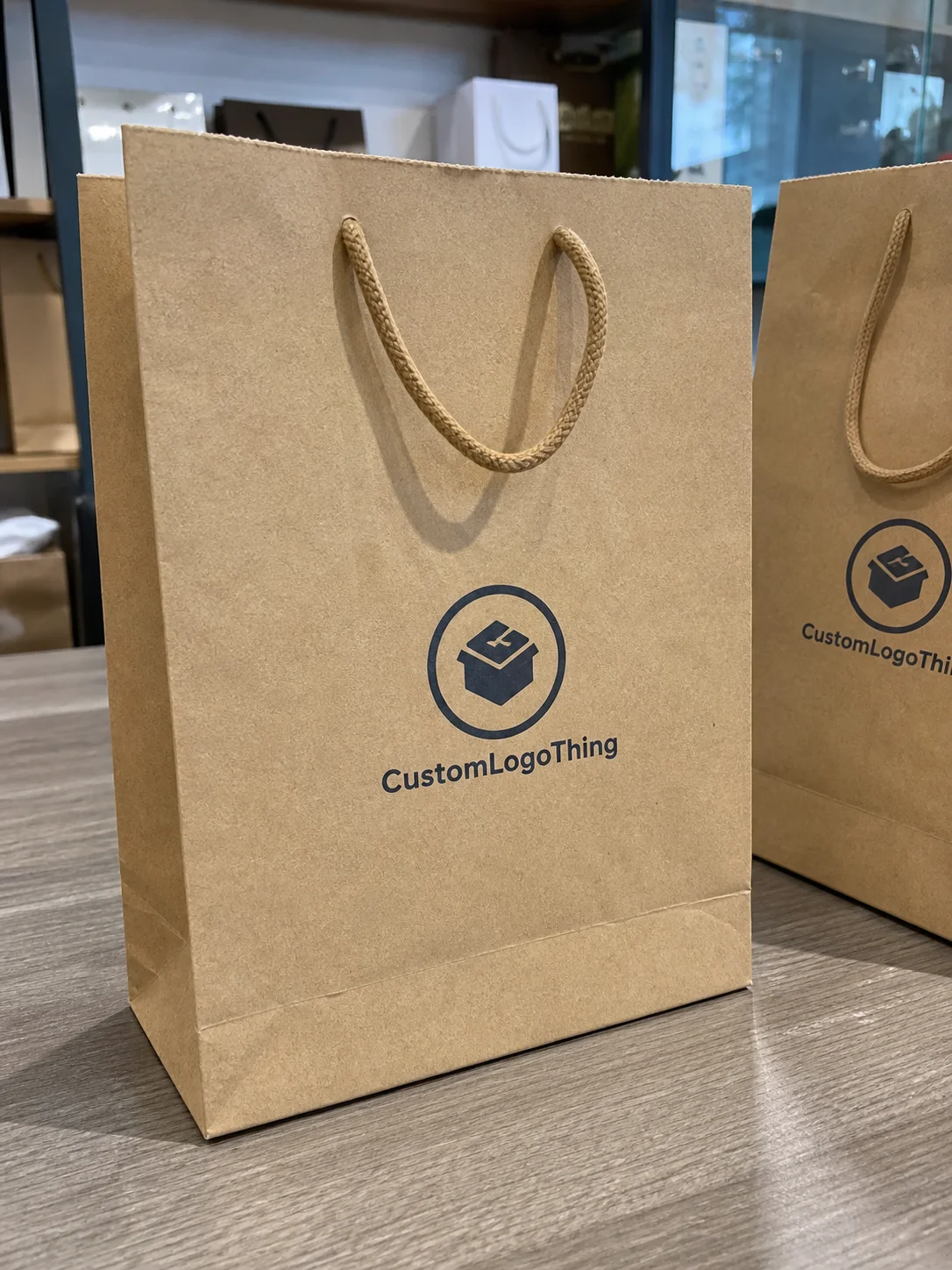
There’s also a psychology piece. A clean kraft box with one-color black print can outperform a crowded six-finish design because it looks deliberate. Customers read restraint as confidence. That’s especially true in retail packaging where shelf clutter is brutal. A strong visual hierarchy matters more than decoration. One logo. One product name. One supporting element. That’s often enough.
For brands that want a reference point, packaging standards matter too. If you ship products by mail, test against the right transit expectations. ISTA protocols help identify whether your packaging survives distribution. For material selection and waste reduction, the EPA recycling guidance is useful too. I’m not saying your box needs a lab coat. I am saying You Should Know whether it breaks before it looks pretty.
The Key Factors That Control Packaging Cost
The first cost driver is material choice. Corrugated board is common for shipping boxes because it protects well and scales reasonably. Paperboard works nicely for folding cartons and lighter products. Kraft gives you a natural look with decent cost control. Rigid packaging is the premium monster in the room: beautiful, sturdy, and usually much more expensive. Recycled content can help with brand values, but it does not automatically mean cheaper. Sometimes it costs a little more because of substrate availability or print behavior. This is where how to design brand packaging on budget becomes a balancing act between ethics, performance, and unit economics.
Printing area and ink coverage Matter More Than a lot of founders realize. Full-bleed artwork across every panel costs more than a simple logo mark on a single face, especially if you need multiple color passes. In one client meeting, we compared a box with 78% coverage to one with 22% coverage. The lighter design saved $0.16/unit on print alone across 10,000 units. That’s $1,600 back in the budget without changing the product or the brand story. Clean design is often cheap design, if you know how to use it.
Structural complexity is another silent budget killer. Custom inserts, windows, magnetic closures, unusual shapes, and multi-part constructions all increase labor and tooling. I’ve seen founders ask for a hexagon box because it looked unique, then discover that every corner added cost and every fold added production time. You can absolutely do it. Just know you are paying for the idea twice: once in development, once in manufacturing. When people ask me how to design brand packaging on budget, I usually tell them to start with standard dielines and earn their way into fancy geometry later.
Order quantity changes unit cost in a very visible way. Higher volume spreads out setup charges, so per-piece pricing usually drops as you buy more. But the tradeoff is inventory risk. Ordering 30,000 boxes to save 9 cents each can turn into a warehouse headache if product demand is soft. I’ve watched brands sink cash into packaging that sat for 11 months because the first batch sold slower than planned. Cheap per unit is not always cheap in reality. Storage fees have a rude habit of showing up.
Finishes and embellishments sound harmless until they pile up. Matte lamination is fine. Soft-touch can be elegant. Foil, embossing, debossing, spot UV, and multi-step coatings can all look great. The problem is stacking them. Three “premium” choices can add more than the box itself. I’m not anti-finish. I’m anti-unplanned finish. If the finish does not raise conversion, improve perceived value, or strengthen brand identity, it probably belongs on the cutting room floor.
Shipping and storage are easy to overlook because they sit outside the design file. But heavier packaging costs more to move. Oversized cartons eat warehouse space. A rigid box that ships flat? Great. A rigid box that doesn’t? Hope your fulfillment team likes lifting. I once walked a client’s 3PL floor in Los Angeles and saw stacks of beautiful packaging taking up half a pallet lane. The warehouse manager told me, “It looks expensive because it is expensive.” Accurate, painful, and very on brand for that situation.
Brand strategy fit is the final filter. A luxury skincare brand might need stronger tactile cues and better finish quality than a subscription consumables brand. A DTC protein company might care more about shipping durability than shelf drama. Your packaging should match customer expectations, not your mood board. That’s one of the biggest answers to how to design brand packaging on budget: spend where your audience notices, not where your inspiration board gets excited.
Step-by-Step: Designing Brand Packaging on a Budget
Step one is defining the packaging job. I mean really defining it. Write down product dimensions, fragility, shipping method, stacking pressure, shelf visibility, and unboxing expectations. If your item is glass, your box has a different job than a lightweight soap bar. If the package will sit in Retail Packaging Displays, the branding needs to work from three feet away. If it ships direct, durability comes first. This is the foundation of how to design brand packaging on budget.
Step two is setting a real budget per unit. Not a wish. A number. Include the box, inserts, freight, spoils, proofing, and a little cushion for mistakes. I usually push clients to build in 5% to 8% for waste or reprints, because something always shifts. A sample gets approved late. A barcode moves. A color needs correction. If you ignore those realities, the budget will punish you later.
Step three is choosing the simplest structure that works. Start with standard dielines. Ask for a mailer box, a folding carton, or a straight tuck box before you request some custom contraption with three locking flaps and a magnetic tongue. I’ve seen brands try to invent a structure from scratch when a standard format would have done the job for half the cost. If you want to learn how to design brand packaging on budget, respect the boring solutions. They usually exist for a reason.
Step four is building a hierarchy on the artwork. Put the logo, product name, and one strong visual element first. Secondary details can live on side panels, inside panels, or the bottom. The mistake I see constantly is founders cramming every claim onto the front panel. Organic. Vegan. Recyclable. Handmade. Artist series. Limited edition. Free of this. Better than that. Half of it belongs elsewhere. Customers need breathing room. Packaging design does too.
Step five is asking for quotes from multiple suppliers using the same specs. Same material. Same size. Same print method. Same finish. If you don’t standardize the request, you can’t compare the numbers properly. I’ve watched founders compare a digital quote, an offset quote, and a corrugated quote like they were the same thing. They weren’t. That’s not a comparison. That’s a confusion exercise. If you want reliable data for how to design brand packaging on budget, keep the specs identical.
Step six is reviewing proofs carefully. Check dimensions, bleed, barcode placement, logo placement, and color accuracy. I once caught a proof where the barcode sat too close to a crease line by 2.5 mm. Small issue? Not if it causes scan failures in a retail chain. Also confirm the dieline orientation, because a beautiful design printed upside down is not a quirky brand move. It is a mistake.
Step seven is testing a small batch before you go big. One prototype can save you from a very expensive mistake in a very large run. I’ve seen brands catch a weak adhesive line, a bad insert fit, and a color shift all from a single sample round. That’s a bargain compared with throwing away 15,000 boxes later. If your supplier offers a pre-production sample, use it. If they don’t, get a pilot run. In my experience, testing is one of the smartest answers to how to design brand packaging on budget.
For inspiration and proof of what is possible at different price points, browse Case Studies. If you need a starting point for structures and materials, our Custom Packaging Products page is a useful reference before you lock in specs.
How to Design Brand Packaging on Budget: Pricing, Quotes, and Timeline Planning
Packaging quotes should never be read like a grocery receipt. They are more like a contract with surprises hidden in the footnotes. A real quote usually includes unit price, setup fee, tooling, plates, proofing, shipping, and taxes. If you only look at the per-unit number, you are missing the part where the supplier makes the project profitable. That’s not me being cynical. That’s me having spent too many afternoons on supplier calls.
Common price traps show up constantly. One is the low minimum quote that looks amazing until add-ons arrive. Another is the rush fee that appears after you approve the artwork. Another is freight that somehow doubles when the cartons are ready. I’ve seen a packaging run move from “reasonable” to “why are we doing this” because the brand wanted production in 9 business days and air freight from Asia. You can do it, sure. You can also buy a racehorse. Neither is budget friendly.
Here’s a grounded example. A simple mailer box in standard corrugate might land around $0.58 to $0.95/unit at a decent volume, depending on size, print coverage, and shipping. A rigid box with a custom insert and premium finish can jump to $2.40 or more very quickly. Add foil and soft-touch, and the number climbs again. That gap is why how to design brand packaging on budget starts with structure choice, not artwork.
Timeline matters because time is money in packaging. A relaxed schedule gives suppliers room for better pricing and more stable production. Tight deadlines force shortcuts, premium freight, or different print methods. I usually think in stages: concept, dieline, design, proofing, sampling, production, and transit. Even a modest project can take 15 to 25 business days after proof approval, depending on complexity and shipping method. For a simple folding carton from proof approval to dispatch, 12 to 15 business days is typical in factories around Shenzhen or Dongguan. That is not slow. That is manufacturing.
Build in buffer time for revisions, color matching, and supplier delays. If your launch depends on the box arriving exactly when the product lands, you are making one variable carry too much weight. I’ve watched a beautifully planned launch get delayed by a 3 mm artwork shift and one missed approval email. Painful? Yes. Preventable? Also yes. Good planning is part of how to design brand packaging on budget because late changes are the most expensive changes.
If your supplier is in a different time zone, ask about proof turnaround, factory calendar constraints, and holiday shutdowns. I’ve had a Chinese plant pause for a local event I didn’t account for, and the only thing worse than the delay was explaining it to a client who had already booked influencer content around the delivery date. That kind of mismatch can blow up a launch faster than any design flaw.
Common Mistakes That Waste Money Fast
The biggest mistake is overdesigning before you know the budget. I’ve seen founders spend $3,000 on mockups and 3D renders before asking one supplier for a manufacturing quote. Beautiful. Completely backwards. If you want how to design brand packaging on budget to work, set the budget first and let it shape the design, not the other way around.
Another wasteful habit is choosing a box size based on visuals instead of product fit and shipping efficiency. A slightly oversized carton can raise freight costs, increase void fill, and make the package feel less refined. The product should sit with purpose inside the box. If it rattles, that is not “premium minimalism.” That is a packing problem.
Too many finishes can eat margin fast. Foil looks nice. Spot UV looks nice. Soft-touch feels expensive. But if you stack them because each one sounds premium, you may end up with a box that costs too much and still doesn’t convert better. I’ve had a client remove two finishes and keep one strong texture detail. Sales did not fall. The margin improved immediately. That’s a better answer to how to design brand packaging on budget than trying to impress everyone at once.
Ignoring print limitations creates ugly surprises. Tiny text can disappear. Dark artwork can muddy out. Barcodes can fail scanning if they sit on a busy background. White ink on kraft can vary by substrate. Good design respects manufacturing reality. Bad design assumes the printer is magic. Printers are skilled, not magical. There is a difference.
Not getting dieline confirmation before design starts is a classic waste of time and money. If the template is wrong, everything else is wrong. I’ve seen teams finish artwork and then discover the insert cavity was 4 mm too narrow. That means revisions, reproofing, and more delay. Ask for a dieline early. Actually, ask for it first.
Ordering too much inventory before testing demand can be brutal. The per-unit price drops, yes. But dead stock is still dead stock. One beauty brand I worked with ordered 20,000 cartons because the unit price looked better by $0.07. Six months later, they still had 11,000 boxes sitting in a warehouse in New Jersey, and the storage bill had erased the savings. That is not smart buying. That is optimism with a receipt.
Finally, people forget that packaging costs include storage, freight, and damage replacement, not just the box price. If you want practical how to design brand packaging on budget, think total landed cost. That’s the only number that really matters. Anything else is just a quote pretending to be a plan.
Expert Tips to Make Packaging Look Premium for Less
Use one strong material and a clean print layout. That alone can make a box look much more expensive than it is. I’ve seen plain white SBS with sharp black typography feel more premium than a busy laminated box covered in ten visual ideas. Simplicity reads as confidence. Confidence reads as quality. That is free design strategy, which is rare and beautiful.
Lean on texture, negative space, and typography. Those cues create a premium feel without leaning hard on expensive embellishment. A slight matte board, a crisp logo lockup, and carefully spaced margins can do a lot. Honestly, I think negative space is the most underrated cost-saving tool in packaging design. It makes a box feel intentional, not empty.
Choose one “hero” panel and keep the others calm. The front panel carries the brand. The side panel can carry a short message. The back can carry compliance, ingredients, or shipping data. If every surface tries to sell, the package starts shouting. Customers don’t like being shouted at by cardboard.
Standard sizes and standard materials keep costs sane. Custom everything is how budgets go to die. I tell clients to ask themselves a simple question: does this change improve sales enough to justify the added cost? If not, skip it. In many cases, a standard mailer or folding carton is exactly the right answer for how to design brand packaging on budget.
Ask suppliers what reduces cost fastest. A good factory will usually tell you whether a material swap, a different print method, or a smaller box size gives the best savings. I’ve had suppliers in Guangdong suggest a board change that saved a client $0.11/unit and improved crush resistance. That kind of advice is worth more than a flashy mockup. It comes from people who actually run the machines.
If your brand is online-first, invest in shipping durability and unboxing clarity before flashy shelf-ready details. An e-commerce customer cares whether the box arrives in one piece and opens cleanly. A bad unboxing experience can hurt reviews fast. A well-structured one can improve retention and increase shareable moments. That’s true brand packaging strategy, not just decoration.
For materials with credible sourcing claims, check FSC certification. It doesn’t make a box magical. It does help brands communicate responsible sourcing more clearly when that matters to the customer. If you’re building a sustainability story, verify the claim before printing it on the carton. Trust matters more than trendy language.
One last tip from a factory floor in Ningbo: ask for a sample with the worst-case shipping treatment, not just the pretty one on the office desk. The office sample looks great because nobody dropped it. The real world does not care about the office sample. That’s why how to design brand packaging on budget must include testing, not just aesthetics.
“The box that survives shipping and still feels good in the hand is the one that earns its margin.” — My note after a 3PL inspection where we rejected a fragile insert on the spot
If you want to go deeper on materials and structures, the product pages at Custom Logo Things are built for that. And if you’re comparing options, the case study archive shows how different brand categories solved the same basic problem: look good, cost less, ship safely.
For many founders, the hardest part of how to design brand packaging on budget is emotional. They want the packaging to say, “We’re premium,” before the customer has even touched the product. I get it. Packaging is a brand promise in physical form. But the smartest brands don’t try to say everything at once. They make one clear promise, deliver it cleanly, and leave room for the product to do the rest.
That’s why I tell clients to think in layers. The structural layer protects. The print layer identifies. The finish layer enhances. If the first two layers are strong, the third one can stay modest. That is where cost control lives. That is where good design lives too.
And if you’re working with limited cash, that is not a weakness. It’s a design constraint. Constraints force clarity. Clarity sells.
How to Design Brand Packaging on Budget That Still Sells: decision table
| Decision area | Best fit | What to verify | Risk if skipped |
|---|---|---|---|
| Product fit | Protection, display, and unboxing consistency | Measurement, tolerance, material, and sample approval | A nice design fails because the product fit was guessed |
| Brand presentation | Logo visibility, finish, and customer perception | Print method, color target, texture, and proof review | Packaging protects the item but does not sell the brand |
| Operations | Packing speed, storage, shipping, and reorder control | Carton count, warehouse label, and repeat spec | The package is attractive but hard to pack or reorder |
FAQs
How do you design brand packaging on a budget without it looking cheap?
Start with a simple structure, clean typography, and one strong brand element. Spend on fit, durability, and print clarity before decorative finishes. Avoid cluttered layouts and coatings that do not improve customer perception. That combination is the core of how to design brand packaging on budget without making the box look rushed.
What is the cheapest packaging option for small brands?
Standard mailer boxes, folding cartons, and kraft packaging are usually the most budget-friendly starting points. Digital printing can be efficient for smaller runs because setup costs are lower. Keeping the design to one or two colors also helps reduce print expense and keeps Custom Printed Boxes manageable for new brands. In many factories, a simple mailer on 32 ECT corrugate or a folding carton on 300gsm C1S board is the sweet spot.
How much should I budget for custom packaging?
Set a per-unit budget based on product margin, shipping method, and expected order volume. Include hidden costs like inserts, freight, proofing, and waste in the total. A realistic budget comes from your target profit, not from guessing what the box might cost. That mindset is essential if you are serious about how to design brand packaging on budget. For example, a simple printed mailer at 5,000 pieces might come in around $0.68 per unit before freight, while a rigid box with inserts can land above $2.40 per unit.
How long does it take to make custom packaging on a budget?
Simple packaging can move faster than complex premium packaging because it needs fewer approvals and fewer production steps. Timeline usually depends on design finalization, sampling, production speed, and shipping method. Adding custom finishes or structural changes can extend the process significantly, especially if you need multiple proof rounds. For a straightforward carton, 12 to 15 business days from proof approval is typical; more complex jobs can run 20 to 25 business days before freight.
What should I ask a packaging supplier before ordering?
Ask about MOQ, setup fees, dieline availability, print method, lead time, and shipping costs. Confirm what is included in the quote so there are no surprise charges later. Request a sample or proof before committing to a full production run. Those questions save money, which is the whole point of learning how to design brand packaging on budget. If you can, also ask whether the quote includes plate charges, coating, and carton packing, because those extras often show up after the “nice” number.
If you remember nothing else, remember this: how to design brand packaging on budget is not about making the cheapest box possible. It is about making the smartest box possible for your product, your customer, and your margin. Simplify the structure. Control the ink coverage. Watch the quote like a hawk. Test before you commit. Start with the job the packaging has to do, then strip away anything that does not help it do that job better, faster, or cheaper. That’s how you get Packaging That Still Sells, without lighting your budget on fire.