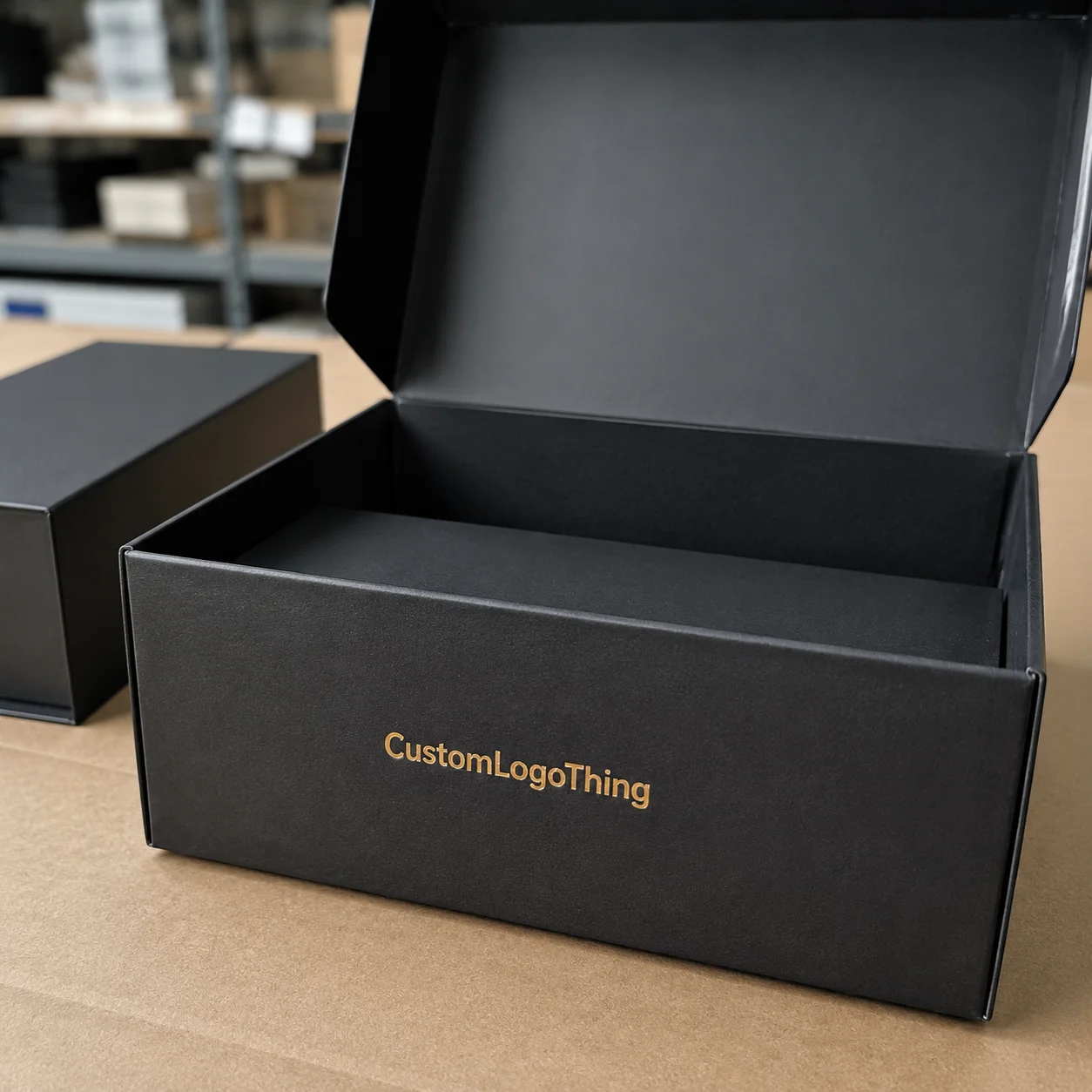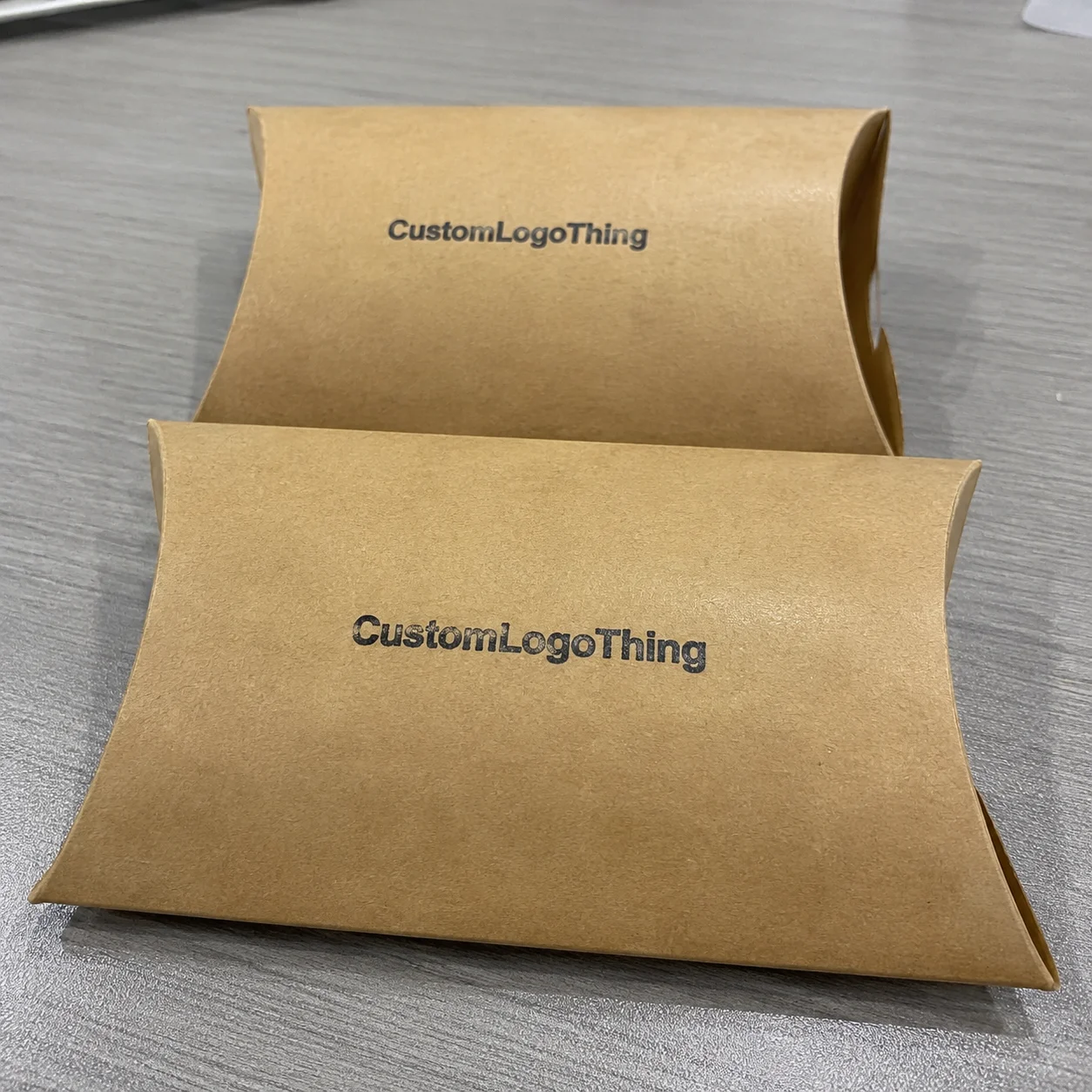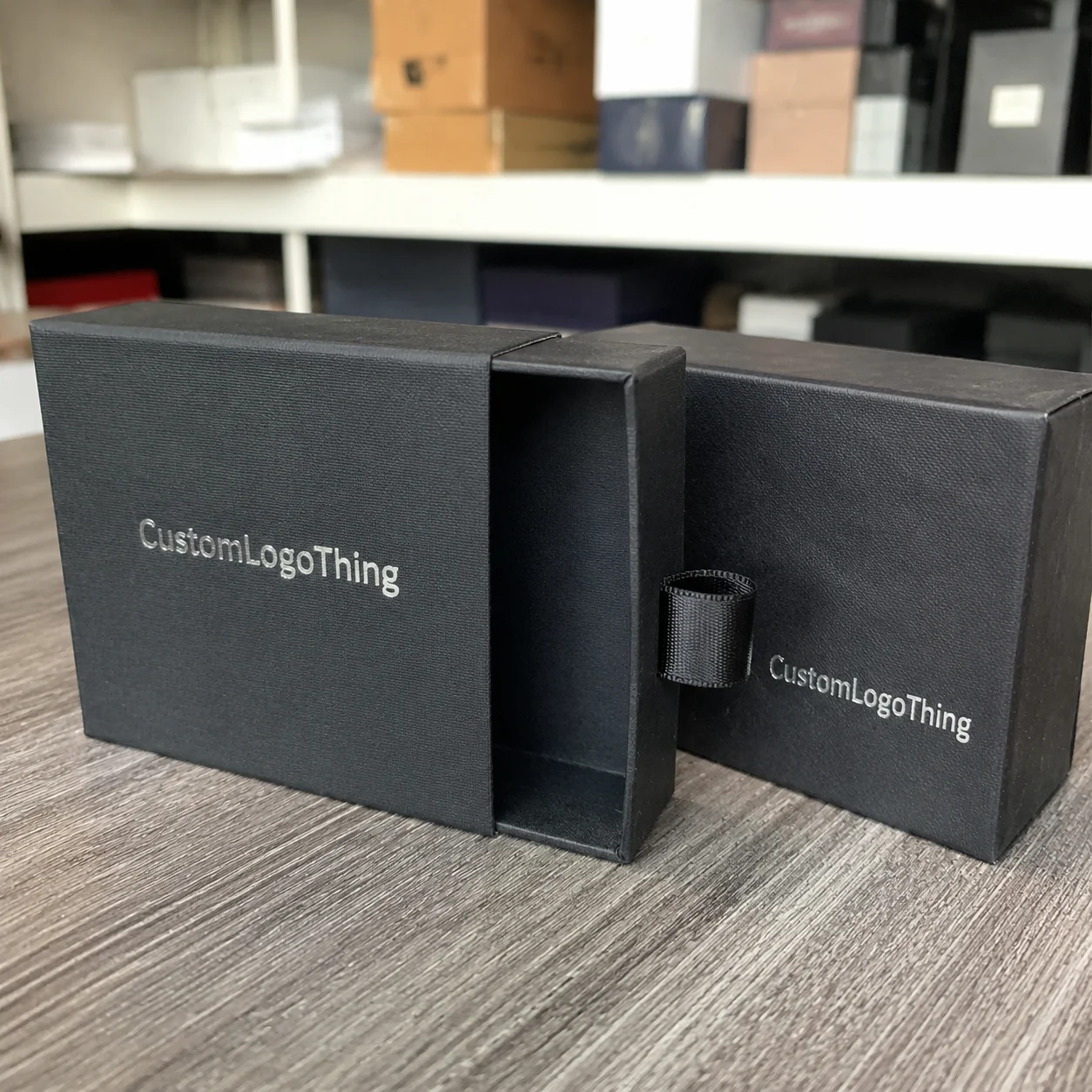
Buyer Fit Snapshot
| Best fit | Custom Mailer Boxes for Small Business projects where brand print, material claims, artwork control, MOQ, and repeat-order consistency need to be specified before quoting. |
|---|---|
| Quote inputs | Share finished size, material target, print colors, finish, packing count, annual reorder estimate, ship-to region, and any compliance wording. |
| Proofing check | Approve dieline scale, logo placement, barcode or warning zones, color tolerance, closure strength, and carton packing before bulk production. |
| Main risk | Vague material claims, crowded artwork, missing packing details, or unclear freight terms can make a low unit price expensive after revisions. |
Fast answer: Custom Mailer Boxes for Small Business: Structure, Print Proof, Packing, and Reorder Risk should be specified like a repeatable production item. The safest quote records material, print method, finish, artwork proof, packing count, and reorder notes in one written spec.
Production checks before approval
Compare the actual filled-product size with the drawing, then confirm tolerance on folds, seals, hang holes, label areas, and retail display edges. Reserve space for logos, QR codes, warning copy, and material claims before decorative graphics fill the panel.
Quote comparison points
Review material grade, print process, finish, sampling route, tooling charges, carton quantity, and freight assumptions side by side. A quote is only useful when the supplier can repeat the same color, closure quality, and packing count on the next order.
Custom Mailer Boxes for Small Business: Why They Matter
I still remember a client call from a candle brand in Columbus, Ohio. They had spent months refining fragrance blends, but their first review mentioned the box more than the scent. The customer wrote, “I thought this would feel cheaper.” That one line cost them more than a damaged order ever could. A bad box can quietly shave conversion rates, and that matters whether you ship 150 orders a month or 15,000. That’s why Custom Mailer Boxes for small business matter: they shape perceived value before anyone lifts the lid.
In practical terms, custom mailer Boxes for Small business are corrugated or paperboard shipping boxes made to fit a product and carry brand elements such as a logo, a printed pattern, color blocks, inserts, or a short message inside the flaps. A common spec for light-to-medium retail goods is 350gsm C1S artboard laminated to E-flute corrugated, which gives a cleaner print surface without making the mailer bulky. They do two jobs at once. They protect the product in transit, and they communicate what the product is worth. That dual role is what separates custom Mailer Boxes for Small business from a plain brown carton. One is packaging. The other is packaging with a point of view.
The small-business advantage is real. You do not need a giant retail packaging system to look organized. A run of 250, 500, or 1,000 boxes can create repeatable unboxing, cleaner fulfillment, and a more professional presentation without forcing you into huge commitments. I’ve seen startups in Austin, Texas and Portland, Oregon switch from generic cartons to custom mailer boxes for small business and immediately look more established in client photos and social posts. It’s almost unfair, really, because the box does some of the branding work before your ad budget has a chance.
There’s also a useful distinction between stock mailers, plain shipping boxes, and custom mailer boxes for small business. Stock mailers are off-the-shelf sizes with no branding. Plain shipping boxes are better for utility than presentation. Custom boxes sit in the middle: sized to product dimensions, printed with brand assets, and often designed with folding tabs or self-locking closures. If you are sending replacement parts in bulk, a plain box may be enough. If your package is part of the customer experience, customization earns its keep.
Honestly, I think a lot of owners overbuy packaging before they understand their shipping pattern. A soap maker I worked with in Raleigh, North Carolina ordered a glossy premium box before she had settled on her final jar size. Six weeks later, she had beautiful inventory that fit nothing. We corrected it, but the mistake tied up nearly $1,200 in cash that could have gone into ads or samples. I remember her saying, “I thought the box would make the product feel finished.” It did. Just not in the way she wanted. Custom mailer boxes for small business should support your sales model, not fight it.
The promise here is simple: understand how the boxes work, what drives cost, and how to Choose the Right setup for your product size, budget, and shipping method. When those three pieces line up, custom mailer boxes for small business become a practical growth tool, not just a branding expense.
How Custom Mailer Boxes Work in Shipping and Branding
A good mailer box has more engineering in it than most people realize. The structure usually includes flaps, locking tabs, tuck closures, and a corrugated board grade chosen for the product’s weight and shipping route. On a factory floor in Dongguan, China, I’ve watched operators run stack tests on boxes that looked identical from three feet away but behaved very differently once loaded with ceramic mugs. One held shape. One crushed at the corners. That’s the difference material structure makes. Annoying? Yes. Expensive? Also yes.
Custom mailer boxes for small business start with the right board. E-flute gives a smoother print surface and a slimmer profile. B-flute adds a little more crush resistance. Kraft liners can make the box feel earthy and recycled, while white liners usually give sharper print contrast. A common production choice for a clean retail look is 350gsm C1S artboard on the outside with a corrugated liner underneath. The outside surface is where branding lives, but the inside matters too because it affects the customer’s first open-and-look moment. A branded flap, a simple thank-you line, or a QR code for reorders can do a lot with very little ink. Sometimes the smallest detail gets the loudest reaction, which is funny because people will ignore your carefully written product page and then rave about the inside of a box.
The process from concept to delivery is more technical than many founders expect. First comes measurement. Then a dieline is created, which is the flat technical template showing folds, cuts, and glue areas. Artwork is placed on that dieline. Proofs are reviewed. After approval, the boxes are printed, cut, folded, packed, and shipped. If one file is off by 2 mm, it can show up as a logo drifting onto a crease. I’ve seen it happen more than once, usually because someone exported a design from a web file instead of a print-ready file. A standard production timeline for a straightforward run is typically 12-15 business days from proof approval, plus 3-7 business days for domestic freight in the U.S. Nothing says “we are winging it” like a logo half-eaten by a fold line.
Custom mailer boxes for small business also work as package branding tools. Outside, they can act like a tiny billboard in a delivery van or on a porch. Inside, they can carry a surprise: a coupon, a reorder code, a care instruction, or a short note that makes the customer feel seen. That matters because branding is not just about colors. It is about consistency. If your Instagram is polished but your box arrives dingy and generic, the mismatch is loud. Customers notice that gap faster than brands like to admit, especially when the package arrives with a scuffed corner or a dented flap.
There are plenty of use cases. E-commerce orders. Subscription kits. Press sends. Holiday bundles. Fragile candles, glass jars, supplements, cosmetics, apparel accessories, and handmade gifts. In each case, custom mailer boxes for small business create a tighter fit than a random shipping carton. That tighter fit usually means less movement, fewer dings, and less need for excessive void fill. It can also mean lower dimensional weight charges on some carrier lanes, especially when you keep the box depth below 3 inches or 4 inches for small accessories.
For reference on packaging performance standards, I often point clients to the International Safe Transit Association at ISTA. Their testing methods help you think beyond appearance and ask whether the package survives real transit, not just a tabletop inspection.
Key Factors That Affect Custom Mailer Box Design
The first factor is size, and size drives almost everything else. Oversized boxes add void fill, increase the chance of product movement, and can raise shipping charges if the package tips into a higher dimensional weight band. Too small, and you get crushed corners or a box that slows packing because workers have to force the product inside. I once sat in a fulfillment room in Chicago where a jewelry brand was wasting 18 seconds per order because their lid caught on tissue paper. Eighteen seconds sounds tiny. Multiply that by 1,200 orders, and it becomes a real labor cost of 6 hours per month. Multiply it again by burnout, and suddenly everyone is grumpy before lunch.
Material choice comes next. Custom mailer boxes for small business can be built with kraft board, white-lined board, recycled content, or specialty paperboard depending on the look you want and the protection you need. E-flute is common for retail-looking mailers because it prints well and stays relatively slim. B-flute is often better for heavier products or longer shipping routes. If you sell fragile items, ask for stack strength and compression details, not just a pretty mockup. A supplier should be able to quote an ECT rating or a Burst Test range, such as 32 ECT or 200# test, depending on the build.
Printing method matters too. Digital printing is often ideal for short runs because setup is lower and artwork changes are easier. Flexographic printing is usually more economical at larger volumes, especially when the artwork is simple and the run is long. Matte lamination creates a softer, more premium feel. Gloss can make colors pop harder. Spot UV can highlight a logo, but it is not free and it is not always worth the cost if the box already has strong color blocking. Custom mailer boxes for small business should look intentional, not crowded with effects. I’ve seen boxes that looked like they were dressed for three different parties at once.
Shipping realities shape the spec more than many owners expect. Carriers handle packages roughly. They stack them, drop them, slide them, and sometimes leave them in humid environments. If your product absorbs moisture or dents easily, the board choice and internal fit become critical. That is why I tell clients to think about the worst shipping route they expect, not the nicest one. A box that survives a local courier hop in Denver may fail after a cross-country transfer through Atlanta and a warehouse stack in Dallas. Packaging is often judged in the least glamorous conditions possible.
Brand considerations are the final filter. Premium products usually call for more detail, cleaner print, and stronger unboxing theater. Minimalist brands often win with one logo, one color, and one short message. Either way, custom mailer boxes for small business should match the price point of the product. If you sell a $24 body mist, a box that feels like luxury jewelry packaging may be too much. If you sell a $180 skincare set, a plain kraft mailer may undersell the product. That mismatch can quietly drag down perceived value, and it is measurable in returns, photos, and repeat-order rates.
One supplier meeting in Shenzhen sticks with me. A client wanted five print colors, a matte finish, an internal pattern, and a custom insert for a single-season launch. The quote jumped nearly 34% over the first version. We cut it back to two outside colors, one inside message, and a die-cut insert. The result looked cleaner and saved enough margin to fund sample shipping from Guangdong to California. That is the sort of tradeoff that makes custom mailer boxes for small business work in the real world.
Custom Mailer Boxes for Small Business: Cost and Pricing Basics
Pricing for custom mailer boxes for small business is driven by quantity, dimensions, board grade, print coverage, coatings, inserts, and how complex the structure is. A simple single-color kraft mailer will cost far less than a full-color box with an inside print, foil stamp, and fitted insert. That seems obvious, but the budget shock usually comes from all the small add-ons. One extra finish here. A thicker board there. A second proof because the logo was supplied as a low-res PNG instead of a vector file. The little things add up with a smug little smile.
There is a real tradeoff between low minimum orders and unit cost. Smaller batches let you test the market and avoid dead inventory, but your unit price rises. That is normal. I’ve seen quotes for custom mailer boxes for small business land around $0.42 per unit for 1,000 simple printed mailers and drop near $0.15 per unit for 5,000 pieces, depending on size, finish, and freight terms. A premium version with inside printing, matte lamination, and a die-cut insert can jump to $0.88 per unit at 500 pieces or more. Your numbers may differ, especially with inserts or specialty coatings, but the pattern holds: volume reduces unit cost.
A practical budget formula looks like this:
- Box cost per unit
- Print setup or plate charges
- Insert cost if you use one
- Freight from supplier to your warehouse
- Storage if you order enough for several months
If you want to compare options quickly, use a simple table. I build versions like this for client meetings all the time because numbers settle arguments faster than adjectives.
| Option | Typical Use | Approx. Unit Cost | Brand Impact | Protection |
|---|---|---|---|---|
| Plain mailer | Low-value, utility shipping | $0.25-$0.55 | Low | Moderate |
| Basic printed mailer | Starter branded orders | $0.32-$0.80 | Moderate | Moderate to good |
| Premium custom mailer boxes for small business | Premium goods, gift sets, PR kits | $0.60-$1.80+ | High | Good to strong |
Hidden costs can surprise you. Samples are rarely expensive, but they are not free. A pre-production sample can run $35 to $120 depending on tooling and shipping from a supplier in Shenzhen, Ho Chi Minh City, or Los Angeles. Prototype runs can add time and freight. Artwork revisions can eat internal hours if nobody has a clean file folder. And then there is overbuying. A box that fits one product perfectly may not fit the next launch, which means you are carrying dead stock in the warehouse. I’ve watched a founder order 8,000 units to “save money” and then shift product sizes three months later. The storage math was ugly, and the warehouse looked like a cardboard mountain range.
My advice is to treat custom mailer boxes for small business as part of product margin, not as an afterthought. If your average order value is $48 and repeat purchase rate is decent, packaging can pay for itself through lower damage, better unboxing photos, and stronger return customer behavior. If your margin is thin, the box still might be worth it, but the spec has to stay disciplined.
Step-by-Step Process for Ordering Custom Mailer Boxes for Small Business
Start with product measurements. Not just length and width. Measure the widest point, the tallest point, and any irregular shape that could catch on a flap. Add only enough clearance for protective material and handling. A good supplier will ask for the product dimensions and shipping method before suggesting a box style. If they do not, that is a warning sign. Frankly, I get nervous when anyone tries to skip the measuring tape and go straight to the pretty rendering.
Next, choose the box style and material. If your product is light and the presentation matters more than heavy-duty transit, a lighter board and cleaner print may be enough. If the item is glass, ceramic, or multi-piece, lean toward stronger corrugated construction. Custom mailer boxes for small business should always reflect the actual breakage risk. I have seen brands choose a beautiful box that failed because the insert never stopped the bottle from rattling. The box was elegant. The rattling was not.
Artwork preparation is where many small brands stumble. Files need to be print-ready, usually with proper bleed, safe zones, and resolution. Logos should be vector files if possible. Color matching should be discussed early, especially if your brand uses a specific Pantone or a tightly controlled palette. Poor file prep is one of the easiest ways to delay production by a week or more. Sometimes two. And no, “the Canva export looked fine on my laptop” is not a reliable print standard. I say that with affection and a little trauma.
Samples and prototypes are worth the time. I know founders want to move fast. So do I, most days. But a physical sample tells you things a rendering cannot. Does the lid stay closed? Does the box open too aggressively? Does the insert bend when packed by a new warehouse worker? With custom mailer boxes for small business, one prototype often saves more money than it costs. A common sample cycle takes 5-7 business days in the U.S. and 7-10 business days when the sample is produced overseas in cities like Dongguan or Ningbo.
Here is a cleaner sequence I usually recommend:
- Measure the product and define ship conditions.
- Select board, print method, and finish.
- Request a dieline and prepare artwork.
- Review the proof carefully.
- Approve a sample or prototype.
- Start production after final signoff.
- Test packing speed and transit results after delivery.
Timelines vary by supplier, but a typical run of custom mailer boxes for small business can take 12-15 business days after proof approval, plus freight. More complex work, such as specialty coatings, foil stamping, or rigid inserts, can take 18-25 business days. Delays usually come from artwork changes, late sample approvals, or a mismatch between the quoted spec and the actual product size. The faster you answer proof questions, the faster the boxes move.
For sustainable packaging questions, I point clients to the EPA recycling guidance and FSC certification resources. Those sources help when you are deciding whether recycled content or certified fiber is the right choice for your brand story.
Common Mistakes Small Businesses Make with Mailer Boxes
The biggest mistake is choosing a box because it looks nice in a mockup. Fit matters first. If the product moves, the customer feels it. If the shipper must use too much void fill, the box loses its premium feel and can still suffer corner damage. I saw a skincare brand in Philadelphia spend heavily on a soft-touch finish, then ship the jars in a carton that was 25% too large. The packaging looked expensive. The product arrived feeling cheap. That is the wrong kind of irony.
Another common problem is ordering too many units before testing. Custom mailer boxes for small business are an operating decision, not just a design decision. Run a small sample lot first if the product is new, the insert is unproven, or the shipping lane is uncertain. A test order of 250 or 500 units can reveal issues with assembly speed, glue behavior, or return packaging that no digital proof will show. It can also save you from the special kind of frustration that comes from staring at a warehouse full of boxes that are “almost right.”
Empty space is another silent cost. It increases damage risk, makes the package feel less considered, and often increases the amount of filler you need. A box that looks oversized on a warehouse shelf usually looks even worse in a customer’s hands. That is particularly true with custom mailer boxes for small business where unboxing is part of brand value. If your carton has 20 mm of excess space on each side, the product can shift enough to scuff printed surfaces or dent corners during a 600-mile freight run.
Then there is design overload. Too many colors, too many messages, too many finishes, too many calls to action. All of that can push cost up and clarity down. I tell clients to keep one strong logo, one visual system, and one clear message. If the customer needs a scavenger hunt to understand the box, the packaging is doing too much.
Supplier communication is often underrated. Some delays come from vague instructions about dielines, finishing, or delivery windows. Others come from assumptions about what a supplier already knows. Ask about file format, tolerances, carton count per case, pallet height, and moisture protection during freight. Custom mailer boxes for small business work best when both sides are precise. If you are sourcing from a plant in Shenzhen or Los Angeles, ask whether the quote includes 2D proofing, a pre-production sample, and export carton labeling.
And do not forget operations. If packaging takes too long to assemble, your fulfillment team will feel it fast. A pretty box that slows throughput can hurt service levels more than it helps branding. That is why the best custom mailer boxes for small business balance design with plain old labor reality. A box that takes 9 seconds to pack instead of 15 can save 2.2 labor hours across 1,000 orders.
Expert Tips to Get More Value from Custom Mailer Boxes for Small Business
If you want more return from custom mailer boxes for small business, start by simplifying. One box size that fits several products can reduce storage headaches, reorder complexity, and mistakes on the packing line. I worked with a skincare company in Nashville that cut four box sizes down to two. Their warehouse team stopped hunting for the right carton, and monthly mispacks dropped almost immediately. Everybody looked less stressed, which in a fulfillment setting counts as a real KPI whether anyone wants to admit it or not.
Design for both customer experience and back-of-house efficiency. A box should be easy to fold, easy to seal, and easy to stack. If your team needs to wrestle with each unit, the labor cost will show up in the budget. Smart custom mailer boxes for small business feel almost boring to pack because that boring consistency is what saves time. On a 10,000-unit month, even a 3-second improvement per pack can free up more than 8 labor hours.
Minimal branding can be stronger than heavy branding. One good logo placement. One color system. One message on the inside flap. That’s often enough. I’ve watched brands print every surface because they thought more decoration meant more value. Usually it just meant more cost. In custom mailer boxes for small business, restraint can look premium when the material and print quality are clean. Honestly, some of the nicest boxes I’ve seen looked calm instead of loud, with a single spot color and a matte finish.
Test the box with real routes. Not a pretend test. Put it on the same carrier lane your customers use. Send it through a rainy day if your region gets them. Stack it in a warm warehouse. Drop it from a reasonable handling height. Standards like ISTA exist for a reason, and while you may not need a full lab program, the logic is the same: test the package the way it will actually be used. A box that passes a 3-foot drop test in Chicago and a 48-hour humidity test in Miami is a much better bet than a pretty prototype on a conference table.
Plan for seasonal flexibility. If your offers change often, stickers, sleeves, or insert cards can help you keep the same base box while changing the campaign message. That approach works especially well for custom mailer boxes for small business because it keeps inventory simpler and gives you room to adjust promotions without reprinting the whole structure. A 500-piece run of base boxes plus a $0.06 insert card can be cheaper than reordering a fully printed box every quarter.
One more tip from a supplier negotiation in Texas: ask for a comparison at two volumes, not one. We once compared 1,000 and 3,000 units on a subscription launch. The higher run reduced the unit price by 27%, but the extra storage cost erased half the savings. The final answer was 1,500 units, plus a second reorder trigger. That middle path is often where custom mailer boxes for small business make the most financial sense.
And yes, packaging can support conversion. Better protection means fewer replacements. Better unboxing means more sharing. Better fit means lower carrier waste and less filler. Those are not vague benefits. They are operating outcomes, and they matter more than a fancy mockup.
Next Steps: How to Choose the Right Box and Launch Confidently
The cleanest decision path is straightforward. Define the product. Measure the fit. Choose material and print style. Estimate your budget. Request samples. Then test the box against actual shipping conditions before you scale. That order matters because it prevents the most common packaging mistake I see: designing from the outside in instead of the product out. A box that looks beautiful in Brooklyn but fails in transit to Phoenix is not a win.
Before you contact a supplier, build a simple checklist. Include product dimensions, product weight, order quantity, brand assets, freight destination, and any insert requirements. If you already know your target monthly volume, include that too. Good suppliers can move faster when they are not guessing. That applies whether you are buying custom mailer boxes for small business or expanding into other Custom Packaging Products.
If you are unsure between two concepts, test both. One could be cost-efficient and plain. The other could be more premium with stronger branded packaging. Then compare not only customer response, but packing speed, damage rate, and freight fit. I’ve seen the “prettier” option lose because it took 14 seconds longer to assemble per order. Those 14 seconds matter if you ship 2,000 orders a month, because that is more than 7.7 labor hours per month.
It also helps to think in hard numbers. If a box costs $0.28 more but reduces damage replacements by 2% and improves repeat purchases, the economics may be favorable. If the box looks elegant but adds cost without operational value, it is probably not worth it yet. That kind of thinking keeps custom mailer boxes for small business grounded in business reality instead of packaging fantasy.
When I look back at the brands that got this right, they did not start with embellishments. They started with fit, protection, and consistency. Then they added print where it mattered. That is the path I recommend for custom mailer boxes for small business. It respects cash flow, supports product packaging goals, and still gives you room to build a memorable first impression.
So yes, the box matters. More than most people think. But only if it fits the product, fits the margin, and fits the way you actually ship.
FAQ
What are custom mailer boxes for small business used for?
They are used to ship products safely while creating a branded unboxing experience. They work well for e-commerce orders, subscription boxes, PR kits, gifts, and fragile items. They also help small businesses look more professional without building a large retail packaging system. A 6-inch by 4-inch mailer can do the job for a candle sample, while a 12-inch by 9-inch box may be better for apparel kits or skincare bundles.
How much do custom mailer boxes for small business usually cost?
Price depends on quantity, size, material, print coverage, and finishes. Smaller orders usually cost more per box, while larger runs lower unit price. Samples, inserts, artwork revisions, and freight can add to the total packaging budget, so I always tell clients to budget beyond the quoted unit price. As a reference, a basic printed run might land around $0.42 per unit at 1,000 pieces, while a larger 5,000-piece order can fall near $0.15 per unit for simpler specs.
How long does it take to produce custom mailer boxes for small business?
Timeline depends on design approval, sample creation, print method, and order size. A clean file setup and quick proof approval usually shorten the process. In many cases, production can take 12-15 business days after proof approval, plus transit time. If the order includes foil stamping, custom inserts, or overseas freight from Shenzhen or Ningbo, the total timeline can stretch to 3-5 weeks.
What size should I choose for custom mailer boxes for small business?
Measure the product at its widest, tallest, and deepest points. Add only enough room for protective insert material and safe handling. Avoid oversized boxes because they increase shipping cost, raise void fill needs, and let the product move around during transit. A snug fit with 5-10 mm of clearance is usually better than a box that leaves 25 mm of empty space on every side.
Are custom mailer boxes for small business worth it for low order volumes?
Yes, if branding, product protection, and repeat purchases matter to your business. They can be especially valuable for premium products or highly shareable unboxing moments. The key is matching the design and order quantity to current sales volume and margin, not to an idealized future state. Even a 250-piece test run can reveal whether a box improves presentation enough to justify a larger order.
If you are comparing custom mailer boxes for small business with other formats, it can also help to look at Custom Poly Mailers for lighter items where weight and moisture resistance matter more than rigid presentation. Different product, different job. That is usually the right way to think about packaging, and it saves a lot of expensive guessing.