Buyer Fit Snapshot
| Best fit | Brand Your Packaging for Business projects where brand print, material claims, artwork control, MOQ, and repeat-order consistency need to be specified before quoting. |
|---|---|
| Quote inputs | Share finished size, material target, print colors, finish, packing count, annual reorder estimate, ship-to region, and any compliance wording. |
| Proofing check | Approve dieline scale, logo placement, barcode or warning zones, color tolerance, closure strength, and carton packing before bulk production. |
| Main risk | Vague material claims, crowded artwork, missing packing details, or unclear freight terms can make a low unit price expensive after revisions. |
Fast answer: Brand Your Packaging for Business: Material, Print, Proofing, and Reorder Risk should be specified like a repeatable production item. The safest quote records material, print method, finish, artwork proof, packing count, and reorder notes in one written spec.
Production checks before approval
Compare the actual filled-product size with the drawing, then confirm tolerance on folds, seals, hang holes, label areas, and retail display edges. Reserve space for logos, QR codes, warning copy, and material claims before decorative graphics fill the panel.
Quote comparison points
Review material grade, print process, finish, sampling route, tooling charges, carton quantity, and freight assumptions side by side. A quote is only useful when the supplier can repeat the same color, closure quality, and packing count on the next order.
When I first started advising brands on how to brand your Packaging for Business, one thing kept surprising clients: a $1.20 mailer box can do more selling than the $18 Instagram ad that brought the customer there. I remember a founder staring at a plain shipper and saying, “It’s just a box.” Sure. And a handshake is “just a hand.” The first tactile brand moment is usually the unboxing experience, and it lands before a product review, before a follow-up email, and sometimes even before the customer has seen the item itself. That matters more than most teams realize, especially when the customer is opening the order on a kitchen counter in Chicago, Dallas, or Manchester at 7:15 p.m.
I’ve seen a $14 candle feel “giftable” the moment it arrived in a rigid black mailer with a matte logo lockup, while a $120 skincare set felt oddly cheap because it shipped in a generic kraft carton with a loose thank-you card. Same product value, very different brand perception. A decent branded mailer with 350gsm C1S artboard and a soft-touch finish can change that impression in seconds, and honestly, it still gets me every time because customers are so quick to decide what feels premium and what feels… not.
For Custom Logo Things, the conversation around how to Brand Your Packaging for business is never just about decoration. It’s about recognition, protection, cost control, and the customer memory you want to leave behind. The smartest brands treat branded packaging as a working system, not a last-minute add-on stuffed into the project plan on Friday at 4:55 p.m. A packaging program built around a 2 mm board tolerance, a 1-color flexo print, and a clear insert hierarchy is easier to scale than a pile of “nice ideas” that never survive procurement.
What Does It Mean to Brand Your Packaging for Business?
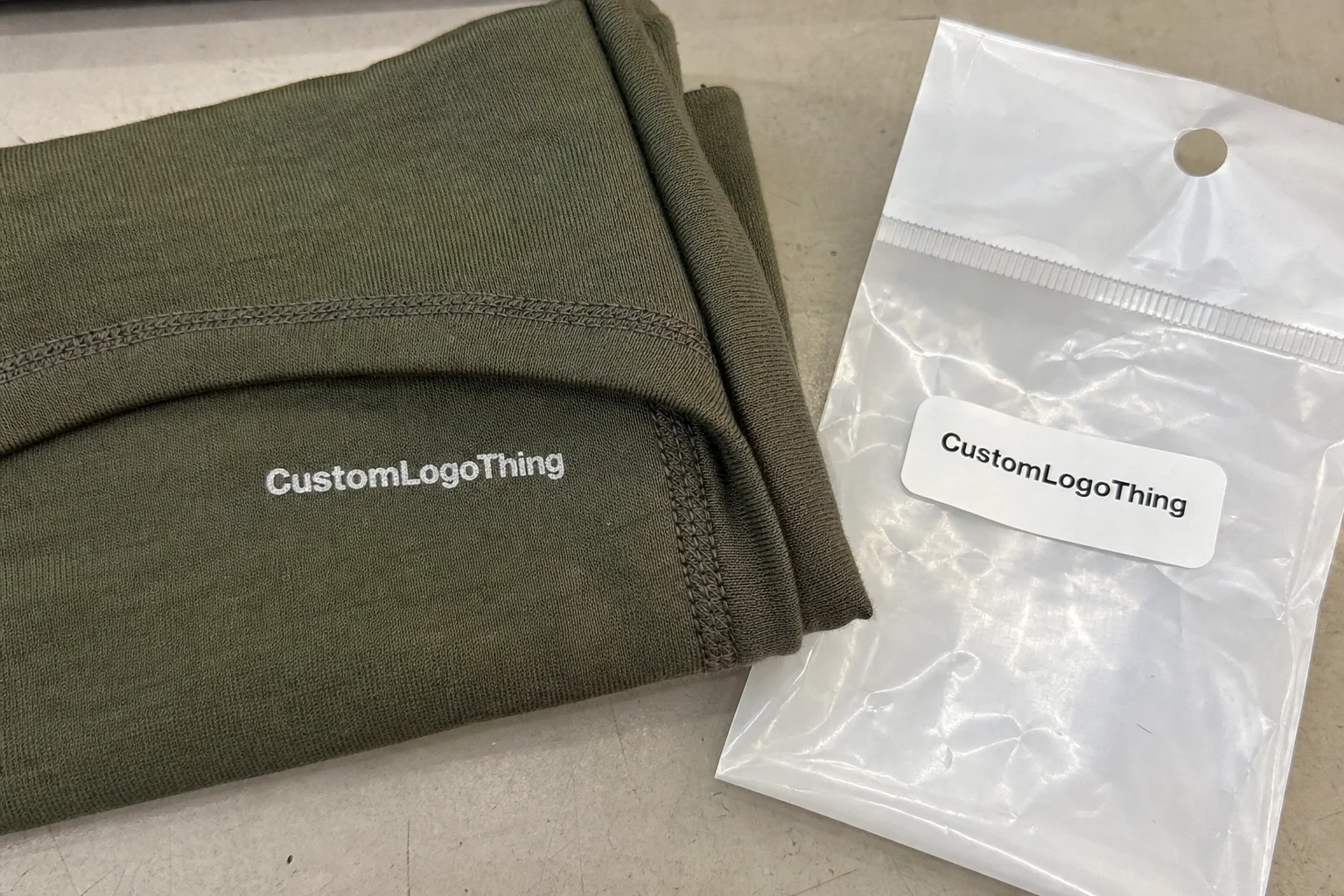
Branding packaging means making every visible and touchable surface support your brand identity. That can include colors, logos, typography, tissue paper, tape, inserts, labels, stickers, and the shape or structure of the package itself. If the customer can open it, hold it, scan it, peel it, or re-use it, it can communicate something. In practice, how to brand your Packaging for Business comes down to making those signals consistent across a kraft shipper, a folded insert card, and a 38 mm branded tape roll.
Customers often form an opinion about your business in under 10 seconds after the box arrives. I’ve watched that happen in warehouse audits where the receiving table became a mini focus group. One retailer I worked with had excellent product photography and weak packaging design; their return customers said the shipping box made them feel like the order came from a “random distributor,” not a curated brand. That gap costs trust. On a $58 average order value, even a 3 percent drop in repeat purchase rate can become expensive fast.
There’s also a real distinction between printed packaging and branded packaging. Printed packaging may simply add a logo or pattern to a carton. Branded packaging builds a repeatable experience: the outer shipping box, the inner wrap, the insert copy, and even the tape all reinforce the same message. In other words, one is graphic application; the other is brand experience. A white mailer with a single-color mark in Pantone 432 C can still feel deliberate if the rest of the system is aligned.
Why does that matter? Because branded packaging supports repeat purchases and social sharing. A customer is more likely to post a neat, intentional unboxing experience than a plain brown box. And if the box reflects your positioning—premium, eco-friendly, playful, minimalist, or luxury—it does part of the selling for you. A 2024 packaging survey from a London-based consumer group found that 64 percent of respondents were more likely to repurchase when packaging matched the product price point. That kind of gap is not abstract; it shows up in reorder dashboards.
Factory-floor truth: the most effective branded packaging is usually the one that looks simple on the outside and feels considered in the hand. A 1.8 kg mailer stack with clean edges and a tight fold often beats a glossy box with five extra finishes.
Good packaging branding also signals operational maturity. FSC-certified board, clear labeling, consistent die lines, and predictable print quality tell customers you’ve got your house in order. If you want to understand the sustainability side of packaging materials, I often point teams to the EPA’s materials and waste guidance at EPA recycling basics and to sourcing standards from FSC. Those references help ground the branding discussion in real material choices, not just aesthetics. A 100 percent recycled corrugated board from a supplier in Ohio or Guangdong says something different from a virgin-fiber rigid set made in Milan, and customers notice that difference in both look and feel.
How to Brand Your Packaging for Business: The Core System
When clients ask me how to brand your packaging for business, I usually break the answer into four layers: outer shipping, inner packaging, product presentation, and post-purchase touchpoints. If one layer feels generic, the whole package feels generic. If all four are aligned, the customer experiences a coherent brand identity from curbside to countertop. A business shipping 500 units a week from Toronto needs that same logic as a brand fulfilling 50,000 units a month from Los Angeles or Ho Chi Minh City.
Outer shipping packaging is the first layer. This might be a custom printed box, a branded mailer, or a simple corrugated carton with a logo sticker and branded tape. For e-commerce, the outer layer needs to balance brand visibility with transit performance. A beautiful box that crushes in a 3-foot drop test is expensive theater. I’ve seen brands learn that the hard way during ISTA-style transit trials, where a visually polished design failed because the board grade was too light for the product weight. A 32 ECT single-wall box is fine for a 0.8 kg apparel order; it is not the right answer for a 3.4 kg ceramic bundle.
Inner packaging does more emotional work. Tissue paper in a specific color, molded pulp, printed crinkle, or a custom insert can create a sense of care. The customer opens the box and finds a deliberate sequence instead of loose product movement. That sequencing matters more than people think. A 17 x 11 inch sheet of branded tissue folded over a product tray can signal attention before the product itself is visible. It’s not just packaging design; it’s storytelling.
Product presentation is where the item itself becomes part of the branded experience. A bottle seated in a die-cut insert, a garment wrapped in branded tissue, or a device resting on a printed tray says, “We planned this.” That feeling is what customers remember. It’s the difference between receiving product packaging and receiving a branded moment. I’ve watched a $29 supplement set feel more premium simply because the bottle sat in a black 18pt insert instead of sliding around in a loose carton cavity.
Post-purchase touchpoints are the small things that keep the relationship alive. A thank-you card with a QR code, a reorder reminder, a care insert, or a loyalty message can extend the brand beyond the box. I saw this firsthand with a beauty subscription client that added a simple scan-to-reorder code on a 2 x 3 inch insert. Their second-order conversion improved because customers didn’t have to hunt for the product page later. Tiny insert, real result. The best kind of boring improvement, especially when the insert is printed in Shenzhen or Bristol at a cost of roughly $0.04 per unit for 10,000 pieces.
Consistency is the backbone here. Your retail packaging and shipping packaging should feel like siblings, not strangers. That doesn’t mean every carton must look identical. It means the color system, icon style, tone of voice, and finish choices should belong to the same visual family. If the website feels minimalist but the box looks playful and overloaded, the customer gets mixed signals. Mixed signals weaken brand identity faster than a typo on a homepage banner.
One of the smartest moves I’ve seen is using a small set of reusable brand assets across all packaging formats. The same logo lockup, the same type family, the same accent color, the same icon for “recyclable” or “fragile.” That consistency saves time and reduces approval friction. It also makes how to brand your packaging for business easier to scale across product lines and fulfillment centers. A packaging library with one master dieline, one primary logo file, and three approved copy blocks can cut review time from 10 days to 3 in a busy launch cycle.
For brands that need a starting point, I often recommend browsing a curated range of Custom Packaging Products and comparing the formats against shipping needs, print budgets, and product dimensions. That simple exercise can prevent months of back-and-forth with suppliers, especially when you’re choosing between a 9 x 6 x 3 inch mailer, a rigid gift box, and a folding carton produced in Dongguan or Manchester.
Key Factors That Shape Successful Branded Packaging
Not every brand should use the same packaging strategy. A boutique skincare line and a rugged outdoor gear company can both do branded packaging, but their materials, structure, and finish choices should look completely different. Audience fit is where many teams get this wrong. I’ve sat in meetings where a premium matte black mailer was approved for a very eco-conscious audience, then quietly rolled back after customers complained that it felt wasteful. That was a fun email thread, if your definition of fun includes passive-aggressive words like “misaligned.” Good packaging design has to match the buyer’s values, not just the founder’s taste, and a recyclable kraft board with water-based ink can outperform a laminated black box in the eyes of buyers in Portland, Vancouver, and Copenhagen.
Material choice sends a signal. Kraft board, recycled corrugate, paper-based fillers, and FSC-certified stock all communicate something about sustainability and practicality. Gloss lamination, foil stamping, and rigid board lean more premium. Textured paper, soft-touch coating, and embossed logos suggest a higher-end unboxing experience. None of these are right in every case. The product and the promise have to line up. A 350gsm C1S artboard sleeve with matte aqueous coating can feel polished without looking wasteful, while a 1.5 mm greyboard rigid set has a different cost and perception profile entirely.
Durability matters just as much. Product packaging that looks premium but dents in transit can damage trust faster than plain packaging ever could. When I visited a contract packer in Shenzhen, the operations manager showed me a line where they were switching from 32 ECT single-wall corrugated to a stronger double-wall spec for a heavier ceramic range. The switch added about $0.11 per unit at 8,000 pieces, but it cut in-transit damage enough to justify itself within one quarter. That’s the kind of trade-off brands need to calculate. A warehouse in Rotterdam may need a different board grade than one in Mexico City because humidity, handling, and freight distance all change the equation.
Cost is always part of the conversation around how to brand your packaging for business. Setup fees, plate charges, die cutting, minimum order quantities, print passes, and freight can change the economics dramatically. A simple one-color flexo print might come in around $0.15 per unit at 5,000 pieces for a standard mailer from a supplier in Vietnam or the Midwest, while a fully printed rigid Box with Custom inserts may push much higher depending on board grade and finish. Those numbers vary by supplier and region, but the pattern is consistent: complexity costs money. There’s no magical spreadsheet fairy who makes foil stamping free, and a 2,000-piece order usually carries a higher unit price than a 20,000-piece run.
Here’s a practical comparison I often use in supplier negotiations:
| Packaging Option | Typical Use | Approx. Unit Cost | Setup Complexity | Brand Impact |
|---|---|---|---|---|
| Stock mailer + branded sticker | Small runs, starter brands | $0.10–$0.35 | Low | Moderate |
| Custom printed corrugated box | E-commerce and subscription | $0.45–$1.20 | Medium | High |
| Rigid box with insert | Premium retail packaging | $1.80–$4.50 | High | Very high |
| Mailer + insert card + tissue | Balanced brand upgrade | $0.25–$0.80 | Low to medium | High |
Those ranges are useful, but they are not universal. Product weight, shipping zone, and print method all move the needle. Digital print can reduce setup costs for short runs. Flexographic print often wins on volume. Offset gives stronger color control on more premium applications. If you’re trying to refine brand packaging without blowing the budget, the cheapest route is not always the smartest; the right route is the one that protects the product and matches the brand promise. A 500-piece pilot printed digitally in Illinois may cost $0.62 per unit, while the same layout in offset becomes attractive only after you pass 7,500 units.
Color limits are another practical factor. A two-color design may look more disciplined and cost less than a five-color layout with gradients that are hard to reproduce consistently across different facilities. I’ve seen brands lose months chasing “perfect blue” across three suppliers in Guangzhou, Leeds, and Monterrey. A tighter palette often performs better. It also helps recognition at a glance, especially when the box is stacked on a loading dock or in a retail stockroom under fluorescent light.
For teams wanting outside guidance on transit and performance standards, ISTA’s testing resources are a strong reference point at ISTA. Those protocols are not a substitute for real-world shipping tests, but they do give a useful benchmark when planning custom printed boxes or fragile product packaging. A simple 3-drop test from 24 inches can reveal more than a week of opinions in a conference room.
How to Brand Your Packaging for Business: Step-by-Step Process
If you want a practical path for how to brand your packaging for business, start with an audit. Lay out the current packaging sequence on a table or a long workbench. I’ve done this with teams in fulfillment centers, and it’s always revealing. You notice the cheap tape that peels, the insert that arrives upside down, the tissue that clashes with the label, and the tiny moments where the customer’s experience goes off-script. It’s a little humbling, honestly. Packaging has a way of exposing every shortcut, especially in a 3,000-square-foot warehouse where every order moves through the same five hands.
Step 1: Audit the current experience
Document what the customer sees first, second, and third. Include the shipper, the inner wrap, the product cradle, and any printed messaging. Ask three blunt questions: Does this look like our brand? Does it protect the item? Does it feel intentional? If the answer is no to even one of those, you have a packaging branding gap. A 12 x 9 inch mailer with a crooked sticker can undermine an otherwise polished product instantly.
Step 2: Set the packaging goal
Pick one primary objective. I’ve seen teams try to solve five problems with one box, and that usually ends in compromise. Common goals include premium perception, fewer damages, better social sharing, lower pack-out time, or stronger shelf presence in retail packaging. If you can define one clear outcome, the design work gets sharper. A Business That Sells $28 accessories doesn’t need the same package branding strategy as one shipping $480 hair tools. If the goal is faster packing, a top-load mailer may beat a tuck-top carton by 18 seconds per unit.
Step 3: Write a packaging style guide
This is where many businesses get more disciplined. A packaging style guide should cover logo placement, approved colors, typography, tone of voice, finish choices, and material preferences. Include examples of what not to do. If your logo should never be rotated, crowded, or printed smaller than 18 mm wide, say so. If the brand uses matte black on the outside and warm white inside, spell that out. A simple one-page guide can save hours in production review. I’ve seen a packaging guide in Nashville reduce approval rounds from four to two just by naming the exact paper stock: 300gsm matte coated art paper for inserts and 32 ECT corrugated for shippers.
I once worked with a startup that approved packaging by email screenshots only. Five suppliers, three departments, and one design agency were all using different color references. The result was a box that looked “close enough” in daylight but off-brand under warehouse LEDs. After they created a shared style sheet with Pantone values, board specs, and die-line notes, approval time dropped by about 30 percent. That’s not glamorous, but it is efficient. It also prevents the kind of “why is this purple?” meeting nobody wants to attend, especially when the sample was produced in Dongguan and the shipment is due in eight days.
Step 4: Choose the structure before you design
Too many teams design first and engineer later. That’s backward. Choose the packaging format early: mailer, tuck-top carton, rigid box, folding carton, pouch, or display shipper. Then request dielines or templates from the supplier before finalizing artwork. Structure affects panel size, logo placement, bleed, and how the package opens. A logo that looks perfect on a flat PDF may disappear on a folded panel or get buried by a flap. A 6-panel carton in Amsterdam will not behave like a single-wall mailer coming from Ho Chi Minh City.
Step 5: Prototype and test
Never skip sampling. A prototype tells you whether the package fits the product, how it looks in real light, and whether the insert actually holds the item in place. I’ve seen a beautiful insert fail because the bottle neck was 2 mm wider than expected. That tiny difference created movement inside the box, and movement creates damage. Run a basic drop test, a vibration check, and a shelf-fit check if the package will go into retail. If you’re shipping glass, test for corner crush and side impact; those are the failures that cost the most to replace.
For many brands, the right partner is one that can support both the structure and the print. If you need a starting point for Case Studies, reviewing real packaging projects can help you compare print methods, finishes, and timelines against your own use case. A case study from a supplier in Shenzhen or Barcelona usually tells you more than a glossy capability brochure ever will.
Step 6: Finalize the launch plan
Once the sample passes, map the production sequence: design approval, prepress, proofing, production, QC, freight, and warehouse rollout. I like to include a 10 to 15 percent buffer for revisions because something almost always shifts. It might be a barcode position, a supplier paper substitution, or a minor typo discovered at proof stage. Better to absorb that before production than after 12,000 boxes have been printed. A realistic rollout for a 10,000-piece order from proof approval to arrival is typically 12-15 business days for simple digital production or 25-35 business days for custom offset and rigid sets.
When brands ask how to brand your packaging for business in a way that actually sticks, I usually tell them to launch in phases. Start with the highest-volume SKU or the most visible unboxing moment. Measure customer feedback, damage rates, and pack-out time for 60 to 90 days. Then expand. That approach keeps risk manageable and gives you real data, not just opinions from the conference room. If your first pilot is 1,000 units in February and your second is 5,000 units in April, you’ll know whether the design deserves a bigger budget.
Timeline and Cost: What Businesses Should Expect
Custom packaging usually takes longer than stock packaging, and that should not surprise anyone. A realistic timeline from concept to delivery is often 3 to 8 weeks for simpler printed packaging and 8 to 14 weeks for more complex structures, depending on supplier capacity, artwork readiness, sampling, and freight. If the design is already locked and the materials are standard, things move faster. If you need structural development, expect a longer runway. A corrugated mailer with one-color print from a supplier in Mexico can sometimes move from proof to delivery in 12-15 business days, while a rigid box with lamination and foil stamping in Taiwan may take 5 to 7 weeks.
Here’s the sequence that typically affects timing: brief, design, dieline confirmation, sample production, revisions, final approval, manufacturing, quality check, and shipping. Each step can add days. If a client sends four rounds of logo revisions, that’s not the supplier’s fault. It’s the project plan’s fault. I say that with love, and a mild eye twitch. A 48-hour delay in proof approval can become a week if the production slot is already full.
Cost drivers are just as predictable. Quantity matters most. So does board grade, print complexity, coating, inserts, and shipping distance. A 1,000-piece run of custom printed boxes may look expensive per unit because setup costs get spread over fewer pieces. At 10,000 pieces, the unit economics usually improve. That’s why many brands ask for short-run pilots first, then move into larger volumes once they know the packaging is working. A 5,000-piece corrugated order in Texas might land near $0.18 per unit for a one-color logo, while the same design at 500 pieces could be closer to $0.42 per unit.
There’s also a strategic trade-off between short-run flexibility and large-run savings. Short runs allow you to test a new colorway, campaign message, or seasonal design without overcommitting. Large runs reduce unit cost and improve consistency, but they lock you into inventory. In my experience, the best answer for how to brand your packaging for business depends on sales velocity. Fast-moving SKUs can justify bigger runs. Slow movers should stay nimble. A subscription box shipping 20,000 units a quarter can absorb a long-run print schedule; a small candle brand selling 300 units a month cannot.
Brands can save money without weakening the experience. Use selective printing instead of full-coverage artwork. Standardize inserts across product lines. Keep structural changes minimal. Choose one premium detail, not five. I’ve seen a company drop foil stamping, keep a strong spot-color logo, and still improve perceived value because the design became cleaner. That’s a smart save, not a cheap one. A white ink logo on natural kraft, for example, can look more deliberate than a full-bleed CMYK box if the typography is tight.
Below is a simple comparison that comes up often in supplier discussions:
| Approach | Best For | Pros | Watch Outs |
|---|---|---|---|
| Short-run digital print | Testing new packaging branding | Lower setup, faster iteration | Higher unit cost at scale |
| Flexographic print | Volume shipping boxes | Efficient on large quantities | More limited design complexity |
| Offset print | Premium retail packaging | Strong color fidelity and detail | More setup and tighter planning |
One more reality check: freight can erase savings if the package is oversized or unnecessarily heavy. A beautifully branded box that adds 40 grams per unit and increases dimensional weight may cost more over a year than a simpler design with a better structure. That’s why packaging branding should always be discussed with operations, not just marketing. The box has a logistics life as well as a brand life, and a carton shipping from Shenzhen to Chicago or from Kraków to Paris has very different freight math than a local pickup-only package.
Common Mistakes Businesses Make with Packaging Branding
The first mistake is overdesigning. Too many colors, too many claims, too many icons. The result looks busy and weakens recognition. Customers rarely remember a busy box; they remember one strong visual idea repeated consistently. If you want how to brand your packaging for business to work, pick the one element you want them to remember in five seconds. A single 24 mm logo and a short inside message can do more than three panels of clutter.
The second mistake is choosing packaging that looks great online but fails in transit. I still remember a cosmetics client who approved a lovely rigid box with a magnetic closure, then discovered their fulfillment team needed 42 seconds per unit to pack it. That delay would have crushed their labor budget. Beautiful packaging is not enough. It has to work at warehouse speed. If your pack-out line handles 900 units an hour in Louisville, a fussy closure can quietly drain margin.
The third mistake is forgetting the opening sequence. What does the customer see first? If the answer is tape seams, empty space, or a loose insert card floating on top, the brand feels less deliberate. The order matters. The first reveal should be the strongest visual cue, not the shipping label or a jumble of filler. Even a simple tissue wrap with a 25 mm branded sticker can improve the first reveal if it’s placed in the right order.
The fourth mistake is mismatching quality with price point. A $12 product doesn’t need luxury-grade rigid packaging, but it also should not arrive in a thin, unbranded envelope if the brand promise is elevated. Customers are surprisingly good at sensing mismatch. If your package feels too cheap, they question the product. If it feels too expensive, they question the value. A $12 item in a $3.50 rigid box may make the math wobble unless the product category supports gifting or repeat display.
The fifth mistake is ignoring storage, lead times, and reorder planning. Custom packaging eats warehouse space, and large cartons can become a headache if you don’t forecast correctly. I’ve seen brands over-order because the per-unit price looked attractive, then spend six months moving palletized boxes around a back room. The savings vanished into storage and handling. That is not good operations, and it definitely is not fun to explain to finance. A pallet footprint of 48 x 40 inches sounds manageable until you have 18 of them in a 1,200-square-foot stockroom.
And here’s the big one: treating packaging as decoration instead of a functional part of the business. Strong branded packaging should protect the product, support the brand, and fit the workflow. If it only does one of those three, it’s incomplete. A box that looks good but adds 15 seconds per pack is not a victory; it’s a hidden tax.
Expert Tips for Better Branding and Smarter Execution
My strongest advice on how to brand your packaging for business is to pick one primary emotion and design for that. Do you want confidence? Delight? Care? Exclusivity? If the emotional target is clear, the packaging decisions get easier. A clean white insert, one soft-touch logo, and precise fit can communicate care better than a dozen decorative elements. A 1.5 mm greyboard tray with a 0.2 mm tolerance says “we thought this through” without shouting.
Test with real customers before you scale. Not with internal staff who already know the brand. Use 10 to 20 actual buyers if you can. Ask them what they noticed first, whether the packaging felt worth the price, and whether they’d reuse it or post it. That feedback is often more useful than another round of internal opinions. A focus group will tell you what a design looks like; a customer tells you what it feels like. If you test in Austin or Berlin, compare notes by category, not by taste.
Create reusable assets. If your packaging branding depends on one-off artwork for every launch, your team will burn time and money. Build a shared library of approved logos, messaging blocks, icons, color references, and dieline notes. That way your product packaging stays consistent across campaigns and channels. A strong asset library is boring to talk about. It saves huge amounts of time. A well-structured library can cut an annual packaging design budget by 10 to 20 percent simply by reducing rework.
Use tactile details sparingly. A matte finish, debossed logo, or soft-touch lamination can signal quality fast. But piling on every premium effect can backfire. I’ve seen foil, embossing, spot UV, and textured varnish all compete on one box. The result looked more expensive than elegant. One subtle detail usually beats three loud ones. For a mid-market beauty brand, a single debossed 30 mm logo on 350gsm C1S artboard often feels more composed than a fully embellished rigid sleeve.
Here’s a simple operating rule I give clients: if a packaging feature doesn’t improve recognition, protection, or customer experience, question it. That question alone can trim cost and reduce clutter. It also keeps the design tied to the business outcome, not the mood board. If the feature adds $0.09 per unit and doesn’t change buyer behavior, it probably doesn’t deserve the slot.
One client in specialty food used this exact approach. They upgraded from plain cartons to custom printed boxes with a single-color brand mark, inside-lid messaging, and a recycled paper insert. No foil. No gloss. No unnecessary extras. Their repeat orders rose because the package felt considered, and their fulfillment team loved the simpler fold. That’s the sweet spot. Their supplier in Indianapolis quoted $0.27 per unit at 8,000 pieces, and the whole program was easier to reorder the following quarter.
If you want a practical path from here, review your current packaging, choose one upgrade to pilot, and measure three things for the next 60 days: customer response, damage rates, and total pack-out cost. That’s the real test. The right version of how to brand your packaging for business is the one that improves perception without making operations miserable. If your brand feels stronger and your labor minutes per order stay flat, you’ve done the work correctly.
My honest take: the best packaging branding is rarely the most expensive. It’s the one that feels inevitable, like the box and the brand were designed together from day one.
FAQs
How do I brand your packaging for business on a small budget?
Start with one high-impact element, such as branded stickers, custom tissue, or a mailer box with a single-color logo. Keep the color palette and message consistent so the package feels intentional even if the structure is simple. Low-complexity print methods usually keep costs down, especially for smaller runs, and you can add finishes later when volume supports them. A 1,000-piece sticker run in a U.S. print shop can be a practical first step at roughly $0.03 to $0.08 per sticker depending on size and stock.
What packaging elements matter most when branding a business?
Logo placement, color palette, material quality, and the order of the unboxing experience matter most. Inserts, seals, and messaging cards can improve memorability without adding much cost. Structural fit is critical too, because a damaged product can undo the value of strong brand packaging almost immediately. A 2 mm shift in insert fit can be the difference between a polished reveal and a broken bottle.
How long does it usually take to brand packaging for business?
Simple branded packaging can move relatively quickly, but fully custom packaging usually takes longer because of sampling, revisions, and production scheduling. Time depends on artwork readiness, supplier capacity, print method, and freight. Planning ahead helps you avoid rush fees and reduces the chance of compromising on quality. For many suppliers, proof approval to finished production is typically 12-15 business days for stock-based work and 4 to 7 weeks for custom rigid packaging.
Is branded packaging worth the cost for small businesses?
Often yes, because it can raise perceived value and help customers remember the brand. The strongest return usually comes when the packaging matches the product price point and buyer expectations. Many small businesses start with one bestseller or one product line, then expand once they see customer response and cost performance. A $32 product with a $0.24 branded mailer often has a much cleaner payback than a luxury box on a low-margin SKU.
What is the biggest mistake when learning how to brand your packaging for business?
The biggest mistake is treating packaging like decoration instead of a customer experience tool. Design has to support protection, recognition, and usability. If the package looks premium but fails in transit or slows down fulfillment, the brand promise breaks quickly. A box that takes 28 seconds to pack and dents in a 24-inch drop test is not a branding win.
If you’re still mapping out how to brand your packaging for business, start with the smallest meaningful upgrade, not the flashiest one. Review what customers actually see, choose one package branding change to test, and compare the results against your current damage rates, labor time, and repeat purchase data. That’s how branded packaging becomes a business asset instead of a pretty expense. A pilot run of 2,500 units in a single market—say, Atlanta or Melbourne—can tell you more than a six-week internal debate ever will.