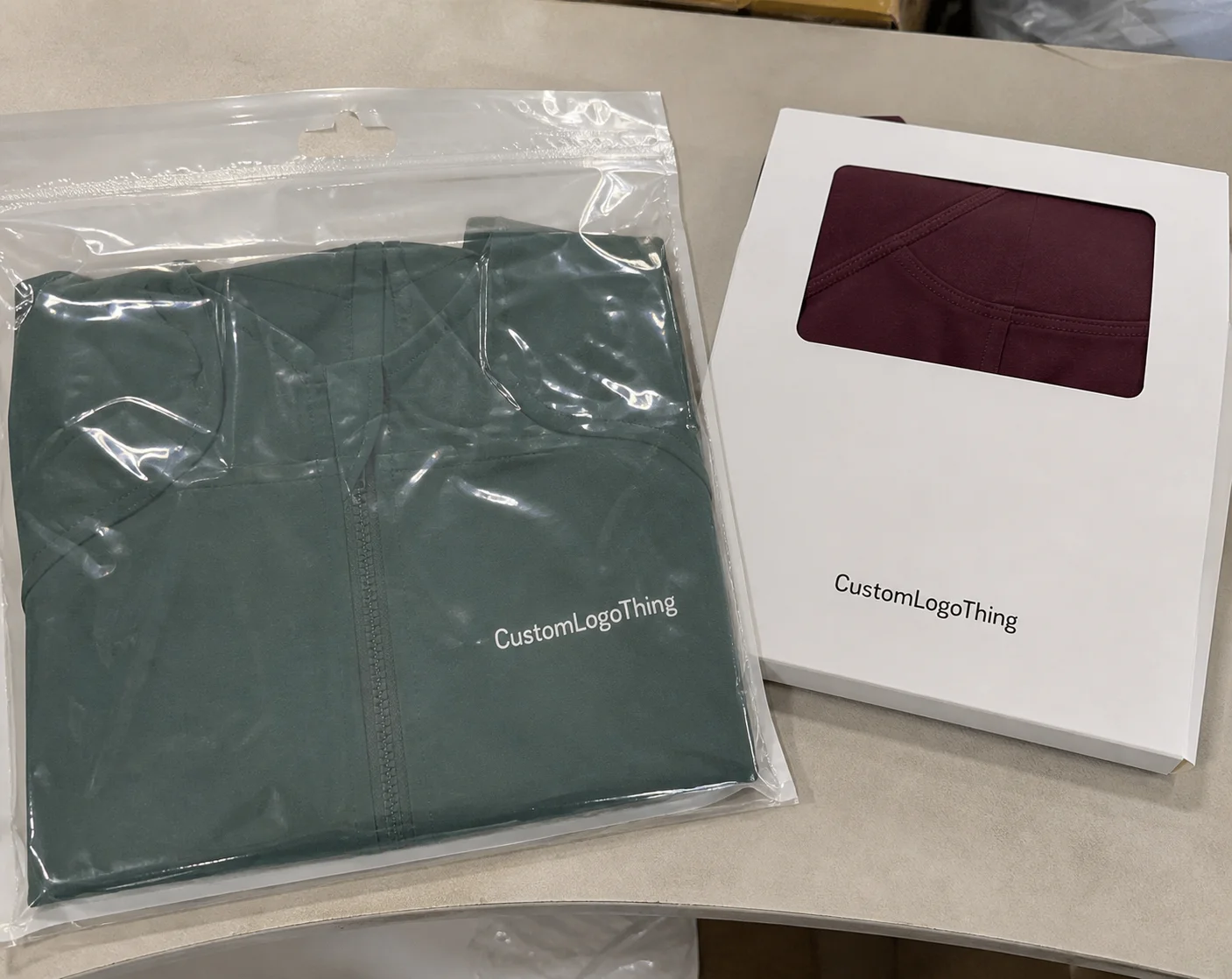
Buyer Fit Snapshot
| Best fit | build packaging brand identity cost review for packaging buyers comparing material specs, print proof, MOQ, unit cost, freight, and repeat-order risk where brand print, material, artwork control, and repeat-order consistency matter. |
|---|---|
| Quote inputs | Share finished size, material target, print colors, finish, packing count, annual reorder estimate, and delivery region. |
| Proofing check | Approve dieline scale, logo placement, barcode or warning zones, color tolerance, and any recyclable or compostable wording before bulk production. |
| Main risk | Vague material claims, crowded artwork, or missing packing details can create delays even when the unit price looks attractive. |
Fast answer: Build Packaging Brand Identity Cost Review: Dieline, Finish, Proof, and Buyer Review should be specified like a repeatable production item. The safest quote includes material, print method, finish, artwork proof, carton packing, and reorder notes in one written spec.
What to confirm before approving the packaging proof
Check the product dimensions against the actual filled item, not only the sales mockup. Ask for tolerance on folds, seals, hang holes, label areas, and retail display edges. If the package carries a logo, QR code, warning copy, or legal claim, reserve that space before decorative graphics fill the panel.
How to compare quotes without losing quality
Compare board or film grade, print process, finish, sampling route, tooling charges, carton quantity, and freight assumptions side by side. A lower quote is only useful if the supplier can repeat the same color, closure quality, and packing count on the next order.
How to Build Packaging Brand Identity starts with a simple truth I learned standing on a corrugator floor in Dongguan, Guangdong: customers touch the box before they trust what’s inside. I’ve watched buyers pick up a 350gsm C1S folding carton, run a thumb over a soft-touch coating, and decide in three seconds whether the brand feels premium, careless, or somewhere in between. That first tactile impression matters more than a lot of people want to admit. If you’re serious about how to build packaging brand identity, the package has to live inside the brand system, not sit off to the side like an afterthought.
At Custom Logo Things, I treat packaging as the quiet salesperson working on shelf, in transit, and on the kitchen table after delivery. If your product packaging says one thing while your website says another, customers feel that disconnect immediately. How to build packaging brand identity comes down to one job: make structure, graphics, materials, and the unboxing experience tell the same story, whether the order leaves a retail store in Los Angeles, a fulfillment center in Dallas, or a small warehouse in Newark, New Jersey. And yes, I have sat through more than one supplier call where everyone nodded politely while the box design contradicted the brand brief by a mile. Amazing how often that happens.
How to Build Packaging Brand Identity: What It Really Means
How to build packaging brand identity is not just picking a nice-looking box and slapping on a logo. It’s the mix of structure, print, finish, color, typography, and opening behavior that tells a customer who the brand is before they read a single sentence. I’ve seen brands spend $8,000 on gorgeous artwork and then bury it on a flimsy mailer that crushes in transit, which is why I always say the package needs to earn its place in the system. A box that fails after a 36-inch drop test in Chicago does not build trust, no matter how pretty the render looked.
In practical terms, package branding happens when every choice supports a recognizable personality. A rigid set-up box with a magnetic closure says something different from an E-flute corrugated mailer with kraft texture, and both can be right if they fit the product and the audience. Consistency matters. If your logo placement changes every run, your coating shifts from matte to gloss for no clear reason, or your insert style varies by supplier in Shenzhen versus Ningbo, the identity starts to feel random instead of intentional. That kind of drift shows up fast once you order 5,000 pieces and compare samples side by side.
Here’s the distinction most people miss. Packaging design is the visual and structural output for a specific box or carton, while brand identity is the repeatable system behind it. A single package can look good and still fail to build identity if it doesn’t fit the larger family of SKUs, shipping cartons, retail displays, and inserts. Honestly, that’s where a lot of expensive packaging programs fall apart. They get designed as one-offs instead of as a living system that can survive a reorder in 12 to 15 business days from proof approval.
On a client project for a skincare company in Orange County, we changed only three things—swapped a 24pt SBS carton for 28pt C1S artboard, added a restrained foil stamp, and standardized the logo clear space on every SKU—and their retail buyer told us the line suddenly “looked like a company that had been around for years.” That’s what how to build packaging brand identity looks like when it’s done right. Every detail, from corrugated flute choice to varnish, either reinforces the story or weakens it.
How Packaging Brand Identity Works Across the Customer Journey
How to build packaging brand identity gets clearer once you stop thinking only about the front panel. Identity begins the second someone sees a thumbnail online, a shelf facing in a store, or a shipping mailer on the porch. It keeps going as they open, remove, store, reuse, or throw away the package. That means retail packaging, ecommerce shipping, and secondary cartons all need to feel like they belong to the same company, whether the order ships from Atlanta, Georgia or a 3PL in suburban Chicago.
In the aisle, structure and color do a lot of the heavy lifting. A white SBS carton with precise typography reads differently from a natural kraft sleeve with one-color ink, and that difference is not accidental. It tells the customer something about price point, category, and brand values. I’ve stood next to buyers at trade shows in Chicago while they compared three boxes under harsh LED lighting. The one with the clearest hierarchy usually won because it could be understood in half a second. Buyers are not there to admire your creative genius. They are there to figure out what sells, usually before lunch and often with a deadline.
Once the package leaves the shelf, the story shifts into transit. A folding carton might be perfect for display, but if the product is fragile, the outer shipper has to protect it without wrecking the visual identity. That’s where Custom Printed Boxes, mailers, inserts, and void-fill choices need to work together. I’ve seen brands lose repeat orders because the outside shipper looked generic while the inner carton was elegant; the mismatch made the whole experience feel incomplete. And yes, it’s annoying to watch a beautifully designed product arrive in a box that looks like it was pulled from a random corrugated stack in a warehouse outside Memphis.
Different formats create different expectations. A rigid box signals higher perceived value and usually suits premium cosmetics, gifts, or electronics. A corrugated mailer suggests practicality, efficiency, and solid protection. A folding carton sits in the middle and can go either way depending on print quality and finish. If you’re figuring out how to build packaging brand identity, think about what each structure says before you ever place a logo on it. The same brand can feel luxury or budget just by changing from 1.5 mm grayboard to 16pt folding stock.
Material choice matters just as much. SBS paperboard, E-flute corrugate, natural kraft, and specialty stocks all change the emotional read of the package. A 14pt SBS carton with aqueous coating feels very different from a recycled kraft tuck-end box with soy-based ink. Consistency across factories in Dongguan, Suzhou, and Ho Chi Minh City, plus consistent dielines, is what keeps the identity dependable instead of patchwork.
“We thought the box was just shipping protection,” a beverage client told me after their first retail test in Austin, “but the package was actually doing the brand introduction for us.” That line stuck with me because it’s true: the box often speaks first.
Key Factors That Shape Packaging Brand Identity
When people ask me how to build packaging brand identity, I usually start with four visual anchors: color, typography, iconography, and imagery. Those elements are the backbone of recognition. If your brand uses Pantone 186 C as a signature red, for example, that color should show up consistently across cartons, inserts, shipping labels, and display trays unless there’s a deliberate reason to break the pattern. I’ve seen a single off-spec red shift the whole program from premium to “why does this look different this quarter?”
Typography deserves more respect than it usually gets. A condensed sans serif can feel modern and efficient, while a serif face can feel established or editorial. Weight, tracking, and hierarchy all affect readability on small packaging panels. I once worked with a nutraceutical brand whose font looked elegant on screen but disappeared once printed at 6 pt on matte stock from a factory in Dongguan. We shifted to a slightly heavier weight and shelf readability improved immediately. Tiny change. Huge difference. Funny how that works, right?
Then there are the tactile cues, and these can be powerful. Soft-touch coating gives a velvety feel that customers often associate with premium goods, while embossing and debossing add relief that catches light and fingers. Spot UV can create contrast if used with restraint, foil stamping can highlight a logo or border, and varnish can protect graphics or alter sheen. The trick is not to stack every finish at once. Three finishes on one carton usually feels louder than luxurious, especially on a 3000-piece run where setup costs already hit $420 before production starts.
Structural details also shape identity. Tuck styles, hidden magnets, inserts, windows, and closures all influence how the package opens and how the product presents itself. A well-planned opening sequence can make a $12 item feel more considered, while a clumsy insert can make a $120 item feel underdeveloped. That’s why how to build packaging brand identity always includes structure, not just artwork. A 2 mm gap in a rigid lid can change the whole perceived quality of the box.
Cost and pricing matter too, and I like being honest about that because packaging budgets are real. A simple folding carton might run about $0.15 to $0.28 per unit at 5,000 pieces for a 350gsm C1S artboard with matte aqueous coating, while a rigid box with custom insert and foil could land closer to $1.20 to $2.80 per unit depending on size, material, and factory location. Setup fees, die charges, plate costs, tooling, and finishing can easily add $300 to $2,500 before the first shipment leaves the plant. If you are building a multi-SKU program, standardizing one insert size or one board grade can save meaningful money over time.
Sustainability belongs in the identity conversation now, but it should be handled with discipline, not slogans. Recycled content, right-sizing, and mono-material decisions can support a brand’s values if they are real and measurable. The EPA has useful guidance on waste and materials reduction at epa.gov, and the Forest Stewardship Council is a credible reference point for paper sourcing at fsc.org. Recycled or certified stock still has to survive shipment, shelf life, and the unboxing, or the sustainability story loses credibility fast. A box that saves 8 grams of board but crushes in transit is not “green”; it’s just a return waiting to happen.
Brand voice also belongs on the list. The copy on the package should sound like the same company the customer met on the website, in the ad creative, or in the sales deck. If your online voice is warm and confident but your carton reads like a technical spec sheet, the identity fractures. I’ve seen brands fix this by revising only the call-to-action line and the back-panel copy, and the package suddenly felt much more coherent. Two changed lines. Same box. Better brand.
| Packaging Format | Typical Signal | Common Use | Approx. Unit Cost at 5,000 pcs |
|---|---|---|---|
| Folding Carton | Clean, efficient, scalable | Beauty, supplements, small consumer goods | $0.15–$0.28 |
| Corrugated Mailer | Practical, protective, ecommerce-ready | Subscription, DTC, shipping | $0.42–$1.10 |
| Rigid Box | Premium, giftable, high perceived value | Electronics, luxury, presentation sets | $1.20–$2.80 |
| Kraft Tuck Box | Natural, simple, eco-leaning | Food, wellness, artisanal goods | $0.20–$0.60 |
How to Build Packaging Brand Identity: Step-by-Step
Step one in how to build packaging brand identity is the audit. Pull samples from every current SKU, every factory, and every distribution channel, then lay them out on a table under the same light. I like doing this under a 5000K inspection lamp because it reveals color drift, inconsistent logo sizing, and finish variation in a way a computer screen never will. If the line feels generic, inconsistent, or off-brand, write down exactly where that happens, down to the millimeter.
Step two is defining the brand personality before choosing materials. Is the product playful, clinical, premium, rugged, or eco-forward? A brand selling premium candles in a retail boutique in Miami will usually need different structure and surface treatment than a direct-to-consumer pet supplement line shipping from Phoenix. That’s where how to build packaging brand identity stops being decoration and starts being a business decision.
Step three is building the system. A real system, not a mood board. Set rules for logo placement, color hierarchy, typography, imagery, icon use, and panel structure across every SKU. If the front panel has a white background for one product and a dark navy field for another, that can work, but there should be a reason, and the reason should be repeatable. In a strong system, the customer can recognize the brand from ten feet away and still understand the differences between products at arm’s length.
Step four is prototyping. Always test on press-ready dielines and physical samples, not just flat artwork. A design can look elegant in Adobe Illustrator and fail once the board is folded, glued, and filled. During a cosmetics rollout I managed for a client in Chicago, the first insert looked beautiful on paper but created pressure points that scuffed the jars; one adjustment to the cavity size saved us from a bad production run. That was a long day. Nobody in the room needed more coffee after that one, trust me.
Step five is production feasibility. This is the part designers sometimes skip, and I can usually tell because the artwork demands a finish the plant cannot hold cleanly at the specified quantity. Talk to your packaging partner about print method, lead times, registration tolerances, and approval checkpoints. If the brand wants a metallic foil on a high-speed line in Guangzhou, the factory needs time to calibrate. If you want custom printed boxes with tight overprint on a textured substrate, the spec has to allow for that reality. I’ve seen a lovely concept become a headache because the foil area was drawn with 0.3 mm linework and nobody checked tolerances before sampling.
Step six is rollout. Launching with a style guide is not glamorous, but it prevents the identity from drifting across replenishment orders, seasonal editions, and new product lines. I recommend documenting approved dielines, color values, coating specs, insert dimensions, and copy rules so every carton, shipper, and display tray follows the same logic. That’s how how to build packaging brand identity turns into something durable, whether the next run is 2,000 units or 20,000 units.
Practical rules that keep the system clean
- Use one primary logo version and one secondary version, not five.
- Limit the core palette to 2 to 4 colors per SKU family.
- Choose one signature finish, such as foil, embossing, or soft-touch, and use it consistently.
- Keep copy hierarchy the same across all products, even when graphics change.
- Review every new SKU against the original master spec before production.
One of my favorite factory-floor memories comes from a folding-carton plant in Shenzhen where a line operator pointed at three versions of the same tea box and said, in effect, “These are all good boxes, but only one looks like the same company made them.” He was right. Packaging identity lives in repetition, and repetition only works when the rules are clear. I’ve never forgotten that because it was blunt, funny, and absolutely correct. Also cheaper than fixing 15,000 misprinted cartons.
Process and Timeline: From Concept to Production
The timeline for how to build packaging brand identity depends on how custom the package is, but a realistic plan usually runs through briefing, structural development, artwork prep, sampling, approval, and manufacturing. For a straightforward folding carton program, I often see 12 to 15 business days from final proof approval to completed production, assuming materials are available and there are no special finishes slowing the line. Rigid boxes, specialty inserts, or molded components can take longer, especially if the factory is in Dongguan and the board needs to be imported from another region.
Briefing should happen first, and it needs to be specific. Bring product dimensions, fill weight, shipping method, shelf goals, target price, and any compliance needs to the table. A good brief prevents a lot of expensive backtracking later. If the product ships in a 12-inch corrugated master carton, and the retail carton needs to survive two drops from 30 inches, that changes the structure from the start. A supplier in Ningbo will spec that differently than one in Vietnam, and that difference matters before the first sample is even made.
Structural engineering comes next. This is where dielines, flute selection, board grade, and closure mechanics are developed. Digital mockups help, but physical samples matter more because board memory, glue areas, and fold behavior can create surprises. I’ve had a client insist that a top-opening rigid box looked perfect in renderings, only to discover the lid sat unevenly once the insert was installed; a 2 mm adjustment fixed the entire issue. Tiny millimeters. Big headaches. The wrong cavity depth on a 1.5 mm grayboard lid can ruin the feel fast.
Artwork prep and proofing should be treated like a control point, not a casual handoff. Color values, bleed, barcode placement, and compliance text need review, and if you are using foil or embossing, each element should be separated correctly in the file. For branded packaging programs, I also advise checking how the package will read under retail lighting and in mobile photos, because a lot of customers meet the box in a screenshot before they ever touch it. A box that looks rich in a studio at 5500K may turn muddy under warm LEDs in a store in Dallas.
Sampling reduces risk. A digital proof is useful, but it does not show how ink sits on a coated stock or how a flap folds after die cutting. Physical samples show real-world issues, and they can save a brand from a costly mistake. If the package has to pass ISTA distribution testing, especially for ecommerce shipments, that should happen before the full run. You can review ISTA guidance at ista.org. A test failure on 500 samples is annoying; a failure on 25,000 units is how finance teams learn new vocabulary.
Final manufacturing usually depends on finish complexity, quantity, and scheduling at the plant. Specialty finishes like soft-touch lamination or complex foil can slow throughput slightly, and tooling for a new die adds another timing layer. Add buffer time for seasonal launches, freight scheduling, and approval delays. I tell clients to plan a week more than they think they need, because packaging delays tend to show up at the worst possible moment. Usually right when everyone is already pretending they are calm. And the shipment is already booked on a truck leaving Long Beach at 6 a.m.
A simple planning window
- Brief and audit: 2 to 4 business days
- Structural development and first proof: 3 to 7 business days
- Revisions and sample approval: 3 to 10 business days
- Production: 12 to 25 business days depending on complexity
- Freight and receiving: 3 to 14 business days depending on route
If you are building a launch calendar, plan backward from the ship date rather than forward from the design meeting. I’ve seen too many teams work in the opposite direction and end up accepting a weaker package just to make the deadline. That’s usually how identity gets watered down. One missed proof at 4 p.m. in Shenzhen can cost a whole week.
Common Mistakes That Weaken Packaging Brand Identity
The biggest mistake in how to build packaging brand identity is overcomplication. Too many colors, too many fonts, too many finishes, and too many messages create a package that feels busy instead of memorable. One brand I reviewed used six colors, three foil shades, two icon styles, and four different type weights on a single carton. The result was expensive, but not coherent. It looked like three committees fought in a conference room and nobody won. The carton may have cost $1.60 a unit at 10,000 pieces, but it still looked confused.
Another common problem is designing for a screen first and a press second. On a monitor, everything looks perfectly crisp; on paper, ink gain, paper grain, and coating response change the outcome. A dark blue may dry slightly flatter on uncoated kraft, and a fine line may fill in on a textured stock. If the design team has not seen physical samples, they often miss those shifts until the pallet arrives from the plant in Suzhou.
Price-only decisions cause trouble too. Choosing the lowest-cost board or the thinnest corrugated spec can save pennies and cost dollars later when the product dents, bows, or fails in transit. I once sat with a purchasing manager who wanted to save $0.06 per carton; after we showed the damage rate from the current spec, he agreed that the “savings” were fake because returns were wiping them out. Six cents looked smart on the spreadsheet. It looked stupid in the returns report.
Ignoring the unboxing sequence is another quiet failure. Customers notice order, friction, and pacing. If the top flap opens awkwardly, if the insert lifts too easily, or if the product rattles in the cavity, the experience feels cheap even when the graphics look premium. How to build packaging brand identity has to include choreography, because the opening moment is part of the brand memory. A nice box that opens like a stubborn toolbox is still a bad box.
Inconsistency across vendors can erode recognition over time. Different factories may interpret a dieline slightly differently, or one printer may match a PMS color more closely than another. If a brand uses multiple sources without a master spec and press standards, the packaging starts to drift. That’s why I like to keep one approved reference sample on file and use it at every press check, whether the run happens in Dongguan, Vietnam, or Ohio.
Skipping sampling is a mistake I see too often with fast-moving teams. They want to save two weeks and a few hundred dollars, then discover a fit issue after 20,000 units are already in production. That is a very expensive way to learn that a tab was 1.5 mm too long or a closure magnet was too weak for the box weight. I’ve watched a “quick launch” turn into a rework plan that burned through six figures. Nobody enjoys that meeting.
- Busy design: too many visual elements competing for attention.
- Wrong substrate: material that fights the artwork or function.
- Poor transit testing: no validation for drops, vibration, or compression.
- Inconsistent production: colors, coatings, and folds vary across runs.
- Weak hierarchy: customers can’t quickly understand the product.
Expert Tips to Make Packaging Brand Identity Stick
If you want how to build packaging brand identity to actually stick, create a packaging style guide that covers color values, coatings, dielines, copy tone, and approved finishes. I’m not talking about a glossy brand book that sits in a shared drive; I mean a practical production guide that a designer, buyer, and factory can all use without guessing. Include exact specs where you can, such as 24pt SBS, E-flute, or 1.5 mm rigid board, and note when substitutions are allowed. A good guide also lists preferred suppliers in regions like Guangdong or Jiangsu if color matching is sensitive.
Pick one or two signature details and repeat them. Maybe it’s a black magnetic closure, a foil-lined interior lid, or a specific emboss on the logo. Those small cues become memory anchors. The human eye remembers repetition far better than novelty, and in packaging, memory is often what turns a one-time buyer into a repeat customer. I’ve seen a single silver foil border carry an entire skincare line through three years of reorder cycles.
Test in the real world. Put the box in a warehouse with 72-inch pallet stacking, ship it through parcel carriers, set it under retail LEDs, and photograph it with a phone in mixed light. I’ve seen beautiful boxes fail because the matte black looked gray under store lighting, or because the mailer scuffed at the corners after one UPS cycle. Packaging identity only matters if it survives actual use. If it can’t handle a 30-inch drop, the “premium” finish is just expensive decoration.
Sustainability should support the story, not sit on top of it like a sticker. If the brand values lower waste, then right-size the carton, reduce excess void-fill, and choose recycled or FSC-certified paper where appropriate. Do not force a “green” choice that compromises protection or shelf presence. A crushed box is not a responsible choice, even if the paper has a recycled claim. Replacing a 2-piece rigid box with a 24pt folding carton and a paper insert can cut material use by 18% if the product allows it.
Work closely with a manufacturer that understands print registration, converting, and finishing across multiple facilities. The difference between a decent vendor and a strong packaging partner often comes down to how they handle the small stuff: glue trap placement, foil tolerance, folding memory, and carton squareness. For brands looking for support on custom printed boxes, Custom Packaging Products can be a practical starting point for exploring materials and formats, while Case Studies can show how similar programs solved fit, finish, and branding challenges. I’ve spent enough time on factory floors in Dongguan and Shenzhen to know the details are where the money goes.
In one supplier meeting, a corrugated converter told me, “If we can’t repeat it 10,000 times, it’s not a design, it’s a prototype.” I still use that line with clients because packaging identity has to survive repetition.
Finally, repeat the identity across primary packaging, shippers, inserts, and retail displays. A customer should not feel like they are meeting four different brands during one purchase. If the outer shipper is plain brown and the inner carton is elegant, that can work, but the relationship between them should still feel intentional. That consistency is the practical heart of how to build packaging brand identity. If the whole system holds together from the 3PL in New Jersey to the shelf in San Francisco, you’ve done the job right.
Frequently Asked Questions
How do you build packaging brand identity for a new product line?
Start with the brand’s core promise, audience, and price point before choosing structure or artwork. Then create a repeatable system for color, typography, logo placement, and finishes so new SKUs still feel related. I always recommend prototyping early, because a concept that looks great on a screen can behave very differently once it becomes a folded carton or a filled mailer in a plant in Dongguan or a warehouse in Ohio.
What materials work best when building packaging brand identity?
Rigid boxes, folding cartons, corrugated mailers, and kraft options all communicate different value signals. The best choice depends on product weight, shipping needs, shelf presence, and the tactile impression you want customers to feel. There is no single “best” material; the right material is the one that supports both brand personality and real-world performance. A 350gsm C1S artboard carton may be perfect for a serum bottle, while a 32 E-flute mailer is smarter for subscription shipping.
How much does it cost to create a strong packaging brand identity?
Costs usually include design, dielines, plates or tooling, sampling, materials, printing, and special finishes. Simpler folding cartons may stay near the low end of the range, while rigid boxes with foil, embossing, or custom inserts increase cost quickly. If you standardize components across multiple SKUs, you can often reduce long-term cost while keeping the brand system consistent. For example, a 5,000-piece carton run might land at $0.18 per unit while a custom rigid presentation box could be $1.65 per unit before freight.
How long does it take to build packaging brand identity from scratch?
Timelines vary based on complexity, but strategy, samples, approvals, and production should all be planned together. Structural development and artwork proofing often take longer than brands expect, especially when custom finishes or new tooling are involved. I tell clients to add a buffer for revisions and freight, because launch delays usually come from the last 10% of the process. A realistic straight run for a folding carton program is often 12 to 15 business days after proof approval, plus 3 to 7 business days for freight depending on route.
What are the biggest mistakes in how to build packaging brand identity?
The most common mistakes are inconsistency, overdesign, and choosing materials that do not match the product or audience. Another major issue is failing to test the packaging in shipping and retail conditions before production. A clear packaging system, a good style guide, and a careful manufacturer review prevent most of those problems before they become expensive. I’ve watched a brand save $0.04 a unit on board and lose $14,000 to damage claims. That math is not impressive.
Learning how to build packaging brand identity is really learning how to make every box, carton, mailer, and insert say the same thing with confidence. If you get the structure right, choose materials with intent, keep the visual system consistent, and respect the realities of print and conversion, the package becomes part of the brand memory instead of just a container. Before you approve the next run, compare the sample against your master spec, check how it opens, and make sure it still feels like the same brand when it lands on a porch, a shelf, or a warehouse line. That’s the standard I use in the plant, in client meetings in Chicago and Guangzhou, and on every program where how to build packaging brand identity has to produce sales, trust, and a better unboxing experience.