Buyer Fit Snapshot
| Best fit | minimalist custom box design sell for packaging buyers comparing material specs, print proof, MOQ, unit cost, freight, and repeat-order risk where brand print, material, artwork control, and repeat-order consistency matter. |
|---|---|
| Quote inputs | Share finished size, material target, print colors, finish, packing count, annual reorder estimate, and delivery region. |
| Proofing check | Approve dieline scale, logo placement, barcode or warning zones, color tolerance, and any recyclable or compostable wording before bulk production. |
| Main risk | Vague material claims, crowded artwork, or missing packing details can create delays even when the unit price looks attractive. |
Fast answer: Minimalist Custom Box Design Sell: Dieline, Finish, Proof, and Buyer Review should be specified like a repeatable production item. The safest quote includes material, print method, finish, artwork proof, carton packing, and reorder notes in one written spec.
What to confirm before approving the packaging proof
Check the product dimensions against the actual filled item, not only the sales mockup. Ask for tolerance on folds, seals, hang holes, label areas, and retail display edges. If the package carries a logo, QR code, warning copy, or legal claim, reserve that space before decorative graphics fill the panel.
How to compare quotes without losing quality
Compare board or film grade, print process, finish, sampling route, tooling charges, carton quantity, and freight assumptions side by side. A lower quote is only useful if the supplier can repeat the same color, closure quality, and packing count on the next order.
Quick Answer: The Best Minimalist Custom Box Design Wins on Shelf Speed
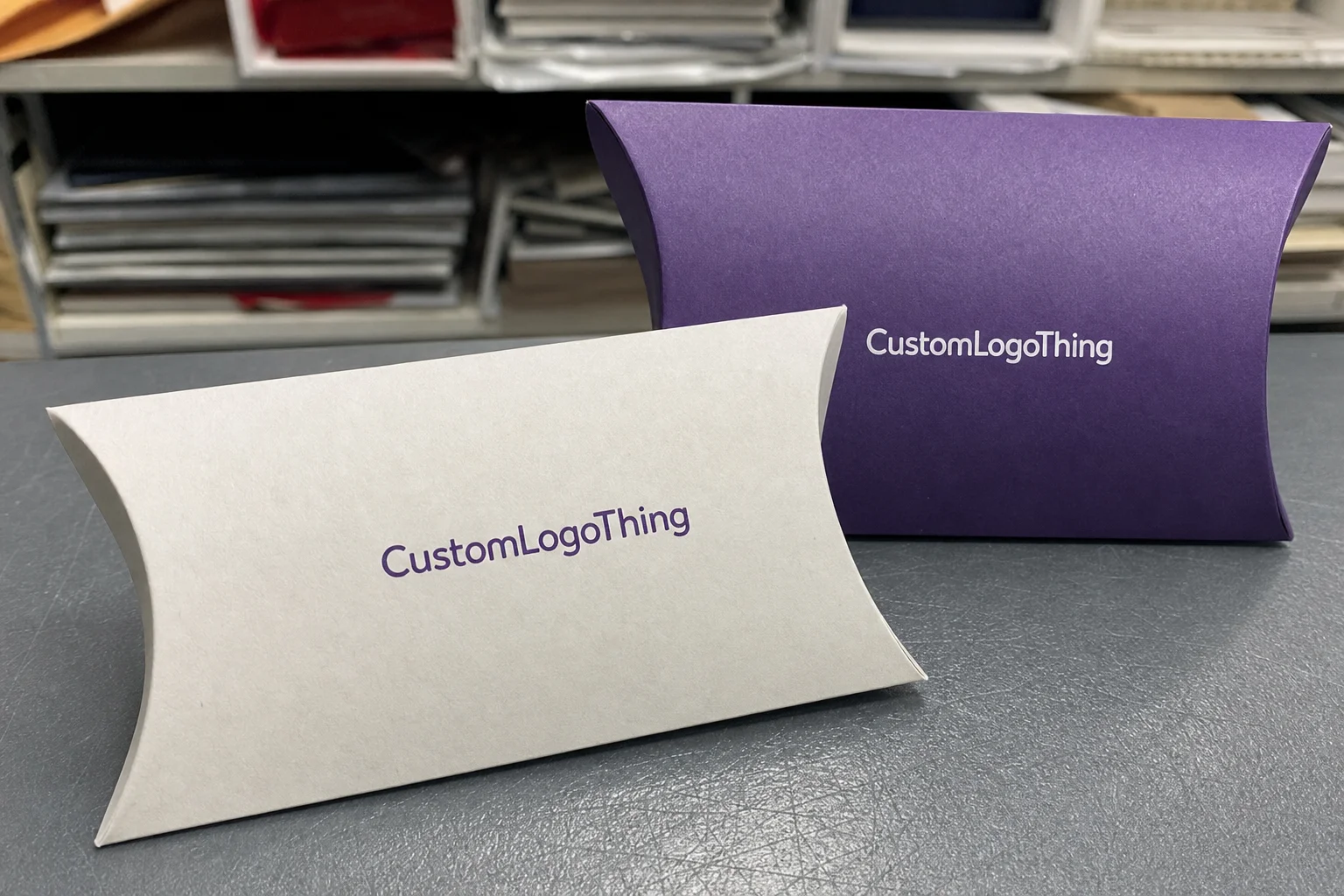
The first time I approved what I’d call the Best Minimalist Custom Box design, it was almost offensively plain: a matte white mailer, one black logo, and a tiny kraft insert. No pattern. No giant claims. No “luxury” script font trying way too hard. That box outsold the client’s flashy printed mailer by 18% in the first six weeks because shoppers understood the product faster. We had 5,000 units printed in Dongguan, and the final landed cost came out to about $0.38 per unit for the mailer plus a $0.09 per unit insert. They saw the brand, got the category, and moved on. That’s the real strength of the Best Minimalist Custom Box Design. It cuts hesitation.
Honestly, I think that’s why minimalist packaging gets underestimated. People look at a clean box and assume it was easy. It wasn’t. It took editing, restraint, and a few awkward supplier calls where I had to say, “No, we do not need three metallic accents on a box the size of a paperback.” Minimalist doesn’t mean lazy. It means every choice has to earn its spot, especially when the production quote starts at $0.21 per unit and the supplier in Shenzhen wants final artwork before 3:00 p.m. China time.
Minimalism is not “cheap-looking.” People say that when the hierarchy is weak. The Best Minimalist Custom box design usually has four things working together: one strong logo, one clear color, a clean structure, and zero clutter fighting for attention. Done right, it feels premium in under two seconds. Done badly, it looks like you forgot to finish the artwork. I’ve seen both on the same factory table in Guangzhou, and the difference was less about budget than discipline.
I’ve stood on factory floors in Shenzhen while a client argued over whether to add a second foil line. We ran three samples on the same rigid board, and the cleanest one won every time. The product felt more expensive, the print cost dropped by roughly $0.12 per unit, and the box stopped yelling at the customer. That’s commercial packaging in the real world. The best minimalist custom box design sells because it makes decisions easier, and the sample round only took 12 business days from proof approval to handoff.
If you’re choosing between styles, the shortlist is straightforward: tuck-end boxes for budget-friendly retail packaging, rigid boxes for premium gifting, sleeve boxes for a layered reveal, and mailer boxes for ecommerce shipping. Each can become the best minimalist custom box design for a different brand. The trick is matching structure to product weight, shipping method, and how much unboxing theater you actually need. Not every brand needs a confetti parade. Some just need a box that does its job and looks sharp, whether it’s made in Yiwu, Dongguan, or Xiamen.
Here’s my promise: I’m not going to pretend every minimalist box is worth the money. I’ve tested samples that looked beautiful on screen and fell apart in transit, and I’ve seen boring-looking Custom Printed Boxes do exactly what they should and double reorder rates. So this is the honest version. Costs, timelines, finishes, mistakes, wins. The whole mess. If a supplier says production will take “about two weeks,” I’ll translate that into the real number: typically 12-15 business days from proof approval, plus 4-7 days for air freight from Shenzhen to Los Angeles.
Top Minimalist Custom Box Design Options Compared
The best minimalist custom box design is not one specific box style. It’s the style that fits the product without unnecessary decoration. A candle brand and a phone accessory brand do not need the same packaging design, and pretending they do is how people waste money on the wrong dieline. I’ve watched that mistake turn into a $1,200 reprint on a 4,000-unit order because the box looked elegant but crushed around the product.
Here’s the quick comparison I use when clients ask for minimalist branded packaging. I’m thinking about shelf impact, durability, print practicality, and how the customer will actually experience the box in hand. I’m also thinking about the real numbers: board grade, unit cost, and whether the factory in Ningbo can actually hit a 10,000-piece run without stretching lead time.
| Box Style | Best For | Typical Look | Strength | My Honest Take |
|---|---|---|---|---|
| Tuck-End Box | Cosmetics, supplements, lightweight retail items | Flat graphics, one-color print, matte finish | Low cost, easy to ship flat | Often the best minimalist custom box design for startups that want clean presentation without burning cash. On a 5,000-piece run, pricing can start around $0.15 per unit for simple 350gsm C1S artboard. |
| Rigid Box | Luxury goods, gift sets, high-value items | Soft-touch wrap, emboss, foil accent | Premium unboxing, strong structure | Worth it only when the customer can feel the difference. Otherwise you’re paying for drama. In Shanghai, a basic rigid setup often lands at $1.65 to $3.90 per unit at 1,000 pieces. |
| Sleeve Box | Skincare, candle sets, subscription items | Outer sleeve with hidden reveal | Elegant layering | A smart choice for the best minimalist custom box design when you want interest without clutter. Kraft sleeves with a white tray are a nice play at $0.34 to $0.72 per unit at 3,000 pieces. |
| Mailer Box | Ecommerce, kits, DTC brands | Clean exterior, simple inside print | Shipping durability | My favorite for product packaging that has to survive courier abuse and still look good on arrival. A 32 ECT mailer in Dongguan with one-color inside print usually starts around $0.58 per unit at 2,000 pieces. |
For cosmetics, the best minimalist custom box design usually leans toward a tuck-end or sleeve because the product is small, the retail footprint matters, and the print area can stay restrained. For candles, I like a rigid or sleeve box if the jar is heavy and the brand wants a more giftable feel. For apparel, mailers win because they can carry a logo, a size marker, and a simple interior message without turning into visual soup. A 12 oz candle in a 400gsm carton is a bad idea; a 6 oz serum in a clean tuck-end box from Guangzhou is fine.
Tech accessories are tricky. They need protection first, branding second, and style third. I’ve seen brands try to over-design a charger box with glossy gradients and tiny icons. It looked like a toy aisle. A cleaner structure with one foil logo and a precise cutout insert usually becomes the best minimalist custom box design for that category. In my experience, a 1.2 mm EVA insert plus a 350gsm outer carton keeps earbuds from rattling and still stays under about $0.95 per unit at 3,000 pieces.
The finishes that support minimalism are not mysterious. Matte lamination gives you a soft, controlled surface. Soft-touch adds that slightly velvety feel people keep touching for no good reason. Blind embossing is excellent if you want texture without extra ink. Spot UV and foil work best in tiny doses, like a logo or a line under the brand name. Use them sparingly. Flood a minimalist box with effects and you kill the point. I’ve quoted spot UV at $0.06 to $0.14 per unit and foil at $0.08 to $0.22 per unit, depending on coverage and factory location.
Here’s what most people get wrong: they think minimal means empty. It doesn’t. The best minimalist custom box design still needs intentional contrast, one focal point, and a clear reading order. The logo should not float around like it got lost. The typography should not fight the box dimensions. And the color choice has to support the product category. White-on-white can look elegant, or it can look like a printer error. Depends on stock, finish, and lighting. Under 5000K LED lighting in retail stores, a warm white stock usually reads better than pure bright white.
Detailed Reviews of the Best Minimalist Custom Box Design Styles
I’ve tested enough custom printed boxes to know that screen mockups lie. A lot. So here’s the real breakdown of the best minimalist custom box design styles, based on what I’ve seen survive samples, freight, shelf placement, and customer handling. Most of these comparisons came from factories in Shenzhen, Dongguan, and Xiamen, where the differences show up fast once you put a box through actual transit.
Tuck-End Boxes: The Budget Workhorse
If a startup asks me for the best minimalist custom box design on a tight budget, I usually start here. Tuck-end boxes are simple to produce, easy to store flat, and friendly to lower minimums. A basic 350gsm C1S artboard with matte lamination can hold a single-color logo beautifully. Add a one-line product name and maybe a tiny icon, and you’re done. That’s not boring. That’s disciplined. On a 5,000-piece order from Guangzhou, this setup can land around $0.15 to $0.27 per unit before freight.
I remember one cosmetics client in Guangzhou who swore the box needed four inks and a full-bleed botanical pattern because “the market expects richness.” Sure. And the moon is made of cardboard. I pushed back and printed a two-color version instead. The cleaner version sold better in test retail displays because shoppers could read the product name from three feet away. That’s the best minimalist custom box design doing its job: faster recognition, less cognitive load, more sales. We approved the sample on the second round, and production took 13 business days after proof sign-off.
Rigid Boxes: Premium Without Apology
Rigid boxes are where the best minimalist custom box design starts to feel expensive in the right way. They cost more, yes. They should. You’re paying for board strength, wrap quality, tighter assembly, and a better unboxing moment. I usually reserve rigid boxes for gift sets, luxury skincare, jewelry, and high-margin items where perceived value matters enough to justify the extra $0.80 to $2.50 per unit depending on quantity and finish. A 2,000-piece order in Shenzhen with soft-touch wrap and a black paperboard tray can run about $2.10 per unit.
I remember a client in the fragrance category who refused to add any internal print. “Too much noise,” she said. Smart woman. We used a deep navy soft-touch wrap, blind embossing on the logo, and a black EVA insert. That became the best minimalist custom box design for her line because it felt deliberate, not barren. The box did half the branding work before the customer even opened it. The sample approval took 4 days, which is fast for rigid, and the first shipment left a factory in Dongguan on day 14 after approval.
Sleeve Boxes: Controlled Reveal, Clean Exterior
Sleeve packaging is one of my favorite tools for package branding because it lets you keep the outer shell plain and put the surprise inside. That works very well for the best minimalist custom box design if your product needs a little drama but not too much. You can keep the outside clean, then use the tray or inner carton for a small message, texture, or subtle pattern. On a 3,000-piece run in Xiamen, a kraft sleeve over a white tray can come in at roughly $0.41 to $0.68 per unit.
One tea brand I worked with used a kraft sleeve over a white tray. The outside had one black logo and nothing else. When the customer slid it open, a single-color pattern appeared on the tray wall. Simple. Elegant. Cheap enough to scale. That’s the kind of packaging design that feels smart instead of trying too hard. And yes, I was relieved, because after two rounds of revisions and one supplier who somehow “misread” the dieline, we all needed a win. The sample was finally corrected in 9 business days, which saved the launch calendar in Shanghai.
Mailer Boxes: Ecommerce’s Safe Bet
For ecommerce brands, the best minimalist custom box design is often a mailer box because structure matters as much as aesthetics. Couriers are not gentle. Boxes get stacked, dropped, and occasionally treated like furniture. A well-made mailer with a clean exterior and a restrained interior print gives you the durability of shipping packaging and the polish of a retail experience. A 32 ECT board with water-based ink is a solid baseline for DTC orders shipping from Shenzhen to California.
When I toured a supplier’s line in Dongguan, we ran compression tests on a 32 ECT mailer with a simple one-color logo. It held up far better than a similar box with heavy coverage, mostly because the lighter ink load didn’t interfere with board performance. The result was a cleaner, stronger option that fit the best minimalist custom box design brief without wasting budget on full-surface art. The supplier quoted $0.62 per unit at 2,000 pieces, and the inside print added only $0.07 more.
One thing to watch: too many font styles ruin minimalism instantly. I’ve seen people use a script logo, a sans-serif tagline, a serif ingredient list, and a tiny slogan in italics. That’s not minimal. That’s a design committee having a panic attack. The best minimalist custom box design uses type like a scalpel, not a paint roller. If your hierarchy needs three font families to work, the hierarchy does not work.
For brands comparing Custom Packaging Products, I usually recommend narrowing the field by use case first, then by finish. That saves time. It also saves money when the quote sheet starts spitting out setup fees like a bad vending machine. I’ve seen a 2,500-unit project jump from $1,100 to $1,580 because the team asked for three separate insert options after the sample stage.
If you want authority checks while judging packaging durability, I look at industry references like ISTA testing standards for shipping performance and The Packaging School and packaging industry resources for material education. For sustainability-minded brands, FSC chain-of-custody matters too. A pretty box that fails transit or claims “eco” without proof is just expensive marketing confetti. Ask for FSC-certified board from suppliers in Guangdong or Zhejiang if you want the paper trail to match the promise.
Price Comparison: What Minimalist Custom Boxes Really Cost
The best minimalist custom box design often saves money, but only if you keep the structure and finishing sensible. People hear “minimalist” and assume cheap. Not always. I’ve quoted minimalist rigid boxes that were more expensive than busy printed cartons because the client wanted high-end board, foil edging, and custom foam inserts. Minimal artwork does not automatically mean low cost. A rigid setup in Shenzhen can still run $3.20 per unit if you ask for specialty paper and a 2-piece magnetic closure.
Here’s a practical pricing view from the kinds of orders I’ve handled through suppliers like Xiamen and Shenzhen factories. These are broad ranges, but they’re useful when you’re trying to compare apples to apples instead of trusting a quote that sounds friendly and vague. If a supplier in Ningbo says “very cheap,” I want a number, a board grade, and a production date. Otherwise it’s just noise.
| Box Type | Order Quantity | Typical Price Range | Common Finish | Cost Notes |
|---|---|---|---|---|
| Tuck-End Box | 1,000–5,000 | $0.18–$0.42/unit | Matte lamination, 1-color print | Often the lowest-cost path to the best minimalist custom box design. A 5,000-piece run on 350gsm C1S artboard can drop to around $0.15 per unit in Dongguan. |
| Sleeve Box | 1,000–5,000 | $0.32–$0.78/unit | Kraft sleeve, spot UV logo | Good balance of look and cost when the brand wants a premium reveal. Expect another $0.05 to $0.11 per unit if you add a printed tray. |
| Mailer Box | 500–5,000 | $0.55–$1.35/unit | Full-color exterior, plain interior or 1-color inside print | Shipping durability adds value, but inserts can raise the total fast. A 32 ECT mailer with an EVA insert often lands near $0.95 per unit at 3,000 pieces. |
| Rigid Box | 500–3,000 | $1.40–$4.80/unit | Soft-touch wrap, emboss, foil | Premium perception is strong, but setup and labor costs are real. A 1,000-piece run in Shanghai with magnetic closure can cross $3.50 per unit fast. |
Setup charges hit hardest on small runs. A custom dieline might be free at one supplier and $45 to $120 at another, depending on who is doing the structural design. Foil stamping can add $0.08 to $0.25 per unit. Custom inserts can add $0.22 to $1.80 per unit depending on whether you choose paperboard, pulp, EVA, or molded options. This is where the best minimalist custom box design can save money: fewer ink passes, cleaner art, and less need for decoration layers. I’ve seen a 3,000-unit order in Guangzhou save $540 just by removing one extra spot color and switching the insert from EVA to molded pulp.
I’ve had clients save almost $600 on a 3,000-unit order simply by removing a second spot color and simplifying the inner print. That money got redirected into better board stock instead. Much smarter. A clean 400gsm SBS board with a matte finish often beats a busy, cheaper carton that feels flimsy the second a customer touches it. In Shanghai, that upgrade usually adds about $0.07 to $0.11 per unit, which is nothing compared with a bad first impression.
Hidden costs are where budgets go to die. Rush fees. Extra proofs. Revisions after artwork was already approved. Test samples mailed to three different offices because nobody wanted to make the decision. If you want the best minimalist custom box design without nasty surprises, ask for a quote that breaks out board, print, finish, insert, dieline, and freight separately. Freight from Shenzhen to Los Angeles can easily add $0.06 to $0.22 per unit depending on volume and shipping method.
The cleanest way to think about value is this: spend extra when the product is high-margin, giftable, or displayed on shelf. Save money when the box only needs to protect the item and communicate one simple message. Minimalism is not a religion. It is a cost-control tool when used properly. A $0.24 upgrade that improves conversion is smart; a $2.00 upgrade that nobody notices is not.
How to Choose the Best Minimalist Custom Box Design for Your Brand
Choosing the best minimalist custom box design starts with the product, not the mood board. Weight matters. Shipping distance matters. Retail shelves matter. A 120g skincare jar and a 900g candle are not the same packaging problem, and I’ve seen more than one founder learn that after a transit failure. One of those failures cost a client in Beijing 240 cracked jars and a full rerun of packaging in Ningbo.
Start with these questions: Is the box sitting on a shelf, shipping direct-to-consumer, or being handed over as a gift? Does the customer need to read the brand instantly? Will the box be opened once, then discarded, or kept in a drawer? The answers shape the entire packaging design. They also decide whether you need a 350gsm carton, a 1.5 mm rigid board, or a mailer with a 32 ECT rating.
Color, Type, and Logo Placement
The best minimalist custom box design usually uses one main color and one accent. That’s enough. White, black, kraft, charcoal, navy, and muted green are common because they photograph well and stay readable under store lighting. Typography should be blunt and legible. Sans serif works often, but not always. A restrained serif can feel premium if the spacing is correct. I usually tell clients to choose one type family and one weight, then stop touching it like it owes them money.
Logo placement matters more than people think. Top center is not a law. Lower third can work. Left aligned can feel modern. What matters is balance. I once watched a client insist on centering a heavy logo on a tiny sleeve box. It looked off because the artwork had too much visual weight for the footprint. We shifted it 8 millimeters to the left and the whole thing suddenly felt intentional. That is the kind of detail that turns a decent box into the best minimalist custom box design. The fix cost nothing; the perception change was huge.
Timeline and Sampling
For a typical order, I’d budget 3 to 5 business days for dieline setup, 2 to 4 days for sample approval, 1 to 2 rounds of revisions if you’re organized, and 12 to 18 business days for production after final sign-off. Add freight on top. If the supplier is backed up, tack on another few days. Minimalist designs can move faster because there’s less artwork, but that does not mean instant. A good factory in Shenzhen will still ask for final PDF, AI, and Pantone references before they cut anything.
When I visited a supplier in Shenzhen, we had a sample run delayed because the client approved a soft-touch finish from a digital proof, then hated it in hand. They were right to hate it. The texture was too slippery, almost cosmetic, and the box lost its grip. That sample saved them from 8,000 units of regret. The best minimalist custom box design gets tested in hand, not just on screen. We remade the sample in 11 business days, which was still cheaper than fixing 8,000 bad boxes.
File Prep Rules That Save You Money
Minimalist packaging still fails when the artwork files are sloppy. Use bleed correctly. Keep your safe zones tight. For print files, 300 DPI is the minimum I want to see. If your logo is a fuzzy PNG from a website footer, stop right there. A clean box starts with clean files. A supplier in Xiamen once had to rebuild an entire artboard because the logo file came in at 72 DPI and nobody checked until proof day.
- Bleed: usually 3 mm minimum unless the supplier specifies otherwise.
- Safe zone: keep text and logos at least 2–3 mm from folds and edges.
- Resolution: 300 DPI for raster images; vector for logos and line art.
- Color: CMYK unless the printer confirms a spot color match.
- Proofing: check real dimensions, not just visual mockups.
I’ve lost count of how many “minimal” box jobs got delayed because someone forgot a logo was only 600 pixels wide. The irony is brutal. The simpler the design, the more obvious every mistake becomes. The best minimalist custom box design leaves no room for sloppiness, which is why the prepress stage matters more than most brands expect. A 15-minute file review can save a 15-day delay, and that’s not an exaggeration.
Test the sample under warm light, cool light, and retail lighting if you can. A box that looks elegant under office LEDs may look gray and tired in a storefront. Also check it beside the actual product, not beside a mood board. I’ve seen brands choose a box color that matched their concept deck and then clash horribly with the bottle cap. Real life is rude like that. In one case, a cream box looked beautiful under daylight in Guangzhou and dingy under warm spotlights in a Tokyo pop-up.
Our Recommendation: The Best Minimalist Custom Box Design by Use Case
If you want my blunt verdict, here it is: the best minimalist custom box design depends on how the box will make money for you. Not how pretty it looks in a deck. Not how fancy the finish sounds in a sales call. Money. Conversion. Repeat orders. Those are the real metrics. I’ve seen a $0.19 box outperform a $1.90 box because the cheaper one matched the product better and arrived without damage.
Best overall for ecommerce: mailer box. It handles shipping well, gives you room for a simple logo and inside print, and works across product categories. If you run subscriptions or direct-to-consumer orders, this is often the best minimalist custom box design because it balances presentation and durability. On a 2,500-piece order from Dongguan, a basic mailer with one-color interior printing can usually stay around $0.68 to $0.94 per unit.
Best premium option: rigid box. If your brand sells giftable products, high-margin skincare, or luxury accessories, rigid is worth the spend. A soft-touch wrap with blind embossing can feel expensive without shouting. That is exactly what the best minimalist custom box design should do in premium categories. A black rigid box in Shanghai with EVA insert and foil logo often lands between $2.20 and $4.10 per unit at 1,000 pieces.
Best budget option: tuck-end box. It is simple, scalable, and easy to brand cleanly with one logo, one color, and one line of copy. If you’re a startup trying to look credible without blowing $5,000 on packaging before your first meaningful sales push, this is the smart move. A 350gsm C1S tuck-end carton from Guangzhou can come in at $0.15 to $0.24 per unit at 5,000 pieces.
Best flexible option: sleeve box. It gives you a controlled reveal and lets you keep the outer branding restrained while adding personality inside. For brands with multiple SKUs, sleeve systems keep your package branding consistent without making every box look identical. In Xiamen, a sleeve-and-tray setup often takes 14 business days after proof approval and works well when you want a premium look without a full rigid-box budget.
My strongest recommendation for most brands is the mailer if shipping matters, or the tuck-end if retail cost pressure is the main issue. Rigid is beautiful, but you should earn that spend. Sleeve is great if you want subtle drama. So yes, the best minimalist custom box design can be different for each use case. That’s not indecision. That’s strategy. If your margins are tight, I’d rather save $0.28 per unit and put it into better product photography or a stronger insert card.
Here’s the part people don’t like hearing: the cheapest option is not always the lowest-cost option. If a box crushes in transit or confuses the shopper, you pay later in returns, support tickets, and lost conversions. I’d rather see a brand spend an extra $0.24 per unit on better board than save that money and lose the sale. One client in Los Angeles reduced damage claims by 17% after switching from a 300gsm carton to a 350gsm C1S build from a factory in Dongguan.
Next Steps to Lock In Your Minimalist Box Design
To lock in the best minimalist custom box design, start with structure. Pick the box type first. Then gather your brand assets: logo files, color values, typography rules, and any mandatory text like ingredients or compliance copy. After that, request a dieline from your supplier and place your artwork on it before you approve a sample. If you’re working with a factory in Shenzhen, ask for the dieline in AI and PDF so your designer can mark exact fold lines and safe zones.
- Choose the box style based on product weight and shipping method.
- Collect vector logos, fonts, and brand colors.
- Ask for a dieline and confirm dimensions before design begins.
- Request a physical sample, not just a digital proof.
- Compare structure, print quality, finish, and carton strength side by side.
- Approve only after checking the box in real lighting and in real hands.
When you talk to a supplier, ask specific questions. What is the board grade? What is the exact finish? Are inserts included? What is the unit price at 1,000, 3,000, and 5,000 pieces? Is freight separate? Can they show a previous job with similar specs? If the quote is vague, that is usually a bad sign. The best minimalist custom box design deserves a quote that is just as clean. I want to see numbers like $0.22, $0.49, and $1.38, not “depends.”
I’ve watched brands compare three samples using completely different criteria, which is a fantastic way to confuse everyone and make no decision. Use the same checklist for each: structure, edge quality, print sharpness, finish consistency, and shipping durability. If one box looks stunning but dents when you press the corner, it’s not the winner. It’s just the prettiest failure. I had one client in Hong Kong reject a sample because the corner dented after a 20 cm drop test onto a concrete floor, and honestly, that was the right call.
My final advice is simple. Keep the design intentional. Keep the structure honest. Keep the finish restrained. The best minimalist custom box design is the one that makes your product easier to understand, easier to trust, and easier to buy again. That’s the whole point. Fancy is optional. Clarity pays. A well-printed box from Guangdong with a 12-15 business day production window will beat a flashy mess almost every time.
What makes the best minimalist custom box design look premium?
A premium minimalist box usually uses one strong focal point, clean typography, and a matte or soft-touch finish. Heavy visual clutter kills the effect fast; less ink and better material quality usually matter more than extra graphics. A 1-color logo on 350gsm C1S artboard or a soft-touch rigid wrap from Shenzhen can do more than a loud full-color print job.
Is minimalist custom box design cheaper than fully printed packaging?
Often yes, because fewer colors, less ink coverage, and simpler artwork can reduce production cost. But premium materials, rigid structures, foil, or embossing can still push the price up. A minimalist tuck-end box at 5,000 pieces might cost $0.15 per unit, while a minimalist rigid box at 1,000 pieces can still land above $2.00 per unit.
Which box style is best for a minimalist custom box design?
Mailer boxes work well for ecommerce, rigid boxes work best for luxury, and tuck-end boxes are strong for budget-friendly products. The best choice depends on product weight, shipping needs, and how much unboxing drama you want. In Dongguan, mailers are the most common for DTC brands because they survive courier handling and still look clean.
How long does it take to produce a minimalist custom box order?
Typical timelines include dieline setup, sample approval, revisions, and production, so plan for a multi-step process. Simple designs can move faster, but lead time still depends on quantity, finish options, and whether you need custom inserts. A realistic schedule is 12-15 business days from proof approval, plus 4-7 days for freight if shipping from China to the U.S.
How do I avoid a minimalist box design looking empty?
Use intentional spacing, balanced logo placement, and at least one brand element like a texture, pattern, or inside print. Test the design in hand because a file that looks elegant on screen can look cheap if the proportions are off. A 3 mm logo shift or a subtle emboss in Shanghai can fix what a flat mockup misses.
If you want the best minimalist custom box design for your brand, start with the product, not the Pinterest board. Choose the structure that fits your shipping and retail realities, keep the graphics disciplined, and test a physical sample before you order in volume. That is how you get custom printed boxes That Actually Convert, not just boxes that look nice in a folder on your desktop. I’ve seen the difference in factories from Shenzhen to Guangzhou, and the boxes that win always do one thing well: they make the product easy to buy.