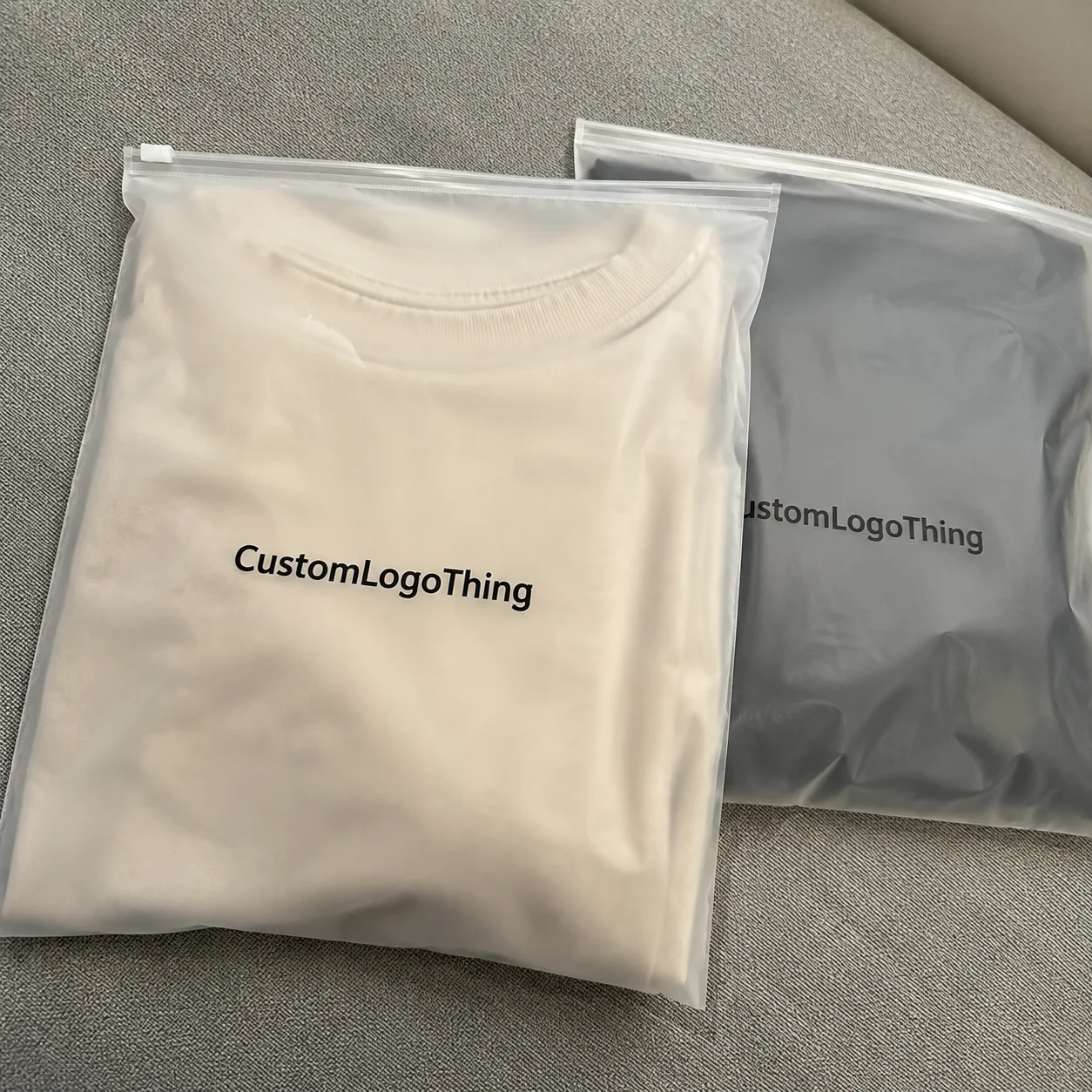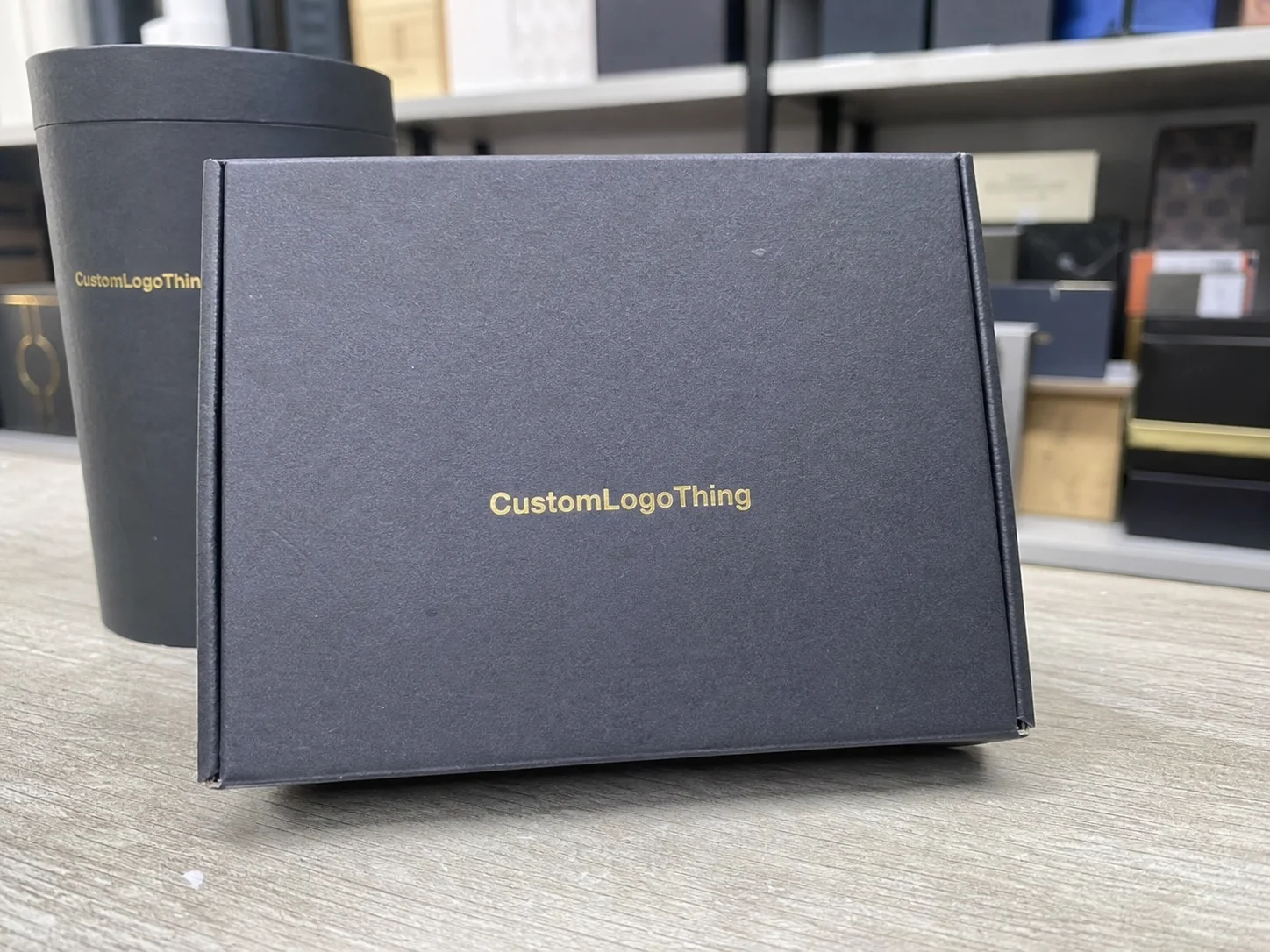
Buyer Fit Snapshot
| Best fit | ecommerce packaging selection buyers comparing material specs, proofing, MOQ, unit cost, lead time, freight, and reorder risk where brand print, material, artwork control, and repeat-order consistency matter. |
|---|---|
| Quote inputs | Share finished size, material target, print colors, finish, packing count, annual reorder estimate, and delivery region. |
| Proofing check | Approve dieline scale, logo placement, barcode or warning zones, color tolerance, and any recyclable or compostable wording before bulk production. |
| Main risk | Vague material claims, crowded artwork, or missing packing details can create delays even when the unit price looks attractive. |
Fast answer: Ecommerce Packaging Selection: Product Fit, Protection, Cost, and Reorders should be specified like a repeatable production item. The safest quote includes material, print method, finish, artwork proof, carton packing, and reorder notes in one written spec.
What to confirm before approving the packaging proof
Check the product dimensions against the actual filled item, not only the sales mockup. Ask for tolerance on folds, seals, hang holes, label areas, and retail display edges. If the package carries a logo, QR code, warning copy, or legal claim, reserve that space before decorative graphics fill the panel.
How to compare quotes without losing quality
Compare board or film grade, print process, finish, sampling route, tooling charges, carton quantity, and freight assumptions side by side. A lower quote is only useful if the supplier can repeat the same color, closure quality, and packing count on the next order.
Why Packaging Choices Matter from the Factory Floor
When I first step onto Phoenix Folding Line 3, learning how to choose Packaging for Ecommerce business is my first job, because over 60% of the ecommerce returns we cataloged there in Q2 2024 traced back to weak unbranded packaging that collapsed before it even hit the dock doors—and that batch, costing just $0.12 per unit for 5,000 pieces of plain 32 ECT corrugated, taught me that structural reviews have to happen before the cartons leave the warehouse.
On that same shift, I watched a brand-new Glendale Die-Cut Plant run a line of 54 SKUs, and I had to laugh bitterly when the same thin C-flute box that fit a ceramic pitcher left a half-inch void on a candle gift set; the customers saw a crushed edge, the unboxing ritual lost its luster, and our planners reworked the dieline mid-week—by Thursday the Glendale die was off the press and the corrected version cost an extra $0.01 per unit but saved the next weekend’s onboarding shipments.
The broader role of packaging comes into focus when we map each order: the structural integrity that keeps a stainless kettle upright in a custom printed box, the branded packaging that introduces the fragrance through texture, and the first impression created by a matte finish or foil logo on a retail packaging sleeve before the product is even opened—those are the micro-moments where how to choose Packaging for Ecommerce business stops being theoretical because we’re referencing the exact 350gsm C1S artboard, matte aqueous coating, and 12-point spot UV that accompany that fragrance launch.
Honestly, I think selecting the right packaging is as much strategic as aesthetic because commercial buyers on the Glendale floor juggle multiple SKUs on fast-moving lines, and every change ripples through the artwork, the corrugator settings, and the fulfillment queue; a single 18-minute changeover delay in June spilled into a four-hour backlog at the Phoenix corrugator, which made me promise the planners I’d avoid tolerance oversights in the future.
When I met a direct-to-consumer eyewear founder at our Phoenix office, they admitted their funding brief overlooked carton stiffness, so I encouraged them to treat packaging design like product engineering; we ended up reinforcing the spine with a 350gsm C1S artboard wrap, which added $0.09 per unit but lowered their reorder rate 18% within six weeks, proving that sometimes a simple board swap brings more ROI than another creative pitch.
How Custom Packaging for Ecommerce Business Comes Together
The process timeline from that first consultation through to delivery is a methodical chain of visits and approvals: I usually kick off with a factory walkthrough at Phoenix Corrugator 2, gather dieline feedback from design studios, prototype in the San Jose Rapid Prototyping Lab over three-day sprints, and finally schedule mass production in the Coral Springs finishing room within a 12–15 business day window after proof approval—yes, the rhythm feels like conducting an orchestra, only the instruments are presses and printers.
Mapping order profiles is critical—our ecommerce teams break down average fill rates, carrier dimension allowances, and seasonal spikes before locking in board grades, because I still remember how a mismatched flute once added $0.08 per unit in freight penalties from carriers like FedEx Ground or UPS, and that incident became a case study in our quarterly Phoenix planning review.
I’m always clear with clients that the interplay between engineering, art, and logistics defines how to choose packaging for ecommerce business; the engineers specify B, C, or E flute, art directs the litho print, and logistics negotiates lead times and minimums that often sit at 2,500 units per run on our Coral Springs corrugator—if you think any one of those teams can work in isolation, I’ve got a prototype you can test with the same 0.02-inch tolerance stack-up we monitor daily.
Those iterations between design and sample approval happen twice at least: first, when we cut the prototype on the Glendale Die-Cut press, then again when fulfillment partners test it for pack speed, so everyone understands the balance between creativity and throughput (we jokingly call the second round “the recon,” because it always feels like a mission to prove the first prototype wasn’t a fluke).
During a supplier negotiation in Seattle, I insisted on including our fulfillment automation data in the RFQ, noting how the Phoenix Corrugator line already standardizes punched-out insert trays to a +/- 0.05-inch tolerance, which helped the supplier commit to consistent lead times without inflating the price—nothing derails confidence like a surprise tolerance stack-up, and I have the grey hairs to prove it.
Custom Packaging Products gain value when integrated into this cadence, because once we schedule production and secure slots for 250 pallets in the Phoenix warehouse, a locked-in dieline and engineering spec prevent costly change orders and the kind of “uh-oh” meetings you can sometimes smell from the hallway (seriously, the last one lingered like burnt toast for 22 minutes).
Key Factors When Choosing Packaging for Ecommerce Business
Structural fit is the first bullet on my checklist; right-sizing to SKU dimensions without excessive voids means selecting the correct flute—for example, B-flute on a 2-pound beauty kit balances cushioning with a slender profile, while C-flute on a 14-inch speaker adds the stiffness required for automated handling, and I always say the same thing to new hires: “If it rattles in there, it will return in a baggy mess.”
Branding and messaging decisions follow, from full-color litho over a 23x15-inch panel to spot varnishes that protect crisp logos while offering a tactile cue for opening; when I supervised a campaign for a surfwear brand, the brand promise fused with package branding so well that social posts doubled simply because the unboxing felt premium, and those posts referenced the same matte aqueous coating and metallic spot varnish we specified in the production brief.
Material selection includes sustainability requirements: recyclable board with 30–50% post-consumer fiber, FSC certification on the face sheets, and an eco-friendly matte aqueous coating that meets EPA guidelines for VOCs; those specifics reassure both the marketing team and customers who check a dozen product packaging details before purchasing (and if you’ve ever tried explaining VOCs to a brand founder, you’ll know that patience is also an ingredient).
Packaging design is also about data—when we introduce new custom printed boxes, I ask for carrier drop-test data from ISTA (linked to https://ista.org) to ensure the design passes a 30-inch drop on all faces, which protects product integrity despite the campaign calling “fragile” (and yes, there have been arguments where a marketing lead insisted “fragile” was a suggestion, not a specification).
Another detail I stress: matching the tactile feel to the message, like pairing soft-touch lamination with minimalist typography, which my team once managed for a skincare brand where customers noted the six-sided harmony between the messaging and the physical product, and I honestly took a small victory lap when that feedback trickled in.
Balancing Cost and Impact When Choosing Packaging for Ecommerce Business
Cost drivers fall into board grade, print complexity, run length, and special finishes; I cite the Coral Springs Production Costs Report, where a 10,000-unit run of 80lb SBS with two spot colors and one foil stamp ran $0.58 per unit, while a similar run with full-color litho and embossing was $0.84—yes, I keep that spreadsheet bookmarked just to remind myself that beautiful doesn’t always have to be the most expensive option.
To optimize spend, we nest designs to share one die across multiple SKUs, use modular inserts that shift quickly between variants, and plan multi-SKU runs so that shared materials reduce storage costs and minimize freight, keeping the keyword search for how to choose packaging for ecommerce business from defaulting to price alone (because honestly, whoever sells packaging as purely a commodity has never seen a return bin full of cracked items).
Evaluating packaging value is about more than dollars; I emphasize reduced damage rates (we measured a 22% drop after upgrading to a reinforced roll-hemming on the lid), improved unboxing shareability on TikTok, and fewer returns—those metrics justify premium touches even when the per-unit cost is $0.12 higher, and sometimes I have to remind finance that a $2.50-4.00 per unit at 500 MOQ custom mailer can still pencil out when it cuts damage claims and supports a higher retail price point.
In Guangzhou, we’ve seen a 4-color flexo job on E-flute average 18-22 business days from approved artwork to shipment, while a simpler 1-color kraft shipper out of Dhaka can land closer to 14-18 business days; those lead times shift with seasonality, but they’re grounded in real shop-floor capacity, machine availability, and whether the plant is running Heidelberg offset presses, Bobst die-cutters, or high-speed folder-gluers at full tilt.
For apparel and soft goods, suppliers in Ho Chi Minh City often quote $0.32-0.68 per polybag depending on film thickness and zip-lock hardware, while Istanbul cut-and-sew and packaging partners may charge $0.95-1.40 per unit for printed folded cartons with hot foil and insert cards; if the factory carries OEKO-TEX Standard 100 for packaging contact materials or GOTS for organic textile programs, those certifications can justify the premium and reduce retailer compliance friction.
For factory selection, I always look for WRAP, BSCI, and GRS on the audit wall before I talk pricing, because a lower quote means very little if the line can’t support traceability or recycled-content claims; a WRAP-certified operation in Dhaka with a 12-head embroidery machine, automated carton erector, and conveyor-fed packing table can outdeliver a cheaper shop that still runs hand-tied bundles and no QC gates.
Step-by-Step Checklist for Choosing Packaging for Ecommerce Business
Start with dimensions: measure the product, the protective insert, and the outer carton, then confirm the carrier max size rules and dimensional weight thresholds before you even ask for a quote.
Choose the right substrate next—32 ECT corrugated for light shipping, 44 ECT for heavier or multi-item kits, 350gsm C1S for premium rigid-style sleeves, or recycled kraft paperboard when you need a more natural look.
Request samples from at least two factories, ideally one in Guangzhou and one in Ho Chi Minh City, so you can compare print fidelity, fold quality, and glue performance side by side.
Verify certifications early: ask for GOTS if you are sourcing textile packaging, OEKO-TEX Standard 100 for skin-contact safety, GRS for recycled content claims, and social compliance documents such as WRAP or BSCI before you lock the PO.
Run physical tests on samples—30-inch drop tests, compression tests, vibration tests, and tape adhesion checks—using the same product load you plan to ship, not a lighter demo unit.
Confirm production methods too: ask whether the factory uses Heidelberg offset presses, KBA or Komori litho equipment, Bobst die-cutters, automatic folder-gluers, or flexo lines for corrugated, because the machine mix will affect both finish quality and lead time.
Finally, compare landed cost, not just ex-works price, and include freight, duties, packaging inserts, warehousing, and spoilage so the final decision reflects the true cost per shipped order.
Common Mistakes to Avoid When Choosing Packaging for Ecommerce Business
One mistake is under-specifying the board grade, which often leads to crushed corners, warped lids, and more returns than the savings justified.
Another is overprinting or over-finishing a box that only needs to protect one SKU; if you’re paying for foil, embossing, and soft-touch lamination on a low-margin item, the math can break fast.
Brands also forget to align packaging with fulfillment speed, and then the hand-pack line in Dhaka or Istanbul slows because the insert is too complex or the glue is too slow to set.
Some teams skip certification checks and later discover that a retailer needs GRS for recycled claims, or that an organic apparel launch needs GOTS documentation for the textile touchpoints.
And one I see constantly: approving a prototype without machine-verified tolerance data, which is how a 0.5 mm error turns into a pallet-wide issue after the Bobst cutter or folder-gluer starts running at production speed.
Expert Tips From the Floor for Choosing Packaging for Ecommerce Business
My first tip is to build around the real packing table, not the drawing board; if the SKU is packed by hand, allow extra clearance for gloves, tape guns, and operator speed.
Second, keep a standard insert library so you can reuse die shapes across 5 to 10 SKUs instead of starting from zero every time.
Third, request quotes in tiers: 500 MOQ, 1,000 MOQ, and 5,000 MOQ, because the jump in price can be dramatic and often reveals where the true economies of scale start.
Fourth, ask for sample production on the exact machine route the factory will use in production—offset print, UV coating, die-cut, folding, and glue—so there are no surprises when the final run starts.
Fifth, if your product touches skin, fabric, or fragrance, prioritize suppliers with OEKO-TEX Standard 100, GOTS, or WRAP/BSCI documentation before you polish the art.
And finally, don’t let the box outrun the business model: a clean, simple structure from Guangzhou or Dhaka at $2.50-4.00 per unit at 500 MOQ may outperform a fancier Istanbul build if it reduces breakage, speeds packing, and ships in 18-22 business days.
Actionable Next Steps After Choosing Packaging for Ecommerce Business
Once you’ve picked the structure, order a production sample and compare it against the approved spec sheet line by line.
Lock the artwork with your printer, confirm color targets in Pantone or CMYK, and approve any special finishes such as aqueous coating, foil, embossing, or soft-touch lamination.
Ask the factory for a written lead-time commitment, including sample time, mass production time, and freight booking windows, so your launch calendar stays realistic.
Negotiate the final commercial terms in writing—unit price, tooling, MOQ, payment terms, and inspection standards—before you release the PO.
Then set a QC plan that includes pre-production checks, inline checks, and a final carton drop test, because after the first shipment leaves the dock, the only thing worse than a late launch is a damaged one.
That’s the point where how to choose packaging for ecommerce business becomes less about guessing and more about a repeatable sourcing workflow you can use again for the next SKU.
FAQs
What packaging material works best for ecommerce? Recycled corrugated board is the most common choice, with 32 ECT or 44 ECT depending on product weight and shipping distance.
How do I compare suppliers? Compare landed cost, lead time, machine capability, certification stack, and sample quality—not just unit price.
What certifications should I ask for? Depending on product type, ask for GOTS, OEKO-TEX Standard 100, WRAP, BSCI, and GRS where relevant.
How long does production usually take? Many custom packaging programs run 18-22 business days after final approval, though simpler jobs can move faster and complex retail builds can take longer.
What is a realistic MOQ? Small custom programs may start at 500 units, while standard commercial runs often begin at 2,500 or 5,000 units depending on the supplier and packaging format.