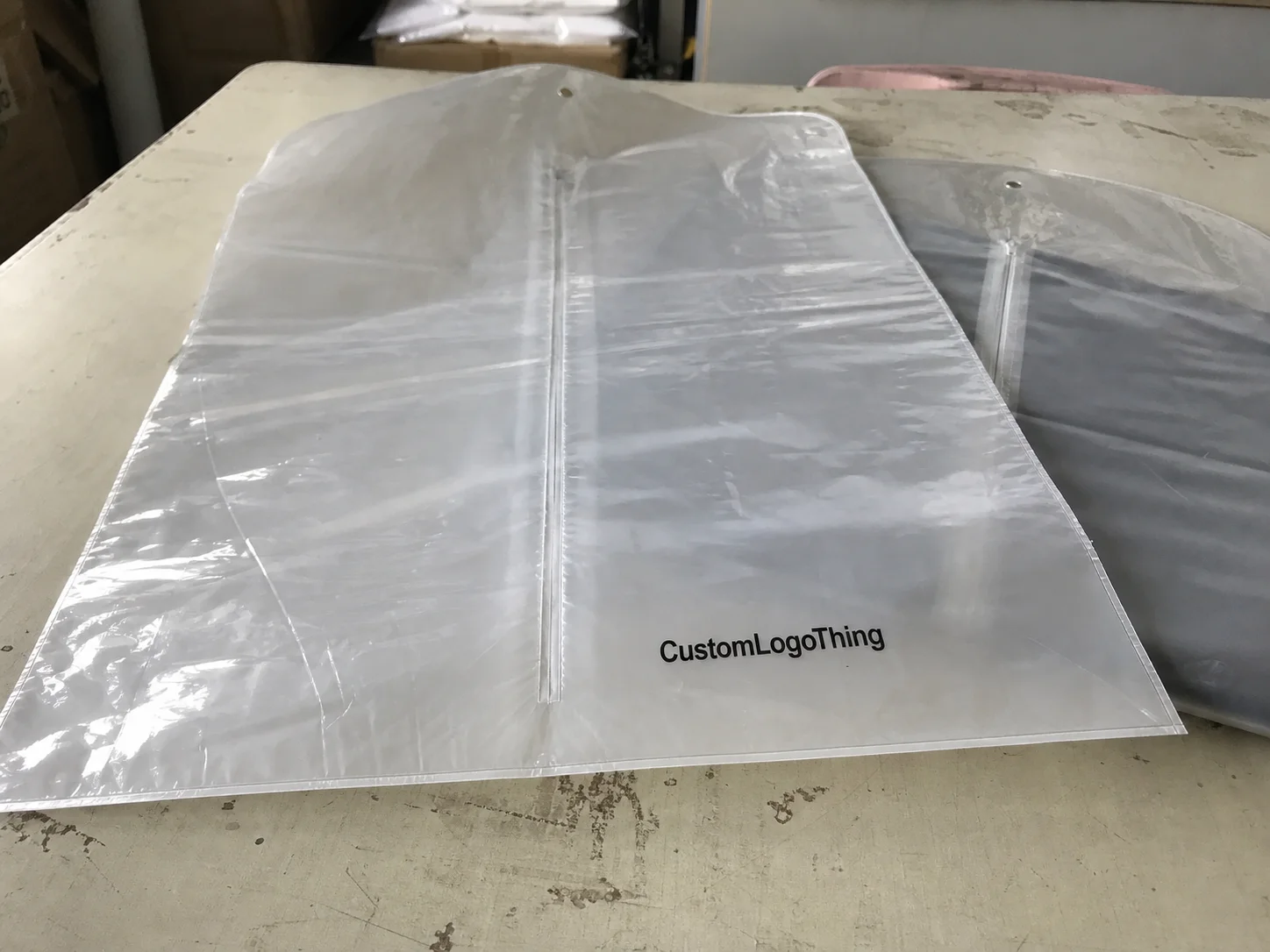
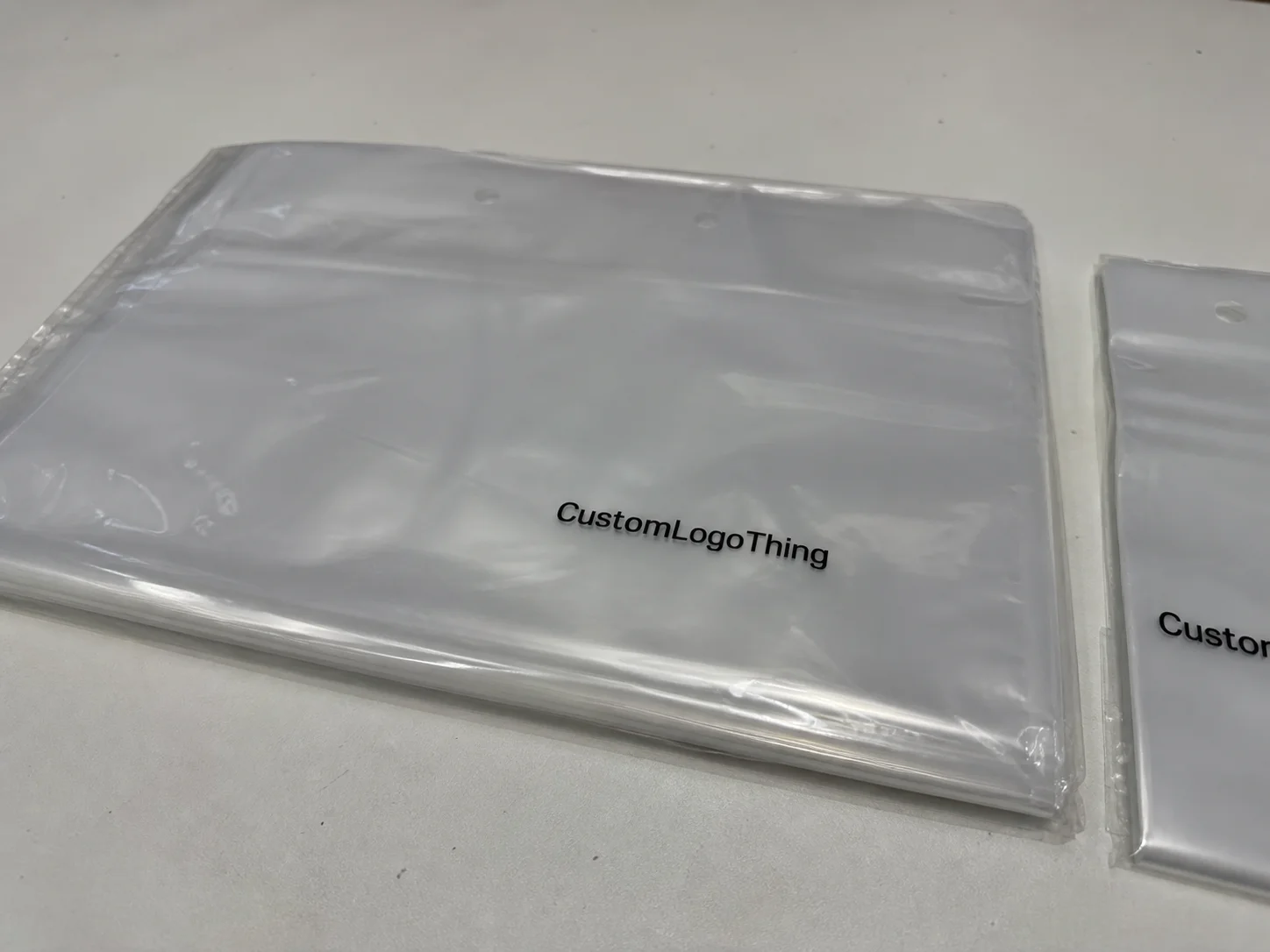
Buyer Fit Snapshot
| Best fit | Packaging Materials for Brands projects where brand print, material claims, artwork control, MOQ, and repeat-order consistency need to be specified before quoting. |
|---|---|
| Quote inputs | Share finished size, material target, print colors, finish, packing count, annual reorder estimate, ship-to region, and any compliance wording. |
| Proofing check | Approve dieline scale, logo placement, barcode or warning zones, color tolerance, closure strength, and carton packing before bulk production. |
| Main risk | Vague material claims, crowded artwork, missing packing details, or unclear freight terms can make a low unit price expensive after revisions. |
Fast answer: Packaging Materials for Brands: Quote Scope, Sample Proof, MOQ, and Lead Time should be specified like a repeatable production item. The safest quote records material, print method, finish, artwork proof, packing count, and reorder notes in one written spec.
Production checks before approval
Compare the actual filled-product size with the drawing, then confirm tolerance on folds, seals, hang holes, label areas, and retail display edges. Reserve space for logos, QR codes, warning copy, and material claims before decorative graphics fill the panel.
Quote comparison points
Review material grade, print process, finish, sampling route, tooling charges, carton quantity, and freight assumptions side by side. A quote is only useful when the supplier can repeat the same color, closure quality, and packing count on the next order.
If you need a how to Choose Packaging Materials guide that helps you make an actual decision, start here: the material that looks best on a spec sheet often turns out to be the wrong one after a 90 cm drop test, a humid warehouse shift in Guangzhou, or a pallet stack that got treated like a game of Jenga. I’ve watched beautiful packaging fail in a 3-foot drop at our Shenzhen facility, and I’ve also seen plain corrugated cardboard outperform a fancy rigid box by a mile. That’s the real job. Choose the material that protects the product, fits the budget, prints well, and doesn’t create a logistics headache three weeks later.
I’m Sarah Chen, and I’ve spent 12 years in custom printing and packaging, from paperboard conversion in Dongguan to rigid box assembly in Huizhou and corrugated production in Foshan. I’ve sat through supplier negotiations where a sample looked like luxury and priced like bargain bin nonsense once we added inserts, coating, and freight from South China to Los Angeles. Honestly, packaging only looks simple until you have to make three people agree on board grade at 6:30 p.m. in a factory office with fluorescent lights and a calculator. So yes, this how to choose packaging materials guide stays practical. No fantasy promises. Just the tradeoffs, the mistakes, and the stuff brands usually learn after they’ve already ordered 10,000 units.
How to Choose Packaging Materials Guide: What Most Brands Miss
The biggest miss is assuming packaging materials are just “the box.” They’re not. A package can include paperboard, corrugate, kraft paper, molded pulp, plastics, mailers, inserts, coatings, and barrier layers, and each one changes the result in a different way. A proper how to choose packaging materials guide has to think beyond appearance. The substrate affects print sharpness, crush resistance, shipping cost, and even how premium the unboxing feels, whether you are using 350gsm C1S artboard, a 1.5mm grayboard rigid shell, or a 3-ply E-flute mailer.
I remember visiting a supplier in Dongguan where a cosmetics brand had approved a gorgeous matte-laminated rigid box with a magnetic closure. Gorgeous. Expensive too. Then we loaded twelve cartons into a truck for a transit simulation, and the corners started denting because the board was too soft for the product weight. That one change turned a premium-looking pack into a budget headache. The brand had to reorder with 2.0mm grayboard, a tighter EVA insert, and a new fit test. That is exactly why a how to choose packaging materials guide has to start with performance, not Pinterest.
Packaging materials influence more than protection. They change perceived value. A 350gsm C1S artboard with soft-touch lamination tells a different story than uncoated kraft paper with a single-color flexo print. One feels polished. The other feels natural and eco-minded. Neither is automatically better. The right choice depends on your product, channel, and brand positioning. That’s the core of any serious how to choose packaging materials guide: pick the one that fits the job, whether the final run comes from Shenzhen, Ningbo, or a carton plant in Suzhou.
“We thought the cheapest paperboard would save us money. It cost us more in returns.” That was a client in California after they shipped 4,000 units in a carton that looked fine on the desk but failed in transit. I hear versions of that story constantly, especially when the original spec was changed from 400gsm artboard to 300gsm to save roughly $0.03 per unit.
The tradeoffs are real. Better protection usually means more weight or cost. More premium print usually means better coating, tighter tolerances, and more setup. More sustainable options sometimes mean fewer finishes or higher unit prices. A smart how to choose packaging materials guide doesn’t pretend you get everything for free. The point is deciding which compromise you can live with, whether that means spending $0.15 per unit for 5,000 pieces on a plain folding carton or $1.18 per unit on a specialty rigid setup with foil and a custom tray.
How Packaging Materials Work in Real Use
A package doesn’t live in one place. It moves. First it gets manufactured, then printed, then converted, then filled, then shipped, then displayed, then opened, then thrown away or reused. Each stage hits the material differently, and each stage matters whether the factory is in Dongguan, the fulfillment center is in Dallas, or the customer is opening the parcel in Berlin. That’s why a how to choose packaging materials guide has to look at the full journey, not just the photo on the product page.
Compression is the silent killer. If your product is stacked under 30 pounds of other cartons, weak board folds fast. Puncture is another problem, especially with e-commerce mailers and outer cartons. Moisture can warp paperboard and soften adhesives. Grease can stain kraft paper. Temperature swings from 5°C to 38°C can cause coatings to crack or labels to lift. Vibration during truck transport can loosen inserts and scuff surfaces. I’ve seen all of it. More than once. And once you’ve watched a shipment arrive looking like it lost a boxing match with a forklift in a bonded warehouse in Shenzhen, you don’t forget it.
If the product breaks, leaks, scratches, or warps, the packaging failed. That sounds obvious, but brands still choose based on color mockups alone. A good how to choose packaging materials guide connects material behavior to product behavior. Glass bottles need cushioning. Powder cosmetics need clean closures. Candles need heat resistance. Food items may need barrier liners or grease-resistant coatings. A rigid gift box might be great for shelf appeal, but if it dents easily in shipping, it’s not the right answer for direct-to-consumer orders that move through FedEx hubs in Memphis or UPS sort centers in Louisville.
Print method matters too. Digital printing works well for short runs and variable artwork, but it can behave differently on textured kraft paper than on coated board. Offset printing gives crisp detail and stronger color consistency on smooth paperboard. Flexo is common for corrugated cardboard and shipping cartons because it is efficient for larger runs. Foil stamping, embossing, debossing, and lamination each interact with the substrate differently. Push too hard on a thin board and the fold cracks. Choose the wrong coating and the foil can peel after a 24-hour humidity test in Guangdong. A solid how to choose packaging materials guide should account for finishing methods before anyone approves artwork.
Here’s a simple way to think about materials:
- Protection-first: corrugated cardboard, molded pulp, heavy paperboard, inserts, and barrier systems.
- Presentation-first: rigid paperboard, coated folding cartons, soft-touch finishes, foil, embossing, and premium liners.
- Eco-first: kraft paper, recycled board, FSC-certified paper, molded pulp, and simplified mono-material structures.
If you’re comparing options inside a how to choose packaging materials guide, don’t ignore what the customer sees during the first five seconds. That first touch shapes package branding. It also shapes the return rate if the item arrives crushed. Fun little business detail, especially when the replacement shipment costs $8.60 in freight for a box that saved $0.04 on paper.
For reference, standards matter. The ISTA testing framework is useful for transit simulation, and ASTM methods help with material performance checks. If you want recycled-content or forestry claims, FSC certification can support responsible sourcing. I’m not saying every brand needs every certification. I am saying your claims should match your paperwork, especially if the cartons were printed in Xiamen, converted in Quanzhou, and shipped through a Hong Kong freight forwarder. That part gets messy fast, and paperwork has a weird talent for becoming a full-time personality trait once a retailer gets involved.
Key Factors in a How to Choose Packaging Materials Guide
Start with product weight and fragility. That’s factor one in any how to choose packaging materials guide. A 120g serum bottle does not need the same structure as a 900g ceramic candle set. Heavy goods usually need stronger board grades, tighter inserts, or secondary protection. Fragile products often need suspension, cushioning, or double-wall corrugate. If the item shifts inside the pack, the material choice wasn’t complete, and the cost of a broken item can easily exceed the $0.22 saved by choosing a thinner sheet.
Next, think about moisture, oil, and temperature. Food packaging, cosmetics, and candle packaging often face conditions that plain paperboard cannot handle alone. A lip balm in a retail display box doesn’t need the same barrier as a frozen item, but it may still need coating to resist scuffing. For e-commerce, humidity in summer can wreck an uncoated carton during last-mile delivery. I learned that the hard way when a client in Florida had 8% return damage because their mailers sagged after 48 hours in a warm warehouse. That’s a very expensive lesson for such a cheap-looking problem. I still remember opening that carton and thinking, “Well, that’s one way to turn paper into soup.”
Brand positioning is another major filter. Luxury brands usually want denser board, cleaner print, and more refined finishes. Minimalist brands may prefer natural kraft paper and restrained ink coverage. Eco-conscious brands often want recycled content and fewer mixed materials. Mass-market brands usually need cost control and reliable throughput. A how to choose packaging materials guide should help you match the material to the brand story, not just the product type, whether the final presentation happens in a flagship store in Seoul or a subscription box going out of a warehouse in Indianapolis.
Sustainability and compliance are where a lot of brands get sloppy. Recyclable does not automatically mean recyclable in every municipality. Compostable does not mean “throw it in any bin.” Recycled content is great, but not if the material fails in transit and doubles your replacement shipments. If your product touches food or cosmetics, check food-contact requirements and local rules. I’ve seen plenty of glossy claims that collapsed the moment a retailer asked for documentation. That’s not a fun meeting. Actually, “fun” is not the word I’d use for a procurement call that starts with, “Can you send proof by 2 p.m.?” and ends with a request for the mill certificate from Guangdong and the ink safety sheet from the printer in Shenzhen.
Shipping method matters more than most teams expect. Direct-to-consumer shipments usually need stronger outer packaging than shelf-ready retail packaging. Long-haul freight, international transit, and climate-controlled storage each create different risks. A box that works for local retail distribution in Shanghai may fail in parcel shipping to Chicago because it faces more drops and more vibration. Every honest how to choose packaging materials guide should say this plainly: channel changes the material, and the difference between retail-ready and ship-ready often shows up as a 2.5mm board thickness change or a switch from single-wall to double-wall corrugate.
Here’s a quick decision filter I use with clients:
- Will the product break, bend, leak, or scratch?
- Will the package be shipped individually or in bulk?
- Does the customer need a premium unboxing experience?
- Are you making sustainability claims that need support?
- Do you need retail packaging, shipper packaging, or both?
If you can answer those five questions, you’re already ahead of most teams. Seriously. Half the time I’m brought into a project after someone picked a substrate because it “looked nice on the sample board.” That is not a spec. That’s a mood. A very expensive mood, usually, especially once die-cut tooling in Shenzhen and freight to a warehouse in Oakland are already booked.
Cost, Pricing, and MOQ: The Part Everyone Pretends Is Simple
Pricing gets messy fast because material choice drives more than the unit cost. It affects tooling, setup charges, minimum order quantities, freight, storage, and the number of production steps. A how to choose packaging materials guide that ignores that math is basically decorative reading, like a spec sheet without dimensions or a quote without a ship date.
Here’s the first surprise for new brands: a cheaper sheet material can become more expensive once you add inserts, coatings, or an extra corrugated shipper. I’ve seen a folding carton priced at $0.42/unit jump to $0.68/unit after the client added a custom insert and matte lamination. Then the warehouse complained because the assembly time added another $0.09/unit in labor. That is not “cheap” anymore. That is a budget trap with nice typography, and it usually starts with a supplier quoting from a factory in Dongguan before anyone has finalized the die line.
Premium Rigid Boxes usually cost more than folding cartons because of board thickness, hand assembly, and finishing. Specialty barrier structures cost more because the material itself is more complex. Recycled stock can be competitive, but not always if the paper mill charges more for certification or if the material yields more waste during conversion. Low MOQ runs also raise unit prices because suppliers spread setup over fewer pieces. A 2,000-unit order can easily price 20% to 40% higher per unit than a 10,000-unit order, depending on structure and finishing. That’s just how the factory math works, whether the line is running in Foshan or in a contract packaging plant outside Suzhou.
Here’s a simple comparison I use in early quoting discussions. These are concept ranges, not a fixed quote, because your size, finish, and quantity will move the numbers. If a supplier gives you a single number without asking for dimensions or artwork coverage, they’re guessing. And yes, guessing is expensive.
| Material Type | Typical Use | Approx. Unit Cost at 5,000 pcs | Strength | Print Result |
|---|---|---|---|---|
| Folding carton on 350gsm C1S | Retail packaging, cosmetics, supplements | $0.22–$0.48 | Medium | Sharp, clean |
| Kraft paper carton | Eco-first branded packaging | $0.18–$0.42 | Medium | Natural, muted |
| Rigid paperboard box | Premium gift set, luxury product packaging | $0.85–$2.20 | High | Excellent with foil/emboss |
| Corrugated mailer | DTC shipping, subscription boxes | $0.38–$1.10 | High | Good, especially flexo or digital |
| Molded pulp insert | Protection, separation, sustainability | $0.12–$0.36 | Medium-High | Minimal print, functional |
What changes the price? Thickness, coating, size, print coverage, finishing, insert complexity, and whether the design needs new die lines. If you swap from a paperboard folding carton to a corrugated structure, you may need new tooling, a fresh prototype, and another round of transit tests. That can add 7 to 14 business days before production even starts. This is why a good how to choose packaging materials guide also saves time, not just money, especially when your carton plant in Ningbo needs final approval before booking a 40-foot container.
I had a client once insist on a premium rigid setup for a $14 skincare item. The packaging budget became almost 18% of product COGS. I told them, bluntly, that the box was eating the margin like it had rent due. We moved to a heavy folding carton with a molded pulp insert, saved about $0.74/unit, and the retail presentation still looked strong. Not every brand needs a luxury box. Some need a smarter box. Sometimes the smartest packaging decision is the one that doesn’t try to dress up the product like it’s going to a black-tie gala in Hong Kong.
The other hidden cost is freight. Heavier materials increase shipping expense, especially on international orders. Oversized rigid packaging can also increase dimensional weight, which is the nice bureaucratic way carriers charge you more for air. A material that seems slightly cheaper per unit can cost more once you add shipping. That’s why the right how to choose packaging materials guide always compares landed cost, not just factory price. A carton at $0.31 ex-factory may land at $0.46 once ocean freight, inland trucking, and import handling are included.
If you want a starting point for custom manufacturing options, I’d also check Custom Packaging Products for structure ideas and finish combinations before you lock the spec. It is easier to compare options when you can see what is actually buildable in a real factory, not just in a rendering.
Step-by-Step Process and Timeline for Material Selection
Good packaging decisions follow a process. Not a vibe. A process. If you want a reliable how to choose packaging materials guide, use this five-step path and you’ll avoid most expensive mistakes, especially the kind that show up after proof approval and before the first shipment leaves Shenzhen.
Step 1: Define the product requirements
Measure the product carefully. I mean actual dimensions, weight, fragility, surface finish, and how it behaves in storage. Does it scratch easily? Does it warp in heat? Does it need a tight fit? If you’re packaging liquids, note the closure type and leak risk. For cosmetics, note whether the container is glass, PET, or aluminum. The packaging must fit the product, and the product must survive the route. This is the first checkpoint in any how to choose packaging materials guide, and it should be documented before you request a single sample from a factory in Dongguan or a carton converter in Wenzhou.
Step 2: Shortlist 2 to 4 material options
Do not ask for 12 options. That is how projects die in email chains. Pick two or three serious contenders, like 350gsm paperboard, kraft paperboard, corrugated cardboard, or rigid paperboard. If sustainability is a top priority, include recycled content or molded pulp in the mix. If presentation matters most, include coatings, foil, or embossing-compatible substrates. Keep the list manageable. You want comparison, not chaos. A clean shortlist also keeps sampling costs under control, often around $25 to $80 per prototype depending on structure and print complexity.
Step 3: Request samples and prototype builds
Ask for blanks, printed samples, and a real prototype. A flat sheet tells you almost nothing. I’ve had clients approve a beautiful print proof, then hate the assembled box because the closure popped open or the fold line looked weak. Request color samples on the actual substrate, not just a digital render. If your brand color is critical, compare against a Pantone reference under natural light and warehouse lighting. That tiny detail saves huge headaches later, especially when the print run is scheduled for a Tuesday in Shenzhen and the courier pickup is booked for Friday afternoon.
Step 4: Run practical tests
This is where a lot of brands get lazy. Don’t just admire it. Test it. Run a drop test from waist height. Run a crush test in a stacked carton scenario. Check for vibration damage. Leave samples in a humid room for 24 hours. Wipe the surface with a dry cloth and then with a slightly damp one. Open and close the package 20 times. These simple checks catch the kind of issues that show up after shipment, which is always the worst time. A serious how to choose packaging materials guide needs real-world testing, not wishful thinking, and a decent supplier in Guangzhou will usually be able to build a sample pack in 3 to 5 business days if the dieline is ready.
One of my best factory-floor memories was watching a warehouse team stack 80 cartons high because they wanted to “see what happens.” Spoiler: the side panels bowed at carton 46. Nobody was shocked except the brand team, who had assumed the glossy box was “strong enough.” Glossy is not a structure. Cardboard engineering is. I still laugh a little, mostly because the alternative was everyone pretending physics had agreed to take the afternoon off.
Step 5: Confirm pricing, lead time, and MOQ
Only after testing should you finalize the production plan. Confirm unit price, tooling cost, sample Cost, and Production lead time. A straightforward project can often move in 12 to 15 business days from proof approval if stock materials are available and the line is already set up in a facility in Dongguan or Foshan. Custom structures, special coatings, or new inserts can add another 7 to 20 business days. This is where your how to choose packaging materials guide becomes a real operational tool instead of a mood board.
When I negotiate with suppliers, I always ask three things: what happens if the board tolerance shifts by 0.2mm, what is the rework rate, and how many production tests do they run before full output. If a supplier can’t answer those cleanly, I keep shopping. No drama. Just facts. A good plant should be able to tell you whether their corrugator, laminator, or die-cut line is running at 80% capacity or booked solid through the next two weeks.
For brands buying custom printed boxes or retail packaging, the timeline usually looks like this:
- Day 1–3: product brief, sizing, and material shortlist
- Day 4–7: sampling and structural prototype
- Day 8–10: print proof and finish confirmation
- Day 11–15: test run and revisions
- Production: after approval, based on quantity and finishing complexity
That timeline changes if you need custom inserts, specialty coatings, or multiple SKUs. Again, the how to choose packaging materials guide is about reducing surprises. Surprises are cute in birthday parties. Not in manufacturing, where one extra day can mean a missed vessel booking from Yantian Port.
Common Mistakes When Choosing Packaging Materials
The first mistake is choosing by looks only. Beautiful packaging design can fool people into believing the material is strong enough. It isn’t always. A satin-finished carton might look premium, but if it’s too thin for shipping abuse, the corners crush and the customer blames the brand. That’s a bad trade for retail packaging or branded packaging where presentation and durability both matter, especially if the route includes warehouse handling in New Jersey and parcel delivery to apartment buildings with no secure mail room.
The second mistake is assuming recycled or eco materials perform the same as virgin stock. Sometimes they do. Sometimes they don’t. Recycled board can have slightly lower stiffness or more variation in appearance. Molded pulp can be excellent for inserts, but it may not work for every shape or finish. A proper how to choose packaging materials guide should treat eco claims seriously without pretending every green option is identical, and it should ask for fiber composition and certification documents before approving a 5,000-piece run.
The third mistake is ignoring print limitations. Uncoated kraft paper can make colors look muted. Heavy foil on a thin fold can crack. Soft-touch lamination can scuff if the surface handling is rough. Embossing on the wrong board can flatten too easily. I’ve watched brands spend $1.20 extra per unit on finishes only to discover the material didn’t support the effect cleanly. That’s not a premium look. That’s a waste with a nice invoice, usually printed by a factory that already warned them the 300gsm board was too soft for a deep deboss.
Another common issue is forgetting assembly time. A “cheap” material that takes 40 seconds longer to assemble can end up costing more in labor than a simpler structure. In a high-volume warehouse, even 10 extra seconds per unit adds up fast. If your team is packing 8,000 units a month, that is a lot of human time. The kind you pay for, whether the packout line is in Shenzhen, Las Vegas, or a 3PL outside Toronto.
And then there’s channel mismatch. A package designed only for shelf display may fail in parcel shipping. A DTC mailer may look too plain for retail shelves. A sturdy corrugated cardboard shipper may be functionally perfect but wrong for a luxury gift launch. Any practical how to choose packaging materials guide should force this question: where does the pack live most of the time, and how much abuse will it see between the factory and the customer’s hands?
Here’s what most people get wrong: they treat packaging materials as a one-time purchase. They’re not. They’re part of your product system. Material, print, assembly, shipping, and customer experience all sit in the same line item whether you like it or not. Smart brands build for the whole system, from the first sample in a Dongguan office to the final boxed order leaving a fulfillment center in Ohio.
Expert Tips and Next Steps for a Better Packaging Decision
My biggest tip? Pick the top job first. Protect, impress, reduce cost, or reduce waste. You can do all four to a degree, but one of them has to lead. If you try to max out every goal, your budget will melt and your timelines will stretch. I’ve watched that happen too many times to count. A focused how to choose packaging materials guide should help you decide what matters most for this specific product launch, whether the run is 3,000 units for a pilot or 50,000 units for a retail rollout.
Ask suppliers for material data sheets, coating options, sample blanks, and a production-friendly prototype. Don’t accept a polished mockup as proof of performance. If the supplier is worth working with, they’ll talk about board grade, tolerance, closure strength, and print behavior. They’ll also tell you if your design is asking too much of the substrate. That honesty saves money, and it is usually the difference between a factory that can support a 12- to 15-business-day turnaround and one that keeps sending you “one more revision” emails.
Compare total landed cost, not just unit price. The real number includes printing, inserts, freight, storage, damage rates, and labor. If a packaging change reduces damage by 4% and saves 300 customer service tickets a month, that matters. If a lighter material trims $0.06/unit but increases returns, that “savings” was fake from the start. This is where a sharp how to choose packaging materials guide pays for itself, especially once you factor in a 2,000-mile truck move from the port to your warehouse.
Use a final checklist before you approve production:
- Material type: board, corrugate, kraft paper, rigid, molded pulp, or hybrid
- Thickness or grade: exact GSM, flute type, or board caliper
- Finish: matte, gloss, soft-touch, foil, embossing, or uncoated
- Closure and fit: tuck end, magnetic closure, sleeve, or insert system
- Test standard: drop, crush, vibration, moisture, or transit simulation
- Commercial terms: MOQ, lead time, price, and freight responsibility
I also tell clients to keep one physical reference sample on file. Label it with the approved date, supplier name, and spec code. That sounds boring until a second production run drifts and nobody can remember whether the original board was 300gsm or 350gsm. Paperwork is not glamorous, but it keeps projects alive, especially when a reprint is being managed between Shenzhen, a Hong Kong freight forwarder, and a warehouse manager who only has 20 minutes to check the incoming pallets.
If you’re still deciding between styles, browse Custom Packaging Products and compare structure options against your product size and shipping method. You’ll usually spot the right direction faster once you see what is realistic to produce. The best how to choose packaging materials guide ends with action: gather your product specs, request samples from two suppliers, test the prototypes in real shipping conditions, and compare the results against your budget before you commit.
One last thing. Don’t choose a material because it wins on paper. Choose it because it survives in the real world, prints cleanly, supports your package branding, and fits the numbers. That is the whole point of a how to choose packaging materials guide. Not pretty theory. Real packaging decisions.
And yes, if you do that well, your branded packaging will look better, perform better, and cost less to fix later. Which, frankly, is the kind of boring success I like.
How do you use a how to choose packaging materials guide?
Use it as a practical decision tool, not a style reference. Start with product requirements, shortlist a few materials, request samples, test them in shipping conditions, and compare the total landed cost before you approve production. A reliable how to choose packaging materials guide should help you balance protection, appearance, sustainability, and budget without turning the process into guesswork.
FAQs
How do I choose packaging materials for fragile products?
Start with protection first. Use stronger board, cushioning, and inserts before you worry about premium finishes. Then test for drop, crush, and vibration because fragile products usually fail in transit, not on your desk. A proper how to choose packaging materials guide should push protection to the front of the line, and a good starting spec might be 350gsm C1S artboard with a molded pulp insert or a double-wall corrugated shipper depending on product weight.
What is the best packaging material for shipping cost savings?
The lightest material that still passes protection tests usually wins on shipping cost. Flat-folding cartons or right-sized corrugated mailers often reduce dimensional weight more than oversized rigid packaging. In many DTC programs, that difference can save several cents per unit and a surprising amount in freight over a large run, especially if you are shipping 5,000 to 20,000 units a month through a U.S. or EU fulfillment center.
How do I choose packaging materials guide style for eco-friendly brands?
Look for recycled content, recyclability, and fewer mixed-material components that are hard to separate. Make sure the material still protects the product, because damaged goods are not sustainable either. I’d rather see a well-designed recycled board box from a mill in Zhejiang than a “green” pack that causes returns after a 48-hour humidity exposure in a warehouse.
How long does it take to finalize packaging materials?
Simple material selection can move fast if stock options and standard sizes are available. Custom structures, print tests, and sample approvals usually add extra rounds for prototyping and testing. A realistic timeline is often 12 to 15 business days from proof approval for straightforward work, with more time for specialty finishes or custom inserts, and 7 to 20 additional business days if new tooling or inserts are required.
What should I ask a supplier before I choose a packaging material?
Ask for material specs, coating options, MOQ, lead time, sample availability, and whether the substrate works with your print method. Also ask how the material performs in real shipping conditions, not just in a sales deck. If they can’t explain compression, moisture, or transit behavior, keep looking. I also like to ask for exact prices such as $0.15 per unit for 5,000 pieces, plus freight terms and proof approval timing, so there are no surprises later.