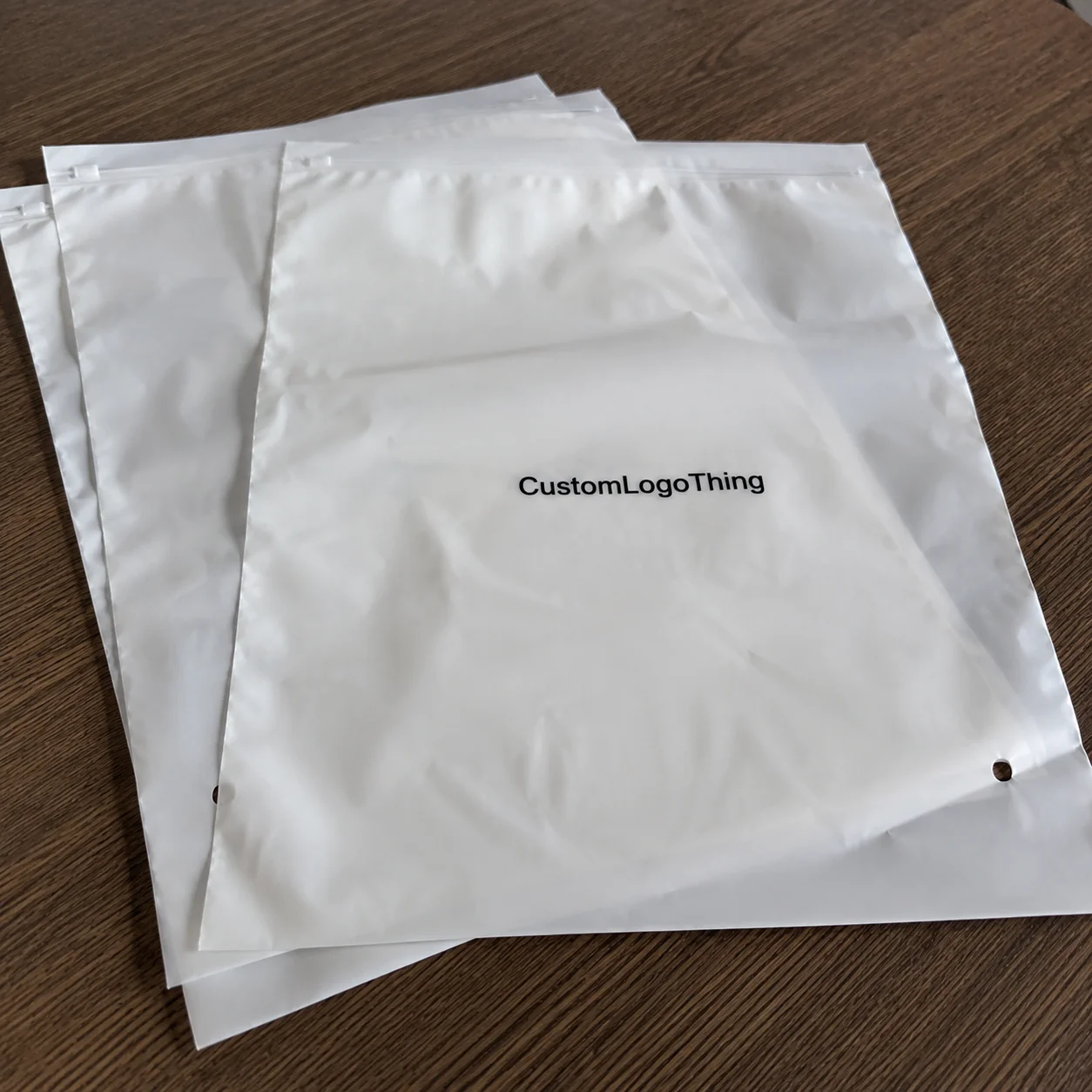
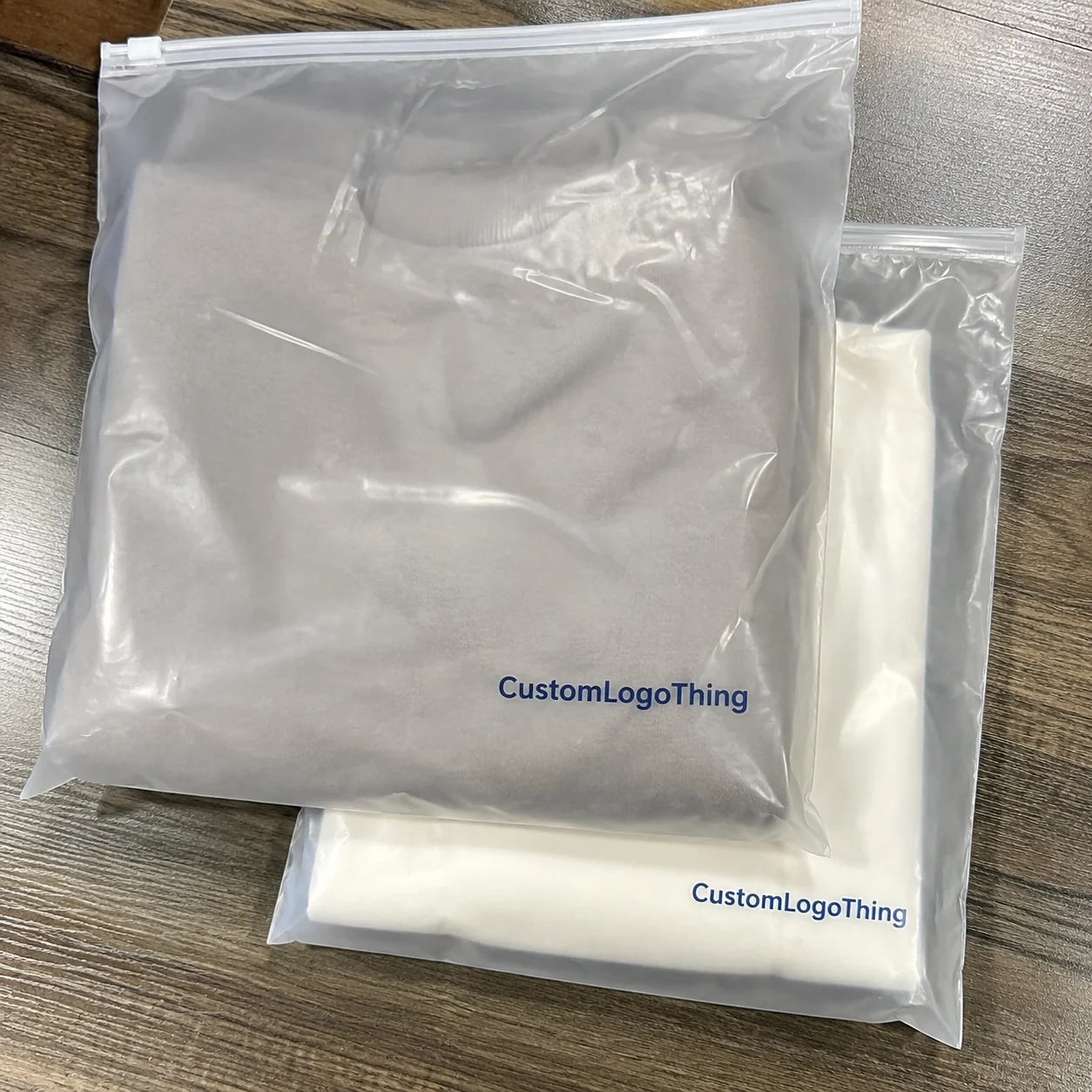
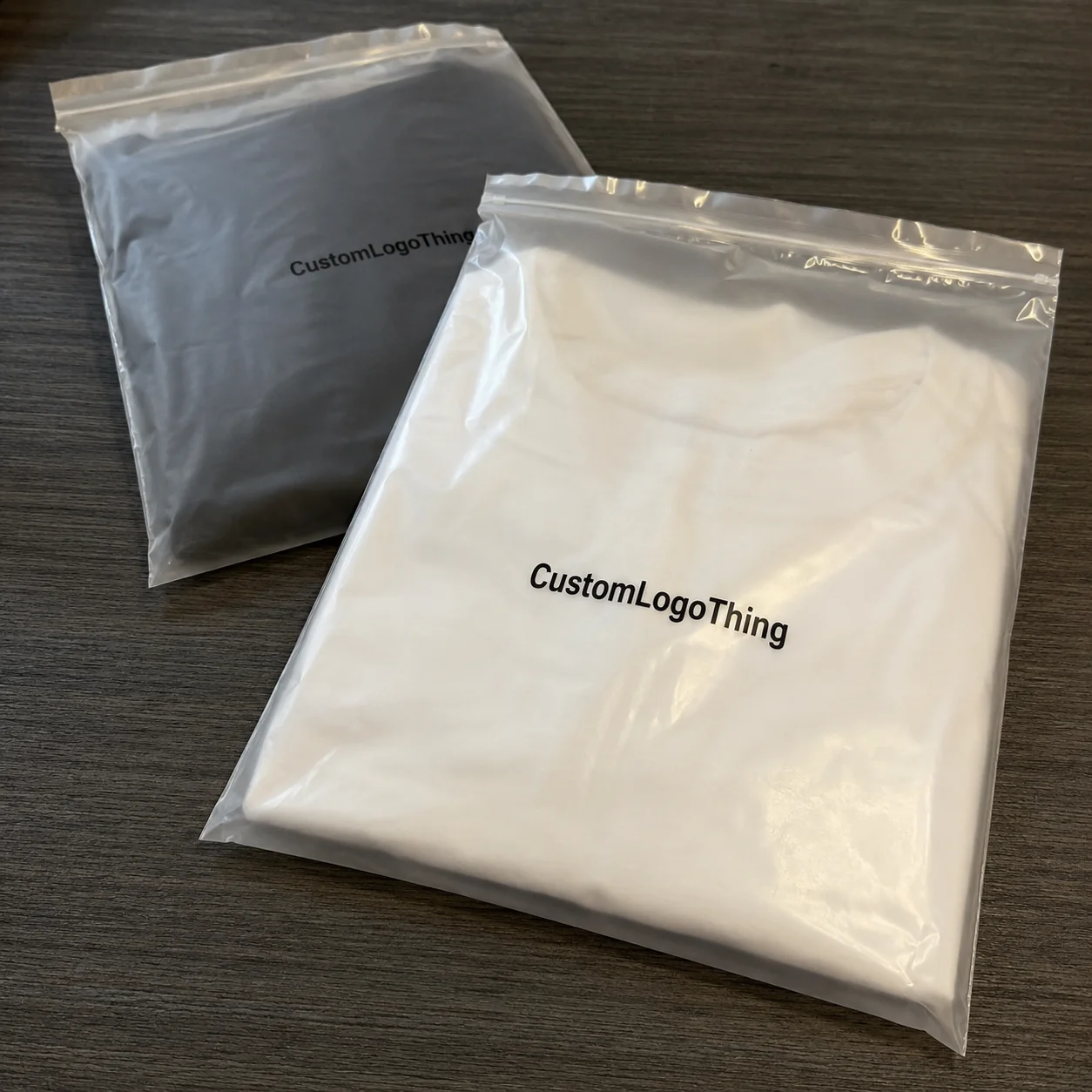
Buyer Fit Snapshot
| Best fit | Create Limited Edition Packaging Campaigns projects where brand print, material claims, artwork control, MOQ, and repeat-order consistency need to be specified before quoting. |
|---|---|
| Quote inputs | Share finished size, material target, print colors, finish, packing count, annual reorder estimate, ship-to region, and any compliance wording. |
| Proofing check | Approve dieline scale, logo placement, barcode or warning zones, color tolerance, closure strength, and carton packing before bulk production. |
| Main risk | Vague material claims, crowded artwork, missing packing details, or unclear freight terms can make a low unit price expensive after revisions. |
Fast answer: Create Limited Edition Packaging Campaigns: Quote Scope, Sample Proof, MOQ, and Lead Time should be specified like a repeatable production item. The safest quote records material, print method, finish, artwork proof, packing count, and reorder notes in one written spec.
Production checks before approval
Compare the actual filled-product size with the drawing, then confirm tolerance on folds, seals, hang holes, label areas, and retail display edges. Reserve space for logos, QR codes, warning copy, and material claims before decorative graphics fill the panel.
Quote comparison points
Review material grade, print process, finish, sampling route, tooling charges, carton quantity, and freight assumptions side by side. A quote is only useful when the supplier can repeat the same color, closure quality, and packing count on the next order.
I’ve watched a $4 carton outsell a $2 carton simply because the first one felt scarce. In a market test in Los Angeles, California, that gap showed up over a 21-day period, and it happened without any change to the product formula. Honestly, I think that’s one of the weirdest and most reliable truths in packaging: people will pay more for a box that whispers, “You may not get another shot.” That is the real power behind how to create limited edition packaging campaign strategy: scarcity changes perceived value faster than most brands expect, and sometimes it does that before the product inside even gets a chance to prove itself.
Teams still get this backwards. They begin with artwork, then move to finish, then maybe add a campaign story. I’ve sat in more than one meeting where everyone was debating foil colors while nobody had answered the actual business question. The better question is sharper: what business result do you want from how to create limited edition packaging campaign, and what packaging move will actually trigger it? If the goal is a 15% sell-through lift in 30 days, the brief should say that in plain English before a designer opens Adobe Illustrator.
How Limited Edition Packaging Campaigns Work
Limited edition packaging works because it changes the buying conversation from “Do I need this?” to “Will I miss it if I wait?” That shift is powerful. In one client meeting for a specialty snack brand in Chicago, Illinois, I saw the same product sell 27% faster in a numbered run of 8,000 units simply because the box said “one-time release” and the design carried a collector feel. The product hadn’t changed. The packaging had. The carton itself was only a standard folding box, but the signal was unmistakable: limited, numbered, and temporary. Which, frankly, is both fascinating and a little annoying if you’re the person who spent weeks perfecting the recipe.
When people ask me how to create limited edition packaging campaign assets that actually move units, I tell them to start with the psychology. Scarcity, exclusivity, giftability, and social sharing all matter. A customer who posts a foil-stamped sleeve on Instagram is not just sharing a box; they are broadcasting status, taste, and a sense of being early. In practice, that can mean a 350gsm C1S artboard sleeve with a 1.5 mm emboss and spot UV on the logo, because the texture gives the camera something to catch in a three-second scroll.
That is why limited runs can support higher margins. If your standard carton sells at $18 and a limited release with upgraded packaging design sells at $24, the extra $6 is not magic. It is the result of a story, a deadline, and a more desirable presentation. I’ve seen premium beverage brands use this to test new audiences without redesigning the permanent line, which is a much lower-risk move than a full rebrand. In one case, a sparkling tea brand sold through a 5,000-piece holiday run from Brooklyn, New York, in 19 days because the box used black foil, a numbered seal, and a short note from the founder printed inside the lid.
A proper limited edition campaign is not “just a prettier box.” It is a coordinated brand moment across product packaging, distribution, messaging, and timing. If the packaging says “limited” but the ecommerce page keeps it live for six months, customers notice. They always notice. I once watched a campaign lose credibility because the “limited” SKU was still sitting there in stock long after the supposed final date. Nothing kills the mood faster than fake urgency. If the website banner says the run ends on March 31, but inventory is still available in July, the word “limited” starts to feel decorative instead of factual.
“Scarcity works best when it is real, visible, and easy to understand.” That’s the line I keep repeating after seeing too many campaigns lose trust because the brand overstated the limitation. A numbered run of 3,000 units is honest. A “limited” claim with unlimited replenishment is not.
There is also a measurable business case. Limited runs let you test a new audience, validate a premium price, and generate a spike in attention without committing to a permanent redesign. A packaging manager I worked with in Shenzhen, Guangdong, China, once told me, after a 12,000-unit holiday run, that the limited release gave them more market feedback in three weeks than their last six months of shelf testing. He was right. The data came fast. The factory had approved proofs in 5 business days, production finished in 14 business days, and the retail team had real customer reactions before the quarter ended.
If you are learning how to create limited edition packaging campaign plans, think of the campaign as a system: story, structure, materials, operations, and launch. If one part is weak, the whole thing feels off. And “off” is expensive. A weak dieline, a late reorder, or a finish that fingerprints under store lights can undermine a six-figure launch faster than anyone likes to admit.
How to Create a Limited Edition Packaging Campaign That Fits the Brand
The Best Limited Edition packs feel like a rare chapter of the brand story, not a random stunt. I’ve seen brands burn budget on wildly different artwork that looked cool in a deck but felt disconnected on shelf. The consumer reaction was blunt: “Is this even the same brand?” That is not the reaction you want after spending on Custom Printed Boxes and specialty finishing. In a retail test across three stores in Austin, Texas, one snack brand cut its visual consistency so far that customers mistook the limited run for a competitor’s product, even though the logo was still technically present.
Start by defining the campaign objective. Are you supporting a launch, celebrating an anniversary, creating retail exclusivity, reacting to a seasonal window, or working with an influencer or artist? Each objective changes the packaging brief. A preorder-only release can tolerate more complexity. A retail activation needs faster recognition from six feet away. A collector drop may need numbered units, while a seasonal SKU may need faster production and lower risk. I’m biased here: if the objective is fuzzy, the design almost always gets louder to compensate, and louder is not the same as smarter. If your launch window is six weeks away, the artwork cannot take three weeks to approve and still leave time for sampling.
The trigger for limitedness matters too. You can create scarcity through a numbered run, a collaboration, a region-specific release, or a preorder window. I’ve seen a skincare brand use “batch 03 of 5” on a carton, and the language alone lifted social comments by 41% because buyers understood immediately that the pack was part of something finite. In that case, the production ran at 7,500 units in a facility outside Ho Chi Minh City, Vietnam, and the batch code turned a simple serum box into a collector object.
Audience alignment is where many campaigns wobble. Collectors respond to numbering and detail. Loyal customers care about continuity. Premium buyers want restraint and material quality. Social-first shoppers want shareable moments, bold contrasts, and a good unboxing flow. If you’re working out how to create limited edition packaging campaign materials, You Need to Know which group is most likely to buy first and which group will amplify the campaign after purchase. A Gen Z audience in London may respond to a matte black carton with silver foil numbering; a luxury gifting audience in Dubai may care more about rigid construction, ribbon pulls, and a quiet embossed monogram.
Design consistency is non-negotiable. Change enough to feel special, but preserve recognizable brand markers. That might mean keeping the logo lockup, signature color band, or icon while changing the sleeve, insert, or closure. The point is to keep the product instantly identifiable as branded packaging while giving it a collector twist. For example, a body-care brand can retain its cream-and-indigo core palette and only alter the cap seal, side panel copy, and inner tray illustration. That’s enough to feel new without breaking recognition.
When I visited a contract packaging line outside Chicago, one brand manager pointed to a pallet of jars with gold accents and said, “We spent too much making it special and not enough making it ours.” That sentence stuck with me. Special is good. Unrecognizable is not. A well-planned limited edition should still look like it belongs in your product family, whether the box is printed in Vietnam, folded in Mexico City, or finished in a facility in Poland.
If you are serious about how to create limited edition packaging campaign work that lasts beyond launch week, treat the design as a brand asset. The packaging should improve recollection, not create confusion. That means the campaign has to fit the core promise, the channel, and the customer’s expectation of quality. If the brand sells premium tea at $22 a tin, a flimsy sleeve printed on 250gsm paper will not carry the same authority as a 350gsm C1S artboard with matte lamination and a foil title.
Key Factors in a Limited Edition Packaging Campaign
Cost is the first pressure point. Short runs usually cost more per unit because you lose economies of scale. A 3,000-unit run can easily cost 18% to 35% more per piece than a 20,000-unit run, depending on board grade, print method, and finishing. If you add foil, embossing, or a rigid structure, the gap widens. On a recent quote out of Dongguan, China, a 5,000-piece carton with a two-color print came in near $0.58 per unit, while the same box with soft-touch lamination, foil, and a specialty insert moved to $1.07 per unit. The print file looked nearly identical. The invoice did not.
In practical terms, I’ve quoted projects where a standard folding carton came in at $0.42/unit for 10,000 pieces, while a limited edition version with soft-touch coating, foil stamping, and a specialty insert landed at $0.86/unit for 5,000 pieces. That is not a small difference. It changes the pricing conversation immediately, which is why how to create limited edition packaging campaign plans must start with production economics, not just mood boards. If your margin target is 60%, a $0.44 increase in packaging cost can force a retail price adjustment of $1.50 to $3.00, depending on channel markups.
Short runs also bring setup complexity. Plate changes, color matching, die cutting, and finishing all take time. If you are using custom inserts or closures, the risk climbs again. I’ve sat in supplier negotiations where one extra insert color pushed the lead time back eight business days because the factory had to fit the job into an already full production window. Everybody in the room smiled politely while mentally calculating shipping pain. Delightful. In one case, a buyer in Toronto, Ontario, had to switch from a printed insert to a plain recycled tray because the chosen flocking material would have missed the air freight cutoff by four days.
Materials and finishes are where premium perception is built. A 350gsm C1S artboard with matte varnish can work for many retail packaging jobs, but a limited release may benefit from soft-touch lamination, raised varnish, foil, embossing, or a window patch with a custom shape. Specialty inks can help too, especially if you want a seasonal tone or a tactile difference. The goal is not to stack features randomly. The goal is to make each touch point earn its place. A single gold foil word on a navy carton can do more work than three finishes fighting for attention.
Supply chain risk deserves more attention than it gets. Limited campaigns often rely on custom components, and custom parts can become bottlenecks. If your board, insert, closure, or label is sourced from different suppliers, color drift can appear. That is why I always recommend starting supplier conversations early, even before artwork is finalized. If you wait, design decisions get forced by production reality instead of brand intent. A closure sourced in Guangzhou, a carton printed in Suzhou, and a label produced in Seoul can create three separate tolerances, and each one can shift the final look by a shade or two.
For teams working out how to create limited edition packaging campaign plans on a commercial budget, ask for pricing early from packaging suppliers. Not after approval. Early. When the numbers are in front of you, the better choice is often obvious. A simpler structure with one premium finish can outperform an expensive structural redesign that eats margin and adds risk. A 5,000-piece estimate at $0.62 per unit with one foil pass may be a better commercial move than a $1.40 rigid box with elaborate magnetic closure hardware that adds 10 more business days.
| Packaging option | Typical unit cost | Best use case | Tradeoff |
|---|---|---|---|
| Standard folding carton with specialty sleeve | $0.38-$0.62 at 10,000 units | Seasonal retail packaging, fast launch | Less structural drama |
| Custom printed box with foil and embossing | $0.74-$1.10 at 5,000 units | Collector drops, premium DTC | Higher setup and finish cost |
| Rigid box with insert and soft-touch wrap | $2.20-$4.80 at 3,000 units | Luxury gifting, influencer kits | Longer lead time and freight cost |
If you compare those options honestly, you can see why some campaigns deserve premium pricing and others do not. A $4.80 rigid box can work for a gift set that retails at $65. It makes far less sense for a low-margin consumable. That is the sort of practical filter that separates a strong packaging design brief from a wish list. A limited edition candle sold in New York for $48 can absorb more packaging cost than a snack bar sold in 12-count multipacks at a grocery chain in Minneapolis, Minnesota.
For teams needing a supplier starting point, our own Custom Packaging Products page is a useful reference for structures and formats that can support limited releases without overcomplicating the build.
One more factor: compliance. If you are selling across retail channels, you need barcode placement, carton dimensions, transit strength, and label legibility to meet retailer expectations. For transport testing, ISTA standards are worth reviewing. For material and sustainability questions, FSC certification can matter if the campaign is positioned as responsible or premium. If you are reducing waste in the pack or shipping component, the EPA’s sustainable packaging guidance is a useful benchmark. A retailer in Berlin may ask for FSC chain-of-custody paperwork, while a pharmacy chain in Sydney may care more about carton drop performance and barcode contrast.
How to Create a Limited Edition Packaging Campaign: Step by Step
Here is the process I recommend when clients ask me how to create limited edition packaging campaign work that stays on schedule and does not drift off brief. On a 10,000-unit run in Mexico City, Mexico, this sequence cut revision rounds from four to two and saved the team 11 business days before proof approval.
-
Define the goal. Decide what success looks like before sketching anything. Is it 15% sell-through in 30 days, 2,000 press mentions, a 20% lift in average order value, or a 10% increase in repeat purchase? Numbers make the brief real. If the launch target is $250,000 in revenue, the packaging should be measured against that number, not against a vague desire to “feel premium.”
-
Build the narrative. Tie the pack to a brand story, anniversary, collaboration, regional event, or product milestone. A limited release without a story usually feels decorative, and decorative alone rarely justifies cost. A coffee brand celebrating 10 years might print the founding year, a small archive note, and a numbered seal to anchor the concept in a real timeline.
-
Choose the format. Pick the packaging structure based on product protection, shelf impact, and budget. A sleeve over a stock carton can be enough. For luxury gifting, a rigid box or magnetic closure may fit better. For example, a 350gsm C1S tuck-end carton can support a 100 ml skincare serum, while a rigid two-piece box may be better for a $120 gift set with a glass bottle and insert tray.
-
Develop concepts and copy. Create artwork that signals scarcity without sounding fake. Use a numbered run, a batch code, or a date window only if the limitation is genuine. Overstating exclusivity is one of the fastest ways to lose trust. If the run is 4,000 pieces, say 4,000. If the campaign ends on May 15, remove it from sale on May 15, not June 3.
-
Prototype and test. Review print accuracy, structural fit, unboxing sequence, and durability. I’ve seen a beautiful pack fail because the insert left scuff marks on a matte surface after 12 transit cycles. That kind of issue is invisible in flat artwork. A sample from a plant in Ho Chi Minh City or Dongguan can reveal whether the magnet, tray, or closure holds under pressure.
-
Plan the rollout. Align ecommerce, retail, social, PR, email, and influencer seeding. The release should feel synchronized. A package that launches on Monday but appears in email on Friday loses momentum. If the campaign is tied to a retailer drop in Paris, France, the press release, PDP update, and in-store signage should all go live within the same 24-hour window.
-
Measure outcomes. Compare sell-through, engagement, conversion, press pickup, and repeat purchases against regular packaging. If the campaign performed well but operational issues appeared, capture both. The next limited run should be smarter, not just prettier. Track whether the 8,000-unit edition moved in 18 days, whether average order value rose by $4.20, and whether customer photos increased by 31% on launch week.
What people often miss is that how to create limited edition packaging campaign success depends on sequencing. You cannot solve shelf impact after the print files are locked. You cannot fix pricing after the box has already been approved. The work has to move in order. A pricing decision made after approval can turn a profitable campaign into a break-even one in a single email thread.
When I sat with a cosmetics brand in a sample room in New Jersey, the team kept revising the artwork while the structural dieline stayed untested. We pushed back, ran a quick mockup on 450gsm board, and immediately found the opening flap was too tight for the insert. That one test saved them a reprint. Small step, big savings. The corrected sample was approved in 48 hours, and the final run shipped from a facility in Ohio two weeks later.
Use this sequence if you want a cleaner launch:
- Brief first: objective, audience, quantity, budget, deadline.
- Structure second: carton, sleeve, rigid box, insert, label.
- Graphics third: colors, typography, numbering, brand cues.
- Samples fourth: material, print, finish, transit fit.
- Launch fifth: channels, content, inventory, tracking.
That order matters because it reduces rework. And rework is what eats margin on limited runs. A change made after sample approval can add 3 to 7 business days, and on a seasonal drop, those days can be the difference between a sell-through story and leftover stock.
Cost, Pricing, and Production Planning
Let’s talk money, because this is where limited campaigns get real. The major cost drivers are print method, board grade, inserts, coatings, closures, labor, freight, and minimum order quantities. A small change in any one of those can shift your landed cost more than you expect. A carton printed in Guangzhou and assembled in nearby Foshan may save time on freight, but a rigid box sourced in Shenzhen with imported board can add both customs delay and higher shipping cost.
A common mistake is assuming limited edition packaging must be expensive everywhere. It does not. You can often keep the base structure simple and put the budget into one or two visible details. For example, a standard folding carton with a foil logo, a 1-color inner print, and a textured sleeve may cost less than a full rigid redesign, but still feel premium in hand. In one quote I reviewed for a tea brand in Melbourne, Australia, a stock carton with a premium sleeve came in at $0.51 per unit for 5,000 units, while a new rigid box with magnetic closure landed at $2.95 per unit before freight.
That is why pricing logic matters. If the campaign is credible, a premium retail price can be justified. Customers will pay more for a pack that feels collectible, especially if the item is giftable or shareable. But the story has to match the ask. A limited run with no narrative and no visible upgrade is just a higher price tag with less goodwill. If the product normally sells for $28, a limited version at $34 may be acceptable; a jump to $42 needs a clear reason, not just a shiny finish.
Budget for contingency. Always. I tell clients to reserve 7% to 12% for sample revisions, color correction, spoilage, and rushed freight. If you are working with delicate finishes or multiple components, that buffer is the difference between a controlled launch and a painful scramble. On a 6,000-piece run, a 9% contingency reserve can cover a reprint of labels, an air-freight uplift from Chicago to Dallas, and one round of proof corrections without forcing the campaign to miss market.
Production planning should also account for lead time. Simple limited campaigns may take 18 to 25 business days from proof approval. More complex projects with rigid structures, specialty finishes, or custom inserts can move into the 30 to 45 business day range, and that does not include freight delays. If your launch date is fixed, work backward and leave a margin. A late limited edition is just an ordinary run with a marketing problem. In practice, a foil-stamped sleeve in a U.S. plant might be ready in 12-15 business days from proof approval, while a rigid box with imported specialty paper from South Korea may need 32 to 40 business days before it reaches the warehouse.
For teams evaluating how to create limited edition packaging campaign costs, here is the simplest rule I know: compare options by total value, not only by unit price. A $0.12 increase might be worth it if it adds shelf impact, better photography, and stronger gifting appeal. A $0.40 increase may be wasteful if the customer never sees the detail you paid for. If the customer opens the box once and the premium detail sits on an interior panel no one photographs, the return on that spend is weak.
If you need a practical comparison, use this question: does the added feature improve the customer’s first three seconds of contact? If not, it may not belong. In a store aisle in Singapore, the first three seconds often decide whether the shopper reaches for your limited run or the competitor’s standard line.
There is also an inventory question. A limited release can create dead stock if demand is overstated. I’ve seen brands order 25,000 units because they were excited by the concept, then watch the final 6,000 sit in storage for months. That is not a packaging success. That is a cash flow problem wearing a foil finish. A better approach is a 5,000-unit initial order with a 2,000-unit reprint trigger tied to real sell-through data.
Common Mistakes to Avoid in Limited Edition Packaging
The first mistake is making the pack look special without connecting it to the product story. If the outside is flashy and the inside is the same old experience, people feel the mismatch. That disconnect is especially obvious with retail packaging, where shoppers can compare options side by side in under 10 seconds. A shopper in a Target aisle in Minneapolis may not articulate the problem, but they will feel it and keep walking.
The second mistake is overdesigning. More finishes do not automatically create more value. In fact, too many effects can make the box feel crowded and expensive in the wrong way. I once reviewed a beverage pack with four foil colors, a heavy emboss, and a metallic flood coat. It looked like a trade show sample, not a saleable SKU. The client cut two effects, saved roughly $0.19 per unit, and the final version looked better because it breathed. On press, fewer passes also reduced the chance of color shift.
The third mistake is ignoring lead times. Specialty materials often need longer production windows, and custom printed boxes with multiple components can stall if even one part is delayed. A beautiful concept that misses the launch date creates more frustration than revenue. If your foil paper is coming from Taiwan, your insert from Penang, and your carton from Shenzhen, the calendar can get ugly fast.
The fourth mistake is fake scarcity. If you say 5,000 units and quietly reorder more with no explanation, trust takes a hit. The next campaign will be harder to sell. Limited edition positioning depends on credibility, and credibility is much harder to rebuild than to lose. A region-specific run for Canada should not suddenly appear in U.S. stockrooms without a clear explanation or a revised campaign story.
The fifth mistake is forgetting practical details. Barcode placement, carton strength, shipping durability, pallet configuration, and retail compliance all matter. A pack can be stunning and still fail if it arrives crushed, fails a drop test, or blocks the scan line. That is why I keep telling teams that how to create limited edition packaging campaign decisions have to include operations from day one. A carton that looks beautiful in Milan but collapses under a 48-inch drop in a warehouse in Atlanta is not finished.
At one fulfillment review, a client loved the vertical wrap on the carton until we realized the mailer label covered the key messaging panel. That is the sort of problem that seems small in a mockup and huge in the warehouse. Packaging never lives only in the design room. It has a second life in shipping, merchandising, and customer hands. If the front panel gets hidden by a shipping sticker, the campaign loses a major part of its value in the first mile.
Keep this short list nearby:
- Real scarcity: if it is limited, make it limited.
- Recognizable branding: preserve one or two visual anchors.
- Production reality: design for the budget and the lead time.
- Retail readiness: confirm barcode, dimensions, and transit needs.
- Launch discipline: align inventory, content, and sales channels.
Expert Tips and Next Steps for Your Campaign
If you are serious about how to create limited edition packaging campaign success, start with a numbered checklist before design work begins. I mean a real checklist, not a loose email thread. Lock the objective, audience, quantity, budget, timeline, distribution channels, and approval owners. If any one of those is fuzzy, the campaign will drift. A six-point checklist on day one can prevent a 12-email approval chain two weeks later.
Request structural and print samples before mass production. Flat artwork cannot tell you whether the flap aligns, the coating fingerprints, or the insert rattles. A sample can. I’ve seen teams save thousands by catching a 2 mm fit issue during sampling rather than after production. And yes, the person who catches that issue usually becomes everyone’s favorite human for about ten minutes. A sample approved on Tuesday can still be adjusted by Friday if the supplier is in Suzhou or Ho Chi Minh City and the communication is tight.
Build content around the packaging itself. A limited release can live beyond the shelf if you plan for unboxing videos, behind-the-scenes design stories, and launch-day reveals. That content is not an add-on. It extends the life of the campaign and helps justify the premium. A 15-second unboxing clip can do more work than a full-page ad if the box has a numbered seal, a hidden message, or a satisfying magnetic closure.
Start with one focused run rather than a sprawling family of versions. A single campaign gives cleaner data, simpler production, and fewer approval bottlenecks. When a client tried to launch three limited variants at once, they ended up splitting inventory, design attention, and customer demand. The best-performing pack was the one they had nearly canceled because it looked too simple. Simplicity won. I still remember the room going quiet when the “boring” version outperformed the dramatic one. Awkward for the drama lovers, great for the margin. That run shipped from a facility near Monterrey, Mexico, with a 14-business-day production window and no premium freight.
My recommendation for the next step is straightforward: assemble the brief, gather supplier quotes, approve the concept, and build the launch calendar before production starts. That sequence reduces surprises and gives the campaign a stronger chance of hitting both margin and marketing goals. If you are refining how to create limited edition packaging campaign assets for a premium product, ask one more question: will this pack still feel worth collecting six months from now? If the answer is yes, you are probably on the right track. If the answer is no, the concept may need less decoration and more substance.
One last thought from years of reviewing sample tables and plant floors: the best limited edition packaging does not scream for attention. It earns it. It feels intentional, durable, and distinct. That is what turns a temporary release into a brand asset. A well-made limited run with a $0.15 per unit premium on 5,000 pieces can create more brand momentum than a flashy redesign that costs five times as much and disappears after one quarter.
FAQ
How do I create a limited edition packaging campaign on a small budget?
Use a standard box structure and invest in one standout element, such as a sleeve, insert, label, or premium finish. Keep the run small and the concept focused so you avoid unnecessary tooling and setup costs. Work with a packaging supplier early to compare material and finish options before artwork is finalized. For example, a 5,000-piece run in 350gsm C1S artboard with a single foil stamp may come in around $0.62 to $0.89 per unit, while a rigid box could jump to $2.50 or more.
How long does it take to create limited edition packaging campaign assets and production files?
Simple campaigns may take a few weeks, but custom structural design, sampling, and approvals can add much more time. Timeline depends on revisions, material sourcing, print method, and whether you need special finishes or inserts. Build in extra time for proofing and freight so the launch date does not slip. A simple sleeve project may take 12-15 business days from proof approval, while a more complex rigid box can take 30-45 business days before shipping from the factory.
What makes limited edition packaging feel premium instead of gimmicky?
The packaging should connect to a real brand story, product moment, or customer value proposition. Design restraint matters: one or two elevated details often feel more luxurious than a crowded visual approach. Authentic scarcity and consistent brand cues help the release feel collectible rather than promotional. A matte-black carton with a numbered seal and a 1.5 mm embossed logo usually feels more credible than a box covered in five different finishes.
How much should I price a product with limited edition packaging?
Price should reflect both production cost and the added value created by exclusivity, design, and collectability. Premium pricing works best when the packaging upgrade is visible and meaningful to the customer. Test price sensitivity with your audience before launch if the campaign is a major departure from your core product. If the packaging adds $0.28 per unit on a 10,000-piece run, the retail increase may need to be $1 to $4 depending on channel margin and category.
What should I track after launching a limited edition packaging campaign?
Track sell-through, conversion rate, repeat purchases, social engagement, and customer comments about the packaging. Compare the campaign to regular packaging performance to see whether the limited release created measurable lift. Capture operational feedback too, since production issues can reveal what to improve for the next run. If the campaign sold 4,200 of 5,000 units in 17 days and generated 260 tagged social posts, that is more useful than a generic “it looked great” report.
If you want a limited run that actually earns its keep, the formula is simple: clear goal, honest scarcity, brand fit, production discipline, and a launch plan that respects the customer’s attention. That is the core of how to create limited edition packaging campaign work that delivers real business value, not just a prettier shelf moment. A campaign built this way can move from concept to proof approval in 5 business days, production in 12-15 business days, and market impact in time for the season that matters.