Buyer Fit Snapshot
| Best fit | Shipping Boxes Custom Printed projects where brand print, material claims, artwork control, MOQ, and repeat-order consistency need to be specified before quoting. |
|---|---|
| Quote inputs | Share finished size, material target, print colors, finish, packing count, annual reorder estimate, ship-to region, and any compliance wording. |
| Proofing check | Approve dieline scale, logo placement, barcode or warning zones, color tolerance, closure strength, and carton packing before bulk production. |
| Main risk | Vague material claims, crowded artwork, missing packing details, or unclear freight terms can make a low unit price expensive after revisions. |
Fast answer: Shipping Boxes Custom Printed: Material, Print, Proofing, and Reorder Risk should be specified like a repeatable production item. The safest quote records material, print method, finish, artwork proof, packing count, and reorder notes in one written spec.
Production checks before approval
Compare the actual filled-product size with the drawing, then confirm tolerance on folds, seals, hang holes, label areas, and retail display edges. Reserve space for logos, QR codes, warning copy, and material claims before decorative graphics fill the panel.
Quote comparison points
Review material grade, print process, finish, sampling route, tooling charges, carton quantity, and freight assumptions side by side. A quote is only useful when the supplier can repeat the same color, closure quality, and packing count on the next order.
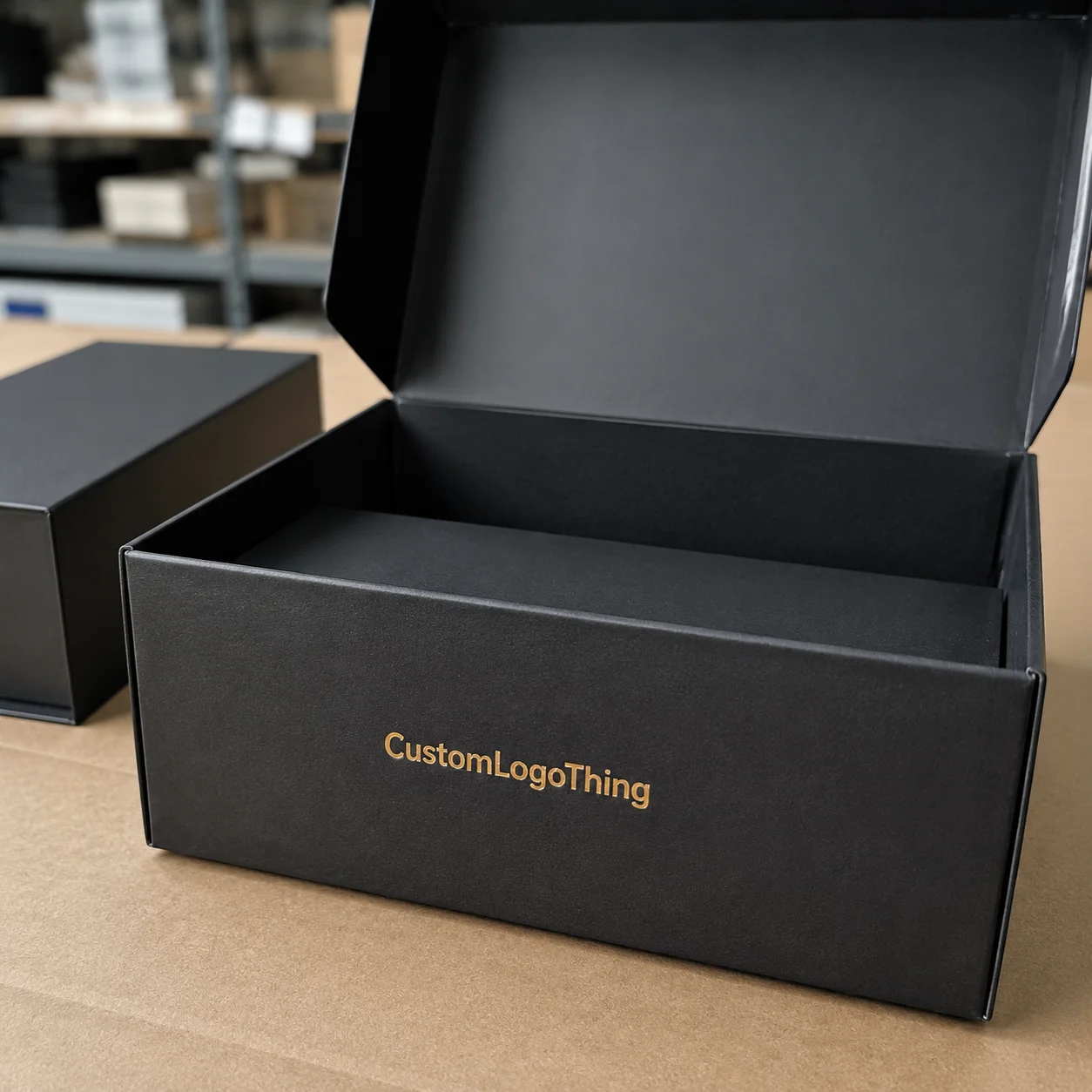
The look on my client's face when those Custom Printed Shipping Boxes came off the press at a Shenzhen facility still sticks with me. Two years of building what they believed was a premium skincare brand, yet their products were arriving at customers' doors in those plain tan boxes available at any office supply store. Tearing open that first box with their logo beautifully rendered in full color with a soft-touch laminate finish finally drove home what I'd been telling them for months: your shipping box is part of your product. (I may or may not have done a little happy dance. No judgment.)
The e-commerce boom has fundamentally altered what consumers expect when a package lands on their doorstep. I remember touring Amazon fulfillment centers back in 2017 and seeing this shift already beginning—the way they handled packaging, the emphasis on presentation even for utilitarian shipments. Today, unboxing has become a cultural phenomenon. Brands grasping this truth are investing in custom packaging with their brand identity, understanding something that competitors still using plain cardboard haven't quite absorbed yet. And honestly? Those competitors are leaving money on the table.
Why Your Shipping Box Is Your First (and Last) Impression
Here's a stat that still surprises people: 40% of consumers judge a brand's quality based on packaging. This comes from Packaging Demystified research, and it really puts things in perspective. We're not talking about a small segment of picky customers here—nearly half of everyone shopping online makes these split-second judgments. Custom Printed Boxes with your branding make a statement about who you are before anyone opens the box.
A Portland ceramics company I worked with illustrates this perfectly. Beautiful hand-thrown mugs and plates sold exclusively through their website. Their products were exceptional—I saw their work firsthand at a Pearl District craft fair—but customers kept complaining items arrived broken. Visiting their fulfillment area revealed the problem immediately. Delicate pieces were shipping in budget boxes with zero interior protection. The boxes looked cheap, and worse, items broke in transit.
We redesigned their custom shipping boxes from the ground up. Double-wall corrugated construction, custom-fit foam inserts, exterior printing matching their earthy, artisan aesthetic. Returns dropped 60% in the first quarter. Customers started posting unboxing videos. Their Instagram following tripled within six months.
The connection between perceived value and packaging quality isn't psychological voodoo—basic sensory economics explain it. (And I've tested this theory on more than one skeptical client who thought I was exaggerating. Spoiler: I wasn't.) Someone paying $85 for mixing bowl sets receives confirmation that their purchase was worth it when those bowls arrive in a beautifully printed box that feels substantial in their hands. That same $85 product in a thin brown box held together with packing tape? Part of its perceived value evaporates before the customer even opens the packaging.
Branded boxes transform your packaging into mobile advertising. Boxes sitting on porches, by garbage cans, in apartment building mailrooms—carrying your message to everyone who sees them. The Paper and Packaging Board found that 52% of consumers are more likely to recommend brands using attractive, sustainable packaging. Your shipping boxes don't disappear once delivery is complete. They live on in memories of everyone who sees them during transit and at the destination.
What Are Custom Printed Shipping Boxes?
A Custom Printed Shipping box is exactly what it sounds like—a shipping box with custom artwork, logos, and branding elements rather than the generic brown exterior of standard corrugated boxes. But calling it that kinda undersells the engineering and manufacturing expertise involved. (And believe me, there's a lot more going on behind the scenes than most people realize.)
Three main printing methods come up when sourcing Custom Shipping Boxes. Flexographic printing leads the packaging industry. Flexo uses raised柔性版 transferring ink directly onto cardboard. Fast, cost-effective for large runs, handles corrugated surfaces well. The trade-off: image resolution isn't quite as sharp, and fine design details require careful attention to ink trapping.
Lithographic printing (offset litho) produces stunning image quality with smooth gradients and photographic detail. The process involves printing the image onto rubber blankets that transfer onto the substrate. Litho delivers that magazine-quality crispness on corrugated shipping boxes custom printed to exact specifications. Litho printing on corrugated cardboard requires an additional post-printing step—applying the print to sheet stock first, then mounting to the corrugated medium. This adds cost and complexity but results in exceptional print quality.
Digital printing revolutionized short-run packaging over the past decade. HP Indigo presses and similar technologies produce full-color packaging with no printing plates required. Ordering as few as 25-50 custom printed shipping boxes becomes possible without the massive setup costs that traditionally made short runs prohibitively expensive. Startups and small businesses find doors open that were completely closed five years ago. This is genuinely exciting stuff for anyone who's been priced out of custom packaging before.
Materials used in custom printed shipping boxes projects matter enormously. Corrugated cardboard isn't just "cardboard"—it's an engineered material with specific performance characteristics. The flute profile determines stacking strength and cushioning properties. E-CT (single wall) is lightweight and economical. B-CT offers excellent stacking strength for heavier products. C-CT balances cushioning and compression resistance. Double-wall constructions like EB-CT provide maximum protection for fragile items at substantially higher material and shipping costs.
Understanding the difference between mailing boxes, shipping boxes, and e-commerce boxes confuses many clients. These terms get used interchangeably but describe distinct packaging categories. A mailing box typically meets postal service delivery standards with specific compression and drop test requirements. Shipping boxes encompass anything moved via freight or parcel carriers. E-commerce boxes engineer specifically for direct-to-consumer fulfillment, often featuring tear strips, tamper evidence, and designs optimized for the unboxing moment.
How Custom Shipping Boxes Benefit Your Business
Walking through trade shows over the years reveals that standout brands share one common trait: treating every customer touchpoint as an opportunity to reinforce brand identity. Your shipping box ranks among the highest-visibility touchpoints, and competitors largely ignore it. (Which honestly makes my job easier when I'm helping clients understand why this investment matters—there's so much untapped potential here.)
Brand recognition represents perhaps the most tangible benefit of custom printed shipping boxes. A distinctive box design becoming familiar to customers builds what marketers call "brand fluency." A pet food industry client switched to shipping boxes custom printed featuring a bold paw print pattern and their orange color scheme. Within a year, customers posted photos of dogs eating from bowls delivered in recognizable branded boxes. Brand recognition grew without a single advertising dollar spent.
During transit, custom packaging with your branding becomes mobile billboards. A package traveling across town passes through dozens of neighborhoods. One on an office building reception desk gets seen by every employee walking past the front desk. Apartment complex mailrooms pile packages where dozens of people see them daily. This visibility provides essentially free advertising happening every time you ship an order.
Customer trust proves harder to quantify but equally important. Packages arriving in professional, branded packaging signal that you're a legitimate business taking operations seriously. Numerous e-commerce startups I've consulted with struggled with customer retention until upgrading their packaging. The products were fine, prices competitive, but receiving products in cheap-looking boxes made customers question whether they were getting what they paid for.
The unboxing experience has become a genuine marketing channel. Countless unboxing videos exist where hosts' faces light up revealing beautifully packaged products. These videos generate millions of views across YouTube, Instagram, and TikTok. When your custom printed shipping boxes design proves interesting enough to film, you create shareable content promoting your brand organically. An Austin soap company discovered customers posting unboxing videos primarily because they loved the illustrated botanical prints on their boxes—the soap was fine, but the packaging was the star.
The Custom Printed Shipping Box Ordering Process
Understanding how a custom shipping box order comes together helps you ask better questions and avoid costly mistakes. Many clients stumble at the simplest steps without knowing what information to have ready. I've seen orders delayed for weeks over things that would've been resolved in a five-minute conversation. So let me save you some grief.
Step 1: Assess Your Product Dimensions and Weight Requirements
Before designing, you must know what your shipping box must hold. Measure your product in fully packaged form—if inserts, padding, or cushioning materials appear, those dimensions matter. Weight equally proves critical. A box perfect for 8-ounce serum bottles might prove woefully inadequate for heavy glass candle vessel sets. Always add 10-15% to internal dimension requirements for stuffing ease; boxes fitting products like a glove become nightmares to pack at scale. (And I've dealt with those nightmares. They involve a lot of cursing and productivity loss.)
Step 2: Choose Box Style
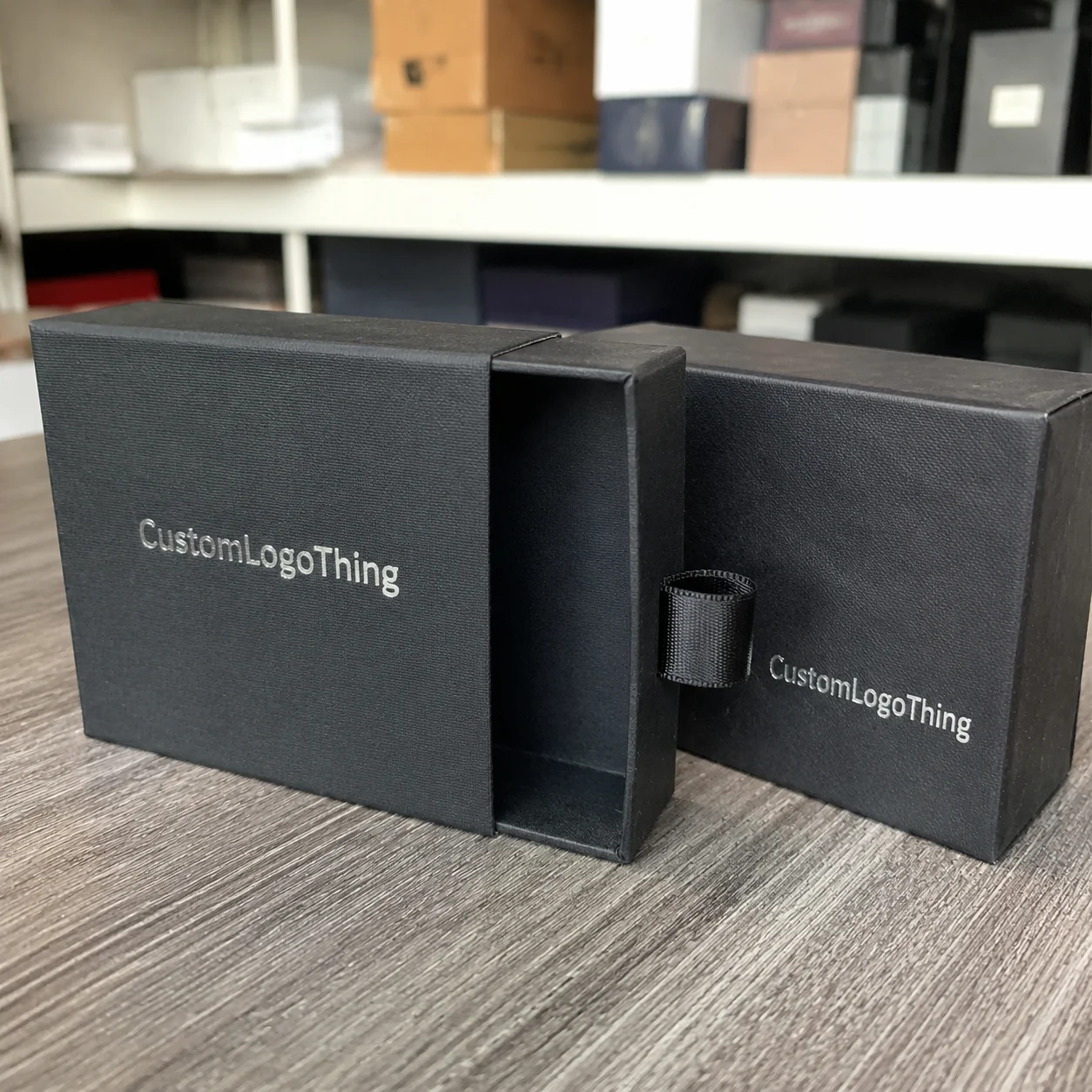
Regular slotted containers serve as the industry standard for good reason—efficient to manufacture, easy to fold, work reliably in automated packing systems. Other styles might serve you better depending on your product and unboxing experience goals. Telescoping boxes, where lids slide over bases, create dramatic unboxing moments but require more packaging material and don't perform as well in automated fulfillment. Mailer boxes featuring self-locking bottoms and integrated lids have grown popular for subscription boxes and e-commerce, easy for customers to open and reassemble for returns.
Step 3: Select Materials Based on Durability and Sustainability Goals
Material choice affects everything from protection performance to environmental messaging to cost. Sustainability as a core brand value? Look for boxes with FSC certification from the Forest Stewardship Council. Recycled content percentages vary widely—some manufacturers offer boxes with up to 100% post-consumer waste content. Water-based inks and soy-based coatings now standard at most facilities, but verify upfront if targeting specific eco-certifications. Shipping environment matters: moisture exposure during transit requires wax coatings or water-resistant adhesives, adding cost but preventing catastrophic packaging failures.
Step 4: Design Your Artwork with Proper Bleed, Safety Margins, and Color Profiles
First-time buyers stumble here most often, and I'll admit, my first encounter with print terminology nearly broke me. (RIP my carefully designed logo that looked absolutely stunning in Photoshop and absolutely terrible when it arrived.) Artwork needs extending beyond the trim line—bleeding—to account for cutting variance during manufacturing. Standard practice: 0.125 inches beyond all trim edges on each side. Safety margins, the area inside the bleed where critical design elements must stay, require at least 0.25 inches from the trim line. Color profiles matter too—CMYK files printed in RGB appear dramatically different off the press. Request proofs showing exactly how your design will print, and understand that monitor displays rarely match physical proof colors.
Step 5: Review Proofs and Understand Print Limitations
Every reputable manufacturer provides proofs for approval before production. Read carefully. I cannot stress this enough. Check that your logo appears correctly oriented on all panels. Verify text readability at actual box size—design software often makes small text look fine on screen that becomes illegible on actual boxes. Ask about print tolerances. Tight registration requirements—elements needing precise alignment across multiple panels—require manufacturer equipment capable of achieving that tolerance.
Step 6: Production Timeline and Shipping Coordination
Production begins after proof approval. Standard lead time for custom printed shipping boxes: 10-15 business days for quantities under 10,000 units, assuming print-ready artwork. Complex designs with specialty finishes or Custom Die Cuts may require 3-4 weeks. Freight shipping time matters too—production completion doesn't mean boxes arrive at your door. Ground freight from Southeast or West Coast manufacturing facilities typically adds another 5-7 business days depending on location.
Understanding Custom Shipping Box Costs and Pricing
Countless initial client meetings feature dropped jaws when they see quotes for first custom printed shipping boxes orders. (I've had clients literally lean back in their chairs like I'd told them their house payment just doubled. Happens every time.) Let me break down the pricing structure so you know what to expect and can budget accordingly.
Key factors determining cost: quantity, box dimensions, print complexity, and material specifications. These variables interact in ways sometimes surprising buyers. A common misconception: material cost drives pricing. Setup fees often represent the largest cost portion for smaller quantities.
Setup fees are unavoidable costs of preparing jobs for production. Creating printing plates (for flexo and litho), setting up die-cut tools, mixing custom ink colors, configuring the press—these all factor in. Fees range from $250 for simple one-color designs to $1,500+ for complex multi-color jobs with Custom Die Cuts. Setup fees are fixed costs, though, so spreading them across more units dramatically reduces per-unit pricing.
| Order Quantity | 1-2 Color Flexo (per unit) | Full-Color Process (per unit) | Typical Setup Fee |
|---|---|---|---|
| 250 units | $3.25 - $4.50 | $5.50 - $8.00 | $350 - $600 |
| 500 units | $2.25 - $3.25 | $3.75 - $5.50 | $350 - $600 |
| 1,000 units | $1.50 - $2.25 | $2.50 - $3.75 | $350 - $600 |
| 5,000 units | $0.85 - $1.25 | $1.35 - $2.00 | $400 - $750 |
These prices assume standard single-wall corrugated construction for a medium-sized box (roughly 12" x 9" x 6"). Larger boxes cost more; smaller boxes may cost less per unit. Double-wall construction typically adds 60-80% to material costs.
Hidden costs frequently surprise first-time buyers beyond basic unit and setup pricing. Freight shipping often quotes separately from product price—heavy boxes mean shipping 5,000 units across the country adds $800-1,500 to invoices. Flat-packed boxes for fulfillment center assembly? Confirm whether included or requiring additional tooling. Rush order premiums typically run 25-50% depending on timeline compression. Artwork preparation or template design services, if needed, add $150-500 typically.
Budget concerns are real for startups and small businesses. I get it—I started my consulting work with bootstrapped brands who couldn't drop $5,000 on packaging inventory before they'd sold a single unit. Digital printing makes sense if quantities don't justify traditional printing methods. Yes, per-unit cost is higher, but large upfront investments sitting in warehouses become possible if product direction changes. Volumes growing? Revisit economics and lock in lower per-unit costs with traditional printing methods. Some manufacturers offer no-minimum-order options with premium per-unit pricing—smart ways to test market demand before committing to larger runs.
Common Mistakes When Ordering Custom Printed Shipping Boxes
Two decades working with packaging suppliers and brand clients reveal the same mistakes repeating. Most are completely preventable with proper planning. Save yourself the learning curve. (And trust me, some of these lessons cost my clients thousands of dollars to learn the hard way.)
Ignoring compression strength and stacking capabilities ranks as the most common error. Palletized and shipped boxes experience significant compression forces from weight above. Beautiful custom printed shipping boxes arriving at distribution centers looking like someone sat on them—not from rough handling, but because flute profile and board grade weren't appropriate for stacking configuration. Always discuss shipping and storage scenarios with manufacturers. Boxes stacked five high on pallets need board grades handling that compression. Boxes shipped individually through parcel carriers follow different rules.
Low-resolution artwork causes problems frequently. This one drives me absolutely bonkers. Proofs from a client looked fine on their laptop screen, but printed samples showed their logo as a blurry mess. They'd designed in PowerPoint and exported as PDF without understanding that vector graphics are required for crisp printing at any size. Raster elements in designs must always be at least 300 DPI at actual output size. Logo text should convert to outlines or embed as vector paths. Professional appearance on 15-inch monitors often looks amateurish when printed on 14-inch shipping boxes.
Forgetting about interior packaging and how it affects box sizing creates problems more often than expected. You finalize custom printed shipping boxes orders, they arrive, and foam inserts don't fit because interior cushioning thickness wasn't accounted for. Product boxes are slightly larger than provided measurements because manufacturers used exterior dimensions rather than interior. Triple-check dimension calculations before approving final designs.
Not requesting samples before full production runs is a mistake even sophisticated buyers make. Physical samples let you verify print quality, handle boxes to assess construction quality, test product fit, and evaluate box performance in actual shipping conditions. Most manufacturers provide 1-3 samples for nominal fees or sometimes free. Small investments preventing large headaches.
Underestimating lead times probably causes more panic than any other issue. Custom printing differs from Amazon ordering—production timelines measure in weeks, not days. Typical custom printed shipping boxes orders require 10-15 business days production plus 5-7 days freight shipping. Launching new products or preparing for holiday shipping? Work backward from needed arrival dates and build buffer time for any rework if samples reveal issues. Brands have missed entire product launches because "rush production" at premium still means two weeks minimum.
Design Best Practices for Eye-Catching Shipping Boxes
Great packaging design balances art and science equally. A checklist developed over years gets walked through with every client before finalizing artwork. Here's what matters most.
Color theory matters enormously when designing for three-dimensional packages. Harmonious colors on flat paper can vibrate uncomfortably or appear muddy when rendered on corrugated board. The slight texture of even smoothest litho-printed corrugated affects color appearance. Slightly desaturated brand color versions often print more accurately than pure saturated versions. Request printed samples before committing to full production if color accuracy is critical to brand identity.
Logo and tagline placement deserves careful consideration. Readability from at least two angles—typically front panel and one side—matters most. Front panel placement should occupy upper third or lower third, not dead center, which appears static. Taglines and contact information work well on side panels or bottom flap, visible when boxes sit on shelves but not competing with primary branding. Shipping and storage box orientation can't be assumed—designs won't always face the right direction.
Interior printing presents an opportunity most brands ignore entirely. When customers open boxes, interiors become the most intimate packaging view. Brand stories, care instructions, surprise messages, or QR codes linking to exclusive content Create Memorable Unboxing moments. Interior printing typically adds $0.15-0.50 per unit depending on coverage and complexity, but impact per dollar spent can prove significant. A handmade chocolate seller prints "Thank you for unwrapping happiness" in gold foil on interior panels—customers consistently mention it in reviews as a delightful touch.
Eco-friendly design choices appeal to increasingly conscious consumers, often costing less than expected. Soy-based and water-based inks are now standard at most facilities—no premiums required for basic sustainability. Recycled content materials or FSC-certified board make environmental statements without design changes. Void fills and interior cushioning that are recyclable or biodegradable complete sustainability stories. The EPA guidelines on sustainable packaging offer good baseline standards for formalized environmental claims.
Always test readability at actual box size. Design software zooms in to work, and clear monitor designs can become illegible when printed small. Print designs at actual size and hold at normal reading distance, or tape to actual boxes to see three-dimensional appearance. Check readability at arm's length, typical office distance, and from the ground up (standing adult view). Design elements should work at multiple viewing distances because shipping boxes custom printed will be seen at all of them.
Your Action Plan: Next Steps to Get Started
You've read through the considerations, understood the variables involved, and now need to move forward. Here's your concrete action plan.
Start by measuring products accurately. Create specification sheets for each SKU—product dimensions, weight, fragility level, special handling requirements. These measurements determine box sizing, affecting every downstream decision. Too many projects stall because someone assumed they knew product dimensions and discovered mismatches when samples arrived. (You'd be shocked how often "I'm pretty sure it's about this big" leads to disaster.)
Determine minimum quantities based on immediate needs and cash flow. Launching new products? Don't commit to 5,000 custom printed shipping boxes before validating market demand. Start with quantities covering your first few months of expected volume. Reorders are always possible, and often qualify for faster production since setup is already complete. Plan for growth, but avoid paying for volume not yet needed.
Prepare print-ready artwork or find manufacturers with design support services. In-house design capabilities require ensuring designers understand print production requirements—bleeds, safe zones, color profiles, file formats. Manufacturers offering template services or full artwork creation work well for those without design resources. Our team at Custom Packaging Products includes designers specializing in packaging-specific artwork ensuring production-ready files.
Request samples from at least two or three manufacturers before committing to production runs. Each manufacturer has different equipment capabilities, print characteristics, quality standards. Samples enable comparing print quality, construction, materials, and pricing in real-world contexts. Ask about quality control processes—color matching handling, cut and crease tolerance maintenance, quality issue resolution.
Verify production timelines match your needs. Specific date requirements? Work backward to identify when proofs must approve and when final orders must submit. Seasonal products like holiday merchandise or limited-run collections require minimum four-week buffers before needed arrival dates. Rush fees can prove substantial and availability isn't guaranteed—planning ahead rather than hoping for expedited service makes sense.
Establish quality control processes for incoming shipments. Check representative samples from each production run before accepting delivery. Verify quantities matching orders, inspect for print defects or color variations from approved proofs, test construction integrity on samples, confirm box dimensions match specifications. Catching issues early, while replacement orders remain possible, prevents much more expensive downstream problems.
Your next move is simple: grab those product dimensions today and reach out to a manufacturer for a quote. The gap between generic boxes and custom printed shipping boxes that actually represent your brand? It's smaller than you think, and the ROI shows up in customer reactions, return rates, and social shares. Don't keep shipping your reputation in boring brown cardboard.
Frequently Asked Questions
What is the minimum order quantity for custom printed shipping boxes?
Traditional printing methods require 250-500 units minimum due to setup costs—creating printing plates and configuring machinery isn't economically justifiable for smaller runs. Digital printing technology has changed this landscape significantly. HP Indigo and similar digital presses enable ordering as few as 25-50 shipping boxes custom printed with full-color artwork. The trade-off: higher per-unit costs, typically 40-60% more than traditionally printed equivalents at higher quantities. But lower quantities mean lower upfront investments and reduced risk if product directions change—ideal for startups, seasonal products, or test markets.
How long does it take to produce custom printed shipping boxes?
Standard production lead time runs 10-15 business days for typical quantities (250-5,000 units) with print-ready artwork. Complex designs with specialty finishes, Custom Die Cuts, or multiple ink colors may require 3-4 weeks. Rush orders typically add 25-50% to production costs with 5-7 business day turnarounds, depending on facility capacity. And availability isn't guaranteed during peak seasons. Freight shipping time after production completes matters too—ground shipping from manufacturing facilities usually adds 5-7 business days depending on location. Reliable delivery requires planning for total timelines of 3-6 weeks from proof approval to warehouse arrival.
What file format should I use for custom box artwork?
PDF files with embedded fonts and bleeds are the industry standard for custom box artwork. Vector formats like AI (Adobe Illustrator) and EPS preserve design data in perfect resolution, essential for crisp printing at any size. Raster elements like photographs require minimum 300 DPI resolution at actual output size for clear printing. Always include 0.125-inch bleeds on all sides beyond trim marks—designs should extend past final cut locations to account for cutting equipment variance. Manufacturers provide templates with die lines and bleed marks showing exactly where to position artwork elements. Never hesitate asking manufacturers for specific template and file requirements.
How much do custom printed shipping boxes cost compared to plain boxes?
Plain corrugated boxes without printing typically cost $0.50-2.00 per unit depending on size and construction. Basic custom printing in one or two spot colors runs $1.00-3.50 per unit at standard quantities. Full-color process printing with photographic-quality output costs $2.00-8.00 per unit, reflecting more complex setup and printing processes. Volume discounts prove substantial: ordering 5,000 units versus 250 units typically reduces per-unit costs by 30-50%. Setup fees of $350-750 (depending on complexity) spread across entire orders—explaining dramatic per-unit cost drops at higher volumes. For typical 12" x 9" x 6" single-wall boxes with full-color printing, expect roughly $1.35-2.00 per unit at 5,000 quantity.
Can I print on the inside of custom shipping boxes?
Yes, interior printing is a standard option most manufacturers offer. It typically adds $0.15-0.50 per unit depending on coverage and complexity. Common uses include brand origin stories, care and washing instructions, QR codes linking to tutorial videos, surprise messages rewarding loyal buyers, or simply a more polished brand experience when boxes open. Interior printing requires careful alignment during manufacturing since inside surfaces are viewed under different lighting than exterior prints. Some manufacturers offer special interior coatings like soft-touch lamination or waterproof treatments for food products or items potentially experiencing moisture during storage.