Buyer Fit Snapshot
| Best fit | Create Packaging That Tells Your Brand Story projects where brand print, material claims, artwork control, MOQ, and repeat-order consistency need to be specified before quoting. |
|---|---|
| Quote inputs | Share finished size, material target, print colors, finish, packing count, annual reorder estimate, ship-to region, and any compliance wording. |
| Proofing check | Approve dieline scale, logo placement, barcode or warning zones, color tolerance, closure strength, and carton packing before bulk production. |
| Main risk | Vague material claims, crowded artwork, missing packing details, or unclear freight terms can make a low unit price expensive after revisions. |
Fast answer: Create Packaging That Tells Your Brand Story: Material, Print, Proofing, and Reorder Risk should be specified like a repeatable production item. The safest quote records material, print method, finish, artwork proof, packing count, and reorder notes in one written spec.
Production checks before approval
Compare the actual filled-product size with the drawing, then confirm tolerance on folds, seals, hang holes, label areas, and retail display edges. Reserve space for logos, QR codes, warning copy, and material claims before decorative graphics fill the panel.
Quote comparison points
Review material grade, print process, finish, sampling route, tooling charges, carton quantity, and freight assumptions side by side. A quote is only useful when the supplier can repeat the same color, closure quality, and packing count on the next order.
How to create packaging that tells your brand story is one of those topics people assume is just mood boards and pretty fonts until they get a production quote from a factory in Dongguan or Xiamen and realize packaging has teeth. I remember one early project where a $38 serum sat in a plain white tuck box and got treated like a commodity, then the exact same product jumped in perceived value the moment we switched to a 350gsm custom printed box with soft-touch lamination and a one-color foil mark. Same formula. Same bottle. Different packaging. Different sale. I’m still mildly annoyed by how well that worked, honestly.
I’m Sarah Chen, and after 12 years in custom printing, I can tell you this: how to create packaging that tells your brand story is not about stuffing a paragraph of brand copy onto a lid and calling it strategy. It’s about building a package branding system where the structure, material, finish, and words all pull in the same direction, from the 0.25mm paper wrap on the outside to the insert card inside the tray. Get that right, and your product packaging does more than protect the product. It signals price point, personality, and trust before the customer even opens the box. And yes, sometimes that trust comes from a tiny detail nobody in the room expected to matter, which is usually the detail that matters most.
Customers absolutely remember the box. I’ve seen it in factory visits in Shenzhen, in buyer meetings in Chicago, and on the retail floor in Los Angeles. One buyer in Chicago told me bluntly that she could sell a “nice-looking item” faster if the package felt premium in her hand. She was right. Packaging design is not decoration. It is sales support with a dieline, a paper spec, and a freight label.
How to Create Packaging That Tells Your Brand Story — Why It Matters
How to create packaging that tells your brand story starts with a simple truth: people judge fast, often within 3 to 5 seconds of seeing a box on a shelf or a parcel on their doorstep. In one Shenzhen facility I visited, we had two candle boxes on the table. One was a plain kraft mailer with a sticker. The other was a custom printed box with an embossed logo, black ink inside, and a die-cut reveal that framed the jar. Buyers picked up the premium box first, every single time, even though the candle itself was identical. That’s not magic. That’s package branding doing its job.
Brand-story packaging is packaging that tells people who you are, what you stand for, and why your product exists. It doesn’t need a novel. It needs clarity. If your brand identity is “clean, honest, earthy,” then your product packaging should not scream neon gloss and six competing taglines. If your brand is bold and fashion-forward, then a soft brown box with no contrast is probably leaving money on the table. I’ve had founders try to split the difference between two personalities before, and it usually lands like a brand trying on someone else’s jacket that doesn’t fit in the shoulders or the sleeves.
The business impact is real. Strong branded packaging can improve shelf recognition, raise perceived value, and make the unboxing experience shareable in a way that supports repeat sales. I’ve seen modest ecommerce brands get more repeat purchases after they upgraded from generic mailers to custom printed boxes with interior messaging and inserts. Not because the product changed. Because the customer felt like the brand cared enough to spend an extra $0.18 to $0.42 per unit on the front-end experience.
Here’s what most people get wrong: they think a logo equals storytelling. No. A logo is one asset. Storytelling comes from the whole package. The panel text, the insert card, the material choice, the opening sequence, even the way the product is nested inside the box. If one piece says “luxury” and another says “we bought the cheapest thing we could find,” customers notice. Maybe not consciously. But they feel it in the first two seconds, right after their hands touch the paper board and before they’ve even read the label.
Honestly, I think that’s why so many brands plateau. They invest in ads and then underinvest in the physical experience. That’s backwards. If your packaging arrives at the customer’s door and whispers “forgettable,” your marketing team has to work twice as hard. How to create packaging that tells your brand story is about making the package do some of that heavy lifting, from the carton spec to the last fold of tissue.
For reference on packaging materials, standards, and industry context, I often point teams to The Packaging School / packaging industry resources and shipping performance guidance from ISTA. If you’re shipping anything fragile or premium, ignoring transit testing is how you end up paying for replacements and refunds, usually at $14 to $28 per order once freight and labor are counted. Fun budget line item. Absolutely nobody asks for it, and yet it happens.
How Packaging Tells a Brand Story
How to create packaging that tells your brand story means understanding that storytelling happens in layers. Visual identity is the first layer. Tactile experience is the second. Product protection is the third. Messaging is the fourth. If one layer is off, the whole thing feels less believable, especially when a 2mm chipboard lid flexes where it should feel solid or a 350gsm folding carton buckles in transit.
Color is the fastest storyteller. A matte black rigid box says something very different from a natural kraft corrugated mailer. Typography matters too. A serif font with wide spacing can feel editorial and refined. A bold sans serif with condensed letterforms can feel modern and energetic. In my experience, brands often overthink the logo and underthink the font hierarchy on the panel. That hierarchy is part of how to create packaging that tells your brand story because it guides attention in seconds, not minutes.
Structure matters just as much. Mailer boxes feel direct and ecommerce-friendly. Rigid boxes feel premium and giftable. Sleeves can add a layered reveal without rebuilding the whole structure. Inserts keep the product stable and can also carry messaging. I once worked with a tea brand that used a fold-out insert showing origin, tasting notes, and brewing instructions. Sales reps loved it because it gave them a talking point. Customers loved it because it felt useful, not salesy. That project also taught me that tea people, by and large, take their steep times very seriously, usually within a 2 to 4 minute range depending on the blend.
Copy is where many brands either shine or collapse. You do not need 200 words on the front panel. You need a short brand statement, one believable proof point, and maybe a QR code if the story goes deeper than the box can hold. If your skincare brand uses FSC-certified paperboard and compostable mailers, say so clearly. If your chocolate is single-origin, say where it’s from, whether that’s Peru, Ghana, or Madagascar. If your product is refillable, make that obvious on the packaging. That’s how to create packaging that tells your brand story without turning the box into a brochure.
The unboxing experience also plays a huge role. People like sequence. Reveal creates emotion. A lid lift. A tissue wrap. A small card. A product nestled in a custom insert. That order builds anticipation. It’s the same reason luxury stores don’t just hand you the item in a plastic bag and send you off with a thumbs-up. The sequence tells the customer, “this matters,” and the difference between a simple mailer and a nested rigid box can be felt instantly in the hand.
I’ll say this plainly: how to create packaging that tells your brand story is also about restraint. If every surface talks, nothing speaks clearly. A strong package knows what to say on the outside and what to save for the inside. That’s not minimalism for the sake of trendiness. That’s communication discipline, and it usually performs best when the outer panel uses one primary message and the interior uses one supporting line.
If you want to see how brands translate that discipline into actual packaging formats, our Custom Packaging Products page is a useful place to compare structures, prints, and finishes. I’m partial to showing people the real options instead of pretending “custom” means one magical box shape dropped from the sky by a branding fairy in a Milan studio.
Key Factors That Make Packaging Feel On-Brand
How to create packaging that tells your brand story gets easier when you start with brand clarity. Before you choose a paper stock or finish, answer three things: Who is this for? What price point are we signaling? What personality should the customer feel in their hands? If you can’t answer those in one sentence each, packaging design is going to get messy fast, and the quote usually goes up by 10% to 15% because the revisions never really stop.
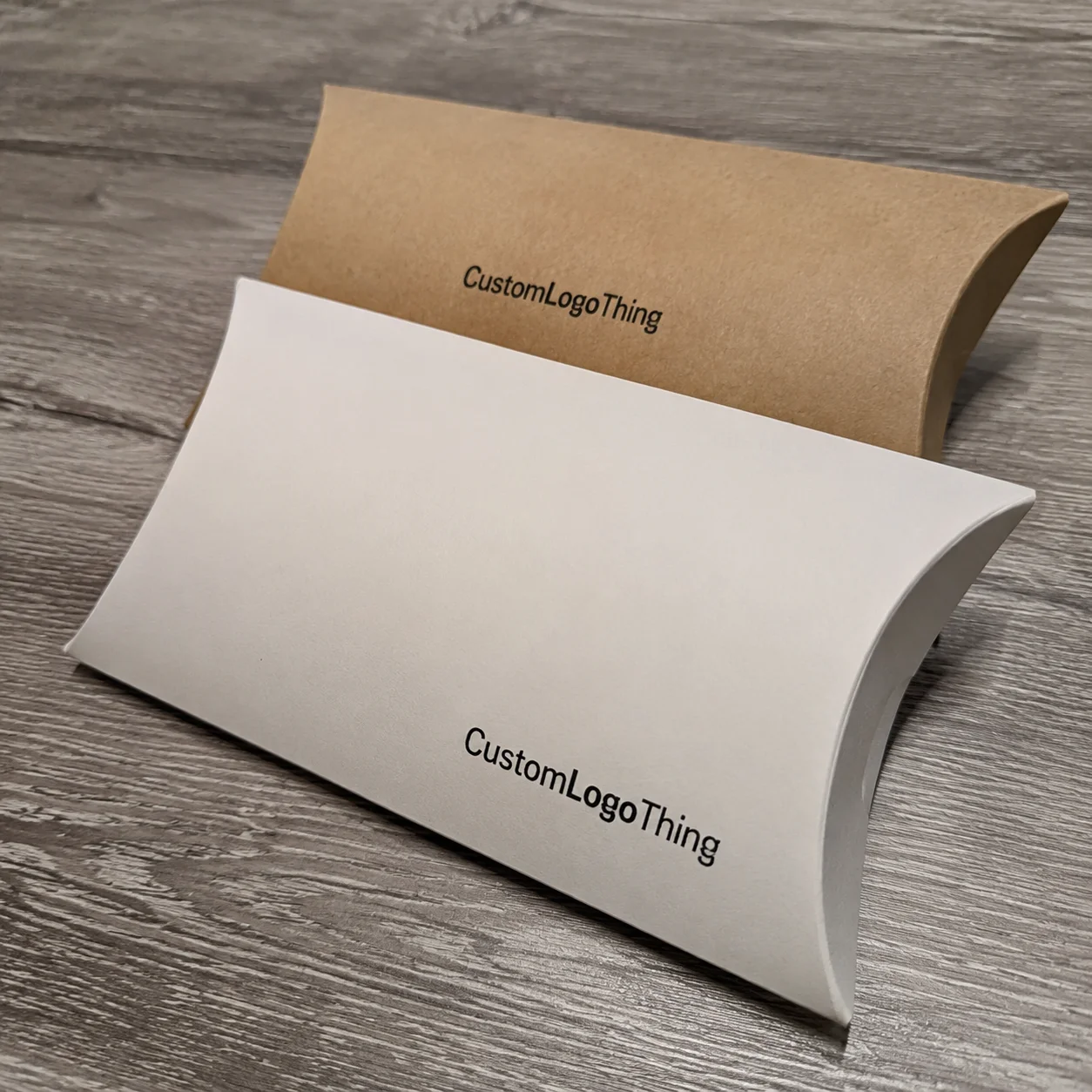
Material selection sends a message before ink even touches the sheet. Kraft paperboard usually signals natural, earthy, handmade, or eco-conscious. SBS paperboard often feels cleaner and more retail-ready because it prints beautifully and holds sharp detail. Corrugated is practical and durable for shipping. Rigid chipboard says premium, keepsake, giftable. Specialty wraps can make a box feel tactile and elevated, especially with soft-touch lamination or linen textures. That’s a big part of how to create packaging that tells your brand story because the substrate is part of the message, not just the carrier for ink.
Print and finish choices are where people often overdo it. I’ve seen brands stack foil, embossing, spot UV, gloss, and metallic ink on one tiny carton because they wanted “premium.” The result looked like a fireworks accident in a factory sample room. Finishes should support the story, not fight each other. A food brand with an artisan narrative might use uncoated stock, one Pantone color, and blind embossing. A beauty brand with a sleek, high-end feel might use matte black with a subtle foil stamp and a satin interior. Different story. Different treatment. Different cost, too, with each extra finish commonly adding $0.06 to $0.40 per unit depending on volume and location.
Consistency across touchpoints is huge. The box should match the website, the product labels, the insert card, and even the tone of customer service emails. If your site says warm and helpful but your package sounds cold and corporate, the customer gets mixed signals. Package branding works best when every surface feels like it came from the same brain, whether the final packing happens in Toronto, Ningbo, or a co-packer in Ohio.
Practical constraints matter more than design teams like to admit. Shipping method, drop tests, retail display, shelf size, and product dimensions all limit what’s realistic. A rigid box might be gorgeous, but if it adds $3.40 in landed cost and your margin is thin, that’s not strategy. That’s wishful thinking with a design file. When I negotiated with a factory in Dongguan for a subscription brand, we cut $0.22 per unit just by switching the insert from molded pulp to a folded paperboard cradle. The story stayed intact. The margin stopped bleeding.
For sustainable packaging thinking, the EPA has solid packaging and waste reduction resources at epa.gov/recycle. That matters because eco claims are only credible when the materials and logistics actually make sense. Greenwashing is expensive. It also annoys customers, which is a wonderful way to lose trust, especially if the packaging still ships in a polybag from a warehouse in Guangdong.
How to Create Packaging That Tells Your Brand Story Step by Step
How to create packaging that tells your brand story becomes manageable once you stop trying to solve everything at once. I like a five-step process because it keeps the team from redesigning the same box twelve times while everyone debates whether gold foil feels “too much.” That debate can eat a week if nobody is careful, and I have seen it happen more than once in a sample room with fluorescent lights and a stack of conflicting PDFs.
Step 1: Write the core story
Start with one sentence. Not a manifesto. One sentence. Something like: “We make clean, refillable home fragrance for people who want premium scent without synthetic junk.” Then write three proof points. Maybe one is the material. One is the sourcing. One is the refill system. That gives your packaging a backbone. How to create packaging that tells your brand story always begins with clarity, not decoration, and a 1-page brief usually works better than a 12-page deck.
Step 2: Map the customer journey
Trace the path from discovery to delivery to unboxing to reuse. What does the customer see on a product page? What do they read on the box? What do they feel when they open it? What do they keep after the product is gone? I’ve seen a client increase repeat orders just by adding a refill reminder inside the lid and a small card that explained how to reorder in 20 seconds. Simple. Not glamorous. Effective. Also easy to print on a 105mm x 148mm insert card on 300gsm uncoated stock.
Step 3: Collect references and build a mood board
Pull 8 to 12 examples of packaging that feel aligned. Include colors, finishes, structures, copy tone, and even bad examples. Bad examples help more than people think. They show what not to do. Build the board around your brand identity, not your personal taste. Those are not always the same thing. I once had a founder insist on neon orange because it was her favorite color. The issue? Her brand sold clinical supplements. Neon orange screamed energy drink. We used deep white, muted green, and a copper accent instead. Sales reps said it felt calm and credible, which, shockingly, was the goal.
Step 4: Create the hierarchy and dieline layout
Your most important message should be visible in under three seconds. The brand name, product type, and one clear value statement need priority. Secondary details go inside or on side panels. This is where how to create packaging that tells your brand story gets practical: the dieline should support the narrative flow. For example, the outer panel can handle recognition, the inner lid can carry emotion, and the insert can handle instructions or origin details. A good layout makes the box feel designed, not crowded.
Step 5: Prototype, then test it with real people
Do not skip sampling. I repeat: do not skip sampling. Screen mockups lie. A white-on-white design that looks elegant on a monitor may vanish under warehouse lighting. A textured wrap may photograph beautifully but scuff too easily in transit. Build a sample, open it, ship it, drop it, and let real users react. If the unboxing feels confusing, the story isn’t working yet. If the box arrives crushed, the story stops at the doorstep. That’s not storytelling. That’s damage control.
One of my best memories from a factory floor was watching a small candle brand test three closure options on a rigid box: magnetic flap, ribbon pull, and thumb notch. The magnetic version felt premium, but it added $1.12 per unit and slowed packing by nearly 30 seconds per box. The ribbon felt pretty but got tangled in transit. The thumb notch won because it was clean, cost-effective, and still gave a satisfying reveal. That’s how to create packaging that tells your brand story without making your operations team hate you. Frankly, keeping the operations team happy is half the battle and sometimes the whole battle.
If you want proof that packaging decisions affect real business outcomes, browse our Case Studies. There’s usually a boring little packaging choice behind the “wow, sales improved” headline. Boring choices. Big consequences. That’s packaging for you, especially once a brand moves from 500 units to 5,000 units and every millimeter starts to matter.
Cost, Pricing, and Timeline Considerations
How to create packaging that tells your brand story also means knowing what it costs. Because pretty ideas are cheap until they hit the production sheet. Pricing depends on quantity, box style, material thickness, print complexity, and finish upgrades. A simple printed mailer is not in the same lane as a rigid box with foil stamping, custom inserts, and an embossed logo. They may both be “custom packaging,” but they do not belong in the same budget conversation, especially if one ships from a facility in Shenzhen and the other is finished in Los Angeles.
Here’s a practical comparison based on typical custom packaging ranges I’ve seen during quoting and supplier negotiation. These are not universal, because geography, volume, and specs change everything, but they’re realistic enough to help you plan. For example, a 350gsm C1S artboard folding carton printed in four colors and shipped at 5,000 pieces can land around $0.31 to $0.48 per unit, while a 2mm rigid setup with wrapped paper and a paperboard insert often starts closer to $1.95 per unit at 3,000 pieces.
| Packaging Option | Typical Use | Approx. Unit Cost | Common Features | Best For |
|---|---|---|---|---|
| Printed Corrugated Mailer | Ecommerce shipping | $0.85–$1.60 at 5,000 pcs | CMYK print, matte varnish, tuck closure | Brands balancing cost and unboxing impact |
| Standard Folding Carton | Retail or mailer-in-a-box | $0.22–$0.55 at 10,000 pcs | 350gsm SBS, spot color print, simple finish | Beauty, wellness, supplements |
| Rigid Gift Box | Premium product packaging | $1.80–$4.50 at 3,000 pcs | 2mm chipboard, wrapped paper, foil, insert | Luxury, gifting, PR kits |
| Luxury Sleeve + Tray | Layered presentation | $0.95–$2.20 at 5,000 pcs | Sliding reveal, embossing, specialty paper | Cosmetics, candles, small electronics |
Hidden costs can surprise people. Dieline setup might be $75 to $250 depending on complexity. Sampling can run $120 to $400 per round. Printing plates, if you’re using spot colors, add more. Freight matters. Storage matters. If you order 20,000 units and only sell 4,000 a quarter, congratulations, you now own a warehouse problem. That’s why how to create packaging that tells your brand story needs to include inventory planning, not just design. I’ve seen a brand save $1,100 in freight by switching from two split shipments to one consolidated ocean booking out of Ningbo, which is the kind of practical decision that looks boring and feels brilliant later.
Timelines also deserve respect. A simple project may take 2 to 4 weeks from concept to sample if artwork moves quickly. More complex packaging with rigid structures, special finishes, and custom inserts can stretch much longer. Revisions slow everything down. Proof approval slows everything down. Shipping samples slows everything down. It’s not glamorous, but it’s reality. I’ve had factories move from “yes, possible” to “no, not without more time” in a single phone call after a client requested a second foil layer and a tighter insert fit. The machine time is not infinite. Shocking, I know. For many mid-volume projects, production typically takes 12 to 15 business days from proof approval, plus 4 to 7 business days for ocean or ground freight depending on whether the shipment is leaving Guangdong or moving domestically.
A smart budgeting strategy is to spend on the touchpoints customers notice first. That usually means the exterior print, the opening reveal, and the first insert. Then simplify secondary elements. You do not need four premium finishes on one box. Sometimes one well-placed emboss is stronger than foil everywhere. If you want premium without waste, make the product packaging do one or two things really well, then let the structure carry the rest.
If your brand is sustainability-focused, check FSC guidance at fsc.org. Certification language must be accurate, and paper sourcing claims should be backed up. Customers may not ask for the chain-of-custody docs, but auditors and major retail buyers absolutely can. Surprise paperwork. Everyone’s favorite hobby, especially when a compliance review starts the week before launch.
Common Mistakes When Designing Story-Driven Packaging
How to create packaging that tells your brand story gets derailed by a few common mistakes, and I’ve seen every one of them. The first is saying too much. Overcrowded packaging feels cheap because it asks the customer to work too hard. If you put six messages on the front, three on the side, and four inside the lid, you do not have a story. You have a shouting match printed on 300gsm board.
The second mistake is choosing style over function. A beautiful box that arrives dented is bad storytelling. I once saw a premium cosmetics shipment in rigid boxes with a gorgeous foil wrap, but the insert was undersized by 4mm. Every jar rattled. The customer complaint rate jumped, and the “luxury” feel evaporated the moment people opened damaged product packaging. Good packaging design protects the story as much as it tells it, and a 1.5mm tolerance miss can be enough to turn a premium kit into a returns headache.
Third, brands copy competitors. This is the fastest route to forgettability. If your box looks suspiciously like the category leader’s box, customers will either ignore you or assume you’re derivative. Worse, you may end up in legal trouble if the trade dress is too close. Inspiration is fine. Carbon-copy behavior is lazy, and lazy packaging is easy to spot in a showroom in New York or a trade fair in Las Vegas.
Fourth, people forget the unboxing flow. If the customer opens the carton and sees the product instantly with no layering, no hierarchy, and no moment of reveal, the story has no rhythm. Think about it like a short scene. It needs pacing. A branded tissue wrap, an insert card, or a custom tray can create that rhythm without adding huge cost, and in many cases the add-on is only $0.03 to $0.12 per unit.
Fifth, teams skip production reality. Your design file is not the box. The real box lives in a factory where humidity, ink density, die-cut tolerances, and shipping stress all matter. Colors can shift. Paper stocks absorb ink differently. Soft-touch can scuff. Foil can crack if the folder-gluer is rushed. That’s why proofs exist. Not because printers enjoy extra work. Because reality is annoying and physical, especially in humid months in southern China or during winter shipping in the Midwest.
How to create packaging that tells your brand story means building for the actual world, not the mood board world. There’s a difference.
Expert Tips for Better Brand Story Packaging
My first tip: use one strong idea instead of five weak ones. Clarity beats cleverness almost every time. If your brand is about calm, one calm message and one tactile finish will do more than five taglines and three spot effects. The best package branding usually feels inevitable, not crowded, and it usually fits cleanly on a single outer panel plus one interior message.
Second, layer your messages. The exterior should create recognition. The interior should create emotion. Inserts should educate. Labels should handle the practical stuff. That structure is one of the easiest ways to improve how to create packaging that tells your brand story because it matches message to moment, from the moment the courier hands over the parcel to the moment the lid comes off.
Third, use tactile details strategically. Embossing, texture, debossing, and structural reveals can make a modest box feel premium without turning it into a budget black hole. I’ve had clients spend an extra $0.14 per unit on embossing and get more lift than they did from a full-color exterior redesign that cost five times more. Touch is a strong signal. People remember how a box felt in the hand, especially when the paper wrap is 157gsm and the board underneath has real rigidity.
Fourth, write like a human. Not a brand committee. Short lines usually work better than corporate fluff. “Refill. Reuse. Repeat.” lands harder than a paragraph about “optimizing consumer wellness journeys.” Nobody opens a box and thanks you for sounding like a slide deck drafted in a conference room at 7:30 p.m.
Fifth, test with customers, not just your internal team. Internal teams tend to be emotionally attached to the concept and professionally afraid to say the box is confusing. Customers are the opposite. They’ll tell you if the logo is too small, the copy is unclear, or the insert is pointless. That feedback is gold, and it’s much cheaper to hear it from 10 test users than from 1,000 confused orders.
“The best packaging does not explain the brand. It lets the customer feel the brand in 10 seconds.” — something I told a founder after a factory review in Ningbo, where we cut a confusing three-panel front design down to one panel and improved the unboxing experience immediately.
If you want a reality check, I like to ask one question in sampling meetings: “What does this package say before the product comes out?” If the team can’t answer in one breath, the design still needs work. That question saves time, money, and a lot of polite nodding around a conference table, usually before anyone approves the final proof.
Next Steps to Build Packaging That Tells Your Brand Story
How to create packaging that tells your brand story becomes much easier once you audit what you already have. Look at your current packaging and mark where the story is missing, inconsistent, or visually noisy. Are you saying one thing on your website and another on the box? Is the insert doing anything useful? Is the material choice aligned with your price point? Write it down. Be honest. The box already is, especially if the current system is a plain white mailer with a single sticker trying to carry the whole brand.
Then write a simple packaging brief. Include your audience, message, box type, budget range, required timeline, and any must-have specs like FSC paper, soft-touch lamination, or a molded insert. Keep it to one page if possible. The more bloated the brief, the more confused the outcome usually gets. A clean brief often shortens supplier back-and-forth by 2 to 3 revision cycles.
Next, collect three to five examples of packaging that feel right. Don’t just save pretty boxes. Identify what works: structure, finish, copy, color, or opening sequence. That’s how you train your eye and give your supplier something concrete. I’ve had the smoothest projects when clients could say, “We like this rigid box lid, this insert style, and this matte finish,” instead of “make it premium.” Premium is not a spec. It’s a wish, and wishes do not hold die lines together.
Request samples or prototypes before final production. Always. Compare them in real life. Hold them. Ship them. Stack them. Open them with one hand if that’s how your customer will use them. I’ve seen a box look beautiful in a photo and feel cheap in person because the paper wrap was too thin and the corners showed chip-through. Packaging design lives or dies in the hand, not on a screen, and a sample that costs $140 can save a $14,000 production mistake.
Finally, launch the packaging alongside your product pages and social content. The story should be consistent everywhere. If your box says refillable, your page should explain the refill process. If your packaging highlights ingredients, your content should back it up. That alignment turns branded packaging into a trust signal instead of just a pretty container, especially when the same words appear on the hang tag, shipping insert, and PDP headline.
And yes, if you’re still wondering how to create packaging that tells your brand story, the answer is to keep it specific, useful, and honest. Not louder. Not busier. Better.
If you need a place to start, review our Custom Packaging Products and compare formats against your shipping needs, then check the real-world examples in our Case Studies. That combination usually helps teams stop guessing and start choosing, which is often the moment the project gets a lot more interesting and a lot less expensive.
FAQ
How do I create packaging that tells your brand story without overspending?
Prioritize one hero element, like a Custom Printed Mailer, insert, or finish, instead of upgrading everything. Keep the structure standard and use print, color, and copy to do the storytelling work. Order the right quantity after testing, because reprints and over-ordering are where budgets get wrecked. On a 5,000-piece run, focusing upgrades on one touchpoint can keep unit cost near $0.38 to $0.72 instead of pushing the box into premium pricing territory.
What should be on packaging to tell a brand story clearly?
Include the brand name, a short value statement, and one proof point customers can believe quickly. Use interior messaging, inserts, or QR codes for deeper storytelling rather than stuffing everything on the outside. Make sure the product purpose and target audience are obvious within a few seconds, and keep the front-panel copy under roughly 12 to 15 words if possible.
How long does it take to create brand-story packaging?
A simple custom packaging project may take a few weeks from concept to approved sample, depending on revision speed. More complex projects with rigid boxes, special finishes, or inserts take longer because sampling and production checks add time. Build in buffer time for artwork changes, proof approval, and shipping delays. For many suppliers, production typically takes 12 to 15 business days from proof approval, plus transit time from regions like Guangdong, Zhejiang, or domestic U.S. fulfillment centers.
What packaging materials work best for storytelling?
Kraft paperboard works well for natural, eco-conscious, or handmade positioning. Rigid boxes support premium, luxury, or giftable brand stories. Corrugated and mailer boxes are ideal when shipping protection and unboxing impact both matter. A 350gsm SBS carton, for example, can feel crisp and retail-ready, while 2mm chipboard wrapped in specialty paper usually reads more luxurious.
How do I know if my packaging story is working?
Ask customers what they think the brand stands for after opening the package. Look for social shares, repeat purchases, and fewer questions about what the product is or who it’s for. If people remember the box but not the brand message, the story is too vague or too decorative. In practice, a working package usually lowers support questions by 10% to 20% and raises repeat purchase intent in post-purchase surveys.
How to create packaging that tells your brand story is not about making the box the star. It’s about making the box the right kind of supporting actor: clear, memorable, protective, and convincing. Get the structure right, keep the copy honest, choose materials that match the brand identity, and your packaging starts working like a salesperson that never takes lunch. That’s the point, whether the final production happens in Dongguan, Ningbo, or a regional converter in the Midwest.