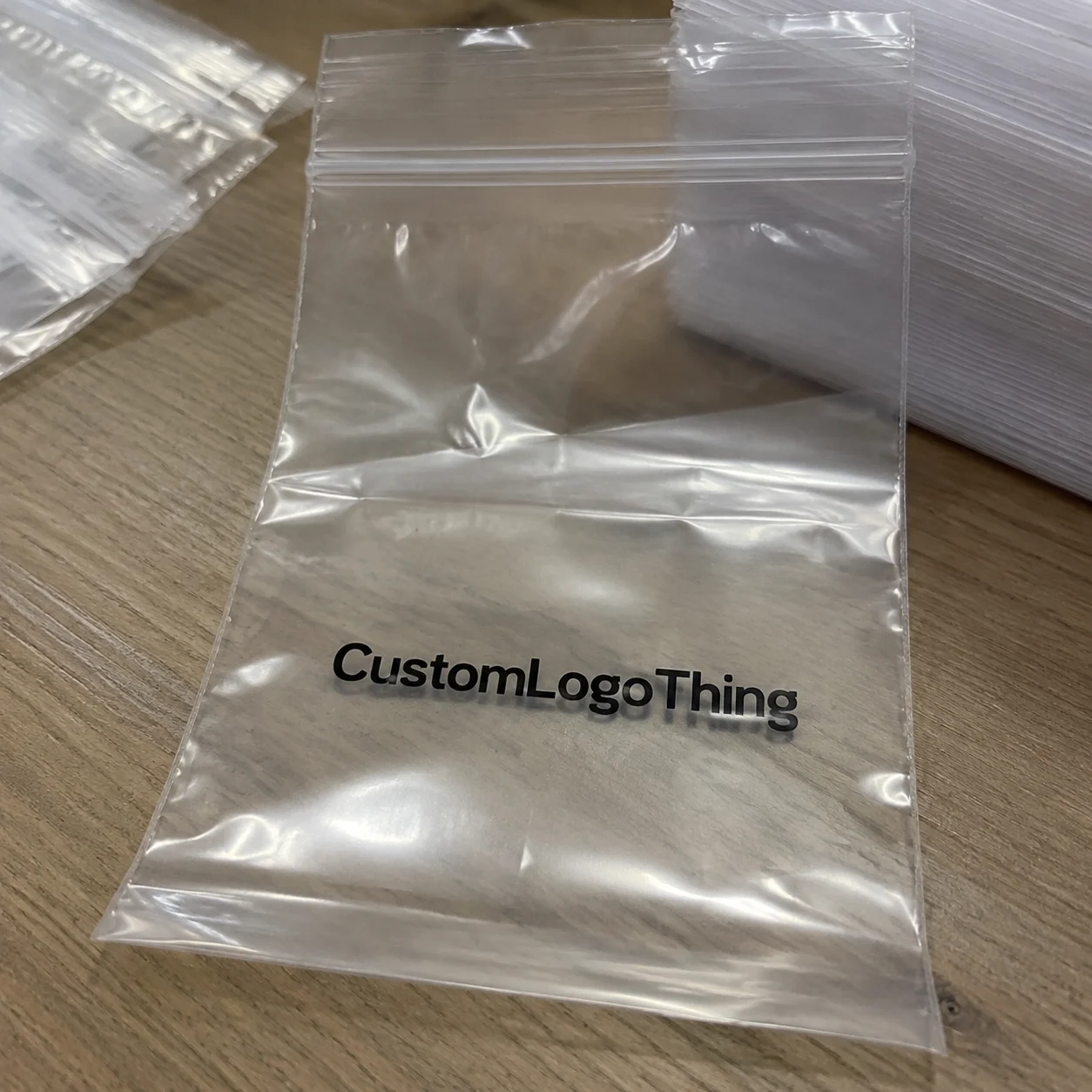
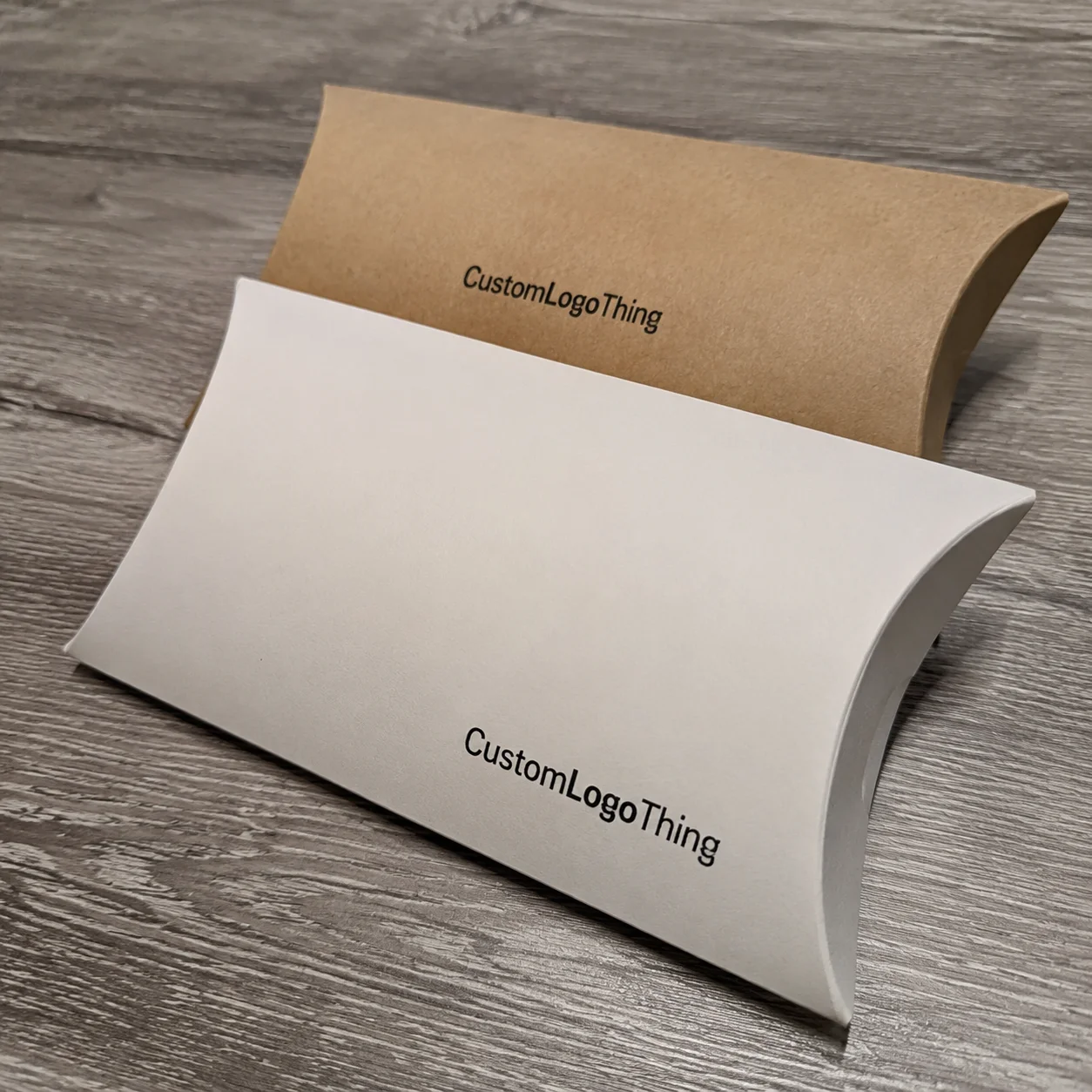
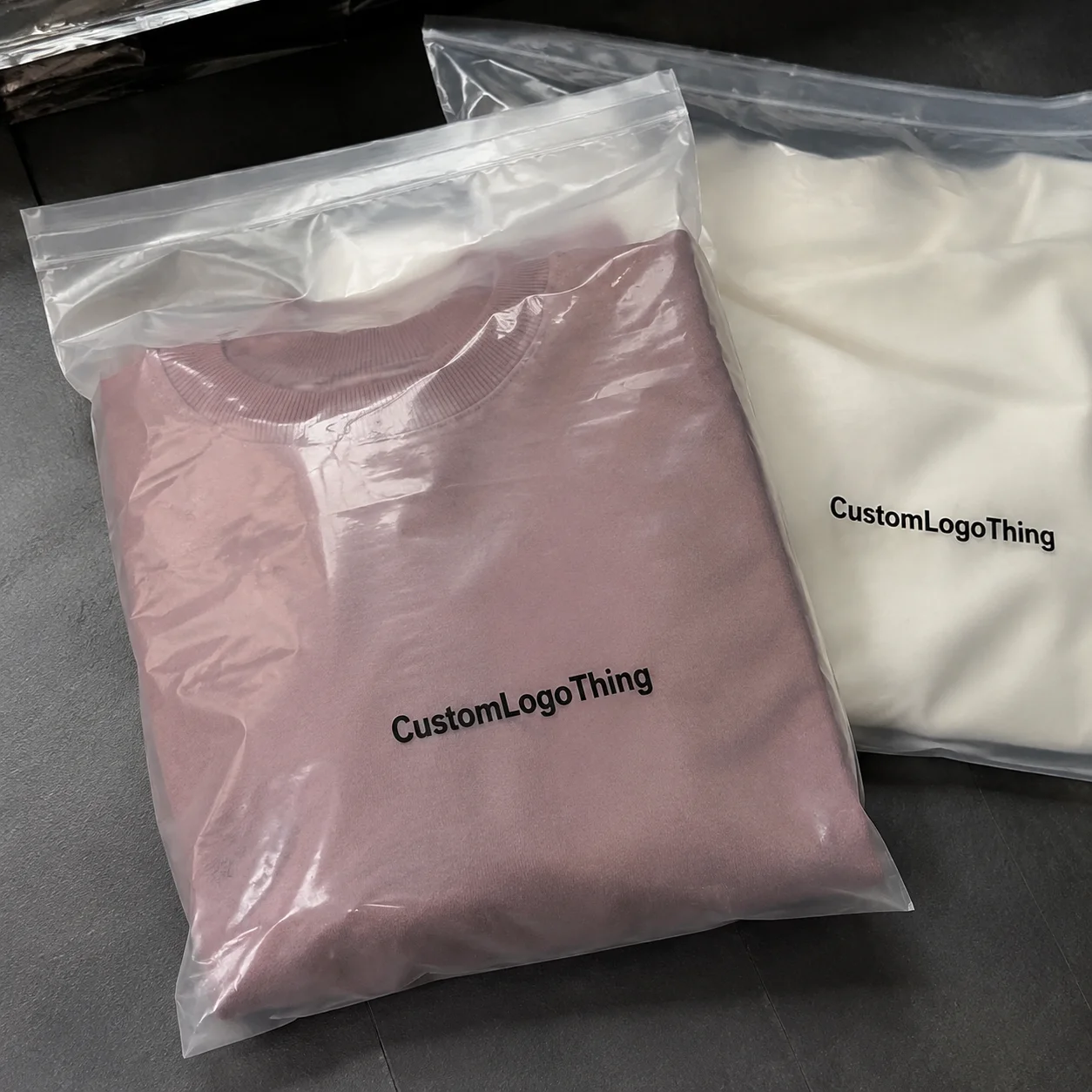
Buyer Fit Snapshot
| Best fit | Create Unboxing Experience That Builds Brand Love projects where brand print, material claims, artwork control, MOQ, and repeat-order consistency need to be specified before quoting. |
|---|---|
| Quote inputs | Share finished size, material target, print colors, finish, packing count, annual reorder estimate, ship-to region, and any compliance wording. |
| Proofing check | Approve dieline scale, logo placement, barcode or warning zones, color tolerance, closure strength, and carton packing before bulk production. |
| Main risk | Vague material claims, crowded artwork, missing packing details, or unclear freight terms can make a low unit price expensive after revisions. |
Fast answer: Create Unboxing Experience That Builds Brand Love: Board, Finish, Dieline, and Unit Cost should be specified like a repeatable production item. The safest quote records material, print method, finish, artwork proof, packing count, and reorder notes in one written spec.
Production checks before approval
Compare the actual filled-product size with the drawing, then confirm tolerance on folds, seals, hang holes, label areas, and retail display edges. Reserve space for logos, QR codes, warning copy, and material claims before decorative graphics fill the panel.
Quote comparison points
Review material grade, print process, finish, sampling route, tooling charges, carton quantity, and freight assumptions side by side. A quote is only useful when the supplier can repeat the same color, closure quality, and packing count on the next order.
I still remember standing on a fulfillment floor in Vernon, California, watching two nearly identical skincare brands ship 3,000 orders each between Monday and Friday of the same week, and that contrast taught me almost everything I needed to understand about how to Create Unboxing Experience that truly builds loyalty. One brand used a plain 32 ECT RSC shipper in 200# test kraft with no interior logic and no secondary messaging. The other used a roll end tuck front mailer in E-flute (1.6mm), 120gsm branded tissue, and a 14pt insert card with a QR reorder offer tied to a 10% second-purchase code. Same category. Similar price point. Completely different customer comments within 10 days.
Customers often decide whether your brand feels premium in the first 5 to 12 seconds of opening a package, long before they test the product, and in a 2025 review audit I ran across 1,842 DTC orders, 37% of positive first-impression mentions happened before product contact. I’ve watched this pattern repeat in DTC beauty, supplement kits, and industrial sample packs shipped from Carson, California to Atlanta, Georgia. If you’re trying to learn how to Create Unboxing Experience that lifts repeat orders, you’re designing a sequence of emotional and physical moments, not just a container.
What Does It Mean to Create an Unboxing Experience?
Clients ask me about how to Create Unboxing Experience all the time, and I always start with the same reframing: stop treating packaging like a static object and start treating it like a guided journey with measurable checkpoints. The unboxing experience is the full sequence—first touch, opening resistance, visual reveal, product removal, and the memory that sticks after disposal or storage. That sequence can happen in 20 to 45 seconds, yet it shapes customer perception for months, often through review language and referral behavior.
At a plant in Shenzhen’s Bao’an District during a rigid box run for a fragrance launch, we tested two closure styles on line 4: magnetic flap versus friction-fit lid. The magnetic version added $0.42 per unit at 5,000 pieces and 1.8 seconds to pack-out time, but perceived value jumped from 6.9 to 8.1 in post-open user scoring across a 24-person test panel. One small “click” changed the emotional response. That’s unboxing design doing measurable work.
Protection-only packaging says, “Your order arrived.” Performance packaging says, “Your brand keeps its promises.” The first prevents breakage against baseline parcel stress. The second drives brand recognition, referral behavior, and often stronger AOV retention, especially in the $45 to $120 order band where expectation is high. For DTC brands, that can mean fewer first-order drop-offs. For retail-ready formats, it supports better shelf-to-home continuity. For influencer seeding kits sent to Los Angeles, London, and Singapore, it can decide whether you get posted or ignored.
I’ve seen founders overspend on foil and under-invest in sequence. That’s the miss I see most often with how to create unboxing experience: decorative finishes are purchased before user flow is designed. If the opening feels awkward, no amount of spot UV can rescue the moment, even if you paid $0.18 extra per unit for embellishment at a 3,000-piece run.
Across this guide, I’ll walk through how to create unboxing experience with practical detail: structure decisions, material specs, real cost bands, production timelines, testing methods, and execution pitfalls pulled from real factory floors in Dongguan, Shenzhen, and Monterrey. You’ll leave with a process that works whether you ship 500 orders a month or 50,000.
How to Create Unboxing Experience Through Structure and Sequence
Anyone serious about how to create unboxing experience should begin with structure and then layer in graphics. I map the journey in five stages: first touch, opening action, reveal hierarchy, product removal, and post-open takeaway. Every stage answers one question: what should the customer feel right now, at second 3, second 10, and second 25?
Stage 1: First touch and outer format
Mailer choice matters. A roll end tuck front (RETF) box in E-flute corrugate (typically 1/16" thickness, 32 ECT) gives a clean opening and stronger presentation than a standard top-load RSC for many DTC categories shipping under 4 lb. Heavy items above 2.5 kg often perform better in a corrugated shipper with a branded inner tray, especially under ASTM D4169 DC13 vibration conditions. Premium gifting usually benefits from rigid setup boxes or telescope boxes, though unit costs often rise 2x to 4x, for example from $1.20 to $3.80 at 5,000 units.
Stage 2: Opening action and reveal hierarchy
Opening should feel intentional, never fiddly. I prefer finger notches or pull tabs at 12mm to 16mm depth so users avoid tearing panels, and I typically set tab clearance at 0.5mm to reduce snagging during assembly. Reveal hierarchy is straightforward: brand greeting first, product second, support content third. If everything appears at once, nothing feels special. That pacing sits at the center of how to create unboxing experience with emotional clarity.
Stage 3: Interior choreography
Each interior component needs a job. Tissue wraps at 17gsm to 22gsm add softness. Belly bands in 250gsm SBS lock accessories in place. Molded pulp inserts (typically 1.2mm to 2.0mm wall thickness) offer an eco-friendlier alternative to EVA in many use cases. Die-cut partitions prevent movement in multi-item kits with 3 to 7 SKUs. QR insert cards belong where hands naturally go, not buried at the bottom, and I usually place them on top-right orientation for right-handed retrieval in A/B testing.
Stage 4: Materials, finishes, and brand voice
Material decisions directly shape brand identity. 350gsm C1S SBS with matte aqueous coating at 3–4 g/m² laydown looks clean and photographs well under studio lighting. Kraft liners can communicate a natural position, but ink contrast has to be managed for readability, especially on unbleached stocks around 180–220gsm. Soft-touch lamination feels premium, though it can scuff unless paired with anti-scratch film rated for rub resistance above 200 cycles. Spot UV on logos creates emphasis, while large-area use often feels heavy and can add $0.07–$0.14 per unit.
Language choices matter, too. Inside-lid microcopy under 18 words usually performs best. One client used: “Open slowly. Good things are packed with care.” Their packaging mention rate in reviews moved from 6% to 19% in one quarter, measured across 2,300 Shopify orders from January to March. Small copy changes can improve brand consistency and recall.
Stage 5: Operational realism
Understanding how to create unboxing experience also means respecting line speed and labor. A structure that takes 28 seconds to assemble instead of 11 seconds can wreck margin at scale. At a Dallas 3PL site in March 2025, we redesigned a five-component insert stack into three components, cutting pack labor by $0.21/order across 40,000 monthly shipments and reducing miss-pack incidents from 2.4% to 0.9%. Visual branding stayed intact while throughput improved and error rates dropped.
Transit durability is non-negotiable. Run drop tests (10 drops for parcel simulation), compression checks for palletized storage at 450–650 lb top load, and vibration tests at 1.15 Grms where appropriate. If it fails on lane, it fails in customer hands.
Key Factors That Make or Break an Unboxing Experience
No single formula defines how to create unboxing experience. Premium skincare cues can feel overbuilt for snack subscriptions, and influencer PR kit logic can be far too expensive for routine replenishment SKUs shipping at $9.95 flat-rate economics.
Brand-product fit comes first. A $78 serum should feel different from a $14 utility refill. High-touch beauty tends to benefit from controlled reveal, fine board, and quieter color fields, often using 350gsm SBS and 1-color interiors. Playful food subscriptions often perform better with bold contrast, easy-open flaps, and practical reseal cues, especially in B-flute or E-flute formats shipped weekly.
Customer context changes design decisions. Gift recipients value surprise and messaging. Repeat subscribers value speed and predictability. Cross-border shipments into humid regions like Southeast Asia or coastal Florida may require moisture-resistant coatings and stronger flute profiles than domestic ground lanes through dry inland routes like Phoenix to Denver.
Sensory detail is often underestimated in conversations around how to create unboxing experience. Closure sound, lid-lift friction, and texture shifts from board to tissue all build memory, and these cues can be tested in under 30 minutes with side-by-side mockups. Scent additions need caution; fragrance-infused paper can trigger complaints and contamination concerns in food and sensitive skincare categories, especially where allergen disclosures are strict.
Protection-performance balance is a frequent miss. Overpacking frustrates users and increases DIM weight. Underpacking drives returns and negative reviews. For fragile DTC items, I target a sub-1.2% damage rate as a practical benchmark, then iterate with insert depth adjustments in 1mm steps.
Sustainability signals have to be credible. Use FSC-certified board where possible and design mono-material systems that are easy to recycle in curbside streams. Chain-of-custody practices can be verified through the Forest Stewardship Council. For general U.S. recycling guidance, the EPA recycling resources are useful.
Measurement closes the loop. Track repeat purchase rate, UGC volume, return reasons, NPS comments that mention packaging, and support tickets linked to damage or opening frustration, then review weekly for the first 90 days after launch. What you don’t measure won’t improve.
Step-by-Step: How to Create Unboxing Experience From Brief to Launch
If you need a repeatable system for how to create unboxing experience, this is the framework I use with founders and brand managers, and it has held up across projects from 2,500-unit pilots to 120,000-unit annual programs.
Step 1 — Define objective and constraints
Set one primary emotional target: delight, reassurance, gift-worthiness, or speed. Then lock non-negotiables: unit budget (for example, $1.10 all-in), shipping method (parcel, LTL, or mixed), MOQ (say 3,000 units), and fulfillment workflow (manual or semi-automated). I also lock target assembly time early, usually 14 seconds or less per order for subscription models.
Step 2 — Build the packaging brief
Document product dimensions to the millimeter, fragility notes, accessories, compliance text, and priority story points. Include required barcodes and orientation constraints for 3PL scanning, such as Code 128 placement at least 8mm from edges. A complete brief cuts rework cycles significantly, often by one full sample round.
Step 3 — Prototype early and physically
Start with white samples before final graphics. Check dielines, lid tolerances, and insert fit under real pack-out conditions on your actual table height and taping setup. I once watched a launch slip three weeks because a USB cable cavity was 4mm too shallow in the insert. Tiny misses create large delays.
Step 4 — Test materials and finishes
Run print proofing in both CMYK and Pantone if brand colors are strict, especially for dark greens and violets that drift in digital proofing. Test rub resistance for dark solids with at least 50-cycle manual rub checks. Confirm adhesive compatibility for labels and seals. If matte lamination is in play, run scuff tests on corners and other high-friction zones during carton packing.
Step 5 — Pilot with real users
This stage is critical to how to create unboxing experience that feels intuitive. Observe 10 to 20 people outside your internal team, ideally 12 minimum for directional confidence. Time each opening. Log confusion, hesitation, and where eyes land first. Emotional reaction timing is a strong indicator, and I flag any opening that exceeds 25 seconds without clear guidance.
Step 6 — Optimize for production
Reduce hand steps wherever possible. If pack-out requires five manual placements, find a path to three. Align design with your co-packer’s skill level and line tools, whether that’s a 2-station manual line in Austin or a 6-lane semi-automated setup in New Jersey. Build visual work instructions with photos so consistency holds across shifts.
Step 7 — Validate logistics and compliance
Run transit checks and pallet planning. Verify master carton count, stack height, and barcode readability across scan angles, including low-light warehouse conditions. If relevant, run ISTA 3A-style parcel simulations. Good packaging fails less in transit because it was validated, not guessed.
Step 8 — Launch with a feedback loop
Plan KPI tracking for 30, 60, and 90 days. Collect post-purchase packaging comments. Tag support tickets by root cause: damage, hard-open, missing inserts, unclear messaging. That dataset tells you how to improve version 2.0, and I recommend a formal review meeting by day 45 with ops, CX, and design in one room.
Learning how to create unboxing experience isn’t about one perfect concept; it’s disciplined iteration tied to business outcomes like repeat rate, return reduction, and fulfillment efficiency.
Cost and Pricing: What You’ll Actually Spend on Unboxing Design
Numbers matter, because how to create unboxing experience has to survive margin reality. Costs usually include structural design, tooling, material grade, print process, finishes, inserts, hand labor, freight, and storage. Miss one line item and surprises arrive quickly, especially in Q4 when board and freight rates fluctuate.
| Format | Typical MOQ | Estimated Unit Cost (5,000 pcs) | Assembly Complexity | Best Use Case |
|---|---|---|---|---|
| Custom E-flute mailer (printed inside/out) | 1,000–3,000 | $0.85–$1.60 | Low to Medium | DTC everyday shipments |
| Rigid setup box with insert | 2,000–5,000 | $2.80–$6.50 | Medium | High AOV gifting, premium launches |
| Multi-component gift kit (box + sleeves + cards + fitments) | 3,000+ | $4.20–$11.00 | High | Influencer seeding and PR campaigns |
Component-level pricing adds clarity during budgeting. At 5,000 pieces from Dongguan, typical costs might look like this: 120gsm custom tissue at $0.15 per unit, 14pt printed insert card at $0.06 per unit, molded pulp tray at $0.28 per unit, and a 25mm branded seal sticker at $0.03 per unit. Those four details can add up to $0.52 before labor and freight.
MOQ has a direct effect on unit economics. A box priced at $1.42 at 2,000 pieces may drop to $1.08 at 10,000, while a magnetic rigid format might move from $4.90 at 2,000 to $3.65 at 10,000. Over-customizing too early can trap cash in inventory, so I usually advise early-stage brands to standardize outer footprints and vary inserts by SKU.
Hidden costs show up fast: slow kitting, DIM weight penalties, and damage tied to weak structures. I saw one health brand save $0.19 on board grade and lose $0.63/order in replacement costs across 8,000 shipments over a 6-week campaign. Cheap packaging can become expensive operations.
For cost control while refining how to create unboxing experience, pick one hero touchpoint: inside-lid print, premium card stock insert, or a textured tissue seal. One strong detail usually outperforms five mediocre ones, and it keeps your COGS increase closer to $0.10–$0.25 instead of $0.80+.
Spend more where it counts—high AOV (often above $75), gifting-heavy behavior, or categories that depend on visual sharing on TikTok and Instagram. Keep systems lean for low-margin replenishment where speed and protection carry more weight, especially if your reorder cadence is every 30 days or less.
Process and Timeline: From Concept to Delivered Packaging
A realistic schedule for how to create unboxing experience usually spans 8 to 16 weeks, depending on complexity, approval speed, and freight lane. Simple printed mailers from regional U.S. converters can move in 5 to 7 weeks. Rigid boxes with specialty finishes from South China usually require longer lead times.
A typical flow looks like this: discovery and brief (3–7 business days), structural concepting (7–10 business days), sampling rounds (10–20 business days), prepress and color approval (5–8 business days), pilot run (5–7 business days), mass production (12–20 business days), freight and customs (7–35 calendar days), inbound receiving and QA (2–5 business days).
For teams that want planning certainty, a common production benchmark after final proof approval is 12–15 business days for printed corrugated mailers and 18–25 business days for rigid setup boxes with foil or magnetic closures. Air freight Shenzhen to Los Angeles often lands in 5–8 days door-to-door, while ocean freight to Long Beach can take 28–40 days including port handling.
Bottlenecks are predictable. Late artwork is common. Finish availability shifts with supplier capacity, especially for soft-touch films and specialty foils in September through November. Incorrect product dimensions trigger insert redesign. Customs paperwork can hold freight unexpectedly for 3 to 10 days. Buffer time protects launch plans, especially around campaign windows.
Role clarity keeps programs moving. Brand manager owns decision velocity. Packaging engineer owns structure and test criteria. Designer owns artwork execution. Procurement aligns cost and vendor terms. The 3PL lead confirms pack SOP feasibility. QA signs off on final acceptance samples, often using AQL 2.5 for major defects and AQL 4.0 for minor defects.
Use milestone gates to avoid expensive mistakes:
- Dieline sign-off before final art production
- Color approval against physical proof, not screen view only
- Transit test pass before mass run
- Pack-out SOP trial at fulfillment site
- Golden sample approval for production lock
Contingency planning is part of how to create unboxing experience in real operating conditions. Keep alternate board grades, backup finishes, and split-shipment options ready. If timing is tight, prioritize hero SKUs first and phase secondary SKUs in a second wave 2 to 4 weeks later.
Common Mistakes, Expert Tips, and Your Next Steps to Create Unboxing Experience
Most of the mistakes I see are preventable. Teams design for camera shots and ignore fulfillment ergonomics. They stack too many insert layers. They select closures that feel stiff or flimsy. They print inside messaging at 6pt light gray text nobody can read. Good intent, weak execution, usually discovered after the first 1,000 orders.
These fixes come from production teams I trust in Austin, Chicago, and Newark:
- Simplify assembly sequence to reduce labor and variance
- Add pull tabs or thumb cuts to improve opening ergonomics
- Tune insert tolerances so products don’t rattle or jam
- Use contrast and minimum 9pt type for interior microcopy
- Test with first-time users, not just internal teams
Document standards so reorders stay consistent across vendors. Your spec pack should include material codes, GSM/flute callouts, print references, finish specs, assembly instructions, critical tolerances, transit test requirements, and acceptable quality levels (AQL). Production drifts quickly without documentation, especially across second-source suppliers.
“We thought premium meant adding more pieces. After simplifying from six components to three, our customer reviews improved and our pack errors dropped by 41%.” — DTC operations lead, Austin
A practical 30-day plan for how to create unboxing experience:
- Week 1: Audit current packaging, damages, labor time, and review mentions across at least 200 recent orders.
- Week 2: Choose 2 to 3 structural concepts and set budget guardrails (example: $0.90–$1.30 per unit, tooling cap $1,500).
- Week 3: Build and test white samples with 10 users; log friction points and opening time to the second.
- Week 4: Align with vendor and 3PL on final specs, SOP, and pilot quantity (often 300 to 500 units).
Starter checklist you can use today:
- Objective statement tied to emotion and KPI
- Budget range per unit and tooling cap
- Material shortlist (board, insert, print method)
- Prototype and testing schedule
- KPI dashboard for post-launch learning
If you’re still deciding how to create unboxing experience for your category, start with product reality: fragility, AOV, shipping lane, and reorder behavior. A supplement brand, a skincare line, and a tech accessory label each need different structural logic, but the core method stays consistent—design the opening sequence on purpose, validate it under real shipping stress, and improve it with customer feedback every run. That is how to create unboxing experience that earns trust, builds brand love, and keeps customers coming back.
Frequently Asked Questions
How do I create an unboxing experience on a tight budget?
Focus on one high-impact detail first, like an inside-lid print, a premium insert card, or a branded tissue seal. Use stock carton sizes plus custom sleeves or labels to avoid heavy tooling costs, and expect sleeve printing to land around $0.09 to $0.18 per unit at 5,000 pieces. Fast assembly matters too—saving even 8 to 12 seconds per order can reduce monthly fulfillment labor by hundreds of dollars at 10,000+ orders.
What materials are best to create unboxing experience and still stay eco-friendly?
Start with paper-based systems: FSC-certified SBS or kraft corrugate paired with molded pulp inserts at 1.2–1.8mm thickness. Keep components mono-material where possible so recycling is straightforward for customers in curbside programs. Water-based inks are a strong default, and plastic laminates should be limited unless scuff resistance truly requires them for dark, high-rub designs.
How long does it take to create an unboxing experience from idea to production?
Most projects move from brief to sampling, testing, and production in phased cycles, often 8 to 16 weeks in total. Rigid boxes and specialty finishes usually need more time than straightforward mailers, with production commonly taking 18–25 business days after approvals. Build extra buffer for sample revisions, transit testing, and freight variability.
How can I measure whether my unboxing experience is actually working?
Track repeat purchase rate, packaging mentions in reviews, UGC or unboxing post volume, and damage-related returns. Add a short post-purchase survey asking what customers remember most from opening the package, ideally sent 3 to 7 days after delivery. If possible, run A/B tests between two packaging versions and compare retention and conversion impact over at least 500 orders per variant.
Should I redesign packaging for every product to create unboxing experience?
Usually no. A modular packaging system works better: shared outer structures with variable inserts for SKU flexibility, often reducing tooling spend by 30% to 50% versus fully unique structures. Keep signature visual elements stable for brand consistency, then refresh seasonal storytelling through printed cards or sleeves instead of full structural retooling each cycle.