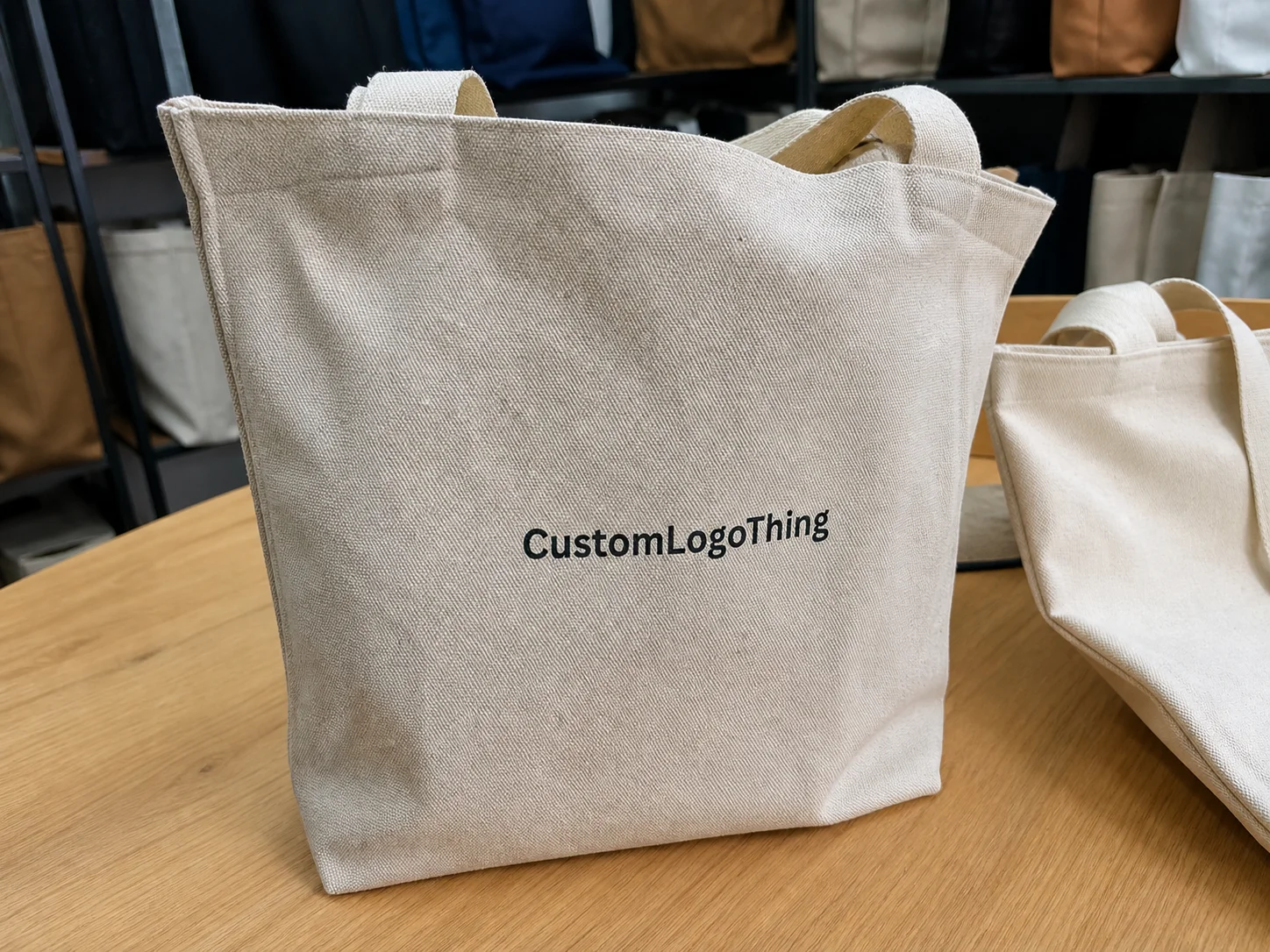
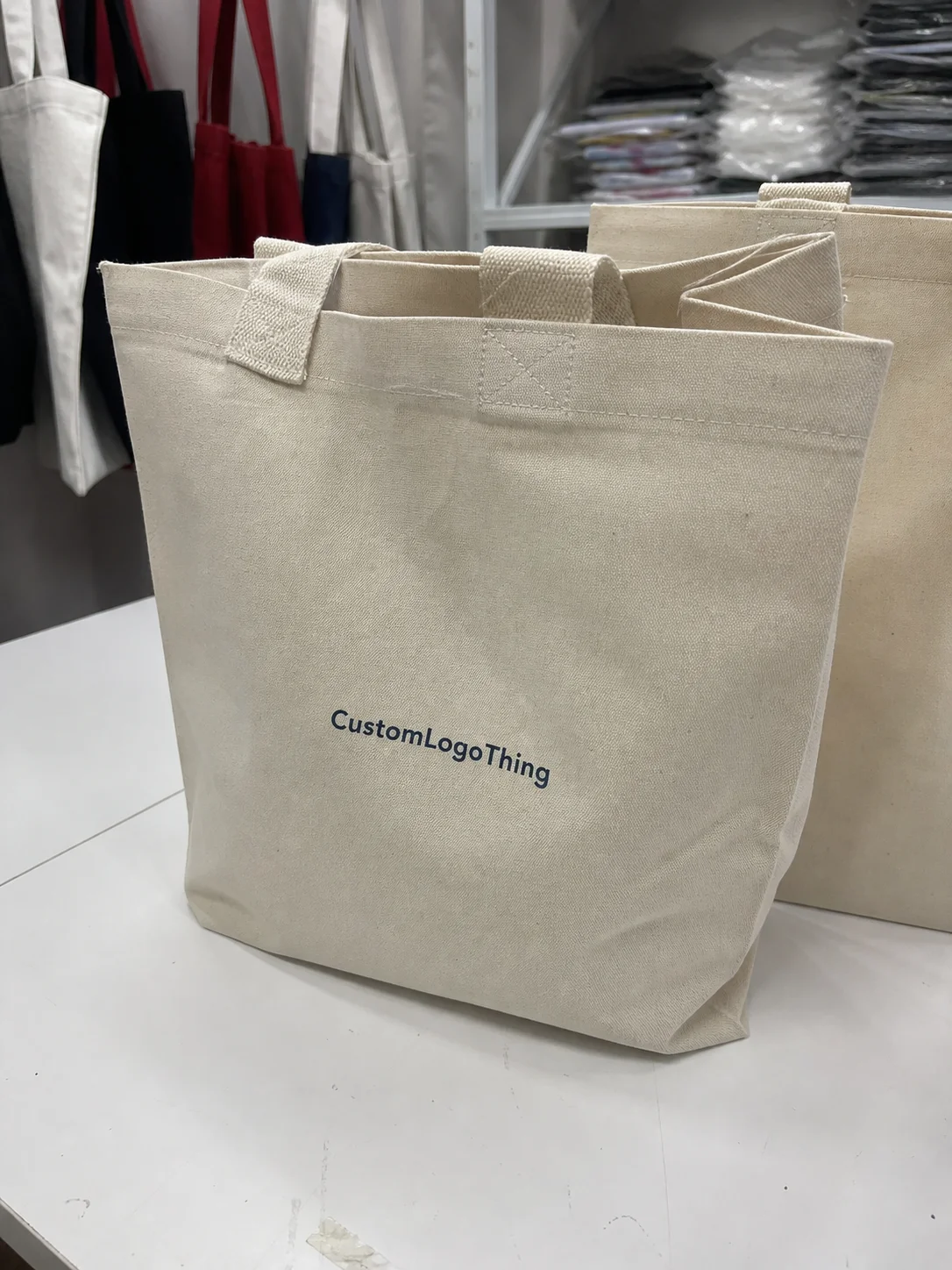
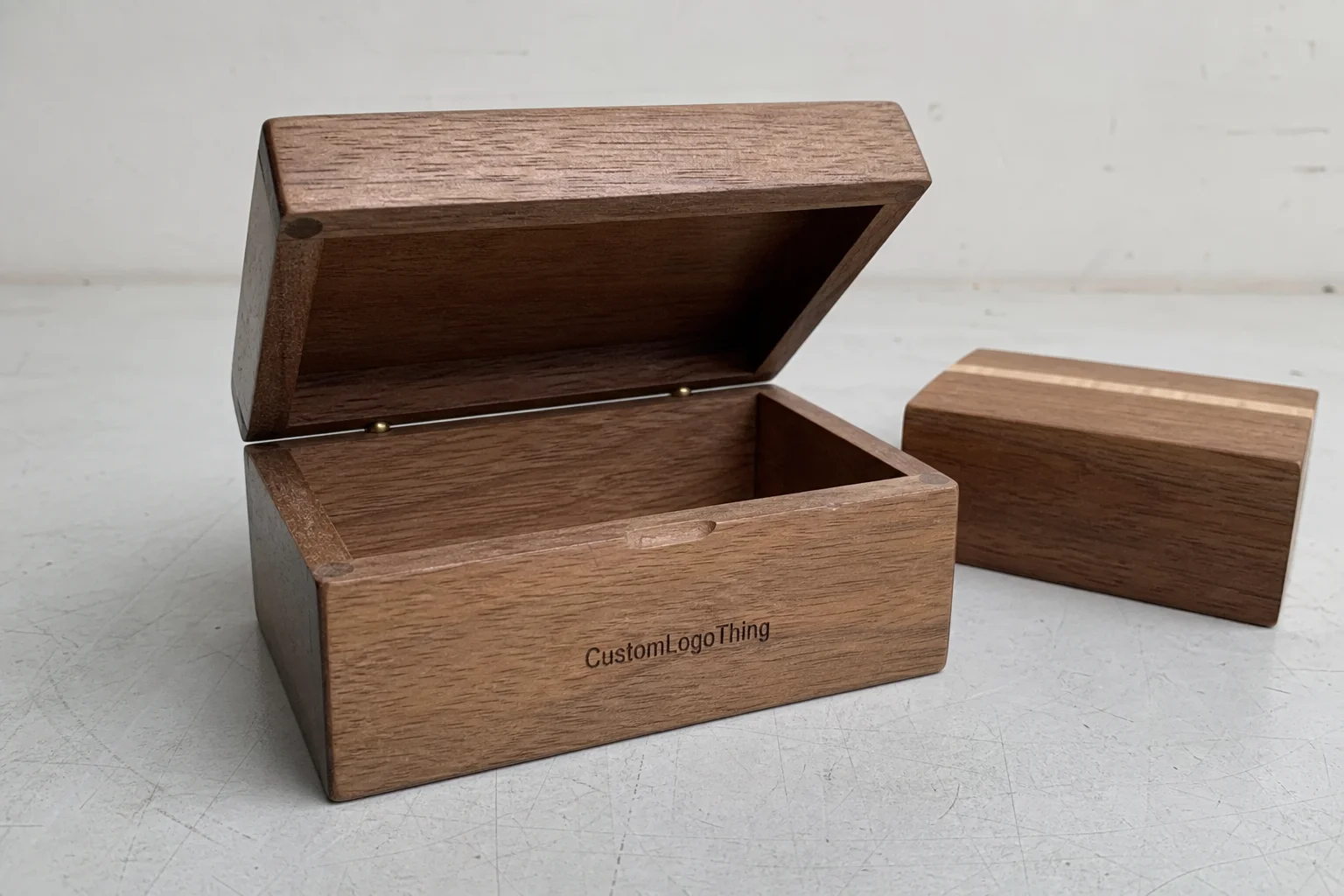
Branded drawstring bags seem simple until you have to spec them, price them, and approve the proof. Then the details matter: whether the cord feels comfortable, whether the logo stays aligned when the bag is full, whether the material feels useful or disposable. A bag can carry a logo and still fail if the build is weak.
That is why this format shows up in trade show kits, retail inserts, sports promotions, school programs, and lightweight product packaging. It is easy to distribute, simple to store, and reusable enough to extend brand exposure beyond the first handoff. For buyers, the real value is not just the low unit price. It is whether the bag survives the intended use without looking cheap.
Choosing well means matching the spec to the job. Material affects feel and durability. Print method affects color quality and setup cost. Size affects usability and freight. Even the cord and seam construction can decide whether the bag feels like a practical container or a throwaway giveaway.
For sourcing teams, the key question is not whether the bag is inexpensive. It is whether the spec fits the use case. A slightly better bag that survives distribution and gets reused often costs less than a cheaper one that fails early.
Why branded drawstring bags punch above their weight
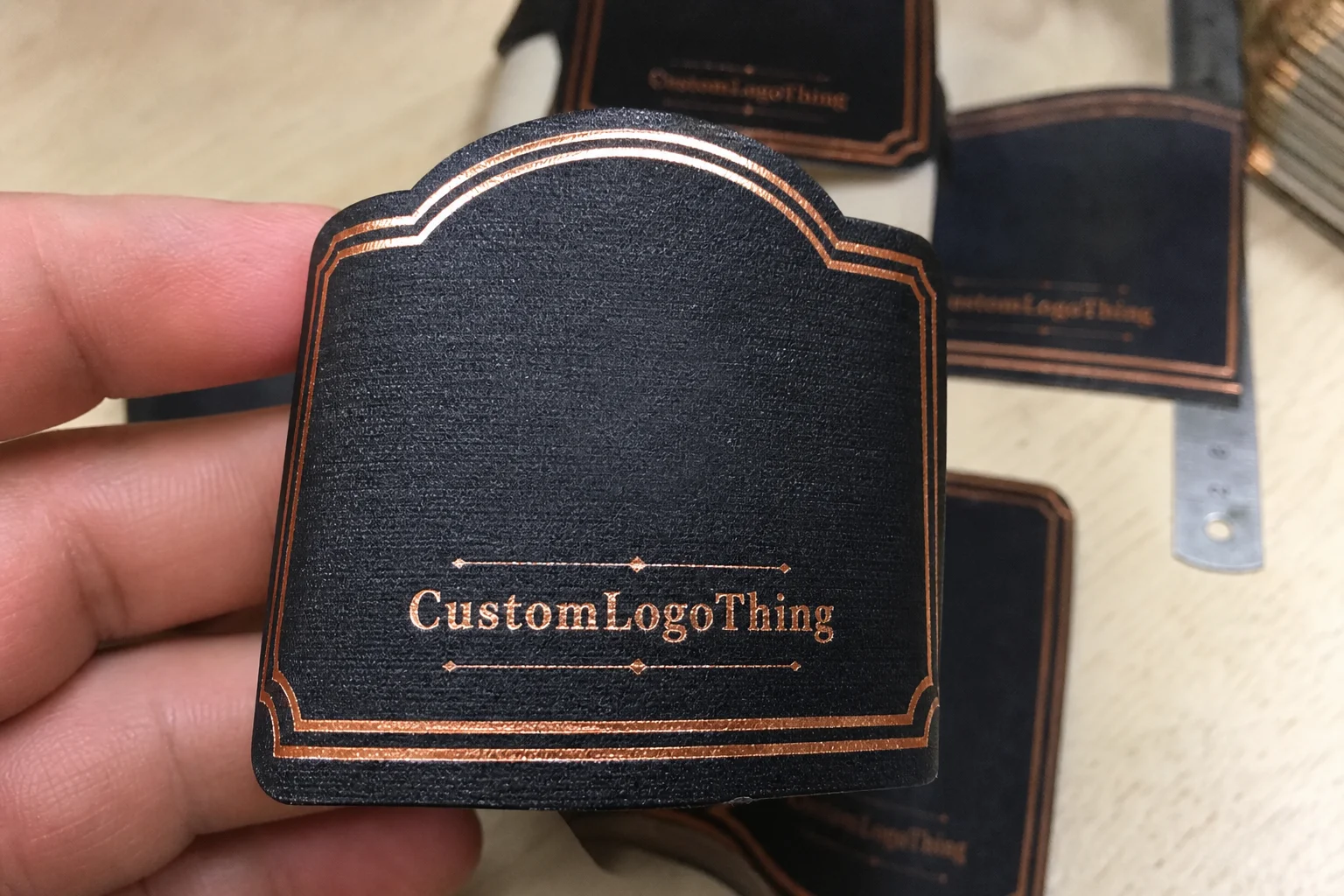
The basic structure is straightforward: a pouch, a closure channel, a cord, and stitched seams. That simplicity keeps production flexible across industries and budgets. The same core format can be sized for a sample kit, a folded shirt, a pair of shoes, or a conference bundle without changing the construction logic.
There is also a packaging advantage. Drawstring bags are light, fold flat, and do not require the rigidity of cartons or boxes. That reduces storage volume and helps with freight, especially when the bag is part of a larger fulfillment or event packout. The tradeoff is obvious: less structure means less protection against crushing and abrasion.
Two bags can have the same dimensions and logo yet feel completely different in hand. Thin film, crooked print, and stiff cords make a bag feel like an afterthought. Better material, cleaner seams, and controlled color turn the same format into something people are more likely to keep.
How the bag construction and decoration actually works
The body material is usually the first decision. Promotional versions are commonly made from PE-based film, laminated film, or nonwoven material. Each behaves differently. Film is light and economical. Lamination gives a smoother print surface and a more finished look. Nonwoven material feels more textile-like, which can help if the bag is meant to be reused.
Material choice also affects how the bag ages. Thin film can wrinkle and make printed edges look less precise. Nonwoven material tends to hold its shape better, but it can show abrasion if the ink and surface treatment are not matched correctly. The right choice depends on whether the bag is a one-time insert or something people will carry repeatedly.
Decoration methods are not interchangeable. Screen print works well for bold logos, spot colors, and simple layouts. Flexographic print is efficient for higher volumes and straightforward artwork. Heat transfer can hold detail better, but it adds complexity and is rarely the best choice for a basic promotional bag unless the design truly requires it.
Placement matters more than flat mockups suggest. A logo too close to a seam can distort. Fine lines near a fold can disappear. A design that looks centered on a proof can shift once the bag is filled and cinched. The print area should be treated as an operating surface, not a poster.
There is also a difference between a presentation bag and a utility bag. Presentation versions need cleaner finishing, more controlled color, and often better cord quality. Utility versions can be lighter and less refined if the contents are simple. Paying for retail-grade finish on a one-time giveaway is usually unnecessary, but underbuilding a bag that needs reuse is equally wasteful.
Key specs that change quality, price, and usability
Size should be chosen from the contents outward, not from a catalog listing. Small bags fit accessories, samples, and event extras. Medium sizes suit folded apparel, notebooks, and mixed promo bundles. Larger sizes work for shoes, gym kits, or bulkier retail inserts. If the bag is too small, closure becomes difficult. If it is too large, the product looks lost and the bag feels wasteful.
Material thickness is the next major lever. Film-based bags are often specified by gauge or micron range, while nonwoven bags are commonly described by GSM. Thinner bags cost less and ship efficiently, but they crease more and feel lighter. Heavier bags keep their shape better and usually read as more durable. In many orders, that extra confidence in hand is the reason to upgrade.
Cord quality is easy to ignore because it seems minor, but it affects both comfort and perceived value. A cord that feels scratchy, too thin, or poorly matched to the bag can drag down the whole item. Thicker cord improves comfort, but it also needs the right channel and stitch reinforcement. If the bag will carry heavier items, stronger seams or reinforced corners are worth asking about.
Print complexity has a direct effect on cost and risk. One-color artwork on one side is the simplest route. Two-sided printing, extra colors, and tiny type all increase the chance of misregistration or blurred detail. If the logo uses hairline strokes or small text, ask whether it still reads from a few feet away. If it does not, the issue is usually the artwork, not the printer.
Compliance matters more when the bags will be used near food, children, or a regulated retail environment. Ask what material and ink standards apply in your market. For broader packaging guidance, the Flexible Packaging Association and ISTA offer useful context on materials and transit testing. The goal is not to collect documents for show; it is to avoid unsupported claims and avoidable rework.
MOQ affects economics as much as the bag spec itself. A 500-piece run behaves very differently from a 10,000-piece order because setup cost is spread across fewer units. Buyers often focus on the per-piece number and miss the bigger issue: fixed cost is doing most of the damage at low volume.
| Option | Typical Use | Pros | Tradeoffs |
|---|---|---|---|
| Lightweight promo bag | Events, samples, giveaways | Lowest unit cost, easy to distribute | Less durable, lower perceived value |
| Mid-range reusable bag | Retail inserts, clubs, school programs | Better hand feel, more reuse, cleaner branding | Higher material and print cost |
| Premium custom bag | Retail packaging, high-value kits | Stronger presentation, better build quality | Higher MOQ, longer lead time, higher freight impact |
Branded drawstring bags pricing: what drives unit cost
Pricing is driven by quantity, size, material, print method, number of colors, print coverage, and packaging requirements. Most quotes look neat on the surface, but the true number to compare is the landed cost: unit price plus setup, freight, and any extras for packing, labeling, or special handling.
For common promotional orders, these ranges are a useful starting point, assuming standard artwork and no unusual structure:
- Entry-level promo bags: often around $0.12-$0.30 per unit at higher volumes, depending on size and print count.
- Mid-range reusable bags: often around $0.35-$0.85 per unit when better material and cleaner finishing are specified.
- Premium or retail-ready bags: often $0.90-$2.50+ per unit, especially with stronger construction, tighter color control, or lower volumes.
Those numbers move quickly with scale. A 1,000-piece order carries setup differently from a 10,000-piece order, and the difference can be dramatic. A low quote may simply be hiding costs in setup, freight assumptions, or packaging. That is why headline pricing is a poor way to compare suppliers.
Setup charges are common with screen print and flexo. Extra colors can add labor and complexity. Color matching may require a tighter proofing process, and rush timelines almost always cost more. If you want each bag polybagged, barcoded, or packed in a specific carton count, expect those requirements to appear in the quote.
Ask for a breakdown that separates unit cost, setup, freight, and packaging extras. If one supplier is far below the others, check what is missing. Thin material, minimal quality control, or freight charged later can make a quote look much better than the order will actually be.
Production steps, proofing, and timeline expectations
The process is predictable if the brief is complete: request the quote, confirm the spec, send artwork, review the proof, approve, produce, inspect, and ship. Problems usually start when artwork or dimensions are vague.
Most delays come from avoidable issues: low-resolution files, missing Pantone or PMS references, unclear dimensions, or last-minute changes to logo placement. Vector artwork is the safest starting point. If brand color matters, send clear color references and explain whether the match must be exact or only consistent with existing packaging.
Typical lead time for a standard production run is often around 12-20 business days after proof approval. Complex runs or larger orders can take longer. Rush service is possible, but it usually costs more and leaves less room for color or packaging adjustments. Shipping time is separate from production time.
The proof stage should not be treated as a formality. Ask for print placement, size confirmation, color callouts, and material notes. If the run is large or the brand color is sensitive, a sample or pre-production proof can prevent expensive mistakes. It is cheaper to reject one sample than to rework thousands of bags later.
QC matters here more than many buyers expect. A good inspection should verify seam alignment, cord function, print clarity, color consistency, and carton counts. A quick visual pass is not enough if the order is tied to a retail launch or a hard event date. Crooked print or weak stitching looks minor until the bags are in use.
Common ordering mistakes that make a simple bag expensive
The first mistake is comparing quotes without checking the underlying spec. A bag that is slightly cheaper on paper can use thinner material, weaker cord, or less controlled print. If it tears during distribution or looks poor in daylight, the savings disappear quickly.
The second mistake is using artwork that is too detailed for the Material and Print method. Small text, fine rules, gradients, and intricate line work often print poorly on flexible packaging. Simplify the design before production starts. A clear logo usually performs better than a crowded layout.
The third mistake is choosing the wrong bag for the job. A one-time event giveaway does not need the same build as a reusable retail insert. The reverse is also true. If people are expected to keep the bag, the material and cord need to justify that second life.
The fourth mistake is assuming color will match without asking how the supplier controls it. Print method, substrate, and ink behavior all influence the final result. The proof should state tolerances clearly. If the brand has strict color rules, that belongs in the brief before production starts.
The fifth mistake is forgetting how the bags will be packed and stored. Bulk-packed bags reduce shipping volume, but they may require repacking on arrival. If carton count matters for distribution, or if the bags need to fit into kits, those details should be specified early. Packaging is part of the product.
Expert tips for ordering branded drawstring bags that people keep
Start with one clear message. A clean logo, a short URL, or a restrained graphic usually works better than a layout packed with taglines and secondary claims. The surface area is useful, but it is not unlimited. If the message takes too long to read, the bag has already lost value.
Match the spec to the use case. Event swag can be lighter and cheaper. Retail inserts need a better finish. Sports and school programs often need stronger cords and more durable seams because the bag will be handled repeatedly. Good buyers separate “nice to have” from “needed to survive.”
If the goal is reuse, spend where the hand notices it first: material quality, cord quality, and print clarity. Those three things shape the first impression. A slightly better substrate usually does more for perceived value than adding another ink color that barely changes the design.
Ask for a sample or color proof whenever the order is large or the brand is sensitive to drift. Time spent checking the bag before production is not wasted. Time spent explaining a bad batch after shipping is.
Think about the bag as part of a wider packaging system. If the product is going into a kit or a retail bundle, the drawstring bag should sit comfortably with the rest of the packout. Color, size, and tactile quality should feel related. Consistency is what makes the package look deliberate.
Final checklist: choose the size, confirm the material, set the quantity, simplify the artwork, verify the print method, and Request a Quote that includes setup, freight, and packaging extras. That is the cleanest way to buy branded drawstring bags without paying for surprises.
What are branded drawstring bags best used for?
They work well for events, retail inserts, school programs, gym promotions, and light product packaging. They are a good fit when portability and reuse matter more than hard protection. The format is strongest when the contents are relatively light and the bag needs to travel.
How much do branded drawstring bags usually cost per unit?
Costs depend on quantity, size, material, print colors, and whether one or both sides are printed. Entry-level orders can be very low at scale, while premium builds rise quickly once material quality and finishing improve. Ask for landed cost, not just the unit price.
What is the typical lead time for custom drawstring bags?
Standard production often takes about 12-20 business days after proof approval, with shipping time added on top. Larger or more complex orders can take longer. Rush jobs are possible, but they usually cost more and leave less room for color or packaging adjustments.
Which artwork files work best for branded drawstring bags?
Vector files are usually the safest choice because they scale cleanly and hold edges better in print. Keep text readable from a distance and avoid fine details that may blur on flexible material. PMS references help when color matching is a priority.
How do I choose the right size for branded drawstring bags?
Start with the item the bag must hold, then add room for closure and easy handling. Small sizes suit accessories and giveaways; medium and large sizes fit apparel, kits, and retail bundles. If the contents are awkward, request a dimensional mockup before production.