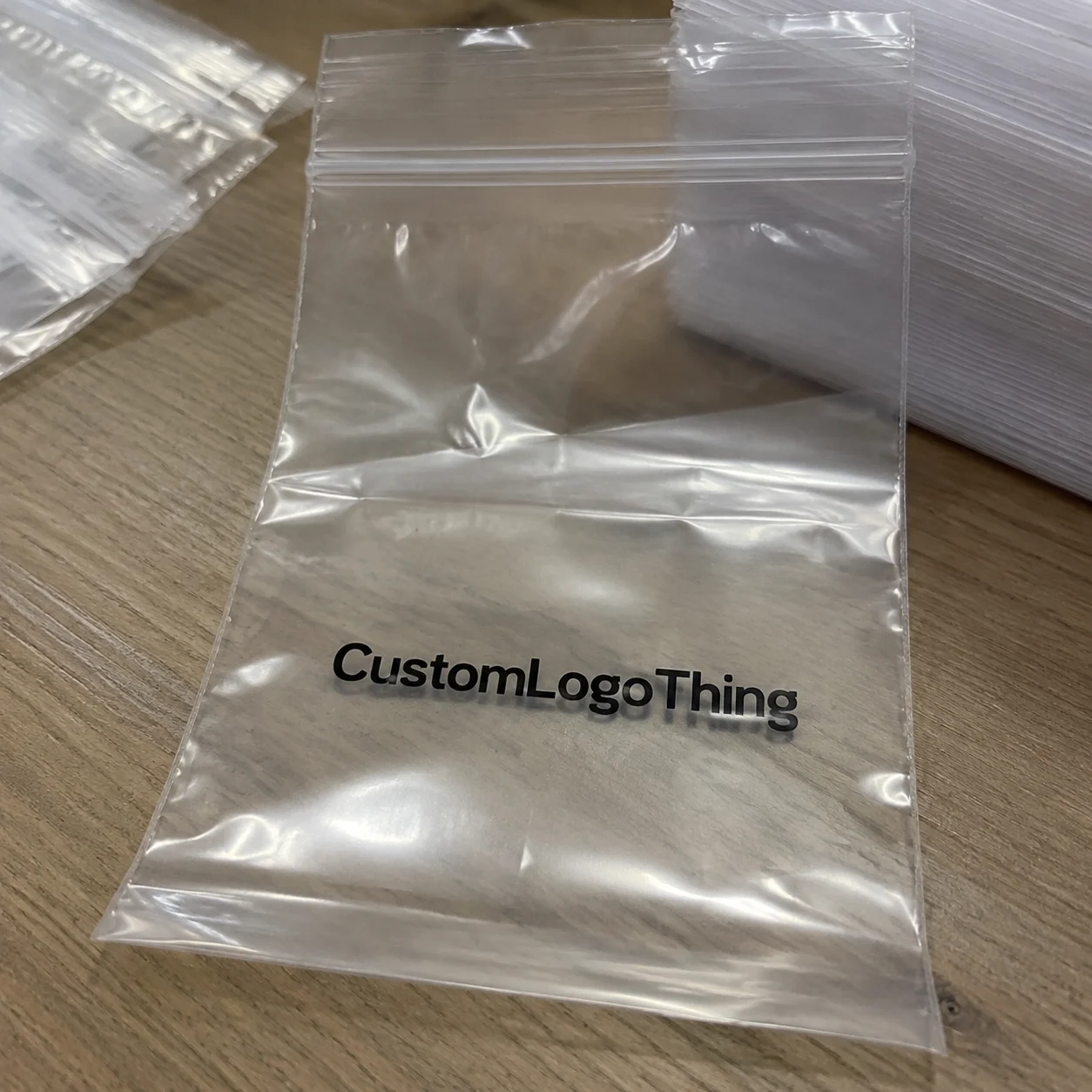
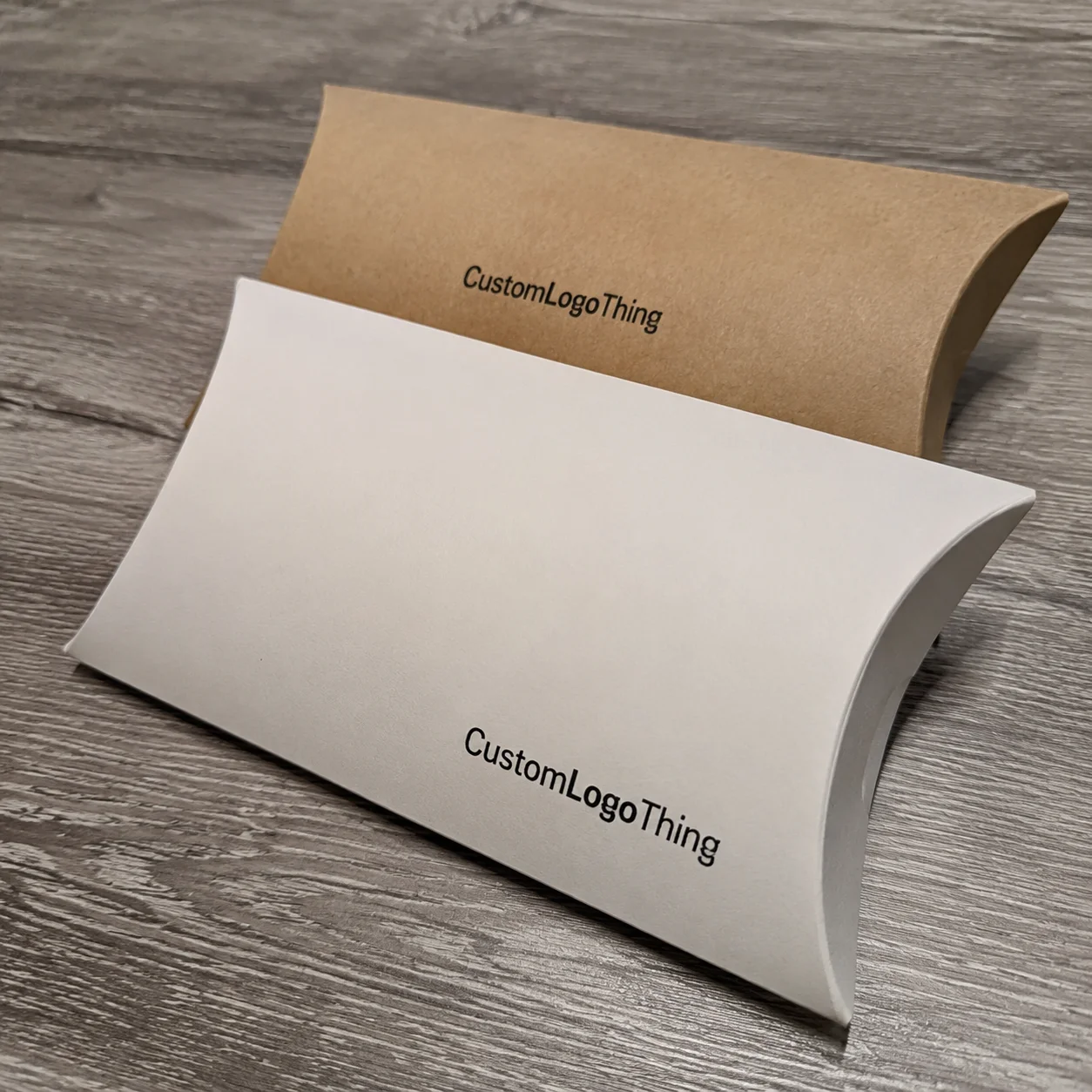
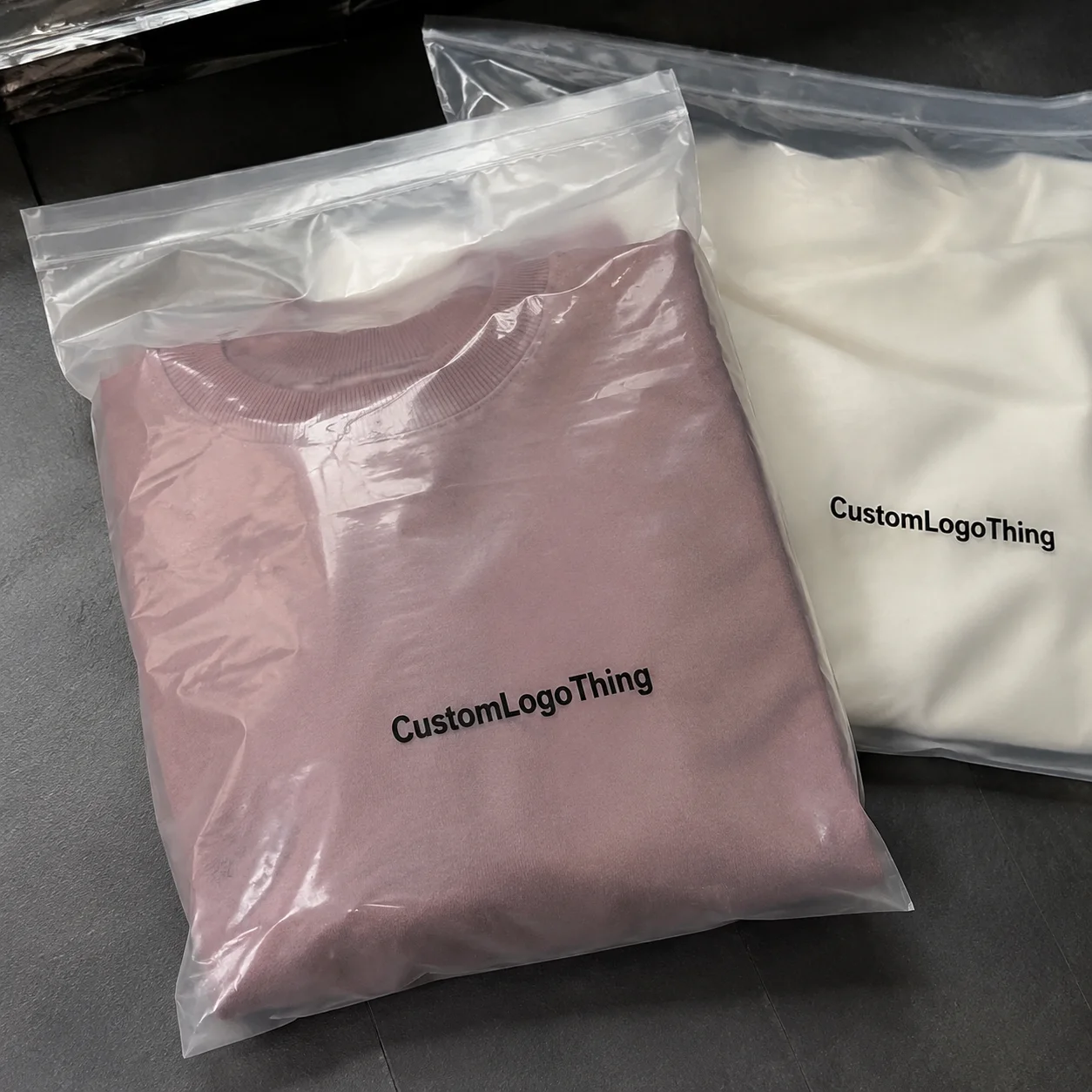
Buyer Fit Snapshot
| Best fit | Design Eco-conscious Packaging That Performs projects where brand print, material claims, artwork control, MOQ, and repeat-order consistency need to be specified before quoting. |
|---|---|
| Quote inputs | Share finished size, material target, print colors, finish, packing count, annual reorder estimate, ship-to region, and any compliance wording. |
| Proofing check | Approve dieline scale, logo placement, barcode or warning zones, color tolerance, closure strength, and carton packing before bulk production. |
| Main risk | Vague material claims, crowded artwork, missing packing details, or unclear freight terms can make a low unit price expensive after revisions. |
Fast answer: Design Eco-conscious Packaging That Performs: Material, Print, Proofing, and Reorder Risk should be specified like a repeatable production item. The safest quote records material, print method, finish, artwork proof, packing count, and reorder notes in one written spec.
Production checks before approval
Compare the actual filled-product size with the drawing, then confirm tolerance on folds, seals, hang holes, label areas, and retail display edges. Reserve space for logos, QR codes, warning copy, and material claims before decorative graphics fill the panel.
Quote comparison points
Review material grade, print process, finish, sampling route, tooling charges, carton quantity, and freight assumptions side by side. A quote is only useful when the supplier can repeat the same color, closure quality, and packing count on the next order.
I still remember standing next to a Bobst die-cutter at a corrugated plant in Dongguan, watching a line run 14,000 sheets per hour, and realizing again that how to Design Eco-Conscious Packaging is decided long before recycling bins enter the picture. Most waste gets locked in during the first structural sketch, the first board-grade choice, and the first pallet pattern. Miss those early calls and you spend the next 18 months fighting scrap, damage claims, and freight penalties one PO at a time (and yes, that is exactly as exhausting as it sounds).
One client shipping ceramic diffusers had a tiny issue that looked harmless: 4 mm of extra headspace in each carton. We reduced internal height from 92 mm to 88 mm, switched from C-flute to E-flute with a tuned insert, and cut board consumption by roughly 11% while damage claims dropped from 3.8% to 1.9% over 60 days. That’s the part many teams overlook in how to design eco-conscious packaging: sustainability and protection can move together when structure is engineered correctly. Smart packaging teams do this. The “we swapped to kraft and called it a day” teams usually don’t.
How to Design Eco-Conscious Packaging: Start With What Most Brands Miss
The biggest misconception I hear in client workshops is that eco-packaging starts with a material swap. It doesn’t. In practice, how to design eco-conscious packaging starts with geometry, compression paths, and real distribution hazards. Material choice matters, but structure determines whether you need more or less material to begin with.
I remember running two dielines at a converting line in Suzhou for a skincare mailer: one had a decorative shoulder panel, one used a simplified lock-tab structure. Same graphics, same board family, similar shelf impression. The simplified version reduced trim waste from 13.2% to 8.6% and sped assembly by 0.9 seconds per pack on a semi-auto line staffed by 12 operators. Over 200,000 units, that translated into fewer overtime hours, fewer rejects, and lower emissions from replacement shipments. The core lesson in how to design eco-conscious packaging is brutally practical: if your line can’t run it cleanly, it isn’t eco-conscious in the real world.
Here’s my practical definition. Eco-conscious product packaging is packaging that:
- Uses only the material required for protection and presentation, not more.
- Uses lower-impact inputs where function allows (for example, FSC-certified paperboard, water-based inks).
- Runs efficiently on available equipment with low scrap.
- Has a disposal path consumers can realistically follow in their local system.
That last point decides whether claims hold up. “Technically recyclable” and “actually recovered” are different outcomes. A PET window on a folding carton may be recyclable in one region yet screened out in another MRF stream because of size and contamination. Teams serious about how to design eco-conscious packaging verify municipal acceptance data and sorting behavior, not only supplier claims. The U.S. EPA’s materials guidance is a strong starting point: EPA recycling resources.
Protection is sustainability. I’ve watched teams reduce board weight by 12%, then lose that gain in one quarter because return rates jumped by 2.4 points. Replacing damaged products means repacking, reverse logistics, and often landfill disposal for the original item. Reduce materials, yes. Don’t do it at the expense of transit survival. I’ve had that argument in more conference rooms than I can count.
What follows is a field-tested framework for how to design eco-conscious packaging: lifecycle mapping, engineering factors, cost math, timeline planning, pilot strategy, and a checklist that catches red flags before purchase orders go live.
How Eco-Conscious Packaging Design Works Across the Supply Chain
Anyone trying to master how to design eco-conscious packaging should map the full lifecycle first: sourcing, converting, filling, outbound transport, retail or ecommerce handling, consumer use, and end-of-life. Most teams optimize one stage and stop there. Better outcomes come from decisions made across stages.
Start by separating roles:
- Primary packaging: direct contact (bottle, pouch, inner wrap).
- Secondary packaging: branded carton, insert, sleeve.
- Tertiary packaging: shipper cartons, stretch wrap, pallets.
In ecommerce, tertiary and secondary usually hold the biggest gains. I’ve seen right-sizing programs reduce DIM charges by 9% to 22% depending on courier mix. In retail programs, secondary packaging often drives both shelf presence and waste profile, especially where high-coverage coatings are used.
Design calls hit factory KPIs immediately. A board-grade shift from 32 ECT to 29 ECT may reduce material cost, but if it increases line jams by even 1.5% on an auto case erector, net savings can disappear. On a beverage accessory project in our Shenzhen partner facility, we improved pallet utilization from 84% to 92% by changing carton orientation and reducing void ratio by 7%. That one change saved two containers per 40-foot HC shipment cycle over three monthly dispatches. Two containers. Same demand. Different packaging decisions.
Material pathways that often perform well in eco-conscious programs include:
- FSC-certified paperboard for custom printed boxes and cartons (FSC certification framework).
- Post-consumer recycled corrugate for shippers.
- Molded pulp for shaped protection where foam was previously used.
- Mono-material films for flexible applications where barrier requirements allow.
- Water-based or low-migration inks for better recovery compatibility.
For impact lenses, keep the model simple: carbon footprint per shipped unit, water intensity of substrate, trim waste percentage, cube efficiency in transport, and real recovery likelihood. You don’t need a PhD model to improve performance. You need consistent baselines and operational discipline. I’m pro-spreadsheet here, not performative sustainability decks.
Competing goals are where teams stall. My rule for how to design eco-conscious packaging is a weighted scorecard with five dimensions: protection (30%), logistics efficiency (25%), environmental profile (20%), brand impact (15%), and cost (10%) during launch. Weightings can shift later once risk drops and field data gets stronger.
If your team also needs market-facing options for branded packaging, review formats that can be engineered for both sustainability and presentation. A useful starting reference is Custom Packaging Products. Filter options by board grade, print method, and assembly style before artwork discussions begin.
Key Factors That Shape Eco-Conscious Packaging Decisions
Every project centered on how to design eco-conscious packaging should begin with the product protection profile. I usually document fragility class, weight, center-of-gravity behavior, moisture sensitivity, tamper-evidence requirements, and regulatory constraints on one page. For a 0.7 kg glass product, a single corner-drop failure at 76 cm can erase any sustainability claim because replacement impact is so high.
Material compatibility comes next. Barrier requirements decide a lot. If oxygen or moisture barrier is critical, coated structures may be required, but coatings can reduce recyclability depending on chemistry and layer thickness. I worked on a nutrition powder carton that used heavy film lamination for gloss; we replaced it with a high-rub aqueous coating and adjusted ink density from 320% TAC to 260% to preserve visuals while improving repulpability behavior. Was that glamorous? Not even kinda. Did it work? Absolutely.
Structural engineering details matter more than most branding decks admit. Flute selection alone can reshape performance:
- B-flute: good crush resistance, common for shipping durability.
- C-flute: stronger cushioning for heavier goods, thicker profile.
- E-flute: strong print surface and slimmer profile, often ideal for retail/ecom hybrids.
On a personal care project, shifting from a B-flute RSC to an E-flute die-cut mailer with engineered fold locks reduced void fill by 38 grams per shipment and improved cube utilization by 12%. Less air, less filler, fewer headaches.
Printing and decoration quietly increase footprint and cost. Flexo is efficient for long runs and simpler graphics; offset litho delivers sharper detail but can add process complexity; digital performs well for short runs or variable data. Teams serious about how to design eco-conscious packaging should limit heavy ink laydown, avoid unnecessary metallic effects, and challenge every finish that adds extra process passes. My bias is simple: if a finish doesn’t improve conversion, compliance, or clarity, it probably shouldn’t be there.
Consumer disposal behavior is a design variable, not a marketing afterthought. I advise brands to print disposal instructions in a clear hierarchy: icon, 8–12 word instruction, then optional QR code for regional detail. Confusing multi-material packs (paper + plastic + magnet + foam) are routinely mis-sorted even when components are technically separable. Consumers should not need a toolkit to recycle one gift box.
Operational fit decides execution. Can your fulfillment line assemble the pack in under 6 seconds without adding labor? Does warehouse slotting support changed carton footprints across all SKUs? Are you creating SKU complexity procurement can’t stabilize? How to design eco-conscious packaging works only when daily operations can run it.
Step-by-Step: How to Design Eco-Conscious Packaging From Brief to Launch
I’ve run this process across subscription ecommerce, pharmacy OTC, and specialty retail programs, and the same eight-step flow keeps teams aligned.
Step 1: Build a concise brief with measurable targets
Write targets with numbers. Example: reduce total pack weight by 15%, keep damage rate below 1.2%, maintain unboxing NPS above 4.4/5, and keep unit cost between $0.42 and $0.55 at 50,000 units. This is the first real step in how to design eco-conscious packaging because vague goals create expensive redesign loops.
Step 2: Audit your current baseline
Capture current dimensions, substrates, basis weights, print coverage, assembly time, freight cost per order, return reasons, and customer complaints. One beauty brand we supported discovered that 27% of “packaging complaints” were actually hard-open tabs causing tears, not material quality. That finding changed the whole scope.
Step 3: Create concept routes and score them
Develop at least three routes: lightweighting, right-sizing, and mono-material redesign. Score each concept 1–5 on protection, sustainability impact, line compatibility, tooling cost, and brand fit. This method makes how to design eco-conscious packaging less emotional and more testable.
Step 4: Prototype fast
Use CAD samples, white mockups, and short print trials. Don’t wait for perfect art to test structure. In one plant trial, we validated a new tuck-lock geometry in 48 hours and caught an operator pinch-point before tooling release, saving about $1,800 in rework and a week of delay. I still keep photos from that trial as a reminder that “we’ll fix it later” is the most expensive phrase in packaging.
Step 5: Validate transit performance
Run drop, vibration, and compression testing with ISTA-aligned protocols. I generally run at least 10 replicates per SKU configuration for confidence. If your distribution includes parcel and LTL, test both hazard profiles. Learn more at ISTA transit testing standards.
Step 6: Pilot on a live line
Theoretical wins meet production truth here. Measure throughput (units/hour), labor touches per pack, reject rates, and pallet efficiency. A pilot at 5,000–10,000 units usually surfaces the real issues: tab memory, glue set times, print scuffing, or variable board caliper from mixed lots. This is usually the moment someone says, “Wait, why is this flap fighting me?” (because paper has memory, and physics always wins).
Step 7: Finalize artwork, disposal messaging, and specs
Lock substrate callouts (for example, 350gsm C1S + aqueous coating), color targets, glue zones, barcode quiet zones, and disposal instructions. Keep version control strict across SKUs. I’ve seen two regional teams release different dieline revisions by mistake, causing three weeks of inventory mismatch. That was a fun Monday. It was not fun.
Step 8: Launch with KPI tracking and revision cycle
Track at minimum: material grams per shipped unit, damage rate, freight per order, assembly time, and customer packaging sentiment. Schedule a 30-day and 90-day review. How to design eco-conscious packaging is not a one-shot exercise; it improves through controlled iteration.
Need starting formats for pilot-friendly execution? Browse Custom Packaging Products and shortlist structures that already match your packing-line constraints before commissioning custom tooling.
Cost and Pricing: What Eco-Conscious Packaging Really Costs
Let me be blunt: unit price alone is the wrong metric. For how to design eco-conscious packaging, evaluate total cost of ownership (TCO): material, freight, warehousing, labor, damages, and disposal fees.
I’ve seen a client reject a carton at $0.47 and choose one at $0.43, then spend more overall because the cheaper option increased DIM charges and assembly time. Their monthly landed cost rose by roughly $6,900 on 120,000 shipments. The “cheap” pack was expensive. This is one of the most common budget mistakes in packaging procurement, and it keeps happening.
| Option | Typical Unit Cost (50,000 qty) | Tooling | Assembly Speed | Freight Impact | Best Use Case |
|---|---|---|---|---|---|
| Standard RSC Corrugate (32 ECT) | $0.38–$0.52 | Low ($0–$400) | Fast | Moderate cube efficiency | General shipping, low-complexity SKUs |
| Die-cut E-flute Mailer (custom printed) | $0.62–$0.95 | Medium ($600–$1,800) | Medium | High cube efficiency if right-sized | DTC branded packaging, unboxing focus |
| FSC Folding Carton + Corrugate Shipper | $0.74–$1.20 combined | Medium to High | Medium | Varies by insert design | Retail packaging + ecommerce protection |
| Molded Pulp Insert + Shipper | $0.88–$1.45 combined | High ($2,000–$8,000 mold) | Medium | Can reduce damages significantly | Fragile products replacing foam |
MOQ and tooling realities often decide the path. A custom die-cut mailer may need a 3,000–5,000 MOQ for workable economics, while molded pulp tooling usually needs a larger upfront commitment and a 25–35 day tooling lead time before sample approval. Exact numbers vary by region, mill capacity, and seasonality, so treat ranges as planning guidance—not guaranteed quotes.
Hidden cost drivers surface late if they aren’t flagged early: complex windows, excessive ink coverage, specialty coatings, and fold sequences that slow packing lines. For package branding, I recommend a must-have vs. nice-to-have matrix. Keep what directly supports conversion and customer trust; cut decorative extras that add process burden without measurable return.
Supplier negotiation tip from my own playbook: lock core specs for 6 months, stagger volume commitments monthly, and test one variable at a time. Change substrate, print process, and structure all at once and you won’t know which variable caused the performance shift. That discipline sits at the heart of how to design eco-conscious packaging profitably.
Process and Timeline: How Long Eco-Conscious Packaging Projects Take
Timelines depend on complexity, but most projects follow seven phases: discovery, structural design, prototype, transit validation, prepress, pilot, and production ramp.
Typical timing I see:
- Simple line extension (existing structure, minor art updates): 3–5 weeks.
- Moderate redesign (new dieline, same material family): 6–10 weeks.
- Full redesign (new formats/material pathways + testing): 10–18 weeks.
Bottlenecks are predictable. Artwork approval loops can add 5–10 business days. Substrate lead times may stretch when mills are tight on specific recycled grades. Tooling queues at high-demand converters can add another 7–14 days. Compliance sign-offs in regulated categories may add more time depending on claim language and test protocols.
Cross-functional ownership matters. Packaging engineering leads structure, procurement manages supplier terms, marketing governs visual hierarchy, operations validates line readiness, QA owns acceptance criteria, and fulfillment partners confirm handling constraints. Leave one function out of gate reviews and rework is close to guaranteed. I learned that early, and painfully.
I use milestone gates with pass/fail criteria:
- Gate A: brief approved with measurable targets.
- Gate B: prototype fit and assembly validated.
- Gate C: transit tests passed at defined thresholds.
- Gate D: pilot KPIs within tolerance.
- Gate E: full production release with QA plan.
Contingency planning is mandatory. Keep one backup substrate spec, one alternate converter quote, and controlled version naming for each SKU (for example, SKU-2041-DL03-ART02). For teams scaling Custom Printed Boxes across regions, this avoids mixed revisions and stock write-offs. If expansion is on your roadmap, align early with available formats in Custom Packaging Products so design and sourcing tracks stay synchronized.
How to Design Eco-Conscious Packaging for Real-World Results?
Start with measurable targets, not vague intent. Build a baseline for material grams, damage rate, freight per order, and assembly speed. Redesign structure before changing everything else, then validate with transit testing and a live pilot. Keep materials recyclable where local systems accept them, simplify components for easier sorting, and track total cost of ownership instead of unit price alone. If you want a one-line answer to how to design eco-conscious packaging: engineer for protection, efficiency, and recovery at the same time, then prove it with data.
Common Mistakes, Expert Tips, and Your Next Steps for Eco-Conscious Packaging
The same mistakes repeat across industries. Teams over-package based on fear instead of data. They publish vague green claims without operational proof. They ignore line compatibility until late pilot. They skip proper transit validation. Any one of those can sink a program.
Here are fixes I’ve used on plant floors and in client war rooms:
- Simplify structures to reduce assembly errors and scrap.
- Reduce material combinations to improve sortability and recovery.
- Design tabs, locks, and folds for operator speed (watch real hands, not just CAD).
- Lower ink coverage in non-critical panels and keep branding focus panels crisp.
- Run short pilots before national rollout.
“We thought a heavier box was safer. After testing, the safer design was actually lighter, tighter, and easier for our line team.” — Operations Director, home fragrance brand
Red-flag checklist before PO approval:
- Damage risk map documented for parcel and palletized channels.
- Transit testing complete with pass/fail evidence.
- Dieline revision controlled and signed by operations + QA.
- Disposal instructions clear on-pack in plain language.
- Supplier specs locked (board grade, caliper range, print process, adhesive).
- Pilot KPI results meet target ranges.
Actionable next steps for the next 30, 60, and 90 days:
- Days 1–30: run a packaging waste walk, measure top 3 high-volume SKUs, and capture grams/unit, damage %, and freight/order.
- Days 31–60: request two alternative dielines per SKU, prototype, and run initial fit/assembly checks.
- Days 61–90: pilot one redesigned SKU, review KPIs weekly, and prepare a scale decision with procurement + operations.
If there’s one thing I’ve learned after two decades around pressrooms, converting lines, and fulfillment centers, it’s that how to design eco-conscious packaging is a continuous learning cycle. Start with one SKU. Validate with real data. Improve in controlled steps, then scale what works. That approach beats one big redesign every time—on cost, customer experience, and environmental results.
Clear takeaway: if you’re deciding what to do next Monday morning, pick your highest-volume SKU, set four hard KPIs (grams/unit, damage rate, freight/order, assembly seconds), and run one structured redesign sprint with prototype + transit test + pilot. You’re gonna learn more from that single controlled cycle than from six months of sustainability brainstorming.
FAQ
How do I design eco-conscious packaging without increasing damage rates?
Start with hazard mapping and your actual transit data before reducing any material. Focus on structural redesign first—right-fit geometry, tuned inserts, and flute selection—rather than only thinning substrates. Then validate with drop, compression, and vibration testing before rollout. That sequence is the safest way to practice how to design eco-conscious packaging while protecting products.
What materials are best when learning how to design eco-conscious packaging?
Use context-specific choices. Recycled corrugate works well for shippers, FSC paperboard is strong for cartons and retail-facing packaging design, and molded pulp can replace foam for shaped protection. Prefer mono-material systems where feasible, and always confirm local recovery reality, not just technical recyclability statements.
How much does eco-conscious custom packaging usually cost?
Unit price can move in either direction depending on structure and print complexity. In many cases, total landed cost improves through right-sizing, lower DIM charges, and fewer damage returns. Model full costs: material, tooling, labor, storage, freight, and replacement expense from failures.
How long does it take to move from concept to production?
Simple updates can move quickly when no new tooling is required, often within a few weeks. Full redesigns usually take longer due to prototyping, transit testing, prepress checks, and supplier lead times. Stage gates and pilot runs prevent costly late changes.
How can small brands apply eco-conscious packaging design with limited resources?
Prioritize one high-volume SKU first. Use stock structures with custom graphics before funding complex tooling. Track a tight KPI set—material weight, damage rate, freight cost, and customer feedback—and iterate monthly. This is a practical path for small teams learning how to design eco-conscious packaging without overextending budget.