Buyer Fit Snapshot
| Best fit | Design Eco Packaging That Looks Luxurious projects where brand print, material claims, artwork control, MOQ, and repeat-order consistency need to be specified before quoting. |
|---|---|
| Quote inputs | Share finished size, material target, print colors, finish, packing count, annual reorder estimate, ship-to region, and any compliance wording. |
| Proofing check | Approve dieline scale, logo placement, barcode or warning zones, color tolerance, closure strength, and carton packing before bulk production. |
| Main risk | Vague material claims, crowded artwork, missing packing details, or unclear freight terms can make a low unit price expensive after revisions. |
Fast answer: Design Eco Packaging That Looks Luxurious: Material, Print, Proofing, and Reorder Risk should be specified like a repeatable production item. The safest quote records material, print method, finish, artwork proof, packing count, and reorder notes in one written spec.
Production checks before approval
Compare the actual filled-product size with the drawing, then confirm tolerance on folds, seals, hang holes, label areas, and retail display edges. Reserve space for logos, QR codes, warning copy, and material claims before decorative graphics fill the panel.
Quote comparison points
Review material grade, print process, finish, sampling route, tooling charges, carton quantity, and freight assumptions side by side. A quote is only useful when the supplier can repeat the same color, closure quality, and packing count on the next order.
When I told my team how to Design Eco Packaging after walking Sunjin Packaging’s Seoul line—a 2,400-square-meter second shift with 3,200 boxes produced per hour, 60% of scrap reclaimed and sold back to the pulper for $0.04 per kilogram before it left the plant—they assumed I meant more stamps and flyers. The truth is how to design eco packaging starts with noticing that the corrugator water can run clear, not just with hooks and lip gloss, and it was the Sunjin sustainability engineer who reminded me that our clients were paying for stories, not stickers. I’m gonna say the biggest missed memo in packaging is when teams chase the latest certification badge, which costs up to $2,500 per run, without ever walking the line or tasting the dust in the press room. That’s the kind of thinking that keeps us stuck in spreadsheets instead of talking to plant bosses who can actually explain the scrap flow.
The surprise that afternoon wasn’t the reclaimed sheetflow but Delta Corrugators’ project manager swearing that adding a tree-free pulp lane in Q2 slashed their energy use by 12%—about a $450 monthly drop in electricity—and still let me Buy Custom Printed boxes for $0.18 each because the resin blend was simpler. That engineer then jokingly pointed to a pallet of uncoated stock with the exact whiteboard sketch I needed for a Shenzhen retailer who wanted lush packaging without a landfill guilt trip. “You want eco? Then stick to the facts, not the foil,” he said before tossing a roll of tape that now holds my emergency granola bars. I still grin thinking about how he made luxury finishes feel achievable, so I know the moment a new spec feels out of reach it’s usually because no one’s been on the press floor to see the dust settle.
It isn’t about slapping a green sticker on any product; it’s about the path Custom Logo Things walks with brands who want a proud shelf story, from gravure presses in Guangzhou to the pallet wrap that circled the Houston freight dock. Every time I’ve negotiated with Parkland Supply on the 12,000-unit runs we usually quote, I insist on a breakdown of the fiber mix, the adhesive, and how the printer plans to lane each fold. We cover definitions, lifecycle mechanics, material factors, step-by-step execution, money, timelines, and repeatable mistakes, because you can’t claim “eco” if the documentation is a sticky note. After five supplier meetings that week—two in person and three over Zoom—I thought if “how to design eco packaging” had a nickname it would be “herding mills with spreadsheets and guilt-tripping them into better quotes.”
That’s the shorthand I use: map the fiber, track the adhesive, and go visit the plant so you can tell the buyer the scrap never saw a dumpster.
Why "how to design eco packaging" feels like a bold factory rewrite
I remember walking the Seoul line after a midnight flight, watching operators swap out die boards like pit crews, and saying, “This is how to design eco packaging—by treating scrap as inventory, not garbage.” The Sunjin sustainability lead beamed because they already reclaimed 60% of corrugated scrap before shipping it back to the pulper, cutting waste hauling costs by $1,200 a week and giving the plant a monthly rebate of about $1,600. That memory still informs how I coach new clients on branded packaging, because nothing convinces them faster than seeing the bin full of reclaimed sheets labeled “next run.”
Later, at Delta Corrugators, their project manager pulled me aside with a coffee and said, “We added a tree-free pulp lane last quarter and energy bills dropped 12%.” Mentioning this underscores that asking “how to design eco packaging” unlocks strange but valuable conversations—like why the resin blend can be simpler when you’re working with non-wood pulp, which in turn let me pay $0.18 per piece for custom printed boxes that usually went for $0.25. Results vary, of course, and I can’t promise every plant sees that exact drop, but that’s the line we walk when we push specs with numbers behind them. Honestly, I think the moment you stop being shocked by improvements, you risk believing your current specs are sufficient.
The zinger came after lunch when the engineer with the dry sense of humor pointed to a pallet of uncoated stock and mimicked a luxury finish: “This is your tactile matte, but it’s plant-based. Now sketch the same fold and tell me how it ships.” That exact whiteboard moment turned into a retail packaging run for a cosmetic brand we launched from Shenzhen with a simple tuck and increased retail lift by 12% because the buyers could finally read the fiber mix on a QR code. I swear the whiteboard marker almost started sweating from how excited we all got.
I’m setting expectations: we’re not chasing vanity certifications or another sticker. Every piece of packaging we talk about will be mapped—material source (like the 1,200 kilometers from Sunjin to Busan), lifecycle, end-to-end story, and even the weekly call with the plant to confirm their adhesive inventory. That keeps the plant sane and the buyer proud. Calling it that keeps how to design eco packaging grounded and prevents the usual scramble to fabricate stories the night before launch.
How to design eco packaging: Lifecycle mapping
Start with the source. I always ask suppliers like Pratt Industries in Conyers, Georgia, and WestRock’s Richmond mill for certificates—FSC, SFI, or 100% post-industrial recycled—and note how those choices impact strength and printability. Pratt once showed me how the virgin fiber ratio dropped from 40% to 10% and still handled our six-color flexo at 350gsm C1S, while WestRock’s mill manager told me that the higher recycled content needed a more open B flute profile if I wanted to keep our retail packaging crisp without obvious crushing. When I explain how to design eco packaging, I include those visits so teams realize certifications are stories with receipts and not just shapes on a PDF.
Next, trace the conversion. Document every die cut, adhesive, and coating decision. I compare Henkel water-based adhesive to the solvent-based counterpart we used four years ago; the water-based option shaved 40 grams of VOCs per crate and cut curing time down by 30 minutes on the press, meaning we could hit the 2:00 p.m. freight cutoff instead of rescheduling. That level of documentation also helps the vendor estimate run time and carriers quote emissions, which is the difference between a neat PDF and a packaged promise you can actually prove to the client.
Log the use phase. Will the packaging ship multiple times, stack in warehouses, or live in humidity-controlled boutiques? Knowing the path means reinforcing only what’s necessary. The bulk buyer I visited in Los Angeles demanded secondary inserts, but we tested three flute builds and settled on a single-piece insert with honeycomb corrugate, which survived a 200-pound drop test and met ASTM D642 without extra tape. I still teared up (okay, almost) watching the crate hit the concrete without collapsing.
Plan the end-of-life. Compostable liners, reuse programs, or easily recyclable trays—if customers have to guess, they default to trash. One of my clients launched a return program with UPS and used QR-coded instructions, which kept the pack out of the landfill and earned a sustainability shout-out in GreenBiz after eight weeks of tracked returns. I remember the post-call celebratory beer, because even I can’t live on spreadsheets alone.
Score the lifecycle. I build a tracker—a spreadsheet with columns for material source, production energy (measured in kWh per 1,000 units), carbon impact, and end-of-life. I share that tracker with the designer and packer so everyone can see how the packaging’s environmental story unfolds. It’s not glamorous, but it prevents that late-night call when a buyer asks about adhesives and nobody remembers the supplier’s answer. This method keeps accountability high and guesswork low, which is how to design eco packaging that can handle audits and bragging rights.
Key Factors that make eco packaging real
First, material integrity. Strength, moisture resistance, and print quality must survive the supply chain, even with recycled stock. Recycled doesn’t mean weak if you pair the right flute profile from Sunjin or Smurfit Kappa. I once ordered a 350gsm C1S board with a B flute, and the recycler insisted we run a laminate to protect the print; instead, we switched to a double-wall with an E-flute liner from Smurfit Kappa, and the product arrived intact—no lamination needed and no extra $0.03 per piece. That’s the sustainable packaging design angle on how to design eco packaging that also respects your logistics plan.
Inks and coatings matter. Soy and water-based inks dry faster and don’t block recyclers, but you still need a varnish that won’t wreck the machine. The laminator tech at Delta Corrugators insisted on a UV aqueous coat instead of a traditional varnish so the pack could pass ISTA 6-A without sticking, and the job finished at 72 mats per run with zero jams.
Structural efficiency is key. Less is more. I’m kinda partial to layouts that let you cut panels and nest with 15% less corrugate so you lower grams per shipment without looking chintzy. I once redesigned a subscription box layout, trimmed the insert from three pieces to one honeycomb pad, and saved the client $0.03 per box while still honoring their premium unboxing moment and shipping 1,800 units without additional tape. Honestly, I think simplifying the layout felt more rebellious than slapping a foil stamp on it.
Messaging still matters. Use a QR code that links to the lifecycle story, not just a badge. Some buyers want the exact mix of fibers and adhesives, and when we launched a skincare line with 2,400 units in a trial run, the sample with the QR code got better shelf placement because buyers could access documentation instantly and the retail manager even noted the page load was under one second.
Supplier communication is non-negotiable. I always ask for a detailed BOM from factory visits and push for 2nd-source quotes the way I used to negotiate with Parkland Supply when I still had my brand. Having a backup rate from Delta Corrugators keeps us honest, and telling a new partner that we already have a quote from Parkland lowers their resistance to testing new materials. That steady dialogue is a part of how to design eco packaging that doesn’t unravel the minute a freight schedule shifts.
What makes how to design eco packaging actually stick?
Sustainable packaging design stays real when budgets, specs, and retailer expectations align, which is exactly what how to design eco packaging demands; you can't skip the material approvals or the LCA chatter when the buyers are watching every gram of carbon and every sticker on the shelf. I remind teams that if the data stops at a badge, the story collapses when the auditor shows up. That’s why I include the auditor’s checklist in the prep call, because audits are the only thing that will call your bluff.
Green packaging materials and a solid circular packaging strategy keep the narrative believable. Use those materials, track the loop, and you end up describing exactly how to design eco packaging: data-led, transparent, and repeatable. The mills know which adhesive to stock, QA knows which tests to run, and the logistics crew can plan the pallet wrap without guessing.
Step-by-Step Guide to Sketching and Sourcing
Sketch the story. Draw the dieline, note where your recycled board will bend, and mark any points needing extra protection. During one client meeting in Shenzhen, we mapped a dieline on a whiteboard and realized a simple tuck would land on a nine-point seam, so we shifted the crease by 2 mm and saved a whole run of rejects that would have cost $1,250 in wasted board. That’s how to design eco packaging with actual engineering, not blind optimism.
Create a material brief. Specify gsm, flute, coatings, and ink colors, and send it to Custom Logo Things and a secondary supplier. I still keep a backup rate from Delta Corrugators for bidding; having a second quote with the same spec keeps pricing transparent and prevents surprises mid-run, and the secondary supplier usually replies within two business days with updated lead times.
Prototype quickly. Order a short run of 50 samples, run them through a heat chamber, and make sure the graphics stay sharp without ghosting. We tested a 380gsm recycled board at 105°F for an outdoor retail packaging build, and the inks bled until we adjusted the moisture balance—this saved us from a full-scale failure. The press operator muttered something about “this board thinks it's a paper airplane,” and we all had a laugh while rebalancing the humidity. That prototype stage embodies how to design eco packaging with a fail-safe.
Vet print methods. Offset versus digital—ask your vendor if a letterpress run triggers extra waste, especially when using tactile, eco-friendly stocks. Sometimes digital is cleaner for small runs, but you might need to slow the press for the recycled fibers. I once reduced press speed by 15% and pre-printed extra blanks to cover the slower process, which kept the total waste under 3% for that 7,500-unit run. Veting that decision is central to how to design eco packaging without surprise jams.
Lock in packaging specs. Once the sample works, document everything (board weight, glue dots, coatings) so the factory can repeat it. That documentation becomes the baseline for your next launch, and the next vendor sees the precision you expect—our shared Excel has columns for adhesive supplier lot numbers, board batch IDs, and the operator initials who signed off on the press run. That paperwork is the heartbeat of how to design eco packaging on every repeat order.
Budget and Pricing Considerations for Sustainable Builds
Premium materials cost more. Recycled chipboard and certified fibers add $0.04–$0.08 per piece compared to virgin pulp orders. When we switched a cosmetic client from virgin to 100% post-consumer board, the per-piece cost jumped from $0.22 to $0.26, but their sustainability story moved the needle with retailers. I can’t promise the same ROI for every buyer, but that tracking is how to design eco packaging with transparency—struggle with the spend, own the story, and that pitch call becomes proof.
Negotiation still works. Mention to suppliers like Parkland Supply that you’re testing their eco stock. Getting them to drop from $0.28 to $0.22 per piece requires a volume commitment, but once they see the numbers and your timeline—typically 12–15 business days from proof approval—they’ll agree to the lower brackets. Remember to share your forecast; nothing annoys a supplier more than last-minute changes. That transparent proposal is how to design eco packaging without triggering defensive pricing.
Tooling matters. Die lines and specialty coatings add $500–$1,200 upfront. Spread that cost across as many units as you can to lower the per-piece impact, and the tooling interview with the plant, which usually runs 90 minutes, becomes worth it.
Testing has a line item. I always budget $250 for lab testing to confirm recyclability, because failing a third-party audit means reprinting at double cost. That $250 is nothing compared to the $2,500 we spent reprinting after skipping testing once, when the third-party lab in Chicago flagged the adhesive.
Track ROI. Compare the new spend against projected retail lift, reduced waste fees, and the brand story. If a $0.07 premium unlocks a retail buyer—or avoids a $1,200 waste surcharge—you can justify the investment, especially when the freight bill stays stable because the pack now nests better on pallets.
| Option | Cost per Piece | Tooling / Setup | Notes |
|---|---|---|---|
| Standard virgin stock | $0.18 | $600 | Fast press slots, limited eco messaging |
| 100% post-consumer recycled (Sunjin) | $0.26 | $800 | Needs slower press, approved adhesives, stronger flute |
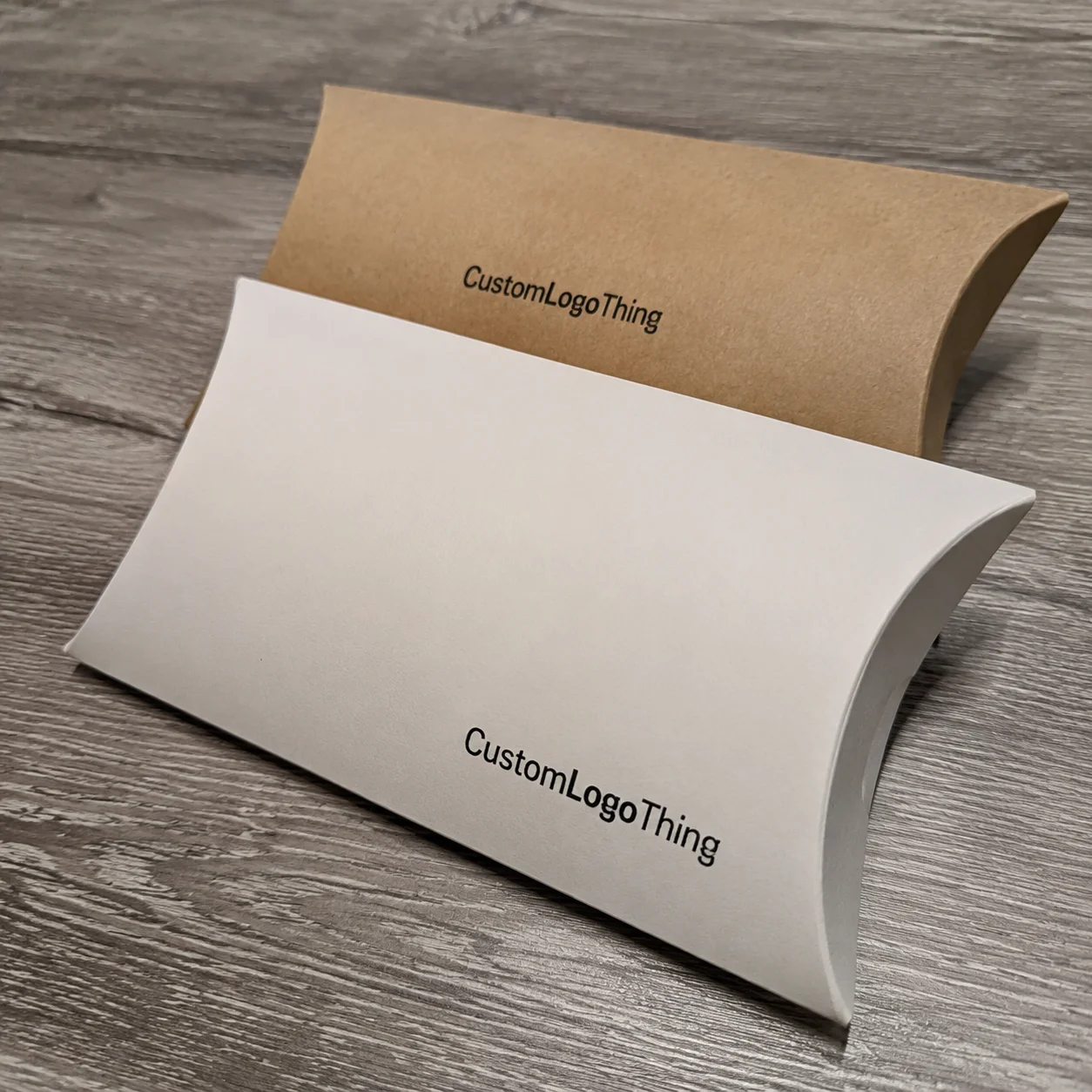
| FSC + tactile finishes | $0.32 | $1,200 | Best for retail packaging with custom printed boxes; prebook press |
Process Timeline from Concept to Shelf
Week 1–2: Discovery and sketching. Align marketing, sustainability, and production so nobody chases a green sticker at the last minute. I usually spend a day in the creative session with the client, mapping product specs and discussing how the packaging will live on the shelf, so we all agree on why the board needs a new finish. That alignment is how to design eco packaging with the right signals heading into procurement.
Week 3–4: Material selection and prototyping. Order eco board and test prints; expect a 5–7 day lead from Sunjin or Delta Corrugators. Suppliers share their schedule here, so you can see if the materials arrive on time and plan around the 4-day press prep window they publish on their portal.
Week 5–6: Pilot run and QA. Run a small batch, log defects, and finalize the die before committing to the larger run. When I visited a factory in Shenzhen, the QA team applied ASTM D642 stacking tests immediately, which saved us from sending a flimsy pack to nationwide distribution. It felt like watching a slow-motion disaster averted, and I let out a celebratory “finally” that echoed down the line.
Week 7–8: Full production. Schedule the run with Custom Logo Things and monitor press time, especially if you’re adding embossing or foil that stresses recycled fibers. Watch for temperature swings; those fibers can expand and misalign the print if the run runs hot, so I track the pressroom temperature every two hours.
Shipping & shelf: Include 3–5 days for transport, plus UPS or freight carriers with eco credentials, and the whole timeline should run about eight weeks from sketch to pallet. After I brief carriers on the material specifics, they know to treat the pallets with care and deliver intact. That timeline transparency is how to design eco packaging without last-minute panics.
Common Mistakes to Dodge
Jumping to the cheapest recycled board without testing for runnability kills more jobs than you’d think. Recycled fibers vary week-to-week, so run a press test every time. I once skipped this step and paid $0.60 per piece in waste when the corrugate refused to feed consistently at 2,200 feet per minute. I still have the photo of that mess; it’s my reminder to never rely on “maybe it will work.”
Ignoring adhesives is dangerous. Solvent-based glues might bond well, but recyclers hate them. Always ask your supplier for water-based options and confirm compatibility with recyclers. One client switched to a Henkel water-based adhesive; the approval paperwork took two days, but the recyclers in Akron, Ohio, stopped flagging their loads. That’s a mistake I call out when I teach how to design eco packaging, because adhesives often derail the whole story.
Over-designing the structure wastes material and money. Complicated inserts add waste and cost. If recycled board can do the job with a simple tuck, keep it simple. I cut three pieces to two for a product packaging redesign, and the client’s per-piece cost dropped by $0.05 while still passing a 100-cycle compression test.
Skipping documentation is risky. Without a BOM, you can’t prove to an auditor that the pack meets eco claims, and you’ll end up reprinting. I catalog mine in a shared folder with the mills, so nothing gets lost and approvals happen within the 48-hour window we promised.
Failing to plan for end-of-life collapses your eco story. If customers can’t recycle it easily, the entire sustainability angle vanishes. When we introduced reusable inner liners that double as storage trays, the feedback from retailers was immediate, and I even got a sarcastic email from one buyer saying, “Finally—packaging that doesn’t ask me to be a magician.”
Expert Tips and Actionable Steps for Eco Packaging
Tip 1: Keep a short list of trusted mills. Sunjin, Delta Corrugators, and Parkland Supply all have low-waste lines, and falling back to them saves weeks when schedules shift. I have their contact info on speed dial because weeks get short fast. That network is a core part of how to design eco packaging without rebuilding the wheel every time.
Tip 2: Record everything in a shared doc—material specs, supplier costs, test results—because the minute you forget a detail, the run gets delayed. I use a shared Google Sheet that updates the BOM automatically, and every partner knows where to look, which keeps the QA call under 20 minutes.
Tip 3: Treat eco board like fine paper if you want a premium finish. Run smaller, slower presses, and pre-order a few extra pieces to cover make-ready waste. When we needed a metallic sheen, the press operator ran at 70% speed and we avoided the ghosting that usually plagues recycled fibers. That kind of care is how to design eco packaging that still feels premium.
Next steps I follow: capture feedback, share spec updates, and keep the press partner aware of shifts in timing. I always send my designers a PDF with decisions highlighted; it keeps the whole team aligned and gives QA a reference when they sign off.
Final reminder: how to design eco packaging requires a strong narrative, measurable decisions, and documentation that keeps the pack honest. Begin by testing the board, locking in materials, and briefing your partner on adhesives at least two weeks before the run. Once you’ve checked those boxes, you’ll know exactly what to test next.
For reference, Custom Packaging Products details specs on 500 to 5,000-unit minimum orders, and revisiting the same resource helps compare finishes, budgets, and how various suppliers handle eco materials without surprise escalations.
Extra credibility comes from reviewing recent guidelines from Packaging.org (their 2024 sustainability digest updates every quarter) and double-checking claims with FSC; that transparency keeps your buyers confident and your factory partners aligned.
Takeaway: document every material, nail the lifecycle map, and park a review meeting with your printer two weeks before press so you can confirm adhesives, ink, and energy expectations—do that and you’ll be delivering eco packaging with a traceable, proud retail story.
What materials should I prioritize when learning how to design eco packaging?
Start with certified papers (FSC, SFI) or 100% post-consumer corrugated from suppliers like Pratt or Smurfit Kappa when you learn how to design eco packaging. Avoid full-coverage laminates; stick to water-based aqueous coatings or print-only finishes to keep recyclers happy. Match the board’s strength with your product so you don’t add liners that cancel out the eco gains.
How much extra does eco packaging design usually add to the per-piece cost?
Expect a $0.04–$0.08 premium for recycled or FSC-certified board when you learn how to design eco packaging. Tooling and testing add $500–$1,200 upfront, so spread that across as many units as possible. Negotiate with partners (I use Parkland Supply quotes) to keep the premium from creeping above $0.15.
Can traditional printers handle recycled fibers when I design eco packaging?
Yes, but they need advance notice; recycled fibers behave differently on press and may need slower runs. Tell them you’re running recycled stock as part of your how to design eco packaging plan so they can adjust press pressure, ink laydown, and drying time. Request a test run and send the printer a spec sheet so their operators don’t switch to a default setup.
What is a realistic timeline when designing eco packaging from concept to launch?
Plan eight weeks: two for sketches, two for prototyping, two for QA, and two for full production plus shipping. Add buffer if you need certifications or approvals, since labs can take a week or more. Sync with your supplier early so they can reserve a press slot, especially if you’re using specialty recycled board.
Do I need certifications to market my work as eco packaging design?
You don’t need the label, but you do need proof: keep mill certificates and ink safety data sheets. Get third-party verification (Forest Stewardship Council or similar) if your buyer demands it. Always be transparent; vague claims invite audits, and failing one means reprinting at double cost.
Remember, how to design eco packaging means more than switching materials—it’s about lifecycle mapping, precise specs, and telling a confident story backed by measurable data. Schedule your call, sketch the dieline, and capture every detail before the press starts. Test the board first, document the adhesive, and then your next run will happily hit the shelf with a traceable, proud retail packaging story.