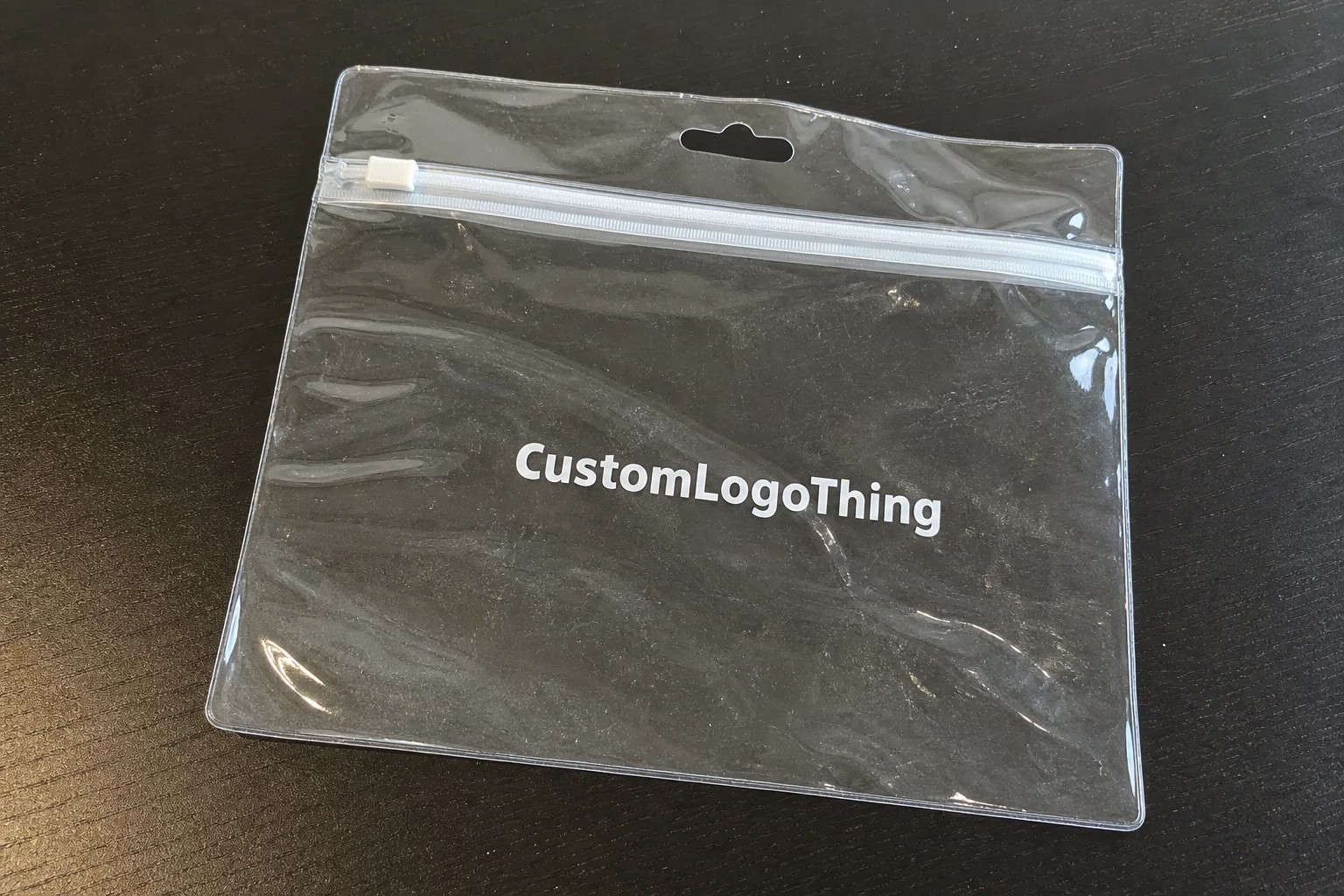
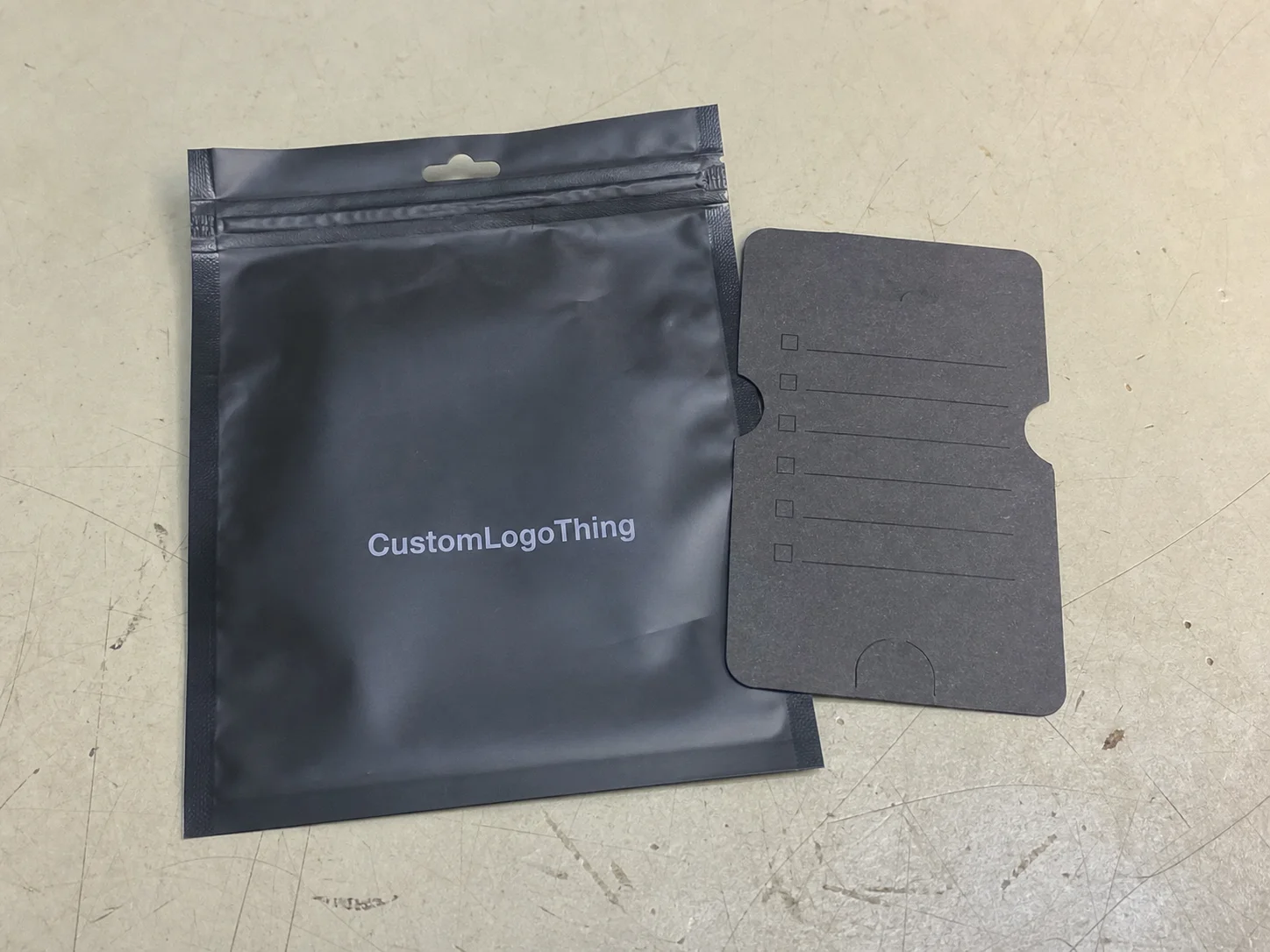
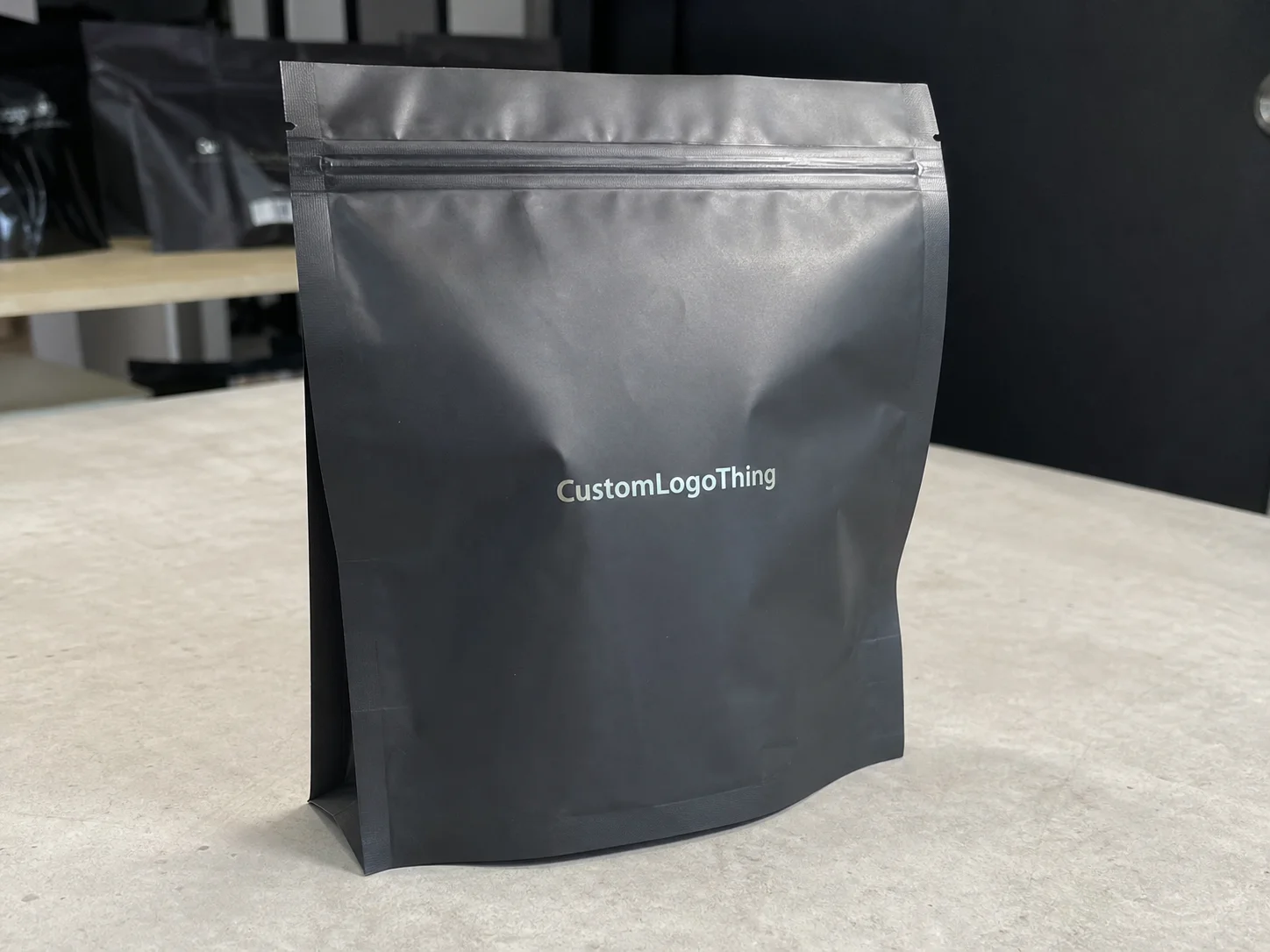
Buyer Fit Snapshot
| Best fit | Minimize Packaging Waste in Business projects where brand print, material claims, artwork control, MOQ, and repeat-order consistency need to be specified before quoting. |
|---|---|
| Quote inputs | Share finished size, material target, print colors, finish, packing count, annual reorder estimate, ship-to region, and any compliance wording. |
| Proofing check | Approve dieline scale, logo placement, barcode or warning zones, color tolerance, closure strength, and carton packing before bulk production. |
| Main risk | Vague material claims, crowded artwork, missing packing details, or unclear freight terms can make a low unit price expensive after revisions. |
Fast answer: Minimize Packaging Waste in Business: Material, Print, Proofing, and Reorder Risk should be specified like a repeatable production item. The safest quote records material, print method, finish, artwork proof, packing count, and reorder notes in one written spec.
Production checks before approval
Compare the actual filled-product size with the drawing, then confirm tolerance on folds, seals, hang holes, label areas, and retail display edges. Reserve space for logos, QR codes, warning copy, and material claims before decorative graphics fill the panel.
Quote comparison points
Review material grade, print process, finish, sampling route, tooling charges, carton quantity, and freight assumptions side by side. A quote is only useful when the supplier can repeat the same color, closure quality, and packing count on the next order.
How I Learned Packaging Waste Is Usually Hidden, Not Obvious
The first time I really understood how to minimize packaging waste in business, I was standing beside a case packer in a corrugated plant outside Columbus, Ohio, watching perfectly good product get buried in a carton that was nearly 30% air and sealed with three extra strips of tape. The box looked “safe” to the sales team, but the real waste was hiding in the void fill, the oversized footprint, and the extra adhesive the line crew was adding because the packout didn’t sit right on the conveyor. That kind of waste is sneaky; it doesn’t always show up as a neat line item on a P&L, but it absolutely shows up in freight bills, damage claims, and slow pack stations, sometimes within the first 2,000 shipments of a quarter.
I remember thinking, pretty bluntly, “We are paying to ship empty space and then paying again to complain about it.” That sentence has followed me around for years, mostly because it keeps turning out to be true. In packaging, waste is more than scrap cardboard in a baler. It includes material waste, like using a 200-lb test carton where a 32 ECT design would do the job, dimensional waste, like shipping a product in a box that adds two inches on every side and bumps you into the next UPS or FedEx DIM divisor bracket, shipping inefficiency, like paying for cube you never needed, labor waste, like extra folding and filler steps that add 12 to 20 seconds per packout, and customer-experience waste, which is what happens when a customer opens a giant carton for one small item and thinks, “Why did they do this?” That last one matters more than some teams admit, especially in retail packaging and branded packaging where perception is tied directly to repeat purchase and review scores.
Custom packaging teams at folding carton plants, corrugated box shops, and fulfillment centers usually catch these issues before finance does because they see the package go together in real time. I’ve had procurement managers tell me they were “saving money” by buying a cheaper stock carton, only to discover the warehouse was burning labor on extra dunnage and the carrier was charging more because the shipment crossed a dimensional threshold at 1,728 cubic inches. Honestly, I think that’s one of the biggest misunderstandings in packaging design: using less money on the unit price does not always mean you’ve figured out how to minimize packaging waste in business.
When I visited a Midwest fulfillment center in Indianapolis that shipped subscription kits, the operations manager showed me a pallet of returned product with crushed corners and torn insert cards. They had been using a generic shipper with three layers of paper filler, and the packers were stuffing each order by feel during a 7 a.m. to 4 p.m. shift. Once they switched to right-sized custom printed boxes with paperboard inserts, their damage rate dropped from 4.8% to 1.1%, the line moved faster by roughly 18 seconds per order, and the average ship cube shrank enough to improve load density on outbound pallets from 72% to 86%. That’s the practical side of how to minimize packaging waste in business: not just less landfill impact, but better freight density, better presentation, and better margin.
The more I’ve worked around packaging in Shenzhen, Atlanta, and western Pennsylvania, the clearer it’s become that waste is usually a system problem, not a single-material problem. If the carton is too large, the insert is too loose, the print spec is too complicated, and the warehouse team has to “make it work” with extra tape or filler, you’ve already built waste into the process. The good news is that once you understand the moving parts, how to minimize packaging waste in business becomes much more manageable, especially if you begin with one SKU family and one measurable goal.
How to Minimize Packaging Waste in Business Through Smarter Packaging Design
The cleanest path to how to minimize packaging waste in business usually starts with packaging design, because that is where material usage, structural efficiency, and packout behavior all get decided. A good structure does three jobs at once: it protects the product, it uses the least practical amount of material, and it moves quickly through production and fulfillment. If one of those three fails, waste starts creeping in somewhere else, often in the form of rework, damage, or excess freight charges.
Right-sizing is the first place I look. If you can reduce the internal void by even 0.5 inch on each side across 50,000 units, the cube savings can be meaningful, especially in ecommerce and retail packaging where freight and shelf-ready presentation both matter. A smaller carton doesn’t automatically mean a weaker carton, either. I’ve seen E-flute corrugated perform beautifully on lighter consumer goods, especially at 32 ECT with a 200# burst equivalent, while SBS folding carton board works better for premium shelf presentation, and molded pulp makes sense where cushioning and recyclability matter more than glossy aesthetics. The right material is the one that matches the product’s failure mode, not the one that just looks impressive in a sample room in Dallas or Milan.
Custom inserts are another major lever. I’ve watched teams fill space with crumpled kraft paper, air pillows, and poly foam when a simple die-cut paperboard insert would have locked the product in place with half the mess. If the item can be immobilized with one well-made insert, you eliminate a whole trail of waste: fewer loose-fill bags, less labor, less customer cleanup, and often less carton abuse in transit. That is one of the reasons how to minimize packaging waste in business often comes down to structural engineering, not just material substitution, and why a well-cut insert from a converter in Dongguan can outperform a more expensive foam solution from a domestic supplier.
Design also affects how your line runs. I’ve stood at automatic folder-gluers in Chicago where a poorly specified score line slowed production by 12% because the flap wanted to spring open, which then caused downstream reject piles and rework. On the other side, a cleaner design with fewer components can improve line speed, reduce glue consumption by 8% to 15%, and cut the need for hand-finishing on a second shift. In a plant, every extra motion has a cost, and every cost becomes waste somewhere, whether it is extra pallet wraps, extra operator minutes, or another carton pulled from overstock.
Materials that tend to reduce waste
There isn’t one universal “greenest” substrate. That depends on the product weight, the shipping mode, and whether the package is meant to stack in a warehouse or stand out on a retail shelf. Still, a few rules hold up well in practice. Recyclable corrugated is often a strong default for shipping, especially if you can design it to the right ECT rating instead of overbuilding it; a 32 ECT B-flute carton is often plenty for lightweight goods under 10 pounds, while heavier items may need 44 ECT or a double-wall build. SBS or CCNB can work for printed retail cartons, but the coating, window patch, and finish choices need to stay sensible if you want to keep the package easier to recover. Paper-based cushioning can replace plastic fillers in many cases, and molded pulp is a smart option for irregular products that need support without a lot of extra volume.
For brands focused on package branding, the trick is not to trade sustainability for a dull unboxing moment. You can still have strong visual identity with fewer materials if the structure is thoughtful. A clean one-piece mailer with crisp graphics printed in a 2-color flexographic system can feel more premium than a bulky box full of filler, especially when the print registration is tight and the fold geometry is well executed. I’ve seen 350gsm C1S artboard used on a rigid-looking mailer sleeve in Guangzhou, and the result was elegant, compact, and far less wasteful than a laminated multi-part setup.
Testing saves waste before it gets expensive
Sample rounds matter more than many teams want to admit. A digital mockup can show the artwork, but a production-ready sample tells you how the board behaves, how much pressure the closure needs, and whether the product rattles in transit. I’ve seen a brand approve a lovely sample on paper, then discover during fulfillment trials that the insert tabs tore after 40 packouts because the scoring was too tight. That is a cheap mistake when caught in a sample room; it is an expensive one after 20,000 units are on the floor, especially if the replacement order has to be produced in 12 to 15 business days from proof approval.
If you are serious about how to minimize packaging waste in business, ask for drop testing aligned with ISTA methods, especially if the package will travel through parcel networks. You can also use ASTM-oriented material checks and simple packout trials before committing to full production. That kind of testing sounds formal, but the practical purpose is simple: find the waste before the waste finds you. And yes, there is a certain satisfaction in catching a bad design early instead of having a warehouse crew discover it at 5:47 p.m. on a Friday, after a 1,200-unit run has already been packed and labeled.
Custom Packaging Design sample showing right-sized corrugated cartons, inserts, and reduced void fill for lower waste' class='blog-content-img' loading='lazy'>
| Packaging option | Typical waste profile | Operational impact | Best fit |
|---|---|---|---|
| Oversized stock carton + loose fill | High material and dimensional waste | Slower packout, higher freight cube | Temporary or very low-value shipments |
| Right-sized corrugated with paper insert | Lower material waste, less dunnage | Faster packing, cleaner presentation | Ecommerce, subscription boxes, consumer goods |
| Folding carton with molded pulp tray | Moderate material use, good recyclability | Strong shelf presence, better product control | Retail packaging and premium product packaging |
| Multi-part plastic-heavy system | Can be high if overdesigned | Complex assembly, harder recovery | Specialized protection needs only |
What Is the Best Way to Minimize Packaging Waste in Business?
The best way to minimize packaging waste in business is to reduce excess material at the source, right-size the package to the product, and confirm the design works in real production conditions before scaling it. That usually means auditing current packaging, removing unnecessary void fill, choosing recyclable corrugated or paper-based alternatives where possible, and testing the final structure for damage resistance, freight efficiency, and packout speed. A package that uses fewer materials but still protects the product, fits carrier thresholds, and moves quickly on the line will usually deliver the strongest reduction in packaging waste.
Key Factors That Affect Packaging Waste, Cost, and Timeline
People often ask me for the cheapest packaging, but the better question is which packaging gives the lowest total cost after you include waste, freight, and labor. That is a more honest way to think about how to minimize packaging waste in business. A box that costs $0.18/unit for 5,000 pieces can still be more expensive than a $0.24/unit custom option if the cheaper one adds 18% to freight and doubles the damage rate, especially on routes from Texas to New Jersey where dimensional charges pile up fast.
Material choice is only one part of the equation. Print complexity matters too. A 2-color flexo run on corrugated is generally simpler than a 4-color process job with special coatings, and a folding carton with foil stamping plus soft-touch lamination will usually take longer to approve and produce than a basic matte varnish structure. If you need 12,000 units by a promotional launch date, that difference can matter a lot. I’ve had supplier meetings in Toronto and Ho Chi Minh City where the client wanted luxury finishes, but their real issue was not the finish — it was that their timeline did not support the extra prepress steps, plate checks, and coating cure times.
MOQ and tooling also shape waste. A lower minimum order quantity may sound safer, yet if your SKU count is high and each item gets its own box size, you can end up with dead inventory, offcuts, and a cluttered warehouse. On the other hand, if you overstandardize too aggressively, you may force a product into a box that needs more filler and more labor. The sweet spot depends on SKU volume, product fragility, and how much forecast confidence your team really has, which is why a 500-piece pilot order can be worth more than a rushed 25,000-piece commitment.
Lead time is another hidden factor in how to minimize packaging waste in business. Stock packaging can ship fast, but it may create waste through poor fit. Custom printed boxes take longer because of dieline approval, proofing, ink setup, die cutting, and finishing. Specialty touches like foil stamping, embossing, and soft-touch lamination can add extra production time, and they also increase the chance of rework if the artwork is not locked early. I’ve seen plants lose a full week because a client kept changing a barcode placement after the plate was already imaged and the die was already mounted on the press.
Operational realities matter just as much. If you have 180 SKUs and a warehouse that changes volume sharply during seasonal spikes, packaging waste often increases because the team grabs what is available instead of what is ideal. If your fulfillment area is tight, oversized cartons also become a storage problem, taking up 12 to 18 pallet positions that could have held fast movers or inbound components. That is why how to minimize packaging waste in business should always include the warehouse floor, not just the design desk.
A quick cost-and-timeline reality check
Here is the kind of comparison I wish more teams made before approving packaging changes, especially when they are comparing a stock mailer from a distributor in Los Angeles with a custom run from a converter in Guangdong.
| Option | Estimated unit cost | Typical lead time | Waste risk |
|---|---|---|---|
| Stock mailer, unprinted | $0.12 to $0.28 | 2 to 5 business days | Medium to high if sizing is off |
| Custom corrugated box, single-color print | $0.18 to $0.42 | 10 to 15 business days from proof approval | Lower if right-sized |
| Premium folding carton with special finish | $0.22 to $0.65 | 15 to 25 business days | Can be low if well designed, but more complex |
I’ve had customers look at the middle row and think the custom option was “more expensive.” Then we ran the freight math, measured the box cube, and looked at damage claims from the prior quarter. The custom option won. Not by a little either. That’s why how to minimize packaging waste in business has to be evaluated across the whole system, from material purchase orders to last-mile handling and customer returns.
Step-by-Step: How to Minimize Packaging Waste in Business
If I had to break how to minimize packaging waste in business into a practical factory-floor sequence, I would start with a clean audit. Measure your current carton dimensions, fill ratio, damage rates, labor time, and material usage by SKU. I mean actual numbers, not gut feelings. In one warehouse I visited in Nashville, the team believed its packaging waste came mostly from cardboard scrap, but the real drain was labor: every order took an extra 22 seconds because packers were layering void fill manually. That added up to a serious payroll cost over a month, especially across 14,000 shipments.
- Audit the current system. Measure box sizes, product movement, void fill usage, weight, damage claims, and pack time by SKU. If you ship 300 units per day, even a 10-second savings per pack can matter, and at 1,500 units a week that becomes real labor money.
- Standardize where it makes sense. You do not need 17 carton sizes if 6 well-chosen sizes can cover 90% of your catalog. Standardization reduces training errors, inventory clutter, and partial-case leftovers.
- Redesign for right-sizing. Work with a packaging supplier to develop custom die lines, inserts, and closure methods that match the product footprint. This is one of the most reliable ways I’ve seen to improve how to minimize packaging waste in business, especially when the new structure is built around a 350gsm C1S artboard insert or a 32 ECT corrugated outer.
- Choose lower-waste materials. Recyclable corrugated, paper-based cushioning, and mono-material structures can all help, provided they still protect the product. A weak green package is just a damaged package with better marketing.
- Prototype and test. Run samples through real fulfillment conditions, not only a lab table. Check drop performance, closure strength, and how fast the crew can assemble it during a normal shift, ideally over 100 packouts instead of 10.
- Train the warehouse staff. Give written pack standards, photo guides, and a simple decision tree. If the process depends on memory, it will drift by the second week of a busy season.
One of my favorite examples came from a cosmetics client in New Jersey that sold three bottle sizes. Their original packaging used a universal insert that “fit everything,” which is usually code for “fits nothing well.” We rebuilt the system around product-specific cavities, switched to a lighter corrugated outer, and standardized the label placement so the packers could move faster. Their pack time dropped from 54 seconds to 39 seconds per unit, and the box no longer needed the extra paper shims they were stuffing under the bottles. That is how to minimize packaging waste in business in real life: fewer improvised fixes, more planned structure, and fewer returns from cracked shoulders or loose caps.
You should also create a simple scorecard. Track material use per order, damage rate, packout time, and freight efficiency by SKU. If one packaging format consistently underperforms, it should not survive out of habit. I’ve seen companies keep wasteful packaging for years because nobody owned the decision. Once the numbers are visible, the conversation gets much easier, especially if you review them every 30 days with operations and procurement in the same room.
And yes, start with one high-volume product line. That is usually the fastest path. If you try to redesign every SKU at once, approvals will bog down, and the project will drag. A focused rollout gives you proof points you can use to improve the next line, which is exactly how to minimize packaging waste in business without causing chaos or forcing a warehouse to relearn 40 pack patterns in one week.
Common Mistakes Businesses Make When Trying to Minimize Packaging Waste
The first mistake is obsessing over recycled content while ignoring total material usage. A carton with 70% recycled fiber is nice, but if it is 25% larger than necessary and ships with a mountain of filler, you have not really solved how to minimize packaging waste in business. You have changed one variable and left the system wasteful, which is a common outcome in teams that approve sustainability goals without measuring cube, pack time, or freight class.
The second mistake is choosing a box that looks premium but is too large, too heavy, or too dependent on fillers. I’ve sat in client meetings in San Diego where the marketing team wanted a dramatic unboxing experience and the operations team wanted the product to arrive intact; both goals are valid, but the package has to be engineered to satisfy both. A premium look can still be achieved with smart structure, print discipline, and a cleaner opening experience. It does not require shipping a half-empty carton with three layers of tissue, a belly band, and a plastic air pillow for a 6-ounce product.
The third mistake is skipping sample testing. This one hurts because it is avoidable. If you do not test, you may not discover compression failure, flap distortion, adhesive issues, or product migration until production has already started. Once that happens, your “waste reduction” project turns into a rush replacement order, and now you’re paying for scrap, air freight, and stressed people. Nobody needs that kind of excitement before lunch, especially not at 10:40 a.m. on a Monday after a missed dock appointment.
The fourth mistake is changing packaging too often without a plan. Every change creates old stock, new stock, training needs, and possible confusion on the line. I once watched a fulfillment team get three different insert versions in a six-week period because approvals kept bouncing between sales, operations, and legal. The result was not lower waste. It was a bin full of obsolete parts, 14 pallets of mixed components, and a lot of very tired people trying to sort what belonged to which SKU.
The fifth mistake is ignoring print and finish choices. Heavy ink coverage, spot UV, metallic foils, and complex laminations can make recycling harder and production more complicated. That doesn’t mean you can never use them. It means you should use them on purpose. If the goal is how to minimize packaging waste in business, every finish should earn its place, from a single matte varnish on a mailer to a foil accent on a premium carton made in Ho Chi Minh City.
Expert Tips From the Factory Floor for Better Results
If you want practical gains, design around the product’s actual failure points, not just its dimensions. A glass bottle fails differently than a metal tin, and a rigid soap box behaves differently than a flexible pouch. I’ve seen teams measure only width, height, and depth, then wonder why their package still rattled. The shape matters. The center of gravity matters. Even the opening direction matters in retail packaging and product packaging, where shelf handling and unboxing both play a role, especially on top-shelf displays in stores with 18-inch shelf depths.
Ask your packaging supplier about nested designs and shared components. A good supplier can often show you where two SKUs can share a tray, a carton footprint, or a closure style without hurting the product experience. That kind of standardization can lower waste and simplify inventory. If you are working with a company like Custom Logo Things, it is worth asking to see multiple structural options early, because the best answer is often not the first one, and a second die-line revision can save 8% to 12% in board usage.
Use production-ready samples, not only presentation samples. I’m talking about the kind of sample that tells you how the adhesive behaves on the folder-gluer, how stiff the board feels after scoring, and whether the insert stays aligned after repeated handling. When I visited a Shenzhen facility that made high-volume custom printed boxes, the most efficient teams were always the ones that treated sampling like a production rehearsal, not a beauty contest. That mindset saves time later, and it also helps you catch weak fold memory, poor register, or a die that needs another 0.5 mm of relief.
Keep artwork simple when sustainability and cost reduction both matter. A clean layout with one or two colors on kraft can look intentional and modern, especially if the brand story supports it. You do not need every surface to carry heavy ink coverage. Sometimes the most effective package branding is the one that lets the structure breathe. That is a lesson a lot of premium brands learn after spending $4,000 on finishes that did not improve sales, when a cleaner single-color print on 350gsm C1S artboard would have done the job with less waste.
Review void fill usage weekly. Seriously. Small changes there produce quick wins. I’ve seen a pack team in Manchester cut paper stuffing by 40% just by switching from free-form filler to a correctly sized insert. That kind of weekly review is a simple, unglamorous part of how to minimize packaging waste in business, but it delivers results faster than most big strategic presentations, especially if you measure it in rolls of kraft paper used per 1,000 orders.
“We thought our waste problem was the box. It turned out the real problem was all the space around the box.” — operations manager at a subscription brand I worked with in Ohio
One more thing: if you sell through retail channels, align the package with retail handling, not just shipping. Shelf-ready packaging has to survive the back room, the cart, the shelf, and the consumer’s first impression. That’s why well-made branded packaging can cut waste while still supporting presentation, provided the design is disciplined from the start and the carton spec is built for a 36-inch stockroom shelf, not only a studio mockup.
Next Steps: Build a Lower-Waste Packaging System That Lasts
The best way I know to sustain progress is to treat how to minimize packaging waste in business as a system you keep tuning, not a one-time redesign project. Start with a checklist: measure your current package dimensions, identify the top three waste sources, compare at least two redesign options, and estimate the effect on freight, damage, and labor. If you can quantify even a few of those factors, your decision quality improves fast, especially when you compare actual carton counts, not just sample room impressions.
Then build a scorecard that tracks material use, damage rate, pack time, and freight efficiency by SKU. Keep it simple enough that operations will actually use it. A spreadsheet on its own does not fix anything, but it does expose where the waste is hiding. I’ve watched teams save thousands per month just by noticing that one carton size was causing repeated overfill and another was consistently slowing down packers by 15 seconds, which over a 20-day shipping month becomes a very real cost.
Roll changes out on one high-volume product line first. That gives you real data, not assumptions. Once the new structure proves itself, expand it into adjacent SKUs where the same principles apply. I’ve seen brands try to change every package at once and end up with confusing artwork, mixed inserts, and a purchasing headache. A staged rollout is calmer, cleaner, and far less wasteful, especially if your production schedule is already booked 12 business days out at a factory in the Midwest.
Set a quarterly review with operations, marketing, and procurement so the package stays aligned with what the business actually needs. Marketing cares about shelf impact and package branding, procurement cares about cost and lead time, and operations cares about speed and damage. All three are valid. The right packaging decision accounts for each one without letting any single department dominate the design for the wrong reason, and that balance is a huge part of how to minimize packaging waste in business over the long term.
Start with your highest-volume SKU, trim the empty space, replace improvised filler with a fit-for-purpose insert, and test the revised packout in real warehouse conditions Before You Order at scale. That one sequence, done well, usually uncovers the fastest savings and gives you a model the rest of the catalog can follow. If I’ve learned anything over two decades on factory floors, it’s this: how to minimize packaging waste in business is not about perfection. It is about reducing the hidden waste, one sensible improvement at a time, until the whole system runs leaner, cleaner, and with a lot less guesswork.
Frequently Asked Questions
How do you minimize packaging waste in business without increasing damage?
Use right-sized custom packaging with product-specific inserts so protection comes from structure, not excess filler. Test prototypes with drop and transit simulations before scaling to production, ideally with at least 25 to 50 units per version. Balance material reduction with compression strength and internal immobilization so the product stays stable during shipping.
What packaging changes reduce waste and still keep costs under control?
Standardize box sizes where possible and eliminate oversized cartons that drive freight costs up. Switch to materials that match the product’s protection needs instead of overbuilding every SKU, such as 32 ECT corrugated for lighter items or molded pulp trays for delicate retail goods. Reduce labor-heavy packout steps by simplifying inserts, closures, and void fill.
Does custom packaging always create more waste than stock packaging?
Not usually, because custom packaging can be right-sized and use fewer filler materials. Stock packaging may seem simpler, but it often creates hidden waste through excess cube, damage, and rework, especially when a generic mailer adds 1.5 inches of empty space on each side. The better question is which option creates the lowest total waste across material, shipping, and labor.
How long does it take to reduce packaging waste in a business?
A quick audit and a simple right-sizing project can start producing improvements in a few weeks. More complex packaging systems may need design, sampling, approval, and production lead time before rollout, often 10 to 15 business days from proof approval for corrugated and 15 to 25 business days for premium cartons. The timeline depends on SKU count, material type, and how quickly stakeholders approve changes.
What should I ask a packaging supplier about waste reduction?
Ask for options that reduce material usage, improve freight efficiency, and simplify assembly. Request sample builds, dieline alternatives, and cost comparisons across different structures and finishes, including exact quotes such as $0.15 per unit for 5,000 pieces or $0.42 per unit for shorter runs. Ask how changes will affect production timing, minimums, and the recyclability of the final package.
Related packaging resources
Use these related guides to compare specs, costs, quality checks, and buyer decisions before making the final call.