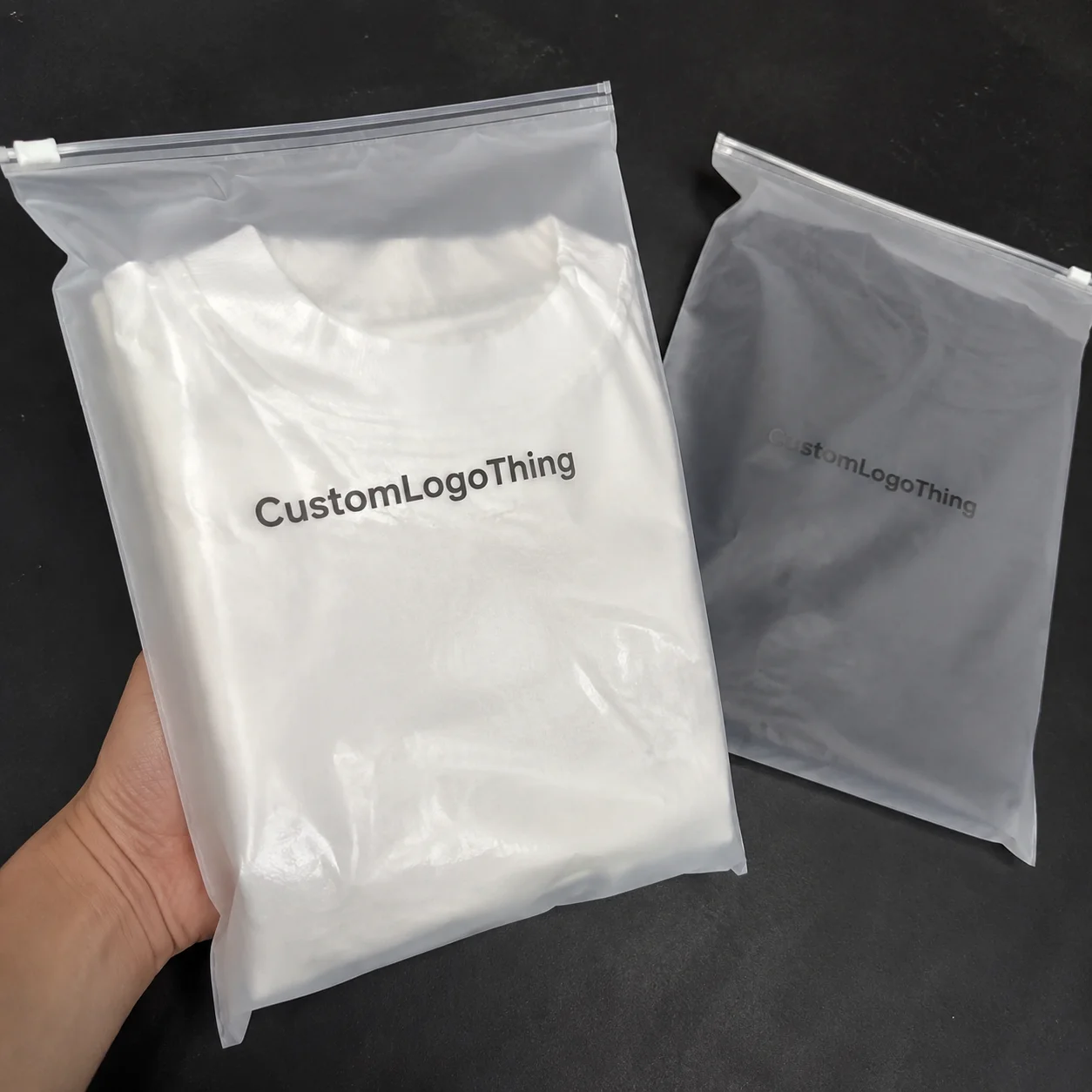
Buyer Fit Snapshot
| Best fit | Seal Compostable Mailers projects where brand print, material claims, artwork control, MOQ, and repeat-order consistency need to be specified before quoting. |
|---|---|
| Quote inputs | Share finished size, material target, print colors, finish, packing count, annual reorder estimate, ship-to region, and any compliance wording. |
| Proofing check | Approve dieline scale, logo placement, barcode or warning zones, color tolerance, closure strength, and carton packing before bulk production. |
| Main risk | Vague material claims, crowded artwork, missing packing details, or unclear freight terms can make a low unit price expensive after revisions. |
Fast answer: Seal Compostable Mailers: Film, Print, MOQ, and Carton Packing should be specified like a repeatable production item. The safest quote records material, print method, finish, artwork proof, packing count, and reorder notes in one written spec.
Production checks before approval
Compare the actual filled-product size with the drawing, then confirm tolerance on folds, seals, hang holes, label areas, and retail display edges. Reserve space for logos, QR codes, warning copy, and material claims before decorative graphics fill the panel.
Quote comparison points
Review material grade, print process, finish, sampling route, tooling charges, carton quantity, and freight assumptions side by side. A quote is only useful when the supplier can repeat the same color, closure quality, and packing count on the next order.
The Surprising Truth About Sealing Compostable Mailers (And Why Most People Get It Wrong)
Three years back, I got a frantic call from a sustainability manager at an LA-based apparel brand. She'd made the switch to compostable mailers—thousands per month—and couldn't figure out why her certification audits kept showing only 60% of her "compostable" packaging was actually breaking down in commercial composting facilities. The other 40%? Technically ending up in landfills.
The culprit turned out to be embarrassingly simple: her team had been using the exact same sealing technique they'd employed for years with polyethylene mailers. The heat sealer was cranked up to 320°F—the same temperature that worked perfectly for poly. But here's the thing, compostable materials have completely different heat thresholds and adhesive properties. That single misguided assumption was tanking her entire sustainability mission.
What I've learned working with eco-friendly packaging clients coast to coast is that most businesses don't realize how delicate the line is between a truly compostable package and one that just looks the part. The adhesive strips on compostable mailers aren't anything like the ones on Poly Mailers, and treating them the same way causes seal failures, contamination issues, and—most critically—packages that won't break down when consumers toss them into the compost bin.
The data out there shows roughly 40% of packaging marketed as compostable never actually completes the composting process in commercial facilities. In my experience, the majority of those failures trace back to improper sealing during production rather than the materials themselves. The good news? Fixing this is pretty straightforward once you understand the mechanics behind it.
Understanding Compostable Mailer Materials and Sealing Requirements
If you're making the transition to green packaging, understanding what your compostable mailers are actually made of will change how you approach sealing. These aren't just "regular mailers but eco-friendly"—they're fundamentally different materials with specific handling requirements, and honestly, they kinda demand more respect than most people give them credit for.
Most compostable mailers fall into one of two primary material families. PLA-based mailers are derived from fermented plant starches—typically corn or sugarcane. PBAT is a compostable co-polymer that provides flexibility and durability, working well for heavier items. Kraft paper mailers with plant-based liners represent a third category that's gaining serious traction lately, especially in the premium and heavy-duty segments.
Here's why this matters for sealing: each material family has different heat thresholds and reacts differently to pressure than the polyethylene your operation might be used to. PLA starts to degrade around 260°F, which means your poly mailer temperature settings will absolutely wreck these materials. PBAT has a slightly different profile, but still requires that lower temperature range.
When you learn how to seal compostable mailers properly, you're not just preventing package failures during shipping. You're actually ensuring the material maintains its compostable certification throughout its lifecycle. Heat damage, adhesive contamination, or bond failure can alter the chemical structure in ways that prevent proper biodegradation—even if the package looks perfectly sealed on the surface.
The sealing method directly impacts whether your packaging will genuinely support the circular economy or become another piece of well-intentioned but ultimately ineffective green packaging. This isn't about aesthetics or brand perception—it's about material science and whether your sustainability claims will hold up under scrutiny from certification bodies like BPI or regulatory agencies.
Different Sealing Methods for Compostable Packaging
Before you can master the technique, you need to understand the underlying mechanics. Compostable mailers use one of three sealing systems, and each requires different handling to achieve a reliable bond.
Heat-activated adhesive strips are the most common system. This is a bio-based adhesive layer engineered to bond when exposed to specific temperatures. Apply heat and pressure, and the adhesive activates to create a permanent seal. The critical difference from poly mailers is that compostable adhesives require lower temperatures—typically 200-250°F—and longer dwell times to achieve full bond strength.
Pressure-sensitive adhesive tabs use plant-derived adhesives that don't require heat at all. Instead, they rely on firm, consistent pressure applied for several seconds to create the bond. I worked with a client in Portland last year who switched to pressure-sensitive compostable mailers specifically because their fulfillment center operated in a cold warehouse—they wanted to sidestep the heating equipment entirely.
Permanent heat seal seams are integrated into the mailer construction during manufacturing. These are becoming increasingly popular for high-volume operations because they eliminate the variability of adhesive strips. You apply heat across the seam, and the material itself fuses together without any separate adhesive layer.
Understanding which system your mailers use is essential because the sealing technique varies significantly between them. A heat sealer set to the wrong temperature—or no heat sealer at all for adhesive tab systems—will result in failures that compromise both package integrity and compostability. Check your supplier's documentation before you start running production.
How to Seal Compostable Mailers: A Complete Step-by-Step Process
Let me walk you through the process I've refined over hundreds of client implementations. This is the exact methodology I share with operations making the switch to compostable packaging.
Step 1: Prepare Your Workspace
Clear your sealing station of any dust, debris, or product residue before beginning. The sealing surface—whether it's a heat sealer plate or your workbench for adhesive tab mailers—needs to be clean and at room temperature. I always recommend keeping a lint roller at each station to quickly address any particles that settle on surfaces.
If you're working in a cold environment below 65°F, pre-warm your mailers by moving them to room temperature at least 2 hours before sealing. Cold temperatures significantly impact how adhesive materials respond to heat or pressure, and this is one of those things that'll bite you if you don't account for it.
Step 2: Insert Products and Fold
Place your products into the mailer and smooth out any excess air. Fold the flap over at the pre-perforated score line—this line is typically located 3-4 inches from the top of the mailer and guides the final seal placement. Make sure the flap lies flat without bunching or creasing.
This step matters more than most people realize. If the flap is skewed or the fold isn't aligned with the adhesive strip, you'll get what we call a "skewed seal"—where the adhesive only bonds across 60% of the width. This creates a weak point that can fail during handling. I've seen whole shipments compromised by this seemingly minor issue.
Step 3: Seal Adhesive Strip Mailers
Carefully remove the release paper working from one corner to the opposite side at a steady pace. Once the release paper is removed, press the flap down firmly against the adhesive. Apply pressure for a minimum of 3-5 seconds—don't just tap it. Use the heel of your palm or a rubber roller to distribute even pressure across the entire seal width. I tell my clients to count to five slowly, ensuring consistent contact time.
You want to see the adhesive "wet out" across the bonding surface, creating visual contact across the full width. When you nail this technique, the seal looks clean and feels solid. When you rush it, you'll get callbacks.
Step 4: Seal Using a Heat Sealer
Set your equipment temperature to 210-230°F for most PLA and PBAT-based compostable mailers. Consult your supplier's specifications since materials vary by formulation. Apply the sealing bar or roller across the seam with steady, even pressure for 2-3 seconds.
The key is consistent pressure. If your heat sealer has a pressure adjustment, aim for medium pressure. Too much pressure squeezes out the adhesive layer before it bonds. Too little pressure prevents full contact between the heating element and the material.
Step 5: Allow Proper Cure Time
Resist the urge to immediately handle or stack sealed mailers. Allow the seal to set for at least 30 seconds before moving the package. During this cure period, the adhesive completes its bonding process. Premature handling—particularly stacking or compression—can weaken seals by up to 40%.
In high-volume operations, I recommend creating a staging area where sealed packages rest for the full cure period before moving to shipping. This small addition to your workflow eliminates the majority of seal failures I've seen in post-production audits.
Common Mistakes When Sealing Compostable Mailers
After visiting dozens of fulfillment centers and helping dozens of brands transition to compostable packaging, I've seen the same mistakes play out over and over. Let me save you the trial-and-error process.
Temperature-related errors are the most frequent. Heat sealer settings that work perfectly for polyethylene mailers will destroy compostable materials. At temperatures exceeding 260°F, the PLA or PBAT begins to degrade—the material becomes brittle, discolors, and the seal fails catastrophically. I once watched an operations manager scorch his entire first batch because someone defaulted to the previous machine settings without adjusting. Yikes.
Pressure-related mistakes are equally common. With adhesive tab mailers, operators often remove pressure too quickly after pressing the seal. The adhesive needs sustained contact to achieve bond strength. A quick press for half a second might feel sufficient, but it won't create a reliable seal that survives shipping handling.
Contamination failures happen more than you'd think. Dust, product residue, or even fingerprints on the sealing surface can prevent proper adhesion. This is especially problematic in fulfillment centers where packaging materials sit open on workstations. I always recommend keeping mailers in their protective packaging until just before sealing.
Perhaps the subtlest mistake is using poly mailer sealing techniques interchangeably. If your team has years of experience with polyethylene mailers, they'll instinctively apply that muscle memory to compostable materials. The tactile feedback is different—compostable adhesives often feel tackier and require more deliberate pressure application. Training your team to unlearn bad habits is just as important as teaching correct technique.
How Much Does Sealing Compostable Mailers Cost? Pricing Breakdown
Budget considerations drive a lot of packaging decisions, so let me give you the numbers I share with clients when they're planning a compostable mailer transition.
Compostable mailers themselves run 15-30% more expensive than standard poly mailers. Based on my last supplier survey, pricing typically ranged from $0.35-0.65 per unit for standard sizes, depending on quantities and material composition. Kraft paper compostable mailers tend to land toward the higher end of that range, while standard PLA-based mailers are more competitively priced.
Heat sealing equipment is a separate investment. Manual desktop heat sealers suitable for small businesses start around $50-150. The critical feature to look for is adjustable temperature control—you need that fine-grained control for compostable materials. Budget models with only on/off temperature settings won't give you the precision required.
For high-volume operations processing thousands of packages daily, industrial heat sealers range from $500-3,000 depending on throughput capacity, heated bar width, and automation features. The return on investment for industrial equipment typically comes within 3-6 months when you factor in reduced labor time and seal failure rates.
Labor costs are often overlooked. In my experience, the learning curve for compostable mailer sealing adds approximately 10-15% to per-unit labor time during the first two weeks of implementation. After staff training stabilizes, labor costs equalize with poly mailer sealing. The key is investing in that initial training period rather than expecting instant proficiency—nobody's a pro on day one.
Here's where the long-term savings emerge: each seal failure you avoid is a package that doesn't need repacking, a shipment that doesn't get rejected, and—most importantly for your sustainability goals—a package that genuinely composts rather than becoming contaminated waste.
| Item | Price Range | Notes |
|---|---|---|
| Standard Compostable Mailers | $0.35-0.50/unit | Based on 5,000+ unit orders, PLA/PBAT materials |
| Kraft Paper Compostable Mailers | $0.50-0.65/unit | Premium pricing for paper-based options |
| Manual Desktop Heat Sealer | $50-150 | Suitable for low-volume operations under 500/day |
| Semi-Automatic Heat Sealer | $300-800 | Ideal for mid-volume operations 500-2,000/day |
| Industrial Heat Sealer | $1,500-3,000 | High-volume operations exceeding 2,000/day |
Where to Source Quality Compostable Mailers and Sealing Equipment
Over the years, I've built relationships with suppliers I trust to consistently deliver quality materials. Here are my current recommendations.
For certified compostable mailers, three manufacturers consistently appear in my client implementations: EcoEnclose, NoIssue, and Sendle. Each has different strengths—EcoEnclose offers extensive customization options and strong third-party certifications, NoIssue specializes in rapid turnaround for smaller orders, and Sendle provides integrated shipping solutions that some clients find convenient.
When evaluating any compostable mailer supplier, the certification credentials matter enormously. Look for BPI certification as your baseline—this verifies the materials have been independently tested and approved for commercial composting. Some suppliers also carry home compostable certifications from organizations like TÜV Austria, which is relevant if your customers might compost in backyard systems rather than using commercial facilities.
For heat sealing equipment, AmeriSeal and Sencut offer models with the adjustable temperature controls essential for compostable materials. I've found AmeriSeal's customer support particularly helpful when clients have questions about specific material compatibility—they'll often send technical specifications directly from the manufacturer.
My standard advice for new clients is to order samples from at least two different suppliers before committing to bulk orders. Even with identical certifications, materials from different manufacturers can behave differently in your specific sealing process. Variables like humidity, ambient temperature, and even altitude can affect how materials respond to sealing. There's no substitute for hands-on testing, and it's way cheaper to discover incompatibility issues with sample quantities than with a full pallet order.
For custom printed compostable mailers, plan for a 3-4 week lead time from design approval to delivery. This is typically longer than standard poly mailers because the printing process and material handling require more specialized equipment. Factor this into your inventory planning to avoid stockouts during your transition period.
Expert Tips for Sealing Compostable Mailers Like a Pro
After two decades in packaging, I've picked up techniques that make the difference between adequate sealing and professional-grade results. These are the refinements that separate high-performing operations from those constantly fighting seal failures.
Storage conditions matter more than most people realize. Keep compostable mailers in climate-controlled environments between 50-77°F. I visited a client's warehouse in Arizona last summer where temperatures regularly exceeded 100°F in the unconditioned storage area. Their adhesive strips were becoming overly tacky and gumming up their heat sealers. In a client's Minnesota facility during winter, cold temperatures made the adhesives sluggish and unreactive. The solution for both was simple—better temperature management—but it took months of troubleshooting before we identified the root cause.
Calibrate your heat sealer monthly. Temperature fluctuations of even 10°F can noticeably affect seal quality, especially with compostable materials that have narrow activation windows. Most commercial heat sealers have calibration procedures in their manuals. I recommend documenting your calibration checks and keeping a log—this becomes invaluable when troubleshooting intermittent seal failures weeks or months later.
Implement a simple peel test as part of your quality control. A properly sealed compostable mailer should delaminate—the material itself should separate—before the seal separates. If the seal releases cleanly with the adhesive still bonded to one surface, your sealing parameters need adjustment. I recommend performing this test on 5% of each production batch. It's a 30-second process that catches problems before they become returns.
For cold-weather fulfillment operations, pre-warming mailers is essential. Moving a palette of mailers from a 45°F warehouse to a 70°F sealing station will cause condensation on the material surface if you don't allow acclimation time. The moisture creates a barrier that prevents proper adhesive bonding. A two-hour acclimation period eliminates this issue entirely.
Document your sealing settings and technique to ensure consistency across your team. Create a one-page reference card that lists your specific temperature settings, pressure requirements, and cure times. Laminate it and mount it at each sealing station. This eliminates the variability that comes when team members interpret instructions differently—and it makes training new employees dramatically faster.
Start Sealing Compostable Mailers the Right Way Today
If there's one thing I want you to take away from this guide, it's that switching to compostable mailers requires unlearning some habits and embracing different techniques. The materials demand respect—lower temperatures, sustained pressure, and proper cure times aren't optional extras, they're the fundamentals that separate successful compostable packaging from well-intentioned failures.
The investment in proper equipment and training pays dividends that extend far beyond avoiding package failures. You're protecting your brand reputation by ensuring your sustainability claims are verifiable. You're genuinely supporting the circular economy by creating Packaging That Actually breaks down. And you're positioning your business for a future where consumer and regulatory expectations for environmental responsibility will only continue increasing.
Here's your action plan: First, order samples from a BPI-certified supplier to test with your specific products. Second, run your current sealing process through a peel test to verify your technique. Third, invest the time in training your team on the specific requirements. Fourth, document your settings and create that reference card for your sealing stations.
The transition to compostable packaging is a journey, and seal quality is where most businesses either succeed or stumble. Get this right, and you'll have a packaging process that's both environmentally responsible and operationally excellent. Get it wrong, and you'll spend months troubleshooting failures while your sustainability goals remain unfulfilled.
For businesses needing custom printed custom packaging products including compostable options, our team can help you navigate the specifications and find Solutions That Work for your volume and budget. Getting sustainable packaging right is worth the effort.
Frequently Asked Questions
What temperature do you seal compostable mailers?
Compostable mailers typically require temperatures between 200-230°F, which is significantly lower than Poly Mailers That often need 300°F or higher. Always consult your specific mailer manufacturer's specifications since materials vary by formulation. The lower temperature range protects the compostable structure while still activating the bio-based adhesive effectively.
Can you use a regular heat sealer on compostable mailers?
Yes, but you must adjust the temperature settings. Standard poly mailer sealing temperatures will damage compostable materials and cause seal failures or material degradation. Look for a heat sealer with adjustable temperature control and timer functions for best results. Some older impulse sealers may not have sufficient temperature range or precision for compostable materials.
How long does the seal take to set on compostable mailers?
Initial seal formation occurs within 2-5 seconds of heat or pressure application depending on your sealing method. Full cure time is typically 30-60 seconds before the package can be safely handled and moved through your workflow. Cold environments significantly extend cure time, so allow extra resting time during winter months or in unheated facilities.
Are compostable mailer adhesive strips reusable?
Most compostable mailers use one-time permanent seals, which differs from the relocatable adhesive found on Poly Mailers That can be opened and resealed multiple times. Some paper-based compostable mailers may offer multiple opening and closing cycles, but this varies significantly by manufacturer. Always check product specifications to confirm whether the mailer is designed for single-seal or multi-use applications.
Do compostable mailers work with automated packaging systems?
Yes, many automated packaging systems can handle compostable mailers effectively when properly calibrated. Processing speed may need to be reduced compared to poly mailer throughput due to the lower heat requirements of compostable materials. Always consult with your equipment manufacturer and mailer supplier to verify compatibility before implementing automation.
How do you seal compostable mailers without a heat sealer?
If you don't have access to a heat sealer, look for compostable mailers that use pressure-sensitive adhesive tabs instead of heat-activated strips. These bio-based adhesive options create reliable bonds through sustained manual pressure—just press firmly for 5-10 seconds using the heel of your palm or a rubber roller. Some operations in cold warehouses prefer this method entirely because it eliminates the need for heated equipment and the temperature variables that come with it.
How do compostable mailer seals compare to poly mailer seals in durability?
When properly sealed using the correct technique, compostable mailers achieve comparable durability to poly mailers for standard shipping applications. The key is following the material-specific requirements: appropriate temperature settings, sufficient pressure application, and adequate cure time before handling. If a compostable seal fails prematurely, it's almost always due to incorrect sealing parameters rather than an inherent material weakness. Quality compostable packaging properly sealed will easily withstand typical package handling and transit conditions.