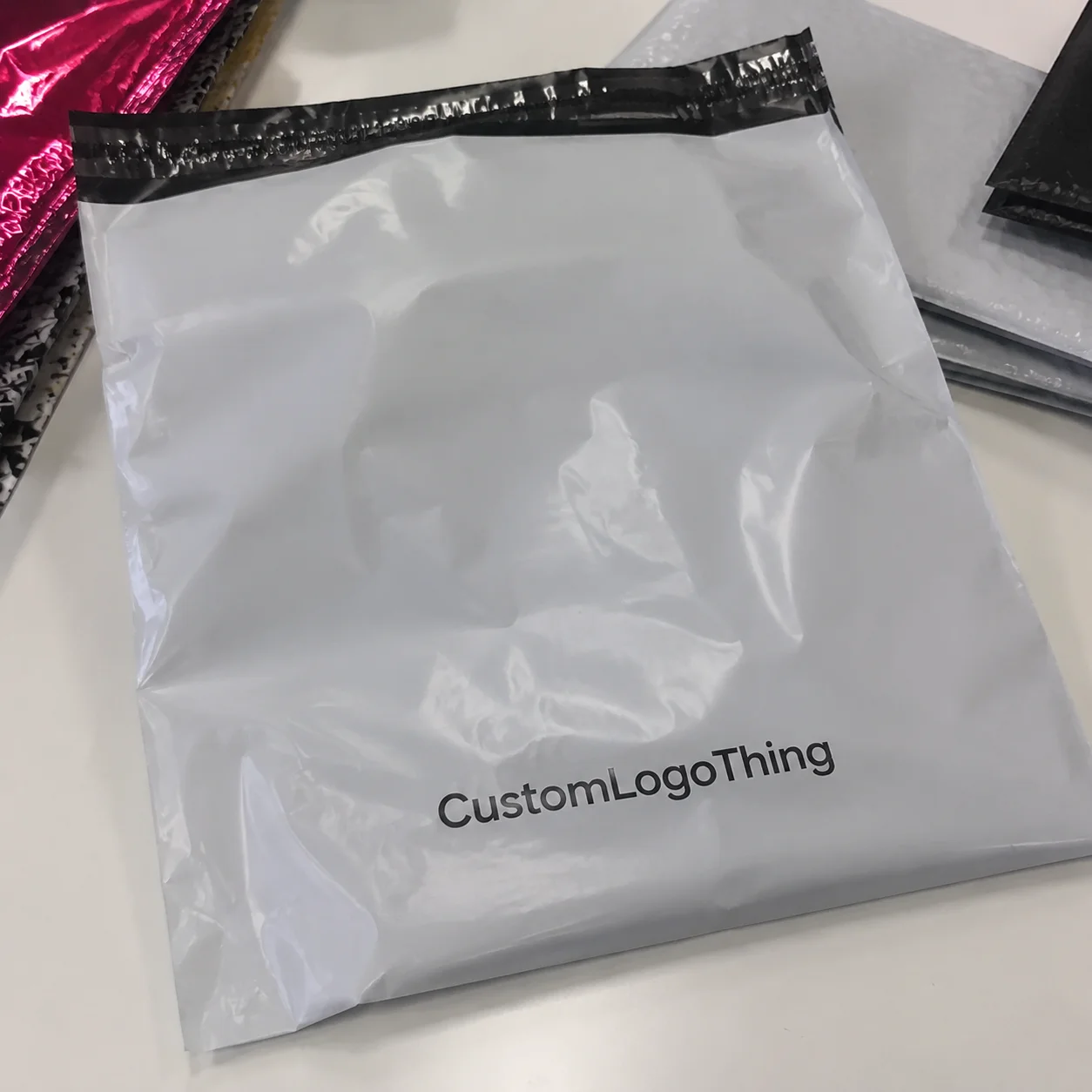
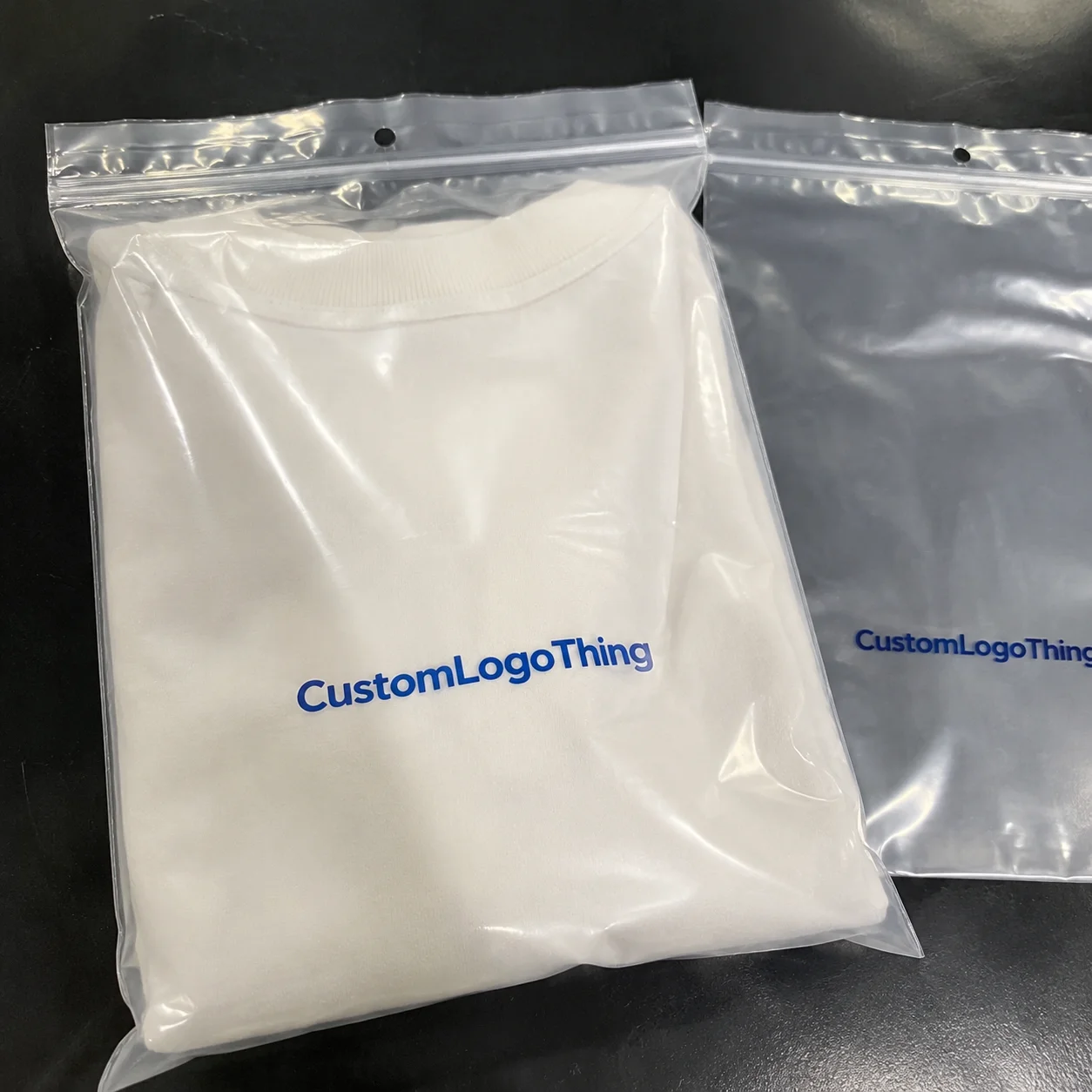
Buyer Fit Snapshot
| Best fit | start packaging design business for packaging buyers comparing material specs, print proof, MOQ, unit cost, freight, and repeat-order risk where brand print, material, artwork control, and repeat-order consistency matter. |
|---|---|
| Quote inputs | Share finished size, material target, print colors, finish, packing count, annual reorder estimate, and delivery region. |
| Proofing check | Approve dieline scale, logo placement, barcode or warning zones, color tolerance, and any recyclable or compostable wording before bulk production. |
| Main risk | Vague material claims, crowded artwork, or missing packing details can create delays even when the unit price looks attractive. |
Fast answer: Start Packaging Design Business: Dieline, Finish, Proof, and Buyer Review should be specified like a repeatable production item. The safest quote includes material, print method, finish, artwork proof, carton packing, and reorder notes in one written spec.
What to confirm before approving the packaging proof
Check the product dimensions against the actual filled item, not only the sales mockup. Ask for tolerance on folds, seals, hang holes, label areas, and retail display edges. If the package carries a logo, QR code, warning copy, or legal claim, reserve that space before decorative graphics fill the panel.
How to compare quotes without losing quality
Compare board or film grade, print process, finish, sampling route, tooling charges, carton quantity, and freight assumptions side by side. A lower quote is only useful if the supplier can repeat the same color, closure quality, and packing count on the next order.
How can I start packaging design business efficiently?
How can I Start Packaging Design business efficiently? I tell founders I meet to treat that first call like package engineering homework, inputting product weights, shipping routes, and protective inserts into the same spreadsheet that tracks color swatches. The difference between an easy quote and a nightmare is knowing which supplier can actually run a matte aqueous coat while keeping supply chain coordination tight.
I also push them to sketch a brand packaging strategy before they send a mood board; knowing how to start packaging design business means mapping adhesives, regulatory notes, and tooling runs alongside the creative primer so the client sees how the whole journey fits together.
After that sync I send a production sprint one-pager, because showing how to start packaging design business by planning the first sample run and screening suppliers speeds up retainer sign-offs. It even makes the whole thing feel kinda real for the client.
Why starting packaging design business still pays
I still remember walking through the Custom Logo Things factory in Chicago’s Near South Side with a skeptical banker who kept saying packaging “was just boxes.” Twenty minutes later we watched a $35,000 order roll out the dock in under 48 hours because someone on our floor understood how to start packaging design business the right way. That moment taught him the difference between pretty visuals and operating margin.
We were shaping structural dielines, running prototypes in corrugator cells, memorizing supplier calendars, and coordinating press checks before he finished his espresso. That order proved to him how to start packaging design business beyond art direction; we were aligning supplier calendars in the same meeting.
Before sketching a mood board or opening ArtiosCAD, decide what niche you serve. Are you building premium retail Packaging for Skincare brands or scaling recycled-branded solutions for CPG lines? The scope includes structural design, dielines, prototypes, print runs, and client education so you are not just selling boxes.
When I pitched a food brand last spring in Seattle they expected a single visual deck; I arrived with a seven-page production brief, a list of compatible substrates (350gsm C1S artboard with soft-touch lamination, FSC-certified kraft, PET windows), and the supplier run sheet from Sunwell Print in Vernon, California, showing their 12-15 business day lead time from proof approval. Their CFO admitted on the spot that he had never seen such a detailed logistics package from a creative firm. Those logistics pages are what you need to master when people ask how to start packaging design business instead of hoping the printer will improvise.
Profit does not come from the prettiest mockup but from planning with a manufacturing partner. When clients skip supplier consultations, they burn time with impossible quotes, change orders, and wasted samples. I once saw a freelancer quote $0.42/unit for a run that required custom varnish and did not even know the Atlanta facility could not handle six-color UV coatings on 4-color offset. We lost the job not because the art lacked muscle, but because they quoted a lead time that would have cost the brand an extra $4,000 in expedited freight, and the factory refused to rush their press.
Real profits come from bringing factories onto the call early, aligning on feasibility, and guiding clients through dieline tweaks before proofs start rolling. That's the kind of discipline that shows how to start packaging design business That Actually Pays, not just looks good on a deck.
Branded packaging today demands a partner who can juggle aesthetics, materials, and compliance; I still tell anyone who will listen that knowing how to start packaging design business means negotiating supplier terms as much as sketching carton flaps. And you’re gonna need to understand which coatings dry faster, what adhesives are FDA-safe, and how each press operator prefers their registration marks. Without supplier insight, you design for a machine that does not exist; with it, the boxes hit shelves exactly how the client imagined, and you get paid premium consulting fees for guiding the whole journey.
Honestly, I think most designers underestimate how satisfying it is to watch a line operator in St. Louis read your structural notes and say, “We can do that.” It’s the kind of win that tastes better than coffee. Those are the stories you tell when people ask how to start packaging design business with a partner.
I also keep a running log of every factory visit, because I am a little obsessive about remembering which press operators are allergic to sudden color shifts (yes, it’s a real problem). Sometimes I still flash back to that first banker’s raised eyebrow—even now I see the moment we stopped being “the design team” and started being a real packaging design business, with documented supplier onboarding checklists, tooling timelines, and a supplier roster that includes regular calls with the Vernon corrugator and a backup shop in Osaka. That log keeps reminding me how to start packaging design business with backup shops.
How to start packaging design business: process when you launch
Clients expect me to run through their brief in five minutes, but the work starts with measurement, spec, and expectation. First I drill into what the product weighs (1.2 kg), its dimensions (12 x 4.5 x 2 inches), and how it travels from shelf to kitchen counter, including whether UPS Ground or ocean freight handles the bulk. Then I double-check every measurement; the spreadsheet we built after touring the Sunwell Print plant still lives in my drive because every dieline demands precise die-cut data, glued flap placement, and tolerance values down to +/- 0.5 mm. Structural files go into ArtiosCAD x14, retail mockups come from Adobe Illustrator CC 2024, and I always send a live structural PDF so clients can rotate the package in a 3D viewer.
Those files answer the deeper question of how to start packaging design business without pulling two reworks. Proof approval splits into digital and tactile checks. Digital proofs ensure PMS and dielines align, while a physical soft proof—35gsm coated stock printed on Custom Logo Things’ Heidelberg Speedmaster with a 72-hour turnaround—lets clients feel how varnish and foil interact.
Seeing that tactile surface sells them on the detail. After proofs pass, production oversight begins: I map every print run, assign specific racks to offset or digital presses, and send weekly updates so nothing surprises us when pressmen report on ink densities or board curling. Most new founders lose time in back-and-forths because they did not bring a supplier on the initial call.
I have watched workflows stall while a designer waits for a supplier’s availability and the client refreshes their inbox. One trick I stole from factory negotiators is inviting the printer, converter, or corrugator to the kickoff meeting. Have them confirm press speeds (7,500 sheets per hour on the Heidelberg), coating capabilities (range from aqueous to 3-layer soft touch), and how many tools they can load simultaneously. That stops a week of chin-stroking and starts shipping real samples. That is how to start packaging design business with the factory already on the phone.
Tools matter. Structural CAD like ArtiosCAD keeps dielines honest; color systems such as Pantone Live ensure branding stays steady across press and flexo runs. For day-one professionalism I build a communication doc with version control, approval checkboxes, and a production timeline in a shared folder. That keeps everyone aligned and lets clients see your packaging design business functions like a full-service studio even before you land the first retainer.
That communication doc is how to start packaging design business with clarity before you even invoice. (Also, the shared folder saves me from answering “Where did you send that file?” every Wednesday.)
I remember when I first sent a client a PDF and they asked for the “real version.” It was gratifying and slightly terrifying to reply, “Yep, it already went to the factory in Vernon, and we’re waiting on their proof.” That level of confidence only comes from knowing the process inside out—and dealing with the occasional production hiccup with a healthy dose of humor.
Process & timeline for starting packaging design business
Plan for a 60-90 day runway before you bill the first client. Week 1 is discovery: I spent the first five days drafting a questionnaire that covered product weight, retail conditions, sustainability targets, and distribution plans, and I include logistics questions like “Do you ship via FedEx Freight or LTL pallets?” Week 2-3 focused on portfolio—mockups, renderings, structural sketches. I even created speculative material combinations to show how recycled board versus folding carton impacts both aesthetics and shipping weight.
Week 4 is supplier landing; I cold-called three printers (including Koreapack in Seoul, a specialty box maker in Charlotte, and the Vernon corrugator) to compare lead times, tooling fees, and color-matching services. Pitching happens in weeks 5-6. I treat it as a combo of sales and education—clients get the pricing matrix, the sample schedule, and the compliance checklist from ISTA so they understand why hazard-free packaging is non-negotiable.
Weeks 7-8 cover onboarding the first client: final approvals, deposit invoicing, and shipping samples. If you want to shrink the timeline, overlap tasks. I once negotiated with a Chinese corrugator in Shenzhen who insisted on a 5-week lead time for tooling, so while waiting on their schedule I ran a parallel sample with a regional carton shop in Portland. When the long-lead tool arrived, we already had a digital layout, color notes, and a QA checklist ready, which shaved two weeks off the launch. You can call that sprint the framework for how to start packaging design business with parallel samples.
The biggest time sink is waiting on approvals. That is why layered proofs with embedded comments, signoff tracking in a shared Google Sheet, and weekly check-ins live in every contract. Keep a running list of pending items and assign a single point person—either the client or your project manager—to own that list. Overlapping supplier sourcing with brand kit development lets you accelerate the runway without sacrificing quality. Those running lists and assigned owners prove how to start packaging design business with accountability.
Remember, the timeline is not just a calendar; it is the narrative you share with clients. Having a documented 90-day sprint that lays out how to start packaging design business goals, supplier check-ins, and outreach milestones shows you are not winging it—you have a plan, suppliers lined up, and the ability to measure traction week by week. Honestly, I think clients sleep better when they see that timeline (and you do too, because it keeps the chaos from sneaking back in after lunch).
Sometimes I still wince thinking about the first sprint we did where everything got delayed because the proof approver disappeared for a week to travel between the Dallas headquarters and their Austin warehouse. Lesson learned: build in approvals buffer, send reminders, and send snacks if necessary. You are running a process, not just a creative service, and the people you invite to the table need to know that.
Pricing & startup costs to launch packaging design business
Starting a packaging design business means budgeting for software, hardware, and sample runs before any client pays you. I set aside $300/month for software licensing—ArtiosCAD, Adobe Creative Cloud, Pantone Connect, and a structural plugin that syncs with our print partners. Sample shipping runs cost about $100 per round trip to Kansas City, and I always order at least two rounds before final approval: one mockup, one production sample. Studio gear, including a fixed lighting setup with 5,500K bulbs for photography, runs roughly $2,000 so you look professional on Zoom calls, especially when showing custom printed boxes under daylight-balanced light.
Keeping that budget visible is how to start packaging design business with your own books. Pricing models have to cover creative work plus supplier management. I offer a fixed package that includes brand strategy, dieline, mockup, and a pre-press checklist. The entry-level package is $3,500 for smaller brands, while the premium tier for retail packaging—including sustainability consulting and production oversight—runs $6,500 with a $1,500 retainer for ongoing sampling. For long-term clients I also offer an hourly retainer of $125/hour for production support, which covers everything from color adjustments to vendor audits. The markup on design work sits around 50% gross when you factor in supplier coordination, which beats most creative agencies that ignore logistics.
Clear pricing is how to start packaging design business with clients who understand the extra procurement work.
Here’s where a table helps prospects compare options:
| Package | Includes | Price | Delivery Timeline |
|---|---|---|---|
| Starter Branded Packaging Kit | Brand strategy, dieline, render, pre-press checklist | $3,500 | 12-15 business days after brief |
| Retail Packaging Launch | Structure, mockups, PMS specs, supplier briefing | $5,250 | 18-22 business days, includes revisions |
| Production Partner Retainer | Ongoing sourcing, sustainability review, QA visits | $1,500/month | Monthly check-ins plus flexible sprint planning |
To cover startup costs, include the basics in your pricing: consultation, design, project management, and proof shipping. Buyers appreciate transparency, so I present a breakdown that shows $600 reserved for sample production, $450 for supplier coordination, and the rest for design. If I’m shipping mock-ups to Atlanta, that includes the $85 expedited fee to UPS for overnight proof delivery. That honesty builds trust and makes your services feel like rational investments instead of mysterious hourly bills.
That transparency is what shows how to start packaging design business as a rational investment. I also push clients to consider their protective packaging strategy. A box can look great on the shelf, but if it does not survive an ISTA 3A transit test, it becomes a liability. Designing for protection, especially for fragile goods, earns referrals and cuts warranty conversations. That detail sells the idea that your packaging design business is comprehensive, not just visual. Seriously, a busted kit shows up on day two, and suddenly every planner in the room is breathing down your neck.
That is how to start packaging design business with credibility.
Key factors that give your packaging design business edge
Owning relationships is a competitive advantage. I signed an exclusive deal with Sunwell Print for custom varnishes after visiting their plant twice, offering them upfront volume visibility in exchange for weekday tooling slots and a dedicated press operator. Those visits taught me the smell of UV ink, how their washes behave on recycled board, and which varnishes dry faster for short runs. That knowledge lets me coach clients on the tactile impact of a soft-touch lamination versus a gloss finish while keeping production deadlines intact.
Educating clients on sustainable materials pays dividends too. One brand insisted on bright white folded cartons, but after showing them a cost comparison between virgin bleached board and 100% recycled kraft with FSC certification, they switched. The recycled board weighed 12% less, which brought down shipping costs for their East Coast launch, and the eco story fit their marketing so well that Whole Foods in Chicago gave them a press mention. They also asked for a packaging materials audit referencing EPA waste guidelines so they could reduce their footprint.
That brand packaging strategy also gave them a story for retailers and reduced claims. Service differentiation matters. I ship every vendor dieline-ready file, PMS specs, and production notes. I also include a short “how to handle” doc describing ink tolerances, varnish settings, and finishing notes because some suppliers still treat instructions like optional attachments. When clients see that level of support—samples prepped for their printer, a schedule that includes each calibration step, and a supplier contact list for the Charlotte post-press house—they start viewing you as a partner in retail packaging execution, not just a creative. Those deliverables are how to start packaging design business with the printer already in the room.
I also share industry references like Forest Stewardship Council (FSC) guidelines and ISTA testing standards so clients can prove to retailers they’re compliant. That builds trust faster than pretty renderings. If you want to scale, you need to hand off production-ready files, provide quick supplier updates, and short-circuit miscommunication. That is how your packaging design business stands out in a sea of designers who only deliver visuals. Honestly, I think the extra effort feels like wearing armor, and nothing beats seeing a buyer nodding because they trust your process. That is how to start packaging design business with armor on.
Common mistakes people make starting packaging design business
Skipping supplier visits is a recipe for rejects. Remote specs never capture press capabilities, board runnability, or how a dieline behaves at 90-degree glue folds. I once inherited a client whose new designer sent a dieline with a 1/8-inch lip that would have folded into the product. The press operator flagged it immediately, but not before costing the client $1,250 in sample runs. Being physically present, even once, pays off. You learn the logistics lesson when you sit in a factory and watch the press count from start to finish, which includes the morning quality checks that happen at 6:30 a.m.
Skipping that visit is the fastest way to forget how to start packaging design business with credible specs. Undercharging for project management is another common mistake. When you start a packaging design business, remember you are also coordinating a supply chain. Sourcing custom printed boxes involves ink tolerance callouts, gluing schedules, protective packaging, and regulatory approvals for retail materials. If you only charge for the art, you end up working double time for free. Include project management fees that cover quality checks, print approvals, and weekly supplier calls. That is how you keep profits at 50% or more.
Ignoring protective packaging considerations results in warranty conversations and retail headaches. A client once asked us to design a fragile product kit without cushioning or bracing. I insisted on adding a foam insert and a custom corrugated tray. The retailer’s quality team later told us that same kit would have failed the ISTA 3A test without the support. Protective packaging isn’t optional—it is a brand safeguard. When you educate clients to pair branding with protection, you reduce returns and earn stronger referrals.
That is the kind of advice people expect when asking how to start packaging design business. Also, for the love of ink, don’t forget to ask if the printer can handle the coating you just bragged about in your mockup. I have had to eat my own words (and more than one client’s frown) when a coating pushed the schedule into a backlog of thirty other jobs. That frustration could have been avoided with a quick supplier check-in, so now it’s part of my standard checklist. That check-in is the first habit of how to start packaging design business without surprises.
Action steps & next moves to launch packaging design business
Start by picking a target niche—premium skincare, retail apparel, or another product packaging category—and draft two case studies, real or hypothetical, that show your structural thinking. Then call three printers, like Koreapack in Seoul, Custom Logo Things’ partners in Chicago, or even a local converter in Dallas, to understand their turnaround, tooling fees, and digital versus offset capabilities. Keep their answers in a quick spreadsheet so you can quote fast. Those case studies prove how to start packaging design business before you even show a mockup.
Next, build a pricing sheet that includes consultation, design, and project management. Present it with transparent breakdowns—$600 for consultation, $1,000 for dielines, $450 for proofing, and a recurring retainer for production coordination. Give clients an option that includes sustainability consulting, quoting average costs for recycled board at $0.18 per unit more and branded packaging treatments like cold foil at $0.12 per piece. By the time you pitch, they will see how your packaging design business package covers their needs. Clear pricing is part of how to start packaging design business with trust.
Finish by writing a 90-day sprint that includes how to start packaging design business goals, supplier check-ins, and client outreach so you can measure traction weekly. Include a supplier cadence (week 4 call with Sunwell Print, week 6 sample sign-off, week 8 production start), and set KPI targets—two qualified leads, one signed client, and one case study published on your site or LinkedIn. Track every win and every lesson so you can refine the process. The founders who treat the first 90 days as a strategic sprint are the ones who secure clients, manage suppliers, and scale confidently.
Keep the sprint visible, keep the suppliers close, and keep pitching smart. Seriously, nothing kills momentum faster than a “we’ll get back to you” that lasts three weeks.
What are the first steps to start a packaging design business?
Define your niche, gather a portfolio (even speculative), and line up at least one reliable supplier like Sunwell Print or Koreapack so you can quote confidently and reference a real lead time. That prep is how to start packaging design business with suppliers You Can Trust.
How much does it cost to start a packaging design business?
Expect to budget around $3,000 for software, hardware, and sample runs before you earn a penny—plus ongoing proofing and shipping costs that often run $150 per major milestone.
Do I need a factory to start a packaging design business?
You don’t need your own factory, but you do need a trusted partner like Sunwell Print (Vernon) or Koreapack (Seoul) to back your promises with real production capability and actual press availability.
How do I price packaging design services?
Use tiered pricing: base package covers dieline, visuals, proofs, while premium tier adds sourcing, sustainability consulting, and project oversight—then show how each component contributes to the $3,500 to $6,500 range.
How soon can I launch a packaging design business?
With focused planning, you can launch within 60 days by combining portfolio prep, supplier scouting, and proactive outreach, especially if you line up one supplier who can deliver proofs in under a week.
Need more reference? Visit Packaging.org for standards, or check the ISTA testing protocols before your next production run. Also, don’t forget to look at Custom Packaging Products to see how packaging design translates into finished boxes. Every factory has its quirks, so take these guidelines as a playbook you adapt rather than a script you follow blindly.
Actionable takeaway: choose one supplier to visit, document their press capabilities, build a pricing checklist with procurement fees, and schedule your first 90-day sprint so you can answer “how to start packaging design business” with proof, not just promises.