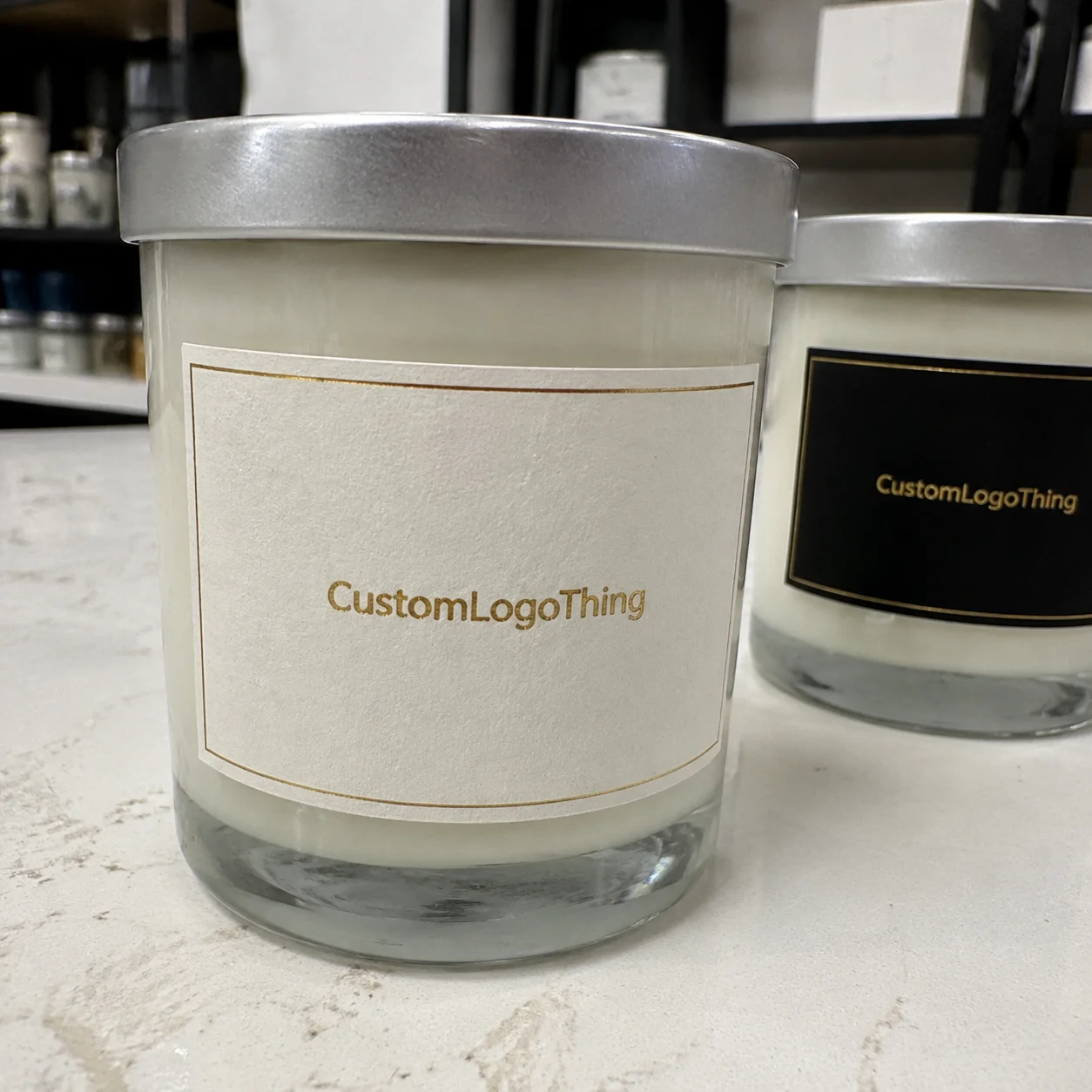
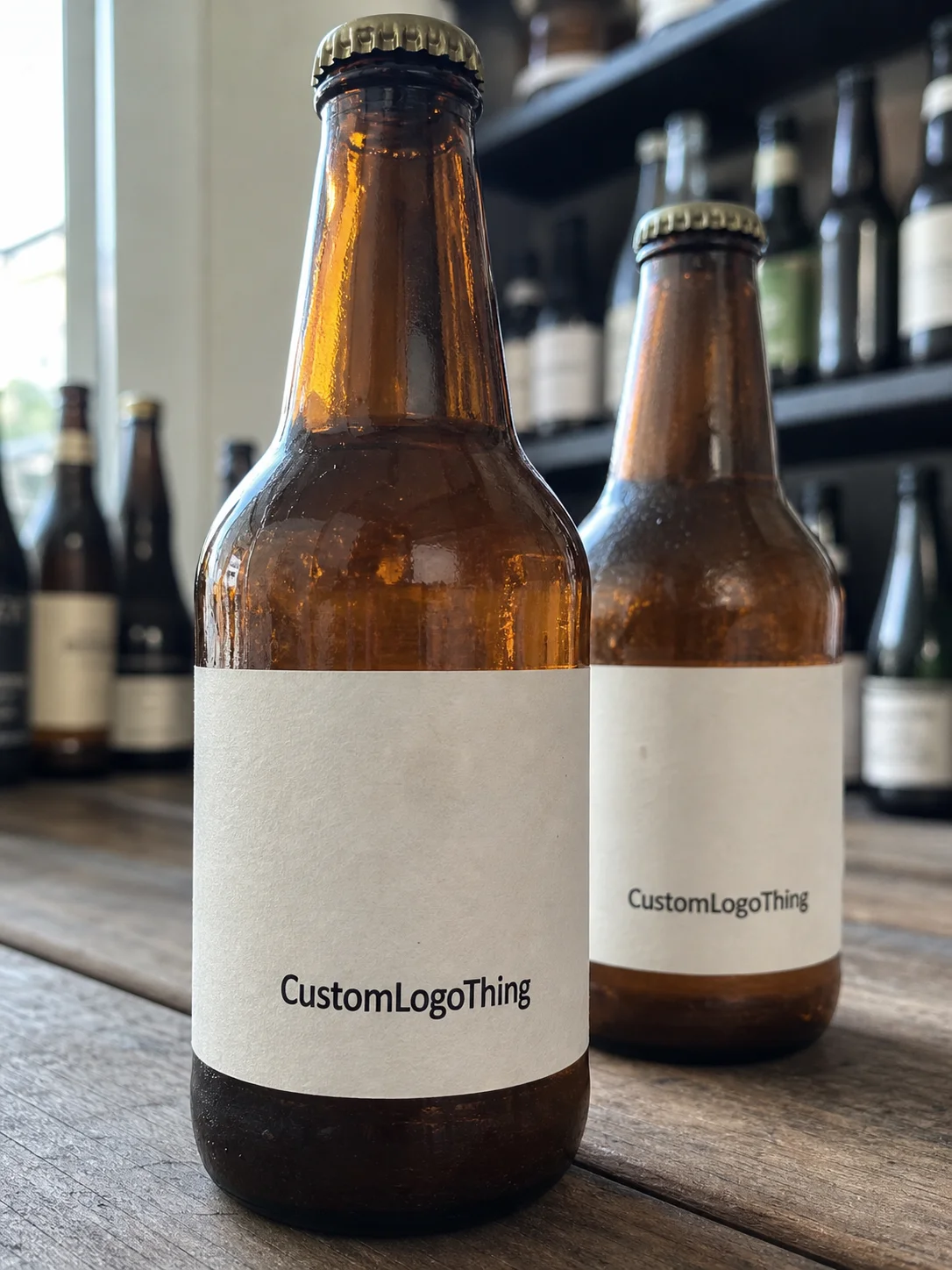
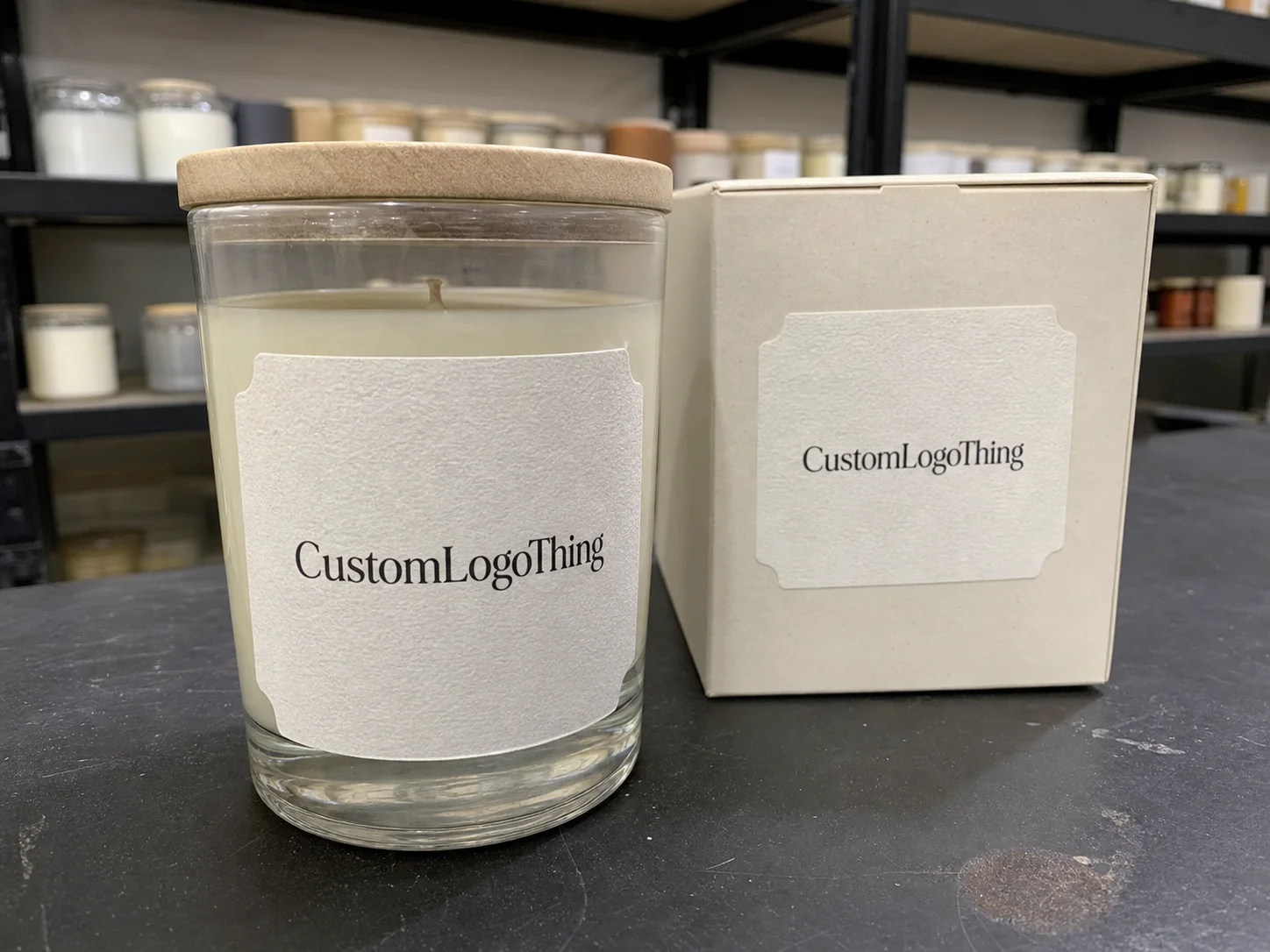
Buyer Fit Snapshot
| Best fit | Use Ai for Box Mockups projects where brand print, material claims, artwork control, MOQ, and repeat-order consistency need to be specified before quoting. |
|---|---|
| Quote inputs | Share finished size, material target, print colors, finish, packing count, annual reorder estimate, ship-to region, and any compliance wording. |
| Proofing check | Approve dieline scale, logo placement, barcode or warning zones, color tolerance, closure strength, and carton packing before bulk production. |
| Main risk | Vague material claims, crowded artwork, missing packing details, or unclear freight terms can make a low unit price expensive after revisions. |
Fast answer: Use Ai for Box Mockups: Material, Print, Proofing, and Reorder Risk should be specified like a repeatable production item. The safest quote records material, print method, finish, artwork proof, packing count, and reorder notes in one written spec.
Production checks before approval
Compare the actual filled-product size with the drawing, then confirm tolerance on folds, seals, hang holes, label areas, and retail display edges. Reserve space for logos, QR codes, warning copy, and material claims before decorative graphics fill the panel.
Quote comparison points
Review material grade, print process, finish, sampling route, tooling charges, carton quantity, and freight assumptions side by side. A quote is only useful when the supplier can repeat the same color, closure quality, and packing count on the next order.
Back when I was walking press floors in Shenzhen and carton lines in Chicago, a packaging concept could eat up three rounds of dielines, a couple of Photoshop comps, and at least one physical proof before anybody in sales even agreed the box “felt right.” I remember standing there with a coffee going cold in my hand while three people argued about whether a tuck flap looked “premium enough” for a $14.99 candle set, which, frankly, is a phrase that should be investigated. That is exactly why learning how to use AI for box mockups matters now: it can turn a slow, expensive early-stage process into something faster, clearer, and much easier to discuss with clients, buyers, and production teams.
I’ve seen brand managers bring in a napkin sketch and ask for six box directions before lunch, and honestly, that used to mean a day of handwork from a designer, a structural engineer, and someone on the production side trying to keep the seams believable. Today, how to use AI for box mockups is less about replacing that expertise and more about getting to a credible visual faster, while still respecting real-world packaging constraints like board caliper, print registration, and closure style. A folding carton made from 350gsm C1S artboard behaves very differently from a 1.5mm rigid chipboard setup box, and AI needs to be told which one it is pretending to be.
For Custom Logo Things, this topic is practical, not theoretical. A mockup that looks beautiful but ignores a 0.04-inch tuck flap or a foil hit that would choke on a corrugated surface is not useful to anybody. The goal with how to use AI for box mockups is simple: make better decisions earlier, with fewer costly surprises once the artwork hits a real factory line in Dongguan, Vietnam, or Monterrey.
How to Use AI for Box Mockups: What It Actually Means
At the simplest level, how to use AI for box mockups means using text prompts, image generation, template-based tools, and smart editing software to visualize a package before you commit to a physical sample. You type in the box style, the product category, the finish, and the brand mood, and the software produces a visual that can be discussed, edited, and compared against other options. For a startup team, that can mean getting five concept directions in under two hours instead of waiting four to seven business days for an outsourced render.
That sounds straightforward, but there is a real difference between a concept image and a production-ready mockup. A rough AI render can show a kraft mailer with a logo in the right place and a warm studio light, yet it may ignore structural realities like a top-lock closure, a dust flap that should not be visible, or a flute direction that would never print the way the image suggests. How to use AI for box mockups the right way means knowing that AI is a visualization tool, not a substitute for a carton engineer or a print buyer, especially when the job calls for spot UV on a 0.5mm score line or a magnetic rigid box with wrapped corners.
In the packaging workflow, AI fits best in concept exploration, presentation visuals, variation testing, and quicker alignment between stakeholders. I’ve sat in meetings where marketing wanted “premium” and production wanted “manufacturable,” and the team spent forty minutes arguing over words that a well-built mockup could have resolved in ten. If you understand how to use AI for box mockups, you can get those conversations grounded in something visual and specific, such as a kraft mailer, a sleeve-and-tray carton, or a rigid cosmetic box with a 1.2mm board wall.
Here’s the honest truth from the factory floor: AI is a speed tool. It can help you test a matte black rigid box against a natural kraft mailer, or compare a sleeve box with a magnetic closure, but it cannot replace structural engineering, print specs, or finishing knowledge from someone who has stood next to a die-cutting press in Foshan or a gluer in Ho Chi Minh City. That distinction matters more than people think, because a $0.15-per-unit folding carton at 5,000 pieces and a $2.80-per-unit rigid box at 1,000 pieces do not get treated the same way by a supplier.
“The best AI mockup is the one that helps a team make a smarter packaging decision before a single sample hits the table.”
How AI Box Mockups Work Behind the Scenes
How to use AI for box mockups becomes much easier once you understand the machinery underneath. Most workflows start with a product brief, then add reference images, dielines, or box dimensions, and then feed that information into a generator or editor that creates visual options. From there, a designer usually picks the strongest version and cleans it up so the art direction, proportions, and surfaces all make sense together. For example, a skincare carton might begin with a 65 x 140 x 28 mm dieline, a CMYK logo file, and a note that the final board should be 350gsm C1S artboard with matte aqueous coating.
There are several tool types involved. Text-to-image generators create broad concepts from written descriptions. Mockup generators place artwork onto standardized packaging templates. Background replacement tools help show the box in a shelf, studio, or lifestyle setting. Layout editors let you place a logo on a front panel, shift a label, or correct perspective lines. When people ask me how to use AI for box mockups, I usually tell them to think of these as different stations in the same shop, not one magic machine. A tea box may need one workflow, while a two-piece rigid gift set for a Dubai launch may need another.
AI interprets shape, material, lighting, perspective, shadows, and branding cues to make the image believable. If you ask for a “premium rigid candle box with soft-touch lamination, gold foil logo, and a top-down studio shot,” the system tries to infer the thickness of the board, the reflectivity of the finish, and the angle of the light source. That is impressive, but it is still inference, which is why how to use AI for box mockups always includes a human sanity check, especially when the final carton is going to be printed in Guangzhou or the greater Los Angeles area.
The limits show up fast around folds, flaps, cut lines, spot UV, foil stamping, embossing, and exact print registration. AI may place a foil logo where a real die line would force the seam to run, or it may “smooth out” a creased edge that should be visible on a corrugated shipping carton. I once reviewed an AI box render for a client in Dallas where the machine invented a lid that looked elegant but physically could not close over the product tray. That is the kind of problem a good production eye catches in seconds, especially if the box uses an insert with a 2 mm tolerance window.
Use AI-generated mockups for concept pitching, quick internal review, and early visual testing. Use CAD-based structural renderings when you need exact geometry and panel accuracy. Use photographed prototypes when the real priority is proving how the actual carton, label stock, or finish behaves under natural light. If you want to master how to use AI for box mockups, You Need to Know which tool belongs in which stage, whether the job is a subscription box for New York or a rigid presentation box for Singapore.
How to Use AI for Box Mockups That Look Real
Box type accuracy is the first thing I look at. A tuck-end carton does not read like a sleeve box, a mailer does not read like a Rigid Gift Box, and a corrugated shipping box has entirely different visual cues from a folding carton. When you are learning how to use AI for box mockups, the model has to know whether it is building a reverse tuck end, a straight tuck end, a two-piece rigid setup, or an E-flute mailer, because the proportions and edge behavior are all different. A 24 mm lid lip on a rigid box and a 3 mm glue seam on a mailer create very different shadows.
Material detail is the second layer. Kraft texture should show a little grain and fibrous variation. SBS board should look smoother, with sharper ink edges. E-flute corrugation needs subtle ribbing at the edges. Matte lamination should reduce glare, while gloss varnish should catch a highlight on the front panel. Soft-touch coating has a velvety, low-sheen look that many AI tools still fake poorly unless the prompt is very specific. This is where how to use AI for box mockups shifts from generic prompting into packaging literacy, because a 300gsm SBS carton printed in CMYK will not reflect light like a natural kraft shipper.
Brand assets matter more than people expect. If you feed in a vector logo, exact Pantone references, and clean typography, the mockup has a much better chance of looking like a real branded package rather than an invented advertisement. Readable text placement is especially important on premium retail boxes, because if the AI distorts the brand name by even one letter, the whole presentation feels cheap. In my experience, clean source files can save 30 to 45 minutes per revision round, and that can be the difference between a same-day approval and a messy second meeting.
Lighting and photography realism are what sell the image. Studio shadows need to land in the right direction, reflections should match the surface, and the viewing angle should suit the product category. A cosmetic box often looks best at a 25- to 35-degree front angle, while a subscription mailer can read well from a higher overhead shot. If you are serious about how to use AI for box mockups, treat lighting like part of the packaging spec, not an afterthought, because a softbox setup in a Chicago studio will not feel the same as bright daylight in a warehouse in Melbourne.
| Option | Typical Use | Approximate Cost | What You Get |
|---|---|---|---|
| Basic AI concept mockup | Early brainstorming, internal discussion | $0.00 to $25 using existing tools | Fast visual options, limited precision |
| Edited AI presentation mockup | Sales decks, investor meetings, buyer reviews | $75 to $300 per concept set | Cleaner text, better shadows, improved realism |
| CAD-based render | Structural accuracy, production checks | $150 to $500+ depending on complexity | Panel-accurate geometry, dieline alignment |
| Physical prototype | Final validation, premium launch review | $50 to $1,500+ depending on materials | True material behavior and assembly proof |
Quality control is non-negotiable. AI may change the proportions, invent a seam, warp typography, or add a fold that does not exist. I’ve seen a mockup where the brand name was perfectly centered, but the closure flap was floating three millimeters above the lid. That kind of thing might slip past a non-packaging audience, but any person who has spent time on a folding carton line in Nashville or Osaka will spot it immediately. If you are learning how to use AI for box mockups, keep one hand on the image and the other on the die line.
Step-by-Step: How to Use AI for Box Mockups the Right Way
Start with a clear packaging brief. Write down product dimensions, box style, target audience, brand colors, finish goals, and the exact use case for the mockup. A concept image for a pitch deck does not need the same level of precision as a mockup headed to an investor review, but both still need enough detail to avoid guesswork. When I teach teams how to use AI for box mockups, I tell them to spend ten minutes on the brief so they can save an hour on revisions. If the box is a 90 x 90 x 120 mm candle carton, say that outright.
Gather your source files before you open the generator. You want the logo in vector format, the artwork in clean layers, product photography if the box needs a window or label context, and any dieline or box dimensions you already have. If the project uses a specific Pantone like 186 C or 432 C, include that too, along with any notes about foil, emboss, deboss, or spot UV. Cleaner input almost always creates a cleaner output, and that principle is central to how to use AI for box mockups. A supplier in Ho Chi Minh City will thank you later if your dieline and finish notes already match the same spec sheet.
Write the prompt with structure. Name the box style, the material, the camera angle, the lighting, the brand mood, and the environment. For example: “two-piece rigid gift box, matte black paper wrap, gold foil logo, front three-quarter view, soft studio lighting, minimal luxury aesthetic, white background.” The more specific you are, the less the model has to invent. Honestly, I think vague prompts are the reason so many people get disappointing results and then blame the software instead of the instructions. A better prompt might add “2 mm board wrap, 10 mm lid depth, and embossed logo on the top panel.”
Generate several versions, not just one. Compare them for realism, legibility, structural accuracy, and how well they support the brand story. Sometimes the first image has the best shadow direction but a weak logo; sometimes the second has the right proportions but the wrong color balance. A good workflow for how to use AI for box mockups is to treat each render as raw material, not final artwork. In a typical 45-minute session, I’d expect 5 to 8 outputs, with 2 worth refining seriously.
Refine the best option after selection. Fix typography in Illustrator if the text is broken, correct the colors if the AI drifted away from your brand palette, improve shadows in Photoshop, and remove obvious artifacts such as floating edges or smeared edges around foil. In a few cases, I’ve seen teams use a hybrid approach: AI for the first composition, then a 3D mockup tool or manual retouching for the final image. That combo often produces the strongest results, especially if the box is printed on 350gsm C1S artboard with matte aqueous and spot gloss accents.
Export the mockup in the right format for the job. A sales presentation might need a high-resolution PNG. A pitch deck may need a compressed JPG. An internal approval board might want a layered PSD with notes. If the goal is e-commerce, make sure the file fits the platform’s image dimensions and crop rules. Knowing how to use AI for box mockups is partly about creativity, but it is also about finishing the file in the right way for the audience, whether that audience is in London, Toronto, or Atlanta.
Process and Timeline: From Prompt to Presentation
A realistic timeline for how to use AI for box mockups is shorter than a traditional manual route, but it is not instant if you want something polished. Initial prompt testing may take 30 minutes to 2 hours, depending on how clean your brand files are. Revision rounds can take another hour or two. Final cleanup, especially if you are correcting text or matching finish textures, can push a polished set into a half-day or full-day effort. If you are moving from a raw concept to a buyer deck, plan on 4 to 8 total working hours across one business day.
Simple concept mockups can often be generated in a few hours. Polished presentation-ready visuals may take a day or longer if the mockup needs accurate branding, multiple angles, and strong realism. That is still much faster than coordinating a sample run, waiting for paper wrap, and then discovering the lid magnet is too weak or the tray is too tight. I’ve watched small teams save nearly a week simply by using how to use AI for box mockups as an early filter before placing a sample order. In one case, that saved them a $180 prototype charge from a supplier in Shenzhen.
Internal review cycles matter. Design wants the art to look right. Sales wants the package to feel premium enough for the buyer. Marketing wants the story to match the campaign. Production wants to know whether the seam crosses the logo or whether the finish is actually printable on the chosen substrate. If you do not assign clear approval roles, the whole project can spin in circles. One buyer meeting I sat through ended with three “approved” mockups and zero agreement on which one could actually be produced, which delayed a launch by nine business days.
Timeline speed also depends on box complexity. Off-the-shelf mailers are usually easier than rigid boxes with inserts, custom die-cut windows, or specialty finishing like foil, embossing, and soft-touch wrap. A standard folding carton mockup might be ready in a morning, while a luxury rigid setup with multiple components may need a full day of edits and a factory sanity check. That difference is why how to use AI for box mockups should always be tied to the specific packaging format, especially if the final carton is being quoted at $0.18 per unit for 10,000 pieces in Dongguan.
For a small brand preparing for a retail pitch, I’d map it like this:
- Morning: gather art, dimensions, and finish notes.
- Midday: create 5 to 8 AI mockup options.
- Afternoon: select 2 finalists and clean them up.
- End of day: circulate to design, sales, and production for comments.
- Next day: finalize and export in deck-ready formats.
That schedule is realistic for many teams, assuming the files are in decent shape. If your source assets are messy, the process can stretch quickly. That is why how to use AI for box mockups is as much about preparation as it is about generation. A clean logo, a correct dieline, and a clear material note can shave 20 to 30 minutes off each revision round.
Common Mistakes When Using AI for Box Mockups
The first mistake is using vague prompts. If you say “make a nice box,” the system has to guess about size, structure, finish, and brand tone. You might get something visually attractive, but it may have nothing to do with your actual packaging. Specificity is the backbone of how to use AI for box mockups, and without it the tool is basically improvising on your behalf. A better prompt names the carton style, the board grade, and the finishing method.
The second mistake is skipping real dimensions or dielines. A mockup can look gorgeous and still be structurally impossible. I once saw a subscription box concept that looked square, premium, and ready for retail, but the internal product size meant the lid would bulge by nearly 1/4 inch. A packaging supplier would have caught that immediately. If you want how to use AI for box mockups to support production instead of just presentation, you need the physical numbers, not just the vibe.
The third mistake is trusting AI text rendering for final copy. Misspellings, warped typography, and letter substitutions are still common. You might get “Natual” instead of “Natural” or a logo where the spacing drifts just enough to look off. I always advise teams to treat AI-generated copy as placeholder art, not final print content. That rule alone saves a lot of embarrassment, especially when the box is going to a buyer in Paris or a distributor in Dubai.
The fourth mistake is ignoring production constraints like bleed, safe area, seam placement, and closure direction. Those details sound boring until a die line lands and the brand name sits directly on the glue seam. On corrugated and folding carton work, that can turn a good design into a costly reprint. If you are serious about how to use AI for box mockups, think like a printer, not only a designer. A 3 mm bleed on a carton edge can save the whole proof.
The fifth mistake is over-editing until the image stops resembling a real package. Some people keep smoothing, sharpening, and recoloring until the mockup looks glossy but fake, almost like a perfume ad from a bad stock site. Real packaging has tiny imperfections: a slight edge shadow, a natural paper grain, a readable but not perfect reflectance line. The best results from how to use AI for box mockups preserve those little cues instead of sanding them away, because a real litho-printed carton in Warsaw will always show more life than a sterile render.
Expert Tips for Better AI Box Mockups
Use real-world packaging references whenever possible. Factory samples, unboxing photos, and prior production runs train your eye to notice what belongs and what does not. I’ve spent enough time in corrugated plants and folding carton shops to know that a believable mockup usually borrows from reality, even if the image itself is generated. That habit strengthens how to use AI for box mockups because it keeps the result grounded in physical packaging behavior, like the way a 1.8 mm rigid board shadows at the edge.
Keep prompts structured and repeatable. I like a simple sequence: box type, substrate, finish, logo treatment, camera angle, lighting, and background. For example: “reverse tuck end carton, 350gsm C1S artboard, matte lamination, black vector logo, front-left angle, soft daylight studio, white sweep background.” That kind of language gives the AI fewer chances to wander. If you are documenting how to use AI for box mockups for a team, consistency matters almost as much as creativity, especially across seasonal packaging updates.
Blend AI with human finishing. Use AI for speed, then refine in Photoshop, Illustrator, or a 3D mockup environment if the project calls for it. That hybrid workflow often gives you the fastest route to a polished result, especially when the package needs accurate brand colors or premium finishing cues. Honestly, I think the smartest teams are not choosing between AI and traditional mockups; they are combining them in a way that fits the project, such as AI concepting on Monday and proof corrections on Tuesday.
Test different lighting setups. The same box can look like a mass-market retail item under flat white light, a premium gift item under dark moody lighting, or a warehouse-ready shipping box in a bright overhead scene. If the design needs to sell to multiple audiences, create multiple environmental versions. That is one of the simplest ways to get more value from how to use AI for box mockups, especially if the same carton has to work for Amazon, Shopify, and a brick-and-mortar shelf in Austin.
Build a reusable prompt library. Save the best prompts, reference phrases, lighting descriptions, and finish notes so future jobs move faster. A luxury tea carton, a candle rigid box, and a skincare sleeve may each need different language, but the structure can stay the same. Over time, that library becomes an internal asset, and it makes how to use AI for box mockups much more efficient across campaigns. A five-line prompt template can save an agency team 15 minutes per concept round.
Validate the final mockup with a packaging supplier or production team before showing it to customers or investors. That one step can prevent claims that a box can do something it cannot do, like carry a foil edge across a seam or hold a heavy product in a flimsy board grade. For deeper standards on packaging, I often point people to the Institute of Packaging Professionals, and when sustainability questions come up, the EPA recycling guidance is a solid reference point. If the supplier is in Istanbul or Kuala Lumpur, ask them to confirm board weight, coating type, and conversion limits in writing.
Next Steps: Put AI Box Mockups Into Your Workflow
Pick one packaging project and test it. Start with a simple brief, real dimensions, and your current brand assets, then build one AI mockup and compare it against a conventional dieline-based render. That comparison will show you quickly where how to use AI for box mockups shines, and where human correction still matters most. If the box is a 250 ml skincare carton or a 12 oz coffee sleeve, you will see the difference fast.
Create a checklist for every future mockup. I would include box style, material, finish, dimensions, logo accuracy, print feasibility, seam placement, and intended use. If the mockup is for investors, you may care more about presentation polish; if it is for production, you need more structural truth. The checklist keeps how to use AI for box mockups from becoming a loose, inconsistent process, and it helps a junior designer avoid missing a 2 mm bleed margin or a reversed flap orientation.
Decide who approves mockups internally. Design should sign off on brand accuracy. Production should sign off on manufacturability. Marketing should approve the story and imagery. When those roles are clear, the project moves faster, because nobody is surprised later by a detail that should have been caught earlier. I’ve seen more than one launch delayed by an “everyone assumed someone else checked it” situation, including a 7-day delay on a retail box heading to a distributor in Miami.
Document the prompt, the edits, and the final output. That record lets your team reuse the process, compare versions, and improve the workflow with each new packaging concept. It also makes training easier for junior designers or sales staff who need to understand why a certain look worked. Over several projects, this habit turns how to use AI for box mockups from a novelty into a repeatable internal system, and it helps if your next production run needs 10,000 pieces in Shenzhen or 2,500 pieces in Kraków.
If your brand cares about sustainability, finish selection, or chain-of-custody claims, make sure the final package story aligns with the material reality. FSC-certified board, recyclable paperboard, and reduced-ink graphics can all influence how the mockup should be presented. For more on responsibly sourced paper and packaging materials, the FSC website is a useful reference. A recycled-content carton printed on uncoated 300gsm stock should not be shown as high-gloss or shrink-wrapped unless that is actually the plan.
My advice after years around die cutters, folder-gluers, and shipping lanes is simple: treat how to use AI for box mockups as a practical packaging skill, not a shortcut to skip expertise. The best results still come from pairing AI speed with real board knowledge, realistic print specs, and someone who can tell at a glance whether the image would survive contact with a production floor. That is how you keep the mockup useful, believable, and ready for the next step, whether the carton is being quoted in Pennsylvania, Puebla, or Penang.
So the practical takeaway is this: start with accurate dimensions, feed AI clean assets, generate a few variations, and then verify the winner against real packaging constraints before anyone treats it like a final proof. That small discipline is what separates a pretty image from a mockup that actually earns its keep.
FAQ
How do you use AI for box mockups without making them look fake?
Start with exact dimensions, a specific box style, and real brand assets instead of a vague idea. Then match lighting, shadow direction, and material texture to the actual packaging type, whether that is a rigid set-up box, a folding carton, or an E-flute mailer. Before sharing anything, inspect text, folds, and seams for obvious errors, because those small details are where AI still slips most often. A 350gsm C1S folding carton will need different visual treatment than a 1.5mm rigid setup box with paper wrap.
What files do I need before creating AI box mockups?
Have your logo, artwork, product photos, and dieline or box dimensions ready before you begin. If you can, add Pantone references, finish notes, and a few examples of past packaging that match the brand look. Cleaner source files nearly always lead to more realistic, editable mockups, and they cut down on cleanup time later. A PDF dieline with 3 mm bleed, a vector AI logo, and a note like “matte lamination, no foil” can save a full revision cycle.
Can AI box mockups replace traditional packaging renders?
They can replace early-stage concept visuals in many cases because they are faster and usually less expensive. For structural accuracy, exact print placement, and premium finishes like foil stamping or embossing, traditional renders or real prototypes still matter. In practice, the best workflow often uses both methods, with AI handling speed and human packaging tools handling accuracy. For a luxury box that will be produced in 12 to 15 business days from proof approval, that hybrid approach is usually the safest route.
How much do AI box mockups usually cost?
Basic AI mockups can be very low-cost if you are using existing tools and in-house time. Costs rise when you need custom edits, brand cleanup, detailed rendering, or production-level accuracy. In many projects, the biggest savings come from reducing early revisions and cutting down on physical sample cycles. A concept set might cost $0 to $25 in tool time, while a polished edited presentation set can run $75 to $300 per design direction.
How long does it take to make AI mockups for a box design?
Simple concepts can often be generated in a few hours. Polished, presentation-ready mockups may take a full day or longer if revisions and asset cleanup are involved. The timeline depends on the box complexity, the quality of your source files, and how many review rounds are needed before approval. If your team already has a correct dieline and vector artwork, you can often move from prompt to presentation in the same business day.