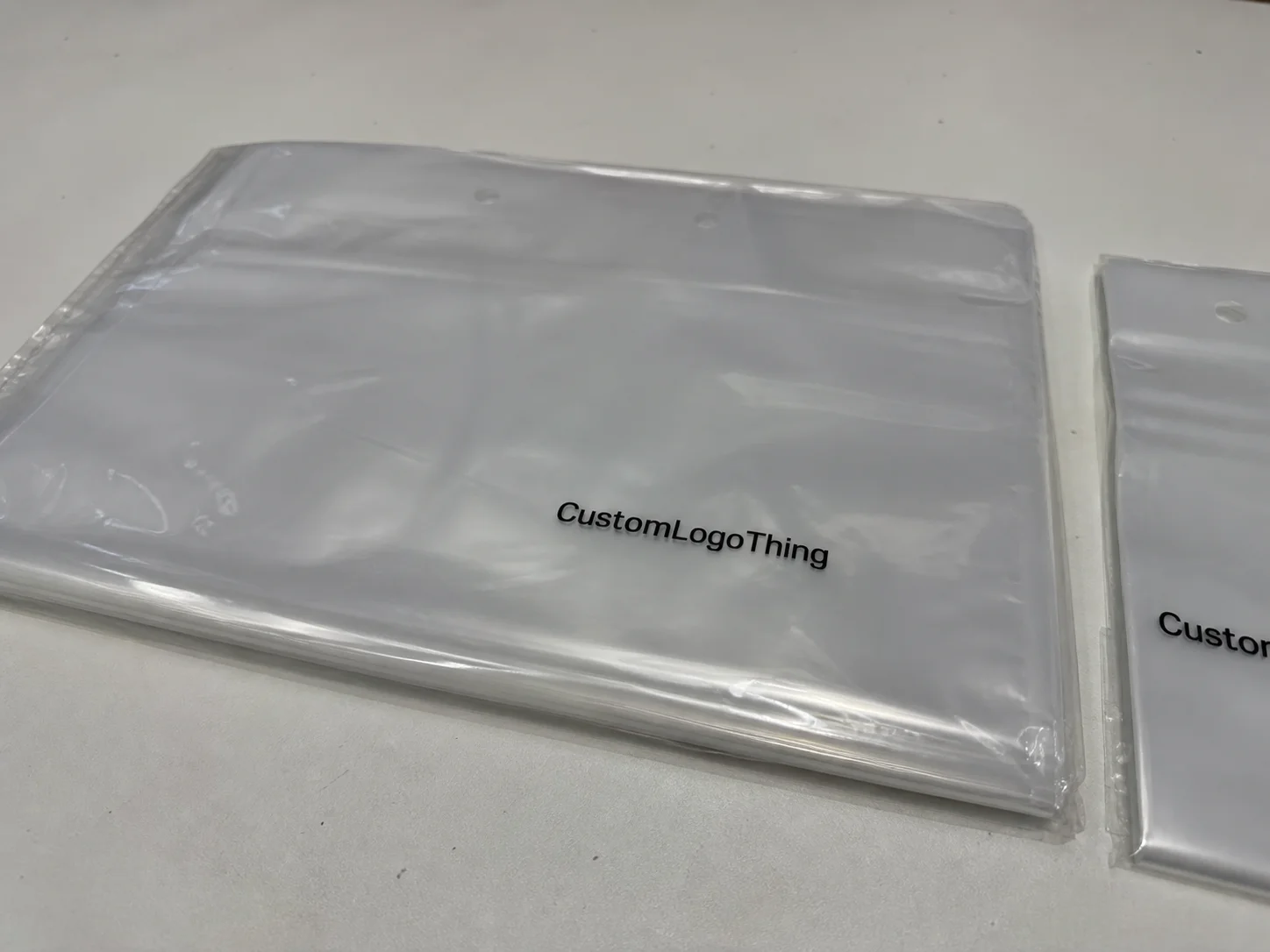
Buyer Fit Snapshot
| Best fit | Lightweight Mailers for Apparel Shipping projects where brand print, material claims, artwork control, MOQ, and repeat-order consistency need to be specified before quoting. |
|---|---|
| Quote inputs | Share finished size, material target, print colors, finish, packing count, annual reorder estimate, ship-to region, and any compliance wording. |
| Proofing check | Approve dieline scale, logo placement, barcode or warning zones, color tolerance, closure strength, and carton packing before bulk production. |
| Main risk | Vague material claims, crowded artwork, missing packing details, or unclear freight terms can make a low unit price expensive after revisions. |
Fast answer: Lightweight Mailers for Apparel Shipping: Quote Scope, Sample Proof, MOQ, and Lead Time should be specified like a repeatable production item. The safest quote records material, print method, finish, artwork proof, packing count, and reorder notes in one written spec.
Production checks before approval
Compare the actual filled-product size with the drawing, then confirm tolerance on folds, seals, hang holes, label areas, and retail display edges. Reserve space for logos, QR codes, warning copy, and material claims before decorative graphics fill the panel.
Quote comparison points
Review material grade, print process, finish, sampling route, tooling charges, carton quantity, and freight assumptions side by side. A quote is only useful when the supplier can repeat the same color, closure quality, and packing count on the next order.
The first time I watched a fashion startup burn money on packaging, the founder was shipping $24 tees in mailers that weighed more than the shirt. Not joking. They had chosen bulky transit packaging because it “felt safer,” and the carrier bill proved otherwise, especially once the parcels crossed a 1 lb. threshold and started getting billed on dimensional weight. That’s why lightweight mailers for apparel shipping matter so much: they cut waste, reduce dimensional weight surprises, and still make your brand look like it knows what it’s doing. I remember staring at that invoice and thinking, with real sympathy and a little dread, “Well, that’s one way to donate margin to the carrier.”
I’ve spent 12 years inside factories, supplier offices, and very tense Zoom calls about packaging costs, from Dongguan and Shenzhen to smaller converting shops in Ningbo and Wenzhou. The same mistake keeps showing up. Brands think packaging has to be thick, heavy, and expensive to protect soft goods. For tees, leggings, socks, and accessories, that’s usually nonsense. Lightweight mailers for apparel shipping are built for flexible items that need cleanliness, basic package protection, and speed, not a cardboard fortress. Honestly, I think a lot of people just like the feeling of heft, as if a heavier parcel somehow makes a T-shirt more secure, which it does not.
If you sell apparel online, your packaging is part of order fulfillment, not an afterthought. The right mailer lowers shipping materials cost, speeds packing, and keeps the garment clean from shelf to doorstep. The wrong one adds postage, slows the line, and makes your brand look like it bought the cheapest thing on page 14 of a supplier catalog. I’ve seen that exact catalog energy in Guangzhou showrooms and suburban warehouse break rooms, and it never ends well.
Lightweight Mailers for Apparel Shipping: What They Are and Why Brands Use Them
Lightweight mailers for apparel shipping are thin shipping bags made for soft goods. Think polyethylene poly mailers, co-extruded film mailers, recycled-content mailers, and some paper-based options for brands with a sustainability message. They are designed for items that fold neatly and do not need rigid corner protection, such as a 180 gsm cotton tee or a pair of leggings packed flat in tissue.
On a factory floor in Dongguan, I once saw a client line testing three packaging options for women’s activewear, including a 2.8 mil white poly mailer, a 3.2 mil recycled-content mailer, and a heavier padded option. The heaviest mailer added 38 grams per order. That sounds tiny until you multiply it by 18,000 monthly orders and a carrier pricing table that punishes every extra ounce. The packaging was eating margin with a smile on its face. That’s the dirty little secret behind many lightweight mailers for apparel shipping: the savings show up in postage first, then in warehouse speed, then in fewer complaints about bulky parcels.
The job is simple. Reduce shipping weight. Protect the clothing from dust and light scuffing. Keep the seal closed during ecommerce shipping. And avoid adding any more material than the product actually needs. For a folded cotton tee, that’s not much. For a rigid candle jar or a ceramic mug, the answer is different. I would not use lightweight mailers for apparel shipping for fragile hard goods, because that is how you end up paying for replacements, support tickets, and a very awkward Monday morning meeting.
People also get nervous that “lightweight” means flimsy. Not true. A well-chosen 2.5 mil or 3 mil poly mailer can be lighter than a padded envelope and still perform fine for apparel. The trick is matching film thickness, seal strength, and size to the garment. Cheap-looking is a design problem, not a weight problem. I’ve seen elegant, branded lightweight mailers for apparel shipping look premium with clean print, a matte finish, and a properly sized fold. One buyer in Los Angeles swore the same plain white mailer looked “luxury” after we fixed the fold line and moved the logo 12 mm higher on the panel.
For brands building a packaging system, these mailers sit between garment bags and heavier Custom Shipping Boxes. They are part of a broader packaging stack that can include tissue, inserts, and branded outer packaging. If you want more options across shipping materials, Custom Packaging Products lets you compare formats without guessing.
How Lightweight Mailers for Apparel Shipping Work in Real Fulfillment
The construction is pretty straightforward. Most lightweight mailers for apparel shipping use a single or co-extruded film layer, a self-seal adhesive strip, and sometimes a tear notch or tear strip for the end customer. PE is common. Recycled blends are increasingly common. Some suppliers offer 30% to 100% post-consumer recycled content, though print quality and clarity can vary by resin batch, especially when the base film is sourced from mixed PCR feedstock in Jiangsu or Zhejiang.
In one Shenzhen facility I visited, the packing team was sealing 1,200 units an hour with a heat-neutral adhesive on 3 mil co-extruded mailers. The manager showed me the difference between a low-tack seal and a proper aggressive adhesive. In cold storage, the weak seal started lifting after 48 hours at around 8°C. That’s the kind of detail that never appears in a glossy sales brochure, but it matters a lot in order fulfillment. The better lightweight mailers for apparel shipping close fast and stay closed, even when cartons sit on a loading dock for half a day.
Reduced material weight lowers postage, especially when you ship hundreds or thousands of orders a month. If a package crosses a carrier threshold by 0.5 oz because the packaging is heavy, you can jump pricing tiers. That is not theory. That is a weekly fight in ecommerce shipping. I’ve watched brands save $0.12 to $0.34 per parcel just by switching from a bulky mailer to lightweight mailers for apparel shipping, and on a 10,000-order month that can mean $1,200 to $3,400 back in the budget before labor savings are even counted.
They also protect against dust, moisture, and minor abrasion. No, they will not save a product from a forklift. But for apparel that is already folded in a clean polybag or tissue wrap, they do the job well. That is why they are so common in transit packaging for soft goods. The parcel gets tossed, stacked, sorted, and delivered. The garment stays clean and intact. That is the entire point, whether you are shipping from a warehouse in Dallas or a 3PL in Secaucus.
Branding is the other reason these mailers sell. A simple one-color logo on white or gray film turns a plain mailer into a marketing touchpoint. Full-color custom print works too, though it adds setup cost and can slow lead times. I’ve negotiated with suppliers like no one’s business on this. A one-color print might land at $0.18/unit for 5,000 pieces, while a full-coverage design can climb to $0.42/unit depending on size, film spec, and whether you need reverse printing on a matte black substrate. That gap is why many brands start simple and upgrade later. Lightweight mailers for apparel shipping can look sharp without becoming expensive drama.
Machine versus manual packing matters too. If your team is packing 600 orders per shift, a peel-and-seal mailer with a wide adhesive strip saves seconds on every order. Three seconds sounds tiny. Over 600 orders, that is 30 minutes a shift. I have watched operations managers get emotional over 30 minutes, especially during Q4 when the dock schedule is already stacked. In high-SKU apparel fulfillment, speed and consistency are worth real money. Lightweight mailers for apparel shipping support that speed when the opening, fold, and seal are easy to repeat at a packing table in Atlanta, Phoenix, or Brooklyn.
For manufacturers and brands that want to understand how eco claims fit in, the EPA’s materials guidance is a good place to sanity-check recyclability language: EPA recycling resources. Packaging claims should match local collection reality, not just a logo on a footer.
Key Factors to Compare Before Buying Lightweight Mailers for Apparel Shipping
First, compare material thickness and strength. Thin is not automatically good. A 2 mil film can be fine for socks, but it may puncture too easily for bulkier hoodies or items with zippers and metal trims. A 3 mil or 3.5 mil option often gives better puncture resistance without adding much weight. The sweet spot depends on the garment, route, and your tolerance for damaged shipments. I have seen brands save $400 a month on postage only to lose $900 in replacements because they went too thin. Very efficient, in the worst possible way.
Second, size matters more than most people admit. If you overbuy dimensions, you create wasted space and a sloppy presentation. If you undersize, the garment gets compressed and the seal becomes a fight. Lightweight mailers for apparel shipping should fit the folded product with just enough room for a clean seal. Measure packed dimensions after folding, polybagging, and adding tissue if you use it. Do not guess. Guessing is how brands end up with a pile of mailers nobody can use, which is a special kind of warehouse sadness.
Third, compare printing and branding options. Stock mailers are cheap and fast. One-color print is the sweet spot for many brands. Full custom graphics look great, but only if your artwork is clean and your supplier has decent press control. Muddy prints on gray film are not “minimalist.” They are disappointing. If you want better print control, ask for proof photos, Pantone references, and a hard-copy strike-off before you approve production in Shenzhen or Dongguan, not vague promises from a sales rep reading from a script.
Fourth, look at the full cost. Not just unit price. Unit cost, freight, storage, minimum order quantity, and damage rate all matter. A mailer at $0.14/unit can easily become $0.21 landed once you add freight and a small order surcharge, especially on a 5,000-piece run shipping by air from Guangzhou to Chicago. That is why I always ask for a quote matrix. If you are also comparing shipping materials across formats, Custom Poly Mailers can be a useful benchmark for pricing and customization levels.
| Option | Typical Unit Price | Best For | Main Tradeoff |
|---|---|---|---|
| Stock lightweight mailers for apparel shipping | $0.09 to $0.16 | Fast launch, low SKU complexity | Less branding control |
| One-color custom mailers | $0.16 to $0.26 | Most apparel brands | Setup cost and proofing time |
| Full-coverage printed mailers | $0.28 to $0.48 | Premium brand presentation | Higher cost, longer lead time |
| Recycled-content mailers | $0.18 to $0.35 | Eco-forward ecommerce shipping | Print clarity can vary by resin |
Fifth, sustainability claims need scrutiny. Recycled content is not the same as curbside recyclability. A mailer may be technically recyclable in certain store-drop programs, but not accepted in many municipal systems in places like Austin, Toronto, or Manchester. That is why I like to keep claims precise. Say what the material is, mention the content percentage, and avoid magical language. If you want a standard to reference for paper-based materials or forest stewardship, the FSC site is the authority: FSC certification resources.
Sixth, seal quality matters more than people think. A weak adhesive can fail in heat, dust, or cold storage. A strong seal protects the garment and gives customers confidence that the parcel was not opened in transit. Tamper evidence is a bonus. For lightweight mailers for apparel shipping, a clean peel-and-seal strip that bonds well under warehouse conditions is usually worth the extra fraction of a cent, especially if your cartons travel through humid ports in Savannah or long winter lanes in Minneapolis.
One more thing: if your brand ships across multiple regions, ask how the package performs under carrier handling standards. ISTA testing is a useful reference point for transit packaging discipline. You can start with ISTA test standards if you want a better sense of drop, vibration, and compression expectations. I am not saying every apparel brand needs full lab certification. I am saying you should know your packaging will not turn into confetti in the back of a truck halfway between Indianapolis and St. Louis.
How to Choose the Right Lightweight Mailers for Apparel Shipping Step by Step
Step 1: Audit your product mix. List your top three apparel SKUs by unit volume, weight, and folded size. A tee, a hoodie, and a sock bundle do not need the same packaging strategy. I have seen brands lump everything into one size and then wonder why the extra space makes the customer experience feel sloppy. Lightweight mailers for apparel shipping work best when your SKU mix is clearly segmented, like a 11 x 14 inch mailer for tees and a 14 x 18 inch option for thicker knits.
Step 2: Measure packed dimensions. Measure the garment after folding, bagging, and any tissue wrap. Use a ruler, not a hunch. If your folded tee is 11 in x 9 in x 0.5 in, choose a mailer that allows a clean insertion and seal with a little margin. This prevents overstuffing and reduces the chance of seal failure. It also keeps your brand presentation neat, which apparently still matters on both the packing line and the customer’s kitchen counter.
Step 3: Request samples from multiple suppliers. Test them with real garments, not empty bags. I once visited a factory in Ningbo where a buyer was impressed by the sample wall but never tested the adhesive in a cold room. The first winter shipment came back with split seals. That brand spent three times more fixing returns than they saved on unit price. A sample run of lightweight mailers for apparel shipping costs almost nothing compared with a failed rollout, and many factories in Zhejiang will send 25 to 50 samples free if you have a serious RFQ.
Step 4: Compare the process timeline. Ask for sample approval time, proofing time, production time, transit time, and receiving time. A supplier saying “10 days” usually means 10 days only for production, not for the entire process. A realistic timeline might look like this:
- Sample delivery: 3 to 7 business days
- Artwork proof: 1 to 2 business days
- Production: 12 to 18 business days after approval
- Ocean freight or linehaul: 7 to 30 days depending on route
- Warehouse receiving and QC: 1 to 3 days
Step 5: Run a postage comparison. Use current shipments, not estimates. Compare your existing shipping materials against lightweight mailers for apparel shipping across at least 100 orders. Track total postage, surcharge exposure, and any packing changes. Even a $0.20 savings per order becomes $200 across 1,000 shipments. That is real money, not spreadsheet theater, and on a 20,000-order month it can turn into $4,000 before labor is counted.
Step 6: Validate branding, seal performance, and speed. Pack 25 to 50 real orders with your staff. Time the process. Ask the team what slowed them down. If the adhesive sticks too hard before alignment, your operators will hate it. If the branding looks off-center, customers will notice. If the mailer tears during insertion, stop immediately and revise. A brand that rushes this step usually pays for it twice, and then everyone pretends it was “a learning experience.”
“We switched to a lighter mailer and cut postage, but the bigger win was packing speed. Our team stopped wrestling with oversized bags.” — apparel client during a warehouse review I did in Southern California
That quote stuck with me because it is so true. Lightweight mailers for apparel shipping are not just a cost play. They are an operations choice. They affect labor, throughput, brand presentation, and returns. The best choice usually sits in the middle: enough strength, enough branding, enough size, not one gram more than necessary.
Common Mistakes Brands Make With Lightweight Mailers for Apparel Shipping
The first mistake is choosing the thinnest film possible and then acting shocked when tears appear. I have seen teams chase a 0.3 cent savings and create a return problem that costs $7 to $14 per incident once labor, replacement product, and support time are counted. That is not savings. That is self-sabotage with a purchase order, and it usually shows up after the first 500 orders from a fulfillment center in Reno or Allentown.
The second mistake is picking the wrong size. Too large, and the parcel looks sloppy and wastes material. Too small, and the garment gets compressed or the seal fails. Lightweight mailers for apparel shipping only work when the fit is intentional. I like to keep a size map tied to SKU families. Tees in one size. Hoodies in another. Small accessories in a third. Clean and boring. Exactly what operations teams need when they are moving 400 to 800 parcels a shift.
The third mistake is ignoring printer limitations. A design that looks great on screen can print muddy on translucent film. Fine text can disappear. Dark backgrounds can hide logos. If your mailer is part of your brand story, ask for a real printed proof. Better yet, ask for two proofs: one with your primary ink color and one with a secondary option. Cheap-looking branding usually starts with bad artwork decisions, not bad mailer materials, and a 0.25 pt font on a gray substrate is a good way to learn that lesson the hard way.
The fourth mistake is forgetting carrier rules and dimensional weight. A mailer that seems light can still bill high if the package footprint is too large. Shipping costs are not just about grams. Parcel dimensions matter. This is why some brands think they are buying “lightweight” packaging but still get hit with unexpected postage. A few millimeters can affect your rate card more than anyone wants to admit, especially under zone-based pricing from Louisville, Memphis, or Indianapolis hubs. That is the joy of ecommerce shipping. Sarcasm intended.
The fifth mistake is skipping warehouse testing. In a client’s Midwest distribution center, the adhesive on a batch of mailers behaved differently in cold storage than it did in the sample room. The packers had to press each seal twice, which killed throughput and annoyed everyone by 2 p.m. That problem could have been caught in a half-day pilot. With lightweight mailers for apparel shipping, warehouse conditions matter. Temperature, dust, and workflow all change the result, and a 15°C dock is not the same as a 23°C sample office.
These mistakes are avoidable, but only if you treat packaging like an operational system. It is not a side quest. It is part of your margin structure, down to the case pack and the pallet pattern.
Expert Tips for Better Performance, Lower Cost, and Cleaner Branding
Use the lightest mailer that still passes a real drop-and-scratch test. Not a theoretical test. A real one. Put folded garments inside, close the bag, and move it through your actual packing and shipping flow. If the mailer survives 25 to 50 sample shipments without tearing or opening, you are probably close. If not, move up one thickness level. That small adjustment often pays back immediately in fewer claims and less waste, especially on routes with rough handling between a Los Angeles DC and a regional hub in Salt Lake City.
Keep print placement simple if you want lower pricing and faster turnaround. One-color logos, a clean return address panel, and a clear website URL go a long way. Full-wrap art is pretty, yes, but it adds complexity and cost. Many brands do better with understated lightweight mailers for apparel shipping that feel polished rather than loud. The customer is buying the garment, not the packaging circus, and a 3-inch logo can be more memorable than a full-bleed mural if the contrast is right.
Ask for a quote matrix by size, thickness, and print coverage. I do this every time. A good supplier will show you where the price jumps happen. Maybe the cost rises sharply at 16 x 20 inches. Maybe 3.5 mil print needs a different plate setup. Maybe recycled content adds 8% to the base price. Once you can see the matrix, you can make decisions with actual numbers instead of supplier mythology, which is usually delivered with a very confident smile and a spreadsheet from 2021.
Order a small pilot run first if your collection changes often. New season launch? Special collaboration? Different folds for different fits? A pilot of 1,000 to 3,000 units is cheap insurance. I have seen brands that sell denim jackets in one quarter and lightweight knitwear in the next. They need packaging flexibility, not a giant inventory of the wrong mailer. Lightweight mailers for apparel shipping should support your product cycle, not trap you in it.
Negotiate freight and palletization. A low unit price can disappear if the supplier ships poorly packed cartons or charges inflated export fees. I once cut a quote by $1,800 simply by changing carton count per pallet and tightening the case pack from 250 to 200 units. The supplier grumbled. The client saved money. That is usually how it should work, especially on ex-factory terms from Shenzhen or FOB Ningbo.
Build packaging around customer expectations. Most apparel buyers want a parcel that arrives clean, closed, and on-brand. They do not need a heavy box unless the product or brand experience requires one. Clean presentation matters. So does easy opening. A tear strip, a neat fold, and legible branding can make lightweight mailers for apparel shipping feel far more premium than their weight suggests. I have seen customers post unboxings of simple mailers because the details felt thoughtful, which is either flattering or mildly infuriating if you spent weeks designing a box no one remembers.
And yes, you can still use these with other branded shipping materials. A tissue wrap inside, a sticker seal, maybe a thank-you insert. Just do not pile on so much extra stuff that your “lightweight” plan stops being lightweight.
What to Do Next Before You Order Lightweight Mailers for Apparel Shipping
Start with your top three SKUs and write down their folded dimensions, average weight, and monthly order volume. That single sheet will save you from vague conversations and bad samples. Then request two or three options from suppliers and test them with your actual packing staff, not just a manager in a conference room. If possible, run the test during a real shift in your warehouse in Chicago, Atlanta, or Las Vegas so the timing reflects actual labor conditions.
Track four numbers for at least one week: postage, packing time, damage rate, and customer presentation. If a mailer saves $0.22 in postage but costs 12 extra seconds to pack, the math may not work. If it looks better but costs too much in freight, also no. Lightweight mailers for apparel shipping only make sense when the total landed cost and warehouse performance both improve, and that is easier to prove with 100 real orders than with 10 polished mockups.
Lock in specs before you place the first serious order. I mean thickness, dimensions, print colors, adhesive type, case pack, pallet count, and reorder threshold. If you leave those loose, every reorder becomes a new negotiation. I have watched brands do this five times in one year. It is exhausting and expensive. Your future self deserves a boring, repeatable spec sheet with exact details like 3 mil film, 12-15 inches, 200 units per carton, and 12 to 15 business days from proof approval to production completion.
After that, build your backup plan. Keep a second approved size if your collection varies seasonally. If a supplier slips, you want a fallback that does not wreck fulfillment. This is where a broader packaging system helps. Your Custom Packaging Products portfolio should have a backup path, not just one hero item that can stall your whole operation.
If you are choosing between mailers and boxes for specific products, compare the actual use case. Do not force every garment into the same format. There are moments when mailers win by a mile, and there are moments when boxes are smarter. But for tees, socks, leggings, and many soft accessories, lightweight mailers for apparel shipping are usually the cleanest, fastest, and cheapest option without making the brand look cheap.
And that is the part too many brands miss. The goal is not “lowest cost at all costs.” The goal is the best fit between product, brand, and order fulfillment. Get that right, and lightweight mailers for apparel shipping do exactly what you want: save money, move faster, and keep the customer experience looking intentional. Honestly, that balance is the whole ballgame.
What are lightweight mailers for apparel shipping?
Lightweight mailers for apparel shipping are thin shipping bags, often made from polyethylene, co-extruded film, or recycled-content materials, that are designed for soft goods like tees, leggings, socks, and folded knitwear. They reduce shipping weight while still providing basic package protection against dust, scuffing, and moisture.
Are lightweight mailers for apparel shipping strong enough for t-shirts and leggings?
Yes, if the film thickness and seal are matched to the garment weight and shipping route. In practice, lightweight mailers for apparel shipping are usually strong enough for soft goods that do not need rigid impact protection, especially when you use a 2.5 mil to 3.5 mil film and test with real packed orders across 25 to 50 shipments.
How much do lightweight mailers for apparel shipping cost per unit?
Pricing varies by size, print coverage, material, and order volume. For many orders, lightweight mailers for apparel shipping can range from about $0.09 to $0.48 per unit before freight, but you should compare landed cost, setup fees, and case pack because the cheapest quote is often not the cheapest final cost. A 5,000-piece one-color run may price near $0.18/unit, while a full-coverage recycled option can land closer to $0.35 to $0.42/unit depending on resin and print count.
What size lightweight mailer should I use for apparel shipping?
Choose a size based on the packed, folded garment dimensions, not the raw product size. A clean fold, a little seal margin, and enough room to avoid overstuffing are the real targets for lightweight mailers for apparel shipping. For example, a folded tee measuring 11 in x 9 in x 0.5 in usually needs a mailer with at least 1 to 2 inches of working room on the long edge.
Can lightweight mailers for apparel shipping be custom printed?
Yes. Custom printing is often the fastest way to make a basic mailer feel branded without adding much weight. Simple artwork usually costs less and prints cleaner than full-coverage designs, which is why many brands start with one-color lightweight mailers for apparel shipping before moving up. In many factories in Dongguan or Shenzhen, artwork proofing takes 1 to 2 business days and production runs 12 to 18 business days after approval.
What is the biggest mistake when switching to lightweight mailers for apparel shipping?
The biggest mistake is picking a mailer that is too thin or too small, then dealing with tears, returns, or poor presentation. Testing with real shipments first prevents expensive guessing, and it helps you confirm that lightweight mailers for apparel shipping actually fit your order fulfillment workflow. A half-day pilot with 25 to 50 packed orders can catch the same issues that would otherwise show up after a costly first delivery wave.
Are lightweight mailers for apparel shipping strong enough for t-shirts and leggings?
Yes, if the film thickness and seal are matched to the garment weight and shipping route. In practice, lightweight mailers for apparel shipping are usually strong enough for soft goods that do not need rigid impact protection, especially when you use a 2.5 mil to 3.5 mil film and test with real packed orders across 25 to 50 shipments.
How much do lightweight mailers for apparel shipping cost per unit?
Pricing varies by size, print coverage, material, and order volume. For many orders, lightweight mailers for apparel shipping can range from about $0.09 to $0.48 per unit before freight, but you should compare landed cost, setup fees, and case pack because the cheapest quote is often not the cheapest final cost. A 5,000-piece one-color run may price near $0.18/unit, while a full-coverage recycled option can land closer to $0.35 to $0.42/unit depending on resin and print count.
What size lightweight mailer should I use for apparel shipping?
Choose a size based on the packed, folded garment dimensions, not the raw product size. A clean fold, a little seal margin, and enough room to avoid overstuffing are the real targets for lightweight mailers for apparel shipping. For example, a folded tee measuring 11 in x 9 in x 0.5 in usually needs a mailer with at least 1 to 2 inches of working room on the long edge.
Can lightweight mailers for apparel shipping be custom printed?
Yes. Custom printing is often the fastest way to make a basic mailer feel branded without adding much weight. Simple artwork usually costs less and prints cleaner than full-coverage designs, which is why many brands start with one-color lightweight mailers for apparel shipping before moving up. In many factories in Dongguan or Shenzhen, artwork proofing takes 1 to 2 business days and production runs 12 to 18 business days after approval.
What is the biggest mistake when switching to lightweight mailers for apparel shipping?
The biggest mistake is picking a mailer that is too thin or too small, then dealing with tears, returns, or poor presentation. Testing with real shipments first prevents expensive guessing, and it helps you confirm that lightweight mailers for apparel shipping actually fit your order fulfillment workflow. A half-day pilot with 25 to 50 packed orders can catch the same issues that would otherwise show up after a costly first delivery wave.