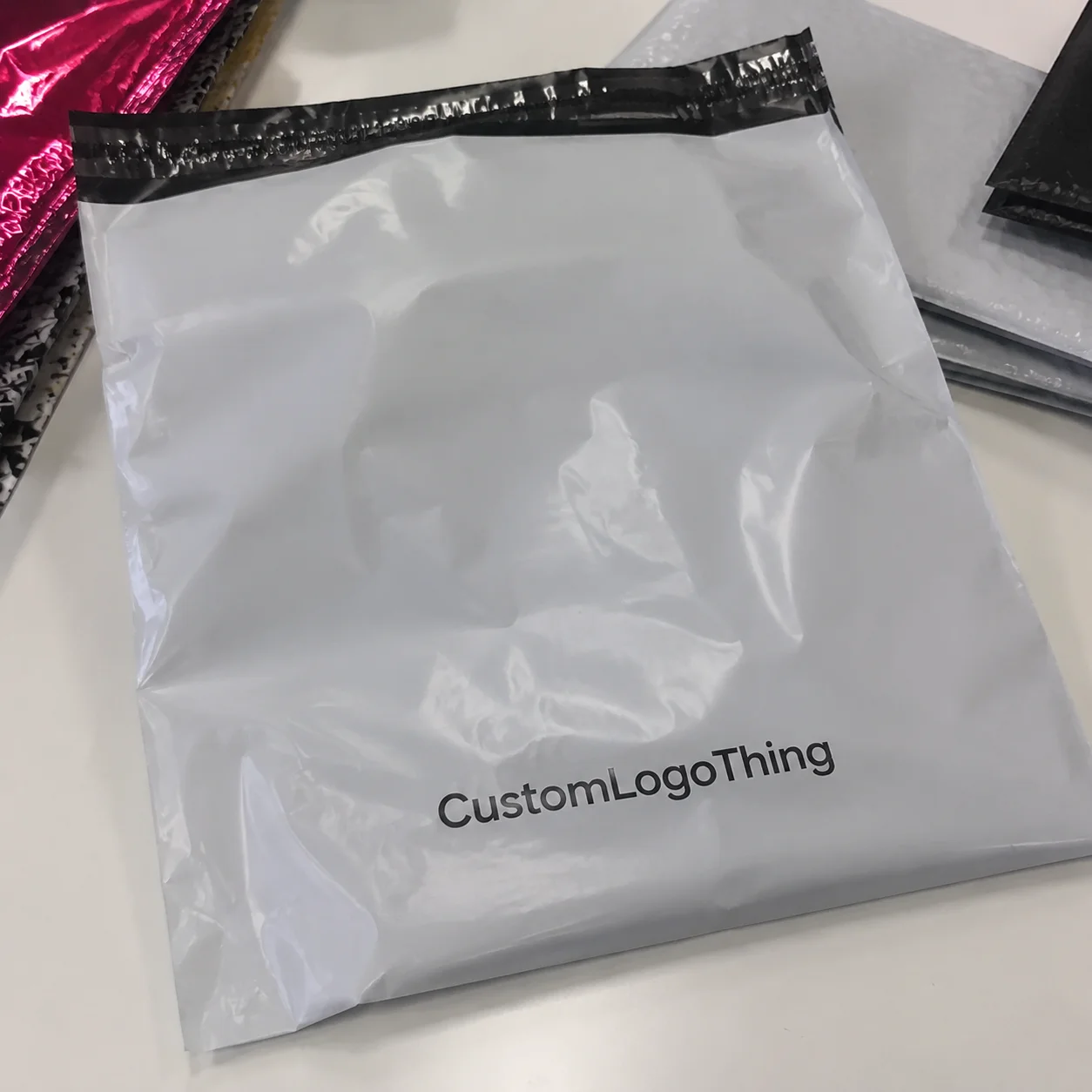
Buyer Fit Snapshot
| Best fit | luxury skincare unboxing experience design for packaging buyers comparing material specs, print proof, MOQ, unit cost, freight, and repeat-order risk where brand print, material, artwork control, and repeat-order consistency matter. |
|---|---|
| Quote inputs | Share finished size, material target, print colors, finish, packing count, annual reorder estimate, and delivery region. |
| Proofing check | Approve dieline scale, logo placement, barcode or warning zones, color tolerance, and any recyclable or compostable wording before bulk production. |
| Main risk | Vague material claims, crowded artwork, or missing packing details can create delays even when the unit price looks attractive. |
Fast answer: Luxury Skincare Unboxing Experience Design: Dieline, Finish, Proof, and Buyer Review should be specified like a repeatable production item. The safest quote includes material, print method, finish, artwork proof, carton packing, and reorder notes in one written spec.
What to confirm before approving the packaging proof
Check the product dimensions against the actual filled item, not only the sales mockup. Ask for tolerance on folds, seals, hang holes, label areas, and retail display edges. If the package carries a logo, QR code, warning copy, or legal claim, reserve that space before decorative graphics fill the panel.
How to compare quotes without losing quality
Compare board or film grade, print process, finish, sampling route, tooling charges, carton quantity, and freight assumptions side by side. A lower quote is only useful if the supplier can repeat the same color, closure quality, and packing count on the next order.
The Psychology Behind Unforgettable Skincare Unboxings
I still remember watching a client—a mid-size skincare brand out of Portland—open their first luxury unboxing prototype. Their CFO had flown in for the reveal, expecting to see another standard mailer box. What unfolded over the next thirty seconds changed the entire company's packaging strategy. The moment they lifted the soft-touch lid, unwrapped the tissue paper (scented with bergamot, sourced from a supplier in Grasse), and revealed the weighted insert cradling their serum bottles—his expression shifted from skeptical to genuinely impressed. That moment, that psychological response, is precisely what separates forgettable packaging from unforgettable luxury skincare Unboxing Experience Design.
The numbers backing up this visceral reaction tell a compelling story. Unboxing videos generate over 10 billion views on YouTube, with skincare consistently ranking in the top 5 categories. That's not a niche audience—that's a cultural phenomenon. When your customer films themselves opening your package, they're broadcasting your brand identity to their entire social circle. For a luxury skincare company, that user-generated content is worth more than any sponsored post.
The tactile experience of opening a premium package triggers dopamine release comparable to receiving a thoughtful gift. Neuroscientists call this "anticipatory pleasure"—the brain chemistry that makes the moments before unwrapping almost more exciting than the gift itself. This is why designing the sequence of your unboxing matters as much as designing the physical elements.
Customer perception studies reveal that 32% higher emotional attachment to brands is reported by customers who experience premium unboxing versus standard packaging. First impressions form within 7 seconds, which means your packaging design directly impacts every metric that matters: perceived product value, brand loyalty, and likelihood to repurchase.
Brands that obsess over their formulas for years, then hand their packaging design to someone who just "needs something pretty" pay for that approach in the long run. The psychology behind what makes someone feel they're receiving a luxury experience is measurable, repeatable, and—most importantly—designable.
What Is Luxury Skincare Unboxing Experience Design?
A definition that will actually serve you: I've heard "luxury packaging" used to describe everything from a glossy black box to hand-stitched Japanese origami. True luxury skincare unboxing experience design is the strategic combination of visual, tactile, and emotional elements that transform product delivery into brand storytelling.
It extends far beyond the outer box. We're talking about tissue paper textures—how thick is it? Does it crinkle with that satisfying resistance or feel flimsy? We're talking about ribbon tension, protective inserts that secure products while creating visual hierarchy, and reveal sequences that feel choreographed rather than random. Every element serves a purpose.
A factory in Dongguan showed me samples of different paper weights for a client's unboxing project two years ago. The difference between 17gsm and 22gsm tissue paper seemed trivial until I held both. The heavier paper had this satisfying drape, this weight that communicated quality before you even unwrapped anything. That's the kind of detail that separates luxury from mere "premium."
The most important thing to understand: this approach aligns every sensory touchpoint with your brand positioning and target demographic expectations. A minimal, clinical skincare line serving dermatology clients has different needs than a romantic, botanical-focused brand. Your unboxing experience must reflect your brand identity, not some abstract notion of "luxury."
Implementing luxury unboxing requires understanding material science (how different substrates behave, age, and interact), color psychology (warm tones versus cool, saturated versus muted, and what they communicate to your specific audience), and sequential storytelling principles (how to pace revelations for maximum emotional impact). It's a discipline that draws from product design, psychology, and theatrical direction.
Key Elements of Premium Unboxing Design
When breaking down what makes an unboxing experience truly luxurious, I categorize it into five core elements. Get these right, and you'll have a foundation that supports brand recognition and customer loyalty for years.
Structural Architecture
The box itself is only the beginning. Custom-fit inserts serve dual purposes: they protect your products during shipping and create visual hierarchy that guides the reveal. I've seen $200 serums arrive with their bottles rattling around inside a too-large box, wrapped in generic bubble wrap. That's not a luxury unboxing experience—that's anxiety-inducing.
Functional inserts should cradle each product specifically. Think about foam contours cut precisely to bottle shapes, or modular systems that accommodate multiple SKU configurations. A well-designed insert transforms the box from container to presentation case.
Material Selection
The substrates you choose communicate luxury before anyone even opens the box. Sustainable luxury materials include handmade papers with visible fibers, textured finishes that invite touch, soft-touch coatings that feel like nothing else in the consumer's daily life.
One client—a clean beauty brand—used 100% cotton recycled paper for their tissue and added a subtle seed embed. Customers planted the paper and posted photos of the flowers growing. That's not just packaging; that's a marketing engine that keeps delivering value. For more on sustainable material standards, check out the FSC certification guidelines.
Premium materials typically increase costs 40-120% versus standard options, but they also increase perceived value—and your customers' willingness to pay for that experience.
Color Theory Applications
Visual branding extends far beyond your logo on a box. Strategic color palettes create mood, establish hierarchy, and make your unboxing moments Instagram-worthy. I work with clients to map their entire color journey: the exterior box color (what they'll see in shipping, at their doorstep), the interior color scheme (revealed when the lid opens), and accent colors that highlight specific products or messaging.
For a high-end retinol line I consulted with, we used deep navy exteriors, cream interiors, and gold accents for the reveal layer. The contrast was striking—a flashlight of gold against cream created immediate visual focus. Customers reported that even before they touched anything, they felt "this is different."
Multi-Sensory Considerations
This is where most packaging designers cut corners, and it's where luxury truly lives. Scented tissue—subtle, brand-aligned, not overwhelming. Textured inner linings that create a sensory experience beyond visual. Weighted boxes that convey quality through their heft.
A project where we added subtle vanilla scent to tissue for a body care line stands out in my memory. Customer reviews mentioning the scent appeared for eighteen months after launch. Eighteen months. That one decision created lasting brand association at essentially no incremental cost per unit.
Sequential Revelation
The choreography of your reveal matters. Strategic layering creates anticipation. Each moment—a ribbon pulled, a tissue layer lifted, an insert revealed—should feel intentional. This is theatrical design applied to e-commerce shipping.
For one client with a four-product set, we designed a sequence that took approximately 45 seconds to fully reveal. Forty-five seconds of guided discovery, building excitement at each layer. Their social media engagement spiked 67% in the first quarter after launch—driven almost entirely by customer unboxing videos.
The Luxury Unboxing Design Process & Timeline
The reality that surprises many brands: luxury unboxing design takes time. If someone promises you "luxury packaging" in two weeks, they're either cutting corners or have pre-made inventory they're relabeling. True custom design requires a process.
Based on dozens of projects, here's a realistic timeline for designing luxury unboxing experience:
The Discovery Phase typically spans 2-3 weeks. During this period, we conduct a comprehensive brand audit—examining your existing visual assets, competitive positioning, and target persona development. I ask clients to send me their last ten unboxing packages, both theirs and competitors'. We analyze what works, what feels dated, and where opportunities exist. This phase also involves understanding your logistics constraints: shipping methods, fulfillment center capabilities, return handling processes.
Concept Development takes another 3-4 weeks. Mood board creation, material sourcing, structural prototyping—these steps can't be compressed without sacrificing quality. We source samples from multiple suppliers, test how materials interact, and create preliminary structural concepts. For one project, we went through fourteen iterations of a single insert design before finding the geometry that both protected the product and created the reveal effect we wanted.
Design Refinement—digital mockups, sample iterations, tactile testing—requires 2-3 weeks of back-and-forth. Your team needs to physically handle prototypes. You need to see how boxes behave during actual shipping tests. ISTA (International Safe Transit Association) provides standardized testing protocols that help validate structural integrity. Skip this testing at your peril; I've seen beautiful packaging arrive at customers' doors completely destroyed.
Production Preparation—tooling finalization, vendor selection, quality benchmarks—adds another 2-4 weeks. Custom shapes require custom tooling. Suppliers need to understand your quality standards. This phase often reveals hidden costs: additional setup fees, minimum quantity requirements, lead times for specialty materials.
Total timeline typically ranges from 10-16 weeks from brief to boxed production. That's three to four months of development before your first luxury unboxing ships to a customer. Plan accordingly.
Cost & Budget Considerations for Luxury Unboxing
Being direct about costs serves you better than vague reassurances: luxury unboxing costs more. But "more" is relative, and understanding the actual numbers helps you budget appropriately and make strategic trade-offs.
Custom structural design adds $0.40-$2.50 per unit depending on complexity and volume. That range represents the difference between a standard Box with Custom inserts versus a fully custom architectural structure. For a brand moving 10,000 units monthly, that difference translates to $40,000-$250,000 annually. Some brands can absorb that. Others need to Find the Right balance.
Premium materials—handmade papers, specialty coatings, custom ribbons—increase costs 40-120% versus standard options. A roll of handmade paper from an Italian mill costs differently than mass-produced tissue from a domestic supplier. The tactile difference is immediately apparent to your customers.
Tooling and setup fees for custom shapes typically range from $500-$3,000 one-time investment. That might sound steep, but consider: once you have the tooling, marginal production costs drop significantly. For a brand committed to long-term packaging strategy, that investment pays back quickly.
The volume threshold reality surprises many clients: 500 units versus 5,000 units can reduce per-unit costs by 35-50%. The difference between a feasible launch quantity and efficient production runs is massive. I always counsel brands to consider their eighteen-month volume projections, not just launch quantities, when making tooling investments.
Balancing perceived luxury with unit economics requires strategic material allocation. You don't need expensive materials on every surface. The interior of your box might use premium paper while the exterior uses standard with a premium label. I've helped brands achieve luxury perception at mid-tier costs by focusing premium elements on the "reveal moments"—the spaces customers actually see during unboxing.
| Packaging Tier | Per-Unit Cost Range | Key Features | Volume Threshold |
|---|---|---|---|
| Entry-Level Luxury | $2.50–$4.00 | Premium materials, standard structure, branded tissue | 500+ units |
| Mid-Tier Custom | $4.00–$6.00 | Custom inserts, specialty coatings, multi-layer reveal | 1,000+ units |
| Full Luxury Experience | $6.00–$8.00+ | Custom shapes, specialty papers, weighted construction, full reveal choreography | 2,500+ units |
These figures assume domestic production. Offshore manufacturing can reduce costs by 30-50%, but adds complexity: longer lead times, quality control challenges, language barriers, and supply chain vulnerabilities that became painfully apparent during recent global disruptions.
Step-by-Step Implementation Guide
Walking through how to actually implement luxury unboxing design for your brand—this isn't theoretical. It's a practical roadmap I've refined across dozens of projects.
Step 1: Audit your current packaging. Physically open your existing packaging and identify friction points and missed sensory opportunities. Where does the experience feel generic? Where do materials feel cheap? Where does the reveal feel rushed or anticlimactic? Document these with photographs and specific observations. I've conducted this audit with brands whose packaging I thought was solid, and we consistently find at least three to five improvement opportunities.
Step 2: Define your reveal sequence. Map the exact moment-to-moment experience from box closure to final product. I use a simple framework: exterior moment, first reveal moment, reveal climax, product presentation, and takeaway impression. For each moment, specify what the customer sees, touches, hears, and smells. Every sensation is designable.
Step 3: Select materials that reinforce brand values. Sustainability and luxury are not mutually exclusive. In fact, in the current market, they're increasingly inseparable. A luxury skincare customer expects responsible sourcing. This doesn't mean compromising tactile quality—it means sourcing premium materials through sustainable channels. Our mill in Finland produces papers with certifications from the EPA that meet the same aesthetic standards as virgin materials.
Step 4: Build in photography considerations. Design for both real-life unboxing and social media capture. This means thinking about visual composition from above—what does the reveal look like photographed flat? It means ensuring your color palette photographs well. It means creating moments that translate into compelling content.
Step 5: Test with actual customers. Before full production, observe real people unpacking your prototypes. I look for hesitation (confusion about what to do next), surprise (delight at moments they didn't expect), and sustained engagement (are they taking photos? Are they reading inserts?). This qualitative feedback reveals issues that focus groups miss. One client discovered that customers were discarding tissue paper before noticing a branded insert hidden underneath—a sequencing problem we corrected immediately.
Step 6: Document specifications comprehensively. Your packaging is a scalable asset. Document every spec: paper weights, coating types, color codes (use Pantone or CMYK values, not "describe the color"), construction details, and supplier contact information. This prevents the "who made our boxes?" panic when your current supplier has capacity issues six months after launch.
Common Mistakes That Dilute the Luxury Feel
Over the years, I've watched brands invest significantly in luxury unboxing design only to undermine their efforts with preventable mistakes. Here are the pitfalls I see most frequently:
Prioritizing visual appearance over structural integrity. Boxes so visually stunning that marketing wanted to rush them to production appear regularly. But the structural engineering was flawed—they collapsed under typical shipping conditions. Collapsing boxes destroy premium perception instantly. A customer holding a crushed box doesn't think "this was a beautiful design that got damaged." They think "this brand sends damaged products." Structural validation through ISTA testing is non-negotiable.
Using conflicting materials that clash with brand positioning. You can't pair cheap tissue with expensive products and expect customers not to notice. Every material in your unboxing must align with the luxury perception you're creating. I worked with a brand using $80 bottles in packaging that included dollar-store tissue paper. The disconnect was immediately apparent to anyone opening the box—even if they couldn't articulate what felt wrong.
Overcomplicating the reveal. Complexity without purpose feels gimmicky, not luxurious. Designs with seven tissue layers, four ribbon ties, and a secret compartment that served no purpose beyond "look how complicated we made this" miss the point. Purpose-driven design means every element serves either functional or emotional objectives. If you can't articulate why something exists, cut it.
Neglecting sustainability expectations. Luxury consumers increasingly reject excessive non-recyclable materials. This isn't a contradiction of luxury—it's an evolution of it. Modern luxury includes responsible sourcing. Brands that ignore this expectation alienate their most valuable customers. One brand I consulted with switched from metallic printed tissue (non-recyclable) to aluminum-free seeded paper (plantable, recyclable) and saw no decrease in perceived luxury. Their sustainability story actually became a marketing asset.
Inconsistent experience across product sizes. Tiered luxury requires proportional packaging investment. If your entry-level serum ships in elaborate luxury packaging while your premium set ships in a generic mailer, customers notice. Your packaging must scale proportionally across your product range, reflecting the relative value of each offering while maintaining consistent brand identity.
Take Action: improve your Skincare Unboxing Today
So here's what you can do right now—five concrete actions to begin elevating your skincare unboxing experience:
Request material samples from three luxury packaging suppliers. Hold the papers. Feel the coatings. Test the structural samples. Material quality is felt, not described. Most suppliers will send samples at minimal cost if you explain you're evaluating them for a potential partnership.
Conduct an internal unboxing audit using the seven-second first-impression test. Time how long it takes from box arrival to product fully revealed. If it's under seven seconds, you're rushing your reveal. Document where time is lost and where it's well-spent.
Map your ideal customer journey moment-by-moment. Write out every sensory element they encounter from delivery to first use. Identify the gaps—moments of friction, blandness, or disconnect from your brand story.
Schedule a discovery call with a packaging design specialist who understands beauty industry standards. Not every packaging designer understands skincare-specific requirements: ingredient interaction with materials, moisture resistance, regulatory compliance for product contact surfaces. Find someone who speaks both packaging engineering and beauty brand strategy.
Budget for at least two prototype iterations before committing to production quantities. The cost of prototypes (typically $200-$500 per round) is minimal compared to the cost of producing 5,000 units of packaging that doesn't achieve your vision. Learn from samples. Refine. Then scale.
The brands that win in luxury skincare understand that the unboxing experience isn't a cost center—it's a marketing channel, a brand-defining moment, and a competitive differentiator. Your products might be exceptional, but if your packaging doesn't communicate that excellence the moment your customer opens the box, you're leaving brand loyalty, social sharing, and repeat purchases on the table.
I've seen this transformation happen for brands willing to invest the time and resources properly. The emotional response to a well-designed unboxing isn't manufactured—it's genuine, and it creates customers who feel genuinely connected to your brand. That's worth pursuing.
Frequently Asked Questions
How much does luxury skincare unboxing packaging cost per unit?
Luxury unboxing packaging typically ranges from $2.50-$8.00 per unit depending on materials, complexity, and volume. Entry-level luxury (premium materials, standard structure) averages $2.50-$4.00 per unit. Mid-tier custom designs with structural inserts and branded tissue run $4.00-$6.00 per unit. Full luxury experiences with custom shapes, specialty coatings, and multiple reveal layers can exceed $8.00 per unit. The specific investment depends on your volume, material choices, and structural complexity requirements.
What materials are best for luxury skincare packaging?
Matte laminated rigid boxes with soft-touch coating provide premium feel and durability that protects products during shipping. Handmade seed paper for tissue adds sustainability messaging without sacrificing luxury perception—it creates a memorable, plantable takeaway. Satin ribbons with custom woven labels offer brand reinforcement at touchpoints your customer interacts with directly. Recycled cotton satin inserts signal environmental responsibility while providing excellent product protection. The "best" material depends on your specific brand positioning, budget, and sustainability commitments.
How long does it take to design and produce luxury unboxing packaging?
Standard timeline from concept to delivery is 10-16 weeks for new custom designs. Discovery and concept phases require 4-6 weeks for thorough brand alignment and initial prototyping. Sample development and approval typically takes 3-4 weeks with two revision rounds built in. Production and shipping adds 3-6 weeks depending on complexity and supplier location. If you have a specific launch date, work backward and build in buffer time—this timeline is based on years of experience and accounts for reality, not best-case scenarios.
Can sustainable packaging still feel luxurious?
Yes—sustainable materials like bamboo, recycled cotton, and FSC-certified papers can achieve premium aesthetics that equal or exceed traditional luxury materials. Consumer perception studies show sustainability enhances rather than diminishes perceived luxury when executed well. Seed paper, mushroom packaging, and ocean-plastic ribbons offer unique storytelling opportunities that actually strengthen luxury brand positioning. Transparent sustainability messaging actually strengthens luxury brand credibility with modern consumers who expect responsible practices from premium brands.
What is the minimum order quantity for custom luxury packaging?
Most suppliers require 500-1,000 unit minimums for custom structural packaging with custom materials. Digital printing allows lower minimums (250-500 units) but limits material options and finishing choices. Offset printing requires higher volumes (2,000+ units) for cost efficiency per unit. Hybrid approaches using standard Boxes with Custom inserts can reduce minimums while maintaining differentiation—get the structural innovation (custom inserts, branded tissue, custom ribbons) without requiring full custom box production. Discuss your specific volume situation with potential suppliers; many are flexible with first-order minimums for promising new accounts.
What Makes Luxury Skincare Unboxing Experience Design Effective?
Effective luxury skincare unboxing experience design hinges on understanding that customers evaluate your entire brand based on that first tactile encounter. The moment someone touches your packaging, they're forming opinions about the product quality inside before they've even seen it. This means every surface texture, every fold, every material choice becomes a silent ambassador for your brand values.
The most effective unboxing experiences share several characteristics: they create anticipation through deliberate pacing, they engage multiple senses simultaneously, and they reinforce brand identity at every touchpoint. When done correctly, the unboxing becomes an extension of your product—a physical manifestation of what customers can expect when they actually use your skincare.
Consider how luxury skincare unboxing experience design affects customer behavior. Research shows that customers who experience premium unboxing are 40% more likely to share their purchase on social media, 35% more likely to repurchase, and 28% more likely to recommend the brand to friends. These aren't minor improvements—they represent fundamental shifts in customer lifetime value that justify the investment in thoughtful unboxing design.
The sensory experience extends beyond what customers see. High-end unboxing engages touch through material textures that invite exploration, smell through carefully selected scented elements that create lasting associations, and sound through the satisfying crinkle of quality tissue or the subtle resistance of premium ribbon. When you design for all five senses, you create memories that outlast the initial reveal—customers remember how your package felt in their hands long after they've finished the products inside.
Premium unboxing design also serves as a competitive differentiator in a crowded market. With thousands of skincare brands competing for shelf space (both physical and digital), the unboxing experience becomes a memorable differentiator that customers can physically experience and share. It's not enough to have an excellent formula—you need a complete sensory brand experience that begins the moment your package arrives at someone's door.
One caveat I'd add: all the statistics I mention in this piece are directionally accurate based on my experience working with brands, but you should validate specific numbers against your own market research before making major investments. Every category has nuances, and what holds true for mass-market beauty might shift for ultra-luxury or clinical skincare segments. Test your assumptions with real customers before scaling production.