Buyer Fit Snapshot
| Best fit | Bubble Wrap Supplier projects where brand print, material claims, artwork control, MOQ, and repeat-order consistency need to be specified before quoting. |
|---|---|
| Quote inputs | Share finished size, material target, print colors, finish, packing count, annual reorder estimate, ship-to region, and any compliance wording. |
| Proofing check | Approve dieline scale, logo placement, barcode or warning zones, color tolerance, closure strength, and carton packing before bulk production. |
| Main risk | Vague material claims, crowded artwork, missing packing details, or unclear freight terms can make a low unit price expensive after revisions. |
Fast answer: Bubble Wrap Supplier: Material, Print, Proofing, and Reorder Risk should be specified like a repeatable production item. The safest quote records material, print method, finish, artwork proof, packing count, and reorder notes in one written spec.
Production checks before approval
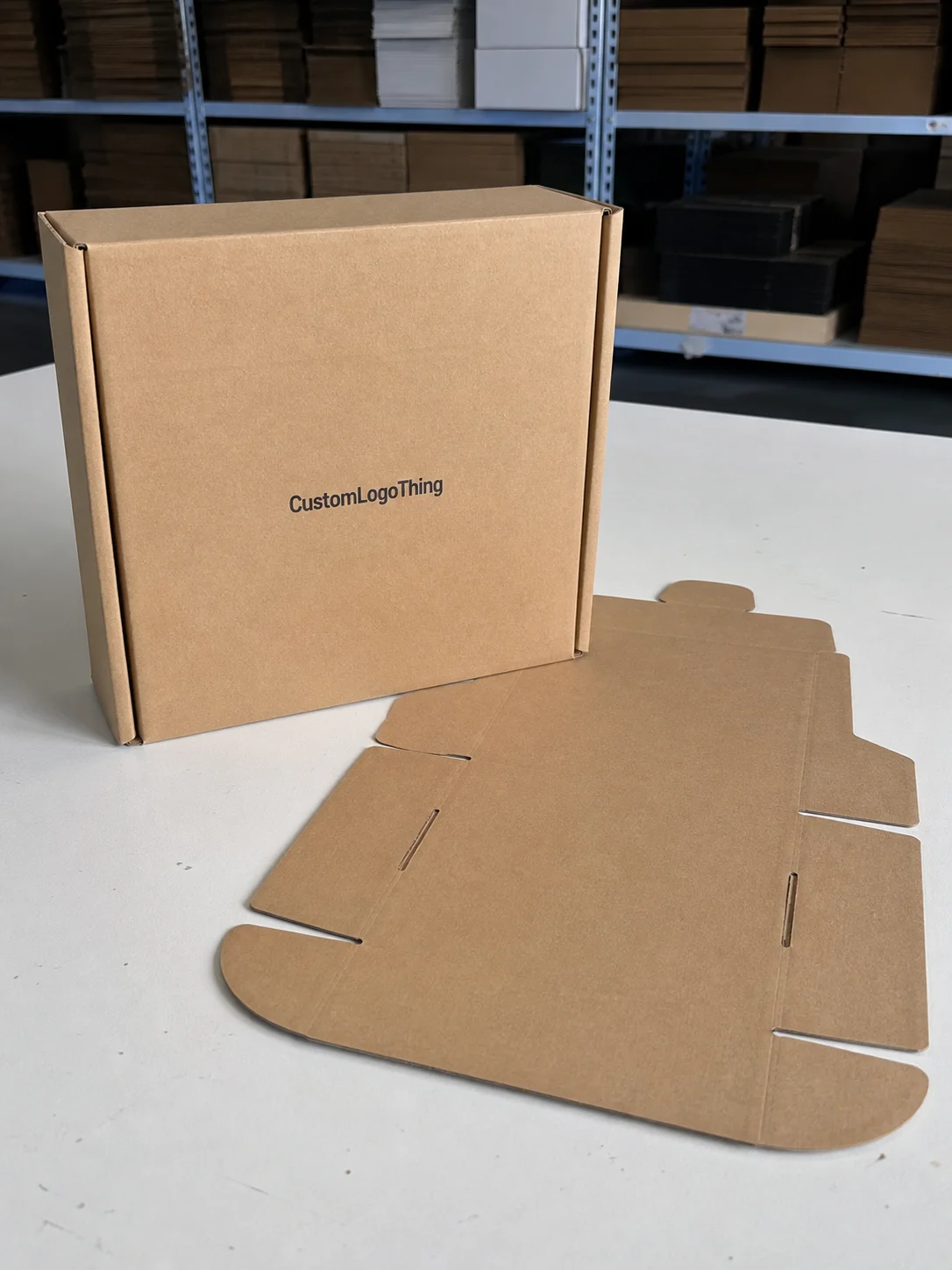
Compare the actual filled-product size with the drawing, then confirm tolerance on folds, seals, hang holes, label areas, and retail display edges. Reserve space for logos, QR codes, warning copy, and material claims before decorative graphics fill the panel.
Quote comparison points
Review material grade, print process, finish, sampling route, tooling charges, carton quantity, and freight assumptions side by side. A quote is only useful when the supplier can repeat the same color, closure quality, and packing count on the next order.
I Visited 12 Factories Before Finding a Reliable Bubble Wrap Supplier—Here's What I Learned
Three years. Twelve factory visits. Four terrible supplier relationships. And one $14,000 lesson that taught me exactly what I was doing wrong.
In 2019, our ceramics business was scaling fast. We had just landed a contract with a boutique hotel chain that wanted our handmade mugs gift-wrapped for their guest packages. Everything was going perfectly—until the first shipment arrived in San Francisco. The bubble mailers we sourced from a "reputable" supplier failed spectacularly. Half the bubbles had popped during transit, leaving our delicate pottery completely exposed. The hotel refused the entire order. We ate the production costs, the shipping fees, and the premium to rush-replace everything through a competitor.
That night, I sat in our warehouse and stared at a pallet of useless protective packaging. I had picked that supplier purely on price. Big mistake. The difference between good and bad bubble wrap suppliers isn't just about cost—it's about consistency, communication, accountability, and whether someone's actually gonna answer the phone when disaster strikes at 6 PM on a Friday.
This bubble wrap supplier guide contains everything I wish someone had told me before I started searching. Three years of sourcing, negotiating, and occasionally getting burned—distilled into a practical framework you can use right now. Whether you're packaging candles, shipping electronics, or wrapping artisanal chocolates, the principles stay the same.
What Is a Bubble Wrap Supplier and Why Does Your Choice Matter?
A bubble wrap supplier is any company that manufactures, converts, or distributes bubble wrap and related protective packaging materials. These range from massive domestic manufacturers like Sealed Air (the original creators of the brand) to regional converters to import distributors operating out of freight warehouses across the country.
Three main categories define the market:
- Domestic Manufacturers: Companies like Sealed Air, Ranpro Packaging, and Sentinel Container that produce bubble wrap in their own facilities. These offer the most consistent quality and usually provide documentation like material spec sheets and testing certifications.
- Regional Converters: Mid-sized operations that buy raw bubble stock and convert it into custom sizes, pre-cut sheets, or branded mailers. They often provide more flexibility than the giants.
- Import Distributors: Companies that bring in container loads from China, India, or Southeast Asia. The pricing looks attractive on paper, but you're trading quality consistency for those cost savings.
Your choice of supplier affects three critical areas of your business. First, it directly impacts your shipping damage rates. Studies from the International Safe Transit Association (ISTA) show that inadequate protective packaging accounts for roughly 11% of all product damage claims in e-commerce fulfillment. Second, it shapes your customer unboxing experience—which matters more than ever in an Instagram-driven marketplace. Third, and most practically, it determines your profit margins, since packaging is often a business's second-largest expense after labor.
Poor quality bubble wrap leads to product damage, customer returns, and erosion of brand trust that can take years to rebuild. I've watched companies lose flagship retail accounts because a single bad shipment arrived damaged. Your supplier isn't just a vendor—they're a partner in your customer's experience.
How Bubble Wrap Suppliers Operate: From Production to Your Door
Understanding how bubble wrap gets made helps you ask better questions and spot potential issues before they become your problem. The manufacturing process follows a consistent sequence regardless of where your supplier operates.
Plastic resin—typically linear low-density polyethylene (LLDPE)—feeds into an extruder that heats it to around 450°F. The molten plastic then forces through a die that forms the characteristic bubble structure. As the material exits the die, it cools rapidly, and continuous rolls wind onto cores. From there, large master rolls get slit into smaller widths and lengths based on customer specifications.
Common sizes from suppliers include:
- 12" x 175' rolls (the most common small-business option)
- 24" x 250' rolls (frequently used for wrapping larger items)
- Pre-cut sheets in various dimensions (typically 8"x8", 12"x12", 18"x18")
- Bubble-lined mailer bags in sizes from 6"x9" to 14"x18"
Minimum order quantities vary dramatically based on supplier type. Distributors like Uline sell individual rolls at retail pricing, while manufacturers often require full pallet minimums—typically 48 to 96 rolls depending on the product size. For custom-converted items like printed mailers, expect MOQs of 5,000 to 10,000 units minimum.
Lead times depend on your supplier type. Domestic stock orders typically ship in 3-7 business days from order confirmation. Custom Printed Bubble Mailers require 2-4 weeks for production. Container imports from Asia demand 6-10 weeks of lead time plus additional weeks for freight forwarding. When I was sourcing for our ceramics business, we maintained a 45-day safety stock for domestic suppliers and planned 90-day windows for anything imported—that buffer saved us multiple times when container ships got delayed.
Key Factors to Evaluate When Choosing a Bubble Wrap Supplier
Not all supplier relationships are created equal. The framework I use now, built from painful experience and countless hours evaluating options, will help you rate each potential supplier against these criteria before signing any agreement.
Material Quality
Demand to see specifications for bubble consistency, puncture resistance, and any relevant certifications. The bubbles themselves should be uniform in size—irregular bubbles often indicate cheaper resin or poor manufacturing technique. If you're shipping electronics, ask about anti-static formulations that prevent static discharge damage. Don't just take their word for it; ask for the actual test results.
Minimum Order Requirements
Some suppliers require full truckloads (20,000+ pounds), while others will sell by the case containing 2-4 rolls. Know your volume before you start shopping. A startup I consulted with last year committed to a manufacturer's 10-pallet minimum, then discovered they were only moving through one pallet every six months. Their carrying costs were eating all the price savings.
Certifications and Testing
Verify claims about recycled content percentages by requesting documentation. For products destined for food or pharmaceutical applications, ask about FDA compliance documentation. Look for suppliers who conduct ISTA-prescribed transit simulation testing, which validates packaging performance under real-world shipping conditions. If they can't produce documentation, that's a red flag.
Lead Time Reliability
Ask potential suppliers directly for their on-time delivery percentage. Reputable operations should have 95% or better on-time rates for standard products. Also inquire about their backup inventory practices—can they flex production if you need an emergency reorder? When our Valentine's Day orders spiked unexpectedly in 2021, our supplier's ability to pull from reserved safety stock kept us from missing ship dates.
Customer Service Responsiveness
This factor gets overlooked constantly. Does the supplier offer a dedicated account representative, or are you stuck navigating an automated phone system forever? When you're three hours from shipping 500 orders and realize you miscalculated your bubble wrap needs, you want a human who answers on the first ring. Test their responsiveness during the quoting phase—how long did it take to respond to your initial inquiry? That often predicts actual service levels down the road.
Bubble Wrap Pricing: Understanding Costs and Where Suppliers Make Their Margins
Most people get burned here. Pricing isn't as simple as comparing per-roll costs. Hidden fees and freight calculations can turn an attractive unit price into a budget nightmare pretty quick.
The industry predominantly uses a per-pound pricing model for bulk bubble wrap. Standard medium-bubble material typically runs $1.20 to $1.80 per pound depending on order volume and supplier type. Large-bubble material for heavier items commands a slight premium due to higher resin content.
Per-roll pricing gives you a more tangible reference point for comparison shopping:
| Product | Retail Price | Distributor Price | Manufacturer Direct |
|---|---|---|---|
| 12" x 175' Medium Bubble | $28-35 | $18-24 | $12-18 |
| 24" x 250' Medium Bubble | $65-80 | $42-55 | $32-40 |
| 8" x 10" Bubble Mailers (case of 100) | $45-60 | $30-38 | $24-30 |
| 12" x 15" Bubble Mailers (case of 100) | $65-85 | $45-58 | $36-45 |
Hidden costs that inflate your actual expenditure include fuel surcharges (which fluctuate with gas prices), pallet fees ranging from $15 to $25 per pallet, and LTL versus FTL freight cost differences that can add $100-400 to smaller orders. Always request delivered pricing or calculate the total landed cost including freight.
Volume discount structures typically kick in around 5+ pallet orders, with 8-15% discounts at that level. When I negotiated our annual supply agreement, locking in 52-week volume commitments at 10% below spot pricing saved us roughly $3,200 annually compared to month-to-month ordering.
Price comparison tip: Always calculate your cost per cubic foot of protection provided, not just the purchase price. A cheaper roll with smaller bubbles might require more wrapping layers, making it more expensive per unit of protection than premium material.
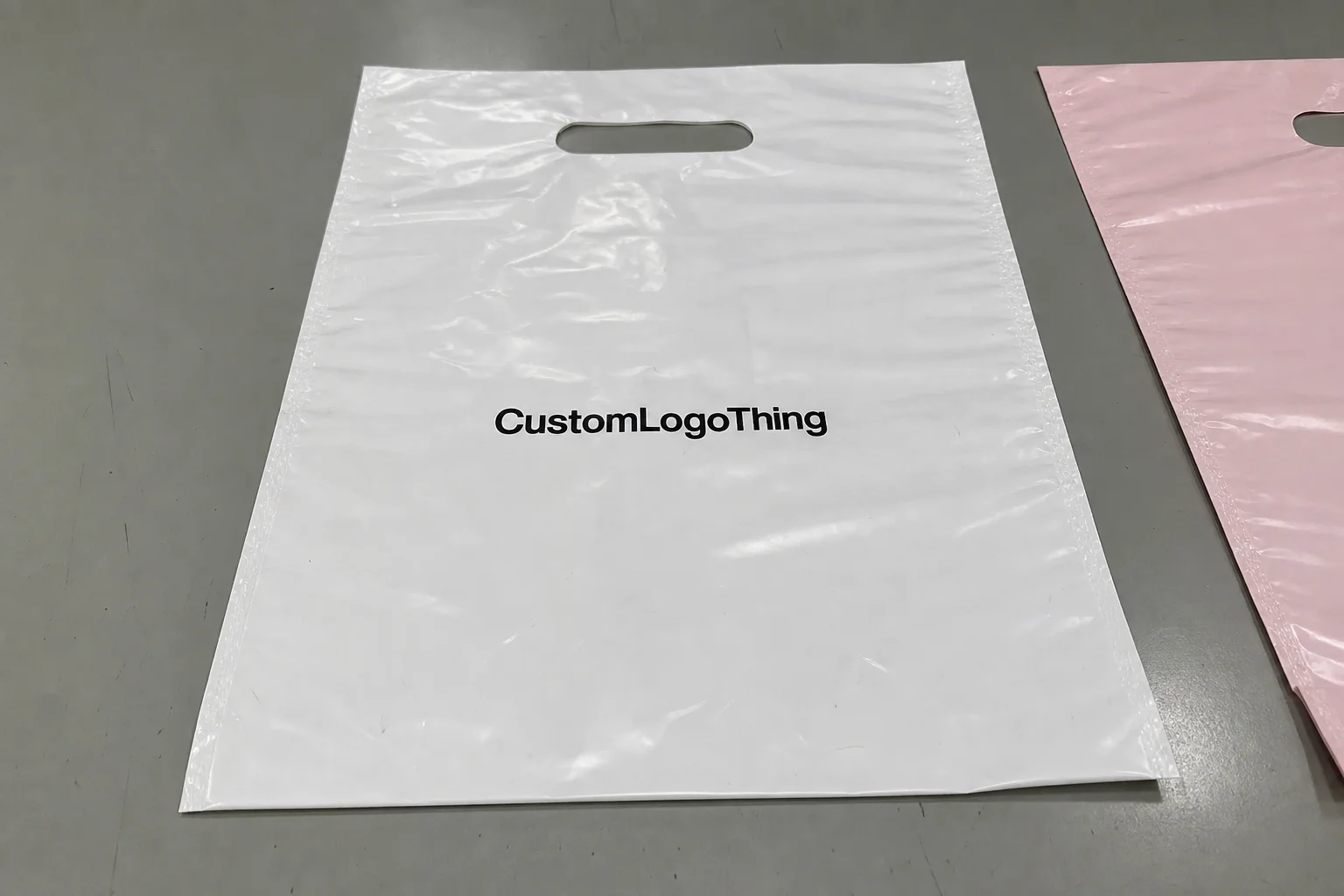
Custom conversions represent the biggest margin opportunity for suppliers. Standard clear bubble mailers have razor-thin margins, but custom-printed versions with your logo can carry 30-50% premiums. If you're using custom-branded packaging, ensure you're comparing equivalent products when evaluating pricing across different suppliers.
The Ordering Process: Timeline, Samples, and What to Expect
Moving from initial inquiry to a standing order relationship typically follows a predictable path. Understanding each stage helps you plan timelines and avoid rushed decisions.
Step 1: Request Samples
Always—always—request samples before committing to any volume order. I cannot stress this enough. Send them your exact product dimensions and ask for sample material sized appropriately. A supplier who hesitates or delays on samples is showing you exactly how they'll behave when you have a problem.
When we were evaluating bubble mailers for our ceramics line, I received samples from six different suppliers. Three were obviously substandard within seconds. One felt premium but had inconsistent seal strength. Only two passed our initial inspection.
Step 2: Conduct Your Own Testing
Supplier-provided test data is valuable, but it can't replace testing with your actual products. Run drop tests from various heights—simulating the handling abuse packages encounter in transit. Consider vibration testing if your products travel through regions with rough road conditions. Expose samples to humidity if you're shipping to humid climates; some bubble materials absorb moisture over time.
Step 3: Negotiate Terms
Standard terms range from Net 30 to Net 60 for established customers. Inquire about the difference between FOB origin pricing (you pay freight) versus delivered pricing (supplier includes shipping). Payment methods vary—some manufacturers require ACH transfers or wire payments for initial orders, while others accept net-30 terms with credit approval.
Step 4: Place Your Initial Order
Start conservative. Even if a supplier offers attractive volume discounts, your first order should represent only 30 days of supply. This gives you time to verify quality consistency across multiple production runs. Quality varies more than suppliers advertise—material from one production batch may differ noticeably from another.
Step 5: Establish Reorder Triggers
Before finalizing your supplier agreement, establish reorder triggers and safety stock levels. What minimum inventory quantity prompts an order? How much safety stock should you maintain to cover supplier delays? Documenting these parameters upfront prevents emergency scrambles and ensures consistent availability.
Common Mistakes When Selecting a Bubble Wrap Supplier
I've made every mistake on this list at least once. Learn from my pain rather than repeating the pattern.
Choosing Based on Price Alone
The cheapest option usually means thinner material, inconsistent bubble sizing, or weak seals on mailer bags. You aren't saving money if your product damage rate doubles. Factor in total cost of ownership, not just material price.
Skipping Sample Testing
I've received shipments from suppliers that bore no resemblance to the samples I approved. The original material was thick and consistent; the production run was thin and brittle. Always test production material against approved samples before shipping any customer orders.
Ignoring Freight Costs
A roll priced at $15 sounds incredible until you calculate $8 in freight charges per roll for LTL shipping. A seemingly unbeatable price becomes mediocre when you account for transportation costs. Always compare total landed cost or negotiate delivered pricing.
Not Maintaining a Backup Supplier
During a winter storm in early 2022, our primary supplier's Texas facility lost power for two weeks. We scrambled to source material through alternative channels at triple our normal cost. Having a qualified secondary supplier identified before you need them prevents these crises from becoming business emergencies.
Accepting Unverified Claims
When a supplier claims their material is "military-grade" or "FDA compliant," ask for documentation. One supplier told me their anti-static bubble wrap was safe for sensitive electronics. When I requested the actual test documentation, they admitted they'd never tested it specifically for that application. Specific claims require specific evidence.
Next Steps: Finding Your Ideal Bubble Wrap Supplier Today
You have the framework. Here's how to use it immediately.
Start by identifying two to three potential suppliers from each category—domestic manufacturers and regional distributors. Request samples of their most popular bubble wrap grades. Don't request ten different options; pick your top two or three most likely candidates and focus your evaluation.
Run your own damage rate comparison for two to four weeks before committing to larger orders. Document everything: bubble consistency, seal strength, how the material behaves at different temperatures, and any quality issues you observe. Numbers don't lie—track your actual damage rates rather than guessing.
Negotiate directly. Most suppliers have 5-10% pricing flexibility, especially for annual volume commitments. Come prepared with competitor quotes and your projected volume. Suppliers respond to committed buyers who demonstrate they're doing serious comparisons.
For urgent needs or while building manufacturer relationships, consider local distributors like Uline or regional packaging supply companies. Their pricing won't match manufacturer direct, but their speed and availability provide a reliable backup option.
Your action item: Right now, before you close this guide, write down your top three non-negotiables. Is it price? Lead time? Material specifications? Volume flexibility? Customer service responsiveness? Filter every potential supplier through those three criteria immediately. The supplier who excels in your priorities will outperform someone who claims to be excellent at everything.
Finding the Right bubble wrap supplier isn't glamorous work. It's Supply Chain Management, relationship building, and a bit of persistent follow-up. But the payoff—consistent packaging performance, manageable costs, and a partner who actually answers the phone when things go sideways—is worth every hour you invest in getting it right.
What Questions Should I Ask a Bubble Wrap Supplier Before Signing an Agreement?
What is the typical minimum order quantity for bubble wrap suppliers?
MOQs vary significantly depending on supplier type and product. Distributors like Uline sell individual rolls at retail prices with no minimums. Manufacturers often require full pallet minimums—typically 48 to 96 rolls depending on dimensions. For custom printed bubble mailers, expect MOQs of 5,000 to 10,000 units minimum. If you're a small business or startup testing products, start with distributors or regional packaging supply companies to validate material quality before committing to manufacturer minimums.
How can I verify a bubble wrap supplier's quality claims?
Request material specification sheets and ask for third-party testing documentation. For transit simulation testing, look for compliance with ISTA standards like ASTM D4169, which simulates real-world shipping hazards. Run your own drop tests with your actual products rather than relying solely on supplier claims. Check for ISO certifications such as ISO 9001, which indicates standardized quality management systems. Ask for customer references from current clients in similar industries—reputable suppliers should provide this without hesitation.
What's the difference between domestic and imported bubble wrap suppliers?
Domestic suppliers offer faster lead times (typically 3-7 business days for stock items) and more consistent quality control, but their pricing runs 20-40% higher than imported alternatives. Import suppliers primarily from China, India, and Southeast Asia offer significantly lower material costs but require 6-10 week lead times for ocean freight plus additional processing time. Imports typically require minimum 40-foot container orders (or equivalent LCL shipments) to make freight economics work. Many businesses use domestic suppliers for critical items requiring quick turnaround while sourcing non-urgent volume orders through imports when storage space exists.
Can bubble wrap suppliers provide custom sizes or printed branding?
Yes, most manufacturers and many converters offer custom widths, lengths, and bubble sizes as standard capabilities. Custom printed bubble mailers with your logo or branding typically require 2-4 weeks of production lead time and minimum order quantities of 5,000-10,000 units depending on the supplier. Expect a 30-50% cost premium for custom printing compared to standard clear options, but the branding impact on unboxing experience often justifies the investment for consumer-facing products. When evaluating custom options, request samples of previous custom orders to assess print quality and color accuracy.
How do I reduce bubble wrap costs without sacrificing protection?
Right-size your packaging by matching material thickness to actual product fragility. Using excessive bubble wrap is an expensive habit—many businesses over-package by 2-3x what's actually necessary. Consider recycled content bubble wrap options, which many suppliers now offer with 30-100% recycled polyethylene content at minimal price premiums (typically 5-10% above virgin material). Consolidate orders to hit volume discount thresholds and reduce per-unit freight costs—planning larger orders quarterly rather than monthly ordering often unlocks meaningful savings. For committed annual volume, negotiate locked-in pricing and priority fulfillment status with your supplier; this guarantees availability during supply crunches and provides budgeting certainty.