Buyer Fit Snapshot
| Best fit | Personalized Candle Boxes with Custom Labels projects where brand print, material claims, artwork control, MOQ, and repeat-order consistency need to be specified before quoting. |
|---|---|
| Quote inputs | Share finished size, material target, print colors, finish, packing count, annual reorder estimate, ship-to region, and any compliance wording. |
| Proofing check | Approve dieline scale, logo placement, barcode or warning zones, color tolerance, closure strength, and carton packing before bulk production. |
| Main risk | Vague material claims, crowded artwork, missing packing details, or unclear freight terms can make a low unit price expensive after revisions. |
Fast answer: Personalized Candle Boxes with Custom Labels: Retail Fit, Compliance Space, Print, and Cost should be specified like a repeatable production item. The safest quote records material, print method, finish, artwork proof, packing count, and reorder notes in one written spec.
Production checks before approval
Compare the actual filled-product size with the drawing, then confirm tolerance on folds, seals, hang holes, label areas, and retail display edges. Reserve space for logos, QR codes, warning copy, and material claims before decorative graphics fill the panel.
Quote comparison points
Review material grade, print process, finish, sampling route, tooling charges, carton quantity, and freight assumptions side by side. A quote is only useful when the supplier can repeat the same color, closure quality, and packing count on the next order.
When I walked a candle line in Shenzhen in 2024, one brand owner was ready to ditch her box program because sales were flat. We changed almost nothing except the outer finish and the label system, and suddenly the shelf looked cleaner, more premium, and easier to shop. That’s the ugly little truth about Personalized Candle Boxes with Custom labels: sometimes the candle is fine, but the packaging is doing the product zero favors.
At Custom Logo Things, I’ve seen that same pattern over and over in factories from Shenzhen to Dongguan to Yiwu. A decent fragrance and a solid jar can still sit there collecting dust if the Personalized Candle Boxes with custom labels look generic, cheap, or visually confusing. The good news? You do not need to spend like you’re launching a luxury house in Paris just to make your brand look organized and worth gifting. For a 5,000-piece run, a plain carton plus label can start around $0.85 per unit, while a rigid gift box might run $2.25 or more. That gap is real. So is the panic. Honestly, I think that’s where a lot of brands overreact for no reason.
Personalized Candle Boxes with Custom Labels: What They Are and Why They Sell
Plain English version: personalized candle boxes with custom labels are candle cartons or rigid boxes paired with labels that carry your brand, scent name, warnings, barcodes, or decorative graphics. The box protects the candle and sets the mood. The label does the heavy lifting on identification. Together, they create the kind of Product Packaging That makes a shopper pause for three seconds instead of one.
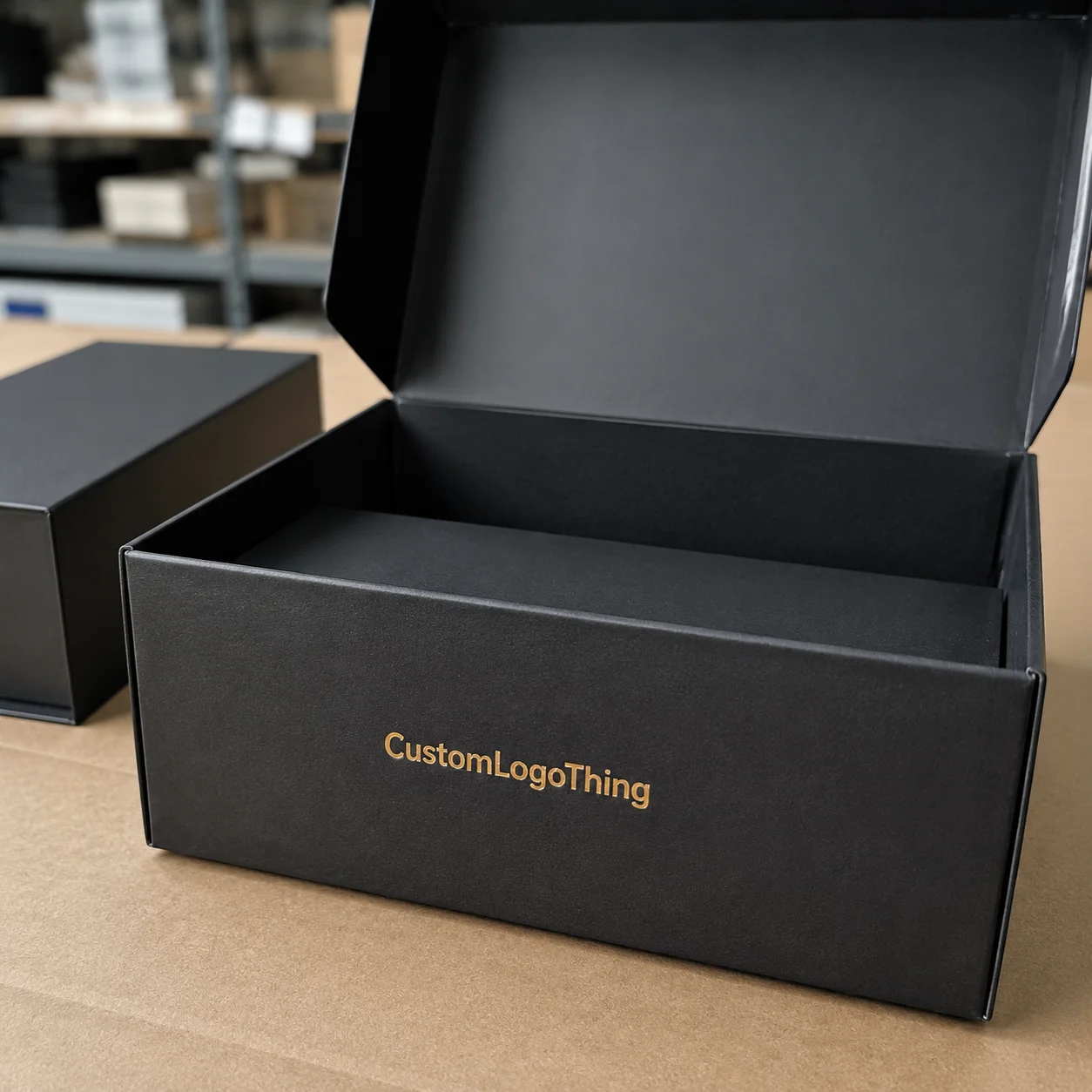
I remember one factory-floor review in Dongguan where a client had beautiful amber jars but plain white boxes with tiny black type. The product felt forgettable. We switched to matte black cartons made from 350gsm C1S artboard with soft-gray labels and a simple foil accent, and the shelf appeal jumped hard. No miracle. Just better packaging design, better contrast, and a label that didn’t look like a panic print job (which, let’s be honest, is a real category).
Personalized candle boxes with custom labels sell because candles are visual purchases. People buy them as gifts, for home decor, for self-care, and for scent collections. The box matters for retail packaging. The label matters for scanning and scent selection. And the combination matters most when a customer is standing in front of a wall of ten nearly identical jars wondering which one looks expensive enough to justify $24 or $28.
Here’s what most people get wrong: they think the candle jar itself is the main selling surface. It isn’t always. The label often does more sales work because shoppers read first and smell second. A clear, well-placed label answers the instant questions: What scent is this? Is it premium? Is it a gift? Is this brand put together, or did somebody design it at 11:47 p.m. with three open tabs and a headache?
Personalized candle boxes with custom labels also help with giftability and line organization. If you sell vanilla, cedarwood, lavender, and seasonal scents, the label system can keep the line consistent while still letting each fragrance have its own identity. That consistency is a big deal for branded packaging because customers notice when the collection feels intentional instead of random. In 2024, I saw a 12-SKU candle line in Guangzhou go from mixed shelf presence to clean retail blocking just by standardizing the box size to 85 x 85 x 110 mm and keeping the label panel in the same position across all scents.
“The box got us noticed. The label got us chosen.” That was a direct quote from a retailer in Austin after we reworked her candle line with cleaner personalized candle boxes with custom labels and moved from 8 pt type to 10.5 pt for the scent name.
I’m going to break down how these packages are built, what pushes the price up or down, and the mistakes that usually cost brands the most money. Because yes, people still order the wrong insert size, then act shocked when the jar rattles inside like a loose tooth. Usually that mistake shows up after the proof is approved and the cartons are already in production, which is a lovely time to discover you forgot the lid height by 6 mm.
How Personalized Candle Boxes with Custom Labels Work
Personalized candle boxes with custom labels are usually built as a system, not a single item. You have the box structure, the insert or tuck fit, the label stock, the adhesive, the print method, and the finish. If one part is off by even 1-2 mm, the whole thing can feel sloppy. That’s packaging, not magic. It’s also why factories in Shenzhen always ask for the jar and lid measurements before they touch the dieline.
There are three common approaches. First, fully printed custom printed boxes, where branding is printed directly on the carton. Second, plain or stock boxes with applied labels. Third, hybrid options, where the box has some printed elements and the label adds scent-specific details or compliance text. I like hybrids for candle brands with multiple fragrances because they save money while still making personalized candle boxes with custom labels look coordinated. On a 5,000-piece run, that hybrid approach can shave around $0.10 to $0.18 per unit versus full-coverage printing, depending on board and finish.
Label placement changes the whole feel. On some candle packaging, the label sits on the front panel of the outer box. On others, it goes on the top flap, the neck seal, or the jar itself so the outer carton and the candle label work together. I’ve seen brands do a front-panel label for the scent name and a matching jar label with batch and burn instructions. That’s not fancy. It’s just tidy product packaging. It also helps when a retailer in Chicago stacks 60 units on a shelf and only 30 seconds of visibility actually matters.
Here’s a simple breakdown of what’s usually inside the system:
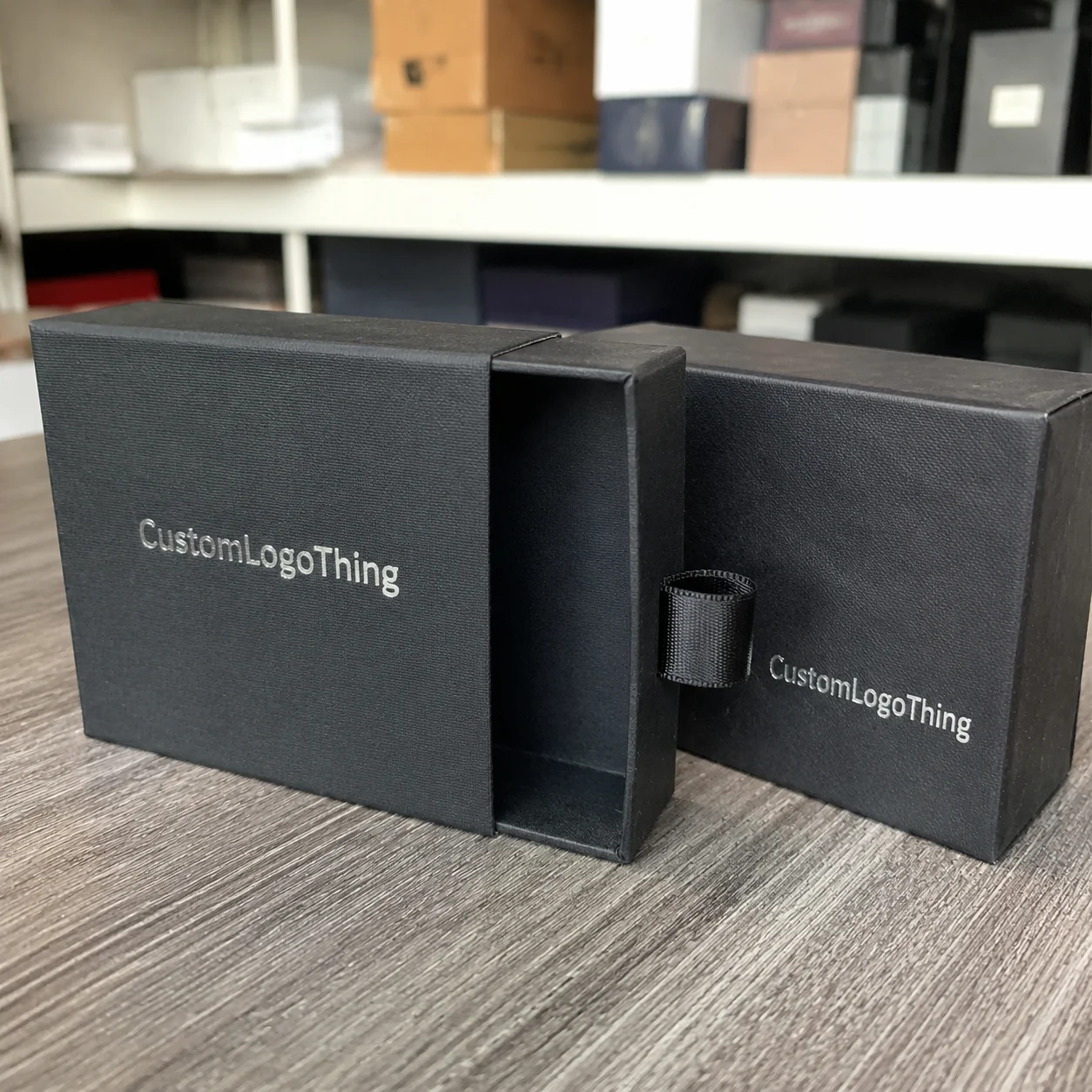
- Box structure: tuck-end carton, sleeve, rigid setup box, or drawer style
- Insert: paperboard insert, molded pulp, E-flute divider, or foam if needed
- Label stock: paper, BOPP, textured stock, clear film, or waterproof synthetic
- Adhesive: permanent, removable, freezer-grade, or heat-resistant depending on use
- Print method: digital, offset, flexo, foil stamping, or spot UV
- Finish: matte, gloss, soft-touch, embossing, debossing, or foil accent
When I visited a supplier in Dongguan, they showed me a stack of labels that looked identical on the screen but behaved differently on the production table. One had a standard adhesive and curled under warm warehouse lights at about 32°C. Another had a stronger adhesive and sat flat for weeks. That’s why I keep saying personalized candle boxes with custom labels are not just artwork. They’re materials, chemistry, and handling conditions.
The workflow usually starts with a dieline. That’s the flat template for the box. Then you decide the label size and placement. After that, you approve artwork, request a sample, and move into production. If you’re sourcing both the box and the label from different vendors, somebody has to coordinate color, finish, and dimensions. Otherwise, your “luxury” set may arrive with a creamy box and a label that looks like it came from a different planet. Typical production takes 12-15 business days from proof approval for a standard carton run, plus 3-5 business days if you need a pre-production sample by courier.
For sourcing, I always point brands to the basics first: Custom Packaging Products for the structural side and Custom Labels & Tags for scent tags, jar labels, and coordinated sticker systems. That saves a lot of back-and-forth when you’re building personalized candle boxes with custom labels across multiple SKUs. It also keeps the quotes honest, which is refreshing for everyone involved.
For packaging standards, I also like to reference the real industry players. ISTA testing matters if your candles are shipping long distances, and Packaging Corporation resources are useful when you’re comparing carton styles and board choices. If sustainability claims matter to your buyers, FSC certification can support your paper sourcing story without sounding like marketing fluff. For paper stock, I usually see 300gsm to 350gsm C1S artboard used on retail carton runs in Shenzhen and Shanghai.
Key Factors That Affect Design, Cost, and Pricing
The price of personalized candle boxes with custom labels is driven by a few things, and none of them are mysterious. Size, board thickness, print coverage, finish, insert complexity, and label material all push the number around. If someone quotes you one flat price without asking for jar dimensions, fragrance count, and label details, I’d be cautious. That quote is probably missing something expensive, usually freight or setup.
Quantity matters too. Low minimum runs usually cost more per unit because setup charges get spread over fewer pieces. Larger runs drop the unit price, but they tie up cash and storage space. I’ve had clients save 22% per unit by moving from 1,000 to 5,000 pieces, only to realize they now needed a pallet corner in the warehouse for four months. Great. Cheap boxes and a storage headache.
Here’s a practical pricing comparison I use with candle brands:
| Option | Typical Build | Approx. Unit Cost | Best For |
|---|---|---|---|
| Stock box + basic label | Plain tuck box, paper label, standard adhesive | $0.45–$0.95/unit at 3,000 pcs | Starter brands, test launches |
| Printed carton + custom label | 350gsm C1S artboard, matte finish, one custom label | $0.85–$1.80/unit at 5,000 pcs | Retail-ready collections |
| Rigid box + premium label | Rigid setup, insert, foil, soft-touch, synthetic label | $2.25–$4.90/unit at 2,000 pcs | Gift sets, luxury lines |
Those numbers are not universal. They depend on freight, paper markets, finish complexity, and where you’re producing. A line made in Shenzhen or Dongguan will often price differently from one produced in Ningbo or Xiamen because labor, paper availability, and inland trucking are not identical. But the ranges above are realistic enough to keep you from buying into fairy tales. A $0.18 unit price on a label-only run can look great until you add box setup, insert tooling, proofing, and inland freight. Then suddenly the “cheap” program is a $3,200 project.
Label material also changes the economics. Paper labels are often less expensive, but they may not handle oil, humidity, or rough shipment well. BOPP or synthetic labels cost more, but they’re tougher for candle jars that live in warm bathrooms or get moved around a lot. If your candles sit in a heated showroom or ship in summer, I’d rather spend an extra $0.06 to avoid peeling corners and customer complaints. That’s cheaper than replacement units and angry emails.
Waterproof coatings can help too, especially for personalized candle boxes with custom labels that include safety copy or fragrance notes people touch often. Specialty adhesives, like freezer-grade or high-tack options, matter if the boxes are stored in variable temperatures. Are they always required? No. But I’ve seen enough labels lift in warm distribution centers in Las Vegas and Phoenix to know that “probably fine” is not a packaging strategy. For a carton with oil-rich fragrance names or candle care instructions, a BOPP label with a permanent adhesive is usually the safer call at scale.
Shipping and storage can quietly wreck your budget. Flat-shipped boxes usually save freight and space. Pre-assembled boxes cost more to ship and store, but they can save labor if your team doesn’t have time to fold cartons all day. I had one client move to flat-shipped custom printed boxes and save almost $1,100 on inbound freight for a single run from Guangdong to Los Angeles. That kind of saving is boring. Also excellent.
There’s a big difference between a nice-looking package and a cost-efficient one. The trick is finding the sweet spot where personalized candle boxes with custom labels look premium without forcing you to pay for unnecessary extras like full foil coverage on every SKU. One foil accent on the brand mark? Smart. Foil, embossing, soft-touch, custom insert, and spot UV all at once? That’s how a packaging budget goes to die.
Step-by-Step Process for Ordering Personalized Candle Boxes with Custom Labels
Ordering personalized candle boxes with custom labels gets much easier if you treat it like a checklist instead of a creative guessing game. The first step is measuring the candle jar exactly. Width, height, lid height, and any taper on the side walls. If the lid sticks up 6 mm and you forget that, your insert can crush the top. I’ve watched that happen in a Shenzhen sample room. Nobody enjoyed the meeting afterward.
After measuring, choose the box style. A tuck-end box is cost-efficient. A sleeve feels cleaner. A rigid box feels premium but costs more. Then decide where the label goes. Front panel? Top flap? Jar label? Neck seal? If you’re running multiple scents, you’ll want a label system that keeps the line consistent while letting scent names change cleanly. That’s how personalized candle boxes with custom labels stay organized instead of chaotic.
Before a manufacturer quotes you, they usually need:
- Jar dimensions and lid height
- Candle weight and wax type
- Number of scents or SKUs
- Artwork files in vector format
- Brand colors or Pantone references
- Label copy, barcode, and safety text
- Target quantity and launch date
The typical timeline goes like this: quote, dieline, artwork review, sample, revisions, production, and freight. If the supplier already has your structure and material specs, things move faster. If you’re still deciding between 300gsm and 350gsm board, or if your barcode is missing, expect delays. The label proof alone can take a few rounds if your brand team is picky about spacing. And frankly, they should be. A crooked scent label on a premium candle looks cheap instantly. A standard run from proof approval to finished cartons usually takes 12-15 business days, while a Custom Rigid Box project can stretch to 18-25 business days if the insert needs tooling.
I had one buyer send final artwork with the scent name placed too low on the box, which meant it sat under the display lip on retail shelving. Beautiful design. Completely hidden. We raised the text by 14 mm, adjusted the label size, and the product finally read properly in store. That’s the kind of tiny change that makes personalized candle boxes with custom labels actually sell.
Delays usually happen in predictable places:
- Artwork revisions that never end
- Missing barcode files
- Color matching between box and label vendors
- Label adhesive issues discovered too late
- Waiting on fragrance names or compliance text
One thing I always tell people: confirm how the cartons arrive. Flat, pre-glued, or fully assembled? That changes warehouse handling and labor. If your team receives 8,000 units flat and nobody expected to fold them, congratulations, you’ve just created an accidental assembly line. For candle brands with small crews in Dallas, Atlanta, or Toronto, that detail matters just as much as the print finish.
For brands selling through retail and e-commerce at the same time, I like to keep the packaging spec tight. One outer box, one label family, one insert design if possible. That keeps personalized candle boxes with custom labels simpler to reorder, easier to inspect, and less annoying when a retailer wants 500 units of one scent and 1,500 of another. Standardization is not sexy. It does, however, keep margins from bleeding out one SKU at a time.
Common Mistakes to Avoid with Personalized Candle Boxes and Labels
The first mistake is ordering before confirming jar measurements. I know. People want to move fast. But a lid that sits 4 mm higher than planned can wreck the fit, create pressure on the box top, and make your beautiful personalized candle boxes with custom labels look like they were built by someone guessing in the dark. Measure twice. Then measure again if your supplier changes the jar.
Second mistake: tiny text and weak contrast. If your scent label is beige on warm gray and the type is 6 pt, you’ve basically designed a puzzle. Customers should be able to identify the fragrance and brand in two seconds from arm’s length. That’s retail packaging 101. I’ve seen brands lose shelf presence simply because the label looked “minimal” on a monitor and unreadable in person. In one Miami boutique, a 7.5 pt font on a frosted jar cost the client a full reorder because the scent name vanished under store lighting.
Third mistake: cheap label materials. Some paper labels peel when the box gets warm in transit, especially in summer or in storage rooms with poor ventilation. I’ve seen candles arrive with labels curling at one corner like they were trying to leave the product. That is not the kind of unboxing experience anybody wants from personalized candle boxes with custom labels. A synthetic label with a permanent adhesive usually behaves better if the product passes through Texas, Arizona, or a hot freight container.
Fourth mistake: ignoring compliance. Depending on market and product type, you may need burn instructions, caution statements, ingredient disclosure, or barcode placement that meets retailer rules. I’m not saying every candle needs the same legal copy. It depends on where you sell and what your distributors require. But if your packaging can’t fit the safety text, the design is wrong. Period. If you’re shipping to the US, UK, and Australia from the same plant, your label layout needs room for region-specific copy, not wishful thinking.
Fifth mistake: gorgeous packaging that cannot survive freight. If you’re shipping boxed candles across state lines, or worse, across oceans, the package should withstand vibration, compression, and drop conditions. ISTA testing exists for a reason. A package can look great on a table and still collapse in transit. I’ve had one client learn that after a pallet shift turned 300 units into a very expensive mess. Pretty is nice. Durable pays the bills.
Here’s a simple checklist I use before approving personalized candle boxes with custom labels:
- Fit test with the real jar and lid
- Readability test from 1 meter away
- Adhesion test in warm conditions
- Drop and compression check if shipping direct
- Barcode and safety copy verification
- Color match against one physical sample
One more thing. Do not approve packaging from a screen alone. Screens lie. Paper, board, and adhesive tell the truth. I’ve watched a “deep black” label print closer to charcoal and a “warm white” carton arrive looking yellowish under warehouse lighting in Hong Kong. That is why physical samples matter when you’re building personalized candle boxes with custom labels. A hard proof in hand beats twenty cheerful emails from a factory rep.
Expert Tips for Better Branding, Better Margins, and Faster Turnaround
If you want better margins, stop reinventing the wheel for every scent. One label system across your line saves money and reduces confusion. You can still vary the scent name, color accent, or fragrance icon. But the base structure of the personalized candle boxes with custom labels should stay consistent. That consistency makes reorder planning easier and helps your brand feel more established. It also makes factory production faster because the same dieline can cover multiple SKUs without new tooling every time.
I usually recommend a box color family that works year-round instead of chasing seasonal redesigns every launch. Cream, charcoal, kraft, soft white, and muted earth tones are easy to adapt. Then you can use label accents to differentiate spring, holiday, or limited-edition releases. That’s cleaner than redesigning everything every few months and paying new setup fees like you enjoy burning money for sport. On a 10,000-piece annual program, even a $0.03 setup difference per SKU turns into real money fast.
For finish combinations, the best-looking budget-friendly pairing I’ve seen recently is a matte or soft-touch box with one foil accent on the logo and a clean label with either matte paper or satin film. It reads premium without needing a dozen decorative effects. If you want more texture, emboss the brand mark and keep the rest simple. That’s how good personalized candle boxes with custom labels avoid looking overdesigned. A 350gsm C1S artboard carton with matte lamination and a 2-3 micron foil detail is usually plenty.
Batching orders can help, but you need discipline. Ordering 10,000 units because the unit price drops by $0.12 only makes sense if you can sell the product before styles change or fragrance trends shift. I’ve had clients overbuy slow-moving scents and then spend six months explaining why the garage looks like a candle warehouse. Better to forecast honestly and keep the run size aligned with demand. If you’re launching from a warehouse in New Jersey and selling through boutiques in California, freight and storage should be part of the math, not an afterthought.
Ask suppliers for the boring details. Material specs. Print method. Adhesive type. Board thickness in gsm. Insert construction. Finish method. A physical sample. That’s the stuff that separates a real vendor from someone just forwarding random factory photos. If you’re buying personalized candle boxes with custom labels, you want proof, not promises. I’d rather see a real sample from a supplier in Shenzhen than ten polished mockups with no dimensions attached.
Here are three practical combos I often recommend:
- Starter line: 300gsm–350gsm cardstock, matte label, one-color print, flat shipment
- Retail line: 350gsm C1S artboard, soft-touch finish, synthetic scent label, paper insert
- Gift line: rigid box, foil logo, textured label, custom insert, magnetic or drawer style
Another shortcut: keep the back panel of your box layout template stable. Put the barcode, warning text, and company address in the same zone across the line. That speeds up revisions and makes personalized candle boxes with custom labels much easier to manage when you’re launching three scents at once and somebody from sales decides they “just want one more slogan” added to the front. I’ve heard that sentence in New York and Los Angeles, and it never ends well.
And yes, I’ve negotiated label cost down by $0.03 per piece more times than I can count. That seems tiny. On 10,000 pieces, it’s $300. On 50,000 pieces, it’s $1,500. Tiny numbers multiply fast in packaging. That’s why clean specs and consistent branding matter so much.
What to Do Next Before You Place an Order
Before You Order personalized candle boxes with custom labels, gather your measurements, artwork files, scent list, and a budget range that’s actually real. Not the fantasy budget. The real one. If your target is $1.10 per unit, say that upfront. If you can stretch to $2.50 for a giftable line, say that too. Good suppliers can work with either number, but they can’t work with “something affordable and premium.” That’s not a brief. That’s a sigh.
Build a comparison sheet with box style, label material, quantity, finish, and per-unit price. It can be a simple spreadsheet with six columns. I’ve used that format in client meetings to compare three quotes side by side in under ten minutes. It cuts through the noise fast, especially when one quote includes freight and another mysteriously doesn’t. I usually add a seventh column for lead time, because 12-15 business days and 25 business days are not the same animal.
Request 2-3 sample options if you can. Compare structure, print quality, and label adhesion in the real world, not just under office lights. Put the sample near heat. Handle it with clean hands. Stack it with other units. Ship one to yourself if you want to see how it survives the mail. That’s a cheap test for personalized candle boxes with custom labels before you commit to a full run. A sample sent from Guangzhou to New York can tell you more than a dozen PDF comments ever will.
Then check your timeline against launch dates, warehouse space, and promo calendars. If your holiday sell-through depends on boxed candles arriving by a certain week, build in cushion. Revisions happen. Freight gets delayed. A proof can come back with a weird color shift. Planning for perfect conditions is how people end up explaining missed launch dates to angry retail buyers. I’ve watched that conversation happen in a showroom in Chicago, and nobody looked happy.
My final advice is simple: write a packaging brief before you request quotes. Put the jar dimensions, quantity, label placement, finish preferences, and compliance copy in one document. The more specific the brief, the better the quote. And the less likely you are to turn personalized candle boxes with custom labels into an expensive science experiment with three vendors, two revisions, and one very tired accounting team.
FAQs
How do personalized candle boxes with custom labels help a candle brand sell more?
They make the product look giftable and easier to trust at first glance. They also help shoppers identify scent, size, and brand story quickly, which matters when a shelf has 15 similar candles. For e-commerce, personalized candle boxes with custom labels improve the unboxing feel and make the product look more complete. I’ve seen a matte black carton with a clean 10 pt scent label outperform a plain white box by a wide margin in boutique retail.
What is the difference between printed candle boxes and candle boxes with custom labels?
Printed boxes have branding directly on the box surface, while label-based packaging uses stock or plain boxes with applied labels. Labels are usually more flexible for small runs and scent variations. For many brands, personalized candle boxes with custom labels are the easier way to manage multiple SKUs without paying for a full print change every time. If you’re testing four fragrances in 1,000-unit quantities each, labels usually save time and money.
How much do personalized candle boxes with custom labels usually cost?
Cost depends on quantity, box style, board thickness, and finish. Simple setups cost less than rigid boxes with foil, inserts, or specialty label stock. Shipping, setup fees, and sampling can change the real total fast, so it helps to quote the complete program for personalized candle boxes with custom labels instead of only the carton or label by itself. A 5,000-piece carton run in 350gsm C1S artboard can land around $0.85 to $1.80 per unit, depending on the finish and freight lane.
How long does it take to produce custom candle boxes and labels?
Timeline depends on artwork approval, sample rounds, and the production schedule. Most delays come from revisions, missing specs, or color matching issues. Flat-shipped boxes are often easier to store and move than assembled ones, which is why many brands prefer personalized candle boxes with custom labels in a flat-pack format when timing is tight. A typical carton run takes 12-15 business days from proof approval, while complex rigid packaging can take 18-25 business days.
What should I check before ordering personalized candle boxes with custom labels?
Confirm jar dimensions, lid height, and insert fit. Review label durability, adhesive performance, and readability. Make sure safety text, barcode placement, and brand details are accurate before production starts. Those checks prevent the usual problems that show up after someone has already paid for a full run of personalized candle boxes with custom labels. If possible, ask for a physical proof from the factory in Shenzhen, Dongguan, or Ningbo before approving the run.
If you want your candle line to look more premium, sell faster, and cause fewer headaches in the warehouse, start with the packaging brief and work forward from there. That’s how I’d approach it in my own brand. Personalized candle boxes with custom labels are not just decoration. Done well, they are sales tools, protection, and brand identity all in one box. So measure the jar, lock the label system, choose materials that can survive heat and freight, and approve a physical sample before you spend real money. That’s the move.