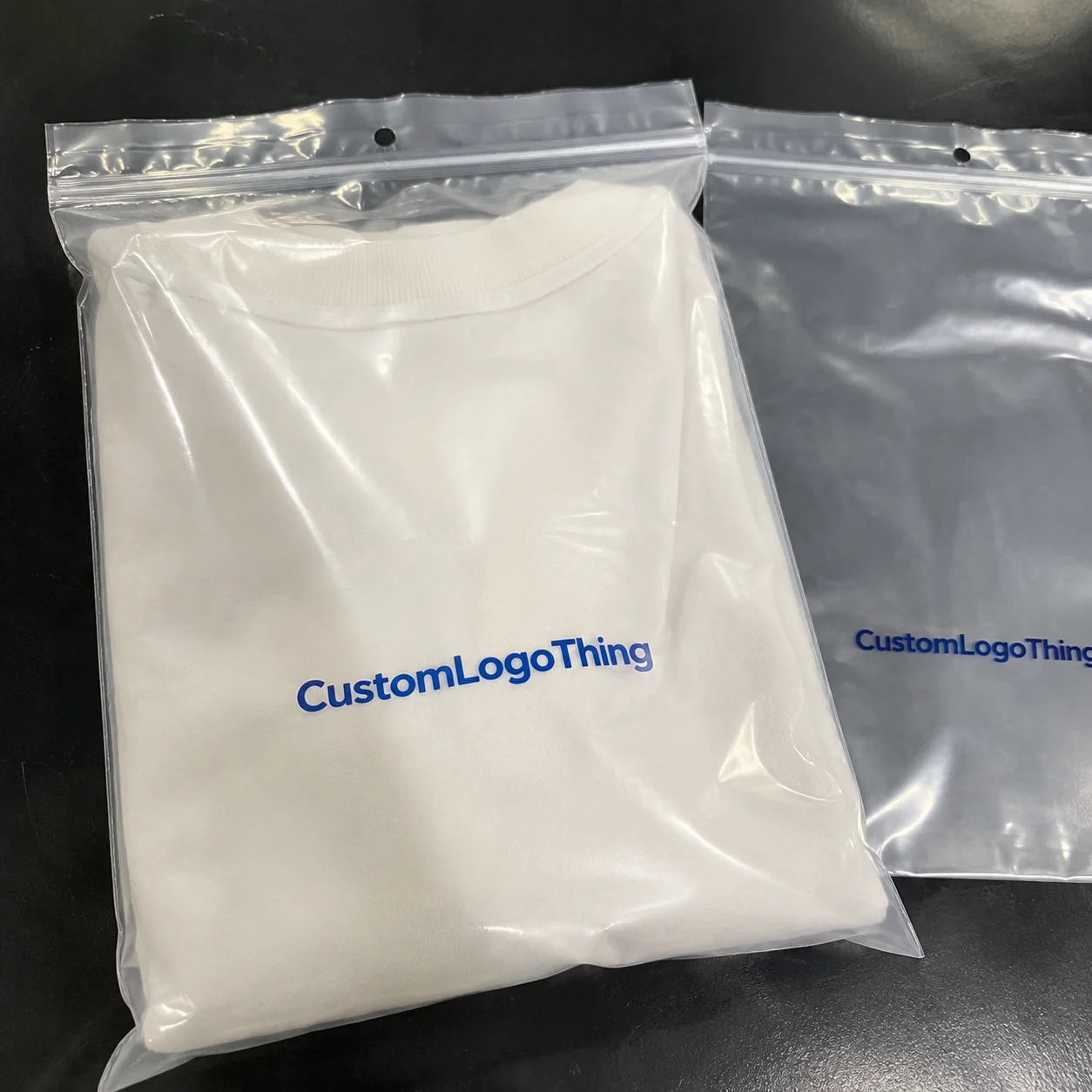
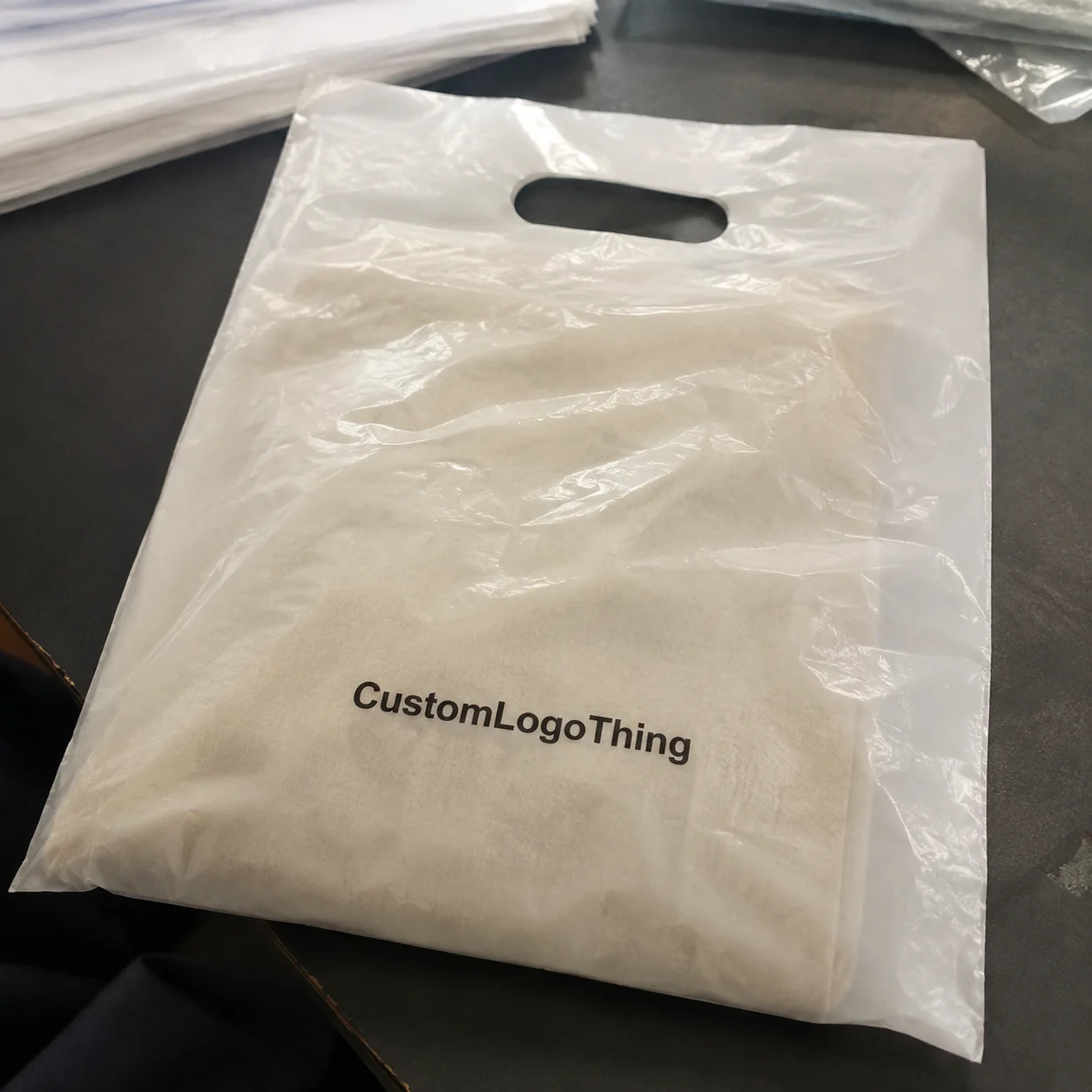
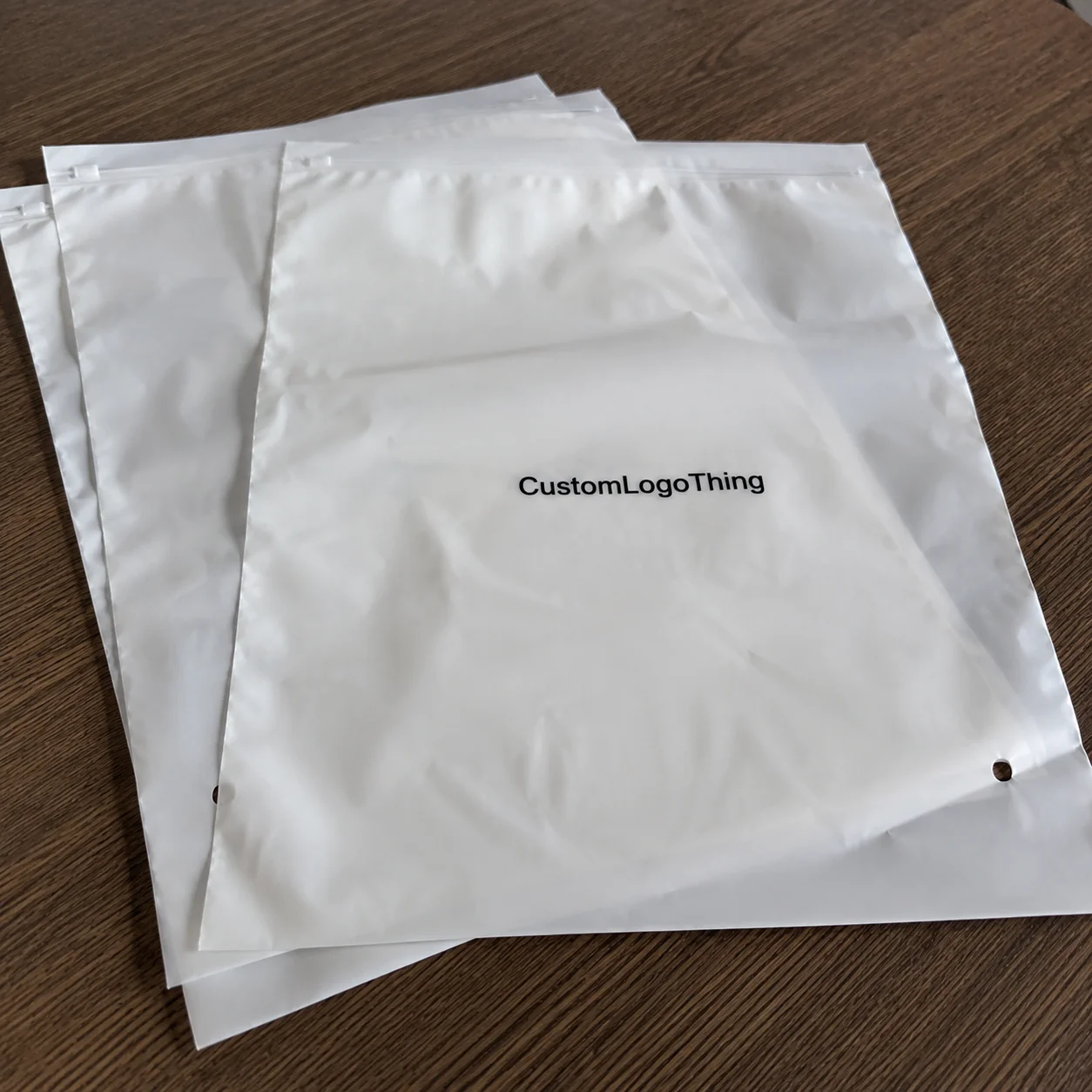
Buyer Fit Snapshot
| Best fit | Packaging Branding Selection Style projects where brand print, material claims, artwork control, MOQ, and repeat-order consistency need to be specified before quoting. |
|---|---|
| Quote inputs | Share finished size, material target, print colors, finish, packing count, annual reorder estimate, ship-to region, and any compliance wording. |
| Proofing check | Approve dieline scale, logo placement, barcode or warning zones, color tolerance, closure strength, and carton packing before bulk production. |
| Main risk | Vague material claims, crowded artwork, missing packing details, or unclear freight terms can make a low unit price expensive after revisions. |
Fast answer: Packaging Branding Selection Style: Material, Print, Proofing, and Reorder Risk should be specified like a repeatable production item. The safest quote records material, print method, finish, artwork proof, packing count, and reorder notes in one written spec.
Production checks before approval
Compare the actual filled-product size with the drawing, then confirm tolerance on folds, seals, hang holes, label areas, and retail display edges. Reserve space for logos, QR codes, warning copy, and material claims before decorative graphics fill the panel.
Quote comparison points
Review material grade, print process, finish, sampling route, tooling charges, carton quantity, and freight assumptions side by side. A quote is only useful when the supplier can repeat the same color, closure quality, and packing count on the next order.
Packaging branding how to Choose the Right style is one of those decisions that looks cosmetic from the outside and financial from the inside. I’ve seen a $1.20 folding carton increase perceived value enough to justify a $6 price jump, and I’ve also seen a beautiful carton fail because the flap crushed in transit after 200 miles on a hot trailer in Phoenix, Arizona. The visual part matters. The structural part matters more than most founders expect, which is mildly annoying until you realize the damage claims are the bill you end up paying.
If you run a brand, sell on shelves, or ship direct-to-consumer, packaging branding how to choose should sit beside product quality, not below it. Customers often decide within 3 to 7 seconds whether something feels premium, sustainable, fun, clinical, handmade, or bargain-bin. That decision happens before they ever touch the item. In packaging branding how to choose, the box, label, insert, and finish are doing a job most teams underestimate. Honestly, I think people fall in love with mockups because mockups don’t arrive dented by a freight carrier in Dallas or Atlanta.
At Custom Logo Things, I’ve watched buyers spend hours debating a foil stamp and then approve a weak corrugated spec that added 18% more damage claims. Honestly, I think that’s backwards. Branded packaging is not decoration. It is a signal system. It tells people what your brand stands for, what to expect from the product, and whether you paid attention to detail. I remember one launch where the team called the package “minimal and elegant,” but it was really just underfinished. There’s a difference, and customers can feel it, even when the product ships from a warehouse in Columbus or Ontario, California.
Packaging branding how to choose: why it matters more than you think
The fastest way to think about packaging branding how to choose is to picture a crowded room. Plain packaging is a whisper. Well-planned package branding is a visual handshake. It catches the eye, gives context, and helps someone place your brand in a category within 2 or 3 seconds. That matters because first impressions are heavily visual, especially for retail packaging and online product pages where customers scan images before reading copy. In grocery aisles in Chicago or Seoul, that scan is even shorter.
Packaging branding means using structure, color, typography, finish, imagery, and messaging to signal quality and identity. In practical terms, it is the difference between a generic brown mailer and custom printed boxes that look intentional. It is also the difference between a label that merely lists ingredients and a branded label that tells a story in 12 words or fewer. When people ask me about packaging branding how to choose, I usually start by asking: what do you want the package to say when no one from your sales team is in the room? That question gets people out of the mood-board clouds pretty fast, especially when a product is manufactured in Shenzhen, Mexico City, or Nashville and never gets a second chance on the shelf.
The business impact is broader than shelf appeal. Strong branded packaging can improve conversion, support repeat purchases, and increase the odds of social sharing. I’ve seen subscription brands add a single printed insert and get more user-generated content because the unboxing experience felt worth filming. That kind of reaction is not random. It comes from consistency between the brand identity and the physical package. It also comes from giving people something that doesn’t look like it was assembled at 11:47 p.m. on a Thursday in a London co-packing facility.
Here’s the comparison I use with clients: a plain carton may be functional, but a branded carton behaves like a salesperson that never takes a lunch break. That does not mean every package should be loud. It means packaging branding how to choose should be about matching the promise to the form. A clinical skincare line should not look like a festival snack brand. A handmade candle should not feel like a pharmacy carton. The style has to fit the product, the price point, and the buying context.
Factory-floor reality: I once toured a corrugate line in Dongguan where a beverage client had specified a soft-touch varnish, blind embossing, and a metallic ink on a mailer. It looked gorgeous on the render. But in production, the registration drifted by 1.5 mm on the second pass, and the team had to simplify the design to protect consistency. That’s packaging branding how to choose in the real world: beautiful enough to sell, simple enough to manufacture. I stood there staring at the sample and thinking, “Well, there’s our pretty little headache.”
So yes, aesthetics matter. But packaging branding how to choose is really about alignment. If the package promises premium, the materials, print quality, and finish need to support that promise. If the package promises sustainability, the paper stock, coatings, and inks need to support that too. A mismatch is expensive. Customers notice the gap faster than brands do. And they are usually less polite about it than your internal team, especially after a $28 purchase arrives in a crushed mailer from a warehouse in Indianapolis.
How packaging branding works across the customer journey
Packaging branding how to choose becomes clearer when you break the customer journey into five stages: discovery, purchase, shipping, opening, and reuse. At discovery, color and shape do most of the work. On a shelf or a product grid, the package has to stand out in one glance. During purchase, the customer looks for confidence. Copy tone, logo placement, and visible material quality answer the question: is this worth the money?
Shipping changes the rules. A retail box that looks elegant but collapses under compression is not elegant; it is expensive. For DTC brands, the outer shipper often serves as the first real physical interaction. That’s why packaging branding how to choose should include both the primary package and the transit package. A strong design system uses the same visual language across both, even if the materials differ. One can be a kraft mailer, the other a printed folding carton, but the tone should still be recognizably yours. For example, a 200 lb test corrugated shipper in Los Angeles can carry a very different cost profile than a 350gsm C1S artboard retail carton produced in Toronto.
Opening is where texture and structure become emotional. Matte coatings feel quieter. Gloss reads brighter and more energetic. Rigid boxes suggest ceremony. Flexible pouches signal convenience and often lower cost. Minimalist design can feel modern and premium, but it can also feel underdesigned if the hierarchy is weak. Maximalist packaging can create excitement, but it can also make information hard to scan. Packaging branding how to choose is about deciding which cues help your audience trust the product.
Reuse matters more than many brands think. A sturdy lid, a magnetic closure, or a neatly sized insert can keep the package in circulation on a desk or shelf, which extends brand identity beyond the sale. I’ve seen a customer keep a rigid box from a men’s grooming brand on his desk for six months because it held small accessories after the shave kit was gone. That box kept printing the brand name into his daily routine. I wish every package earned that kind of shelf life instead of getting shoved into recycling ten minutes later in a Brooklyn apartment.
Branding elements only work when they work together. Logo placement should support the visual hierarchy, not compete with it. Typography should reflect the category; a luxury tea line and a children’s snack line should not use the same letter spacing. Color hierarchy should help shoppers know what is primary and what is secondary. In packaging design, texture is often the quiet persuader. A 350gsm paperboard with a matte aqueous coating can feel more thoughtful than a shiny stock with too many effects.
For brands selling online, consistency across channels is a trust signal. A shopper who sees your product packaging on Instagram, then receives it in a mailer, then reorders from your site should feel continuity. If the color shifts, the logo is resized badly, or the insert copy sounds like it was written by three different teams, the brand starts to feel unstable. That’s why packaging branding how to choose is partly a brand management question. It’s also why designers and operators need to stop pretending they live on separate planets.
Custom inserts and closures deserve more attention than they get. A die-cut insert can reduce movement, protect fragile items, and create a neat reveal. A tear strip can make opening easier. A belly band can add structure without rebuilding the whole box. These details extend the brand story past the outer layer, which is where the best unboxing experience often happens. On a 5,000-unit run, a custom insert may add $0.12 to $0.38 per unit, but it can cut product movement enough to reduce returns by a measurable margin.
For more examples of coordinated packaging systems, I often point brands to our Case Studies page. Seeing how others solved fit, print, and fulfillment problems makes packaging branding how to choose feel less abstract and more operational.
Key factors to weigh before you choose a packaging branding direction
Packaging branding how to choose starts with audience. A 24-year-old first-time skincare buyer and a procurement manager at a regional grocery chain do not read packaging the same way. One might respond to soft pastels, clean spacing, and a tactile finish. The other may care more about barcode clarity, shelf readability, and compliance markings. If the audience expects premium, the package needs premium cues. If the audience expects value, over-embellishment can make the product feel overpriced. A jar of face cream sold in Austin and a frozen entrée sold in Minneapolis will not be judged by the same visual rules.
Product type is equally important. Liquids need leak-resistant structures and closures. Cosmetics may need compact formats with a luxury feel. Food packaging brings food-safe requirements and shelf-life concerns. Apparel can tolerate lighter materials, while subscription boxes need shipping strength and repeat opening. Packaging branding how to choose is not one-size-fits-all because the product itself sets the limits. The product always gets a vote, whether the branding team likes it or not.
Brand position is the next filter. Premium, playful, sustainable, luxury, clinical, handmade, and mass-market are not just adjectives. They are instructions for material choice, print strategy, and visual density. A luxury candle line might use Rigid Setup Boxes with foil accenting and a 1-color interior print. A playful snack brand might use bright flexo printing on corrugate and a high-contrast label system. The right look is the one that makes the promise believable.
Materials and finishes matter more than most founders realize. Paperboard, corrugate, rigid box stock, labels, coatings, embossing, and foil each change how people interpret the brand. A soft-touch lamination can signal premium, but it can also scuff if it’s mishandled in a distribution center in New Jersey or Tilburg. Embossing adds depth, yet it may increase tooling costs by $300 to $900 per die. Foil looks striking, though it can become too flashy if used on every panel. Packaging branding how to choose means deciding which effect earns its place. I’ve had clients fall in love with foil like it’s some magical spell, and then act surprised when the budget starts sweating.
Sustainability is no longer a side note. Recycled content, recyclability, ink coverage, and shipping weight all shape brand perception and operational cost. I’ve sat through procurement meetings where the marketing team wanted a heavy rigid box, but the sustainability lead pushed back because the product shipped in 12,000 units per month. That is a real tradeoff. There isn’t always a perfect answer, only a defensible one. If you need structure guidance, the EPA’s packaging and waste resources are a useful reference point: EPA recycling guidance.
Scalability is the final factor that gets brands into trouble. A design that works at 500 units may become painful at 50,000 if it depends on a custom insert, a rare board thickness, or a hand-applied finish. Packaging branding how to choose should account for growth from the start. A system that can support multiple SKUs, size changes, and future campaigns will save money later. In practice, a supplier in Chicago may quote 14 business days for a stock format, while a fully custom setup from a Shenzhen factory often runs 30 to 45 business days before freight.
I remember a supplier negotiation where a cosmetics client wanted six carton sizes, each with a different foil color and inner print. The supplier quoted a 19% premium over a unified system. We reduced the palette, standardized two board weights, and kept the brand look intact. That is the sort of packaging branding how to choose decision that does not show up on a mood board, but it absolutely shows up on the P&L. And yes, someone in the room did say, “But can’t we just make it look expensive?” As if cost has feelings.
For brands still building their assortment, browsing Custom Packaging Products can help clarify what is possible across cartons, labels, inserts, and mailers before design gets too far ahead of production. A paperboard sample, a corrugated prototype, and a rigid box mockup will tell you more than a hundred screenshots ever will.
Packaging branding how to choose based on cost, pricing, and budget
Cost is the part of packaging branding how to choose that everyone wants to simplify, but it rarely behaves simply. The major drivers are material grade, print process, number of colors, finishing effects, tooling, dielines, and order quantity. A two-color flexo print on corrugate is not priced like a six-color offset-printed folding carton with foil and embossing. And a 5,000-unit run is not priced like a 50,000-unit run. Setup costs get spread across fewer pieces at lower quantities, so short runs usually look expensive per unit. For a 5,000-piece order in Asia, a plain folding carton might land near $0.22 per unit, while a rigid box with a magnet closure can reach $2.80 or more before freight.
Here’s the part clients often miss: the cheapest per-unit option is not always the cheapest total decision. If a low-cost carton raises breakage by 4%, the replacement cost can erase the savings. If a premium finish increases conversion by even a modest amount, the return can outpace the extra spend. Packaging branding how to choose should treat packaging as part of the product economics, not just an overhead line. Otherwise you end up saving pennies and losing dollars, which is a very weird hobby but a common one.
I like to separate budget into three buckets: must-haves, differentiators, and nice-to-haves. Must-haves include structural integrity, legal copy, barcode placement, and fit. Differentiators include a signature color, one special finish, or a custom opening detail. Nice-to-haves might be foil on every panel, multiple inserts, or a complex window cutout. If the budget is tight, protect the must-haves first. Then choose one differentiator that can carry the brand story. On a $12 retail product, spending an extra $0.18 on the lid panel can matter more than adding a second foil effect that costs another $0.09.
Hidden costs show up late if nobody asks for them early. Artwork revisions can add design hours. Dieline changes can restart proofing. Freight can jump if the packaging is heavier than expected. Storage costs rise if the carton is bulky. Damage rates climb if the board is too thin or the closure too weak. That’s why packaging branding how to choose should include a packaging engineer or production-minded supplier in the conversation, not just a designer. In one project, a 1.8 kg rigged sampler required a larger shipper, and freight from Guangzhou to Chicago increased by $1,400 on the first container alone.
| Option | Typical Use | Approx. Unit Cost at 5,000 pcs | Brand Impact | Risk |
|---|---|---|---|---|
| Plain folding carton | Entry-level retail packaging | $0.18 to $0.35 | Low to moderate | Can look generic |
| Printed corrugated mailer | DTC shipping and unboxing experience | $0.42 to $0.85 | Moderate to strong | Print limits on fine detail |
| Rigid setup box | Luxury, gift, and premium product packaging | $1.20 to $3.50 | Strong | Higher freight and storage costs |
| Custom printed labels + stock box | Flexible SKUs and lower MOQs | $0.22 to $0.60 | Moderate | Less structural distinction |
Those ranges are not universal. They depend on dimensions, print coverage, material choice, and market conditions. But they’re useful for packaging branding how to choose because they show the shape of the decision. A rigid box can create a premium experience, while a smart label and stock carton can deliver most of the brand effect at a fraction of the price. Sometimes that is the better business decision. Sometimes it’s the only decision that lets the launch happen at all. In Warsaw or Denver, the math still works the same way.
Compare economy packaging and premium packaging in the context of the whole sale. A low-cost box may save $0.25, but if it dents easily or dulls the brand, that savings can cost more in refunds, slower sell-through, or a weaker perceived value. On the other hand, premium packaging can become wasteful if the margin is thin and the product is mostly functional. Packaging branding how to choose means measuring the price of the box against the price of the customer’s perception.
There are cost-smart upgrades I recommend often. Pick one premium finish instead of three. Use stronger board instead of decorative add-ons. Choose a distinctive structure rather than piling on embellishment. Standardize insert sizes across SKUs. Replace full coverage print with a high-impact focal panel. Those moves often preserve the brand while reducing complexity. A 350gsm C1S artboard carton with one spot UV panel can outperform a fully flooded design that costs 22% more and takes an extra week to proof.
For labels, tags, and detail pieces that support brand identity without rebuilding the whole structure, our Custom Labels & Tags category can be a practical starting point. Sometimes the right packaging branding how to choose answer is a label system, not an entirely new box.
A practical rule: if your packaging budget is under pressure, spend where the customer’s hand and eye meet the product. That is usually the lid, front panel, opening edge, or insert. Those are the places people touch first and remember longest. A $0.15 unit upgrade on the opening edge can matter more than a $0.40 back-panel print nobody sees.
And if you need a certification framework or want to compare material claims, the FSC’s guidance on responsible forest sourcing can help inform paper-based packaging choices: FSC standards and materials.
Step-by-step process for packaging branding how to choose the right fit
The cleanest way to handle packaging branding how to choose is to make it procedural. Good packaging decisions get much easier when the team works through the same sequence every time. I’ve used this method with startup founders, national retail buyers, and a few very opinionated finance teams, and it usually cuts revision cycles by at least one round. The finance teams are the real endurance athletes, honestly.
- Audit the brand and product requirements. Define what the packaging must communicate, what it must protect, and what it must cost. If the product is fragile, that changes everything. If it is a premium gift item, that changes nearly as much. A 1.5 lb serum bottle and a 14 oz candle do not need the same board strength or closure style.
- Study the competition. Look at 8 to 12 direct competitors and 5 adjacent brands. Identify overused colors, common layouts, and category clichés. Packaging branding how to choose gets sharper when you know what everyone else is already doing.
- Create a mood board. Gather color palettes, typography references, texture samples, and structural examples. Keep it tied to the brand story, not just to what looks cool on a screen.
- Request prototypes or structural samples. A flat proof can hide a lot of problems. You need the real board, the actual closure, and the finished dimensions. Fit is not optional. A sample from a supplier in Vietnam or Ohio will tell you whether the 0.5 mm tolerance is real or theoretical.
- Review cost against brand impact. Compare versions side by side. The cheapest option is not always the smartest. The flashiest option is not always manufacturable.
- Validate with stakeholders or customers. A short sample test with five to ten buyers can reveal whether the package feels premium, confusing, sturdy, or underwhelming.
That process works because it forces packaging branding how to choose to move from opinion to evidence. One client in personal care swore by a deep navy carton with silver foil. The sample test said something different: the audience read it as cold and medicinal. We shifted to a warmer off-white with a matte finish and a smaller foil accent. Sell-through improved because the packaging finally matched how the product was meant to feel. It was one of those moments where everyone in the room goes quiet and pretends they always knew that was the answer.
Timeline matters too. If you are changing graphics only, the process may move in 2 to 4 weeks depending on revisions and proofs. If you are changing structure, allow more time for sampling, fit tests, and production setup. Late artwork changes are the biggest schedule killer I see. A revised dieline can delay approval by days, and if a supplier has already queued tooling, the delay gets costly fast. Packaging branding how to choose should always include a realistic calendar. For custom cartons, production typically takes 12 to 15 business days from proof approval in a domestic facility, or 25 to 35 business days in an overseas plant before ocean freight.
Typical project flow: brief, concept, structural sample, printed proof, revisions, production, then fulfillment. That sounds tidy on paper. In practice, one missing barcode or a forgotten legal line can send the whole process back a step. I’ve watched a product launch slip by 11 business days because a client approved copy before checking regulatory text. That kind of avoidable delay hurts more than a slightly higher packaging quote ever will.
If you are comparing options, ask suppliers for both creative feedback and production feedback. The best packaging branding how to choose decisions usually happen where those two viewpoints overlap. Designers can tell you what feels right. Producers can tell you what will hold up on a line running 60 cartons a minute in a factory outside Ho Chi Minh City or Charlotte.
Common mistakes when choosing packaging branding
The first mistake is chasing trends. A style that looks sharp on social media can fail in a store aisle or on a shipping shelf. Packaging branding how to choose should start with the product and audience, not with whatever texture is getting attention this month. I’ve seen a matte-black system used for a vitamin line that should have been bright, clinical, and easy to scan. It looked sophisticated in the deck and confusing in the pharmacy.
The second mistake is overdesigning. Too many colors, too many finishes, too many messages. Once that happens, the package stops communicating and starts shouting. A customer should be able to tell what the product is, who it is for, and why it is different in a few seconds. If they need to decode it, the packaging is doing too much. Packaging branding how to choose is often about subtraction, not addition. I know, nobody wants to hear that after they’ve spent two weeks fighting over a gradient.
Another common issue is ignoring production reality. File setup, bleed, dieline accuracy, and print limitations can turn a promising design into an expensive correction. I’ve seen beautiful artwork fail because the ink coverage exceeded what the substrate could hold, or because the die line was off by 2 mm and the flap no longer closed cleanly. A good-looking proof is not the same as a printable package. On a 350gsm C1S board, even a 1 mm registration issue can show up at the corner fold.
Shipping performance gets neglected more often than you’d think. A package that looks premium on the table but crushes in transit is a false win. For ecommerce, product packaging has to survive drops, vibration, compression, and temperature swings. The International Safe Transit Association has clear testing standards that help brands validate packaging before scale: ISTA testing standards. If your packaging branding how to choose process does not include transit testing, you are guessing.
Consistency across SKUs is another silent problem. If one size of carton looks luxurious and another looks like an afterthought, the brand starts to feel fragmented. The same is true across online and offline touchpoints. A retail package, a shipping mailer, and a refill pouch should feel related, even if they are not identical. That consistency builds recognition, whether the products are sold from a store in Seattle or a fulfillment center in Ohio.
Finally, teams underestimate how quickly cost rises when multiple finishes, custom structures, and short runs stack together. A line item for foil might look small. Add embossing, a special coating, custom inserts, and a low MOQ, and the total jumps fast. Packaging branding how to choose gets easier when everyone sees the complete cost stack early. A $0.09 embellishment can become a $0.31 reality once tooling and handling are counted.
Client quote I still remember: “We wanted a premium feel, not a premium apology.” That came from a founder who had already received too many damaged returns. The line stuck with me because it captures the whole balancing act. Beautiful packaging that fails in the field is not premium. It is just expensive.
Expert tips to make packaging branding decisions with confidence
My first tip is to pick one brand signal that matters most. Maybe it is color. Maybe it is texture. Maybe it is structural shape. If you try to make all three the hero, the result usually gets diluted. Packaging branding how to choose becomes far easier when one element leads and the others support it. A 2-color system with a single tactile finish often beats a 6-color layout trying to be everything at once.
Second, think in layers. A package should attract attention first, communicate value second, and open intuitively third. If you are designing branded packaging for retail, the hierarchy has to be legible at three distances: 6 feet, 2 feet, and in-hand. That sounds picky, but it mirrors how real shoppers behave. They glance, then inspect, then decide. In a store in Miami or Manchester, that sequence happens fast.
Third, test the package in real conditions. Put it under fluorescent light, warm light, and daylight. Put it in a tote bag. Ship it across a few zones. Hand it to someone unfamiliar with the brand. Packaging branding how to choose gets clearer when you see how the package behaves outside the design file. I’ve had samples look luxurious in a studio and weirdly sad in a warehouse under bad lighting. Same box, completely different personality.
Fourth, build flexibility into the system. Seasonal campaigns, limited editions, or SKU expansions are easier if the base structure is stable. You can change a sleeve, label, belly band, or printed insert without rebuilding the whole package. That keeps future launches cheaper and faster. A brand with three SKUs today and twelve SKUs next year needs that flexibility more than it needs one perfect hero box.
Fifth, treat packaging as a marketing expense with operational consequences. It affects conversion, retention, returns, and social content. That is not theory. It is visible in reorder rates and customer service tickets. A better unboxing experience can do more for repeat purchase than a paid ad spend of the same size if the product itself is good. And if the product isn’t good? Well, no box in the universe can save that for long.
Sixth, ask suppliers for production honesty. A good vendor should be able to tell you where your packaging branding how to choose concept may run into issues: thin lines, heavy coverage, fragile coatings, awkward assembly, or excessive freight weight. The best results come from balancing ambition with manufacturability. Pretty and printable is the goal. A factory in Vietnam can tell you quickly whether a detail works at scale.
If you need more than a mockup, build a mini scorecard. Rate each option from 1 to 5 on brand fit, protection, cost, sustainability, and ease of fulfillment. That simple comparison can reveal which concept is truly strongest. The answer is not always the most polished render. Sometimes it is the one that holds up after 10 minutes of handling and a transit test.
Next steps to choose packaging branding that actually works
Start with a one-page packaging brief. Include audience, product specs, brand personality, budget ceiling, and launch date. Add size, weight, shipping method, and any regulatory requirements. Packaging branding how to choose gets much easier when the brief is specific enough to eliminate guesses. A 180 ml glass bottle shipped from Dallas needs different protection than a 500 g powder pouch filled in Melbourne.
Then rank your top three priorities. Cost. Premium feel. Sustainability. Shelf impact. Shipping protection. You can have all five in some cases, but usually one or two are the true drivers. If the team cannot agree on priorities, the packaging decision will drift. I’ve watched that happen in meetings where everyone liked the same samples for different reasons and nobody wanted to say what mattered most. People suddenly become very interested in “alignment” right after they avoid making a choice.
Collect 3 to 5 reference examples and write down exactly what you want to borrow or avoid from each. Maybe you like the structure of one carton, the typography of another, and the color restraint of a third. That is useful. It keeps packaging branding how to choose grounded in evidence, not taste alone.
Request quotes for at least two packaging options. Compare not just the unit price, but the visual upside, the shipping weight, the minimum order quantity, and the production risk. A small cost difference can be justified if one option materially improves brand perception or reduces damage. A large cost difference may still be worth it if the product sits at a premium price point. Ask for a sample quote based on 5,000 pieces and another at 10,000 pieces; in many cases, the per-unit drop is enough to change the equation.
Order samples, then score them. Handle them. Open them. Stack them. Ship them if needed. Score each option for brand fit, durability, and customer experience. If possible, get input from the person who picks and packs the product daily. They often notice friction points that a design review misses in five minutes. A packer in a warehouse in Miami can tell you in 30 seconds whether the closure is annoying.
Finally, build a production checklist. Artwork approval. Material selection. Timeline milestones. Reorder plan. Freight assumptions. Backup SKU sizes if needed. That checklist keeps packaging branding how to choose from becoming a one-time creative exercise instead of a repeatable business decision. If you want fewer surprises, write down the details before the purchase order leaves your desk.
My honest view? The best packaging is the one that tells the truth quickly. It should look like the product you are selling, the price you are charging, and the customer you want to keep. If those three things line up, packaging branding how to choose becomes less of a design debate and more of a clear business decision.
Pick the package that can survive the trip, fit the product, and sell the promise without over-explaining itself. That is the practical answer. Everything else is a style preference with a budget attached.
How do I choose packaging branding that fits my product?
Match the package style to fragility, price point, and customer expectations. Then choose materials and finishes that support the brand promise instead of competing with it. A sample tested under real handling and shipping conditions is the best final check. For example, a skincare kit in a 350gsm C1S carton with a matte aqueous coating may suit a premium lane far better than a glossy stock box.
What is the biggest mistake in packaging branding how to choose decisions?
The biggest mistake is picking a look that is visually attractive but inconsistent with the product or audience. Another common error is waiting too long to factor in cost and production limitations. The strongest choice balances design, durability, and manufacturability. A box that looks good but adds $0.40 in damages per unit is not a win in any city, from Chicago to Sydney.
How much should I budget for branded packaging?
Budget depends on material, print complexity, finishing, quantity, and structural customization. Short runs usually cost more per unit because setup costs are spread across fewer pieces. Ask for multiple quote levels so you can compare basic, mid-tier, and premium options. For a 5,000-piece run, a printed corrugated mailer may land around $0.42 to $0.85 per unit, while a rigid setup box may run $1.20 to $3.50.
How long does the packaging branding process usually take?
Timeline depends on whether you are changing only graphics or also the structure. Sampling, revisions, and production planning usually take longer when custom sizes or finishes are involved. Build time into the schedule for prototype review and final artwork approval. In many cases, production takes 12 to 15 business days from proof approval for domestic runs, and 25 to 35 business days for overseas production before freight.
What packaging features give the most value for the money?
A clear logo hierarchy, strong color system, and one high-impact finish often deliver more value than several decorative add-ons. Durable materials can reduce damage costs and protect the customer experience. A distinctive structural shape can stand out without expensive embellishment. A single well-placed foil panel on a 350gsm board can do more than three competing effects layered together.