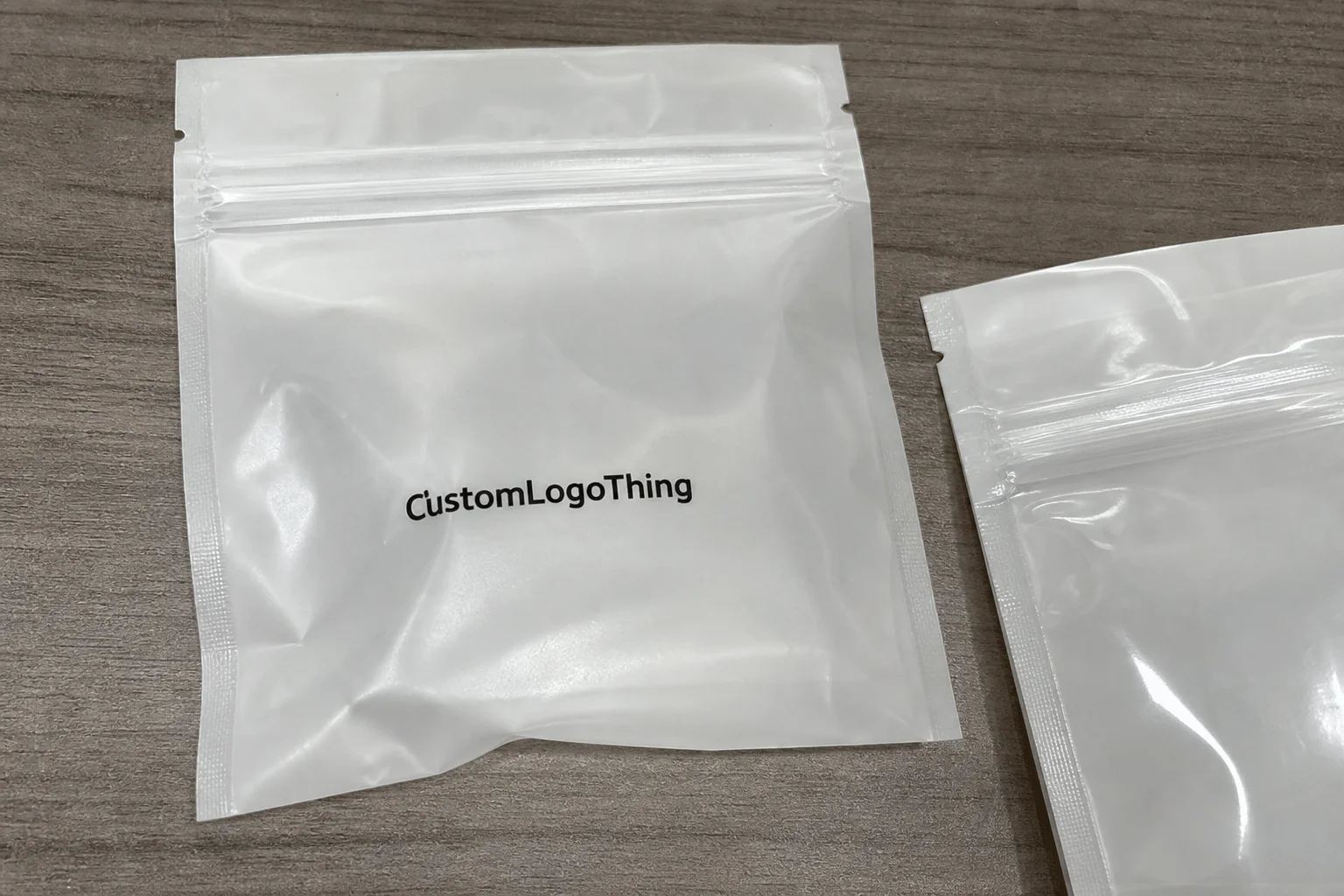
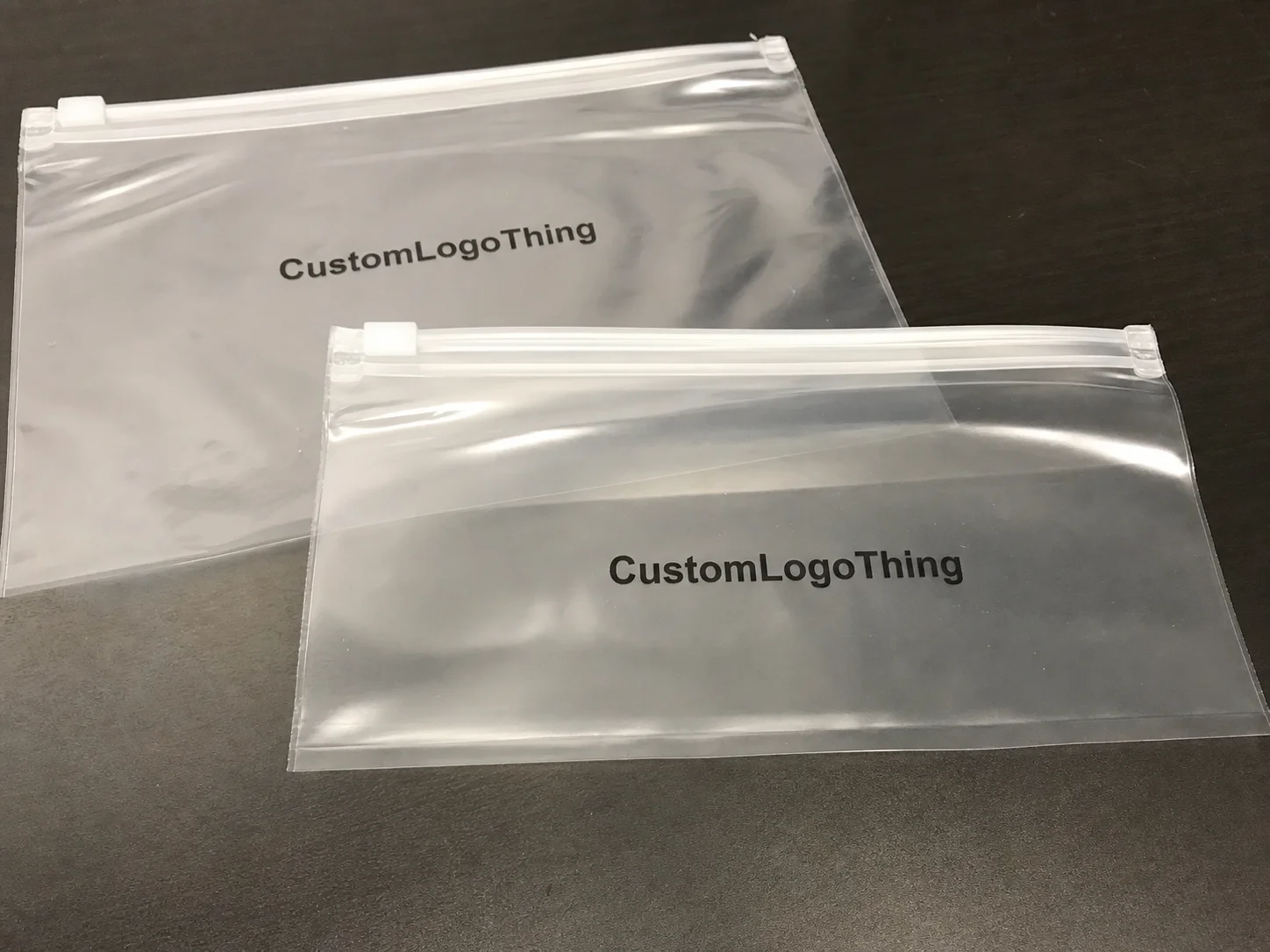
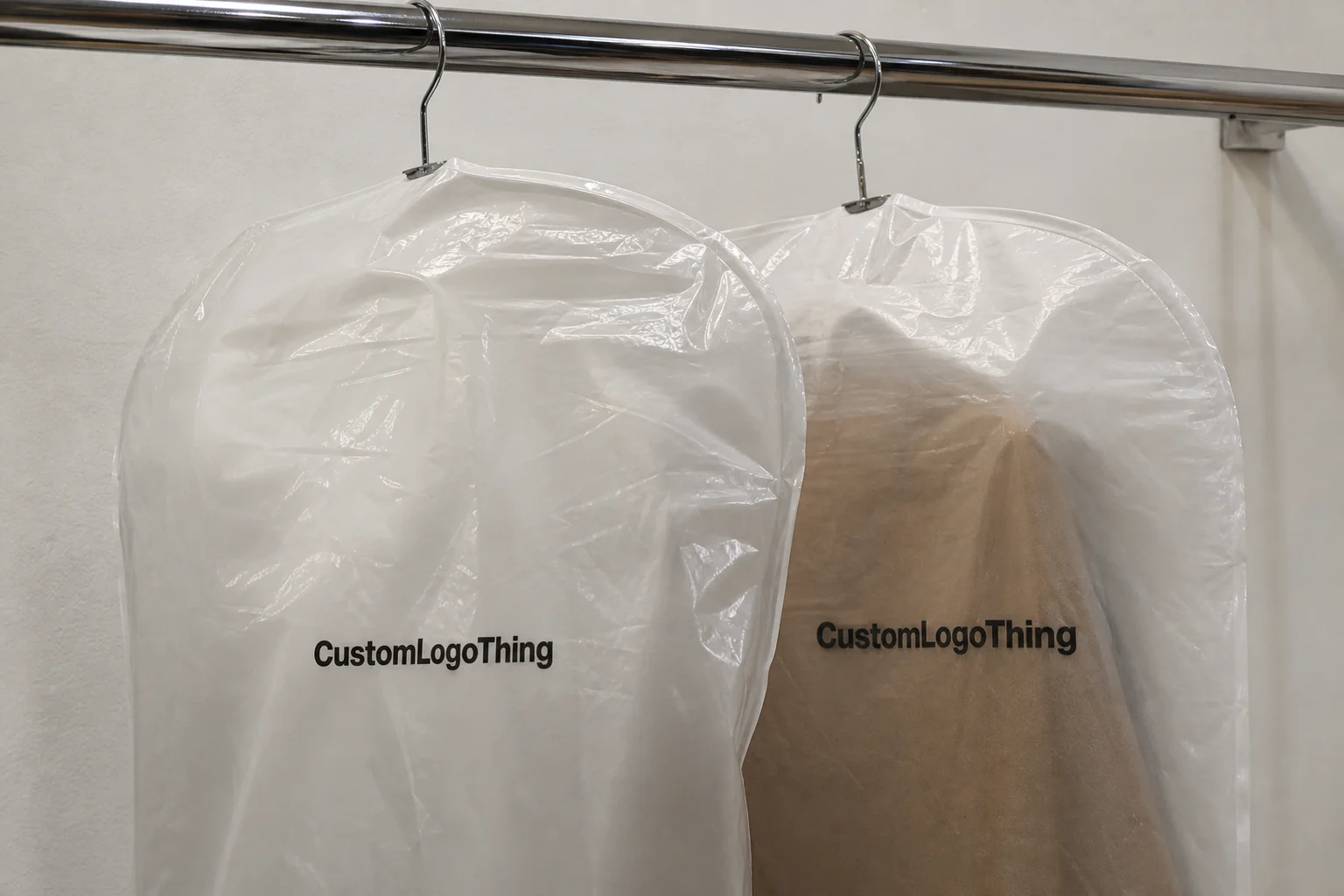
Buyer Fit Snapshot
| Best fit | printed poly mailers practices tested for packaging buyers comparing material specs, print proof, MOQ, unit cost, freight, and repeat-order risk where brand print, material, artwork control, and repeat-order consistency matter. |
|---|---|
| Quote inputs | Share finished size, material target, print colors, finish, packing count, annual reorder estimate, and delivery region. |
| Proofing check | Approve dieline scale, logo placement, barcode or warning zones, color tolerance, and any recyclable or compostable wording before bulk production. |
| Main risk | Vague material claims, crowded artwork, or missing packing details can create delays even when the unit price looks attractive. |
Fast answer: Printed Poly Mailers Practices Tested: Film, Closure, Print, and Fulfillment should be specified like a repeatable production item. The safest quote includes material, print method, finish, artwork proof, carton packing, and reorder notes in one written spec.
What to confirm before approving the packaging proof
Check the product dimensions against the actual filled item, not only the sales mockup. Ask for tolerance on folds, seals, hang holes, label areas, and retail display edges. If the package carries a logo, QR code, warning copy, or legal claim, reserve that space before decorative graphics fill the panel.
How to compare quotes without losing quality
Compare board or film grade, print process, finish, sampling route, tooling charges, carton quantity, and freight assumptions side by side. A lower quote is only useful if the supplier can repeat the same color, closure quality, and packing count on the next order.
Printed Poly Mailers best practices are not glamorous, but they save money in very specific ways. I learned that the hard way, standing on a Shenzhen packing line with a carton of beautiful-looking mailers that smeared when a worker rubbed them with a gloved thumb. On screen, the mockup looked sharp. On film, it looked like a printer had sneezed on it. If you want printed poly mailers best practices that actually hold up in shipping, you have to care about film thickness, seal strength, ink adhesion, and artwork simplicity—not just the cheapest quote from a factory in Guangdong or a broker in Los Angeles.
Most brands get seduced by a low unit price and forget the package still has to survive conveyor belts, rain, warehouse handling, and whatever chaos a delivery driver adds for free. That is the first lesson in printed poly mailers best practices. The mailer is a shipping component first and a branding surface second. Ignore that, and you will pay for it in re-ships, complaints, and a very annoying weekend spent explaining why “the bags looked fine on approval.” I have seen a $0.14 per unit bag become a $0.31 problem once you count damaged orders, and the spreadsheet never looks as clever after the second replacement shipment.
I’m Emily Watson, and I spent 12 years in custom printing, including more supplier negotiations than I care to remember. I’ve seen 40-micron film fail on jewelry orders, and I’ve seen 60-micron recycled mailers outperform more expensive glossy stock because the seal held and the print stayed legible. Good printed poly mailers best practices start with a simple idea: test the real material, not the sales sample in someone’s polished catalog. Honestly, I think that one habit would save half the packaging headaches I’ve witnessed, including a batch of 8,000 mailers that needed rework after a 1 mm registration drift made the logo sit crooked on every third piece.
Quick Answer: Printed Poly Mailers Best Practices That Actually Matter
The short answer? The best printed poly mailers best practices balance film thickness, seal strength, ink adhesion, and artwork restraint. Not low price. Not a flashy render. Not “the factory says it’s fine.” I’ve sat through enough factory QA checks in Shenzhen and Dongguan to know that if the substrate is wrong, the print quality can be perfect and the mailer still fails in transit. That is how brands end up paying twice, once for the original order and again for the replacement run at $0.18 to $0.27 per unit.
Here’s the mistake I see constantly: brands treat a mailer like free advertising space. Cute idea. Expensive lesson. A mailer has to move through sorting machines, get stacked under other boxes, and sometimes sit in a wet loading dock for an hour. Printed poly mailers best practices mean designing for abuse first, then branding second. If the logo survives but the pouch splits at the side seam, the customer does not care how pretty your Pantone was. They care that their order arrived in one piece, preferably before the next business day cutoff.
When I visited a contract pack-out facility in southern China, one apparel client had ordered a thin, 0.05 mm mailer with a full-coverage gradient print. It looked amazing in the proof. On the floor, the print cracked at the fold line after a few bends, and the seal started peeling where the ink sat too close to the edge weld. We switched them to a 0.06 mm co-extruded film, simplified the art to one bold logo, and the return complaints dropped within two shipments. That’s printed poly mailers best practices in real life: boring decisions, better outcomes, and fewer late-night emails from a warehouse manager in Newark.
The first rules I give clients are simple and measurable:
- Choose the right mil thickness or micron gauge for the contents; 50 to 60 microns is a common starting point for apparel.
- Use bold logos and high-contrast art so a 1-color print still reads at arm’s length.
- Avoid tiny type, hairline rules, and busy gradients that collapse on flexible film.
- Proof on the actual film, not on paper, because gloss and matte films shift color differently.
- Check seal quality with a drop test from 1 meter and an abrasion check over 20 to 30 rubs.
If you want a fast preview of what I’ll compare here, it’s this: budget stock-printed mailers, fully Custom Printed Poly Mailers, recycled-content options, timing, and Cost Per Unit. I’ll also be blunt about where it’s smart to save money and where cheap mailers become expensive after damage, reprints, and customer service tickets. That is the difference between pretty packaging and functional packaging, and it shows up fast when you ship 1,000 orders from a warehouse in Los Angeles or Atlanta.
Printed Poly Mailers Best Practices: Top Options Compared, What to Buy, and Why
There are three common paths for brands: stock-printed mailers, custom-printed mailers, and recycled-content poly mailers. Each one can fit a different business model. Printed poly mailers best practices do not say “buy the most premium thing.” They say buy the option that matches your product weight, brand promise, and order frequency. A startup shipping 300 orders a month in Austin does not need the same spec as a subscription brand moving 20,000 units from a fulfillment center in Nashville.
Stock-printed mailers are the cheapest and fastest. These are pre-made designs with generic branding or small customization zones. I’ve seen them work well for early-stage DTC brands that ship 200 to 800 orders a month and need something presentable without spending $2,500 on setup. The downside is obvious: limited branding, limited sizes, and not much room for a polished identity. If your brand lives on consistency, this can feel sloppy, especially when the only size available is 10 x 13 inches and your hoodie line really wants a 12 x 15.
Custom-printed mailers are the main event. You choose film, size, colors, finish, and artwork coverage. They are the standard choice for apparel, beauty, and subscription brands that want the shipping bag to do some selling. Good printed poly mailers best practices usually point here because the logo, color blocking, and message can be designed to survive the realities of shipping. The tradeoff is setup cost, longer lead time, and more decisions that can go wrong if nobody checks them carefully. A typical first run often lands at $0.18 to $0.48 per unit depending on quantity, with 5,000 pieces usually pricing better than 3,000 by several cents per bag.
Recycled-content poly mailers are getting more attention, and for good reason. If you want to reduce virgin plastic use, this is a more credible step than pretending a glossy “eco” sticker fixes the world. But I’m not here to hand out moral medals. Recycled-content films can vary a lot in clarity, strength, and print consistency. I’ve had one batch of post-consumer-content mailers that ran beautifully and another that had color variation across the roll because the resin blend was inconsistent. Printed poly mailers best practices mean verifying the supplier’s actual material spec, not just trusting the label. Ask for the resin percentage, target caliper, and whether the film is co-extruded or mono-layer before you approve the run.
Here’s a quick buying comparison I use with clients:
| Option | Typical MOQ | Price Range | Best For | Main Risk |
|---|---|---|---|---|
| Stock-printed mailers | 500–1,000 pieces | $0.10–$0.22/unit | Startups, promo launches | Generic branding, limited fit |
| Custom-printed mailers | 3,000–10,000 pieces | $0.18–$0.48/unit | DTC, apparel, subscription | Setup cost, proof errors |
| Recycled-content mailers | 5,000+ pieces | $0.22–$0.55/unit | Sustainability-led brands | Variable strength or print finish |
For buying channels, I’ve worked with smaller domestic converters in Ohio and New Jersey, overseas factories in Shenzhen and Dongguan, and hybrid sourcing setups where art is managed locally and production happens offshore. None is automatically better. A domestic converter can save your launch if you need a reprint in 7 business days. An overseas factory can beat the price by 20% to 35% if you have the time and the team to manage samples carefully. Printed poly mailers best practices are about fit, not ideology, and the right answer often depends on whether your warehouse is in Denver, Miami, or a 3PL outside Chicago.
I also want to call out print styles. Full-color coverage looks premium, but it increases the risk of color drift and adds pressure on the proofing process. One-color prints are boring in the best way. Minimal-logo styles are often the smartest option for apparel and accessories, especially if you want the product to feel premium without making the mailer look like a billboard. If your artwork needs six shades and a gradient sunset, I’d ask whether that belongs on a flexible bag at all. On a 60-micron poly mailer, even a great gradient can band if the press pressure shifts by a fraction.
Detailed Reviews of Printed Poly Mailers Best Practices by Use Case
Printed poly mailers best practices change depending on what you ship. A lightweight t-shirt does not need the same film or seal performance as a boxed cosmetic kit with glass bottles. A subscription bag moving through weekly fulfillment has different abuse than a seasonal promo order. I know that sounds obvious, but I’ve watched brands use the same mailer for everything and then act surprised when the seams fail on heavier bundles. A 250 g accessory order and a 900 g knitwear bundle are not asking the same thing from the same film.
Apparel orders
For apparel, I usually recommend a mid-thickness film in the 50 to 60 micron range, or roughly 2 to 2.5 mil depending on the converter’s spec. That’s usually enough for tees, hoodies, and lightweight knitwear if the sizing is right. Printed poly mailers best practices for apparel also mean choosing a size that gives the garment just enough room without too much slack. Too much empty space creates sloppy packages and invites punctures from corners or zippers. A 10 x 13 inch bag might be fine for a folded tee, while a 12 x 15 inch format is safer for a hoodie packed with a hangtag and tissue.
Art should stay bold. One strong logo. Maybe a short URL. Maybe a one-line brand message. I have a client who insisted on a QR code and tiny care text on the back flap. We tested it. On a glossy film, the code scanned poorly once the package got scuffed. The care text was unreadable after one abrasion cycle. We removed both and saved them from paying for a “premium” bag that did less marketing than a plain insert card. That was one of those moments where I had to bite my tongue, because the design looked lovely in the deck and absolutely ridiculous on the bench. A simple 2-color print would have done the job for 5,000 pieces at a much cleaner price.
Cosmetics and beauty kits
Beauty orders are trickier because leakage and crush risk go up fast. If there’s glass, pumps, or a rigid component, I push for stronger film and tighter seals. Printed poly mailers best practices here include testing for puncture resistance, because a cute mailer won’t matter if a serum bottle punches through it before it reaches the customer. I’ve seen brands lose an entire influencer launch because a single broken bottle coated 40 other orders in the same tote. One cracked 30 mL glass dropper bottle can ruin enough product to erase the savings from a cheaper bag in one afternoon.
For cosmetics, I prefer high-contrast print and a matte finish if the brand leans premium. Gloss can look loud. Matte hides scuffs better. Still, there’s a tradeoff: matte finishes can show fingerprints during packing if the line is not clean. That’s not a packaging flaw; that’s a process issue. The bag is doing its job. Your packing station just needs better housekeeping, ideally with a clean table, lint-free gloves, and a 15-minute QC check at the start of each shift.
Accessories and small hard goods
Accessories—belts, socks, small pouches, tech accessories—can work beautifully in printed poly mailers if the product edges are managed. Use an inner tissue or a small protective sleeve if the item has hardware. Printed poly mailers best practices for accessories also mean keeping branding simple because small items already feel premium when the mailer is clean and well-sized. Oversized art can actually cheapen the look. A clean logo on a 45 to 50 micron bag is often enough for wallets, phone cases, and small fabric goods.
Subscription boxes and recurring shipments
Recurring shipments demand consistency. If your customers get a package every month, tiny print drift becomes a brand issue. Printed poly mailers best practices here should include a locked dieline, archive sample, and a documented material spec. I worked with a subscription brand that changed suppliers to save $0.03 per unit and then spent far more correcting color variations between boxes. That’s the sort of spreadsheet decision that looks clever for about five minutes, especially when the cost of one reprint in Long Beach wipes out the savings from the first 10,000 units.
Durability testing should never be skipped. I like three checks: a basic drop test from waist height, an abrasion rub on the print area, and a seal pull test. If the ink smudges under friction or the seal opens after a 2-foot drop, the order is not production-ready. For third-party references, look at ISTA transit test methods and ASTM materials guidance through ISTA and ASTM. Those standards do not pick your supplier, but they do keep wishful thinking out of the room. A supplier in Ningbo can promise a lot in a PDF; the drop test tells the truth in under five minutes.
One more thing: sustainability claims need caution. Recycled-content is not the same as compostable, and compostable is not the same as magically safe for every waste stream. I’ve had clients get burned by vague eco claims that sounded great in sales decks and created confusion in customer support. If you want to speak credibly, check the actual resin content, certifications, and how the material is accepted in your target market. The EPA has useful context on packaging and waste systems, and it’s better than repeating marketing fluff from a supplier PDF. A line item that says “eco” means very little without a documented percentage, such as 30% post-consumer resin or a named certification.
“We thought the cheapest bag would be fine. Then we lost 3% of the order to tears and wet corners. Sarah made us switch to a thicker film, and the complaints stopped.” — a client during a post-launch review, after we compared two sample runs
That conversation happened after a very ordinary factory visit where the supplier kept waving a glossy render and I kept asking for the caliper reading. Guess which one mattered. Printed poly mailers best practices are often that unromantic. A 0.06 mm film with a proper seal width beats a prettier mockup almost every time.
Printed Poly Mailers Best Practices for Price and Value
Price gets attention because everyone has a budget. Fair. But printed poly mailers best practices for price and value mean looking at the full landed cost, not just the quote from the factory email. A bag that costs $0.14/unit can become $0.21 or more once you add shipping, duties, rework, and the occasional emergency freight charge because someone approved the wrong artwork revision. I have seen one 6,000-piece order jump from $840 to nearly $1,450 after air freight from Shenzhen and a color correction run were added late.
Here’s how I break it down. First, film cost. Thicker film costs more because you’re paying for resin weight. Second, print setup. One-color printing is cheaper than four-color coverage, and large print areas often need more careful registration. Third, tooling or plates/screens, depending on the process. Fourth, freight. A pallet moving from Guangdong to Los Angeles is not free, no matter how politely a quote hides the line item. Fifth, overhead. That includes cartons, inner packing, and labor, which can add 8% to 15% before the bags even leave the port.
For real-world pricing, I usually see these rough bands for printed poly mailers best practices discussions:
- Basic stock-printed options: $0.10–$0.22/unit at lower MOQs.
- Mid-tier custom runs: $0.18–$0.48/unit depending on size, colors, and gauge.
- Premium heavy-duty options: $0.35–$0.60/unit for thicker film, recycled content, or more complex print.
Those numbers move around fast. MOQ matters. If you order 3,000 pieces instead of 10,000, the unit cost rises because setup is spread across fewer units. Two-color art is usually cheaper than full-coverage design. A 60 micron film may add a few cents over 45 micron, but it can also cut damage rates enough to pay for itself. That is where printed poly mailers best practices stop being theory and start saving money. For one apparel client, moving from 45 micron to 60 micron raised the bag cost by $0.04 and cut damage-related reships by 2.1%, which was a better trade than any marketing slogan.
Let me give you a practical comparison. A brand I worked with in the accessories space was deciding between two options: a $0.19/unit thin mailer and a $0.27/unit thicker custom bag. The cheaper bag looked like a win until we estimated breakage and replacement costs. Even a 1.5% damage rate added more than the price gap once customer service, reshipment, and lost repeat orders were included. The “cheap” choice was not cheap. It was just delaying the bill, which arrived later in the form of 46 refund requests and one stern email from a wholesale buyer in Minneapolis.
Watch for hidden costs too:
- Artwork revisions when the vendor’s template is not followed.
- Color corrections if the first proof misses the brand tone.
- Split shipments that add extra domestic freight or warehouse labor.
- Reprints if the sample was approved too quickly.
- Slow replacements when the holiday rush hits and inventory is empty.
If you’re building a packaging budget, compare printed poly mailers with other Custom Packaging Products rather than treating the mailer as an isolated line item. Sometimes the smarter move is a cleaner bag and a better insert card, not a heavy, overdesigned mailer that burns cash in print setup. A 350gsm C1S artboard insert, for example, may do more brand work than adding three extra spot colors to a shipping bag that nobody reads closely.
Printed Poly Mailers Best Practices for Process and Timeline
Good printed poly mailers best practices include process discipline. The ordering path usually runs like this: request a dieline, build artwork, approve a digital proof, approve a physical sample, produce the run, then ship and receive. Simple on paper. Messy in practice. The delays almost always happen at three points: artwork approval, color matching, and film sourcing. A supplier in Shanghai can have the press ready and still sit idle for two days because someone wants to move a logo 3 mm to the left.
For first orders, I tell clients to plan for 12 to 18 business days after proof approval for production, plus freight time. If you need a sample, add another 5 to 10 business days, depending on the supplier and whether they already have your exact size in the line. If the order is going before a launch or a holiday push, add buffer. Not “if possible.” Add it. A typical first shipment from proof approval to delivery into a U.S. warehouse can land at 12 to 15 business days for production plus 3 to 7 business days for ocean or domestic freight, depending on where the factory is located.
I once had a client try to launch a capsule apparel drop using a new print file approved at 11:40 p.m. on a Friday. The artwork had a dark background, but the logo was sitting too close to the fold line. The factory flagged it, the client ignored it, and the first batch came back with a faint crease through the mark. Two weeks later, we reworked the art and lost the original shipping window. That is printed poly mailers best practices getting ignored in real time. I was irritated enough that I remember pacing around my kitchen muttering at the screen, which is not a great look, but it was accurate to the moment.
To speed things up without sacrificing quality, I use this checklist:
- Confirm finished mailer dimensions and product weight before art starts.
- Ask for a physical sample, not only a PDF proof.
- Keep logos at least 10–12 mm away from fold and seal areas.
- Use Pantone references or approved CMYK values, and be realistic about film color shift.
- Approve one clear version of the artwork, not three “almost final” files.
- Request a plain-language production timeline with dates for sample, approval, and ship.
For sustainability-focused orders, ask the supplier for documentation before production starts. FSC references are more relevant to paper packaging than poly film, but if you are sourcing packaging components across the board, it helps to keep your sustainability claims organized. The Forest Stewardship Council is a solid reference for paper-based packaging materials, and it’s better to use the right standard than to pretend everything is the same. It is not. If your insert card uses 350gsm C1S artboard from a plant in Dongguan, that should be documented separately from the poly bag spec.
How to Choose the Right Printed Poly Mailers for Your Brand
The easiest way to choose is to start with five questions: What are you shipping? How much does it weigh? How rough is the journey? How much branding do you need? How often do you reorder? Those answers tell you most of what you need for printed poly mailers best practices, and they usually answer more than a sales rep’s ten-slide deck ever will.
If the contents are light, flat, and low-risk, you can often use a mid-thickness mailer with simple branding. If the contents are heavy, awkward, or fragile, move up in thickness and seal strength before you spend money on art. I’ve seen brands obsess over spot gloss and forget the actual bag was too small by 15 mm. That is backwards. Printed poly mailers best practices start with fit. A bag that is 2 inches too tight can stress side seams, while one that is 3 inches too loose can make a product slide around and puncture itself on a zipper.
Here’s the framework I use:
- Product weight: under 250 g, 250–500 g, or 500 g+.
- Shipping conditions: local, domestic, or long-distance with multiple handoffs.
- Brand style: minimal, premium, playful, or loud.
- Budget: launch, growth, or scale.
- Order frequency: one-off campaign or recurring replenishment.
For finish, matte tends to look more upscale and hides scuffs. Glossy can make colors pop, but it also shows scratches faster. If you ship directly to consumers and the bag is part of the unboxing moment, matte is often the safer bet. If you need bright brand visibility from across a warehouse shelf in Phoenix or Philadelphia, glossy might be worth the tradeoff. That’s one of those printed poly mailers best practices decisions that depends on the brand, not on a generic rule. A matte 60 micron bag with a 1-color print often photographs better than a glossy 4-color bag after three days in transit.
Fit matters more than people think. Too tight, and you stress the seam. Too loose, and the contents shift, which can create punctures or a messy presentation. When I sourced poly mailers for a lifestyle brand with mixed SKUs, we ran two sizes side by side for 500 orders each. The smaller bag looked neater but caused seam stress on bulkier items. The larger bag reduced damage and packed 18 seconds faster per order. That sounds tiny until you multiply it by 10,000 units, which is 50,000 seconds or nearly 14 warehouse hours saved.
And yes, I still recommend comparing your mailer choice to Custom Poly Mailers options directly, because the “right” bag often depends on whether you want a plain utility mailer or a fully branded presentation piece. If a mailer has to sell the brand, pick higher print quality. If it only has to survive shipping, prioritize durability first. That rule saves people from a lot of expensive overthinking, especially when they are choosing between a 45 micron stock bag and a 60 micron custom run for 5,000 pieces.
Simple decision rule: if the package will be photographed, shared, or used as part of the unboxing story, invest in print quality and finish. If it is mostly a transport vessel, put the money into film strength, seal width, and correct sizing. Printed poly mailers best practices are about deciding which problem matters more in your specific use case, not about chasing the fanciest catalog image.
Our Recommendation: The Best Printed Poly Mailers Best Practices to Follow Now
If you want my honest recommendation, the best setup for most brands is a sturdy film in the 50 to 60 micron range, a simple bold artwork layout, a physical sample approved on the actual substrate, and supplier communication documented before production starts. That combination covers the biggest risks without turning the order into a science project. Printed poly mailers best practices do not need to be complicated. They need to be disciplined, and discipline is usually cheaper than heroics.
For startups, I’d keep the design minimal and order a smaller test run if the supplier allows it. For growth brands, I’d move into Custom Printed Mailers with a locked dieline, one or two brand colors, and a clear reordering plan. For premium brands, I’d step up the film, validate the print finish, and run shipping tests before signing off. That’s how you avoid paying for a pretty mistake. A premium mailer with a 0.06 mm film, a matte finish, and a clean 2-color print can outperform a busy full-wrap design that looks impressive for one week and then scuffs in the warehouse.
These are my top three non-negotiables:
- Sample approval on actual film, not a digital mockup.
- Shipping-test validation using drop and abrasion checks.
- Color proofing against the real material, not just a paper swatch.
If you are ready to order, gather these details first: product dimensions, product weight, target quantity, preferred finish, and your acceptable landed cost. Then ask for two thickness options and one alternate artwork layout. Compare the total landed cost, not only the quoted unit price. If you’re working with a supplier who gets annoyed by that request, that tells you more than the sample ever will. I always trust the supplier who doesn’t flinch when I ask one extra question, especially if they can tell me the exact lead time from proof approval to shipment, such as 12 to 15 business days.
One final factory-floor anecdote. I once stood next to a print operator in a facility near Shenzhen while he adjusted registration by less than 1 mm. That tiny movement fixed a logo misalignment that would have made 8,000 mailers look sloppy. Everyone in the room acted like it was ordinary. It was not ordinary. It was the difference between a credible brand package and something customers would notice for the wrong reason. Printed poly mailers best practices live in those tiny corrections, the ones that do not sound exciting until they save a batch worth $1,600 to $3,800 in one afternoon.
If you want the simplest path forward, request a sample set, compare one budget option and one premium option, and look at damage risk before you chase the lowest quote. That is how I would buy if I were spending my own money again. Follow printed poly mailers best practices before you spend real cash, because the cheapest bag in the spreadsheet is often the most expensive bag in the warehouse. And if a supplier promises perfection without samples, I’d run—not walk—away, especially if the quote is oddly vague about film thickness, ink type, or where the bags are actually manufactured.
FAQ
What are the most important printed poly mailers best practices for small brands?
Use simple, high-contrast artwork that prints cleanly on flexible film, choose enough thickness to prevent tears and punctures during shipping, and always approve a physical sample before placing a full production order. If your team is small, that last step matters even more because there is less room to absorb a bad batch. A 3,000-piece mistake at $0.19 per unit is hard to ignore when the warehouse in your 3PL has already scheduled the carton count.
How thick should printed poly mailers be for clothing orders?
Light apparel usually works well in the mid-thickness range, while heavier or bulkier garments need a tougher film and stronger seal. If you are unsure, test two thicknesses and compare damage rates, not just price. A difference of $0.03 to $0.06 per unit can be cheaper than replacing even a small percentage of damaged orders. For many t-shirt programs, 50 micron is enough; for hoodies or layered sets, 60 micron is usually safer.
Are printed poly mailers better than plain mailers with labels?
Printed mailers usually look more professional and can reduce the need for extra branding materials, while plain mailers with labels are more flexible for small runs or fast-changing promos. The better option depends on your order volume, branding needs, and budget. I’ve seen both work well when the decision matches the business model instead of someone’s aesthetic preference. If you ship 500 pieces, labels may be smarter; if you ship 5,000 every month, printed bags usually make more sense.
How long does custom printed poly mailer production usually take?
Sampling, artwork approvals, and production all add time before shipment. Revisions and color matching are the most common reasons orders slow down. Build extra buffer time into launches so you are not paying for panic shipping, which is usually the fastest way to erase any savings from the order. A normal path is 5 to 10 business days for sampling and 12 to 15 business days from proof approval to production completion, before freight.
What should I compare before ordering printed poly mailers in bulk?
Compare unit price, shipping cost, minimum order quantity, and film thickness. Check print quality on an actual sample, not just a mockup. Factor in replacement risk, because cheap mailers can become expensive if they fail in transit. That is the part people forget, and it is usually the part that shows up in customer service. If a supplier can’t tell you the caliper, resin type, and lead time in business days, keep looking.