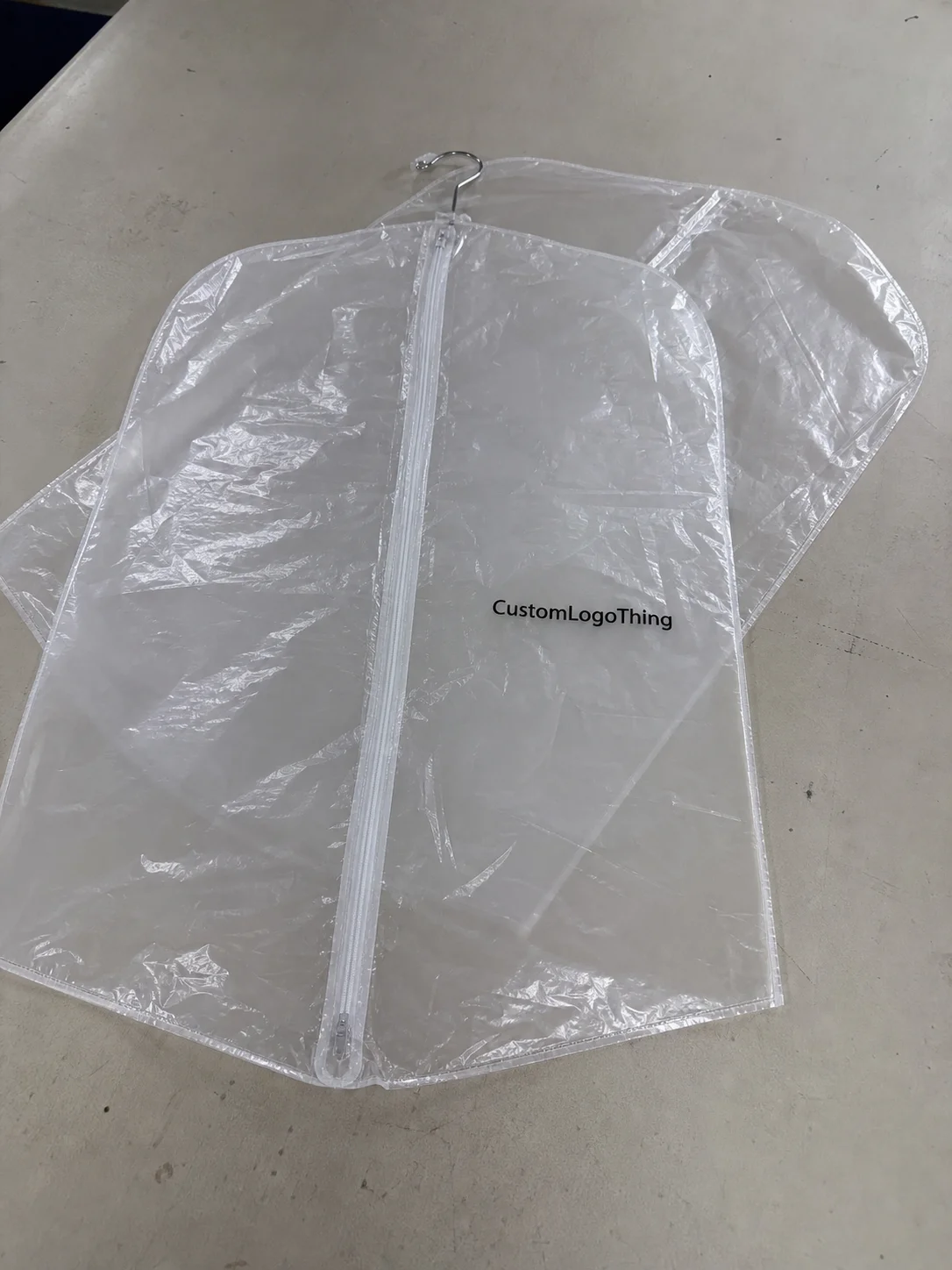
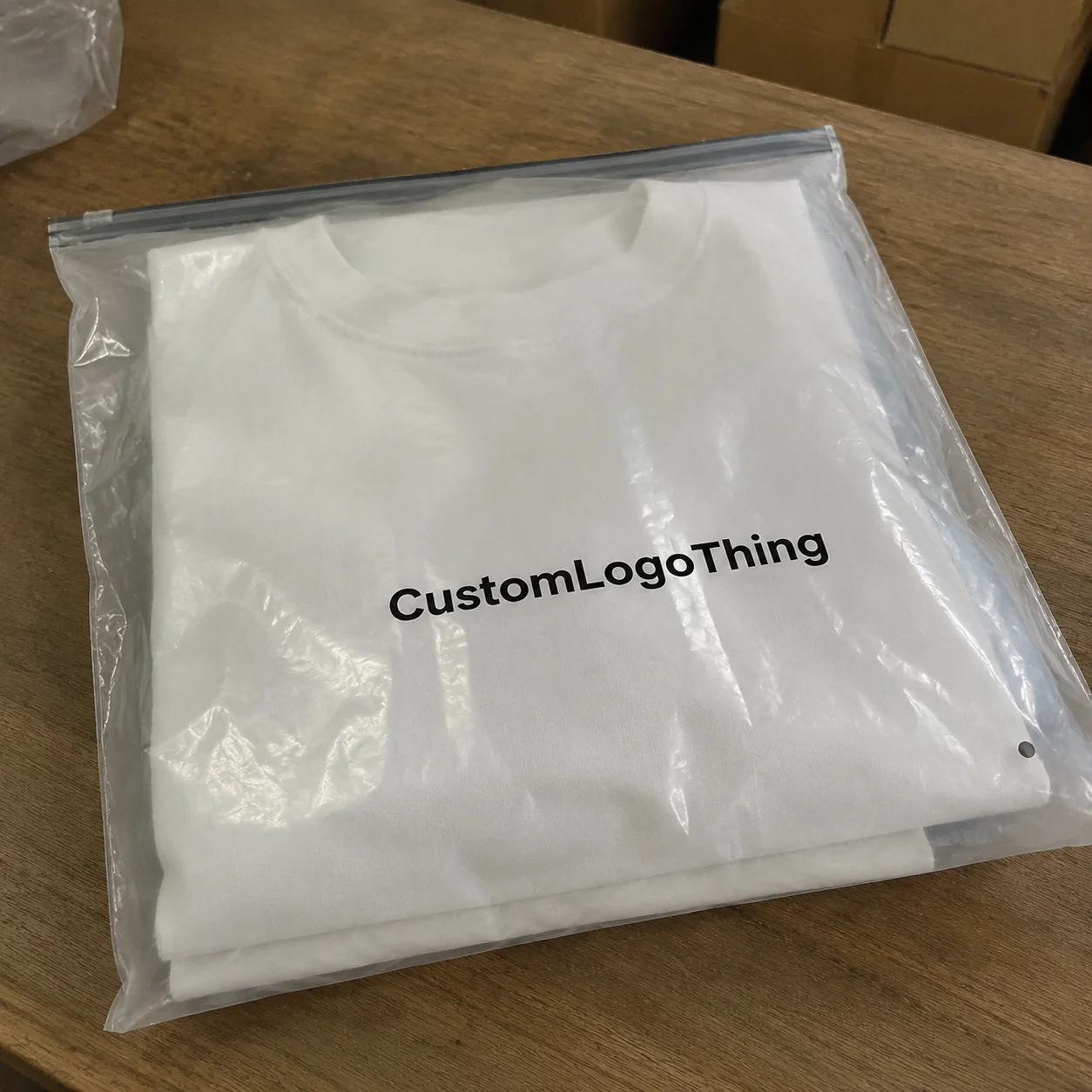
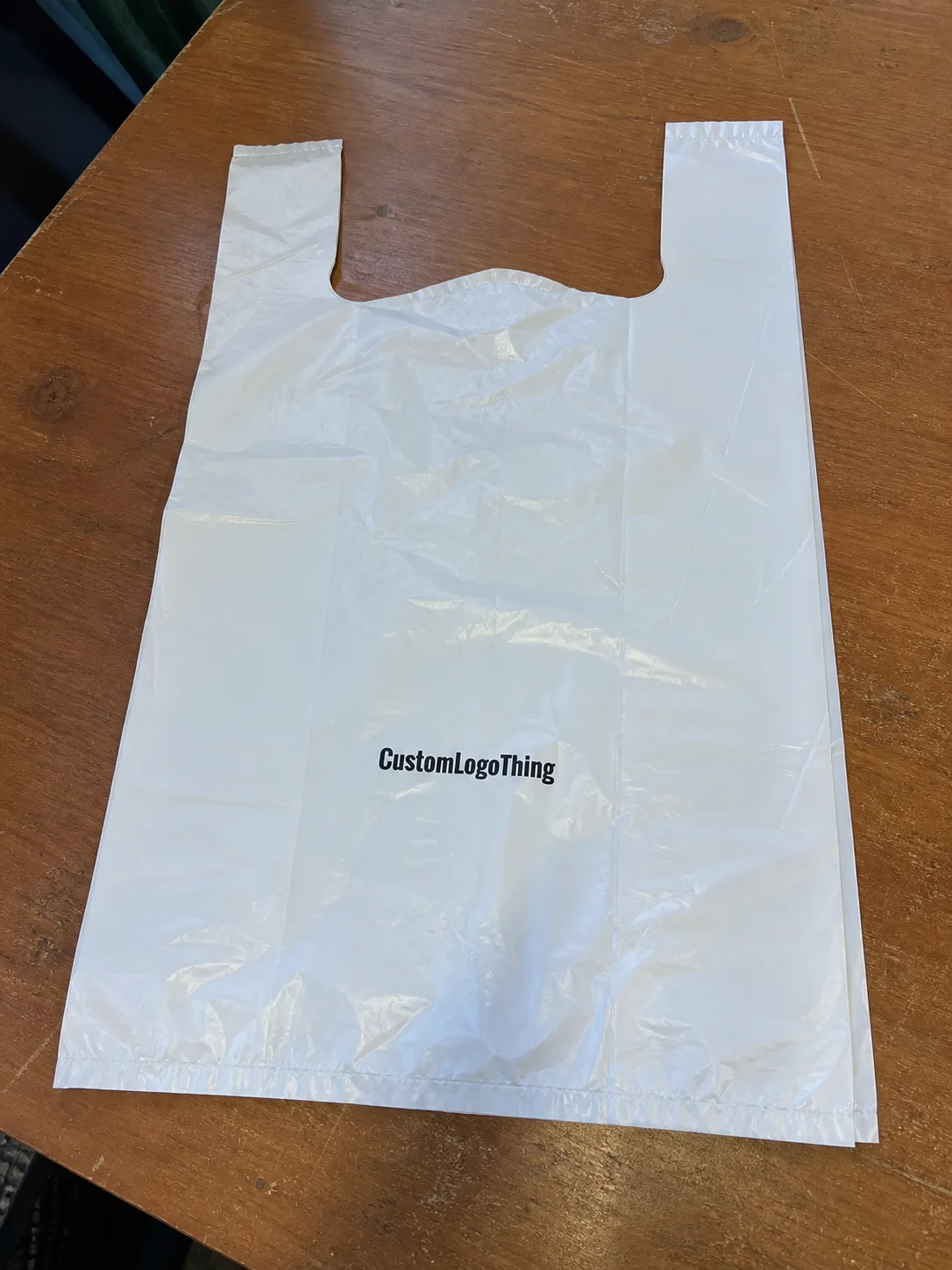
Buyer Fit Snapshot
| Best fit | Minimalist Branded Poly Mailers for Boutiques projects where brand print, material claims, artwork control, MOQ, and repeat-order consistency need to be specified before quoting. |
|---|---|
| Quote inputs | Share finished size, material target, print colors, finish, packing count, annual reorder estimate, ship-to region, and any compliance wording. |
| Proofing check | Approve dieline scale, logo placement, barcode or warning zones, color tolerance, closure strength, and carton packing before bulk production. |
| Main risk | Vague material claims, crowded artwork, missing packing details, or unclear freight terms can make a low unit price expensive after revisions. |
Fast answer: Minimalist Branded Poly Mailers for Boutiques should be specified like a repeatable production item. The safest quote records material, print method, finish, artwork proof, packing count, and reorder notes in one written spec.
Production checks before approval
Compare the actual filled-product size with the drawing, then confirm tolerance on folds, seals, hang holes, label areas, and retail display edges. Reserve space for logos, QR codes, warning copy, and material claims before decorative graphics fill the panel.
Quote comparison points
Review material grade, print process, finish, sampling route, tooling charges, carton quantity, and freight assumptions side by side. A quote is only useful when the supplier can repeat the same color, closure quality, and packing count on the next order.
Minimalist Branded Poly Mailers for boutiques are one of those packaging choices that look easy until you actually try to get them printed, packed, shipped, and remembered by customers. I remember standing on a factory floor in Shenzhen while a buyer held up two samples — one busy with three fonts, gold foil, and a giant pattern, and the other a single-color logo on matte gray film — and the second one was the one people remembered three hours later. That’s the funny part. Minimalist branded Poly Mailers for Boutiques do not need to shout to work. They just need to look intentional, clean, and expensive enough to match the brand story without forcing you into box-level costs. Honestly, I think that is a relief for most boutique owners, because nobody needs packaging that behaves like it’s auditioning for a spotlight. A solid custom run from a factory in Shenzhen or Dongguan can still start around $0.15 per unit for 5,000 pieces if the artwork is simple and the film is standard 2.5 mil PE.
Too many boutique owners overcomplicate packaging because they assume more design equals more premium. It usually doesn’t. In my experience, minimalist Branded Poly Mailers for boutiques perform better when the logo is clear, the type is readable, and the color palette stays disciplined. The customer gets a package that feels polished, the packing table stays efficient, and shipping weight stays low. That matters when you’re sending 300 parcels a week and every extra gram starts quietly eating into margin. A 14 by 19 inch mailer in 3.0 mil film can still weigh under 20 grams, which is a small number that becomes a large number once you ship 12,000 orders. And yes, those grams add up in the most irritating way possible (like lint on black pants, but with invoices).
Minimalist Branded Poly Mailers for Boutiques: What They Are and Why They Work
Define it plainly. Minimalist Branded Poly Mailers for boutiques are plastic shipping mailers made from polyethylene film, printed with restrained branding such as a logo, a short tagline, a return address, or a single accent graphic. No visual chaos. No screaming pattern across the whole bag. No five-color confetti situation. Just clean branding that says, “This came from a boutique that knows what it’s doing.” A practical production spec is usually LDPE or co-extruded PE at 2.5 mil to 4.0 mil, with a self-seal flap and a pressure-sensitive adhesive strip that closes in one press.
I visited a packaging supplier outside Dongguan where the sales manager had lined up six mailer samples for a small fashion brand. The client kept leaning toward a more complex design with a metallic background and scattered icons, but the factory crew was quietly pointing to the plain one-color version. Why? Because the simple mailer was easier to read from six feet away, photographed better on receiving tables, and got recalled by customers in a follow-up email survey. The client later told me the single-color sample drove more brand recognition than the busier design. Not sexy. Effective. That’s usually the point with minimalist branded poly mailers for boutiques, especially when the print area is only 8 by 10 inches on a 14 by 19 inch bag.
Minimal does not mean boring. That’s the mistake. Boring is accidental. Minimal is edited. A well-made minimalist branded poly mailer for boutiques can use a soft neutral background, sharp typography, and a logo placed with enough breathing room that it feels deliberate. A bad one looks like the brand forgot to finish the artwork. There’s a difference, and customers can feel it even if they can’t explain why. A matte white or soft taupe finish printed with one Pantone spot color often feels more composed than a glossy rainbow design, even when the unit price is just $0.02 higher.
The customer experience is part of the reason boutiques love this format. The mailer is lightweight, easy to stack, and fast to seal. That saves seconds on every order, which sounds trivial until you’re packing 120 orders before lunch. Minimalist branded poly mailers for boutiques also create a cleaner unboxing moment. The package opens fast, the contents are protected, and the presentation stays aligned with modern boutique branding — especially for apparel, accessories, swimwear, or soft goods that don’t need a rigid box. A packer in Los Angeles can usually close 40 to 60 mailers an hour with a simple tear-and-seal flap, compared with the slower cadence of folding cartons and inserts.
For boutiques that want polished packaging without the cost of folding cartons, rigid boxes, or custom inserts, minimalist branded poly mailers for boutiques are a practical middle ground. They look considered. They ship efficiently. They don’t pretend to be something they’re not. In production terms, they also print faster: a one-color flexo job in Guangzhou or Wenzhou may run in a single shift, while multi-part box packaging can take several days of separate assembly and drying time.
How Minimalist Branded Poly Mailers for Boutiques Work in Real Shipping
At the core, these mailers are simple. Most are made from low-density or co-extruded polyethylene film, usually in thicknesses around 2.5 mil to 4.0 mil depending on how much puncture resistance you need. The adhesive strip is typically a strong pressure-sensitive seal with a tear-off liner. Printing is applied by flexographic or gravure methods, and for very short runs some suppliers use digital or screen-print approaches. If you want a technical standard to anchor your quality checks, I’ve often referenced the ISTA test methods for parcel handling and the material guidance commonly aligned with ASTM packaging practices. For boutique orders shipped from Shenzhen to Los Angeles, that combination usually means a 12 to 15 business day production window after proof approval, plus transit time.
Here’s the shipping journey in plain English. Your team folds the garment or accessory, adds a tissue wrap or insert card if needed, slides it into the mailer, removes the liner, seals the adhesive flap, and prints the label. Then the package gets tossed into the carrier stream, where it will be compressed, dragged, stacked, and sorted by machines that do not care about your brand story. That’s why minimalist branded poly mailers for boutiques work so well. They stay visible even after the package has been handled by four different people and one very unconcerned belt conveyor. A 12 by 16 inch mailer that ships a folded blouse from Chicago to Dallas has the same branding impact whether it travels 800 miles or 8 miles.
Finish matters more than people think. Matte film usually feels more restrained and upscale, which suits minimalist branded poly mailers for boutiques very well. Soft-touch finishes can feel even more premium, though they usually increase unit cost. Glossy film reflects more light and can make small logos harder to photograph cleanly, but it can work for brighter, more playful brands. I’ve seen a white glossy mailer with black print look fresh and clean; I’ve also seen glossy film make a beautifully designed logo look like it was printed on a shower curtain. So yes, finish matters. A soft-touch laminated film can add roughly $0.04 to $0.09 per unit, depending on order size and factory location.
The branding itself should stay simple. A logo on one side. A small return address block. Maybe a one-line tagline if it is short enough to read at arm’s length. If you add too many elements, minimalist branded poly mailers for boutiques stop feeling intentional and start feeling crowded. The sweet spot is usually one strong visual anchor and a lot of negative space. On a 14 by 19 inch bag, a centered logo with 1.5 to 2 inches of breathing room on all sides often reads cleaner than a full-panel design.
- Good minimalist elements: logo, short brand name, one accent line, return address
- Usually too much: patterns, layered icons, multiple slogans, QR codes, social handles, and five fonts
- Best use cases: apparel, scarves, light accessories, beauty samples, flat items, and soft goods
For brands that want to compare packaging formats, I usually suggest reviewing Custom Poly Mailers alongside tissue and label options from Custom Packaging Products. Seeing the whole system prevents you from designing one piece in a vacuum and then wondering why the rest of the packaging looks like it belongs to a different company. A boutique in Austin may prefer a cream mailer, black tissue, and a 2 by 3 inch logo sticker, while a brand in Miami might choose white film, sand-colored print, and a satin insert card.
“The best packaging doesn’t demand attention. It earns it.” I said that to a boutique owner in Guangzhou after she tried to cram three metallic effects onto a mailer that was supposed to feel minimalist. We printed both versions. The simpler one won.
Key Factors to Choose Minimalist Branded Poly Mailers for Boutiques
Size comes first. Always. Minimalist branded poly mailers for boutiques should be selected based on the packed product, not the item sitting flat on your desk. A blouse that measures 12 by 10 inches can still need a 14 by 19 inch mailer once folded, wrapped, and paired with a thank-you card. If you undersize the mailer, you get bulging seams, wrinkled product presentation, and sometimes a seal that looks stretched and cheap. If you oversize it, you pay for unused material and end up with a package that sloshes around like there’s nothing inside. A 10 by 13 inch mailer is often enough for scarves and small accessories, while 14 by 19 inches fits many folded garments without forcing the closure.
I had a client in Los Angeles who insisted on using one mailer size for every SKU because “simplicity saves time.” Sometimes yes. In that case, no. Their knitwear stacked fine, but the smaller accessories rattled in oversized mailers and looked sloppy by delivery. We moved them to two sizes — 10 by 13 inches for compact items and 14 by 19 inches for folded apparel — and their packing error rate dropped almost immediately. Not glamorous. Just useful. The tote bags were packed in one SKU-specific size, the jewelry in another, and the whole operation ran with fewer rescans at the carrier hub in Ontario, California.
Print style is the next decision. For minimalist branded poly mailers for boutiques, one-color or two-color printing is usually enough. Centered logos work well because they avoid edge distortion when the film shifts during printing. Edge-to-edge coverage can look expensive, but it can also kill the minimalist effect if you’re not careful. If your logo is small and your typography is thin, I’d keep the artwork centered and give it room to breathe. A simple black-on-cream print or white-on-charcoal print is often enough, and it usually keeps setup costs below a full-coverage job.
Pricing changes fast with setup choices. A simple one-color print on a standard film often costs less than a full-coverage design with multiple ink passes. MOQ matters too. Factory-direct suppliers can quote something like $0.18 to $0.42 per unit at 5,000 pieces depending on size, thickness, and print coverage, while brokers may add their own margin on top. That’s not a moral issue. It’s just math. What matters is whether the quote includes plate charges, freight terms, and sample costs. I’ve seen too many “cheap” quotes turn expensive once the paperwork starts. For example, a 14 by 19 inch 3.0 mil mailer with one-color printing in Guangdong can land near $0.15 per unit at 5,000 pieces if plates are already set and freight is excluded.
| Option | Typical Use | Approx. Unit Price at 5,000 pcs | Notes |
|---|---|---|---|
| Plain stock poly mailer | Unbranded shipping only | $0.05–$0.12 | Lowest cost, no custom branding |
| Minimalist branded poly mailers for boutiques, one-color print | Clean boutique branding | $0.18–$0.32 | Best balance of cost and presentation |
| Minimalist branded poly mailers for boutiques, two-color print | Added visual contrast | $0.24–$0.42 | Slightly higher setup and ink cost |
| Full-coverage custom print | Heavy visual branding | $0.30–$0.60+ | More expensive, less minimalist |
Brand consistency is where many boutique owners either get elegant or get messy. Minimalist branded poly mailers for boutiques should match the rest of the packaging system: tissue paper color, sticker shape, thank-you card typography, and any external label design. You do not need every item to match perfectly, but they should feel like siblings, not strangers. A cream mailer with a warm gray logo can work beautifully beside a black satin sticker. A cream mailer with neon pink tissue and a metallic rainbow label? That’s three conversations happening at once. A packaging set reviewed in New York may look polished in daylight but confusing under warm retail lighting, so test it in the same conditions your customers actually see.
If you want a quick reality check on sustainability claims, I’d also look at guidance from the EPA recycling resources and the FSC standards for paper-based inserts or companion materials. Poly mailers themselves are not paper, so don’t let anyone sell you fairy tales. But you can still make smarter material decisions across the rest of the packaging system. A 350gsm C1S artboard thank-you card or a recycled paper insert can support the look without pretending the mailer is made of something it isn’t.
Cost, Pricing, and Timeline for Minimalist Branded Poly Mailers for Boutiques
The main cost buckets are straightforward: film material, printing, tooling or plate setup, sample production, and freight. If you are ordering minimalist branded poly mailers for boutiques from overseas, ocean or air shipping can easily matter as much as the print itself once order volumes rise. On a smaller run, the setup charge can be the annoying part. A print plate might add $60 to $180 depending on design complexity and supplier structure, while sample sets can range from $25 to $80 before shipping. None of this is exotic. It just means you need to ask before you approve anything. In many factories around Shenzhen, Guangzhou, and Ningbo, the cheapest quote is only cheap if the freight is slow and the artwork stays unchanged.
I once negotiated with a supplier who quoted a very tidy per-unit price and “forgot” to mention the plate fee until the proforma invoice arrived. Cute. We fixed it, but only after a 45-minute back-and-forth and a very calm reminder that surprise fees are not a branding strategy. Minimalist branded poly mailers for boutiques are often cheaper than complex box packaging because the artwork is simpler and the material weight is lower, but the savings only show up when the quote is truly complete. A transparent quote should spell out unit price, tooling, lead time, carton count, and whether the price is FOB Shenzhen, EXW Dongguan, or delivered to your warehouse.
Timeline depends on proofing, print method, quantity, and freight. A realistic estimate for minimalist branded poly mailers for boutiques is often 7 to 14 business days for sampling and proof approval, then 12 to 20 business days for production, then additional transit time depending on origin and destination. Air freight can cut shipping to a few days, while sea freight may stretch the total timeline considerably. If your launch date is fixed, do not wait until the last minute and then act shocked when a custom print factory doesn’t materialize packaging out of thin air. For a boutique launch in London or Toronto, I would build in at least 4 to 6 weeks from final artwork to warehouse receipt.
Here’s what slows jobs down most often:
- Artwork revisions that change logo placement after proofing starts.
- Pantone color matching requests when the reference is vague or low-resolution.
- Supply delays for film rolls, adhesives, or ink.
- International transit issues, especially during peak freight periods.
- Approval delays because three people on the brand team want “just one more tweak.”
For a brand starting small, I usually recommend ordering a lower MOQ first if the supplier allows it. Maybe 3,000 pieces instead of 10,000. Yes, the per-unit price may be slightly higher. But if you’re still validating size, print placement, and how minimalist branded poly mailers for boutiques behave with your actual product mix, paying a little more for flexibility can be cheaper than sitting on a warehouse full of the wrong size. I’ve seen companies save $400 on unit price and lose $4,000 in dead inventory. Very impressive math. Very bad business. In one case, a boutique in Atlanta switched from a 10,000-piece order to a 3,000-piece pilot and discovered the 12 by 16 inch mailer they loved in mockup was too tight for folded denim.
Budgeting should include a small buffer for spoilage or reorders. If your monthly shipment volume is 500 to 1,200 orders, I’d plan a 5% to 10% safety margin. That helps if a batch is damaged in transit, or if your packaging demand jumps because one of your products gets featured by a creator. They always say growth is a blessing until you run out of mailers on Thursday afternoon. A 500-piece emergency reorder can take 10 to 15 business days even when the supplier already has your art on file.
Step-by-Step Guide to Ordering Minimalist Branded Poly Mailers for Boutiques
Step 1: define the packaging goal. Before you talk sizes or inks, decide what the packaging must do. Is it meant to elevate brand perception, lower shipping cost, speed up packing, or all three? Minimalist branded poly mailers for boutiques work best when the goal is specific. If the objective is “look expensive but stay efficient,” that’s useful. If the objective is “make it pop,” that’s not enough. A target like “reduce pack time by 15 seconds per order” is measurable and easier to buy.
Step 2: choose the size and thickness. Measure your most common packed items, not your products alone. A folded sweater with tissue and a sticker may need a 14 by 20 inch mailer at 3.5 mil thickness. A scarf or small accessory might fit in a 10 by 13 inch mailer. If your goods are sharp-edged, heavy, or shipped through rough channels, I would not drop below the thickness your supplier recommends. Minimalist branded poly mailers for boutiques need to look polished, but they still have to survive conveyor belts and truck floors. A factory in Wenzhou may suggest 4.0 mil for heavier knitwear, while a lighter accessory line can stay at 2.5 mil and save a few cents per bag.
Step 3: prepare clean artwork. Keep the file simple. Vector logo if possible. One or two colors. Clear font choices. A lot of brands try to cram too much detail into a flexible plastic surface and then wonder why the result looks fuzzy. Ask for a maximum print area and a safe zone. If your logo has hairline strokes, simplify it before production. On soft film, tiny lines can disappear. On a factory proof, they can look acceptable. On a real parcel with glare, scuffing, and movement, they can vanish. If you need a safe working file, request artwork in AI, EPS, or PDF with Pantone references and 3 mm bleed.
Step 4: review samples and proofs carefully. This is the point where common sense saves money. Ask for a pre-production proof and, if possible, a physical sample. Check contrast, logo size, flap closure, and the tactile feel of the film. If you’re comparing shades, use your actual tissue paper and stickers on the table beside the sample. I’ve done this in a factory meeting with fluorescent lighting, and it revealed that the “warm beige” mailer was really closer to hospital tan. Better to discover that before 8,000 pieces are printed. A sample run in Dongguan or Foshan can usually be turned around in 3 to 7 business days if the art is final.
Step 5: approve production and inspect the first run. After approval, ask for lead time in business days and get the shipping method in writing. When the first shipment arrives, inspect at least 20 units from different cartons. Check print alignment, seal strength, film consistency, and odor. Yes, odor. Cheap film can smell harsh. If the first run is right, you’re in good shape. If it’s off, stop and document the issue immediately so the supplier can correct future orders. A quick inbound inspection in your warehouse can catch a 3 mm misregistration before it becomes a 3,000-unit headache.
For brands that want extra support through packaging sourcing, I’d also review the resource pages for Case Studies to see how other customers handled size selection, branding restraint, and budget tradeoffs. Real examples are better than theory. Theory doesn’t ship parcels. A case study from a boutique in Vancouver may show how a 14 by 19 inch mailer reduced box filler costs by $280 a month, which is more useful than a mood board.
Common Mistakes with Minimalist Branded Poly Mailers for Boutiques
The first mistake is too little contrast. A light gray logo on a slightly darker gray mailer might look chic in a design file, but on a moving package under warehouse lighting it can disappear. Minimalist branded poly mailers for boutiques depend on clarity. If the branding looks accidental, the whole effect collapses. In a fulfillment center in New Jersey, I watched a sample fail simply because the ink was 15 percent too light against the film, and nobody noticed until it hit the packing line.
The second mistake is choosing the wrong size. Too small and the mailer overfills, wrinkles, or splits at the seal. Too large and the package looks underpacked. I saw a beauty brand spend extra money on oversized mailers because they “looked luxurious” in the mockup. On the packing table, the lip gloss boxes slid around so much the final packages looked half empty. Not luxurious. Just awkward. A 12 by 15 inch bag would have solved the issue for less than a nickel more per unit.
The third mistake is skipping samples. I know, sample costs feel annoying when you’re trying to protect cash flow. But a $40 sample can save a $4,000 mistake. That’s not a motivational quote. That’s just arithmetic. Minimalist branded poly mailers for boutiques are especially sensitive to print color, because a tiny shift in logo weight or background shade changes the whole impression. A sample approved in daylight in Los Angeles may read differently under fluorescent lights in the stock room.
The fourth mistake is adding too many elements. A minimalist mailer with seven lines of text is not minimal. It’s a brochure in a bag. And brochures, last time I checked, are not meant to survive parcel sorting. If the logo, tagline, Instagram handle, website, slogan, and QR code all compete for attention on a 14 by 19 inch panel, you have made a very expensive label.
The fifth mistake is ignoring shipping realities. Water resistance, adhesive quality, and tear resistance matter more than a pretty mockup. If the adhesive peels in humid weather or the seam splits when the carrier tosses the parcel, the branding doesn’t matter. The product arrived in a damaged bag. That’s the memory the customer keeps. In Miami or Houston, where humidity can climb fast, I would ask for adhesive testing before approving a full run.
Expert Tips for Better Minimalist Branded Poly Mailers for Boutiques
Use one strong brand color and let white space do the heavy lifting. That’s the simplest trick, and it works far more often than elaborate art direction. Minimalist branded poly mailers for boutiques usually look best when the design has one point of focus, not three competing ones. If your logo is black, don’t weaken it with a washed-out background unless that’s a deliberate aesthetic choice. A single black logo on a matte cream mailer can look more refined than a multi-color concept that costs twice as much to print.
Make the logo bigger than your instinct says. People see packaging from a distance, in motion, and often in photos. A logo that feels “large” on screen may be perfectly normal on the actual mailer. I’ve had boutique owners approve tiny logos because they looked elegant on a mockup, then call me a week later asking why nobody could read them in customer Instagram stories. Because tiny text does not respect cameras. Cameras are rude like that. A 6-inch-wide logo on a 14 by 19 inch bag often reads better than a 3-inch version, especially in marketplace photos.
Ask for a pre-production proof and compare it against your tissue paper, sticker, and thank-you card. If the mailer is a soft matte cream and your insert card is warm white with gold foil, they should feel related. Minimalist branded poly mailers for boutiques look strongest when all the elements are edited to the same visual temperature. A 350gsm C1S artboard card can give the set a clean, sturdy feel without pushing the packaging into luxury-box territory.
Choose the finish based on brand personality. Matte usually reads as calm, upscale, and modern. Glossy can feel brighter and more playful. Soft-touch can feel expensive, but it also shows scuffs differently and may cost more. I wouldn’t recommend chasing the highest-spec finish just because it sounds premium. I’d recommend choosing the finish that matches the customer experience you actually want. For a boutique in Paris or Portland, a matte finish often communicates restraint more convincingly than shine.
Negotiate smarter. Ask factory-direct suppliers to break out film, print, plates, sample cost, and freight. Then compare that to a broker quote. You’ll often find the broker is helpful for coordination, but not always the lowest cost. If you reorder the same minimalist branded poly mailers for boutiques multiple times a year, ask for repeat pricing. Suppliers reward predictable demand. They like easy customers. Frankly, so do I. If you can commit to 10,000 pieces twice a year, some suppliers in Guangzhou will drop the repeat run by 3 to 5 cents per unit.
Frequently Asked Questions
Are minimalist branded poly mailers for boutiques cheaper than custom boxes?
Yes, usually much cheaper because they use less material and simpler printing. They also reduce shipping weight, which can help with fulfillment costs. The final price still depends on size, thickness, MOQ, and print coverage, so I always ask for a full landed quote before comparing. A one-color mailer at 5,000 pieces may run around $0.18 to $0.32 per unit, while a basic rigid box can cost several times more before inserts are added.
What size should I choose for minimalist branded poly mailers for boutiques?
Pick the size based on your most common item plus folding room and inserts. Measure the packed product, not the product alone. If you sell multiple item types, order based on your highest-volume SKU first so you do not overbuy a size that only works for the odd one-off order. For example, a 10 by 13 inch mailer often works for scarves and light accessories, while a 14 by 19 inch mailer suits folded apparel.
How long does it take to produce minimalist branded poly mailers for boutiques?
Sampling and proofing can take several days to a couple of weeks. Production time depends on factory schedule, print complexity, and quantity. Add shipping time on top of production, especially for overseas orders, because freight can be the part nobody planned for until it shows up in the budget. A typical schedule is 12 to 15 business days from proof approval, plus 3 to 7 days for air freight or 20 to 35 days for sea freight.
What design works best on minimalist branded poly mailers for boutiques?
A simple logo, one accent color, and clean typography usually works best. Avoid tiny details that may blur or disappear on flexible film. High-contrast designs read better, photograph better, and tend to look more polished in real customer unboxings. A centered logo with at least 1 inch of white space around it usually holds up better than a full-bleed design.
Do minimalist branded poly mailers for boutiques protect products well enough?
Yes for many lightweight items like apparel, scarves, and soft accessories. They are water-resistant and durable enough for standard shipping use. Fragile products may need extra protection inside the mailer, such as padding, inserts, or a secondary sleeve. For heavier goods, ask for 3.5 mil to 4.0 mil film and a stronger adhesive strip before approving production.
If you want packaging that looks clean, ships fast, and keeps costs sane, minimalist branded poly mailers for boutiques are hard to beat. I’ve seen them outperform more elaborate formats because they focus on the right things: clear branding, efficient packing, solid protection, and a customer experience that feels polished without being fussy. If you’re comparing options, start with your actual shipping needs, then build the look around that reality. That’s how minimalist branded poly mailers for boutiques earn their place — not by trying to be the loudest thing in the box, but by doing the job beautifully. And for most boutiques, the clearest next step is simple: measure your top-selling SKU as packed, choose the smallest mailer that gives it room to breathe, then request one physical sample before you place the full order.