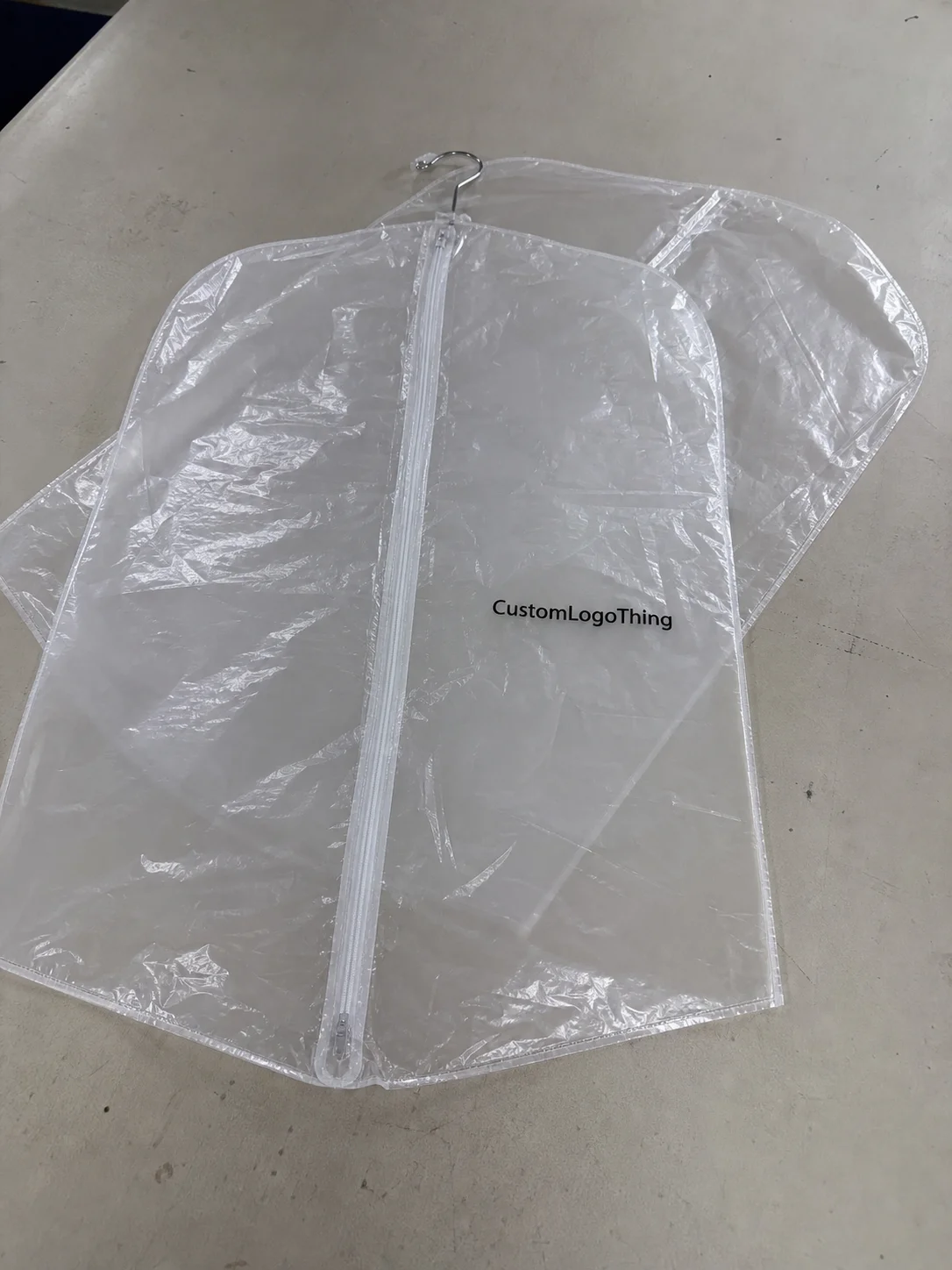
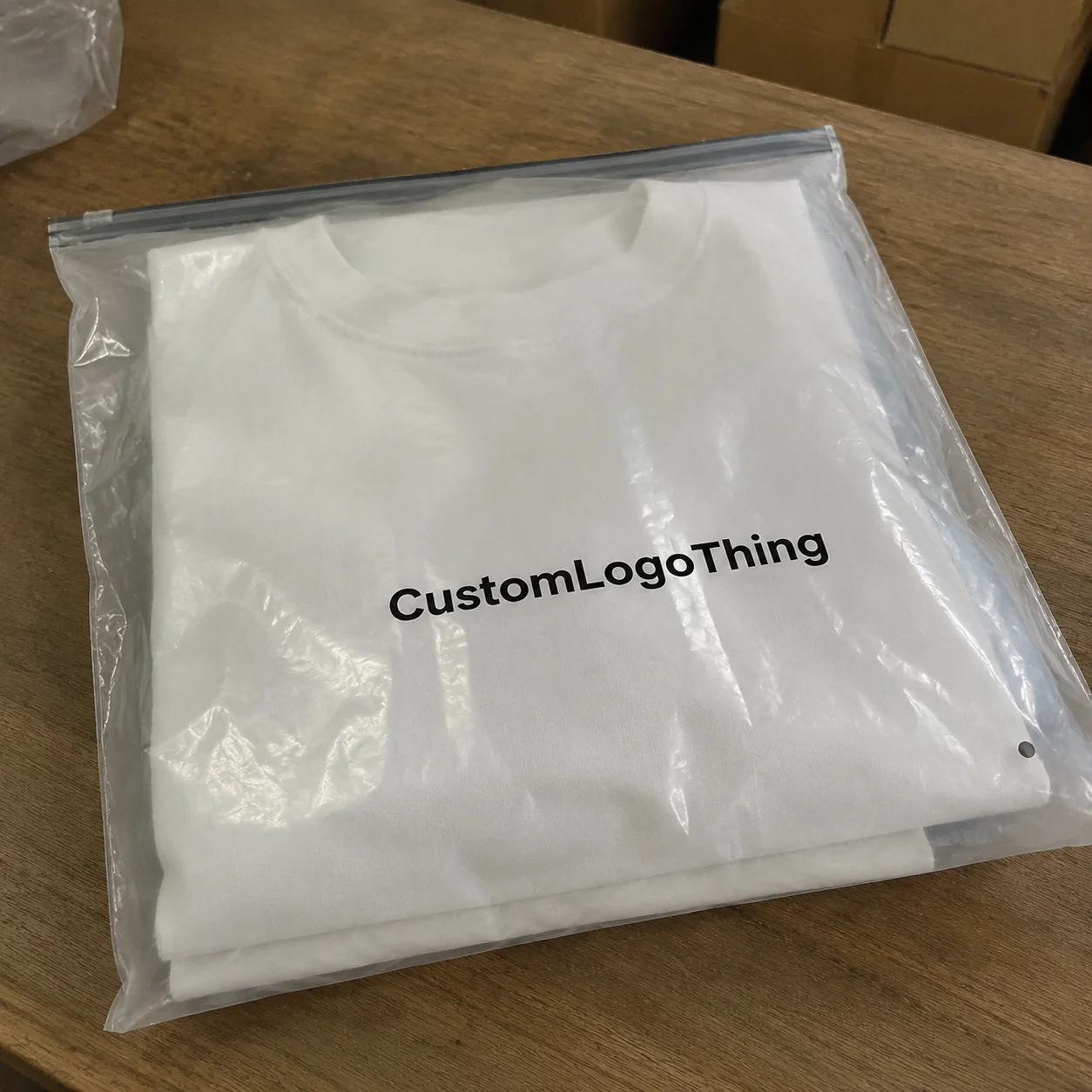
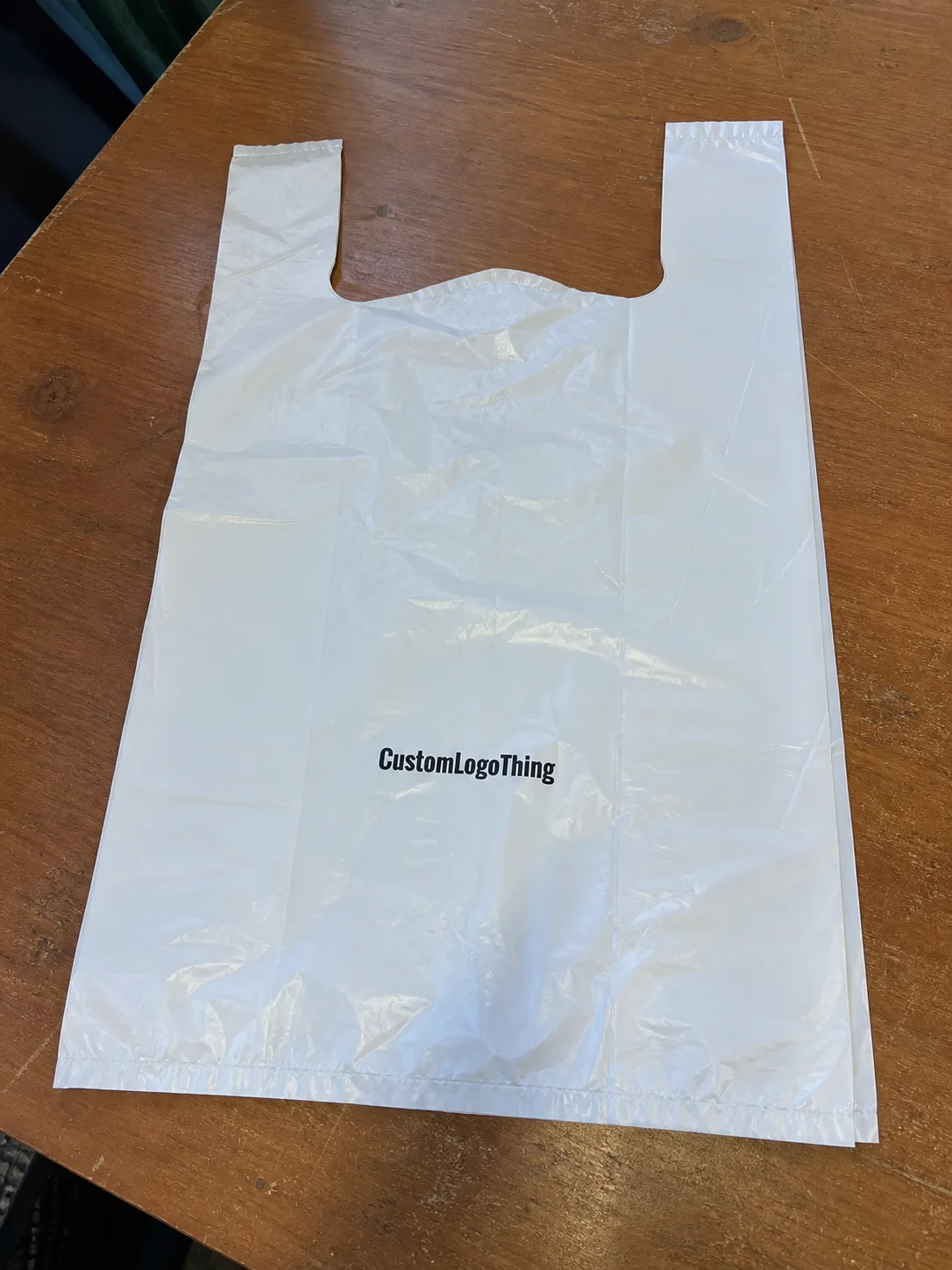
Buyer Fit Snapshot
| Best fit | Minimalist Branded Poly Mailers for Boutiques projects where brand print, material claims, artwork control, MOQ, and repeat-order consistency need to be specified before quoting. |
|---|---|
| Quote inputs | Share finished size, material target, print colors, finish, packing count, annual reorder estimate, ship-to region, and any compliance wording. |
| Proofing check | Approve dieline scale, logo placement, barcode or warning zones, color tolerance, closure strength, and carton packing before bulk production. |
| Main risk | Vague material claims, crowded artwork, missing packing details, or unclear freight terms can make a low unit price expensive after revisions. |
Fast answer: Minimalist Branded Poly Mailers for Boutiques: Material Claims, Seal Quality, and Freight Cost should be specified like a repeatable production item. The safest quote records material, print method, finish, artwork proof, packing count, and reorder notes in one written spec.
Production checks before approval
Compare the actual filled-product size with the drawing, then confirm tolerance on folds, seals, hang holes, label areas, and retail display edges. Reserve space for logos, QR codes, warning copy, and material claims before decorative graphics fill the panel.
Quote comparison points
Review material grade, print process, finish, sampling route, tooling charges, carton quantity, and freight assumptions side by side. A quote is only useful when the supplier can repeat the same color, closure quality, and packing count on the next order.
I’ve watched minimalist Branded Poly Mailers for boutiques move from a quiet packaging choice to one of the smartest moves a small retailer can make. The strange part is how often the simplest mailers end up looking the most expensive once they leave the packing table. I’ve seen a $0.22 mailer, printed in one ink on a 2.5 mil film, earn more compliments than a heavily decorated box that cost nearly four times as much to produce. Packaging has a sense of irony sometimes, especially in a warehouse in Chicago where fluorescent lights make matte finishes look even cleaner.
That happened during a client meeting with a fashion boutique in Austin, Texas. Their founder brought in three samples: one loud, one glossy, and one of the minimalist Branded Poly Mailers for boutiques with a small centered logo, 18 mm of white space, and a single charcoal print. Customers kept posting the minimalist one. Not because it shouted. Because it looked deliberate, like something planned in a studio rather than assembled at the last second on a folding table.
I remember thinking, very plainly, that the loud option was trying to win a debate nobody asked it to join. Honestly, that’s the core lesson here. Minimalist Branded Poly Mailers for Boutiques are not about hiding a brand. They reduce noise so the identity reads faster, cleaner, and more premium from the curb to the doorstep, whether the parcel is going to Brooklyn, Nashville, or a fulfillment center outside Phoenix.
Why minimalist branded poly mailers for boutiques stand out
The first physical touchpoint in e-commerce is often the package, not the product. That matters more than people admit. A boutique can spend weeks curating a collection, sourcing fabrics, and perfecting photography, then send that same brand out in a mailer that looks generic. I’ve seen it happen on a packing line in Southern California: beautiful silk tops, carefully folded, shipped in a plain gray pouch with no brand cue at all. The product felt special. The shipping did not. That disconnect sticks in my head because it’s so avoidable, and because it usually shows up first in customer photos from Los Angeles or San Diego before it shows up in the metrics.
Minimalist Branded Poly Mailers for boutiques solve that gap with restraint. In plain language, they are lightweight shipping mailers made of polyethylene film, printed with slim branding, clean typography, and a controlled color palette. There may be one logo, one line of copy, maybe a small repeat mark. That’s it. No busy patterns. No oversized slogans. Just enough identity to make the package feel like part of the store experience, whether the order is a $38 knit tank or a $210 wrap dress.
Why does this work so well for boutiques? Because boutique retail already runs on curation. The product mix is tighter, the merchandising is more selective, and the customer expects taste. A minimalist pack style mirrors that editorial mindset. It says, “We edited this carefully.” A louder package can sometimes do the opposite. It can feel like the brand is trying too hard, which is awkward for everyone involved, especially when the mailer is sitting next to a hand-picked garment sold in a 450-square-foot shop in Portland.
I’ve negotiated with suppliers who assumed more printing automatically meant more perceived value. It usually doesn’t. A five-color layout on a mailer can look crowded, and crowded designs are harder to standardize across categories. A boutique selling knitwear, candles, and accessories may need one common shipping format. Minimalist branded poly mailers for boutiques make that easier because the same visual language can sit across different product lines without fighting them. In one comparison I reviewed, a one-color design on a 2.5 mil film cost $0.19 per unit for 5,000 pieces, while the multi-color alternative pushed close to $0.41 per unit at the same quantity.
Minimalism is not boredom. That’s the misconception. The best minimalist branded poly mailers for boutiques use fewer elements to create stronger recognition. A 1-color logo on matte white can look more intentional than a glossy full-print piece with three gradients and a QR code jammed into the corner. I’ve seen that difference on receiving docks in Dallas and Atlanta where staff sort packages in seconds. Clean branding gets noticed faster, and that matters in a stack of twenty parcels.
The real value is in the balance: aesthetics, protection, cost, and production practicality. If one of those four is missing, the packaging stops working. I’ve never seen a boutique recover from a mailer that looked beautiful and failed every other job it had to do. That’s not branding. That’s decorative disappointment, usually followed by 300 replacement bags and a very uncomfortable accounting conversation.
“We didn’t want our mailer to become louder than the dress inside it. We wanted it to feel like the same brand voice, just translated into shipping.” — boutique owner I worked with during a sample review in Austin
How minimalist branded poly mailers for boutiques work
At a basic level, a poly mailer is a thin polyethylene bag built for shipping soft goods. Most versions use a self-seal adhesive strip, and some include a tear strip or a second seal line for returns. The structure matters. A 2.0 mil bag and a 3.0 mil bag may look similar on a screen, but they behave very differently when packed with denim, knitwear, or boxed jewelry. I’ve run side-by-side tests where the thinner film saved pennies but picked up scuff marks after rough conveyor handling at a sorting facility in Louisville. That is the kind of “savings” that makes a finance spreadsheet look clever and a fulfillment team sigh.
Minimalist branded poly mailers for boutiques rely on that structure while keeping the print intentionally limited. Common branding methods include centered logos, one-color typography, small corner marks, a subtle repeat pattern, or a soft matte finish that keeps the package from looking flashy. You can also use a low-contrast tone-on-tone print if the brand wants something understated but still visible in daylight. A matte white bag with a 70% black logo, for example, often reads cleaner than a high-gloss bag with metallic ink.
The shipping experience is straightforward. The boutique packs apparel, accessories, or other lightweight lifestyle items, seals the mailer, and ships it out with low added weight. That’s part of the financial appeal. A mailer weighing 18–35 grams adds far less to postage than a carton. For direct-to-consumer fashion, that can help margins on orders where every ounce matters, especially on USPS and regional carrier zones where a few ounces can alter the shipping line by $0.80 to $1.60 per parcel.
Minimalist branded poly mailers for boutiques work especially well for:
- Folded apparel, such as tees, leggings, scarves, and lightweight dresses
- Flat accessories, like belts, socks, hats, and small textile items
- Non-fragile beauty or lifestyle products with secondary internal protection
- Subscription-style shipments where consistency matters more than theatrical presentation
Placement is everything. A logo printed too close to the edge can distort when the bag is filled. Too small, and it disappears in transit photos. A lot of people also underestimate white space. In packaging, empty space is not wasted space. It frames the brand mark, improves legibility, and makes the piece feel more upscale. On a glossy surface, though, too little contrast can wash out the art. On a matte bag, the same logo may read perfectly at six feet, which is why sample review under daylight in a warehouse yard in Atlanta can reveal more than a monitor ever will.
Packaging performance is not a vibe, it’s a test. Shipping distance, carrier handling, climate exposure, and product type all affect outcome. A mailer that survives local parcel routes in Miami may not behave the same way on a cross-country shipment to Seattle. If you want a standard, look at real tests. Organizations like ISTA publish packaging test methods that help assess transit durability, and they are worth paying attention to if your orders travel far or vary in weight. A 3.0 mil film that passes a drop and abrasion test is usually a better business decision than a pretty sample with no transit data.
Minimalist branded poly mailers for boutiques: key factors that shape design, cost, and performance
If you want minimalist branded poly mailers for boutiques to work hard, you need to understand the parts that shape the final result. The design may look simple, but the production decision tree is not. Material choice, sizing, finish, and print method all affect feel, cost, and durability in very specific ways. A minimal layout on a 350gsm C1S artboard insert can feel high-end, but a weak outer film will still ruin the customer’s impression if it tears in transit from Dallas to Denver.
Material options and what they change
Standard poly is the baseline: low cost, flexible, and widely available. Recycled-content poly can strengthen your sustainability story, though availability and surface consistency may vary by supplier. Co-extruded film is another option, often used when a boutique wants a smoother exterior and stronger puncture performance. In my experience, co-extruded structures feel more refined in hand, but they are not always necessary for lighter products. A 2.75 mil co-extruded bag produced in Shenzhen may outperform a cheaper 2.0 mil standard film made in Yiwu, yet the better choice still depends on the actual shipment weight and the brand’s price ceiling.
If the brand wants to talk sustainability, that message should be accurate. I’ve had a meeting where a supplier casually used “eco” for a film with only 10% recycled content. That kind of language creates trouble fast. If you want recycled material claims, verify the spec sheet and, when applicable, ask about certification from groups like FSC for paper components or inserts used alongside the mailer. If you’re adding a thank-you card, a 350gsm C1S artboard cardstock insert from a paper mill in North Carolina may support the presentation without overstating the outer mailer’s environmental profile.
Sizing strategy and fit
Choosing the right size is more than measuring the product alone. You need the packed product dimension. A folded blouse that measures 10 by 12 inches flat may need a 12 by 15 inch mailer once tissue paper or a garment sleeve is added. If the mailer is oversized, the package shifts and looks sloppy. If it is too tight, seams stress and the seal can fail. I’ve watched a boutique in Nashville switch from a 10 x 13 bag to a 12 x 15.5 bag and reduce corner splits by roughly 30% in the first month alone.
Minimalist branded poly mailers for boutiques generally look best when the product sits neatly inside with only a small amount of slack. That gives the package a clean silhouette. It also keeps shipping waste lower, which is a practical bonus when postage is calculated by dimensional weight. In some carrier tables, an extra inch can shift you into the next billing tier, and that is not a theoretical annoyance. It is a monthly cost line that shows up in real dollars.
Print complexity and price
The simple truth: fewer colors usually means lower cost. A one-color print with centered branding is less expensive to set up than a four-color process with gradients and multiple placements. On a 5,000-piece run, I’ve seen basic one-color mailers priced around $0.18 to $0.28 per unit depending on size, thickness, and film type. Add a second print location, and the cost can climb quickly. If you move to 10,000 pieces, the same design may drop to around $0.15 to $0.21 per unit, especially if the factory is running the job in Guangzhou or Dongguan and the artwork is already approved.
Here’s a practical comparison from supplier quotes I’ve reviewed for boutique clients:
| Option | Typical Spec | Indicative Unit Price | Best For | Tradeoff |
|---|---|---|---|---|
| Standard poly, one-color print | 2.5 mil, 12 x 15.5 in. | $0.18–$0.28 at 5,000 pcs | Apparel and light accessories | Basic feel, limited premium texture |
| Recycled-content poly, one-color print | 2.5–3.0 mil, matte finish | $0.24–$0.36 at 5,000 pcs | Brands with sustainability messaging | Material availability can vary |
| Co-extruded film, minimal print | 3.0 mil, opaque, tear strip | $0.28–$0.42 at 5,000 pcs | Higher-end boutiques | Higher cost, better feel |
| Digital print short run | Custom artwork, smaller quantity | $0.45–$0.85 at 1,000 pcs | Testing a new design | Higher unit cost, lower MOQ |
That table is a starting point, not a quote promise. Shipping charges, plate fees, artwork setup, and freight from the overseas or domestic plant can shift the final number. On one order for a New York boutique, freight alone added 8% to the landed cost because the team rushed the shipment by air from Shenzhen to JFK. That decision made sense for their launch date, but it changed the economics in a way the founder only felt once the invoice landed.
Finish and perception
Glossy surfaces catch light and can look energetic. Matte finishes tend to read as softer, more editorial, and often more expensive. For minimalist branded poly mailers for boutiques, matte usually pairs well with fashion, skincare, and accessory brands because it reduces glare in photos. Semi-opaque bags can add privacy without looking heavy, while fully opaque mailers are better when you do not want the product silhouette to show through. A matte white bag shipped from a supplier in Dongguan can look more polished than a glossy white version even when the print is identical.
Performance metrics that matter
Three specs deserve attention: tear resistance, seal strength, and puncture resistance. If the adhesive fails on a bag that went through two hubs and a regional sort center, the design didn’t matter. It failed as packaging. Ask for test data. Ask how the seal behaves at different temperatures. Ask whether the film performs when stacked under heavier parcels. These are not glamorous questions, but they save money. A decent supplier should be able to tell you whether the adhesive holds at 32°F, 70°F, and 95°F, not just under showroom lights in a sampling room in Guangzhou.
For brands shipping higher volumes, I also recommend checking references and case results on Case Studies because real-world performance tells you more than a polished sample sheet ever will. A spec sheet can say 3.0 mil; a carrier scan trail tells you whether the bag actually survived Nashville sorting or a rainy transfer in Memphis.
What should you look for before ordering minimalist branded poly mailers for boutiques?
Before ordering minimalist branded poly mailers for boutiques, focus on four things: the packed product size, the film thickness, the print placement, and the finish. Those details shape how the mailer performs in transit and how it feels in the customer’s hand. A clean design only works if the underlying spec is right. If the seal weakens under heat or the logo is too small to register on a shipping label photo, the package loses its value fast.
Ask for physical samples, not just mockups. Ask about recycled content if sustainability claims matter to your brand. Ask how the mailer behaves under compression, abrasion, and temperature changes. If you ship apparel, accessories, or soft goods, a 2.5 mil to 3.0 mil film is often the practical range. If your products are heavier or your routes are rough, move up accordingly. A supplier that can speak clearly about finish, seal performance, and dimensional fit is usually easier to work with than one that only talks about price.
One more useful filter: choose a design that still looks good when stacked in a back room, photographed on a packing table, and held by a customer in bad lighting. That sounds simple, but it separates packages that merely exist from packages that reinforce a brand. Minimalist branded poly mailers for boutiques do that well when the structure is sound and the visual system is disciplined.
Step-by-step process for ordering minimalist branded poly mailers for boutiques
The smoothest orders I’ve seen start with a basic packaging audit. Before you ask for a quote, list the top three products you ship most often. Measure them in packed form, not in retail form. A lightweight sweater in tissue, a folded blouse, and a boxed accessory can all need different sizes. If the boutique ships 70% apparel and 30% accessories, that ratio should shape the spec, not the other way around. I’ve seen that ratio drive a decision from 10 x 13 inches up to 12 x 15.5 inches in one afternoon.
Minimalist branded poly mailers for boutiques are easiest to source when the brand brief is simple and specific. Keep it to one page if you can. Include logo files in vector format, exact colors if Pantone matching matters, typography rules, and a short note on how sparse the design should feel. One client literally wrote, “More museum catalog, less promo flyer.” That sentence saved two rounds of revisions, which I appreciated more than I can explain, especially after the first proof came back with a logo scaled 12% too large.
Choose the mailer specification first
Start with size, thickness, seal style, and opacity. A 12 x 15.5 inch bag at 2.5 mil can work for many boutiques, but not all. If you ship thicker sweaters or gift bundles, move up. If privacy matters, choose opaque film. If you want the product shape to subtly show, consider semi-opaque material, but only if the brand is comfortable with that presentation. A mailer made in a plant near Ho Chi Minh City may also have different matte behavior than one produced in Shenzhen, so sample the exact finish before you commit.
For boutiques that want to browse options before committing, Custom Poly Mailers is a useful place to compare format and build choices alongside other packaging formats in our catalog.
Request proofs and samples
Never approve artwork from a screen alone. Screens lie. Ink density, logo scale, and edge margins can look different in hand. I’ve seen a logo appear perfect in Adobe Illustrator, then arrive on a sample 14% smaller than intended because the file was scaled during prepress. Check the proof for font clarity, color accuracy, seam quality, and how the finish handles light. If the proof says 1-color black on a white bag, ask for a physical sample in the same production run conditions, not a generic mockup from an office inkjet.
If possible, order two sample types: one with your exact design and one with a slightly larger logo or altered placement. That second sample often reveals which version reads better on a shelf, in a mail cart, or in customer photos. It costs a little extra, often $25 to $60 per sample set plus freight, and that is cheap compared with reprinting 5,000 bags. It saves embarrassment later. And, frankly, it saves that awful moment where everyone in the room nods politely while knowing the logo is too tiny.
Watch the production timeline
For a straightforward minimal design, the timeline is often 12 to 15 business days from proof approval, then additional transit time depending on origin and destination. More complex orders can take longer if there are revisions, custom inks, or special finishes. I’ve seen a “simple” project stretch by a week because the brand could not agree on whether the logo should sit 10 mm higher or lower. That’s not unusual. It is, however, mildly maddening, especially when the freight vessel has already been booked out of Ningbo.
A practical rollout looks like this:
- Packaging audit and size planning
- Artwork prep and brand brief submission
- Digital proof review
- Sample approval
- Full production
- Inbound freight and receiving inspection
- Small-batch test shipments
That test shipment step matters. Send 20 to 50 orders first. Watch how the mailers handle packing speed, parcel sorting, and customer reception. One boutique client found their 14 x 19 inch bag looked too empty with some items, so we dropped to a smaller size and increased perceived quality instantly. The product did not change. The fit did. A better fit can improve repeat purchase sentiment in as little as one shipping cycle.
Common mistakes boutiques make with minimalist mailers
The most common mistake is making the design too sparse. That sounds contradictory, but it happens often. A bag with only a tiny logo in the corner and no other branded detail can look unfinished, especially if the film is cheap or the color is flat. Minimalism needs structure. A margin, a logo scale, and a clear visual anchor. On a 13 x 19 inch bag, for example, a logo that measures just 22 mm wide may vanish in a shipping photo unless the white space and contrast are planned with care.
Minimalist branded poly mailers for boutiques also fail when the logo is too small. I’ve seen this on a receiving floor in Atlanta where staff had to turn the package over to identify it. If the mailer does not read from arm’s length, the brand is losing an easy impression. The mailer should be recognizable in transit photos, on warehouse shelves, and in customer unboxing clips, especially if those clips are shot on a phone in low light.
Oversizing is another problem. A package with too much slack can look wasteful and unconsidered. It can also raise shipping costs. If a mailer adds just 1.5 inches of unnecessary length and height, that may not sound dramatic. In dimensional pricing, it absolutely can be. The carrier does not care that the extra air was “aesthetic.” A difference of $0.90 to $2.40 per shipment adds up fast over 2,000 monthly orders.
Contrast gets overlooked too. A pale logo on a pale background can disappear. A dark print on a high-gloss surface can reflect light and blur edges. The issue isn’t just color. It’s interaction. I’ve had a supplier swear the print was fine because the proof looked fine under office lights. Then we took the sample outside in Charleston at 2 p.m. Different story, and a much more honest one.
Here are the mistakes I see most often:
- Designs that are so empty they look accidental
- Logos sized for a website header, not a mailer
- Mailers chosen without checking packed dimensions
- Thin film selected to save pennies, then damaged in transit
- Skipping samples and discovering scuffing after launch
That last one is expensive. One boutique I advised saved roughly $300 on the initial sample stage and then had to replace nearly 1,200 bags because the print scratched under stack pressure. The lesson was brutal but useful: sample testing is cheaper than apology emails. I would very much like to never read another “sorry, we had a packaging issue” message in my life, if possible, especially when the supplier is in Jiangsu and the customer launch is already scheduled for Friday.
Expert tips for better results and stronger brand perception
If you want minimalist branded poly mailers for boutiques to feel premium rather than plain, choose one memorable cue and repeat it consistently. That cue could be centered logo placement, a specific brand color, a short line of copy, or a tiny repeat motif. Do not use all four. That turns minimalism into clutter, which is basically the packaging version of tripping over your own shoes. One strong cue on a matte bag in soft gray or warm white usually does more than four competing effects in silver, black, and blush.
I’ve worked with a boutique that used the same 22 mm logo lockup on every mailer, sticker, and thank-you insert. The consistency made the whole brand feel more established than their store size suggested. Customers don’t always notice the exact system. They notice the sameness. That repetition builds recognition, and it does so faster than a 10,000-follower social campaign that changes fonts every three weeks.
Think about the mailer as a photo opportunity. Good alignment matters. A logo printed slightly off-center is easy to ignore in a shipping room, but very noticeable in an Instagram story. Clean spacing and straight seals help the package look intentional in customer content. That organic media is not trivial. A single unboxing post can reach hundreds of local shoppers, especially in cities like Seattle, Miami, or Philadelphia where boutique customers actively share small-business finds.
Category matters too. Fashion boutiques often benefit from softer editorial styling: muted tones, matte film, and restrained typography. Beauty and accessories brands sometimes need stronger contrast so the logo pops next to smaller items or shiny product boxes. Neither choice is universally right. It depends on the product and the brand voice. A 3.0 mil matte black mailer may be perfect for jewelry sets in New York, while a soft ivory option suits linen apparel in Santa Barbara.
Internal branding can carry part of the emotional load. Tissue paper, printed stickers, or a slim insert card can add warmth while the outer mailer stays simple. That split approach works well for minimalist branded poly mailers for boutiques because the outside stays clean and the inside still gives customers something to discover. It’s a smart use of contrast, and it keeps the first impression from feeling cold. A 350gsm C1S artboard thank-you card, for instance, can add just enough tactility without inflating the shipping footprint.
For the operations side, ask suppliers about print efficiency and ordering cadence. A 10,000-piece run often brings the unit cost down versus 2,500 pieces, but only if your storage space and reorder rhythm support it. I’ve seen small boutiques overbuy and then sit on inventory for 11 months in back rooms in Denver and Charlotte. That is not savings. That is clutter with a budget label on it, and it tends to show up exactly when the team wants to launch a new colorway.
Finally, standardize. One primary size and one backup size is usually enough for most boutiques. Two sizes reduce ordering errors, simplify warehouse training, and make visual consistency easier. It’s a plain operational move, but it has an outsized effect on the customer experience. When the same 12 x 15.5 inch mailer arrives every time, the brand feels steadier, even if the order came from a 400-square-foot shop or a warehouse in Richmond.
How to decide if minimalist branded poly mailers fit your boutique
The decision comes down to five things: product type, order volume, budget, desired customer experience, and visual identity. If your boutique ships soft goods, values a clean look, and wants to keep freight weight low, minimalist branded poly mailers for boutiques are likely a strong fit. If your product is heavy, fragile, or boxed in a way that needs structural protection, a mailer may not be enough on its own. A $78 candle set in glass jars, for example, needs a very different protection strategy than a folded cotton blouse.
I usually recommend them for DTC boutiques that ship repeated SKUs and need a polished but cost-conscious presentation. That includes apparel labels, accessory brands, and lifestyle shops with predictable pack outs. I’m less enthusiastic about them for fragile candle sets, glass-heavy beauty kits, or luxury items that need a rigid, ceremonial presentation. Could they still work? Sometimes. But you may need an outer carton or protective insert, and I’d rather say that plainly than pretend otherwise. If your average order value is under $90 and your products are soft, the math usually leans toward mailers; if the average item is fragile and exceeds $150, the case gets narrower.
Here’s a practical decision checklist:
- Measure your three most common packed products
- Confirm whether the items are soft, rigid, or fragile
- Set a target unit cost and MOQ
- Decide how visible you want the branding to be
- Request at least two samples with different logo scales
- Test 20 to 50 real shipments before scaling up
If you want a broader look at packaging formats that can support a boutique’s presentation and operations, browse Custom Packaging Products to compare solutions beyond mailers. Sometimes the best answer is still a mailer. Sometimes it isn’t. A boutique in Minneapolis may find a carton better for winter goods; a label in Orlando may prefer poly for year-round apparel drops.
One more thing from experience: the best packaging is the one that fits the product, protects margins, and still feels unmistakably on-brand. That is the real measure. Not how many effects you can cram onto a bag. A clean mailer produced in Guangzhou, printed with one restrained logo, can do more for perceived value than a crowded package ever will.
Minimalist branded poly mailers for boutiques should feel intentional, not complicated. When they’re done well, they make the store look more mature, the shipping process easier to standardize, and the customer experience cleaner from first touch to doorstep. A well-chosen 2.5 mil matte mailer with a centered mark can do that job in a way that feels almost invisible, which is exactly why customers remember it.
That’s why I keep coming back to them. Minimalist branded poly mailers for boutiques may look simple, but in practice they do a lot of heavy lifting, especially when the specs are clear, the proofs are checked, and the first production run is tested before launch in real ZIP codes.
FAQs
Are minimalist branded poly mailers for boutiques expensive?
They can be cost-effective because simple artwork usually lowers print complexity and setup demands. Unit price depends on quantity, size, thickness, material choice, and whether the job uses digital printing or plate-based printing. In many supplier quotes I’ve reviewed, higher order volumes bring the per-mailer cost down noticeably, sometimes by 20% to 35% compared with smaller runs. For example, a 5,000-piece order may come in around $0.19 to $0.28 per unit, while a 10,000-piece run can move closer to $0.15 to $0.21 per unit if the spec stays simple.
What size should minimalist branded poly mailers for boutiques be?
Choose a size based on your most common packed product dimensions, not the retail item alone. Leave enough room for a flat, wrinkle-free fit without a lot of empty space, because excess room can make the package look sloppy and raise shipping waste. I always suggest testing the top three product types before settling on one standard size. A 12 x 15.5 inch mailer is common for folded apparel, while thicker garments may need 14 x 19 inches or more, depending on the pack style.
How long does it take to produce custom minimalist poly mailers?
Timeline usually depends on proofing, revisions, manufacturing method, and shipping distance. A simple design can move faster, but approval steps still matter. For many orders, 12 to 15 business days from proof approval is realistic, with more time needed for samples and freight. Build that into launch plans so you are not forced to rush the shipment. If your factory is in Shenzhen or Dongguan and your freight is ocean-based, add extra time for port handling and customs clearance.
Do minimalist branded poly mailers for boutiques protect items well?
Yes, for soft goods and lightweight products they can provide reliable shipping protection. Strength depends on material thickness, seal quality, and puncture resistance. For fragile or heavy items, additional packaging may be needed. If you are shipping through rough carrier networks, ask for transit testing and compare specs rather than relying on a pretty sample alone. A 3.0 mil co-extruded bag usually performs better than a 2.0 mil standard film when parcels are stacked or dropped.
What branding elements work best on minimalist poly mailers?
Simple logos, restrained color palettes, clean typography, and generous white space usually work best. A single strong brand cue often looks more premium than multiple decorative elements. Contrast and placement matter as much as the artwork itself, especially if the package will be photographed, stacked, or handled in low light. A centered 22 mm logo on a matte surface often reads better than a larger logo pushed into the corner.