Buyer Fit Snapshot
| Best fit | Moisture Resistant Plastic Envelopes projects where brand print, material claims, artwork control, MOQ, and repeat-order consistency need to be specified before quoting. |
|---|---|
| Quote inputs | Share finished size, material target, print colors, finish, packing count, annual reorder estimate, ship-to region, and any compliance wording. |
| Proofing check | Approve dieline scale, logo placement, barcode or warning zones, color tolerance, closure strength, and carton packing before bulk production. |
| Main risk | Vague material claims, crowded artwork, missing packing details, or unclear freight terms can make a low unit price expensive after revisions. |
Fast answer: Moisture Resistant Plastic Envelopes: Artwork Proof, Packing Count, and Landed Cost should be specified like a repeatable production item. The safest quote records material, print method, finish, artwork proof, packing count, and reorder notes in one written spec.
Production checks before approval
Compare the actual filled-product size with the drawing, then confirm tolerance on folds, seals, hang holes, label areas, and retail display edges. Reserve space for logos, QR codes, warning copy, and material claims before decorative graphics fill the panel.
Quote comparison points
Review material grade, print process, finish, sampling route, tooling charges, carton quantity, and freight assumptions side by side. A quote is only useful when the supplier can repeat the same color, closure quality, and packing count on the next order.
On my third week visiting a Shenzhen packing line, I watched a pallet of paper mailers arrive wrinkled, soft, and basically useless after a humid sea lane run from Yantian Port to a warehouse in Singapore. The cartons had survived. The contents had not. That mess is exactly why Moisture Resistant Plastic envelopes became one of those boring-sounding packaging fixes that saves real money, real time, and a whole lot of customer complaints, especially when the shipment spends 48 to 72 hours in a container at 80% humidity.
I’ve spent 12 years around custom printing and packaging, and I can tell you this plainly: moisture resistant plastic envelopes are not magic, but they are a smart upgrade when humidity, splashes, condensation, and dirty handling are part of the journey. If you ship apparel, documents, samples, cosmetics, supplements, or returns, they solve problems paper can’t. Not perfectly. Not in every weather disaster. But enough to matter, which is why buyers keep coming back for them. In a factory near Dongguan, I once saw a brand cut its damaged-return rate from 3.4% to 0.6% after switching from kraft mailers to a co-extruded poly envelope. That kind of drop is not flashy, but finance teams notice it immediately. Honestly, I think the people who dismiss them have usually never had to explain a damp shipment to an angry customer at 8:14 a.m. (That email lands differently when coffee hasn’t kicked in yet.)
What Are Moisture Resistant Plastic Envelopes?
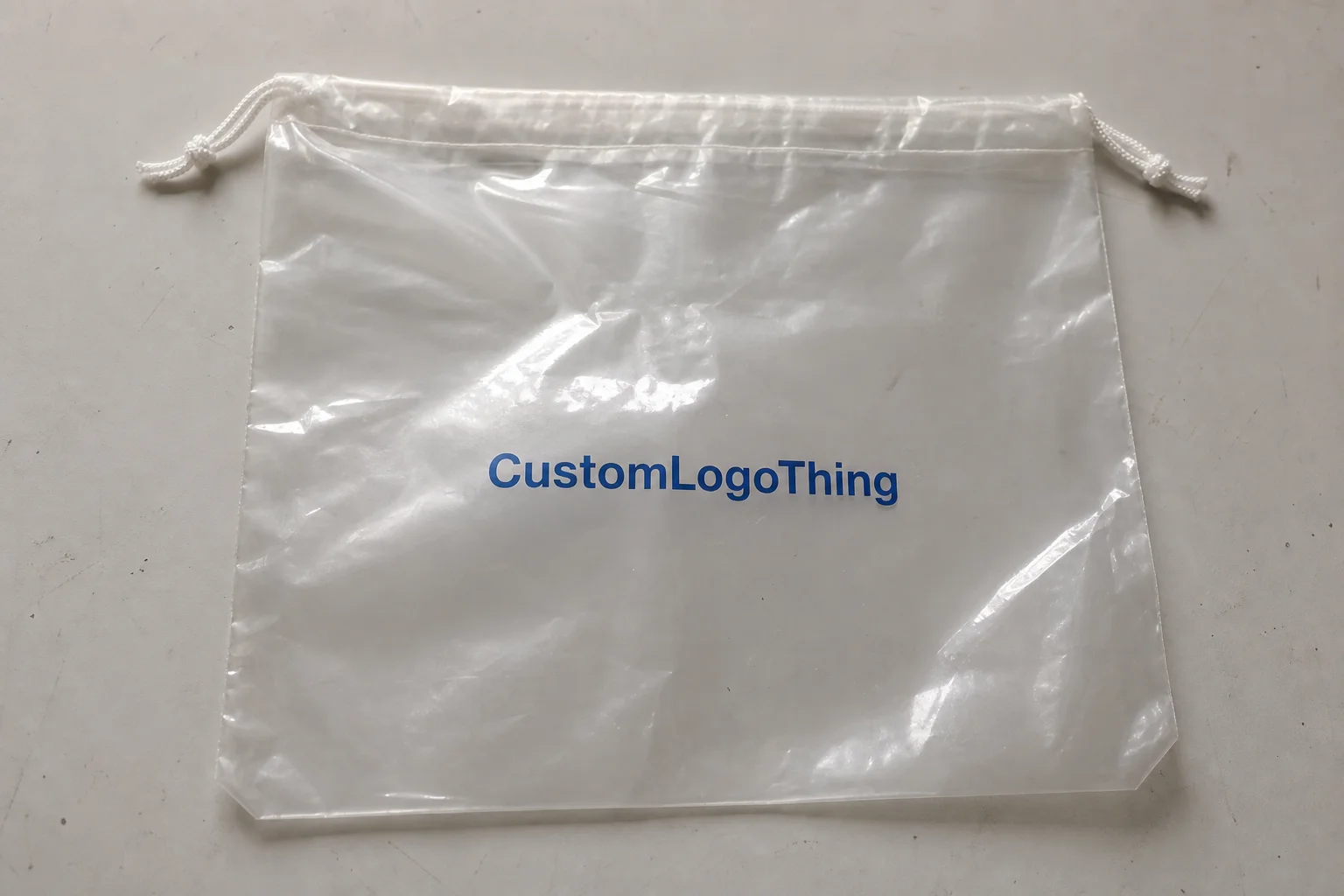
Moisture resistant plastic envelopes are flexible shipping envelopes made from plastic film instead of paper. The goal is simple: keep out light moisture, humidity, splashes, and grime during shipping and handling. Think of them as the practical cousin of a standard mailer. Less drama. More protection. In most factory quotes I’ve reviewed from Shenzhen and Ningbo, the base film is usually polyethylene, commonly in the 50 to 120 micron range depending on the item and route.
I’ve seen people call them poly mailers, barrier envelopes, tamper-evident plastic envelopes, and padded plastic mailers. Those names overlap, but they are not all the same thing. A basic poly mailer is usually a single- or multi-layer polyethylene bag with a seal strip. A barrier envelope often uses a better film structure to slow moisture transfer. A padded version adds internal cushioning. A tamper-evident version makes opening obvious, which is handy for documents, pharmaceuticals, or higher-value retail orders. For example, a courier envelope used for contracts in Dubai may use a 60-micron film with a hot-melt adhesive strip, while a cosmetics sample mailer going to Kuala Lumpur might use a 75-micron co-extruded film with a peel-and-seal flap.
Here’s what they are not: they are not automatically waterproof in a storm, not the same as rigid corrugated packaging, and definitely not puncture-proof just because someone printed “heavy duty” on the flap. I once had a buyer in Los Angeles insist that a 2.5 mil mailer could handle boxed razors with loose corners. It couldn’t. The edge of the carton sliced the film like a cheap sandwich bag. The lesson cost them $1,840 in rework and replacements across a 5,000-piece order. Cheap packaging gets expensive fast. I still remember the face on the warehouse manager when he saw the first split mailer. It was the kind of expression that says, “Please tell me this is a joke.” It was not a joke.
Moisture resistant plastic envelopes are used because the real shipping world is messy. Warehouses sweat. Trucks condense. Air freight gets cold, then hot. Dock doors stay open. Rain happens. A paper envelope or basic kraft mailer can look fine leaving the building and arrive soft, warped, or stained. Plastic film buys you margin. That margin matters when a parcel moves from 20°C in a packing room to 34°C outside a loading bay in under 10 minutes.
Common uses include:
- Apparel and soft goods, especially in e-commerce
- Printed documents, certificates, and contracts
- Cosmetics and beauty samples
- Supplements and small retail kits
- Return shipping for online stores
- Trade show samples and promotional packs
One of my favorite factory-floor memories is from a small run of moisture resistant plastic envelopes for a skincare brand. They were shipping serum sachets from Guangdong to a distributor in Kuala Lumpur. The distributor had complained about paper envelopes getting damp and curling during transit. We switched them to a co-extruded mailer with a stronger self-seal strip, and the complaint rate dropped from 18 damaged cartons in one quarter to zero in the next. Not glamorous. Very effective. Also, nobody in that office had to keep pretending a wrinkled sachet was “characterful,” which was a relief.
Set expectations correctly, though. These envelopes help with moisture exposure and routine handling, but they still need testing for your exact product, route, and storage conditions. If your shipment sits in monsoon humidity for 36 hours in Mumbai, or gets crushed under 18 other cartons in a Manila sorting hub, you need more than a generic spec sheet. That’s just reality. A sample that performs in an air-conditioned room in Shanghai at 22°C may behave differently in a warehouse in Jakarta at 31°C and 85% relative humidity.
How Moisture Resistant Plastic Envelopes Work
The protection starts with the film. Most moisture resistant plastic envelopes use polyethylene film, sometimes layered or co-extruded with other materials to slow moisture transfer. In plain English, the material structure acts like a barrier. It doesn’t stop every molecule from moving, but it slows the process enough to keep the contents dry under normal shipping conditions. A common upgrade is a 2-layer or 3-layer co-extrusion that combines toughness on the outside with a smoother seal surface on the inside.
Film structure matters more than most buyers realize. A single-layer low-density polyethylene bag can work for lighter items, but a co-extruded film often gives better balance between flexibility, tear resistance, and moisture performance. Some barrier envelopes use laminated structures to improve durability and reduce odor transfer. If you’re shipping supplements or cosmetics, that extra barrier can be useful. If you’re shipping T-shirts, you may not need it. Paying for overkill is still paying for overkill, and I’ve seen brands spend an extra $0.06 per unit on a laminate they never needed.
Closure design is the next piece. Self-seal adhesive strips are common because they’re fast in fulfillment, but adhesive quality varies wildly. I’ve tested strips that held through a 14-day warehouse test and others that popped open after a 10-minute heat box run at 40°C. Heat seals are stronger, but they require equipment and process control. Fold-over closures are simple and cheap, but they offer less protection against humidity and accidental opening. No closure is “best” in the abstract. It depends on your route, your product, and how rough your packing line is. I’ve seen operators seal 400 envelopes before lunch while fielding questions, labels, and one very determined tape gun. Efficiency and chaos often share the same table.
Thickness, usually described in mils, also matters. More thickness often improves puncture resistance and general durability, though it does not automatically make a bag more moisture resistant. A 2 mil mailer might be fine for a lightweight garment. A 4 or 5 mil envelope may be better for sharper or heavier items. I always tell buyers not to obsess over one number. Ask how the film performs in drop tests, compression, and seam testing. Numbers are nice. Results are nicer. In one Dubai test run, a 3 mil envelope failed at a 1.2-meter drop with a boxed accessory, while a 4.5 mil version survived the same test with only scuffing.
Surface finish plays a role too. A matte finish can hide scuffs better. A glossy finish usually prints brighter and can feel more premium. Seam strength matters because moisture often gets in through weak edges, not through the middle of the film. Flap design matters because a bad flap can trap dust, interfere with adhesive, or create a gap during high-speed packing. On a line moving 1,000 units per hour in Dongguan, a flap that misfeeds by even 2 mm can slow the team enough to matter.
Real-world conditions are usually harsher than the spec sheet suggests. Warehouse humidity can hit 80% in tropical regions. Trucks can produce condensation when a cold load is moved into warm air. Sorting lines rub packages against belts and bins. Rain on the last mile is common enough that I never trust a paper envelope unless the client accepts the risk. That’s why moisture resistant plastic envelopes outperform paper in so many shipping lanes. They don’t panic in damp conditions.
Here’s a simple comparison I use with buyers:
| Option | Moisture Resistance | Puncture Resistance | Typical Use | Relative Cost |
|---|---|---|---|---|
| Basic paper mailer | Low | Low to moderate | Dry, low-risk shipments | Lowest |
| Standard poly mailer | Moderate | Moderate | Apparel, returns, soft goods | Low to moderate |
| Barrier moisture resistant envelope | Moderate to high | Moderate | Documents, samples, cosmetics | Moderate |
| Padded plastic mailer | Moderate to high | Higher | Fragile small items | Moderate to higher |
That table is simplified, but it gets the point across. Moisture resistant plastic envelopes are not one product. They’re a family of packaging options, and the construction choices decide the protection level. A 3-layer film with a 100-micron body and 12 mm seal can behave very differently from a 50-micron single-layer bag with a narrow adhesive strip.
If you want to verify claims, ask for tests aligned with common industry methods like ASTM or ISTA procedures. For broader packaging and sustainability context, I often point clients to the ISTA site and the Institute of Packaging Professionals. Those aren’t magic links that Choose the Right film for you, but they help separate real test language from marketing fluff.
Key Factors That Affect Performance and Cost
Five things usually drive how well moisture resistant plastic envelopes perform: material type, thickness, print coverage, adhesive quality, and sealing design. Five things also tend to drive the price up. Funny how that works, especially when a buyer asks for “better performance” but wants to keep the same $0.09 unit price.
Material type is the first cost lever. Standard polyethylene is usually cheaper than specialty barrier structures. Co-extruded film costs more than basic mono-layer film because it gives you better performance consistency. Laminated structures, tamper-evident features, and padded interiors all add material and process steps. More steps means more cost. Packaging has never been a charity project. In Shenzhen and Foshan, I’ve seen barrier builds add roughly 8% to 18% to the base material cost depending on resin prices that month.
Thickness affects both durability and price. A thicker mailer often uses more resin, which raises the unit cost. For stock sizes, that increase may be small. For custom printed moisture resistant plastic envelopes, the jump can be more noticeable. In factory quotes I’ve reviewed, moving from a lighter film to a heavier one might add $0.01 to $0.05 per unit depending on size and order volume. That sounds tiny until you buy 50,000 pieces and suddenly the “tiny” difference becomes a very real line item. At 50,000 units, a $0.03 increase is $1,500.
Print coverage matters too. One-color logo printing on a plain white mailer is usually simpler than a full-bleed design with multiple Pantone matches. More ink coverage, more setup, more chances for alignment issues. If your artwork has fine gradients, tiny text, or metallic effects, expect higher setup scrutiny and possibly more waste in the first run. I’ve stood on press lines in Ningbo while a brand director insisted a 4-point disclaimer had to sit 3 mm from the edge. It did not survive the reality of registration tolerances. The printer was right. The artwork lost. That particular meeting ended with a long silence and one deeply chewed pen cap. I’ve never forgotten it.
Adhesive quality can change the whole game. A low-cost seal strip might hold in dry conditions and fail when exposed to humidity or recycled line dust. A stronger adhesive costs more, but it can reduce returns and repacking labor. I’d rather pay $0.02 more per unit than pay a staff member to re-seal 700 envelopes by hand. No contest. In one case I reviewed for a Bangkok distributor, upgrading the adhesive added $100 on a 5,000-piece order and saved roughly $420 in rework the first quarter.
MOQ also matters. A quote for 5,000 units can look very different from 50,000 units because the factory spreads setup, plate, and labor costs over more pieces. For example, I’ve seen plain stock moisture resistant plastic envelopes price around $0.08 to $0.15 per unit at higher quantities, while custom printed versions can land around $0.16 to $0.35 per unit depending on size, film thickness, and print complexity. Smaller orders can climb well above that. Freight, duties, and carton configuration can add a lot more than buyers expect, especially if the shipment is air freighted. A “cheap” quote with expensive freight is not cheap. One 3,000-piece air shipment from Shenzhen to Chicago can easily add $900 to $1,800 in freight alone, depending on season and chargeable weight.
Here’s a practical pricing snapshot based on common factory conversations, not a promise from the universe:
| Specification | Typical Effect on Cost | Notes |
|---|---|---|
| Thicker film | Raises cost by $0.01-$0.05/unit | Depends on size and resin market |
| Custom logo printing | Raises cost by $0.02-$0.12/unit | More colors usually cost more |
| Specialty barrier laminate | Raises cost by $0.03-$0.15/unit | Useful for moisture-sensitive goods |
| Small MOQ | Raises unit price significantly | Setup is spread across fewer units |
| Improved adhesive or tamper evidence | Moderate increase | Often worth it for higher-value items |
Brand requirements can also push the spec up. A beauty client may want a soft-touch look and precise color matching. A logistics client may care only about tear strength and speed. Sustainability goals matter too. Some buyers ask about recycled content or downgauged film, and that conversation needs honesty. If a thinner film means better sustainability but worse performance, say so. Don’t hide behind a green label and hope nobody notices broken shipments. I get a little twitchy when someone says “eco-friendly” like it automatically cancels physics. It doesn’t.
Supplier evaluation should cover consistency, lead time, print quality, and size flexibility. I once audited two factories in the same week, one in Shenzhen and one in Dongguan. One had beautiful samples and sloppy mass production. The other had average samples but could repeat the spec with frightening consistency. Guess which one I recommended? The reliable one. Pretty samples don’t solve fulfillment problems. Consistent output does.
Step-by-Step: How to Choose the Right Moisture Resistant Plastic Envelopes
Step one is brutally simple: figure out what you are shipping and how much moisture it will face. A folded T-shirt going from Los Angeles to Dallas has a different risk profile than lab samples moving through Singapore in August. Moisture resistant plastic envelopes should match the route, not your optimism. A route that includes a 90-minute tarmac wait in Houston is not the same as a same-city courier drop in Barcelona.
Step two is size, closure, and thickness. If the envelope is too large, the product can slide and crease, and you waste material. If it’s too small, you stress seams and slow down packing. A mailer that is 15% oversized may not sound terrible, but that extra empty space can mean sloppy presentation and more internal movement. For weight, I usually look at whether the item is under 200 grams, between 200 and 500 grams, or above 500 grams, then adjust thickness and closure accordingly. Heavier or sharper items deserve a better film and a stronger seal strip. For example, a 180-gram apparel bundle might be fine in a 3 mil envelope, while a 620-gram boxed accessory often needs 4.5 mil or more.
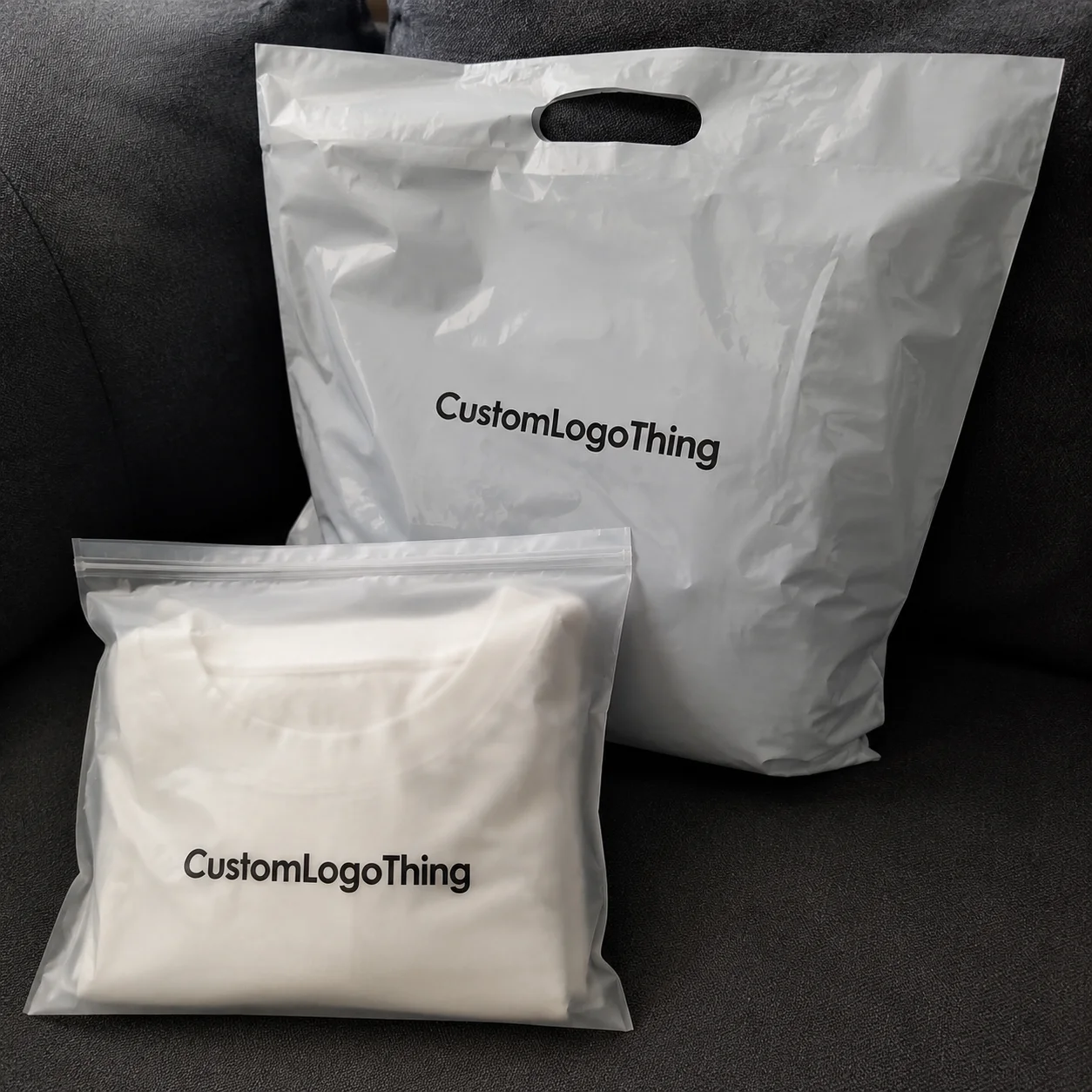
Step three is deciding between stock and custom printed moisture resistant plastic envelopes. Stock mailers are faster and cheaper. Custom printed options help brand recognition, reduce the “plain bag” look, and can include handling instructions, return messaging, or regulatory copy. I had a small apparel brand in Melbourne tell me plain white mailers made them look “too much like everyone else.” Fair point. We printed a simple black logo, a QR code, and a one-line return instruction. Their unboxing photos improved, and customer service tickets dropped because returns were easier to understand. The custom run cost them $0.19 per unit for 10,000 pieces, versus $0.11 for stock, and they still considered it money well spent.
Step four is sampling. Always sample with the real inserts, real labels, and real packing workflow. Do not test an empty envelope on your desk and call it approved. That is not testing. That is desk theater. Put in the product, close it, drop it from waist height, rub it against a carton edge, and leave it in a warm, humid room for a few hours. Better yet, ask for a mini test that mirrors your route. If you sell cosmetics, test with the actual bottle shape. If you sell documents, test with paper stock and a printed address label. Moisture resistant plastic envelopes that look fine in hand may behave very differently once packed. I once watched a 2,000-piece sample run in Guangzhou fail because the adhesive grabbed too slowly in a 29°C room with high dust levels.
Step five is timeline. A custom run usually includes sample prep, revisions, production, and shipping. If a factory says 10 to 15 business days for production after proof approval, that does not mean you will receive cartons next week. Add sampling time, freight time, and possible rework. If you need launch inventory for a date on your calendar, back it up by at least 3 to 4 weeks for safety. I’ve seen too many buyers assume “production time” means “everything time.” It does not. For a typical Shenzhen-to-Los Angeles order, the full cycle can land around 12 to 15 business days from proof approval for the bags themselves, plus 3 to 7 days for ocean handoff or air booking, depending on the season.
Step six is the final spec sheet. Approve it before ordering. Spell out the dimensions, film thickness, closure type, print colors, logo placement, carton pack count, and approved sample reference. If the supplier can’t give you a written spec sheet, that’s a warning sign. On one factory visit in Foshan, I asked for a simple line drawing with dimensions and seal width. The salesperson waved it off. Two weeks later, they shipped envelopes 8 mm too short. Guess who ate the replacement cost? Not the factory. I still remember standing there with the sample in my hand, doing that slow blink people do when they are trying not to say something impolite.
Quick buyer checklist
- Product size and weight
- Moisture exposure level
- Closure style
- Film thickness
- Print requirement
- Sampling plan
- Production and freight timeline
- Approved spec sheet
If you want a sustainability sanity check while choosing materials, the EPA recycling guidance is a useful place to understand end-of-life realities. Not every plastic packaging structure is equally recyclable, and pretending otherwise is how brands end up with uncomfortable questions later.
Common Mistakes Buyers Make With Moisture Resistant Plastic Envelopes
The biggest mistake is picking moisture resistant plastic envelopes based only on price. A cheaper mailer that tears, leaks, or pops open is not cheaper. It is a return rate waiting to happen. I’ve watched buyers shave two cents per unit and then spend ten times that amount on remediation, customer credits, and re-shipping. Brilliant strategy, if your goal is pain. A 20,000-piece order with a $0.02 savings sounds like $400 in savings until the damage claims come back at $2,700.
Second mistake: assuming “moisture resistant” means waterproof enough for every lane. It doesn’t. There’s a big difference between handling a few raindrops and surviving a soaked doorstep or a flood-prone route. The film, seam, closure, and exposure time all matter. If the package will sit outdoors for 45 minutes in monsoon rain, you may need additional protection or a different packaging format entirely. I always say this because people hear “resistant” and mentally upgrade it to “invincible.” Packaging is not invincible.
Third mistake: buying the wrong size. Too much empty space creates sloppy presentation and unnecessary movement. Too little space stresses the seal. This comes up constantly with apparel, where a medium mailer gets stuffed with a folded hoodie that really needed the next size up. The result is a bulging seam and a grumpy warehouse supervisor. On one e-commerce line in Chicago, moving from a 250 x 330 mm mailer to a 300 x 400 mm size cut seal failures by nearly half.
Fourth mistake: skipping sample testing. I know, everyone is busy. But five sample packs can save a five-figure mess. Test the adhesive after cold storage, test the seam after compression, and test the print after scuffing. If you sell products with sharp edges, test for puncture. Moisture resistant plastic envelopes protect against humidity and light water exposure, but sharp corners still win if you give them enough opportunity. A 30-minute test with the actual product in a 15°C room tells you more than a beautiful quote from a sales rep.
Fifth mistake: overloading the mailer with a hard, sharp item and no interior protection. A plastic envelope is not a box. If you are shipping anything with edges, use inserts, tissue, or a padded option. I once saw a buyer pack metal sample clips directly into a thin poly mailer. The clips punched through during transit, and the customer received a bag that looked like it had lost a knife fight. Unsurprisingly, they were unhappy. I was, too, because now everyone had to deal with a perfectly avoidable mess.
Sixth mistake: ignoring compliance and fulfillment requirements. Some products need warning text, return instructions, or batch labels visible on the outside. Some logistics partners have size rules for automated sorting. Some retailers require tamper evidence. If your team does not check those details before ordering, the packaging may be technically fine but operationally annoying. That’s a bad trade, whether the order is going to a warehouse in Madrid or a 3PL in New Jersey.
Here’s the part people hate hearing: packaging success is not just about the package. It’s about the route, the labor, the label, the storage, and the customer experience. Moisture resistant plastic envelopes only look simple from a distance. Up close, they sit inside a system with at least six moving parts, and any one of them can create a problem.
Expert Tips for Better Protection, Branding, and Lead Time
If you want better performance, test for humidity, compression, and drop resistance before scaling. I don’t mean a quick tap on the counter. I mean a real test: stack cartons, run a few drops from waist height, and expose samples to warm, damp conditions for a few hours. That tells you more than any glossy quote sheet. Moisture resistant plastic envelopes should survive the way your operation actually ships, not the way a sales deck imagines it. A test room at 30°C and 75% humidity will reveal seal weakness faster than a polished sample photo ever will.
For heavier items, use a stronger closure option. A wider adhesive strip or heat-sealed closure often works better than a thin self-seal strip. For high-value goods, tamper-evident features make sense because they show if someone has opened the package. I’ve seen clients shipping premium supplements and replacement parts add tamper-evident seals for under $0.03 per unit in a 10,000-piece run. Cheap insurance. Smart move.
Print strategy matters more than people think. Keep artwork bold. Avoid ultra-fine text near the edges. Leave space where the seal and seams sit. If your logo needs to be perfect on a bag that flexes, bends, and gets compressed in cartons, that is a design problem, not a miracle request. I once negotiated with a printer in Guangzhou who wanted to charge extra for a full-coverage metallic print on a mailer that would be hidden inside a carton anyway. I told the client to spend that money on stronger adhesive instead. They did, and they never called me about open bags. I call that a win, even if it did make the printer sigh loudly enough for the whole room to hear.
Lead time planning saves money. A typical custom run may involve 3 to 7 days for sampling, 1 to 2 rounds of revisions if artwork needs cleanup, 12 to 18 business days for production depending on factory load, and then freight time. If you’re ordering from a supplier in China to the U.S. or EU, ocean freight can add a few weeks. Air freight is faster, but it can turn a sensible order into an expensive one if you’re not careful. I’ve watched buyers pay $4,600 in air freight to save $300 in production time. That math is not heroic. A realistic schedule from proof approval is often 12 to 15 business days for the envelopes, then another 5 to 25 days depending on whether you choose air or ocean freight.
Here’s a factory negotiation tip I use constantly: ask for a written spec sheet, an approved sample reference, and the packing method in the same email. That includes carton count, inner pack count, and the way bundles are stacked. Why? Because a great envelope can still arrive bent if the cartons are packed poorly. I once toured a plant in Guangdong where the product was excellent, but the cartons were overfilled by 8%. Result: corner crush on nearly every master case. One packing change fixed the problem without touching the material spec. Sometimes the fix is as small as using a 5-ply outer carton instead of a 3-ply one.
Shipping tips matter too. Store cartons off the floor, keep them away from leaks, and don’t leave them under direct sunlight in a warehouse with a corrugated roof. Plastic film can handle a lot, but storage abuse still shows up later. If humidity is high, consider desiccant packs for the master cartons or better warehouse placement. Moisture resistant plastic envelopes help your product. They do not compensate for a sloppy warehouse. I say that with love, and a little exhaustion.
For brands trying to keep presentation clean, use carton packing density wisely. If the envelopes are folded or stacked too tightly, they can pick up creases that affect printing and seal performance. Give the product enough room to breathe during storage and enough consistency during fulfillment. That balance makes a difference, especially if your mailers are printed with a 350gsm C1S artboard insert or a similar branded component inside a kitted pack.
What to Do Next Before You Place an Order
Before You Order moisture resistant plastic envelopes, make a short checklist. Product size. Weight. Moisture risk. Closure type. Printing needs. Target budget. Delivery date. That list sounds basic, but it prevents the most common mistakes before they start. If you already know your annual volume, include it too, because a quote for 5,000 pieces can differ sharply from 25,000 or 100,000 pieces.
Request at least two or three sample options. Compare them side by side, not one week apart when your memory is fuzzy. Feel the film. Check the seal strip. Fold and refold the flap. Put in your actual product and seal it. Then try opening it cleanly with gloved hands if your warehouse uses them. A sample that performs beautifully in a quiet office may feel completely different during a packed fulfillment shift with eight people and a conveyor belt moving at speed. I’ve seen that movie before, and it usually ends with rework.
Ask for an itemized quote. Separate the unit price, setup, freight, plate fees, and any tooling charges. A quote that rolls everything into one number is harder to compare and easier to game. You want to know whether the mailer is $0.12 each or whether the $0.12 hides $380 in setup and $1,100 in shipping. Those details change sourcing decisions fast. For a 5,000-piece custom order, a clear breakdown might show $0.15 per unit for the envelopes, $180 for printing setup, and $420 for ocean freight to Los Angeles from Shenzhen.
Confirm the production timeline in writing. Match it to your launch, replenishment, or campaign schedule. If your ecommerce promo starts on the 15th, don’t assume a factory can magically finish and ship by the 12th. Give yourself margin for sampling, production, and freight. That margin is what keeps your team from paying panic premiums later. A factory in Ningbo may promise 10 business days, but if your artwork needs a second proof, the real calendar can shift by another week.
Review the final spec sheet, test pack a small batch, and document any changes before full production. If the seam width changes by 2 mm, if the print shifts by 5 mm, or if the closure feels weaker than expected, stop and fix it. Small issues become large issues at 10,000 units. Packaging has a way of humbling anyone who ignores details. In one case, a 1 mm seal adjustment saved a client in Toronto from a 7% failure rate on the first shipment.
My practical decision path is simple: choose the lowest spec that still protects the shipment, then add only the features that solve a real problem. That might mean stronger adhesive, a better film structure, or custom printing for brand recognition. It does not mean adding bells and whistles because the sample looked cool on a desk. Moisture resistant plastic envelopes work best when they are engineered for the route, the product, and the fulfillment process. If you need a 4 mil film, say so. If you need a tamper-evident flap, specify it. If you need a 12-day production window from proof approval, write it down.
If you want a final sanity check, ask yourself three questions: Will this survive the humidity and handling on my route? Will my team be able to pack it quickly without errors? Will the customer receive something that looks intentional instead of improvised? If the answer is yes, you’re probably on the right track.
FAQ
Are moisture resistant plastic envelopes the same as waterproof mailers?
No. moisture resistant plastic envelopes can handle humidity, splashes, and light rain better than paper, but they are not automatically waterproof in heavy exposure. The seal type, film thickness, and seam quality determine how much protection you actually get. A 3 mil envelope with a 10 mm self-seal strip is not the same as a 5 mil heat-sealed barrier mailer.
What thickness should moisture resistant plastic envelopes be?
It depends on the product weight and handling risk, but thicker films usually resist punctures and tearing better. For sharp, heavy, or high-value items, ask the supplier for sample testing instead of guessing from a spec sheet. In many Shenzhen quotes, 2.5 to 3 mil works for light apparel, while 4 to 5 mil is more common for heavier or sharper inserts.
How much do moisture resistant plastic envelopes cost?
Pricing usually depends on size, thickness, quantity, printing, and closure type. Custom printed options, lower order volumes, and specialty finishes usually raise the per-unit cost of moisture resistant plastic envelopes. In common factory pricing, stock units may land around $0.08 to $0.15 each at higher volumes, while custom printed versions can run $0.16 to $0.35 each.
How long does it take to produce custom moisture resistant plastic envelopes?
Timeline usually includes sampling, revisions, production, and shipping, so plan ahead instead of assuming stock-like speed. Custom artwork, new sizes, and busy factory schedules can extend the process. A typical production run may take 12 to 15 business days from proof approval, then freight adds another 3 to 25 days depending on air or ocean shipping.
Can moisture resistant plastic envelopes be customized with my logo?
Yes. Most factories can add logo printing, brand colors, warnings, or return instructions to moisture resistant plastic envelopes. Ask for a print proof and confirm where the adhesive strip and seams will sit before approving artwork. In many cases, a one-color logo on a white mailer is the lowest-cost option, while full-bleed color on both sides costs more.
If you ship in humid conditions, there’s a good chance moisture resistant plastic envelopes will outperform paper in a way your customer service team will notice immediately. They are not glamorous. They are useful. And in packaging, useful is usually what pays the bills. In factories from Shenzhen to Dongguan, that usefulness is often measured in fewer damaged returns, fewer complaint emails, and cleaner margins on orders as small as 5,000 pieces or as large as 100,000. The takeaway is straightforward: match the film, closure, and size to the route, then test the exact product before you buy in volume. That one habit saves more headaches than any shiny spec sheet ever will.