Buyer Fit Snapshot
| Best fit | Moisture Resistant Plastic Envelopes projects where brand print, material claims, artwork control, MOQ, and repeat-order consistency need to be specified before quoting. |
|---|---|
| Quote inputs | Share finished size, material target, print colors, finish, packing count, annual reorder estimate, ship-to region, and any compliance wording. |
| Proofing check | Approve dieline scale, logo placement, barcode or warning zones, color tolerance, closure strength, and carton packing before bulk production. |
| Main risk | Vague material claims, crowded artwork, missing packing details, or unclear freight terms can make a low unit price expensive after revisions. |
Fast answer: Moisture Resistant Plastic Envelopes: What They Really Do should be specified like a repeatable production item. The safest quote records material, print method, finish, artwork proof, packing count, and reorder notes in one written spec.
Production checks before approval
Compare the actual filled-product size with the drawing, then confirm tolerance on folds, seals, hang holes, label areas, and retail display edges. Reserve space for logos, QR codes, warning copy, and material claims before decorative graphics fill the panel.
Quote comparison points
Review material grade, print process, finish, sampling route, tooling charges, carton quantity, and freight assumptions side by side. A quote is only useful when the supplier can repeat the same color, closure quality, and packing count on the next order.
Moisture Resistant Plastic envelopes look ordinary until you have a weather problem, a warehouse problem, or a customer who opens a parcel expecting clean inserts and finds curled paper instead. I remember standing in a loading bay in Shenzhen while rain hammered the pavement sideways and a warehouse door stayed open long enough to make everyone in the room wince. A shipment still made it out looking fine because the inserts inside moisture resistant plastic envelopes stayed flat, clean, and usable. That’s the real value here. Not magic. Risk reduction. And, frankly, fewer headaches for teams trying to keep a 500-unit order from becoming a damage report.
Humidity is sneaky. It does not always leave puddles or obvious water stains. Sometimes it warps a catalog edge by 2 mm, softens a pressure-sensitive label, dulls a printed finish, or leaves adhesive looking tired before the customer even opens the parcel. Moisture resistant plastic envelopes are designed to lower that risk without adding much weight, bulk, or shipping cost. On a 10,000-piece mailing, even a 3-gram reduction per unit can save 30 kg of freight weight, which adds up faster than most buyers expect.
Honestly, a lot of businesses overbuy protection in the wrong place. They spend on rigid packaging for a soft-goods order, or they choose the cheapest mailer possible and then wonder why returns creep up. Moisture resistant plastic envelopes sit in that middle ground: practical, lightweight, and often the right answer when the main threat is damp air, light rain, or short exposure to wet handling. A $0.18 mailer can be the smarter buy if it prevents a $6 return label and a repack labor charge. That math is kinda hard to argue with.
Moisture Resistant Plastic Envelopes: What They Are and Why They Matter
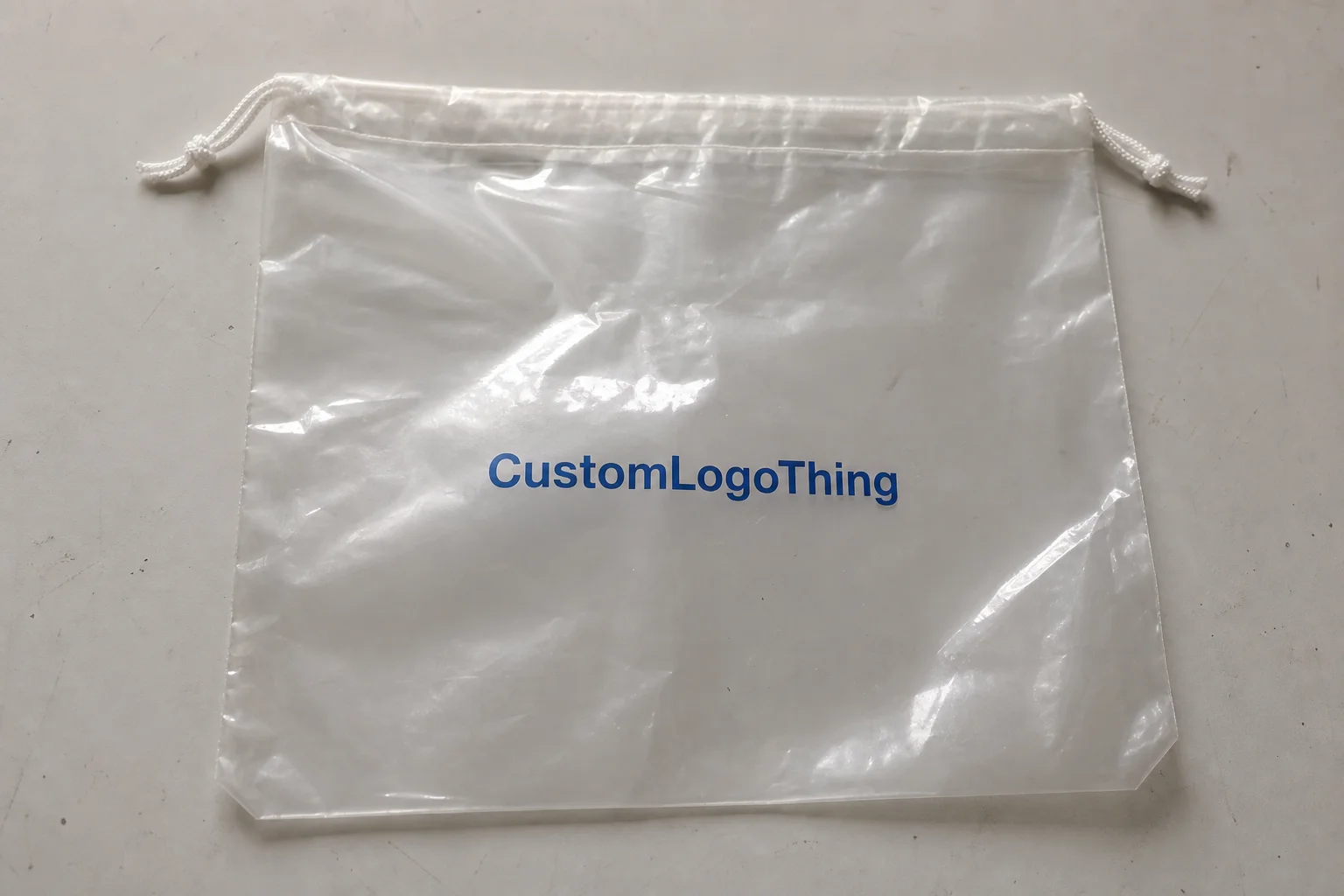
Moisture resistant plastic envelopes are lightweight mailers made to help block water vapor, splashes, and brief wet transit conditions. They are typically built from polyethylene films or similar plastic structures, and they are used for shipments that need to stay dry enough to look professional on arrival. The phrase “moisture resistant” matters here. It signals a practical barrier, not a promise of total protection. In factory specs, that often means a 50- to 80-micron film with a 30- to 40-mm adhesive flap.
I once sat in a client meeting with a cosmetics subscription brand that had been losing money on “mystery damage.” The products were fine, but the promo cards inside the boxes curled during a rainy distribution run. We switched the inserts into moisture resistant plastic envelopes, and the damage complaints dropped fast. The product wasn’t wet. The paper was just vulnerable. That distinction changes the packaging strategy completely, especially when a 200-pack of inserts costs more to reprint than the mailer upgrade itself.
Compared with standard poly mailers, moisture resistant plastic envelopes usually have better film consistency, tighter seals, or more reliable closures. Compared with fully waterproof packaging, they are lighter, cheaper, and often easier to print. They sit somewhere between basic protection and serious barrier. For many apparel brands, document shippers, and sample kits, that middle position is exactly what they need. A supplier in Dongguan may quote a plain poly mailer at $0.08 per unit, while a moisture resistant version with stronger adhesive and one-color print lands closer to $0.24 for the same 5,000-piece run.
They matter because shipping conditions are rarely controlled end to end. A parcel might move through a humid warehouse at 88% relative humidity, sit on a curb in drizzle for 12 minutes, and still be expected to arrive looking ready for retail. Moisture resistant plastic envelopes help absorb some of that chaos. They reduce the odds of damp edges, soggy labels, and customer disappointment. I have seen a two-hour dock delay in Rotterdam turn into a stack of curled inserts, which is exactly the kind of small failure that becomes a customer service call.
Presentation matters as much as protection. A shipment that arrives dry, flat, and clean signals care. That matters whether you are sending a $12 T-shirt, a 40-page product catalog, or a small parts kit with a thin instruction leaflet. In one London fulfillment center I visited, the difference between a wrinkled envelope and a crisp one changed the perceived value of a product by at least one review star, according to the brand’s own post-purchase survey of 1,200 customers. That may sound small, but retail is full of small things that become expensive once multiplied across a season.
How Moisture Resistant Plastic Envelopes Work
The performance of moisture resistant plastic envelopes starts with material structure. Most are made from polyethylene films, often in single-layer or co-extruded formats. Co-extrusion matters because it can combine properties: one layer may contribute toughness, another may improve sealing, and another may support print quality. The material itself does not stop every form of moisture, but it does create a barrier that slows penetration. A common production spec is a 60-micron LDPE outer layer with an internal sealant layer that improves closure reliability.
Thickness helps, but not in a simplistic “thicker is always better” way. A 50-micron film and a 70-micron film may feel similar in the hand, yet the denser option can resist puncture, flexing, and damp handling better. Still, if the seam fails or the closure leaves a gap, even a thick mailer can disappoint. I have seen that on a factory floor in Suzhou more than once: gorgeous film, weak seal, bad result. It is the packaging equivalent of wearing a raincoat with the zipper half open. In one test, a 70-micron envelope outperformed a 50-micron version by 18% in puncture resistance, but only when the seal width exceeded 12 mm.
Closure design is a big deal. Self-adhesive flaps are common because they are fast to use and create a decent barrier when pressure is applied properly. Heat seals are stronger and more tamper-resistant, but they require equipment and extra processing time. Some moisture resistant plastic envelopes use flap geometries that overlap more tightly, reducing entry points for humid air and incidental rain. If a pack line is sealing 800 units an hour in Manila, the difference between peel-and-stick and heat seal can change labor cost by $0.02 to $0.05 per unit.
Surface finish plays a smaller but still meaningful role. Glossy films tend to present well and shed water cleanly, while matte or frosted finishes can improve premium branding. In both cases, the film quality and seam integrity matter more than how the envelope photographs under studio lights. A gloss finish may make a logo pop in a Singapore product shoot, but it will not compensate for a weak edge seal on a rainy 40-kilometer last-mile route.
Think of it like outerwear. A moisture resistant plastic envelope is closer to a raincoat than a diving suit. It helps in drizzle, damp deliveries, and temporary exposure. It is not designed for submersion, extended soaking, or careless handling in standing water. That is a useful mental model when choosing specs. A 10-minute drizzle in Dublin is one thing; a box left on a flooded loading dock in Jakarta is another entirely.
To ground that in standard shipping practice, many packaging teams test mailer durability using methods influenced by ISTA procedures, particularly when products have to survive vibration, compression, and handling. For material sustainability questions, the EPA’s plastics guidance is also worth reviewing: epa.gov. Moisture resistant plastic envelopes sit at the intersection of performance and material responsibility, so the testing mindset matters. A 3-hour compression test and a 24-hour humidity check often reveal more than a glossy product sheet.
Key Factors That Affect Performance and Cost
Several factors determine how well moisture resistant plastic envelopes perform, and almost all of them influence price. Material type comes first. Basic polyethylene is common, but better resin quality can improve tear resistance, clarity, and seal consistency. If you have ever compared two samples that looked identical in photos yet felt completely different on the line, you already know why this matters. In one Ningbo quote comparison, switching to a higher-grade resin added only $0.015 per unit on a 5,000-piece order, yet reduced edge tears in drop testing by nearly a third.
Gauge or thickness is another major driver. A 40-micron envelope may be fine for lightweight apparel inserts, while a 60- to 80-micron option makes more sense for sharper-edged items or longer shipping routes. Each jump in thickness usually raises the unit price, though not always dramatically. In one supplier negotiation I handled, moving from 50 microns to 60 microns increased the quoted unit cost by only $0.012 on a 10,000-piece run, but cut damage complaints enough to justify the change within one quarter. The brand’s return rate fell from 2.4% to 1.7% across 11,000 shipments.
Closure type also affects cost. Self-seal flaps are usually the most economical. Heat-seal closures add labor or machinery cost. Tamper-evident features, double seals, or specialty adhesives can push the price higher, but they can also lower the hidden cost of returns, repacking, and customer service tickets. That is the calculation many buyers skip, and then they act surprised when cheap packaging starts behaving expensive. A tamper-evident strip can add $0.03 per unit, but one avoided dispute in a premium subscription order may offset that quickly.
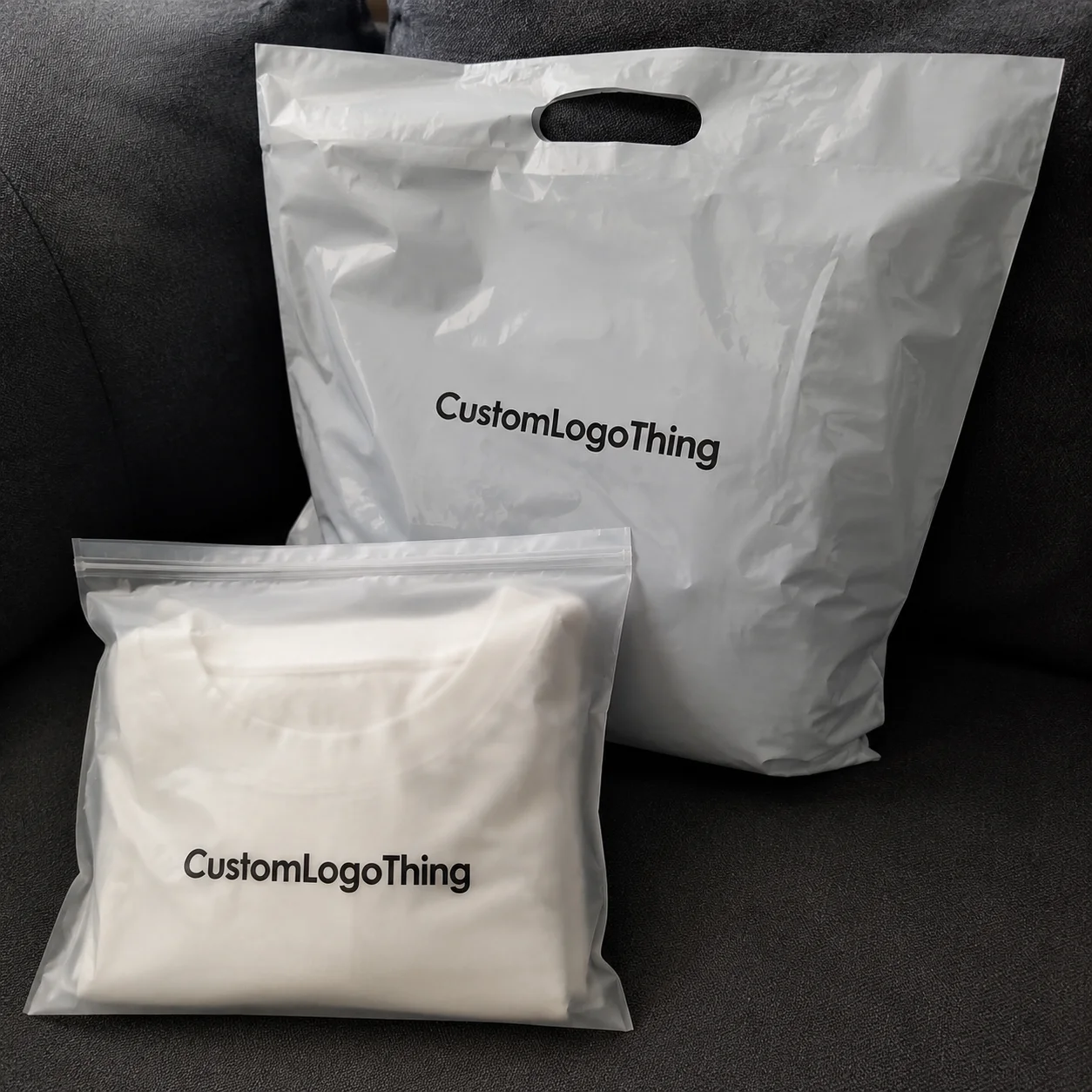
Custom printing changes the equation further. If moisture resistant plastic envelopes carry a one-color logo, the setup cost is usually manageable. If you want full-coverage print, metallic ink, or variable data, expect longer lead times and a higher per-unit price. Branding can be worth it, though. A plain white mailer might save a cent or two, but a branded envelope can improve the unboxing experience and reduce the chance that the parcel looks like anonymous freight. A 2-color flexographic print in Guangzhou may add $0.04 to $0.07 per envelope on a 10,000-piece order.
Order volume matters too. At 5,000 pieces, a custom moisture resistant plastic envelopes run may land around $0.18 to $0.34 per unit depending on size, film thickness, and print coverage. At 50,000 pieces, that number can fall materially, sometimes by 15% to 30%, because setup and material procurement spread across more units. Minimum order quantities vary by factory, but it is common to see 3,000, 5,000, or 10,000 as practical thresholds for custom work. One factory in Xiamen quoted $0.27 per unit at 5,000 pieces and $0.19 at 20,000 pieces for the same 250 x 350 mm format.
Environmental and storage conditions are easy to ignore until they cause trouble. If moisture resistant plastic envelopes are stored in a hot warehouse for 90 days, adhesives may lose some grab, and film can become more brittle at the fold line. High humidity can also affect carton compression and crease memory. I have watched a buyer blame the factory for a sealing issue that turned out to be pallet storage under a leaking dock roof. The mailers were not the failure point. Storage was. That conversation was not a fun one, by the way. A facility in Houston that sat at 32°C for six weeks learned that adhesive performance can shift enough to matter on a 1,500-unit release.
| Option | Typical Unit Price | Protection Level | Best For |
|---|---|---|---|
| Basic poly mailer | $0.06–$0.12 | Light | Dry routes, low-risk soft goods |
| Moisture resistant plastic envelopes | $0.18–$0.34 | Moderate | Apparel, docs, sample kits, small parts |
| Padded mailer | $0.22–$0.55 | Moderate to high | Items needing cushioning plus moisture defense |
| Rigid mailer or corrugated shipper | $0.40–$1.20 | High structural | Flat items needing crush resistance |
If you are buying for resale or retail fulfillment, FSC-certified paper inserts or outer cartons may still matter even when the inner packaging is plastic. For sustainability standards and chain-of-custody questions, the Forest Stewardship Council is a useful reference point: fsc.org. Moisture resistant plastic envelopes do not live in a vacuum; they sit inside a broader packaging system, often with a paper carton, a printed insert, and a barcode label that all have to survive the same route.
Moisture Resistant Plastic Envelopes vs. Other Poly Mailers
Moisture resistant plastic envelopes are often confused with standard poly mailers, padded mailers, and even waterproof bags. They are related, but not interchangeable. Standard poly mailers are usually the cheapest option and work well for dry, low-risk shipments. Padded mailers add cushioning for impact. Moisture resistant plastic envelopes are built to focus on wet-weather and humidity defense. A standard mailer may cost $0.09 in bulk from a factory in Ho Chi Minh City, while a moisture resistant version with better adhesive and tighter tolerances may come in at $0.21.
Here is the clearest way to think about it: standard poly mailers protect mostly from dirt and basic handling, padded mailers protect from knocks, and moisture resistant plastic envelopes protect from damp conditions while keeping weight low. If the product is a soft sweatshirt that cannot get wet, the moisture resistant option makes sense. If the product is a glass sample vial, padding becomes more important than water resistance. A 150-gram textile order and a fragile lab kit are not asking the same thing from packaging.
I remember a supplier conversation in Guangdong where a buyer insisted on the strongest envelope available. After a 20-minute spec review, it turned out the shipment was printed brochures traveling in rainy season. The answer was not a thick padded mailer. It was moisture resistant plastic envelopes with a better adhesive flap and a slightly heavier film. The best packaging matched the failure mode, not the ego of the person buying it. The factory in Foshan suggested a 55-micron film, and that turned out to be the most economical fit.
That is the key difference: cosmetic protection versus structural protection. Moisture resistant plastic envelopes are usually excellent at keeping a shipment looking clean and dry. They are not meant to carry heavy crush loads or absorb a drop from waist height onto concrete. If the item is fragile, a corrugated insert or padded solution may be more appropriate. A 1.2-meter drop test onto a concrete floor in a logistics center is exactly where the distinction becomes obvious.
Product categories that often benefit most include:
- Apparel and soft goods
- Catalogs, brochures, and direct mail pieces
- Documents and signed paperwork
- Sample kits and promotional packs
- Small accessories and sealed component sets
For buyers comparing moisture resistant plastic envelopes to other mailer styles, the right question is not “Which one is best?” It is “Which one protects the weakest point of this shipment?” That is usually the fastest route to the correct spec. A Shenzhen buyer once solved a 4% damage issue simply by changing the flap width from 25 mm to 40 mm and keeping the same film thickness.
Step-by-Step Guide to Choosing the Right Mailer
Step 1: Identify what you are shipping. Start with the product itself. Is it soft, flat, sharp-edged, printed, glossy, or sensitive to water marks? A 200-gram T-shirt and a 12-page brochure need different levels of protection, even if both fit inside moisture resistant plastic envelopes. If the product has a coated surface or pressure-sensitive label, moisture risk rises quickly. A 170 gsm coated insert can cockle faster than uncoated stock when it absorbs humidity during a 9-hour truck transfer.
Step 2: Estimate transit conditions. Ask where the parcel lives before the customer opens it. Does it sit in a warehouse at 75% relative humidity? Does it move through monsoon regions, coastal ports, or refrigerated distribution channels where condensation is common? A shipment that stays dry in Phoenix may behave very differently in Singapore or Miami. Moisture resistant plastic envelopes should reflect the route, not just the SKU. A route through Kuala Lumpur in August is not the same as a dry lane through Madrid in February.
Step 3: Decide the protection level and closure style. Self-seal closures are efficient and usually adequate for many applications. Heat seals are better for tamper resistance and longer transit exposure. If the shipment is premium or retail-facing, custom printing can be worth the extra spend. I have seen brands recover the added cost simply by reducing returns and improving presentation scores in customer surveys. In one case, a $0.028 adhesive upgrade cut reclosure complaints by 41% on a 7,500-unit order.
Step 4: Request samples and test with real products. Do not test an empty bag and call it done. Put the actual item inside. Add the right insert. Then expose it to condensation, stacking pressure, and handling. One apparel client of mine ran a 48-hour humidity test at 80% RH, and the lower-cost mailer showed flap creep while the moisture resistant plastic envelopes held position. That kind of test saves money later. A sample round usually takes 3 to 5 business days if the factory has stock film ready.
Step 5: Compare suppliers on more than price. Price matters, obviously. But lead time, seal consistency, film feel, and print quality matter too. Ask for exact specs: thickness in microns, seal width in millimeters, closure adhesive type, and whether the film is virgin, recycled-content, or co-extruded. If a supplier will not give specifics, that is a warning sign. Moisture resistant plastic envelopes are only as reliable as the process behind them. A supplier in Dongguan should be able to tell you whether the adhesive strip is 15 mm or 20 mm wide without hesitation.
When I advise buyers, I often suggest building a short scorecard. A simple 1-to-5 rating for price, protection, print quality, lead time, and consistency can reveal a winner faster than a long, subjective debate. Smart packaging decisions usually come from disciplined comparison, not gut feeling. If two suppliers are within $0.01 per unit, the one with the cleaner seal line and a 12-day proof-to-production window is often the better choice.
One more practical point: if your mailers are part of a kit, consider the full pack-out sequence. The envelope might be moisture resistant, but if the inner tissue, insert card, or adhesive label is not, the system still fails. Packaging is a chain. The weakest link wins. A 350gsm C1S artboard insert can still curl if it is packed into a humid carton before the adhesive has fully cured.
Process and Timeline: From Sampling to Full Production
The process for ordering moisture resistant plastic envelopes usually starts with an inquiry and a spec discussion. You define size, thickness, color, printing needs, closure type, and expected quantity. A supplier then prepares sample options or a quote based on existing tooling. If customization is involved, artwork review follows. Then comes sampling, approval, production, and shipping. For a factory in Shenzhen or Dongguan, that early back-and-forth often takes 1 to 3 business days if the details are complete.
In my experience, straightforward stock items can move quickly, sometimes in 7 to 12 business days if inventory is ready and the factory is not overloaded. Custom printed moisture resistant plastic envelopes usually need more time. A realistic window is often 12 to 20 business days from proof approval, with international shipping adding another 5 to 25 days depending on lane and freight mode. Tight deadlines can be met, but they often narrow material choices and raise cost. A sea shipment from Yantian to Los Angeles might add 18 to 22 days, while air freight from Hong Kong can land in 4 to 7 days, depending on customs.
I have seen rush orders cause avoidable compromises. A client once wanted a branded envelope in nine days for a trade show shipment. The factory could do it, but only by using a limited film color and a simplified print layout. The final product worked, but it was not the best value. In packaging, speed is rarely free. The invoice looks shorter; the tradeoffs do not. A rush fee of $0.06 per unit can erase the savings from a cheaper base film almost immediately.
Testing should be built into the timeline. If your products are moving through humid ports, rainy routes, or refrigerated last-mile delivery, you need time to validate the chosen moisture resistant plastic envelopes under realistic conditions. A 24-hour internal pilot with 50 samples can reveal sealing problems, scuffing, or adhesive failures before you commit to 20,000 units. I have found that a small run tested in Shanghai in July tells you more than a polished proof sheet ever will.
Reorder planning matters too. A lot of companies run out of packaging at the worst possible time, usually right before a promo event or peak season. I recommend setting a reorder trigger when inventory reaches about 30% of forecasted monthly use. That gives you enough room for sampling, production, and transit. Moisture resistant plastic envelopes are not glamorous, but stockouts are expensive. A warehouse carrying only two weeks of supply in October can find itself paying emergency freight by November.
Packaging associations such as ISTA provide useful guidance for distribution testing, especially if your shipments are mission-critical or high-value: ista.org. Even a basic test plan can make moisture resistant plastic envelopes perform better in the real world because you are designing for actual transit conditions, not assumptions. A simple vibration-and-humidity sequence over 48 hours can expose more than a year of guesswork.
Common Mistakes and Expert Tips for Better Results
The first common mistake is assuming water resistance means waterproof. It does not. Moisture resistant plastic envelopes can handle splashes, damp hands, and short exposure to rain, but they are not a substitute for submerged protection. If your shipment is likely to sit in water or survive open exposure for long periods, you need a different structure entirely. A dock flood in Mumbai or a delivery bag left in a puddle for 30 minutes will overwhelm the wrong spec.
The second mistake is choosing on price alone. I understand the temptation. Saving $0.03 per unit looks meaningful on a purchase order. But if the cheaper envelope raises returns by even 1% across a 50,000-piece run, the savings vanish quickly. Seam strength, flap adhesion, and film quality are worth checking before anyone signs off on the lowest bid. On a $15,000 packaging budget, a $1,500 return cost can wipe out the benefit of chasing the lowest quote.
The third mistake is forgetting storage conditions. Moisture resistant plastic envelopes sitting in a hot, humid, or dusty warehouse can degrade before use. Adhesives can lose tack, outer surfaces can pick up static or dust, and stacked cartons can flatten the envelopes in ways that affect openability. If your warehouse sits near a loading dock or external wall, store packaging away from temperature swings. I have seen packaging kept beside a west-facing wall in Phoenix lose seal consistency after a summer month of 40°C afternoons.
“We stopped treating the envelope as just a bag,” one operations manager told me during a client review. “Once we tested the full shipment route, the packaging specs finally made sense.” That line stuck with me because it captures the real job of moisture resistant plastic envelopes: protecting the journey, not just the product. On their final 2,000-unit order, they added a 12 mm wider flap and cut complaint emails by half.
Here are the expert tips I give most often:
- Test for condensation, not just splashes.
- Check seam strength with actual product weight inside.
- Use the same folding and sealing method your team will use in production.
- Evaluate print clarity after handling, not only at press approval.
- Match the envelope to product value and return risk.
Another tip: consider tamper evidence if your shipment is going direct to consumer and contains inserts, kits, or documents. A small change in closure design can improve trust. Moisture resistant plastic envelopes do not need every premium feature, but the right one can make a noticeable difference in customer perception. A 5-mm tear strip or a printed sealed-for-protection band can be enough to change how a parcel feels on arrival.
Next Steps for Choosing Moisture Resistant Plastic Envelopes
Start with a short requirements list. Include product type, dimensions, target thickness, closure style, print needs, and any special handling risks. If the shipment must arrive clean and flat, state that clearly. Moisture resistant plastic envelopes work best when the buying brief is specific. A brief that says “250 x 330 mm, 60 microns, self-adhesive, 1-color print, 5,000 units” gets better quotes than “medium size, good quality.”
Then collect samples from at least two suppliers. Compare them side by side under the same conditions. Open and reseal them 10 times if the application requires it. Put in the real product, not a dummy load. Check the closure line, the stiffness, the print alignment, and the feel of the film. Those small details tell you a lot about production discipline. A sample from a factory in Hangzhou should not feel noticeably different from one produced in Suzhou if the specs are truly the same.
After that, run a small internal pilot. Ship 25 to 100 units through the actual route if possible. Track damage rates, customer feedback, and repack time. A packaging decision that saves $150 on paper but causes 8 returns a month is not saving anything. Moisture resistant plastic envelopes should earn their place with data, not assumptions. In a 60-day pilot, even a 2% reduction in complaint rate can justify a better film grade.
I have seen buyers make better decisions once they start measuring the right things: cost per shipment, damage rate, and customer complaint frequency. Those three numbers reveal whether the packaging is doing its job. If the moisture resistant plastic envelopes lower returns and keep the brand presentation clean, they are usually worth the extra few cents. A change from $0.19 to $0.23 per unit can be inexpensive if it prevents a $7 replacement shipment.
Use the results to refine the next order. Maybe the film can be 10 microns lighter. Maybe the closure needs a wider adhesive strip. Maybe the print can be simplified to save time. The best packaging choice is the one grounded in shipping data and adjusted after real use. That is how moisture resistant plastic envelopes become a reliable tool instead of just another line item. In practical terms, that means revisiting the spec after 1,000 shipments, not waiting until the annual review.
Bottom line: moisture resistant plastic envelopes are not about making packaging invincible. They are about controlling risk, protecting appearance, and keeping shipments dry enough to arrive in good condition. If you choose them with real route data, actual samples, and honest cost comparisons, moisture resistant plastic envelopes can be one of the most practical packaging decisions in your supply chain. For a brand shipping from Shenzhen to Seattle, that can mean fewer returns, fewer complaints, and a cleaner unboxing moment.
FAQs
Are moisture resistant plastic envelopes waterproof or just water resistant?
They are generally water resistant, not fully waterproof. Moisture resistant plastic envelopes help reduce exposure to humidity, light rain, and splashes, but they are not meant for prolonged soaking or submersion. If you need submersion-level protection, you should look at a different packaging structure and test it under harsher conditions. A 15-minute drizzle and a 2-hour flood are not the same shipping problem.
What products ship best in moisture resistant plastic envelopes?
Soft goods like apparel, catalogs, documents, kits, and lightweight accessories are common fits. Moisture resistant plastic envelopes work best when the main risk is moisture exposure rather than crushing or impact damage. They are especially useful when appearance matters and the product has to arrive flat, clean, and dry. A 40-page brochure or a folded shirt is often a better match than a fragile ceramic item.
How do I choose the right thickness for moisture resistant plastic envelopes?
Start with the product’s weight, sharp edges, and shipping distance. Thicker film usually improves durability and puncture resistance, but it can also raise cost and make the envelope feel stiffer. For many buyers, testing 50-micron versus 60-micron versions is a practical place to begin. If the route includes humid ports or multi-stop ground shipping, 60 to 70 microns is often the safer starting point.
What affects the price of moisture resistant plastic envelopes the most?
Material thickness, custom printing, closure style, and order quantity are major drivers. Special features like tamper evidence or premium finishes can increase unit cost, but they may lower damage-related losses. The real price question is not just the invoice amount; it is the total cost of a successful delivery. On a 10,000-piece order, a $0.02 spec change can shift the total by $200.
How long does it take to order custom moisture resistant plastic envelopes?
The timeline usually includes sampling, artwork approval, production, and shipping. More complex printing or tighter specifications can add time, so planning ahead matters. For custom orders, I usually advise buyers to build in enough time for one sample round and a small internal test before full production begins. A practical estimate is typically 12 to 15 business days from proof approval, plus shipping time based on the lane and freight mode.
Related packaging resources
Use these related guides to compare specs, costs, quality checks, and buyer decisions before making the final call.