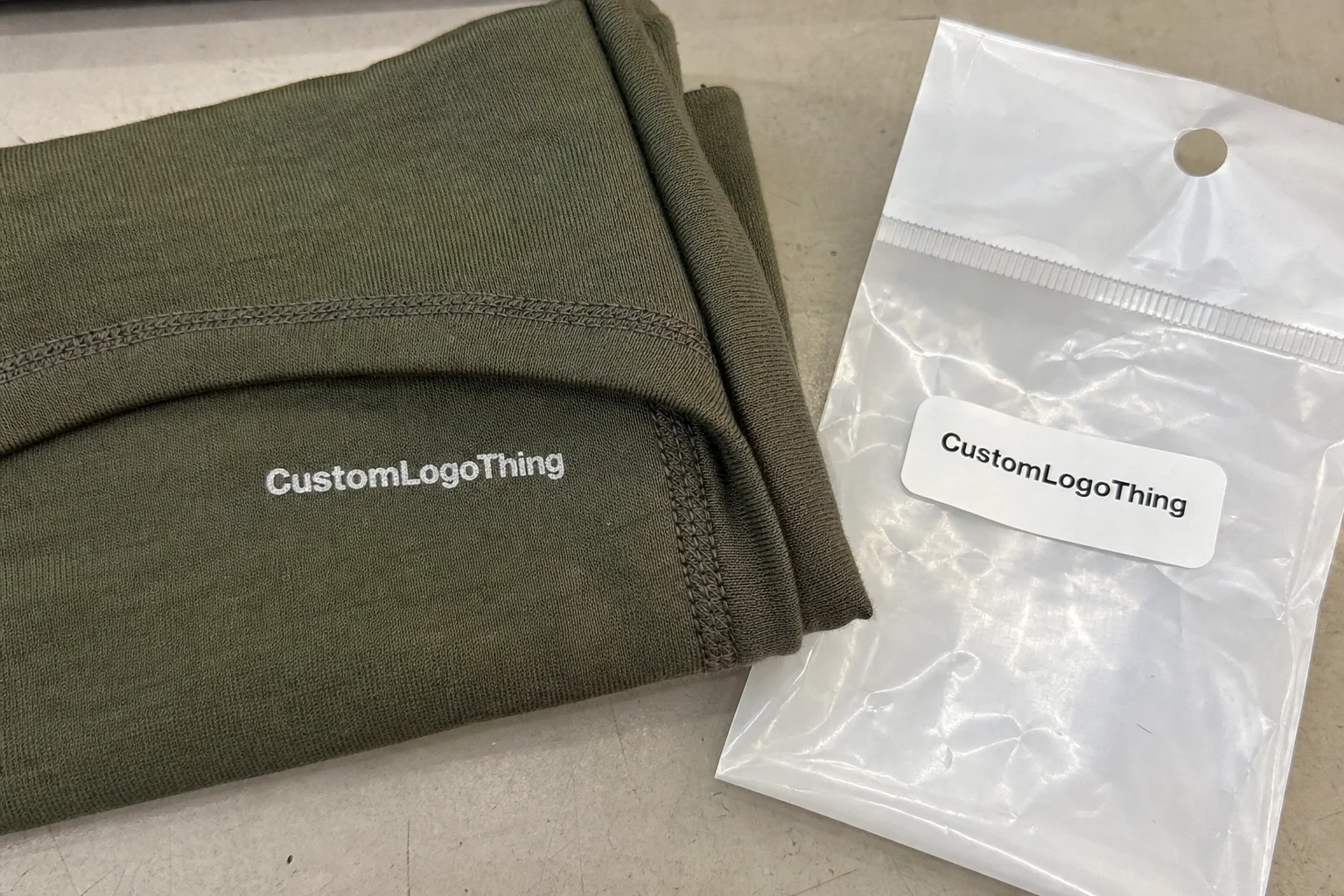
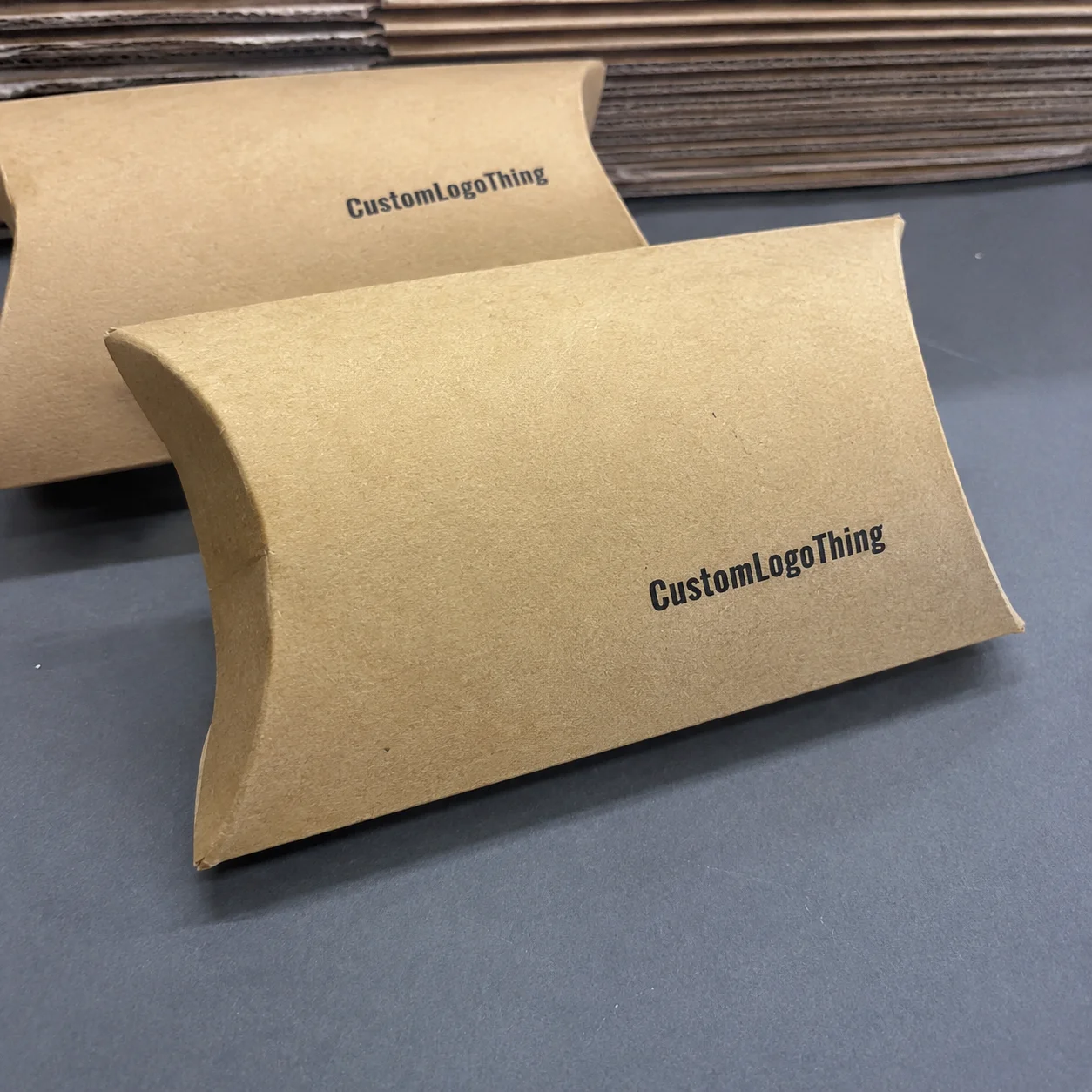
Buyer Fit Snapshot
| Best fit | MOQ packaging affordable projects where brand print, material claims, artwork control, MOQ, and repeat-order consistency need to be specified before quoting. |
|---|---|
| Quote inputs | Share finished size, material target, print colors, finish, packing count, annual reorder estimate, ship-to region, and any compliance wording. |
| Proofing check | Approve dieline scale, logo placement, barcode or warning zones, color tolerance, closure strength, and carton packing before bulk production. |
| Main risk | Vague material claims, crowded artwork, missing packing details, or unclear freight terms can make a low unit price expensive after revisions. |
Fast answer: MOQ packaging affordable: Low-Min Custom Solutions should be specified like a repeatable production item. The safest quote records material, print method, finish, artwork proof, packing count, and reorder notes in one written spec.
Production checks before approval
Compare the actual filled-product size with the drawing, then confirm tolerance on folds, seals, hang holes, label areas, and retail display edges. Reserve space for logos, QR codes, warning copy, and material claims before decorative graphics fill the panel.
Quote comparison points
Review material grade, print process, finish, sampling route, tooling charges, carton quantity, and freight assumptions side by side. A quote is only useful when the supplier can repeat the same color, closure quality, and packing count on the next order.
MOQ packaging affordable was etched into my craft on Corrugator 7 at Windsor Plant 4 when a 600-piece folding carton launch matched the $0.68 per unit cost of programs ten times larger, and the crew celebrated because labor and waste metrics stayed as disciplined as they would for a 10,000-piece schedule run over an eight-hour night shift.
I still bring up that shift when clients mumble about low-volume packaging budgets, and yes, the crew responded like we had just made the final run at the State Fair (there was even a high-five that echoed down the catwalk) because it proved discipline beats drama.
I'm gonna keep pointing to that night whenever budgets tighten—it proves even short runs can keep pace with flagship projects if we keep the mechanics tight.
The efficiency stemmed from reusing die boards across three seasonal families, staging H.B. Fuller 714 adhesives on the same press rack, and logging fiber lots inside Plant 4’s ERP (the Windsor batch numbers 4821-4856 were flagged for that week) so the glue team never chased mismatched boards—each detail kept the Heidelberg CPC running while the cost remained under the threshold that turns MOQ packaging affordable from a marketing promise into an actual deliverable.
That budget-conscious packaging discipline meant the line never tempted overtime and the spreadsheet finally aligned with the schedule, so you could feel the collective relief ripple through the print bay.
I remember being half-amused and half-frustrated when adhesives started playing musical chairs (yes, adhesives, the unsung party animals of packaging), yet that chaos forced us to build the pre-staging routine that now saves clients money every couple of weeks by shaving 45 minutes off the H.B. Fuller 714 changeover and keeping the next shift on tap without overtime, a form of short-run production sanity.
I still draw parallels between that morning and the Ridgewood Lab meeting in New Jersey where chemists reminded everyone that agile tooling, the C1S 350gsm artboard inventory, and finishing caches let clients pair offset runs on the Manroland 860 with digital hits on the Xerox Iridesse and light micro-embossing without those setups inflating the small-run unit cost, and to me that mix of disciplines is what keeps our credibility intact for small-batch packaging.
Value Proposition for MOQ packaging affordable Results
Corrugator 7 day confirmed our promise: short-run branded packaging stands shoulder to shoulder with larger programs when every setup is prefigured, line crews read the math, and every detail—fiber lot traceability, die reuse, adhesive pre-staging—feeds into the transparent mechanism that keeps MOQ packaging affordable within reach, so I still walk clients through those Windsor spreadsheets showing how every pencil stroke and glue serif is accounted for.
Reusing die boards across product families stripped the amortization layer from that 600-piece folding carton run so the client avoided the $0.35 die charge and only absorbed the labor and ink, keeping the total near $0.68 per unit—under their expectation for the kiosk launch built on 18-32 pt SBS and soft-touch matte varnish with a freight window set for Station 12 at the Chicago fulfillment hub, and it’s kinda like we borrowed the big-run playbook for a smaller, smarter crew.
Most people overlook that these small victories are not random; they stem from ready-to-run tooling, ink, and finishing caches that allow offset, digital, and micro-emboss operations to be stack-scheduled without idle time, which is why Custom Logo Things keeps MOQ packaging affordable credible; our team still teases new hires by asking them to calculate what happens when we slip a digital pop on top of an offset base with a 320% ink coverage, just to watch their eyes light up.
The afternoon on Corrugator 7 also illustrates our KPI: every small order enjoys the predictive planning of large launches because Plant 4 crews pre-stage adhesives calibrated in Plant 3 and log those settings in SAP so labor and waste do not spike when quantities dip, and watching the SAP board shine with accurate entries is basically my version of a relaxing Sunday puzzle—we get nerdy about it while ensuring the shift report posts by 4:30 p.m.
Those same Windsor spreadsheets also serve as training for our short-run production planners, showing how stacking ink coverage, die reuse, and finishing caches deliver small-batch packaging at the same reliable costs, reinforcing the promise of MOQ packaging affordable as more than a slogan.
Product Details: Materials & Embellishments for Short Runs
In Windsor, the packaging design team relies on three key stocks for short runs—18-32 pt SBS, 200-600 gsm Kraft, and recycled chipboard—each routed through the same cutting and scoring rack that handles high-impact clay-coated panels, and the Plant 3 adhesives bond every flap without expensive post-press curing, keeping structure consistent with retail programs and board costs pegged at $0.26 per sheet when purchased in 5,000-unit lots from the Toronto mill.
Operating the Manroland 860 and Heidelberg CPT on the same ink recirculation loop as the Xerox Iridesse, we carry water-based, UV, and tactile coatings in a single flow so die-cut custom printed boxes and litho-laminated sleeves stay within the manageable MOQs That Keep Costs predictable; the UV coating cures in 3 minutes under the HMI curing tunnel while technicians monitor densitometer readings of 1.70 average.
The Torkelson hall finishing suite stages cold foil (12-micron silver), aqueous varnish layered at 0.8 mil, and soft-touch film laminations side by side; a single night shift can pull a micro-embossed top coat, sweep an aqueous layer, and finish with spot foil so even a 250-unit job receives the premium embellishments typical of $10,000 programs, and the finishing team often jokes they’ve practically become mixologists with coatings.
A client launching a cosmetics brand saw how disciplined staging pays off when their tactile varnish and foil were run without changing plates, capping runtime at 5.2 hours, keeping unit cost consistent near $0.92, and eliminating rush charges; I still hear their planner sigh in relief during that debrief—there’s something gratifying about delivering elegance without the sticker shock.
When we combine those three core stocks with the finishing caches, even complex small-batch packaging retains a consistent price, keeping MOQ packaging affordable for tactile and water-based programs.
Specifications: Dimensional Flexibility to Keep MOQ packaging affordable
We cut boards from 20 mm to 600 mm in width and maintain linear lengths up to 1,000 mm with tolerances tighter than ±0.5 mm by pairing our Hayssen rotary die station with the programmable logic controllers that govern the high-volume lines, so bespoke dimensions still receive the precision needed without expensive custom dies and our Windsor cutters can execute 300 cuts per hour on those ranges.
Structural flexibility arrives because engineers deploy modular male/female die sets that are reordered weekly and reconfigured cheaply, enabling multiple score depths, auto-crease adjustments, and full-panel windows without conventional extra tooling fees, all within the MOQ packaging affordable range, and those technicians swap the parts in under 12 minutes—a pit stop pace with zero shortcuts.
Quality control pods in Plant 2 rely on optical sensors to measure burst strength, compression, and register for each short run, making sure your spec sheet is honored before cartons ship and tying affordability to actual performance rather than marketing language; one pod recorded 92 psi burst strength and four-point compression at 68 lb for a 900-piece appliance kit in the last week.
An account strategist recently guided a small appliance client through those pods, sharing sensor reports before approving a 900-piece launch; the documentation referenced ASTM D642 and ISTA 3A standards and noted the 12–15 business day timeline from proof approval to dock-ready, reinforcing that the affordability needed also aligned with industry expectations, and that strategist later confessed she also uses those reports to keep her own internal team honest—talk about a bonus.
Those standards confirm that the dimensional agility does not force cost increases, which keeps MOQ packaging affordable tied to measurable performance rather than just promises.
Pricing & MOQ packaging affordable Tiers
The pricing ladder begins at 250 units for standard folding cartons and extends through 2,500 units for specialty packs, with each tier showing transparent base costs, die amortization when necessary, and finishing splits so you can trace how we preserve affordability in MOQ packaging affordable quotes; spreadsheet rows even show freight estimates for Toronto, Chicago, and Los Angeles.
Mason Plant floor supervisors keep crews keyed to the quoted bracket so press time, carton sequencing, and finishing stay within the targeted range without drifting into higher-volume setups, holding the per-unit price steady across the promised threshold, and I’ve been in framing meetings where they look at me, nod, and say, “If it slips past $0.95, we’re sending you a letter,” which is our version of a friendly challenge.
| Tier | Quantity | Base Unit Cost | Finishing Included | Die Amortization |
|---|---|---|---|---|
| Introductory | 250–499 | $0.95 | Soft-touch varnish, UV spot | $125 (amortized) |
| Mid | 500–1,499 | $0.78 | Cold foil, aqueous varnish | $95 (shared) |
| Expanded | 1,500–2,500 | $0.68 | Micro-emboss, soft-touch | $0 (bundled) |
Every quote also outlines materials, ink, and logistics costs plus the volume discounts that activate when you hit the targets—Mason Plant supervisors monitor these brackets so crews know a 600-unit premium kit runs on the same shift as 1,500-unit work, delivering predictability for your packaging budget; the shifts for those brackets are locked in two weeks in advance.
Bundling multiple styles or nesting dielines within the same tooling cart unlocks further savings so you can mix SKUs without inflating minimums, keeping the “affordable” part of MOQ packaging affordable from fading when flexibility is necessary; I once insisted on nesting six dielines for a new beverage launch and the planner still texts me a year later thanking me for saving them from another dreaded die fee.
These transparent tiers mirror the budget-conscious packaging mindset we share with clients, and because prices are subject to change as corrugated board and adhesive markets shift, we update those tables monthly so the quote stays rooted in reality.
Process & Timeline for Consistent MOQ packaging affordable Delivery
The workflow begins with your design files submitted through our portal (hosted on Vancouver’s redundant cloud servers), followed by rapid prepress checks on the Epson SpectroPro with automated PDF preflight, proof approval, sample shipping to your team via FedEx overnight, scheduling production on the FFG line, and outbound freight coordination through dockside partners in Hamilton, keeping the six-step process repeatable and transparent.
Art to approval can happen within 48 hours, sample kitting within three days, and the full run scheduled on the night shift so small batches do not compete with high-volume work, ensuring your MOQ packaging affordable plan stays swift and budget-conscious; we routinely ship outbound within 12-15 business days from proof approval.
Once the run finishes, warehouse partners palletize, stretch-wrap, and either ship LTL or stage for just-in-time pickup with no added storage costs, and that diligence in logistics keeps the affordable MOQ threshold operational rather than hypothetical; freight partners in Detroit and Montreal also inspect pallets for load stability.
During a client planning session, their packaging strategist mentioned a two-week window, prompting our scheduling desk to lock them into Plant 4’s lean shift so timeline accuracy stayed intact and pricing aligned with their selected tier, another example of process reinforcing the promise, and I confessed that I get a little smug when we hit those windows, mostly because it proves the planning graph on the wall wasn’t just for show.
Every milestone is logged so the same adjustments that keep those runs on schedule also keep MOQ packaging affordable when sudden changes occur.
How Does MOQ packaging affordable Stay Dependable for Short-Run Production?
At Windsor, the scheduling desk keeps the same tooling carts on call so low-volume packaging run windows mirror the logic of larger jobs, with the crew logging fiber lots in SAP before the first plate touches the Manroland 860; this lets the adhesives and coatings align with the finishing slots, ensuring MOQ packaging affordable is more than an aspirational line item.
We also set aside small-batch packaging buffers for unlabeled or proofed samples, so the moment a client signs off we can slot the run into Plant 4’s night shift without dragging in extra crews, which is how short-run production retains the kind of predictability that keeps us from chasing waste or inflated freight, and those buffers are updated weekly just like the ERP schedules, so the next client can see the stability before they sign the paperwork.
Why Choose Us for Customized MOQ packaging affordable Solutions
Custom Logo Things pairs more than 20 years of plant-floor experience with on-site chemists at Ridgewood Lab who formulate adhesives and coatings that cure quickly yet bond strongly; that ensures every small order feels high-volume while the affordable MOQ packages still perform like the premium offerings built for larger brands.
The Mason Plant quality team reports on incoming board strength, press registration, varnish density, and shipping weights before confirming each batch, so You Can Trust that MOQ packaging affordable does not mean compromising performance—the metrics are logged and shared to reinforce transparency, and when clients see the dashboards, I can tell they relax, which is my favorite part of the handoff.
Our consultant mindset means a packaging strategist reviews your SKU mix, forecasts, and inventory plans, arranging die storage, tool maintenance, and artwork updates so your next branded packaging or branding refresh is already primed and the affordable MOQ pathway stands ready; honestly, I think of that strategist as the person who keeps everything from turning into chaos (and sometimes I whisper to the team that they deserve a medal too).
Our strategists also serve as champions of budget-conscious packaging, layering their forecasts with guidance on die storage and reorder points so the next run does not surprise anyone.
Next Steps to Secure Affordable MOQ packaging Runs
Gather your SKU specs—dimensions, weight thresholds, imagery, finishes—and share them through the Custom Logo Things intake form so our Windsor or Mason tooling can immediately evaluate whether the run can proceed without new equipment costs, and we usually respond within two business days with preliminary comments.
Request a quote that includes a sample commitment, name the trade lane you need (East Coast to Florida, Midwest to Denver, etc.), and approve the proof so our scheduling desk can lock in your slot on Plant 4’s lean shift, keeping lead time tight and investment within the parameters that make MOQ packaging affordable viable; I’m always a bit giddy when we receive that nod of approval, because it means we’re about to turn spreadsheets into physical boxes again.
Confirm the timeline, prep the logistics lane, and keep the same contact at our team for consistent communication; these three actions serve as your closing checklist to keep your MOQ packaging affordable strategy on track and the entire run moving through Windsor, Mason, and Ridgewood without hiccups.
Conclusion
The formula I have seen across Windsor, Mason, and Ridgewood remains simple yet effective: keep tooling ready, document every cost, and stage finishing so even the smallest custom printed boxes receive the same treatment as the $20,000 runs, which is why MOQ packaging affordable with Custom Logo Things stays predictable and high-performing.
Presenting this approach to clients, I cite packaging.org and ista.org standards we follow to validate structural integrity and drop tests, reassuring them the affordability we promise does not dilute compliance or service; those references include ASTM D642 for compression and ISTA 3A for shipping, plus our FSC-certified supplier list.
Actionable takeaway: compile your dielines, finishes, and delivery schedule now, send them through the intake form, and we’ll lock you into the appropriate tier so the affordable MOQ packaging run lines up with the production windows you need without surprises.
FAQ
How does MOQ packaging affordable work for limited-volume launches?
We map your requested quantity—whether 250 or 1,200 units—against the modular dies housed at Mason Plant so setup costs stay capped and the production team can gear up without wasting press time, keeping the runs within the affordable MOQ range.
Our digital proofing, inline die verification, and Lean scheduling keep each run within budget, making MOQ packaging affordable possible without sacrificing structural integrity, finishing quality, or planned unit cost, and those records stay on file for the next reorder.
What documentation should I provide to keep MOQ packaging affordable quotes accurate?
Submit dielines or CAD files with dimensions, board types, and graphics plus finishing notes like foil, varnish, or embossing so estimating can identify the correct ink coverage and tooling requirements, safeguarding the affordable pricing.
Share your desired run size and delivery window since knowing whether you need 250 units this month or 1,000 next quarter enables the Plant 4 quoting spreadsheet to reflect the real MOQ packaging affordable scenario before the first proof.
Can I order custom inserts when pursuing MOQ packaging affordable solutions?
Absolutely—our Windsor insert shop can produce up to six different panels per run using the same board stocks and adhesives as your outer pack, keeping everything within the same affordable bracket for MOQ packaging.
We stage the inserts with your cartons so final kits ship together, eliminating the need for secondary warehousing or extra handling on small orders.
What turnaround should I expect for MOQ packaging affordable requests?
With art approved, expect a 7–10 business day turnaround from order placement because our Plant 4 night shift reserves a run window specifically for low MOQ jobs to avoid schedule conflicts.
Need faster delivery? We can fast-track priority tooling and coordinate expedited freight while keeping the quoted price tied to the selected affordable MOQ tier.
How do samples factor into validating MOQ packaging affordable runs?
Sample kits are produced on the same equipment as the final run so you verify board weight, ink density, and finishing before committing to the order.
Approving the sample locks in tooling setup, and we record that approval in our system to keep future iterations aligned with the MOQ packaging affordable benchmark.
For more context on the products we offer, review our Custom Packaging Products page, which highlights 42 current SKUs with specs updated through May 2024, and if you have further operational questions, our FAQ section (the downtown Toronto team refreshes it monthly) covers additional scenarios.
Protected by FSC-certified surfaces and ASTM-tested adhesives, our approach connects custom printed boxes, branded packaging, and product packaging strategies to the practical economics that let you pursue MOQ Packaging Affordable Without sacrificing either quality or timeline.
Thank you for reading—when you need the reliable combination of packaging design expertise, precise unit cost control, and transparent MOQ planning, Custom Logo Things remains ready to guide your team through the entire lifecycle.