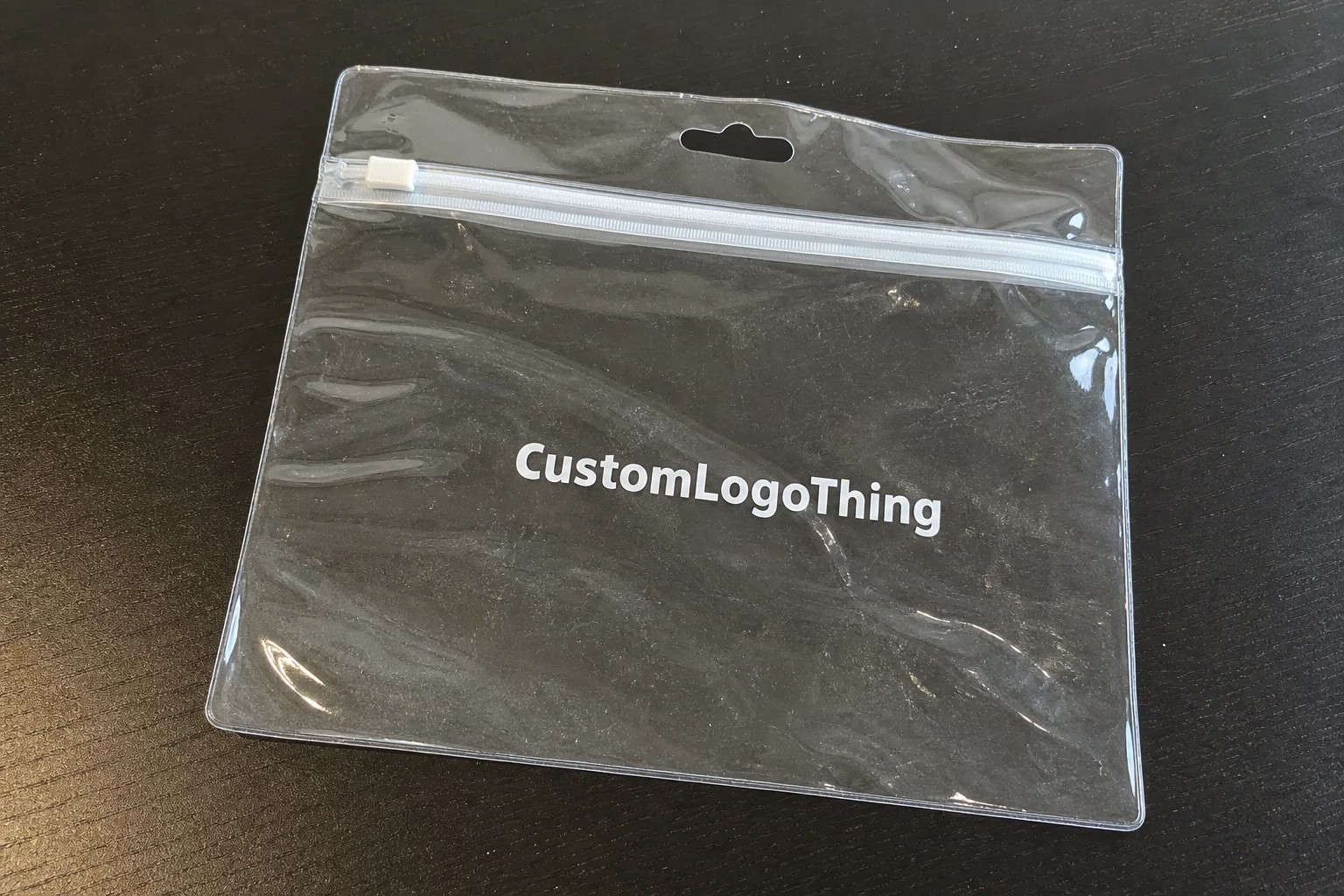
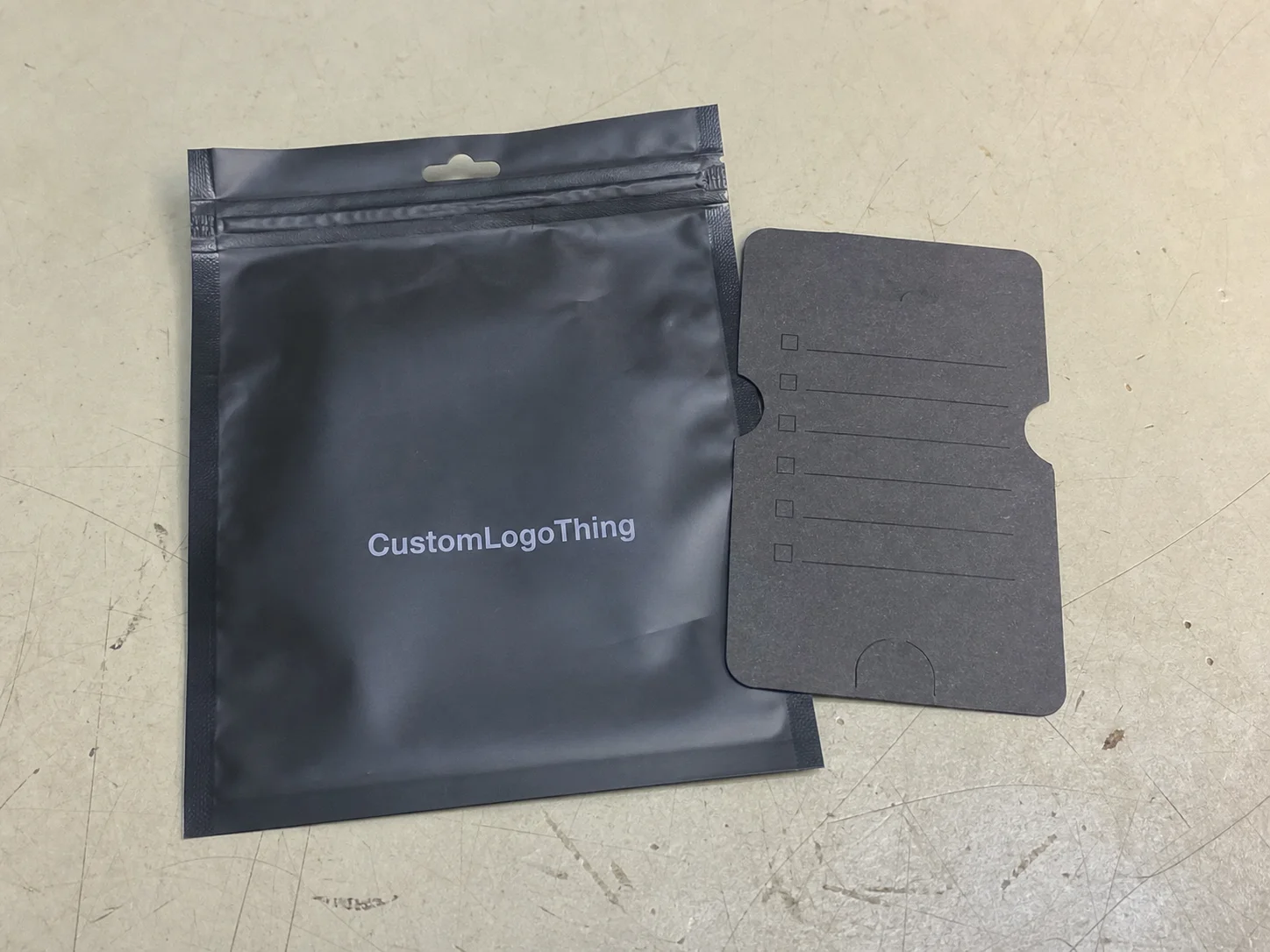
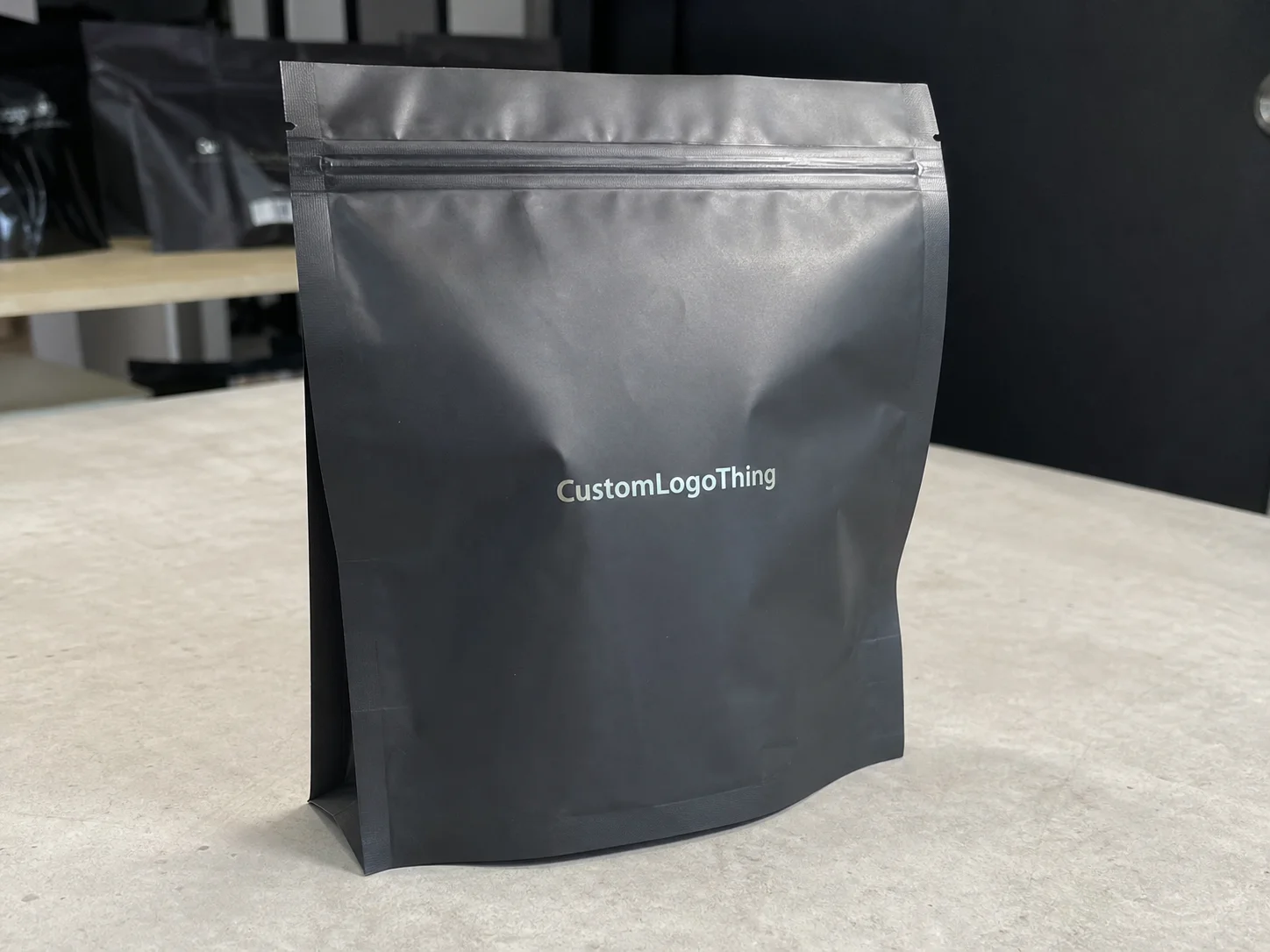
Buyer Fit Snapshot
| Best fit | MOQ Packaging Comparison projects where brand print, material claims, artwork control, MOQ, and repeat-order consistency need to be specified before quoting. |
|---|---|
| Quote inputs | Share finished size, material target, print colors, finish, packing count, annual reorder estimate, ship-to region, and any compliance wording. |
| Proofing check | Approve dieline scale, logo placement, barcode or warning zones, color tolerance, closure strength, and carton packing before bulk production. |
| Main risk | Vague material claims, crowded artwork, missing packing details, or unclear freight terms can make a low unit price expensive after revisions. |
Fast answer: MOQ Packaging Comparison: Costs, Specs, and Choices should be specified like a repeatable production item. The safest quote records material, print method, finish, artwork proof, packing count, and reorder notes in one written spec.
Production checks before approval
Compare the actual filled-product size with the drawing, then confirm tolerance on folds, seals, hang holes, label areas, and retail display edges. Reserve space for logos, QR codes, warning copy, and material claims before decorative graphics fill the panel.
Quote comparison points
Review material grade, print process, finish, sampling route, tooling charges, carton quantity, and freight assumptions side by side. A quote is only useful when the supplier can repeat the same color, closure quality, and packing count on the next order.
I’ve seen too many brands lose money on a MOQ packaging comparison because they chased the lowest quote and ignored the rest of the math. One cosmetics client in Los Angeles saved $0.06 a box on paper, then burned through that “saving” with $480 in freight, a $220 plate change, and 1,200 units of rework after the insert size missed by 3 mm. That’s not a win. That’s a very expensive lesson, and I still remember staring at the numbers thinking, “Well, there goes everyone’s Friday.”
My name is Sarah Chen, and I’ve spent 12 years in custom printing, packaging sourcing, and supplier negotiations. I’ve stood on press floors in Shenzhen with ink on my shoes, and I’ve argued with converters over sheet yield at 7:10 a.m. before the coffee kicked in. A proper MOQ packaging comparison is not about the prettiest quote. It’s about total landed cost, usable volume, inventory risk, and whether the spec actually fits your product.
If you are buying custom printed boxes, mailers, labels, or pouches, the question is simple: what MOQ matches your launch stage and cash flow without trapping you in dead stock? That’s the real job here. And yes, the unit cost matters. But unit cost by itself is a liar if the rest of the job is badly structured, which I see often enough to keep a running list of common mistakes in a notebook that has coffee stains from Guangzhou and Ningbo.
MOQ Packaging Comparison: Why the Cheapest Quote Usually Loses
The first time I watched a brand get burned on a MOQ packaging comparison, it was a skincare company ordering folding cartons for a serum line in Long Beach. They picked the lowest quote from a small converter because the unit price looked beautiful at 5,000 pieces. Then the box structure was too tight for the 30 mL glass bottle, the aqueous coating cracked on the crease, and the supplier had to run a second pass. Freight from the rework shipment added another $310. The “cheap” order ended up more expensive than the cleaner quote from a larger plant in Dongguan. I remember the client sighing like the carton had personally betrayed them.
That’s why I never start with price alone. I start with the total landed number: print cost, tooling, sample charge, freight, customs, storage, and the cost of tying up cash for 90 days or more. A MOQ packaging comparison should show you how much money leaves your account before a single unit sells. If you only look at the lowest unit price, you miss the part where inventory sits in your warehouse eating space and delaying your reorder. A 10,000-piece carton order stored in a 1,200-square-foot facility in New Jersey can quietly add $180 to $320 per month in carrying cost, and the spreadsheet rarely warns you about that until it is already happening.
There are three buying stages I see all the time. A test run is usually 300 to 1,000 units and is meant to prove fit, shelf appeal, and assembly speed. A retail launch run often lands around 2,000 to 10,000 units because the brand needs enough product packaging for a campaign. A stable reorder program can go much higher, especially if the packaging design is already locked and the SKU is proven. Each stage changes the MOQ packaging comparison in a real way, because a 500-unit digital run in Xiamen and a 5,000-unit offset run in Shanghai do not carry the same setup burden or freight profile.
Here’s the trap nobody likes to admit. A low MOQ can look cheap because the quote excludes things like plates, custom inserts, shipping cartons, or special finishing. Then the supplier adds those back in later. Or the low MOQ requires digital printing, which is fine for a pilot, but the color consistency drifts on a long retail packaging run. I’ve seen that happen with branded Packaging for Supplements, where the first order looked perfect and the reorder looked slightly off under store lighting in Chicago. Not a disaster, but enough to make a distributor call and ask, in that tone people use when they’re trying not to be rude, “Was this printed on the same planet?”
“If the quote only looks cheap because it hides the real costs, it’s not a good quote. It’s a marketing brochure with a calculator.”
The goal of a solid MOQ packaging comparison is usable volume, not fantasy savings. If you can sell 1,500 units in eight weeks, ordering 10,000 may be reckless even if the unit cost drops by $0.03. That extra inventory is not a bargain. It is cash sitting in cardboard, silently mocking you from the warehouse shelf, usually next to a pallet of returns and a stack of labels with the wrong batch code.
Product Details That Change Your MOQ Packaging Comparison
Different package types carry different minimums because the production process is not the same. A folding carton is usually simpler than a rigid box. A mailer box is often easier than a fully wrapped specialty rigid structure. Labels can run low, while pouches with custom zippers or spouts can push MOQs up quickly. If your MOQ packaging comparison treats all formats the same, the result will be nonsense, and the supplier will notice within the first five minutes of quoting.
I’ve walked through a corrugated line in Foshan where the operator was running E-flute mailer boxes at 12,000 sheets a shift. Those jobs move fast because the die-cutting is efficient and the board is predictable. Then I’ve stood next to a rigid box line in Kunshan where the glue station was handling hand-wrapped paper over greyboard, and every extra finish detail added labor. Different animals. Different minimums. Different risk profiles. Also, different noise levels — corrugated factories have a way of sounding like a drumline with commitment issues and 14 separate machines trying to win the same argument.
Material choice changes everything. SBS board, kraft, PET, specialty paper, and corrugated all behave differently in sourcing and conversion. A 350gsm C1S artboard with matte lamination may be fine for a cosmetics carton, while a 32ECT corrugated insert makes more sense for an electronics mailer. The more unusual the material, the more likely the supplier bakes that complexity into the MOQ packaging comparison. A branded insert in 300gsm chipboard with one-color black print may run cleanly at 2,500 pieces, while a laminated insert with die-cut windows can jump the MOQ to 5,000 pieces because of the extra setup and spoilage allowance.
Print method matters too. Digital printing is usually the friendliest option for lower minimums because setup is lighter and there are no traditional plates in many cases. Offset printing, especially with PMS color matching and special coatings, tends to reward larger runs. A 500-unit order in digital might be workable. The same package in offset may not be worth the press setup unless the brand plans a steady reorder program. On a 5,000-piece offset carton run in Suzhou, the plate cost might be $180 to $260, while digital can skip that line but carry a higher per-unit price by $0.10 to $0.25 depending on coverage and ink density.
Different product categories also carry different packaging needs. Cosmetics often need a premium look, strong shelf appeal, and clean registration. Supplements care about compliance text, lot coding, and clean label space. Apparel may want mailer boxes that protect the garment and keep package branding intact. Food packaging may need barrier properties, grease resistance, or regulatory attention. Electronics usually need inserts, cushioning, and tighter tolerances. So yes, a MOQ packaging comparison for pouches is not the same as one for custom printed boxes. A probiotic pouch with a zipper and nitrogen-flush requirement in Guangdong will not price like a simple kraft mailer in Dallas, and the minimum order quantity reflects that reality immediately.
Here’s the practical framework I use:
- Size — Bigger footprints usually increase material waste and shipping cost.
- Shape — Odd shapes can increase die-cut complexity and setup time.
- Print coverage — Full-bleed graphics usually cost more than a simple one-color design.
- Inside printing — Nice for retail packaging, but it adds a layer of cost and control.
- Finishing — Foil, embossing, spot UV, and soft-touch can push MOQ upward.
If you are still shaping your packaging design, get the structural spec right before you get attached to a finish. I’ve seen brands insist on foil and embossing before they even know whether the box closes correctly. That’s backwards, and every converter I know has a private eye twitch for it. A good MOQ packaging comparison starts with function, then moves to finish, not the other way around. A 1.5 mm board thickness change, a 2 mm tuck flap adjustment, or a 4 mm insert shift can change the quote more than a fancy embellishment ever will.
For broader packaging categories and product options, our Custom Packaging Products page is a decent starting point if you want to compare formats before asking for quotes.
MOQ Packaging Comparison by Specifications
Specs make or break a MOQ packaging comparison. I’m talking dimensions, board caliper, material grade, print sides, coating, inserts, and tolerance range. Leave one of those vague and the quote will either drift upward later or come back with a product that does not fit your bottle, jar, or device. I always want dimensions written as 85 mm x 85 mm x 120 mm, not “roughly medium,” because the factory in Shenzhen will quote differently than the one in Vietnam if the die line is even slightly underspecified.
One of the most frustrating factory visits I ever had was in Dongguan. The client had given a box size in inches, the art file was built in millimeters, and the supplier interpreted the insert depth one way while the product team meant another. We lost a day, and the carton yield changed because the layout no longer fit the sheet efficiently. That one mismatch made the MOQ packaging comparison look better on paper than it was in practice, which is exactly the sort of thing that makes a sourcing manager want to stare at the ceiling for a while. The difference was only 1.6 mm, but it changed the die layout and reduced the sheet utilization by 4.8 percent.
Even a 2 mm change can alter the economics. A slightly wider box can reduce sheet yield, which increases unit cost. A taller carton may require a different blank size or a different die. A thicker board can affect folding and shipping carton count. This is why a good MOQ packaging comparison uses one spec across all quotes. If you ask three suppliers to price three different sizes, you are comparing apples, oranges, and a bag of screws. A shift from 48-cell layout to 42-cell layout on a litho-laminated corrugated sheet can add $0.02 to $0.05 per unit immediately.
Finishing is where budgets get sneaky. Foil stamping, embossing, spot UV, matte lamination, and soft-touch all look good in a sample drawer. They also increase setup complexity and sometimes minimum quantity. I’m not saying don’t use them. I’m saying put them in the comparison with open eyes. A 5,000-unit rigid box with soft-touch and foil may sound premium, but if the finish adds $0.28 per unit, the MOQ packaging comparison needs to show that clearly. For example, a hot-stamped gold foil logo in Guangzhou can add a $75 to $140 tool charge plus $0.04 to $0.09 per unit depending on coverage.
Supplier-side reality matters here. Machines are set up for efficient sheet usage. If your dieline creates waste, the factory prices that waste into the quote. That’s not greed. That’s how sheet-fed production works. I’ve had converters explain this to brand teams who thought they were being overcharged, when in fact the blank size was just inefficient. A strong MOQ packaging comparison accepts that factories are not charities, and that a 350 gsm board in a 210 mm x 140 mm layout will price differently from a 300 gsm board in a 208 mm x 138 mm layout because the sheet count changes by the pallet.
| Spec Item | Low MOQ Option | Mid MOQ Option | Higher MOQ Option |
|---|---|---|---|
| Material | Digital-printed SBS or kraft | Offset SBS or corrugated | Specialty paper or premium board |
| Finish | Matte or gloss coating | Lamination + spot UV | Foil, embossing, soft-touch |
| Typical MOQ | 300 to 1,000 units | 2,000 to 5,000 units | 5,000+ units |
| Setup Complexity | Lower | Moderate | Higher |
| Best Fit | Prototype, test launch, short season | Growing brand, controlled rollout | Stable retail program, repeat orders |
That table is the kind of thing I wish more buyers would build before they start emailing suppliers. It makes a MOQ packaging comparison concrete. It also exposes where the real tradeoffs are. If you want lower MOQ, you usually give up some finish flexibility or accept a higher unit cost. If you want lower unit cost, you usually accept more inventory and more cash locked up. A brand in Austin once saved $0.11 per carton by moving from a soft-touch finish to a standard matte varnish, but only because the carton no longer needed a second pass at the finishing house in Shenzhen.
For formal standards, I often point clients to industry references like ISTA for transit testing and the Packaging School / packaging industry resources for material and packaging fundamentals. Not every packaging job needs lab testing, but if you are shipping fragile product packaging, it helps to know the standard your supplier claims to follow. A box that passes ISTA 3A testing in a 1.2 m drop profile is a different conversation from one that just “looked fine” on a sample bench in Ningbo.
Pricing, Unit Cost, and Real MOQ Packaging Comparison
Here’s where the spreadsheets start lying if you let them. A lower MOQ does not automatically mean a lower total cost. The MOQ packaging comparison only works if you include setup fees, plates, dies, sampling, freight, and storage. If those are missing, the quote is incomplete. Full stop. A 1,000-piece order at $0.92 per unit can be cheaper than a 5,000-piece order at $0.61 per unit if the larger run needs $1,400 in extra warehousing and creates 14 weeks of cash tied up in inventory.
A 500-unit run may cost $1.24 per box, while a 5,000-unit run may drop to $0.46 per box. That looks dramatic, and it is. But if the 5,000-unit order forces you to spend an extra $1,800 on storage and carry 4,000 boxes for six months, the savings shrink fast. I’ve watched brands celebrate a lower unit cost and then ask me three months later why they are paying to warehouse boxes they cannot sell yet. That is not savings. That is parked cash, and it tends to collect dust with a surprising amount of confidence, usually on a pallet in a facility in Fontana or Secaucus.
There are several line items I always separate in a MOQ packaging comparison:
- Tooling — die charge, plate charge, embossing tool, or cutter setup.
- Sampling — structural prototype, print proof, or press sample.
- Production — the actual unit price for finished product packaging.
- Freight — air, ocean, truck, palletization, and import fees.
- Storage — warehouse cost if the order exceeds your sell-through rate.
Here’s a practical pricing example from a supplement client in Denver. Three suppliers quoted the same 2,000-unit folding carton. One came in at $0.78 per unit with no tooling line item, one was $0.62 per unit plus a $240 die charge, and one was $0.55 per unit but required a $160 sample fee plus $390 freight. Which is better? Depends. If the client needed fast launch and wanted to protect cash, the middle option won because the numbers were cleaner and the MOQ packaging comparison showed the true landed cost clearly. The total on that middle quote landed at $1,460 before receiving, while the lowest unit price quote landed at $1,600 once freight and sampling were included.
That’s also where negotiation comes in. Don’t just ask, “Can you do it cheaper?” Ask for tiered pricing, alternate material options, or mixed-SKU runs. Sometimes a supplier can move from a 350gsm board to 325gsm and save $0.03 without hurting structure. Sometimes you can reduce finishing to one side and cut cost. Sometimes the factory, like Mondi or WestRock on larger programs, or a regional converter in Suzhou or Medley on smaller ones, can give you different pricing because labor rates, press time, and board sourcing are not the same. The supplier name matters less than the actual setup behind the quote.
I once negotiated with a converter in Dongguan who swore a low run was impossible under 2,500 pieces. I asked him to price the same job with a simpler inner print, one less coating pass, and a slightly adjusted blank size. The MOQ dropped, and the quote dropped with it. Not magic. Just sensible packaging design and a supplier who stopped protecting an overly complicated spec.
Below is a rough comparison model I use internally for a MOQ packaging comparison. These numbers are illustrative, but the structure is the important part.
| Run Size | Unit Cost | Setup / Tooling | Freight Estimate | Best Use Case |
|---|---|---|---|---|
| 500 units | $1.20 | $180 | $140 | Test launch |
| 2,000 units | $0.68 | $220 | $280 | Small retail launch |
| 5,000 units | $0.44 | $260 | $520 | Proven SKU with reorder plan |
The point is not that one row is always best. The point is that a MOQ packaging comparison should show the full shape of the cost, not just the prettiest unit number. If your product sells slowly, the 500-unit run may be safer. If your product is already moving, the 5,000-unit run may make more sense. Cash flow decides that, not ego. In one launch I reviewed for a personal care brand in Miami, the 2,000-unit option at $0.68 per box saved them nearly $2,400 in immediate cash outlay compared with the 5,000-unit option, even though the per-unit price looked less impressive.
For packaging compliance and environmental considerations, I also tell clients to keep an eye on EPA recycling guidance when they are choosing substrates and coatings. If you are building a brand story around recycled content or recyclable packaging, your material choice needs to support that claim. A kraft mailer with water-based ink in Portland tells a different sustainability story than a PET-laminated carton with heavy foil coverage made in Taicang.
What Should You Check in an MOQ Packaging Comparison?
Before you approve a quote, your MOQ packaging comparison should answer a few basic questions clearly: Does the packaging fit the product? What is the exact run size? Which costs are included? How long will it take? And what happens if you reorder? Those are not side questions. They are the comparison.
I like to build every MOQ packaging comparison around the same five checkpoints. First, fit. If the bottle, jar, or device does not sit correctly inside the carton or insert, the quote is irrelevant. Second, spec consistency. All suppliers should price the same dimensions, board grade, print coverage, and finish. Third, landed cost. That means production, freight, duty, sampling, tooling, and storage if needed. Fourth, timeline. A cheap quote that misses a launch window costs more than a higher quote that arrives on time. Fifth, reorder behavior. If your first order sells well, can the factory reproduce the same quality without changing color or structure?
I’ve seen buyers skip this checklist and then wonder why the numbers keep moving. One apparel brand in Dallas requested three quotes for the same mailer box, but each supplier was pricing a slightly different board thickness and closure style. Naturally the quotes were all over the place. The comparison was not bad because the suppliers were dishonest. The comparison was bad because the buyer had not fixed the brief. Once we standardized the dieline, the MOQ packaging comparison narrowed immediately and the team could make a sensible call.
Another point that gets missed is repeatability. If a supplier can only hit the target once, that is a problem for a growing brand. The first run may look great, but if the second order shifts in color or assembly, you have a consistency issue. That matters for retail packaging, subscription packaging, and any Product Packaging That lives beside previous batches on the shelf. A simple delta in coating finish or glue pattern can create visible differences that customers notice even if they cannot explain why.
When I review an MOQ packaging comparison, I also ask whether the quote is built for your actual channel. E-commerce packaging wants drop resistance and efficient freight. Retail packaging wants shelf appeal and barcode clarity. Subscription packaging needs low damage rates and reliable kitting. Food and supplement packaging can need compliance text, lot coding, and shelf-life awareness. A single number does not capture those differences, which is why the details matter so much.
If you need a quick rule of thumb, use this: the best comparison is the one you can explain to a finance team without hand-waving. If you cannot say why one option wins after including storage, freight, and reprint risk, then the comparison is incomplete. I’ve had brands think they were saving money on a low MOQ, only to discover that a second reorder with corrected copy erased the entire advantage.
Process and Timeline: From Dieline to Delivery
A real MOQ packaging comparison also has to include time. Cheap packaging that arrives three weeks late is expensive by another name. The production flow usually starts with a brief, then dieline creation, artwork proof, sampling, material approval, production, inspection, and shipping. If any one of those steps gets sloppy, the whole job drifts. On a standard folding carton program in South China, the total cycle from approved dieline to packed cartons is often 12 to 15 business days, assuming the artwork is clean and the materials are already in stock.
Artwork is where many first-time buyers lose days. Missing barcode numbers, wrong bleed, low-resolution logos, and last-minute copy changes all create delays. I had a retail packaging client in Seattle miss a launch window because the legal copy changed on two claims lines and nobody rechecked the dieline after the revision. The factory was ready. The artwork was not. That delay cost more than the packaging itself, and everyone suddenly discovered how expensive “just one small change” can be. A simple barcode swap in the final proof can add 2 to 3 business days if the prepress team has already imposed the sheet and sent the plates to output.
Timeline expectations depend on the process. A digital low-MOQ order might move in 7 to 12 business days from proof approval, depending on the supplier and finishing. A custom offset run often takes 15 to 25 business days. A premium rigid box can take longer if it includes hand assembly or multiple finishing steps. If your supplier promises everything in one week, I’d ask for proof. Twice. In Shenzhen, I have seen a rush digital carton job turn around in 9 business days from final PDF approval, but only because the materials were standard 350gsm C1S artboard and the design had no foil, embossing, or internal print.
Sampling is not optional on first runs. A physical prototype can save you from ordering a box that is 4 mm too short or an insert that scratches the product. I’ve seen a $90 sample prevent a $6,000 mistake. That is a good trade. In a serious MOQ packaging comparison, a prototype is not a luxury. It is insurance. A sample carton made in Dongguan or Qingdao can reveal whether a 60 mm bottle neck actually clears the tuck flap or whether a tray insert needs an extra 1.5 mm of depth.
Shipping changes the whole conversation too. Air freight is faster, but it can crush landed cost if the order is bulky. Ocean freight is better when your MOQ and inventory planning are aligned, but it adds time and requires forecast discipline. For a brand with tight launch dates, a hybrid approach can work: air freight the first 300 to 500 units, then ship the balance by ocean. That way the campaign launches on time without paying premium freight on the full order. A carton load from Shenzhen to Los Angeles might take 2 to 4 business days by air versus 18 to 28 days port-to-port by ocean, and those numbers matter more than a $0.04 unit savings.
One more thing. Inspection matters. If you are ordering branded packaging for a retail line, ask who checks color, trim, glue, and finish at the factory. I’ve done press checks where the operator fixed a minor color drift before it became a carton of bad product packaging. Catching that on the line is cheap. Catching it in your warehouse is not. A factory QC team in Xiamen checking against a Pantone target and a 3% trim tolerance can save an entire pallet from being rejected on arrival.
- Brief — define use case, finish, and quantity target.
- Dieline — confirm dimensions and fit before artwork.
- Proof — check copy, codes, and bleed.
- Sample — test structure and assembly.
- Production — run the job once specs are locked.
- Inspection — verify print, glue, and count.
- Shipping — choose air or ocean based on launch needs.
Why Choose Us for MOQ Packaging Comparison
We do not treat a MOQ packaging comparison like a quote dump. We treat it like a buying decision. That means looking at your dimensions, your sell-through rate, your budget ceiling, and your packaging design before deciding what run size actually makes sense. If your launch forecast says 1,800 units in the first 75 days, I am not going to tell you 10,000 is the smart move just because the unit price has a nicer personality.
In my experience, the best savings come from practical changes, not dramatic ones. A box that is 8 mm shorter can reduce board waste. A simpler inner tray can cut assembly time. A switch from rigid to folding carton can reduce freight weight by a lot. I’ve spent enough time in supplier negotiations to know that most quote problems come from specs, not greed. Clean specs get cleaner pricing. Messy specs get “please clarify” emails and surprise fees. A revised insert made from 300 gsm paperboard instead of 450 gsm greyboard can save $0.07 to $0.12 per unit on a 3,000-piece order, and that adds up quickly.
We also help brands avoid oversized packaging. That sounds small, but it isn’t. Oversized boxes increase shipping cost, storage space, and customer frustration. If your product rattles in transit, you lose more than money. You lose trust. A good MOQ packaging comparison should protect the product and the margin at the same time. A 165 mm x 95 mm x 45 mm mailer that fits a skincare set precisely will usually outperform a generic oversized carton that requires extra void fill and costs more to move from the factory in Zhejiang to a warehouse in Nevada.
What I like to do is compare options across print methods, materials, and suppliers so the buyer sees the real tradeoff. Sometimes a digital run at 1,000 pieces is the smartest move. Sometimes a 5,000-piece offset order wins because the SKU is stable. Sometimes the right answer is a revised spec and a different board grade. There is no trophy for ordering the largest MOQ. There is only the question: did the packaging support the business? In a lot of cases, the answer comes down to whether the carton can be produced in 12 to 15 business days or needs 25 because the finish list has grown into a small novel.
If you want to see the kinds of packaging structures we support, the Custom Packaging Products page covers the main formats. And if you need basic answers before you send specs, our FAQ can save you a few back-and-forth emails.
We offer:
- Clear quote breakdowns with unit cost and setup separated.
- Spec review for dimensions, board type, finish, and insert fit.
- Sample coordination before production begins.
- Honest guidance on whether to raise or lower MOQ.
- Support for custom printed boxes, retail packaging, and product packaging across different categories.
That last part matters. A vendor who says yes to everything is usually not helping you. They are just selling paper. I’d rather tell you a 1,000-unit order is the smarter move than pretend 10,000 is somehow better because the unit cost looks prettier. Facts beat hype. Every time. On a 1,000-piece run, the difference between a 350gsm C1S artboard carton and a 400gsm SBS carton might only be $85 to $140 total, but the wrong board can still wreck the comparison if it increases damage rates by even 2 percent.
Next Steps After Your MOQ Packaging Comparison
Once your MOQ packaging comparison is in front of you, stop staring at the cheapest number and start checking the structure. Gather your dimensions, target quantity, budget ceiling, finish requirements, and expected sell-through rate. If you can’t tell me how many units you expect to sell in the first 60 to 90 days, then no quote in the world can save you from overbuying. A forecast of 1,200 units in the first quarter is a very different purchasing decision from a forecast of 8,000 units, and the MOQ should reflect that split.
I recommend comparing at least three options. One should be the lowest MOQ. One should be the best unit cost. One should be the best landed cost. Those are not always the same thing, which is why the comparison matters. A brand I worked with on snack pouches chose the middle option after we compared shipping, setup, and reorder timing. They paid a slightly higher unit cost, but they avoided 8,000 extra pouches sitting in storage. Smart money. The best option landed at $0.49 per pouch after freight, while the cheapest unit quote was $0.42 but came with $610 in additional logistics and a 23-day delay.
Get the spec sheet done early. Include dimensions in one unit system, material grade, finish, print coverage, insert requirements, and target artwork. If you are asking for a MOQ packaging comparison and you only have a logo file and a rough size estimate, expect delays. Suppliers quote based on detail, not wishful thinking. That’s just how Custom Packaging Works. A useful spec sheet should list the board grade, for example 350gsm C1S artboard, the coating, for example matte aqueous, the finish, for example spot UV on the logo only, and the quantity targets, such as 1,000, 2,500, and 5,000 pieces.
Request a sample or prototype if the fit is tight, the finish is premium, or the product is fragile. A prototype costing $50 to $150 can prevent a headache worth ten times that. And if a supplier resists samples completely, I’d ask why. Usually the answer is either they are too busy or the spec is unstable. Neither one is comforting. In Shanghai, a good sample turn can take 3 to 5 business days for a simple carton and 7 to 10 business days for a more complex rigid box with wrapped corners.
My decision rule is simple. Choose the MOQ that supports launch volume, protects cash flow, and leaves a clean path to reorder after sell-through. That is the best MOQ packaging comparison, even if it does not look the flashiest on a spreadsheet. If you want help structuring the options, compare your packaging choices against your actual sales plan instead of a fantasy forecast. A sensible path is often 500 units for a pilot, 2,000 units for proof of demand, and 5,000 units only after the SKU has earned its keep.
The smart move is not the cheapest move. It is the one that gets your product into market with the least waste, the least risk, and the least drama. That is what a real MOQ packaging comparison should do, whether the cartons are being produced in Shenzhen, the pouches in Jiangsu, or the final assembly in a regional warehouse in California.
What is the best MOQ packaging comparison method for new brands?
Compare total landed cost, not just unit price. Include setup fees, sampling, freight, and storage in the comparison. Choose the MOQ that matches expected sell-through, not the lowest number on the quote. For a first launch, I usually recommend checking 500-unit, 2,000-unit, and 5,000-unit scenarios side by side so the tradeoffs are visible in dollars, not guesses.
How do I compare low MOQ packaging options without overpaying?
Request quotes for the same dimensions, material, and print method. Ask suppliers to separate tooling, plate, and shipping costs. Use tiered pricing to see whether a slightly higher MOQ lowers your real cost enough to matter. If one supplier quotes a 350gsm C1S artboard carton at $0.78 per unit and another quotes $0.66 plus $240 in setup, compare the full landed total before deciding.
Which packaging specs increase MOQ the most?
Special finishes like foil, embossing, and spot UV usually push quantities upward. Custom inserts or unusual structural shapes also add complexity. Heavy board, specialty papers, and multi-step print processes can do the same. A rigid box with foil, soft-touch lamination, and hand-wrapped corners in Guangdong will often need a much higher MOQ than a simple digital folding carton.
How long does a typical MOQ packaging order take?
Low-MOQ digital jobs can move faster than offset-printed runs. Sampling, proof approval, and artwork corrections usually add the most time. Shipping method has a major effect on the final timeline. A simple carton can take 12 to 15 business days from proof approval, while a premium rigid box may need 20 to 25 business days before it is ready to leave the factory.
Can I negotiate a better MOQ packaging price?
Yes, especially by adjusting size, material, or finish. You can also request repeat-order pricing or mixed-SKU pricing. A cleaner spec sheet often gets better quotes because it reduces supplier risk. If you can simplify from a 400 gsm board to 350gsm C1S artboard, remove inside print, or eliminate one finishing pass, the price can drop by $0.03 to $0.12 per unit depending on the factory and run size.