Buyer Fit Snapshot
| Best fit | Order Branded Shipping Supplies Wholesale projects where brand print, material claims, artwork control, MOQ, and repeat-order consistency need to be specified before quoting. |
|---|---|
| Quote inputs | Share finished size, material target, print colors, finish, packing count, annual reorder estimate, ship-to region, and any compliance wording. |
| Proofing check | Approve dieline scale, logo placement, barcode or warning zones, color tolerance, closure strength, and carton packing before bulk production. |
| Main risk | Vague material claims, crowded artwork, missing packing details, or unclear freight terms can make a low unit price expensive after revisions. |
Fast answer: Order Branded Shipping Supplies Wholesale: Material, Print, Proofing, and Reorder Risk should be specified like a repeatable production item. The safest quote records material, print method, finish, artwork proof, packing count, and reorder notes in one written spec.
Production checks before approval
Compare the actual filled-product size with the drawing, then confirm tolerance on folds, seals, hang holes, label areas, and retail display edges. Reserve space for logos, QR codes, warning copy, and material claims before decorative graphics fill the panel.
Quote comparison points
Review material grade, print process, finish, sampling route, tooling charges, carton quantity, and freight assumptions side by side. A quote is only useful when the supplier can repeat the same color, closure quality, and packing count on the next order.
Brands that want cleaner order fulfillment, stronger repeat purchase behavior, and fewer headaches in the warehouse should order branded shipping supplies wholesale with a clear spec sheet, not a guess and a hope. I’ve stood on corrugator floors in Dongguan where a 2 mm size error turned into a pallet of boxes that looked fine on paper but pinched the product in real life, and I’ve also watched a simple printed mailer lift an entire ecommerce shipping presentation for less than most teams spend on one off-site photoshoot. When a 350gsm C1S artboard mailer or a 32 ECT corrugated shipper is specified correctly, the difference shows up in the warehouse, on the parcel line, and in the customer’s hands, which is a lot more useful than a slide deck full of adjectives.
When you order branded shipping supplies wholesale, you are not just buying shipping materials. You are buying consistency across every carton, mailer, label, and roll of tape that leaves your dock, and that consistency matters more than people think when the customer sees your package before they ever touch the product. I remember one launch where the outer box looked beautiful, the inner wrap was decent, and the tape was a completely different shade of blue because the team split the order between two suppliers, one in Shenzhen and one in Tennessee. That sort of mismatch is subtle on a spreadsheet and obvious on a doorstep, where it quietly chips away at trust.
Why Businesses Order Branded Shipping Supplies Wholesale
I’ve seen too many brands treat transit packaging like a back-office expense when it is actually one of the few physical touchpoints that reaches every customer. A plain brown box can do the job, sure, but if you order branded shipping supplies wholesale, you can turn that box into a repeatable brand signal that supports retention, lower reorder friction, and a more polished unboxing experience without constantly reworking the process. A customer may not say, “Ah, an ECT-rated corrugated structure with a one-color flexo logo,” but they absolutely notice when the whole parcel feels intentional and lands intact after a 1,200-mile UPS route from Memphis to Phoenix.
The business case is straightforward. Wholesale pricing usually lowers the unit cost, and that savings compounds fast when a fulfillment center is shipping 800, 3,000, or 15,000 parcels a month. Just as important, a standardized branded system reduces interruptions from last-minute supply runs, which is something I’ve watched derail launch weeks more than once. In one meeting with a Midwest supplement brand, the team told me they were using four different box suppliers and two mailer vendors; after they decided to order branded shipping supplies wholesale from a single source, they cut receiving confusion and saved nearly 12% on packaging-related labor because the warehouse team no longer had to hunt for the right SKU. That kind of improvement shows up in labor reports, dock schedules, and the very human relief of not having to answer the same packaging question six times before lunch.
Branded shipping also works across channels. A retail brand may use printed cartons for store replenishment, a DTC label brand may rely on mailer boxes and tissue, and a subscription company may pair inserts with branded tape to keep the presentation tight from the first delivery to the sixth. If you order branded shipping supplies wholesale, you can build a system that scales from one lane to multiple fulfillment sites without changing the visual language every quarter. I’ve seen that continuity matter in rebrands from Brooklyn to Bentonville; otherwise, the packaging starts speaking one language while the website says something else, and customers notice the disconnect faster than most marketing teams expect.
Honestly, I think most people underestimate how much shipping presentation affects the product journey before the consumer even opens the parcel. A box with the right structure, the right print, and the right closure creates a calm, professional handoff; a mismatched mix of stock cartons and random tape rolls sends the opposite message. That is why brands that order branded shipping supplies wholesale tend to have better control over packaging standards, especially when the operation includes multiple DCs, 3PL partners, or seasonal staffing. The warehouse team gets a clearer process, the customer gets a cleaner experience, and everyone complains a little less, which in fulfillment counts as a very real operational gain.
There is also a practical operations benefit. A brand may replace six or seven packaging SKUs with three well-chosen pieces: a printed corrugated shipper, one branded mailer size, and a standardized label or tape solution. That reduction matters because warehouse training becomes easier, pick-and-pack mistakes go down, and receiving teams can verify stock faster. In the factories I’ve visited in Dongguan, Toledo, and Monterrey, the cleanest lines were always the ones with fewer packaging variables and tighter spec control. Less chaos at the line usually means fewer “why is this carton suddenly the wrong depth?” moments at 4:45 p.m., which is a question nobody wants to hear right before shipping cutoff.
“The box is often the first thing the customer sees and the last thing the warehouse sees. If both sides are controlled, the whole operation feels tighter.”
For brands that want a deeper packaging roadmap, our Wholesale Programs page lays out how supply planning and volume tiers typically work, and our Case Studies page shows what happens when packaging becomes part of the sales system instead of an afterthought.
Branded Shipping Supplies: Product Types and Use Cases
When you order branded shipping supplies wholesale, the first decision is not print color. It is product type. Corrugated shipping boxes, mailer boxes, poly mailers, padded mailers, branded tape, labels, void fill, and inserts all serve different jobs, and the wrong one adds cost without adding protection. I’ve watched brands overpack fragile goods in heavy cartons, and I’ve also seen lightweight apparel shipped in oversized boxes that created avoidable dimensional weight charges on every shipment. That second one always stings a little, because a 12 x 10 x 6 inch carton can suddenly behave like a 5-pound object even when the shirt inside weighs almost nothing.
Corrugated shipping boxes are the workhorse for heavier or more protective applications. Regular slotted containers, or RSCs, handle everything from small appliances to bottled goods, and they are often made from single-wall or double-wall recycled corrugated board. For anything that needs compression resistance, stacking strength, or better package protection in transit, corrugated is usually the right starting point. In a beverage project I reviewed in a facility near Atlanta, a switch from mixed stock cartons to printed E-flute overwraps and heavier corrugated master shippers cut damage claims because the packs held square through parcel handling and pallet stretch-wrap. You could actually see the difference in the way the corners survived handling, which is one of those details people ignore until claims start piling up.
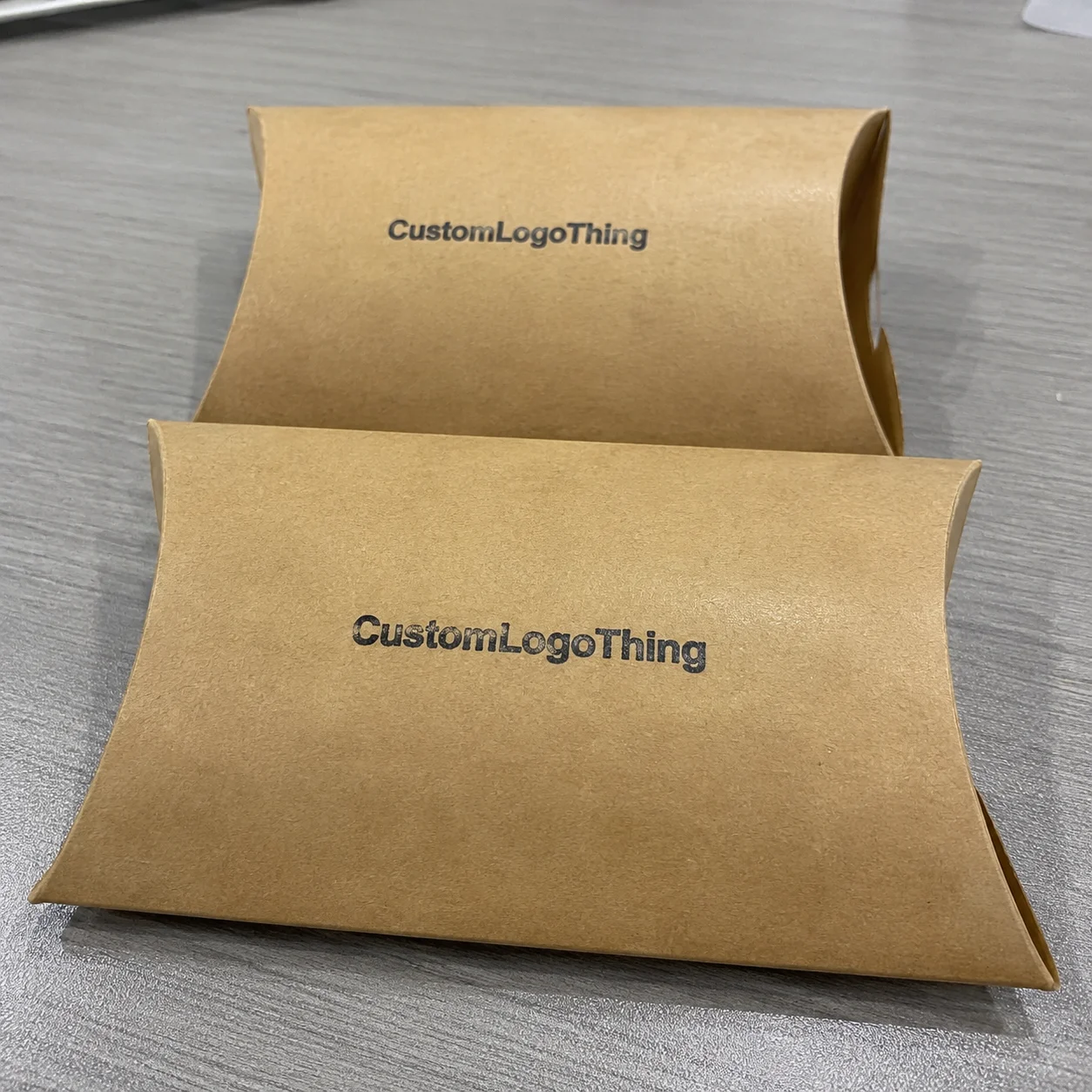
Mailer boxes are the better choice for presentation-driven ecommerce shipping, especially for cosmetics, apparel accessories, and subscription kits. E-flute or B-flute construction gives a crisp edge and a premium feel, and the lid style creates a cleaner reveal than a standard shipper. If your brand wants a strong unboxing moment but still needs decent crush resistance, this is where Printed Mailer Boxes earn their keep. I’ve had clients swear they didn’t need anything “fancy,” then change their minds the moment they saw a well-built mailer with sharp registration, a 350gsm C1S artboard wrap, and a clean tuck closure.
Poly mailers are ideal for lightweight products like tees, socks, books, and soft goods that do not need rigid package protection. They reduce tare weight, save space in storage, and can help with dimensional weight management. For many apparel brands, I recommend ordering branded shipping supplies wholesale in the form of Custom Poly Mailers before moving into heavier corrugated structures, because the freight savings alone can be meaningful. A co-extruded LDPE mailer in a 2.5 mil gauge can keep the carton count down and protect margins better than a box that costs $0.40 before tape and void fill. If you need a specific product reference, our Custom Poly Mailers page is a good place to review common print and size options.
Padded mailers sit between rigid and flexible. They work well for small electronics accessories, jewelry, or compact items that need a little extra cushioning without the added bulk of a box. I’ve seen brands use them for replacement parts and beauty tools, especially when the goal is to keep shipping materials lean while still looking organized. They’re also a nice middle ground when finance says “we can’t do full boxes for everything,” which is a sentence I’ve heard in Chicago boardrooms and Phoenix startup offices alike more often than I’d like.
Branded tape and labels are the most cost-conscious entry point if a company wants to order branded shipping supplies wholesale without changing every box SKU at once. A plain kraft carton sealed with printed tape and a custom label still reads as branded, and in some warehouse environments that is the smarter move because it avoids higher print setup costs. In one supplier negotiation I sat through, the client was tempted by full-color boxes, but after we mapped volumes, we realized branded tape and labels would preserve cash flow for the first two quarters while still improving presentation. At roughly $1.85 per roll for 1,000 rolls of custom tape, that was a much easier sell to the CFO than a big stack of “trust us, it’ll look nice” mockups.
Void fill and inserts are the support players that often get ignored. Tissue paper, kraft paper, molded pulp inserts, corrugated dividers, and printed thank-you cards all help stabilize the product and make the shipment feel intentional. When you order branded shipping supplies wholesale, these items matter because they complete the system. A nice carton with loose product inside still feels sloppy. I don’t care how expensive the print is; if the item rattles around like a loose wrench in a toolbox, the whole effect is gone, especially when the box travels through two hubs and a regional sort center before delivery.
Material choice matters too. White kraft gives a cleaner print surface than natural kraft for many logo designs. CCNB, or clay-coated news back, can be a smart option for lighter retail-style cartons. SBS board works well for premium printed folding cartons and some mailer applications. B-flute is thicker and stronger than E-flute, while E-flute gives a smoother print surface and a slimmer profile. Recycled corrugated board remains a strong fit for sustainability programs, especially if the customer base expects FSC-aligned sourcing or simple, recyclable transit packaging. For a premium mailer, I often see buyers choose 18pt SBS with aqueous coating, while a transit box may use 32 ECT single-wall board for a balance of strength and cost.
Here is a practical way to think about the major options when you order branded shipping supplies wholesale:
| Supply Type | Best Use | Typical Material | Branding Approach | Cost Profile |
|---|---|---|---|---|
| Corrugated shipping box | Heavier or fragile products | Single-wall or double-wall corrugated | Flexo print, one to two colors, or full wrap | Moderate to higher, depending on size and print |
| Mailer box | Premium ecommerce shipping | E-flute or B-flute | Litho, digital, or flexo exterior print | Moderate |
| Poly mailer | Apparel and soft goods | LDPE or co-extruded film | 1-4 color print, exterior branding | Lower |
| Padded mailer | Small items needing light protection | Paper or bubble-lined stock | Logo print or branded label | Lower to moderate |
| Printed tape and labels | Low-friction branding | Paper or BOPP tape, adhesive labels | Simple logo or message repeat | Lowest entry cost |
That comparison is why many teams start small and then expand. If you order branded shipping supplies wholesale with a single box size and a matching tape or label system, you can test brand response and fulfillment behavior before committing to a broader packaging family. I always tell clients that packaging should earn its way into the budget with measurable results, not with pretty mockups alone. The mockups are nice, sure, but if they don’t survive a Tuesday in the warehouse, they’re just expensive art.
For brands interested in a broader packaging mix, our Custom Packaging Products page is useful because it shows how boxes, mailers, inserts, and retail-style packaging can work together without creating chaos in procurement.
Specifications That Affect Quality, Fit, and Brand Impact
Before you order branded shipping supplies wholesale, lock down the specs that actually control performance. I’m talking about dimensions, board grade, flute type, caliper, print coverage, finish, and closure style. If those fields are vague, the quote may look attractive, but the final package can miss the mark by 3 to 6 mm in a way that shows up on the line and in the customer’s hands. And once a warehouse team gets a carton that’s “close enough,” they never forget it for the wrong reasons, especially if the insert tray starts binding at the last fold.
Inside dimensions matter more than outside dimensions for fit. I learned that the hard way years ago during a line check at a folding carton plant in Pennsylvania, where a buyer kept approving outside measurements and then wondered why an insert tray kept binding against the walls. Once we shifted the conversation to inside dimensions, the fit issue disappeared. If your product includes foam, molded pulp, or a paperboard insert, the usable space shrinks quickly, so the inside measure is what should drive the spec sheet when you order branded shipping supplies wholesale. This sounds obvious now, but I’ve watched it go wrong enough times to stop assuming everyone in the room is speaking the same measurement language.
Board grade and flute choice affect both strength and print appearance. Single-wall corrugated in E-flute is compact and good for premium cartons; B-flute gives more cushion and better stacking performance. Caliper matters because a 32 ECT board is not the same as a 44 ECT board, and anyone who ships into parcel networks should care about that difference. If the package will travel through more than one hub, or be stacked in a distribution center for several days, compression strength and edge crush test values become practical, not theoretical. I’ve seen a beautiful carton collapse just because it was built for showroom appeal instead of actual parcel abuse, and that’s a painful way to learn the difference between “looks good” and “holds up.”
Printing method changes how the final piece looks and how much it costs to produce. Flexographic printing is common for corrugated shipping boxes and is efficient for one-color or two-color logos, shipping marks, and simple graphics. Lithographic printing, often on wrapped mailers or premium cartons, gives sharper image quality and richer color control. Digital printing works well for shorter runs, versioned artwork, or programs where seasonal graphics change often. When a customer asks me whether to order branded shipping supplies wholesale in a digital or flexo format, I usually ask how often artwork changes and how much consistency matters from lot to lot. If artwork changes every other month, digital can save headaches. If the design is locked for a year, flexo often wins on cost.
Finishing can add polish, but it should always be tied to purpose. Aqueous coating helps with scuff resistance and can improve handling in the warehouse. Matte lamination reduces glare and often feels more upscale. Gloss lamination pops on shelf, though it can show scratches more easily. Spot UV and hot foil stamping are useful on mailer boxes when the goal is a premium reveal, while die-cut windows can work for retail-linked packaging but should be used carefully on transit packaging because they can weaken the panel if placed badly. I’m a fan of restraint here. A little finish goes a long way; too much, and the box starts looking like it wants to host a gala in Miami instead of moving through a cross-dock on time.
Here is the kind of specification checklist I ask buyers to confirm before they order branded shipping supplies wholesale:
- Product dimensions: exact length, width, and height of the item plus any insert or cushioning allowance
- Board and flute: E-flute, B-flute, or another construction based on strength and presentation
- Print coverage: one panel, full wrap, inside print, or exterior-only branding
- Finish: aqueous, matte lamination, gloss lamination, spot UV, or no finish
- Closure style: tuck top, auto-lock bottom, self-seal strip, or tape-seal closure
- Performance targets: burst strength, compression, or transit durability requirements
Testing is part of the conversation too. If the product is fragile, ask whether the supplier follows ISTA-related methods or uses comparable drop and vibration assessments for parcel networks. For general packaging guidance and industry standards, the ISTA site is a solid authority, and for sustainability and recycling-related direction, the EPA remains a useful reference. When a brand wants to order branded shipping supplies wholesale responsibly, performance and material use should be discussed together, not as separate topics. That is the only way to keep claims honest and damages low, especially on lanes with rough handling and long dwell times.
One more factory-floor lesson: a beautiful print file cannot rescue a weak spec. I watched a cosmetics brand approve a high-gloss mailer with a lid that lacked enough board stiffness, and after three weeks in a humid Southeast warehouse, the corners started to bow. The print was fine. The construction was not. That is why I push buyers to think like operators when they order branded shipping supplies wholesale, because the shipping materials need to survive the actual lane, not just the sample table. A mockup can smile for the camera; a pallet in August humidity cannot.
Order Branded Shipping Supplies Wholesale: Pricing and MOQ Basics
Pricing becomes much easier to understand once you break it into the real drivers. If you order branded shipping supplies wholesale, the main cost factors are quantity, board stock, number of print colors, structural complexity, finish, and whether tooling or plates are needed. A simple one-color flexo-printed corrugated box in a standard size can be dramatically cheaper than a full-wrap premium mailer with lamination and foil, and that price difference often surprises first-time buyers. They expect a small bump, then see the quote and realize the finishing menu has a way of multiplying the total, much like a dinner tab after “just one more appetizer” and a dessert nobody planned to split.
Wholesale pricing usually improves at higher volume tiers. A 5,000-piece run often has a higher unit price than a 25,000-piece run because setup, waste, and machine time get spread across more units. That said, volume savings only help if the inventory will move. I’ve seen companies overbuy because the per-unit price looked attractive, only to sit on pallets of obsolete packaging when the SKU changed six months later. So yes, order branded shipping supplies wholesale for the savings, but match the run size to your real monthly consumption. Cheap packaging is not actually cheap if it turns into dead inventory taking up half a dock door in an Atlanta or Columbus warehouse.
MOQ structures vary by product. Printed corrugated boxes may have one minimum, while custom poly mailers or branded mailer boxes have another, depending on construction and print method. If a supplier cannot explain the MOQ clearly, ask again. In my experience, the best vendors will tell you whether the threshold is tied to carton size, print plates, machine setup, or material sheet yield. That kind of transparency matters because it affects how you plan cash flow and storage. A supplier who can explain the why behind the MOQ usually understands the job better than one who just throws a number at you and waits for you to blink.
Here is a practical pricing reference to help you compare options when you order branded shipping supplies wholesale. These are directional examples only, because actual pricing depends on size, design, freight lane, and production location:
| Product Example | Typical MOQ | Illustrative Unit Cost | Common Notes |
|---|---|---|---|
| One-color printed corrugated box | 3,000-5,000 units | $0.42-$0.88/unit | Lower cost if size is standard and no special finish is required |
| Premium mailer box with logo print | 1,000-3,000 units | $0.68-$1.45/unit | Higher if matte lamination, foil, or inside print is added |
| Custom printed poly mailer | 5,000-10,000 units | $0.09-$0.24/unit | Size, film thickness, and color count affect pricing |
| Branded tape | 500-1,000 rolls | $1.20-$3.80/roll | Great entry point if you want low-friction branding |
| Printed insert card | 2,500-10,000 units | $0.03-$0.18/unit | Artwork complexity and paper stock make the biggest difference |
The hidden costs are where buyers get tripped up. Freight can be meaningful on bulky transit packaging, especially if the supplier is overseas and the cartons are taking up more cube than weight. Sample shipments, art setup, die charges, and reprint costs for late-stage changes can also shift the total landed cost. I always tell buyers to request a quote breakdown before they order branded shipping supplies wholesale so they can see where the money is going. Nothing ruins a tidy budget faster than a surprise line item buried somewhere between “tooling” and “other,” especially when the quote is already spanning multiple cartons and pallet positions.
Inventory carrying cost is the other side of the equation. Saving three cents per unit on a 50,000-piece order is useful, but only if the warehouse can store the pallets without crowding picking lanes or creating dust and damage issues. For a growing brand, the best MOQ is not the largest one. It is the one that matches expected usage with a reasonable safety buffer, especially if your order fulfillment volume changes with seasonality. I’ve seen plenty of brands get seduced by the lower unit price and then spend the next four months staring at packaging pallets like they’re a bad decision they can’t return.
One client in the consumer goods space tried to jump to a 100,000-piece print run because the price looked low, but after we reviewed their quarterly demand, the safer choice was 25,000 pieces with a reorder trigger at 35% remaining stock. They kept the per-unit savings respectable and avoided tying up cash in unused packaging. That is the kind of practical thinking I recommend whenever someone wants to order branded shipping supplies wholesale without creating warehouse clutter. I’d rather see a brand reorder intelligently than win the “lowest price” award and then trip over a mountain of cartons six months later.
How the Ordering Process and Timeline Typically Work
If you want to order branded shipping supplies wholesale without delays, the best approach is to treat the quoting process like a production handoff. Start with a request for quote, confirm the specs, review the dieline or physical sample, approve the artwork, produce a prototype or prepress proof, then move into production. Each step has a reason, and skipping one almost always creates friction later. I’ve watched a “quick” order turn into a week of email ping-pong because somebody skipped the proof stage and then noticed the logo was too close to the edge. Nobody was thrilled.
The information that speeds up quoting is simple: product dimensions, estimated annual usage, shipping destination, print requirements, and target launch date. If I receive a spec sheet with inside dimensions, board type, quantity, logo file format, and whether the client needs palletization or retail-ready packaging, the conversation moves much faster. If all I get is “we need custom boxes,” the process can stall for days because nobody can price a ghost. And yes, that includes the supplier team too; nobody can manufacture a mystery box out of vibes.
Lead time depends on complexity. Simple stock-based items with limited printing can move faster, while custom structures, special finishes, and larger volumes take longer. A basic branded mailer might move through artwork, proofing, and production in 10 to 15 business days after approval, plus freight transit. A more complex custom box with foil stamping, insert components, and a new cutting die can easily require 3 to 5 weeks or more. That is not slow; it is normal factory scheduling in Guangzhou, Puebla, or the Carolinas. The machine time, drying time, trimming, packing, and staging all add up, whether anyone likes the calendar or not.
Here is a clean way to think about the steps when you order branded shipping supplies wholesale:
- Collect product dimensions, weights, and packout details.
- Request quotes from suppliers with the same spec sheet.
- Review dielines, samples, and artwork placement.
- Approve prepress proof and confirm colors, finish, and quantities.
- Schedule production, inspection, and freight booking.
- Receive goods and verify cartons against the approved sample.
Speed comes from completeness. A buyer who sends vector artwork, exact dimensions, and a clear usage forecast will usually get better service than a buyer who sends a logo screenshot and expects the supplier to reconstruct the whole plan. I saw this play out during a client meeting where the brand was launching a new skincare line; because they had already mapped carton count, lane destination, and monthly demand, we were able to order branded shipping supplies wholesale on a tight schedule and avoid a launch delay that would have cost them retail shelf placement. That sort of preparation is boring, maybe, but boring is underrated when the shipment date matters and the pallets need to roll by Friday.
Quality control should be built into the schedule, not treated like an optional extra. Factory checks may include print alignment, glue strength, die-cut accuracy, and carton squareness. If you are buying overseas, ask for production photos, carton count per master case, and pallet configuration before freight leaves the dock. A reputable supplier should be comfortable giving you that information because it lowers risk on both sides. If they act weird about it, that is usually a sign to slow down and ask a few more questions.
For brands that want to compare packaging programs or understand common support questions before submitting specs, the FAQ page can help clarify the basics before you place an order.
Why Choose a Manufacturer for Wholesale Branded Shipping Supplies
If you are going to order branded shipping supplies wholesale, I strongly prefer a manufacturer relationship over a reseller-only middleman arrangement. Why? Because the manufacturer has direct control over materials, print consistency, tolerances, and quality checkpoints. That matters when your brand needs the same box color, the same fold score, and the same logo placement every time a reorder lands. With a middleman, you can still get a good result, but you’re one more step removed from the people actually controlling the machine, and that distance tends to show up when problems need fixing fast.
I’ve walked through corrugator lines, flexo print sections, folder-gluers, and die-cut stations in factories where the whole production sequence was visible in one pass, and that visibility makes a real difference. You can see how the board is made, how the print is registered, how waste is tracked, and where QC happens. That level of control is hard to beat if your order branded shipping supplies wholesale program needs repeatable results across multiple reorders. It also makes it much easier to spot where a slight adjustment in flute choice or glue pattern can save you from a packaging headache later.
A manufacturer can also support customization more intelligently. Sometimes a buyer thinks they need a fully custom box, but after a packaging engineer reviews the product dimensions and lane conditions, a standard structure with adjusted panel depth is the better answer. Other times, the opposite is true: a stock mailer is too weak, and a custom corrugated structure is the only sensible option. Having engineering support matters because packaging failures usually come from the wrong structure, not just the wrong artwork. Honestly, I’d rather have a plain carton that performs correctly than a fancy one that folds like a deck chair under pressure.
There is also the consistency factor. I worked with a subscription brand that needed the same unboxing feel across seasonal promotions and new product drops. A reseller could quote boxes, sure, but the manufacturer handled repeat color matching, structural revision control, and reorder documentation much better. Six months later, when they came back to order branded shipping supplies wholesale again, the carton looked and performed like the earlier run, which is exactly what a growing brand wants. Nobody on their team had to play detective to figure out why the new run looked “almost right” but not quite, and the warehouse supervisor in Nashville was especially grateful for that.
Here is a simple list of manufacturer advantages that usually matter most:
- Material control: the supplier knows the board grade, film gauge, or paper stock being used
- Print consistency: color and placement are easier to repeat across reorder cycles
- Engineering support: fit, structure, and protection can be reviewed before production
- Better QC visibility: inspection is closer to the source of production
- Lower long-term risk: fewer surprises when you need to reorder branded shipping supplies wholesale
Direct manufacturing also helps with lead time planning and freight coordination. A plant can often tell you whether the job will run on a corrugator line, a folder-gluer, or a print-and-cut process, and that matters because each process has its own schedule constraints. If you are sourcing from a facility with FSC-aligned material options, ask for documentation and chain-of-custody details so the sustainability claim stays clean. For buyers who want to dig deeper into certified sourcing, FSC is the reference I point them to.
In my experience, the strongest supplier relationships are built on frank discussion. If a print spec is too expensive for the target margin, say so. If the shipping lane is rough and the board needs more strength, say so. A good manufacturer would rather adjust the build than deal with damaged cartons and angry emails after launch. That is one reason experienced brands order branded shipping supplies wholesale through production partners instead of chasing the cheapest quote every time. Cheap quotes are lovely right up until they become expensive problems.
Next Steps to Order Branded Shipping Supplies Wholesale
Before you order branded shipping supplies wholesale, do a quick packaging audit. Count the SKUs you use today, measure the product or packout accurately, and identify the primary shipping format: corrugated box, mailer box, poly mailer, or a mixed system. I’ve seen brands save money simply by realizing they did not need three different mailer sizes when one well-chosen size and one insert could cover 80% of shipments. That realization usually lands somewhere between relief and mild embarrassment, which is fair.
Then build a short spec sheet. Include product dimensions, expected monthly and quarterly volume, artwork file type, destination, required finish, and target delivery date. If you send that document to suppliers, you can compare quotes much more fairly because everyone is pricing the same job. That is the quickest way to avoid the common mistake of comparing a plain stock box quote to a fully printed premium build and calling them the same thing. I’ve watched that comparison happen in real time, and it is always a mess, with everyone nodding, nobody agreeing, and somehow the spreadsheet still getting blamed.
My advice is to start with one core SKU or packaging family before expanding to a broader branded system. A single well-specified box or mailer teaches you a lot about print quality, warehouse handling, and reorder timing. Once that SKU proves itself, you can expand into tape, inserts, labels, and secondary packaging without creating too much inventory risk. That staged approach is especially useful for businesses with seasonal order fulfillment swings or limited storage space. It is also much easier to explain to a finance team than “we ordered six packaging styles because they all looked good on the mockup board.”
Use this checklist before you place the first wholesale order:
- Material: corrugated, kraft, SBS, poly film, or padded mailer construction
- Print method: flexo, digital, litho, or a branded label/tape approach
- MOQ: does the volume fit current usage and storage capacity?
- Lead time: artwork, proofing, production, inspection, and freight
- Freight: pallet count, destination, and landed cost
- Reorder threshold: when should procurement trigger the next run?
If you want better control over ecommerce shipping and package protection, make the packaging decision before the product launch, not after the first damage claim. That one change saves a lot of expensive patchwork. And if you need help organizing your options, our Custom Logo Things team can help you compare specs, review practical alternatives, and decide how to order branded shipping supplies wholesale in a way that fits the business instead of fighting it. I can’t promise packaging will stop being packaging, but I can promise it gets a whole lot easier when the plan is actually written down.
The best time to order branded shipping supplies wholesale is when the numbers make sense, the fit is confirmed, and the timeline is aligned with fulfillment. Gather your dimensions, confirm your print approach, and get a quote that includes freight, setup, and MOQ details. Once those pieces are in front of you, placing the first wholesale order becomes a straightforward operational decision instead of a gamble. And that, frankly, is the kind of boring success I’ll take every time.
FAQs
How do I order branded shipping supplies wholesale for my business?
Start with your product dimensions, monthly shipment volume, and preferred packaging format, then request a quote with those exact specs. Review dielines or samples before approving artwork so the final printed supply fits your product and brand standards. If you already know your carton count or mailer size, include that too, because it shortens the back-and-forth and usually improves quote accuracy. For a clean first request, send inside dimensions, target quantity, print method, and the city or port where the order should land, such as Dallas, Savannah, or Long Beach.
What is the minimum order quantity when I order branded shipping supplies wholesale?
MOQ depends on the product type, size, and print method, with custom boxes and mailers often having different thresholds. Higher volumes usually lower the unit price, so the best MOQ is the one that matches your actual usage without overstocking. I usually advise buyers to think in terms of 60 to 120 days of inventory, not just the lowest possible unit cost. As a reference point, a one-color box order may start around 3,000 pieces, while a custom poly mailer program often begins at 5,000 units or more.
What details affect wholesale pricing for custom shipping supplies?
Pricing is driven by quantity, materials, print colors, finishing, size complexity, and any tooling or setup charges. Freight, sampling, and artwork revisions can also affect total landed cost, so request a full quote breakdown. If you want a fair comparison across suppliers, use one spec sheet for every quote request and keep the dimensions identical. A quote for a 350gsm C1S artboard mailer with matte lamination will price very differently from a plain kraft mailer with no coating, and that difference should be visible before you approve the order.
How long does it take to receive branded shipping supplies after ordering?
Timing usually includes artwork approval, production, quality checks, and freight transit, with simpler items moving faster than highly customized ones. Providing complete specs early helps reduce back-and-forth and shortens the total timeline. A basic printed mailer can move faster than a custom structural box with multiple finishing steps, so always confirm the schedule against your launch date. For planning purposes, production is often 12-15 business days from proof approval for standard runs, while ocean freight or cross-border trucking can add another 5 to 20 days depending on the route.
Which branded shipping supplies work best for e-commerce fulfillment?
Common choices include corrugated boxes for heavier items, mailer boxes for premium unboxing, and poly mailers for lightweight apparel. The best option depends on product weight, protection needs, branding goals, and shipping method. If dimensional weight is hurting your margins, a lighter-format mailer may be the smarter choice than a rigid carton. For a 10 oz apparel order, a co-extruded poly mailer can cost around $0.12 to $0.18 per unit at 5,000 pieces, while a printed mailer box may run closer to $0.68 per unit depending on board grade and finish.