Two sticker quotes can look nearly identical—same size, print colors, and quantity—yet one is 20% to 40% lower. The difference is usually not “cheap ink.” It is sheet yield, cut method, finish, packing labor, and whether the specification fits the actual use. Buyers looking for the Cheapest Custom Stickers should start with unit price, but decide based on the lowest-cost build that still applies well, sticks properly, and arrives on time.
That means matching the sticker to the job. A short indoor giveaway usually does not need laminated outdoor vinyl. A label for chilled bottles should not be downgraded to plain paper just to win on price. Cost control starts with the right format, material, adhesive, finish, and quantity.
Small spec changes can move a quote quickly. A 3-inch circle often prices lower than a 3.25-inch custom contour because more pieces fit on the sheet and finishing is simpler. Normal lead times also matter; rush production can erase savings fast. The sections below focus on the buyer decisions that actually change cost, MOQ, lead time, decoration, and inspection risk.
Cheapest Custom Stickers Are Usually Won or Lost on Setup Costs
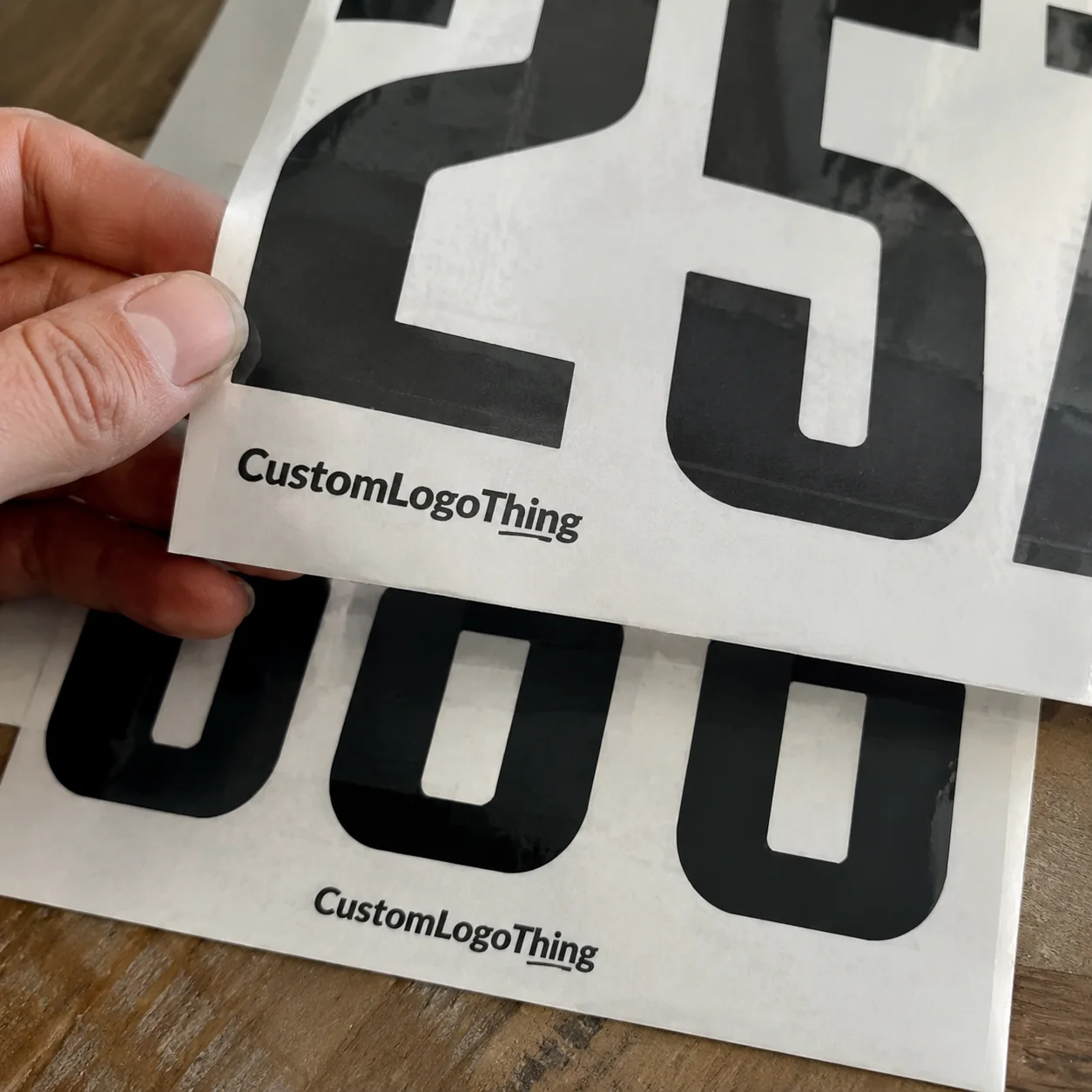
On many sticker jobs, fixed setup costs matter more than ink coverage. File prep, press setup, cut-path prep, lamination setup, hand sorting, and minimum machine time can drive the quote, especially on short runs.
A $35 to $80 setup difference barely matters on 10,000 pieces, but it changes the unit price sharply on 250 to 500 pieces. That is why low-volume buyers often see large gaps between quotes that seem similar at first glance.
The lowest-cost route is usually not a weaker sticker. It is a simpler build:
- Standard shapes: circles, squares, and rectangles nest efficiently and cut faster
- Common sizes: 2-inch, 3-inch, and 4-inch formats often improve sheet yield
- Sheet stickers: lower handling cost for small promotional runs
- Gang-run production: shared setup across jobs reduces startup cost
- Standard lead times: avoids rush premiums that can add 15% to 35%
Quotes also need honest comparison. One supplier may exclude lamination, switch adhesives, or assume bulk packing and a standard cut. None of those choices are automatically wrong, but they must match the intended use. The real target is the lowest workable total cost, not just the lowest starting number.
Choose the Right Sticker Format for the Job, Not the Lowest Spec on Paper
The same artwork can be produced as a die-cut sticker, kiss-cut sticker, sticker sheet, or roll label. Format affects handling, waste, application speed, and cost.
Sticker sheets are often the cheapest option for short runs, especially when buyers want 250 to 1,000 pieces across multiple designs. They use layout space efficiently and keep handling simple.
Roll labels make sense for repetitive application on bottles, jars, cartons, and pouches. They are usually less useful for giveaways or mailer inserts, but they become more efficient as volume rises.
Die-cut stickers usually look best as branded handouts or inserts. The tradeoff is finishing cost, especially when the contour is intricate. Simple custom shapes such as ovals, shields, or badges often keep the look while avoiding the higher cost of detailed silhouettes.
Kiss-cut stickers are useful when easy peeling matters. The face stock is cut, but the backing stays larger, which helps on narrow logos, small labels, or shapes that are awkward to peel fully die-cut.
Material should follow use conditions:
- Paper: lowest cost for dry indoor handouts and short campaigns
- BOPP: better moisture resistance for labels and containers
- Vinyl: better for outdoor use, abrasion, and longer display
Adhesive choice matters just as much:
- Permanent: general use on glass, plastic, metal, and coated cartons
- Removable: temporary promotions or cleaner peel-off
- Freezer-grade: chilled and cold-chain applications
- Light-tack: repositionable use cases
Finish affects both appearance and durability. Gloss usually boosts color, matte gives a quieter look and can be easier to write on, and lamination adds protection. If the sticker only needs short indoor life, laminate may be unnecessary cost.
Size discipline is one of the simplest ways to save money. Moving from 4 inches to 3 inches can improve sheet yield enough to cut price without changing the material.
Specifications That Control Print Quality, Adhesion, and Waste
Good quotes start with complete specifications: dimensions, shape, material, adhesive, finish, indoor or outdoor use, and application method. Weak specifications create mismatched quotes, extra proof rounds, and preventable delays.
Artwork setup is part of cost control. Suppliers need bleed, safe zone, and cut-line guidance. Vector files are best for logos and small type. Raster artwork should usually be at least 300 dpi at final size. QR codes, barcodes, reverse type, and fine legal text deserve extra review because they often fail first on small formats.
Material selection should stay practical:
- Paper stock: best cost for dry indoor promotions
- BOPP: durable film for moisture-prone labels
- Vinyl: stronger for outdoor or rough handling
- Economy promotional films: useful when short-term exposure is enough
Color can also change the quote. CMYK process printing is usually the most economical option for logos, gradients, and multi-color designs. Exact Pantone matching may add cost, especially on short runs. It can be necessary for strict packaging programs, but many promo stickers do not need it.
Complicated contours, tiny internal cuts, and oversized formats create waste by lowering sheet efficiency and slowing finishing. Delivery details matter too. If the stickers need shrink-bundled stacks, sorted SKUs, specific roll direction, or particular core sizes, those requirements should be defined early because they add labor.
A low quote only stays low if the stickers apply correctly, scan correctly, and hold up in the conditions they were made for.
Sticker Pricing, MOQ, and Unit Cost: What Actually Changes the Quote
Sticker pricing is a mix of fixed cost and variable cost. Fixed cost usually includes setup, proofing, prepress, cut preparation, and minimum machine time. Variable cost covers stock, print time, finishing, packing, and freight.
The main quote drivers are quantity, material, size, shape complexity, finish, number of SKUs, packing style, and shipping destination. A simple 1,000-piece paper sheet order can price very differently from 1,000 pieces split across several designs with laminated vinyl, custom contours, and rush delivery.
MOQ exists because presses and finishing lines have startup cost even on small runs. For many buyers, low-MOQ sheet stickers offer the best value. If the project later moves into Custom Labels & Tags, the specification can scale with volume.
Doubling quantity rarely doubles total spend. It often lowers unit cost sharply because setup is spread across more pieces. Broad market ranges for a basic sticker might be around $0.22 to $0.45 each at 500 pieces and $0.06 to $0.16 each at 5,000 pieces, depending on size, stock, and finishing.
| Format | Typical Best Use | Common MOQ Pattern | Relative Cost Position |
|---|---|---|---|
| Sticker Sheets | Small runs, multiple designs, hand application | Low MOQ friendly | Often lowest for short runs |
| Simple Die-Cut | Brand handouts, inserts, promotional visibility | Moderate MOQ | Mid-range if contour stays simple |
| Kiss-Cut | Easy peel, small logos, shaped promo pieces | Moderate MOQ | Slightly above sheets |
| Roll Labels | Container labeling, repetitive application | Better at larger volume | More efficient as quantity rises |
| Laminated Vinyl | Outdoor, abrasion, moisture-heavy use | Depends on size and cut style | Highest among common options |
A practical approach is to request tiered pricing from the start: 500, 1,000, and 5,000 pieces; custom size beside the nearest standard size; gloss beside matte; grouped layouts where possible. Those comparisons reveal the real breakpoints.
Common cost inflators include multiple artwork versions, spot-color matching beyond standard CMYK, rush scheduling, premium laminates that do not fit the use case, and manual packing requests. Landed cost matters as much as the line-item quote, especially when the stickers are part of a broader Custom Packaging Products program.
Production Steps and Turnaround: How Fast Orders Move From Proof to Delivery
Most sticker orders follow a simple path: inquiry, artwork review, quote confirmation, proof approval, scheduling, printing, cutting, packing, and shipping. Delays usually come from incomplete artwork, unclear specs, or material availability.
Missing bleed, low-resolution logos, and unclear cut lines stretch the proof cycle. Standard paper and common BOPP builds are usually easier to schedule than specialty adhesives, unusual roll requirements, or niche laminates.
For a straightforward digital order, lead time is often about 5 to 10 business days from proof approval, plus shipping. More customized work—multiple SKUs, specialty stock, strict roll direction, or heavier finishing—often lands in the 10 to 15 business day range. Rush service may shorten that, but it usually increases cost and leaves less room for revisions.
Three checkpoints help control risk:
- Digital proof signoff: confirm size, cut path, copy, and color expectations
- Preproduction sample if needed: useful for barcode, adhesion, or regulated labeling concerns
- Shipment confirmation: verify count, pack-out, and carrier timing
Buyers can shorten lead time by sending complete specs upfront, including dimensions, quantity tiers, artwork, intended surface, and the true in-hand date. Teams coordinating stickers with boxes, inserts, or kits should also confirm pack-out and material fit for distribution. Guidance from ISTA helps explain why abrasion and transit conditions matter, and paper sourcing questions tied to FSC should be settled early if they are part of the requirement.
Common Ordering Mistakes That Make Low-Cost Stickers Expensive Later
Cheap stickers become expensive when the build does not match the job. Common problems include removable adhesive on long-term cartons, matte paper around condensation, or artwork reduced until type and codes no longer read clearly.
Proof approval is another risk point. Buyers sometimes approve without checking cut-line placement, bleed, barcode readability, or QR scan performance at final size. A technically approved proof can still fail in use.
Quantity mistakes create waste too. Ordering too few can trigger a second setup charge on the reorder. Ordering too many can leave obsolete inventory after a short campaign or packaging update. The right comparison is realistic quantity tiers versus campaign length, not just the lowest unit cost.
Quote comparisons also break down when assumptions differ. One supplier may quote unlaminated paper with bulk packing, while another quotes gloss BOPP with sorted bundles. The lower number is only meaningful if the material, finish, pack style, lead time, and freight basis are aligned.
A simple preproduction checklist helps:
- Confirm environment: dry indoor, refrigerated, outdoor, abrasion-prone, or short-term promo
- Confirm dimensions: smallest workable size that keeps text and codes readable
- Confirm format: sheet, roll, kiss-cut, or die-cut based on application method
- Confirm artwork: bleed, safe zone, cut path, resolution, and scanability
- Confirm logistics: count per pack, ship destination, and in-hand date
Get a Faster Quote With the Exact Specs Buyers Should Send First
If speed matters, remove ambiguity. Suppliers quote faster when the request is specific.
Send these details first:
- Sticker type: die-cut, kiss-cut, sheet sticker, or roll label
- Size and shape: exact dimensions and whether a standard or custom contour is acceptable
- Quantity tiers: for example 500, 1,000, and 5,000 units
- Artwork files: vector PDF, AI, EPS, or high-resolution print-ready files
- Material and finish: paper, BOPP, or vinyl; gloss, matte, laminate, or uncoated
- Adhesive preference: permanent, removable, freezer-grade, or light-tack
- Use condition: indoor, outdoor, refrigerated, promo, or packaging application
- Target in-hand date: when the order actually needs to arrive
It also helps to request alternate scenarios: sheet versus die-cut, matte versus gloss, custom size versus the nearest standard size, and minimum order versus the next volume break. Ask whether a standard size improves sheet yield, whether grouped layouts reduce waste, what the proof policy is, how long production takes after approval, and whether preproduction checks are available for barcode or adhesion-sensitive jobs.
In most cases, the buying decision is straightforward: match the format to the job, keep size and shape disciplined, use standard materials where they fit, and compare quantity breaks before ordering.
FAQ
What are the cheapest custom stickers for most buyers?
For many small and mid-volume orders, sticker sheets on paper or BOPP are the Cheapest Custom Stickers because they use sheet space efficiently, reduce handling, and avoid extra finishing. The best option still depends on use conditions, size, shape, and whether the stickers will be handed out, applied to packaging, or used as labels.
How can I order cheapest custom stickers without sacrificing print quality?
Start with standard sizes and simple shapes because they improve sheet yield and reduce cutting cost. Choose material based on actual use conditions instead of defaulting to premium vinyl. Send print-ready artwork with complete specifications, and ask for quantity breaks since unit cost often drops as volume rises.
What is the MOQ for low-cost custom sticker orders?
MOQ depends on format, material, and whether the job is produced on sheets or rolls. Small minimums are usually easiest with sheet stickers or digital runs. Lower minimums often carry a higher unit price because setup is spread across fewer pieces, so tiered pricing is worth requesting before making a final decision.
Which sticker format is usually the most affordable for small businesses?
Sticker sheets are often the best value for small businesses because they use layout space efficiently and keep handling simple. Basic die-cut shapes can still be affordable if contour complexity stays under control. Roll labels usually become more efficient at larger volumes or where repetitive application matters.
How long does production take for budget custom stickers?
Turnaround depends on artwork readiness, material availability, finishing steps, and shipping destination. Many straightforward jobs move in about 5 to 10 business days after proof approval, while more customized orders can take 10 to 15 business days. Rush service may be available, though it usually raises the total cost.
What details should I include when requesting a quote for cheap custom stickers?
Include size, shape, quantity tiers, material, finish, adhesive type, intended surface, and whether you need sheets, rolls, kiss-cut, or die-cut format. Attach artwork files, provide the shipping destination and target in-hand date, and ask for alternate options such as standard sizes or finishes so you can compare the most cost-efficient path.


