Search for Cheapest Custom Stickers reddit and you will usually find the same pattern: someone wants a fast answer, a handful of comments push a few vendors or material types, and the thread slowly turns into a debate about whether the lowest quote was ever really the lowest price. That is not useless. It just means the buyer has to separate the sticker price from the total cost of getting usable labels onto a package.
The practical question is not “What is the absolute cheapest sticker?” It is “What is the cheapest sticker that still does the job?” A label that curls on a shipping box, peels off a chilled bottle, or arrives with weak color consistency is not inexpensive once reorders, waste, and delays are counted. For branded packaging, the real value is in consistency, adhesion, and print quality that holds up through the actual use case.
That is why a buyer should read Reddit for signals, not conclusions. The complaints are often useful: poor trim accuracy, surprise freight, adhesive that fails on coated stock, or minimums that push the order beyond a reasonable test run. Those details point to the parts of a quote that matter most. Material, finish, quantity, proofing, and shipping usually decide whether a sticker run is truly economical, not the headline unit price.
For a packaging buyer, the goal is to reduce the cost per usable piece. That means comparing the same size, the same stock, the same cut, and the same shipping assumptions across every quote. It also means deciding early whether the sticker is doing light-duty brand work or carrying a more demanding role on product packaging.
The cheapest sticker is the one that stays on, prints cleanly, and avoids a second order.
Why Reddit Buyers Hunt for Sticker Pricing Below the Hype
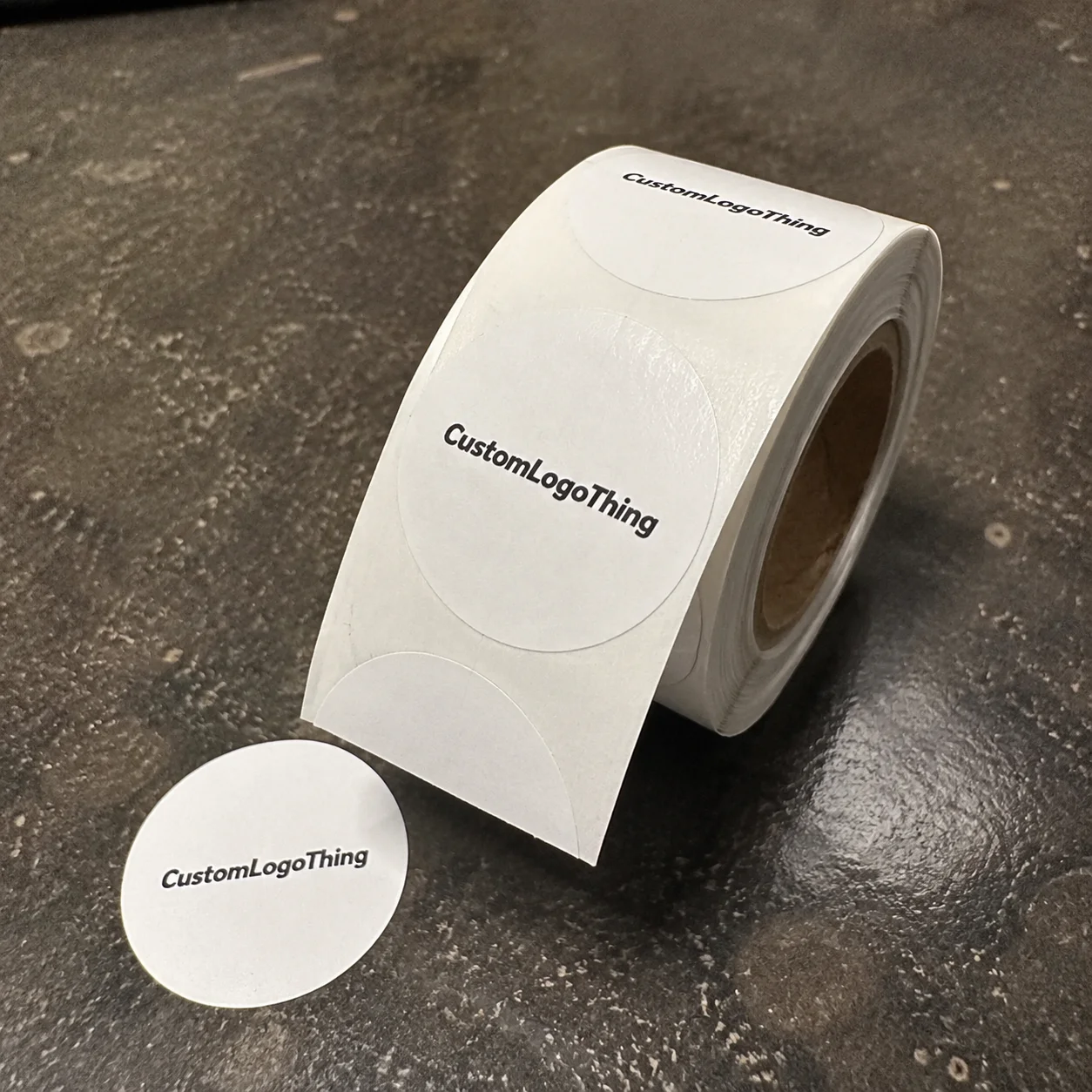
Sticker buying often starts with a budget constraint. A new brand may need labels for a small launch, a maker may need a short run for a market or event, or a packaging team may be testing artwork before committing to a larger order. Reddit shows up because it is one of the few places where people talk openly about what they paid, what failed, and what was not included in the quote.
That kind of advice is imperfect, but useful. It tends to surface the hidden cost stack that a first glance misses. Setup fees, proof changes, shipping, and MOQ can all make a low printed price look much less attractive once the order is finalized. A $0.11 sticker with expensive freight and a high minimum may be a worse buy than a $0.17 sticker with cleaner terms and a better fit for the package.
There is also a big difference between a sticker used for a short promotional cycle and one used on retail goods that are handled, stacked, refrigerated, or shipped. A label that performs for a handout or mailer may not survive contact with condensation, abrasion, or repeated handling. For retail packaging, the cheaper option is often the one that reduces failure risk, not the one that simply prints for less.
Buyers looking for value should ask a few direct questions before they order:
- Will the adhesive bond to the actual package surface?
- Does the price include proofing, setup, and freight?
- Is the cut clean and repeatable across the full run?
- Will the reorder use the same file and same production method?
These are not abstract questions. They decide whether the order is usable the first time or whether the buyer ends up spending more to fix a preventable mistake.
Sticker Types That Change the Price Fast
Material choice is usually the fastest way to change sticker cost. Paper labels are typically the lowest-cost option and work well for dry, indoor, short-life applications. They are common for inserts, shipping promotions, box seals, and other uses where moisture resistance is not a priority. If the sticker only needs to survive a short shelf life or a single trip through fulfillment, paper can be the right answer.
Vinyl sits in a different category. It costs more, but it brings far better durability, especially when the sticker will be handled often or exposed to light moisture. Standard vinyl is a sensible middle ground for jars, mailers, bottles, and general packaging use. Laminated vinyl raises the cost a bit more, but the extra layer helps with scuff resistance, handling, and longer display life. For products that need to look clean through shipping and retail display, that extra protection can be worth it.
Specialty films change both the price and the visual result. Clear stickers can make artwork look integrated into the package. Holographic films add visual movement and are often used for limited drops or promotional runs. Soft-touch finishes add a muted, premium feel, though they usually make more sense on premium cartons and coordinated packaging sets than on low-cost utility labels.
| Sticker Type | Typical Use | Relative Cost | Durability |
|---|---|---|---|
| Paper label | Dry indoor packaging, inserts, seals | Lowest | Low to moderate |
| Standard vinyl | Mailers, jars, bottles, general packaging | Moderate | High |
| Laminated vinyl | Moisture, repeated handling, retail display | Moderate to higher | Very high |
| Clear or specialty film | Premium branding, limited releases, visual integration | Higher | High, depending on application |
Shape influences cost too. A simple rectangle or circle is easier to produce than a highly intricate contour with sharp points, narrow cutouts, or lots of small details. More complex outlines usually mean more cutting time and more waste. If you are comparing quotes in the spirit of Cheapest Custom Stickers reddit advice, make sure you are comparing like with like. A standard shape and a custom die-cut are not the same product, even if the artwork is identical.
A practical rule helps here: match the sticker to the package, not to the trend. Paper may be perfectly fine for a dry mailer seal. Vinyl is often a better value for reusable or higher-touch packaging because it avoids premature failure and replacement cost.
Custom Sticker Specs That Affect Durability and Fit
A solid sticker order starts with a clear spec sheet. At minimum, define size, material, thickness, adhesive, finish, print resolution, and cut style. If any of those are vague, the quote may look attractive while still producing a label that does not fit the package or hold up in use.
Thickness matters more than many buyers expect. Very thin labels can wrinkle over curves or lift at the edges, while a slightly heavier construction often behaves better on bottles, mailers, or chilled packaging. The adhesive matters just as much. Permanent adhesive is the default for most packaging labels, but removable adhesive can be better for temporary branding, event use, or internal applications where the sticker should come off without damage.
The application environment is the other big variable. Refrigeration, condensation, outdoor exposure, abrasion, and repeated handling all change the right material. A label that looks fine on a flat carton may not hold up on a curved tube or a cold bottle. Packaging buyers see this quickly in practice: the surface is part of the spec, not an afterthought.
Proofing details that prevent waste
Proofing is not a formality. It is where small errors get caught before they become expensive. If the artwork has borders, fine type, barcodes, or critical logos near the edge, a detailed proof is worth the time. Confirm the bleed requirement, safe area, and cut line placement before the job is approved. A common print workflow may use around 1/8-inch bleed, but the supplier should confirm the exact tolerance for the production method being used.
That step matters because a tiny shift can make a run unusable. A logo too close to trim, a barcode too near the edge, or a border that is off by a few millimeters can ruin the visual consistency of the order. For labels tied to product packaging, that can also affect retail readiness and internal tracking.
Sheets, rolls, and labor on the back end
Sheet labels suit hand application, sample kits, and small fulfillment operations. Roll labels are usually better for higher-volume packing or machine-assisted application. The sticker itself may be the same, but the labor cost is not. A roll may improve throughput for one operation and slow down another if the workflow is built around manual peeling.
This is one of the places where cheap pricing gets misleading. A lower unit price can disappear if the format adds extra labor during fulfillment. Buyers often focus on the sticker quote and overlook the actual application process, which is where many hidden costs live. For that reason, the format should be priced alongside the packaging workflow, not in isolation.
Samples are worth requesting when the run is new or the surface is tricky. A small proof or material sample lets you check adhesion, color, and trim before committing to a larger order. That is especially useful when the packaging line is still changing or the artwork is being refined. It is a low-cost way to reduce risk without tying up cash in inventory.
Cost, Pricing, and MOQ Tradeoffs to Compare
Sticker pricing usually improves as quantity rises, but higher volume is not always the smarter buy. A 1,000-piece order may cost more per unit than a 5,000-piece order, yet the smaller run can still be the better choice if demand is uncertain or the design may still change. Unit price matters, but it should not be separated from total spend and inventory risk.
As a rough market reference, a modest paper label order may fall around $0.08-$0.15 per unit, while vinyl and laminated options often land closer to $0.15-$0.35 per unit depending on size, coverage, quantity, and cut complexity. Those are broad ranges, not fixed pricing. Material, finish, shipping, and the production method can move the number in either direction.
MOQ changes the decision as much as the unit price does. Low minimums are useful for testing artwork, validating demand, and checking how the label performs on the actual package. Higher minimums usually improve unit economics, but they also increase the amount of cash tied up in stock. That tradeoff matters for seasonal launches, short campaigns, and evolving package branding programs where the design may not stay fixed for long.
Use the same quote framework across vendors so the numbers stay comparable. If one quote is for laminated vinyl and another is for uncoated paper, the lower price is not a better deal. It is a different product. The same goes for shape, size, shipping method, and proofing terms.
A simple buyer framework helps:
- Uncertain demand: choose the lowest MOQ that still gives accurate proofing.
- Repeat order: push for stable pricing and predictable reorder terms.
- Moisture or handling exposure: prioritize adhesion and surface durability.
- Short-term promotion: use the lightest construction that still works reliably.
If the stickers need to coordinate with other packaging items, it can help to align the order with Custom Packaging Products or keep the labels matched to Custom Labels & Tags. That keeps the material choices and print specs more consistent across the full packaging set.
Process and Timeline From Proof to Delivery
Most custom sticker orders follow a familiar path: artwork submission, digital proof, approval, production, finishing, packing, and shipment. The path is simple; the timing is not. Missing vector files, low-resolution images, font problems, and slow proof approval are the usual sources of delay. If the file is not ready, the quote may be fast but the order will not be.
Production time and shipping time are separate variables, and buyers often blur them together. A standard label run may move through production in a few business days after proof approval, but transit can add several more days depending on the service level and destination. That difference matters if the labels are part of a launch, event, or a fixed packing schedule for branded packaging.
Rush orders can work, but only when the files are already clean and the spec is straightforward. A standard die-cut label is far easier to turn quickly than a specialty film with multiple revisions and a tight deadline. If speed matters, simplify the job before it goes to production.
Before sending artwork, confirm these five items:
- Final size and shape
- Exact quantity
- Material and finish
- Application surface and environment
- Delivery deadline and ship-to location
That kind of clarity reduces back-and-forth and shortens the proof cycle. It also improves quote accuracy, which is where a lot of savings happen in practice. A clean order is usually a cheaper order, even if the per-piece price is not the absolute lowest number on the page.
How to Judge a Supplier Beyond the Lowest Quote
A good supplier makes the important details easy to see. Material options, MOQ, proof process, turnaround, and shipping estimate should be visible before the order is placed. If those basics are buried or inconsistent, the quote is incomplete. A low number without context is not a bargain; it is a warning to look closer.
Consistency matters more than one-time discounts. The best suppliers can repeat the same size, color, and cut quality across reorders. They can also tell you when a file change, finish change, or quantity change will affect setup. That clarity is especially valuable because many sticker buyers do not place a one-off order. They come back with the same artwork and expect the result to match the previous run.
For retail packaging, predictability is a real asset. A label that matches the first batch but drifts on the second can throw off the look of the whole line, especially when it sits beside custom printed boxes or other visible packaging elements. Color consistency, trim accuracy, and adhesive behavior should all be stable enough to support repeat production.
Ask direct questions before approving a job:
- What is included in the quote?
- Are proofs included or billed separately?
- What happens if artwork changes after approval?
- What shipping options are available?
- Can the same spec be used for reorder pricing?
For teams that care about fiber content or sustainability claims, it is reasonable to ask about material sourcing and standards. FSC-certified paper options and the reference material at FSC can help buyers understand paper-based choices more clearly. If the labels need to survive shipping, the testing resources at ISTA are useful for understanding transport stress. For broader packaging terminology and material literacy, Packaging School is a practical reference.
The best supplier is not necessarily the lowest on paper. It is the one that gives a repeatable result, reduces rework, and delivers a sticker that performs on the actual package.
Next Steps to Order the Right Sticker Run
Start with the specs that cannot be guessed later: size, shape, quantity, finish, adhesive, and the actual application surface. Those six choices remove most of the confusion that makes cheap sticker shopping frustrating. They also make quote comparisons fair.
Then collect at least two quotes that match on material, finish, size, cut style, and shipping assumptions. Random quotes do not help much. What matters is whether the suppliers are bidding on the same job. Once the specs are aligned, the true differences in cost and quality become much easier to see.
Ask for a proof before final approval, and confirm all extra charges before the order is released. If the artwork is still changing or the surface is not fully tested, start with a small quantity. That is often the lowest-risk path for new product lines, especially when the label is part of a broader product packaging rollout.
People searching for Cheapest Custom Stickers reddit usually want a simple answer. The better answer is more specific: buy the sticker that performs well enough to avoid waste, holds up in the real application, and can be reordered without surprises. That is how packaging buyers keep costs down without creating a second problem later.
What makes the cheapest custom stickers reddit buyers mention actually cheap?
The cheapest sticker is the one with the lowest usable cost after shipping, setup, waste, and reprint risk. A label that fails on the package or peels early is not cheap in practice.
How do I compare custom sticker quotes fairly?
Match size, material, finish, cut style, quantity, and shipping across every quote. Ask whether proofs, setup, and freight are included so hidden fees do not skew the comparison.
What MOQ should I expect for budget sticker orders?
MOQ varies by material and production method. Small test runs are useful for artwork validation, while larger runs usually reduce per-piece cost if demand is already proven.
How long do custom sticker orders usually take?
Timeline depends on proof approval speed, production complexity, and shipping distance. Simple orders move faster when files are final and the proof is approved quickly.
Which sticker material is best for low-cost packaging use?
Paper is often the lowest-cost choice for dry, indoor, short-life applications. Vinyl is usually the better value when moisture, handling, or transport durability matters.


