Most packaging buyers do not order Custom Dust Bags for decoration alone. They order them because a product can leave the production line technically intact and still arrive looking dull: a little dusty, a little rubbed, a little less valuable than it should. That gap between “works fine” and “feels premium” is where a dust bag earns its place.
For brands, the bag sits in a practical middle ground. It is simpler than a rigid box, usually cheaper than a molded insert, and more protective than a plain outer sleeve. Done well, it reduces abrasion, limits contamination, and improves the first touchpoint when the customer opens the package. Done badly, it becomes soft packaging theater: attractive in a mockup, weak in transit, and forgettable after the first use.
The buying decision is less about the idea and more about fit, fabric, closure, decoration, and lead time. Those details determine whether the bag supports the product or just adds one more line item to the purchase order.
What Custom Dust Bags Actually Solve
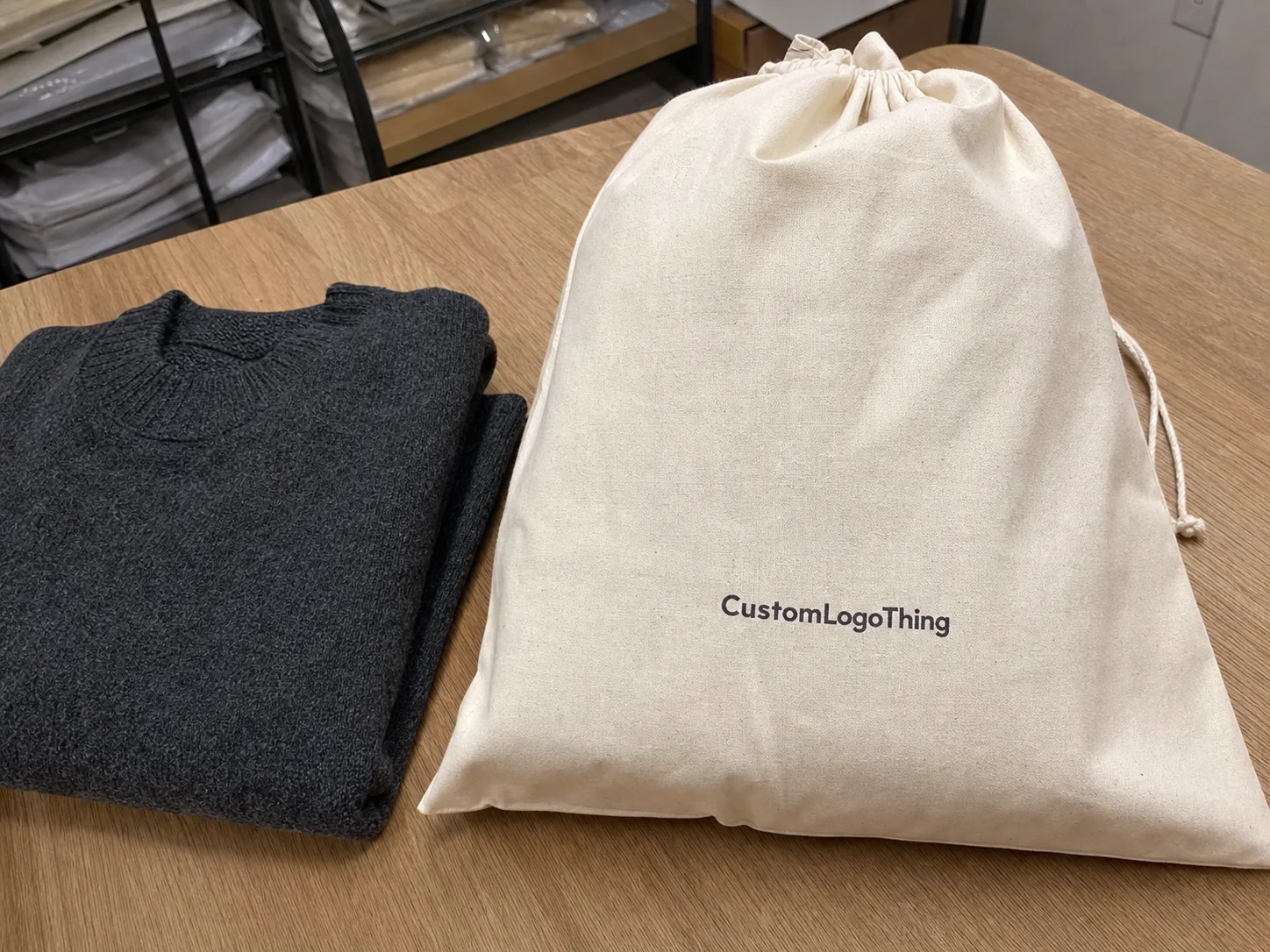
Packaging failures are not always dramatic. Many premium products get returned or reboxed because the finish looked compromised, not because the item was broken. A leather accessory shows rub marks. A polished metal piece picks up fingerprints and haze. A gloss surface arrives with a film of dust. The product still functions, but the presentation drops a level, and buyers notice that immediately.
Custom Dust Bags are best understood as a protective layer rather than a decorative add-on. They help with storage, presentation, and surface protection for goods that sit in drawers, wardrobes, suitcases, display boxes, or shipping cartons. Their job is modest and specific: reduce unwanted contact before and after the customer opens the box.
They also occupy a different role from mailers, poly bags, or rigid boxes. A mailer is built for shipping strength. A rigid box is built for structure and perceived value. A dust bag is about friction, contamination, and scuff control. That difference sounds small until you start choosing materials and deciding how much room the product needs inside the bag.
Most buyers use them for three practical reasons:
- Protection: limiting abrasion, lint, and dust on delicate surfaces
- Presentation: lifting perceived quality in retail packaging and unboxing
- Storage: helping customers keep goods clean between uses
What often gets missed is that the bag should not do every job. It is one part of a packaging system that may also include inserts, printed boxes, cartons, and outer transit protection. If the shipping carton is weak, the bag will not save the package. If the item is unusually surface-sensitive, though, the right bag can reduce complaints tied to scuffs, smudges, and visual wear.
Packaging industry guidance is useful because it keeps the discussion grounded: packaging performance is a chain. Break one link, and the customer feels it. That is true for packaging design, but it is even more visible in premium product packaging, where small defects can look like quality failures.
“The best dust bag is the one that fits the product and the workflow, not the one that looks most luxurious on a mockup.”
How the Bag Protects Product Surfaces and Shape
The protective mechanism is simple. A good bag limits direct contact, reduces rubbing during handling, and keeps loose particles away from finishes that show marks easily. That sounds basic because it is. The hard part is translating that into the right size and construction.
Fit is not cosmetic. It is technical. Too loose, and the item shifts around inside the bag, creating friction at corners, hardware, or seams. Too tight, and the opening can snag straps, zippers, metal parts, or stitched edges. Buyers often focus on width and forget that insertion and removal need tolerance. That extra room is not wasted space; it is functional allowance.
Closure choice matters just as much. Drawstrings are common because they are fast and intuitive. Flaps can work for flatter items. Zippers feel more secure and reusable, but they add cost, sewing time, and sometimes bulk. Ties are inexpensive and visually soft, though they are slower in packing lines. The right closure depends on how the bag is handled, not only on how it photographs.
Breathability is another trade-off. Some products need airflow for storage. Others need a smoother, denser surface to reduce abrasion. Cotton and nonwoven materials often feel more breathable, while microfiber and denser polyester can give a lower-friction glide for delicate finishes. There is no universal winner here. The use case decides.
Shape matters as much as material. A flat tablet sleeve, a footwear pouch, a bottle bag, and a soft-goods pouch all need different proportions and seam placements. A bag that ignores the product’s geometry will always feel improvised. That problem shows up fast when a customer tries to slide the item in and the hardware catches on the opening.
Think about the packaging journey too. A bag may be opened and closed several times before the product reaches the end user. That means the seams, cord channels, and opening edge need enough durability to survive repeated handling. A thin prototype can look acceptable on day one and fail after a few cycles.
For products that are stored for months rather than days, the bag also has to avoid creating a new problem. Some fabrics shed lint, trap moisture, or stain easily. Others hold their shape better but feel stiffer in hand. That is why production specs should be tied to the product’s actual environment: retail shelf, warehouse bin, travel case, or long-term storage.
Material, Size, and Branding Choices That Matter
Material selection is where buyers can either get disciplined or drift into aesthetics. Cotton gives a soft hand feel and usually works well when a brand wants a quieter, more natural presentation. Microfiber or polyester tends to offer smoother surface protection, especially for finishes that scratch easily. Nonwoven is often the budget-conscious choice when volume matters more than tactile luxury. Blends can sit somewhere in the middle, especially when reusability matters.
Choose the material based on product finish, storage environment, and brand intent, not sample-room preference alone. A fabric that looks refined may still pill, snag, or trap lint. That is a bad trade for premium goods. A very soft cloth that lacks structure may feel pleasant but underperform after repeated use. The difference is easy to miss until samples are tested with actual products instead of just flat measurements.
Size should be based on the product plus handling allowance. For a bag that needs easy insertion and removal, extra room beyond the exact external dimensions is normal. That allowance changes by category. A rigid bottle is easier to measure than a handbag with straps, corners, or hardware. A flat product may need only a small margin. A sculpted one may need much more.
Decoration choices affect both cost and performance. Screen print is common for bold logo placement. Woven labels add a more textile-forward look. Heat transfer can work for detailed marks in smaller runs. Embroidery feels premium but raises cost and can stiffen the logo area. Unbranded construction is not a compromise in every case; sometimes it is the smartest choice if the product already carries the visual weight.
Color, finish, and opacity are functional too. Darker fabrics hide wear better, which matters for bags that will be reused. Lighter fabrics can look cleaner and more elevated in retail packaging, but they show stains and handling marks more quickly. If the bag will live in a drawer or travel case, that difference matters.
Small construction details also influence day-to-day use:
- Reinforced seams for repeated loading and unloading
- Double stitching where stress concentrates
- Gussets for bulkier products
- Cord locks for better closure retention
- Side labels for size identification in warehouse flow
If you are comparing these against other product packaging formats, look at the full system. A well-built dust bag may pair better with a carton and insert than a more expensive pouch that slows the line or eats into storage space. That is why many buyers review Custom Packaging Products as a set rather than buying each component in isolation.
| Material | Typical feel | Best for | Trade-off |
|---|---|---|---|
| Cotton | Soft, natural | Premium presentation, reusable storage | Can show staining faster |
| Microfiber / Polyester | Smooth, low-friction | Surface-sensitive items, higher-end finish protection | Can cost more than basic cloth |
| Nonwoven | Light, economical | High-volume programs, cost control | Less refined hand feel |
| Blend | Balanced | Mixed priorities, reusable retail packaging | Performance varies by spec |
Pricing, MOQ, and What Changes Unit Cost
Pricing is rarely just about the bag. The real cost stack includes material grade, size, labor, decoration, packaging configuration, and freight. If one supplier quotes only a unit price and another breaks out the full structure, the second quote is usually easier to trust. Apples-to-apples comparison matters more than the lowest headline number.
Quantity changes the economics quickly. Lower minimum order quantities usually carry higher per-unit pricing because setup, sampling, and decoration costs are spread across fewer pieces. Larger orders often lower the unit cost. That is standard across soft goods and packaging, and custom dust bags follow the same pattern.
A useful planning range for buyers: simple, low-decoration bags can sit in a modest unit-cost band at volume, while premium fabrics, embroidery, specialty closures, or detailed labels can push the price up quickly. The spread is normal. The mistake is assuming two bags that look similar in a photo will cost the same in production.
The biggest cost drivers are usually these:
- Material grade and fabric weight
- Dimensions and whether the bag needs a gusset
- Decoration method and number of logo colors
- Closure type such as drawstring, flap, zipper, or tie
- Construction details like lining, reinforcements, or custom labels
Where buyers get burned is choosing the cheapest option that underperforms later. Saving a few cents can be false economy if the bag pills, snags, or fails to protect the surface. Then the real cost shows up as replacements, complaints, or weaker perceived quality. In branded packaging, those downstream costs are often larger than the material savings.
Ask suppliers to separate the quote into sampling, production, decoration, packaging, and shipping. That makes it much easier to compare bids and understand where the price is moving. It also reveals whether the supplier is pricing the actual spec or hiding assumptions inside a total number.
If you need a rough frame, basic bags often price very differently from embroidered or specialty versions, even at the same size. That gap is normal. The important part is understanding what each extra dollar buys: better hand feel, stronger seams, better fit, or just more decoration.
Lead time follows the same logic. Simple constructions move faster. Complex decoration, custom closures, and tight proofing cycles slow everything down. A quote that bundles those timelines together without explanation is usually less useful than one that breaks out sampling, approval, production, inspection, and freight.
Process and Turnaround: From Spec Sheet to Shipment
The workflow is straightforward, but only if the brief is clear. It usually runs like this: product brief, dimension confirmation, material selection, decoration review, sample approval, production, inspection, and shipment. Each step has its own failure point.
A clean spec sheet speeds everything up. So does clear artwork, one decision-maker on the buyer side, and measured product dimensions with insertion tolerance. If a supplier has to chase basic information, the calendar stretches. That is especially true when multiple SKUs are involved and the bag is being asked to fit too many products.
Delays usually come from the same places: unclear sizing, brand-file back-and-forth, sample changes after approval, or late decisions on closure type. The closure issue is common. Teams often decide on the visual direction first and the function later. That reverses the right order.
Turnaround should be discussed in milestones, not one blunt promise. Sampling may take a few days to a few weeks depending on complexity. Revisions add time. Production time depends on order size and construction. Inspection and freight sit after that. A realistic quote tells you how long each stage is likely to take, not just the final handoff.
For buyers managing launch windows, milestone dates matter because they affect receiving, warehousing, and assembly planning. If the bag is part of a larger retail packaging program, one late component can delay the whole pack-out. That is why custom printed boxes, inserts, and dust bags need to be scheduled together, not treated as separate emergencies.
ISTA test methods are a useful reference when you are thinking about handling, transit, and surface protection. The exact test depends on the product, but the principle is consistent: simulate the movement, contact, and vibration your item will actually face.
Practical production constraints matter here too. Bags with simple straight seams and one-color decoration can move quickly. Bags with lining, contrast trim, woven labels, or dense embroidery add labor time. If the request includes unusual dimensions or a nonstandard closure, expect the sampling round to take longer because the first prototype is often the one that reveals the fit problems.
Common Mistakes That Make the Bag Less Useful
The first mistake is undersizing. If the item has to be forced into the bag, the bag stops being protective and starts creating friction. Seams stress. Corners catch. Hardware snags. In some cases, the product looks worse after storage than it did before it went in.
The second mistake is overbranding. Too much decoration can make the bag visually busy, raise cost, and undermine the clean premium feel many buyers want. A logo should support package branding, not compete with the product. Often, a restrained mark does more for perceived quality than a heavy graphic treatment.
A third problem is choosing a material for appearance only. A bag can look beautiful in a sample photo and still pill, shed lint, or wear poorly after repeated use. That is especially true when the item will be opened and closed regularly, or stored alongside rougher surfaces in a suitcase or drawer.
Another common issue is skipping real-world testing. Flat measurements are useful, but they are not enough when products have handles, corners, straps, or hardware. A bag needs to be tested on actual units, not just on the spec sheet. The fit can change more than people expect once seams and bulk are accounted for.
Storage conditions get ignored too. Bags used in dusty or humid environments may need different fabric weights, finishes, or closures than display-only bags. If a product is handled in a retail stockroom, then packed again, then stored by the customer, the bag has to survive repeated friction and still look intentional.
One more frequent problem: selecting a closure that slows down packing more than it saves in protection. A zipper can be excellent for repeat use, but if the item is packed at scale, the extra labor may not be worth it. The best spec is not always the most elaborate one. It is the one that performs reliably in the real workflow.
If you want a quick sanity check, ask whether the bag will still look good after ten openings. If the answer is uncertain, the spec is not finished.
Next Steps Before You Request Samples
Before you request samples, group the products that need protection by size, finish, and handling sensitivity. That makes quoting faster and avoids forcing one bag to cover wildly different use cases. A leather item, a glossy accessory, and a soft textile product may all need different constructions even if they seem close in size.
Measure each item with insertion room, not just exterior dimensions. Note any handles, straps, corners, fasteners, or unusual geometry. Those details matter more than buyers think. A bag that fits the body but ignores the hardware is not a proper fit.
Decide the minimum acceptable look before you ask for samples. Plain, lightly branded, or fully custom are three very different briefs. Then gather artwork files and decide where the branding should sit. A clear logo placement area reduces revisions and speeds up the proofing process.
When quotes come in, ask for a line-by-line breakdown:
- Sample cost
- Unit cost at your target quantity
- Decoration cost
- Packaging configuration
- Shipping or freight estimate
That format makes comparison much easier, especially if you are balancing budget against turnaround. It also helps you decide whether the added cost of a better material or closure is justified by the product’s value.
For quality control, ask for sample checks that cover more than the logo. Inspect seam straightness, cord function, shrinkage or stretch, color consistency, opening width, and whether the finished bag holds shape after repeated use. If the product has a polished, plated, or high-gloss surface, test for lint transfer and abrasion. Those failures are easier to catch before production than after arrival.
If sustainability is part of your packaging strategy, ask about material sourcing and certifications as well. FSC matters when paper-based components are involved elsewhere in the pack, and many buyers also look for recycled or lower-impact inputs in the broader packaging system. The supplier should be able to explain what is certified, what is not, and where claims can be substantiated.
One last practical step: request samples, test the fit, and confirm finishing details before placing the order for custom dust bags. That extra round of checking is cheaper than discovering the wrong closure, the wrong hand feel, or the wrong size after production has already started.
How do I size custom dust bags for different products?
Measure the product at its widest point, then add enough room for easy insertion and removal without stretching the seams. Include hardware, straps, heels, corners, or any protrusions that change the effective shape. If you have several SKUs, group them into size families instead of forcing one bag to fit everything.
What material works best for custom dust bags?
Cotton is a strong choice when you want a natural look and soft hand feel. Microfiber or polyester is better when smoother surface protection matters more. Nonwoven or blended options often make sense when budget and volume are the main priorities. Match the material to the product finish, storage environment, and brand presentation.
What affects the price of custom dust bags the most?
Material grade, size, sewing complexity, and decoration method usually drive the biggest cost changes. Higher quantities often lower unit cost because setup is spread across more pieces. Special closures, labels, and custom packaging can raise the quote even when the bag itself looks simple.
How long does production usually take for custom dust bags?
Timeline depends on sampling, revision cycles, order size, and how quickly artwork and measurements are approved. A clean spec sheet and one approval contact usually shorten the process. Ask for milestone dates for sampling, production, inspection, and shipment instead of relying on one delivery estimate.
Can custom dust bags be used for storage as well as retail packaging?
Yes, but the bag should be selected for the actual use case, not just the presentation photo. Storage use may require different fabric weight, closure strength, or breathability than retail-only use. If the item will be handled repeatedly, choose construction that resists seam wear and keeps shape over time.

