A great garment can still arrive looking cheap if it is packed in the wrong box. Clothing is not fragile like glass, but it wrinkles, shifts, absorbs moisture, and loses shape fast when pack-out is loose. Until the parcel is opened, the box is the customer’s first physical proof of quality.
Custom Shipping Boxes for Clothing work best when they are built around folded dimensions, common order mixes, and packing-line speed. For some brands that means a compact corrugated mailer for ecommerce orders. For others it means a regular slotted carton for wholesale replenishment or a flatter folder for tees and lightweight knits. The goal is simple: protect the product, control shipping cost, and keep fulfillment practical.
Why custom shipping boxes for clothing matter more than most brands expect
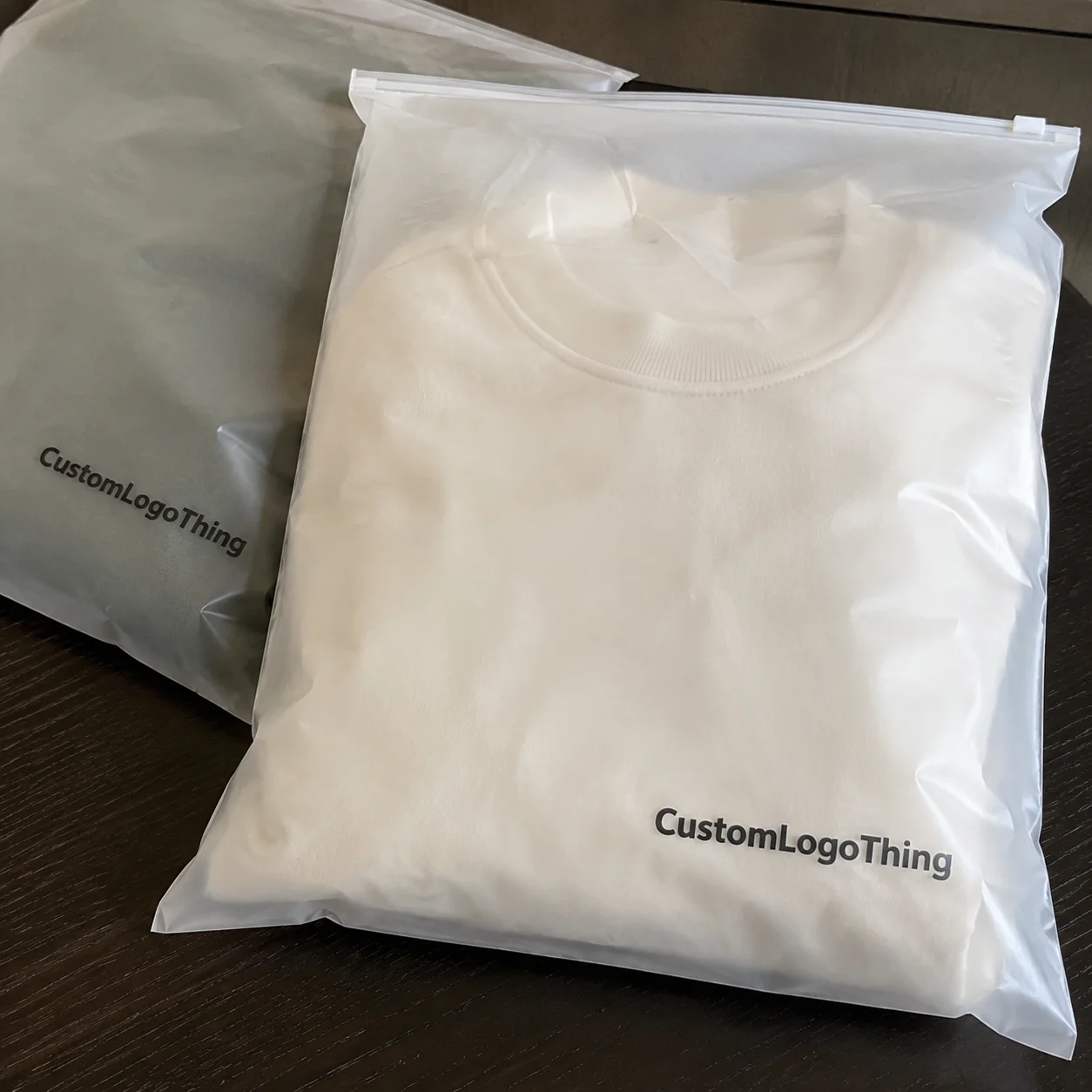
Apparel packaging is easy to underestimate because the product itself is soft. But a premium hoodie in an oversized generic box still feels careless. Too much empty space lets garments slide, tissue collapses, inserts drift, and the opening experience falls below the product’s price point.
Good boxes are not just logo carriers. They are sized and structured to reduce dead space, hold the fold, limit void fill, and survive parcel handling. They also need to work for the second trip if the customer sends an item back.
Most clothing programs fall into a few use cases:
- Ecommerce shipping for direct-to-consumer orders
- Subscription apparel shipments
- PR kits and launch mailers
- Wholesale replenishment for boutiques or chains
- Retail-ready fulfillment with inserts, labels, and return instructions
Small packaging decisions have real cost impact. A stronger flute can reduce corner crush. A second adhesive strip can simplify returns. An extra half-inch of depth can increase dimensional weight and make the parcel feel under-packed.
How apparel shipping boxes work from garment fold to final delivery
Apparel fulfillment sounds simple: fold, pack, seal, label, ship. In practice, the box affects labor time, freight cost, and presentation. If it is right-sized, the packer works faster, the label sits flat, and the parcel keeps its shape better in transit.
Three structures cover most applications:
- Roll-end tuck front mailers for branded ecommerce orders and a cleaner opening experience
- Regular slotted containers for wholesale cases, replenishment, and heavier bundles
- One-piece folders for flatter products such as tees, fine knits, and low-profile sends
Material choice matters as much as style. E-flute is common for apparel mailers because it prints cleanly and feels more refined than heavier corrugated. B-flute offers more crush resistance and stacking strength for denser orders or longer routes. EB flute is often chosen when brands want stronger structure without giving up too much presentation quality.
Substrate changes the visual result. Kraft board feels practical and hides scuffs better. White board reproduces color more accurately and gives logos more contrast. The right choice depends on the artwork, finish, and how closely the print needs to match brand colors.
For clothing, internal dimensions matter more than exterior measurements. A tee, two tanks, and a fleece quarter-zip may share a similar folded footprint but need different depths once tissue, poly bags, and inserts are added. The box should fit the packed bundle, not the garment lying flat.
Key specs to choose for custom shipping boxes for clothing: size, board grade, print finish, and protection level
Start with size. Apparel boxes should be built around folded garment footprint and packed depth, not flat garment dimensions. A single tee wrapped in tissue might fit a box around 10.25 x 8.25 x 1.5 inches, while a fleece hoodie may need something closer to 12 x 10 x 3.25 inches depending on pack-out.
Internal dimensions are the usable space inside the box. If the fit is too tight, the lid bulges and corners split. If it is too loose, garments shift and presentation suffers. In apparel, a half-inch in depth often matters more than an extra inch in length.
Then choose board strength based on actual order weight:
- E-flute: tees, leggings, sleepwear, lighter tops, and presentation-focused ecommerce mailers
- B-flute: denim, fleece, heavy cotton sweats, and multi-item orders that need more stacking strength
- EB flute: a middle ground for better structure with a cleaner print surface
If the product is dense or transit is rough, ask for the edge crush test rating, liner weights, and whether the supplier is using a standard or upgraded board combination.
Substrate affects print output:
- Kraft: natural look, more forgiving of scuffs, often suited to minimalist branding
- White: brighter surface, stronger contrast, better for saturated graphics and closer color control
Print method should match the artwork and volume. Flexographic printing is usually the economical option for simple one- or two-color graphics at scale. Digital printing suits lower minimums, seasonal runs, multiple SKUs, or more detailed artwork. Litho-laminated boxes can deliver sharper image quality, but they often cost more than everyday apparel shipping requires.
Finishes and add-ons only make sense when they solve a problem:
- Matte coating for reduced glare
- Gloss for stronger color saturation
- Tear strips for easier opening
- Second adhesive strips for returns
- Self-locking tabs to reduce tape use
- Inserts to keep cards, belts, or accessories from shifting
Cost and pricing: what actually changes box quotes and unit cost
Box pricing moves for predictable reasons: dimensions, board grade, print coverage, print method, quantity, coatings, inserts, freight, and destination. Apparel brands often focus on carton unit price and miss the bigger cost driver behind it: shipping.
The most common mistake is adding extra depth “just to be safe.” That can push a lightweight parcel into a higher dimensional-weight bracket. The result is more corrugated cost and higher carrier charges at the same time.
Typical planning ranges for apparel boxes often look like this:
| Box Type | Typical Specs | Approx. Quantity | Estimated Unit Range |
|---|---|---|---|
| Simple kraft mailer | E-flute, one-color outside print | 1,000 units | $0.75-$1.35 each |
| Branded white mailer | E-flute, full outside print | 5,000 units | $0.48-$0.95 each |
| Premium inside/outside printed mailer | E or EB flute, multi-color graphics | 5,000 units | $0.85-$1.65 each |
| Bulk shipping carton | B-flute RSC, simple flexo print | 3,000 units | $0.55-$1.10 each |
These are planning ranges, not fixed prices. Paper markets, ink coverage, coatings, glue points, and freight all change the quote. The more useful comparison is total delivered cost: unit cost plus parcel charges, warehouse time, storage, and the cost of damages or re-ships.
MOQ matters too. Lower quantities usually mean higher unit pricing because setup costs are spread across fewer boxes. Higher volumes improve efficiency but increase inventory risk if branding or dimensions change. Many clothing brands compare two or three versions before committing: simple kraft, white outside print, and a premium inside/outside option.
If you are comparing options from Custom Packaging Products or sourcing a dedicated run of Custom Shipping Boxes, ask suppliers to separate tooling, sample fees, unit price, and freight so you can see where the quote is moving.
Process and lead time: production steps from dieline approval to delivery
The usual path is straightforward: confirm structure and size, place artwork on the dieline, review proofs, request samples if needed, approve, print, convert, pack flat, and ship. Delays usually come from artwork revisions, changing dimensions after sampling, or waiting too long to approve.
Artwork is a common choke point. Low-resolution logos, unclear barcode placement, missing panel copy, and forgotten label zones can add several rounds of revision. A complete file package should include vector logos, brand colors, copy, QR destinations, and marked areas where carrier labels must sit.
Different sample types answer different questions:
- Digital mockup: panel layout and graphics review
- Plain white sample: fit, fold depth, label placement, and assembly check
- Printed prototype: color, finish, and presentation approval before production
Lead times depend on print method, volume, board availability, and complexity. A repeat order of a standard mailer may run about 10 to 15 business days after final approval. A first-time custom structure with inserts or premium finishes can take three to five weeks, sometimes longer in peak seasons.
Fit testing should use actual folded garments, not tech-pack dimensions. Include tissue, poly bags, insert cards, and return paperwork. Apply the shipping label where it will really go. If transit durability matters, review guidance from ISTA. If fiber sourcing matters to your brand, ask for documentation tied to standards such as FSC.
Step-by-step guide to ordering the right box for your apparel line
Ordering gets simpler when you start with the product mix instead of the mood board.
- Define the order pattern that drives most volume. Single tee, two tops, one hoodie, mixed outfit, subscription pack, or wholesale bundle all create different requirements.
- Measure garments after folding. Include tissue, poly bags, insert cards, stickers, and return paperwork.
- Build around one main size first. Add a second only if the product mix really demands it.
- Match the board to actual weight. Tees and lighter tops can often stay in E-flute. Fleece, denim, and bundled orders usually need more structure.
- Keep artwork functional. Make sure the logo remains visible and the label zone is clean.
- Test pack-out under warehouse conditions. Time assembly and check closure strength and final appearance.
- Quote with real variables. Share quantities, destination, timeline, and print expectations.
- Set reorder triggers before launch. Know lead time, storage capacity, and minimum stock levels.
A practical starting setup for many brands is one compact mailer for single-item ecommerce orders and one larger carton for bundles or heavier garments. If most shipments are soft basics and cost control matters more than structure, compare corrugated options with Custom Poly Mailers. Poly mailers usually lower material and freight cost, but they do not offer the same fold support, stacking strength, or premium presentation as corrugated boxes.
Rule of thumb: if the garment ships flat, low-risk, and with minimal inserts, test a compact mailer or poly option; if presentation, wrinkle control, returns, or accessories matter, a properly sized corrugated box usually makes more sense.
Common mistakes clothing brands make with mailers and cartons
The biggest mistake is choosing packaging from reference images instead of folded garment dimensions. A box can look good in a render and still fail at the packing table. Once dimensions are wrong, speed, fit, labels, parcel cost, and presentation all suffer.
Another frequent problem is using one oversized box for everything. That usually increases void fill, shipping cost, internal shifting, and the hollow feel customers notice immediately.
Print expectations also cause disappointment. A refined concept will not reproduce the same way on kraft with basic flexo as it will on a white digitally printed surface. If color accuracy matters, confirm substrate and print process before approving art.
Returns are another blind spot. Apparel return rates can be high, especially in fit-sensitive categories. If customers are likely to reuse the original package, plan for tear-strip behavior, reseal options, second adhesive strips, and return-label space during design.
Finally, check warehouse reality: tape adhesion, scan zones, stackability, and assembly time. A structure that adds even a few seconds per order becomes expensive at scale. Heavier garments also expose weak specs quickly.
Next steps: how to brief a supplier and test your box before launch
A useful supplier brief should include folded product dimensions, target quantities, common order combinations, preferred structure, print areas, logo files, shipping destination, in-hands date, and any return features. If the assortment varies, send two or three real pack-out examples so the supplier can judge fit against actual bundles.
Ask direct questions: What flute is being proposed? What board combination? Which print process fits the quantity? What is the MOQ? Are plain fit samples available? What changes lead time after proof approval? Clear answers help separate real packaging knowledge from generic sales language.
Before launch, run an internal test. Time assembly. Check whether tissue shifts, inserts slide, labels cover the logo, and the parcel still looks clean after ordinary handling. In many cases, a well-sized mid-range mailer delivers most of the presentation value without the cost of heavy decorative extras.
The best Custom Shipping Boxes for clothing are usually not the fanciest. They fit the garment, protect shipping margin, support the brand, and keep fulfillment efficient.
What should you look for in custom shipping boxes for clothing?
Start with four things: fit, board strength, print clarity, and pack-out efficiency. The right box should match folded garment dimensions, limit empty space, support the order weight, and leave room for labels, inserts, and return features without slowing the line.
For most brands, the checklist is practical:
- Right-sized interior: enough room for the packed bundle, not enough for it to drift
- Appropriate corrugated board: E-flute for lighter presentation-focused orders, stronger options for denim, fleece, or multi-item packs
- Brand fit: kraft or white board chosen for the print result you actually need
- Return readiness: tear strip, reseal feature, or second adhesive strip if return rates are significant
- Warehouse practicality: easy assembly, clean label space, stackability, and predictable packing speed
If those five pieces line up, clothing boxes usually perform well both on the packing table and at the customer’s door.
FAQ
What are the best custom boxes for shipping clothing orders?
The best option depends on garment type, folded size, order count, and presentation goals. Mailer boxes are often the best fit for direct-to-consumer apparel because they combine structure with a cleaner opening experience. Standard corrugated cartons make more sense for bulk or wholesale shipments. The right choice minimizes empty space, supports order weight, and fits the warehouse workflow.
How do I size custom shipping boxes for clothing correctly?
Measure garments after folding and after adding tissue, poly bags, insert cards, and return paperwork. Use the packed dimensions of the most common order combinations, not flat garment specs. Build one or two core sizes around those bundles, then test closure fit and label placement before approving production.
How much do custom shipping boxes for apparel usually cost?
Pricing changes with size, quantity, board grade, print coverage, and extras such as inserts, coatings, or tear strips. Small runs usually cost more per unit because setup is spread over fewer cartons. For many apparel mailers, planning ranges fall roughly between $0.48 and $1.65 per unit depending on quantity and print complexity, while basic bulk cartons can land lower. The better comparison includes parcel savings from right-sizing, not just carton cost.
What is the typical lead time for custom clothing shipping boxes?
Simple repeat orders can move in roughly 10 to 15 business days after final proof approval. First-time custom projects, printed prototypes, inserts, or premium finishes often extend the schedule to three to five weeks or more. Brands should also leave time for sample review, fit testing, and seasonal production bottlenecks.
Can custom printed clothing boxes be used for returns too?
Yes, if the structure is durable enough and the closure system supports reuse. A second adhesive strip, reseal feature, or clean tape-friendly surface can improve returns handling. Return instructions and label space should be planned during design, not added after production.


