Custom Stickers Kansas City: what buyers get wrong first
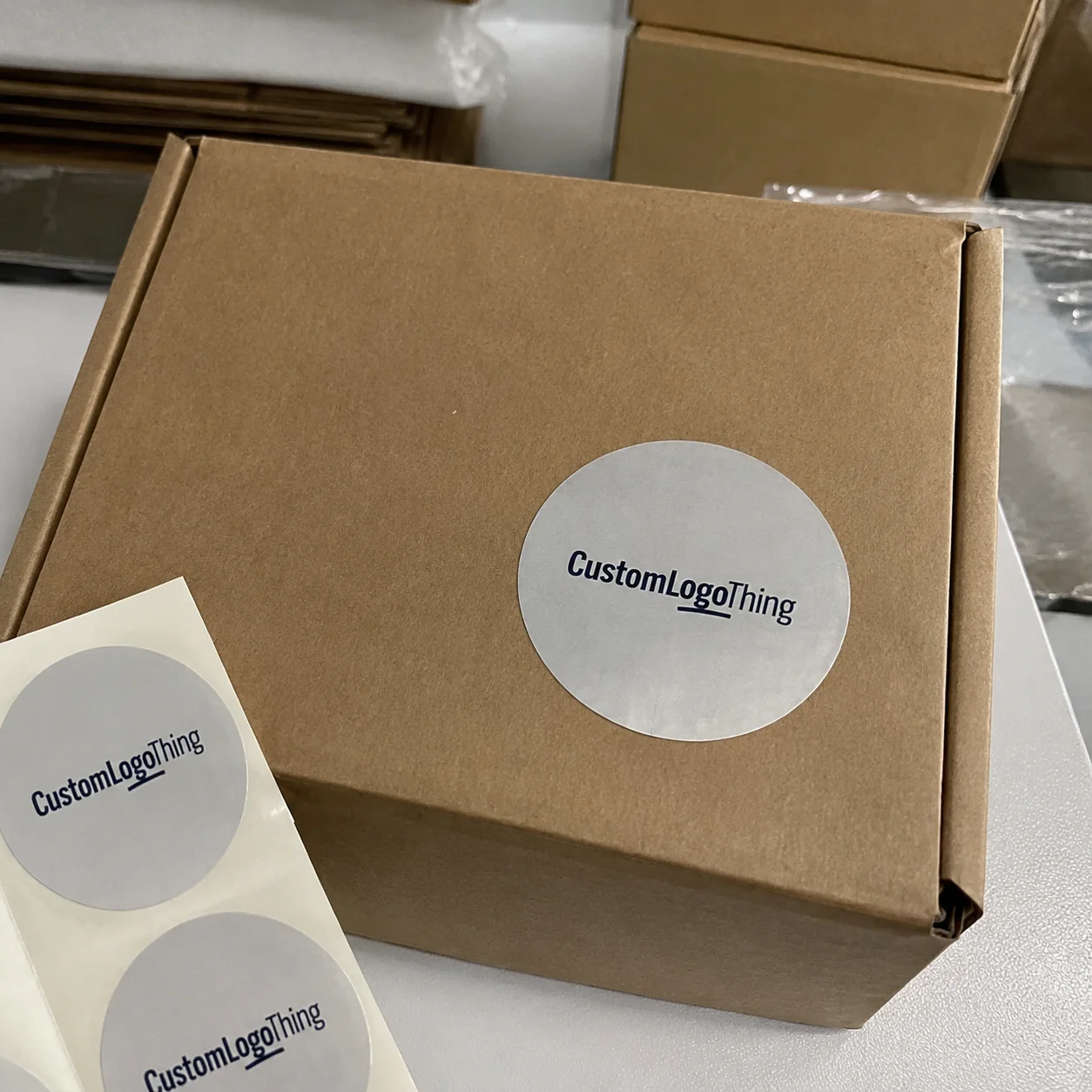
Most buyers start with the artwork and the price. Those matter, but they are rarely the first problem. The more expensive mistake is choosing a sticker spec that does not match the surface, the environment, or the way the piece will actually be applied.
A brewery label that sits in condensation all day needs a different construction than a handout sticker dropped into a shopping bag. A package seal for corrugated cartons behaves differently than a decal on glass. A product label wrapped around a tapered jar has its own set of constraints, especially if the design includes small type or heavy coverage near the edges.
That is why Custom Stickers Kansas City buyers order are not one simple category. The same shop may need die cut promo stickers, roll labels for packaging, short-run event decals, and barcode labels for inventory. They all fall under sticker printing, but the stock, adhesive, finish, and format change with the job.
The most common failure points are practical. Paper labels wrinkle or scuff in damp conditions. Adhesives lift on textured containers. Thin stocks tear during hand application. Designs built for a bright phone screen can look muddy once they hit matte material or a darker substrate. None of that is unusual. It is just what happens when print meets real handling.
There is also a useful distinction between stickers and labels. Labels usually live on a product and are ordered in larger quantities, often on rolls for faster application. Stickers lean more toward promotion, branding, handouts, and individual use. The print process may overlap, but the expectations are different. A label has to stay put through transport, shelving, and use. A giveaway sticker mainly needs to look sharp, peel cleanly, and survive normal wear.
For local businesses, the buying pressure is usually speed and flexibility. Packaging changes. Seasonal flavors launch. Retailers ask for updated compliance text. Event teams need something presentable without ordering ten thousand pieces they may never use. Good sticker buying is less about chasing the cheapest quote and more about ordering a spec that holds up the first time.
How sticker printing works from artwork to finished rolls or singles
The production path is not complicated, but each step has a chance to go wrong if the setup is loose. Most custom stickers Kansas City orders move through file review, proofing, material selection, printing, cutting, finishing, packing, and delivery or pickup.
That sounds routine because it is routine. The trouble starts when a file has no bleed, the cut line is unclear, the text is too small for final size, or the finish gets chosen on appearance alone without thinking about handling. A sticker can look great on a monitor and still be the wrong product in hand.
Buyers usually run into four common formats:
- Die cut singles — individual stickers cut to shape, usually best for handouts, merch inserts, counters, and promo use.
- Kiss cut sheets — stickers cut through the face stock but left on a backing sheet, useful for sets, multi-design runs, or easier peeling.
- Roll labels — the standard choice for packaging, batch application, and higher quantities.
- Transfer decals — cut vinyl graphics for windows, walls, and smooth hard surfaces where the backing and transfer tape matter as much as the art.
Shape affects cost more than people expect. Standard circles, squares, and rectangles are usually the most efficient. Tight contours, interior cutouts, and thin points in the design create more setup work and can produce slower finishing or more waste. If the budget is tight, simplifying the shape often reduces cost faster than trimming color or downgrading material.
Print method matters too, especially on repeat work. Digital printing is common for short to mid-size runs because setup is faster and minimums can stay low. Larger label volumes or specialty constructions may shift the economics, but the practical takeaway for most buyers is simple: repeatable files and standard materials usually move faster than highly customized first-time jobs.
Artwork quality still matters. Vector files are best for logos, text, and cut paths. Raster artwork can work if it has enough resolution at final size, but a small web graphic will not magically sharpen in production. Fine reverse text, hairline borders, and crowded legal copy should be reviewed at actual size before approval. On screen, nearly everything looks bigger and cleaner than it will on a two-inch label.
For businesses comparing stickers with Custom Packaging Products, this is where print decisions stop being cosmetic. The format has to fit how the item is packed, stored, peeled, and applied. A beautiful label on the wrong core size or backing format can slow packing lines just as quickly as a bad adhesive.
Materials, adhesives, and finishes that actually match the job
Material selection should begin with use, not with whatever sounds premium in a quote. A low-cost paper sticker can be perfectly right for indoor handouts or box seals. It can also fail fast if it is exposed to moisture, abrasion, or repeated handling. The stock is only “good” if it matches the job.
For many custom stickers Kansas City orders, the practical material choices narrow down quickly:
- Paper — economical, easy to print, best for dry indoor use and shorter life cycles.
- Vinyl — better for outdoor exposure, frequent handling, and longer-term durability.
- BOPP or polypropylene — a strong middle ground for bottles, jars, pouches, and personal care packaging where moisture resistance matters.
Paper has a place. It is often the right choice for packaging seals, event handouts, and budget-conscious promo pieces. Just do not expect it to behave like laminated film stock on chilled bottles or greasy takeout packaging. Once moisture and friction enter the picture, film materials usually earn their extra cost.
Adhesive deserves as much attention as the face stock. Permanent adhesive is common for retail labels, cartons, bottles, and general packaging. Removable adhesive works better for temporary window graphics or short-term promotions where clean removal matters. Some surfaces create problems no matter how good the artwork is: low-energy plastics, textured paper wraps, dusty corrugated, waxy coatings, and items filled or labeled at cold temperatures.
If the piece is being applied to refrigerated bottles, freezer packs, flexible pouches, or curved jars, say that early. Cold application and cold storage are not the same thing. A label may survive after it has bonded at room temperature, then fail if someone tries to apply it while the container is already wet with condensation.
Finish changes both appearance and performance. Gloss usually makes color appear brighter and more saturated. Matte softens glare and can feel more refined, especially on premium packaging. Lamination adds abrasion resistance and helps protect ink during shipping, binning, and repeated contact. Writable coatings are useful for batch dates, SKU notes, or short-run product coding, though not every pen performs well on every surface.
Here is a practical reference point:
| Use case | Recommended material | Best finish | Typical note |
|---|---|---|---|
| Event giveaway | Paper or standard vinyl | Matte or gloss | Simple shapes keep cost down |
| Jar or bottle label | BOPP / poly | Matte or gloss laminate | Check condensation, oil, and curve of container |
| Window decal | Vinyl | UV-resistant laminate if needed | Removable adhesive helps with temporary promotions |
| Shipping box seal | Paper or vinyl | Matte | Balance cost against tear resistance and shelf look |
Durability is mostly about exposure. Indoor dry use is easy. Outdoor use adds UV, heat, cold, moisture, and abrasion. Refrigeration adds condensation. Freezer storage changes adhesive behavior again. A label that looks perfect on day one may start curling at the corners after a week if the construction was chosen for price alone.
If your broader packaging lineup includes Custom Labels & Tags, it helps to think of stickers as part of a material system rather than a separate purchase. The stock on the jar, the tag on the gift set, and the seal on the outer box should all make sense for their own surfaces. Matching the look matters; matching the performance matters more.
Sticker pricing, MOQ, and unit cost in Kansas City orders
Sticker pricing is driven by size, quantity, material, finish, adhesive, shape complexity, packaging format, and shipping. That is why broad questions about “how much stickers cost” do not lead very far. A two-inch paper circle and a laminated custom-shape vinyl decal may share the same logo, but they are not the same job.
Quantity changes the math. Setup costs get spread across more pieces, so the unit price usually drops as volume climbs. Still, bigger is not automatically better. Ordering 5,000 pieces can be smart for stable packaging. Ordering 10,000 promo stickers for a campaign that may change next month is a good way to leave money sitting in a storeroom.
MOQ, or minimum order quantity, varies by format and construction. Digital sticker printing often supports lower minimums, which helps with pilot runs, seasonal packaging, and first-time launches. Specialty adhesives, metallic effects, white ink layers, and uncommon stocks often push the minimum higher because they involve more setup and less commonly stocked materials.
As a rough buying guide, many short-run paper stickers or labels start at a modest total order value, while laminated vinyl, weather-resistant films, or specialty builds climb from there. Small batches of simple stickers may cost only a few cents per piece at volume, while premium short runs can land much higher on a per-unit basis. The real number depends heavily on the spec and quantity break.
A useful way to think about custom stickers Kansas City pricing:
- Lowest cost: standard shape, paper stock, simple print, larger quantity.
- Mid-range: vinyl or BOPP, moderate quantity, custom shape, standard finish.
- Higher cost: laminate, specialty adhesive, white ink, metallic effects, intricate shape, or rush scheduling.
Shipping can quietly move the total. Rolls, large sheet counts, and oversized decals take up more space and can be sensitive to summer heat or rough handling in transit. If the order deadline is firm, ask about delivery method early rather than assuming the production quote covers the whole timing picture.
The fastest way to get a usable quote is to send the details in one message: size, quantity, shape, material preference if known, intended use, indoor or outdoor conditions, roll or sheet format, artwork status, and delivery ZIP code. That usually cuts out at least one revision round and gets you closer to a real number.
Process and turnaround: proofing, production steps, and lead time
Turnaround has two parts: production time and total elapsed time. Buyers often focus on the first and forget the second. The production floor may move quickly, but the clock also includes quoting, artwork cleanup, proof review, approval delays, finishing, packing, and shipping.
A standard flow looks like this: inquiry, specification review, quote, file check, proof approval, printing, cutting, finishing, packing, then shipment or pickup. Most delays happen before the press starts. Missing vector artwork, uncertain label size, unclear adhesive requirements, and too many stakeholder revisions can add days without anyone noticing at first.
Repeat jobs are usually faster because the variables are already settled. First-time custom stickers Kansas City orders need more room, especially if the artwork needs repair or the material has to be matched to a tricky surface. If the order includes specialty laminate, white ink, or a less common stock, lead time can stretch further.
There is also a difference between a stated production window and an event-safe delivery date. If stickers are needed for a launch, trade show, seasonal push, or store reset, build in margin. A proof approved late in the afternoon can push the schedule. Carrier delays happen. Reprints happen. Color changes happen. Two extra business days of buffer is often more valuable than shaving a few cents off the unit cost.
For event work and new packaging launches, plan backward from the date the stickers need to be in hand, not the date you hope they will ship.
Quality control is part of timing as well. Good production checks usually include color review against the approved proof, cut alignment, finish consistency, count verification, and spot checks for edge lift or print defects. On roll labels, unwind direction and roll quantity matter too if the labels are going into a dispenser or semi-automated application setup.
If your sticker order ties into custom printed boxes or other packaging components, coordinate those timelines together. A finished carton without the right label is still an incomplete packaging run. That sounds obvious, yet it is one of the easiest planning misses on first-time launches.
How to order the right stickers step by step without expensive revisions
The cleanest sticker orders follow a simple sequence. Decide what the sticker needs to do, then choose format, then material and adhesive, then size, then artwork. Reversing that order usually causes revisions because a design built for one use case often has to change once the real surface enters the conversation.
- Define the job — giveaway, product label, decal, box seal, barcode, or short-term promo.
- Identify the surface — glass, PET plastic, corrugated, coated paperboard, metal, painted wall, or window glass.
- Choose the format — singles, sheets, rolls, or transfer decal.
- Select stock and adhesive — based on moisture, handling, storage, and expected lifespan.
- Lock the size — measure the actual application area, not an estimate from memory.
- Prepare the artwork — vector where possible, with bleed, safe margins, and a clean cut path.
- Review the proof carefully — text, cut line, spacing, finish notes, and orientation.
- Test if the job is new — especially for refrigerated items, textured surfaces, or curved containers.
A few questions save a lot of money:
- Where exactly will this be applied?
- How long does it need to stay in place?
- Will it face water, oil, UV, or repeated handling?
- Is it applied by hand, by dispenser, or as a handout?
Artwork prep deserves real attention. Small text that reads fine on a laptop can become muddy in a two-inch format. Borders placed too close to the edge reveal even minor cutting variance. Dark colors on clear stock do not behave like dark colors on white stock. If a brand color is critical, mention that before proof approval rather than after the first run arrives.
For product labels, physical fit matters as much as design. Measure the straight section of the container, not just its widest point. A label wrapped too far onto a taper can wrinkle. A corner radius that looks minor on screen can make peeling easier during hand application. These little production choices are the sort buyers notice only after a few hundred units have been labeled.
If the order involves a new material, a color-sensitive design, or packaging that will be chilled or handled heavily, a test run is usually the cheapest insurance available. The sample does not need to be large. It just needs to reveal whether the stock, finish, and adhesive behave the way the job requires.
For teams also sourcing Custom Packaging Products, it helps to line up the sticker with the rest of the brand system. The outer box, product label, insert card, and promo sticker do not have to match exactly, but they should feel intentional rather than assembled from separate last-minute decisions.
What are the best custom stickers Kansas City businesses should order first?
The best first order is usually the one tied to the most frequent customer touchpoint. For one business that is the product label. For another it is a checkout handout sticker, a package seal, or a storefront decal seen from the sidewalk.
Most first-time buyers do well starting in one of three categories:
- Simple die cut promo stickers for handouts, merch inserts, and counter use.
- Roll labels for jars, bottles, pouches, and packaged goods.
- Durable vinyl decals for windows, equipment, or short-term signage.
Those categories cover a lot of ground without forcing a complicated specialty build on the first run. They also make it easier to learn what actually matters to your use case: peelability, finish, moisture resistance, shelf appearance, or how efficiently the item applies during packing.
For many custom stickers Kansas City buyers, the practical starting points look like this:
- Retail and maker brands — short-run BOPP roll labels for jars, bottles, and pouches.
- Cafes, breweries, and food businesses — moisture-resistant product labels plus a simple promo sticker for takeout bags or merch tables.
- Service businesses — logo stickers for packaging, leave-behind materials, and local brand visibility.
- Events and nonprofits — lower-cost handout stickers with standard shapes and fast setup.
- Storefronts — removable or permanent vinyl window decals depending on campaign length.
If there is uncertainty, start with the item that gets touched most or seen most. That usually produces clearer specs and fewer unnecessary versions than trying to order every possible sticker type at once.
Common sticker ordering mistakes and the next steps that fix them
The usual mistakes are not dramatic. They are ordinary, repeatable, and expensive in quiet ways: choosing only by unit price, sending low-resolution files, ignoring the surface, approving proofs too quickly, and treating lead time like a guess instead of a schedule.
Color surprises are common because screens differ, materials differ, and finishes change how ink reads. Gloss often deepens contrast. Matte can mute it slightly. Clear or kraft stocks shift color more than bright white materials. If brand color matters, call that out early. A sticker cannot correct a weak source file or rescue a color that was never tested on the chosen stock.
Application failures matter just as much. Labels can bubble on textured containers. Adhesive can let go on cold, damp bottles. Thin face stocks can wrinkle if a hand-applied label has to bend sharply around a curve. Even a strong permanent adhesive will struggle on dusty, oily, or waxy surfaces.
Here is a short fix list that improves most custom stickers Kansas City orders:
- Measure the actual placement area.
- State whether the use is indoor, outdoor, refrigerated, or temporary.
- Choose singles, sheets, rolls, or decals before asking for pricing.
- Send the quantity and deadline together, and note whether it is a test run or repeat order.
- Review the proof at actual size, not just as a quick screen glance.
One more honest caveat: not every sticker needs the most durable material available. Overbuilding the spec can waste money just as easily as underbuilding it causes failure. A short-term event sticker may not need laminated outdoor vinyl. A product sitting in a cold case probably should not be running on uncoated paper. The right answer usually sits in the middle, tied to actual use.
For teams juggling retail packaging, labels, and promotional pieces at the same time, clear specifications beat improvisation. Gather the surface details, confirm the size, prep the file correctly, and test new applications before committing to a large run. That is what keeps sticker buying practical instead of expensive.
Where can I order custom sticker printing in Kansas City for small quantities?
Look for printers that offer low-MOQ digital runs for Die Cut Stickers, kiss cut sheets, or short-run roll labels. Small orders are usually easiest and most cost-effective with standard materials, common shapes, and print-ready art. Ask for price breaks at 50, 100, 250, and 500 pieces so you can see where the unit cost starts to improve.
How much do custom stickers in Kansas City usually cost?
Cost depends on size, quantity, material, finish, shape, adhesive, and format. Basic paper stickers are usually the budget option. Laminated vinyl, BOPP packaging labels, white ink, and specialty effects raise the price. For many simple jobs, the total may start in the tens of dollars for very short runs and move into the hundreds as quantity, durability, or complexity increase.
What is the best material for Kansas City custom stickers used outdoors?
Vinyl is the usual starting point for outdoor use, often paired with laminate for extra protection against abrasion, moisture, and sunlight. The adhesive still needs to match the surface. Glass, painted metal, plastic, and textured materials all behave differently, so outdoor durability is never just about the face stock alone.
How fast is turnaround for custom logo stickers near Kansas City?
Simple repeat orders can move quickly, sometimes within a few business days plus shipping or pickup. First-time jobs, artwork cleanup, specialty materials, and multiple proof revisions usually add time. The safest approach is to separate proofing time, production time, and delivery time rather than treating them as one number.
Should I choose roll labels or die cut custom stickers for my Kansas City business?
Choose roll labels for product packaging, larger quantities, or any setup where faster hand application or dispenser use matters. Choose Die Cut Stickers for giveaways, merch inserts, checkouts, and promotional use where the individual piece and shape are part of the appeal. Many businesses end up using both for different jobs.
ISTA testing standards can be relevant if labeled products are shipping through rough distribution conditions, and FSC certification may matter if paper sourcing is part of your packaging requirements. For most custom stickers Kansas City orders, though, the deciding factors are more immediate: the real surface, the real environment, the right stock, and a proof that gets more than a quick glance before approval.


