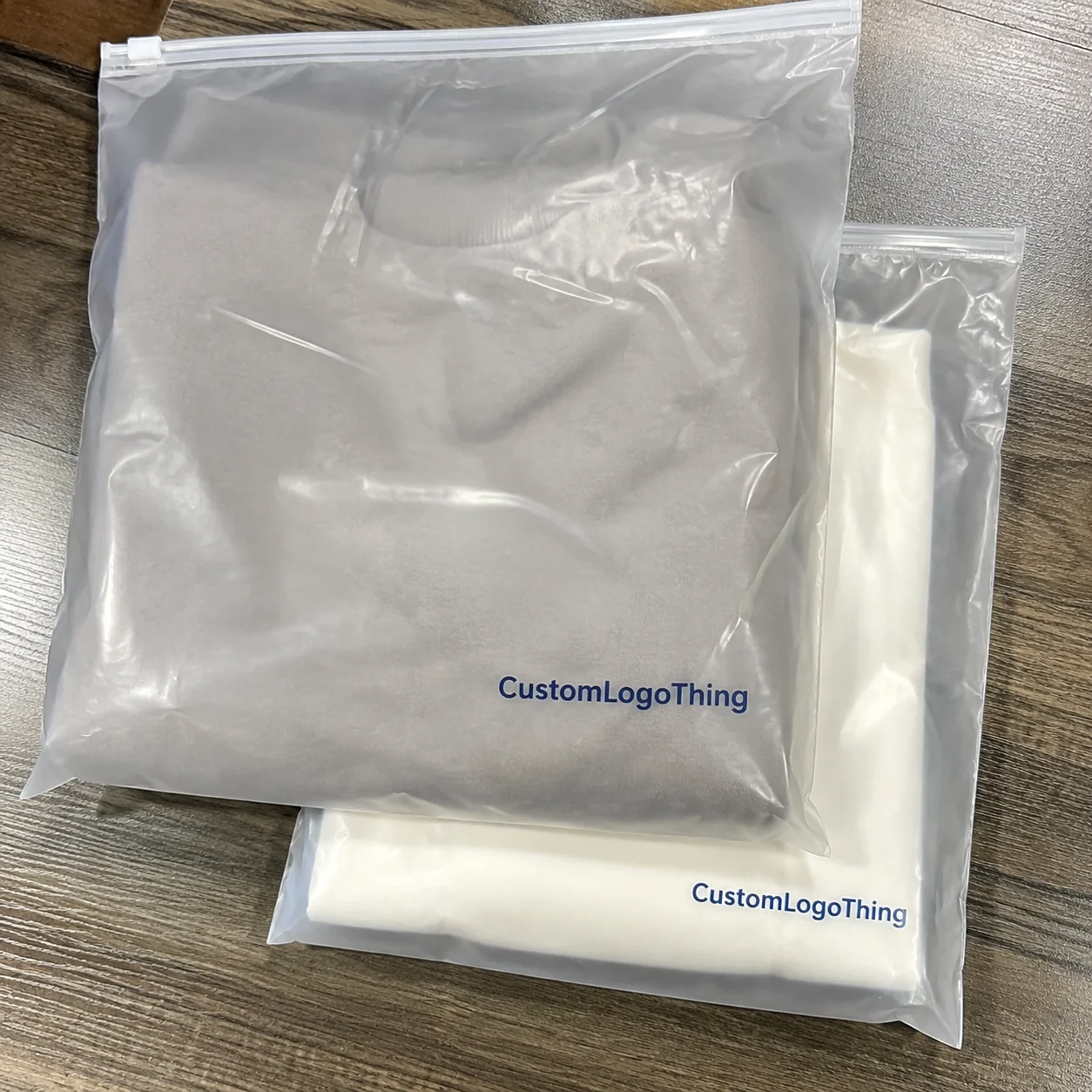
Why custom stickers Las Vegas businesses use are everywhere

Walk through a takeout counter, a retail checkout, or a convention registration desk and you see the same print product doing very different jobs. Stickers close bags, label products, dress up plain packaging, direct people to a QR code, and turn a generic handout into something branded. That range is exactly why Custom Stickers Las Vegas buyers keep ordering them. They solve real packaging and promotional problems without requiring a full packaging reprint.
For many businesses, stickers sit in the sweet spot between cost and visibility. A printed box or pouch can look great, but it usually locks you into higher minimums, longer lead times, and less flexibility if pricing, menu items, or product details change. A sticker can do the branding work for a fraction of that commitment. If a seasonal promotion ends, a SKU changes, or an event theme shifts, the sticker can change with it.
The phrase covers several products that get grouped together in everyday buying language: logo stickers, roll labels, seal stickers, die-cut decals, kiss-cut singles, and sheet stickers. The right format depends less on what the piece is called and more on how it will be used. A giveaway decal for a convention booth is built differently from a label that has to stay stuck to a cold bottle or a corrugated shipper.
Las Vegas adds some pressure that other markets do not always have. Convention schedules are tight. Hospitality and nightlife promotions can be approved late. Heat, sun, and constant handling expose weak materials fast. A sticker that works fine in a calm office setting may start curling, scuffing, or lifting if it is rushed onto warm packaging, handed out outdoors, or applied to a surface with condensation on it.
That is why buying custom stickers is usually more technical than it first appears. Size, adhesive, finish, and application method all affect whether the order feels polished or frustrating. Good sticker buying is not about chasing the flashiest option. It is about matching the construction to the job so the piece applies cleanly, reads clearly, and still looks right after people touch it.
How custom stickers Las Vegas orders work from artwork to application
The cleanest orders start with a simple question: what does the sticker need to do? Seal a bakery box, identify a product, brand a mailer, decorate a laptop, or support a trade show giveaway? Once that use case is clear, the rest of the workflow becomes much easier to manage.
Most custom stickers Las Vegas orders follow the same basic sequence: define the use case, set the size and shape, choose a material, submit artwork, review a proof, print, finish, and deliver. That sounds straightforward, but trouble usually starts when buyers jump straight to artwork before sorting out the surface, environment, and format.
People often use stickers and labels interchangeably, and in casual conversation that is fine. In production, the distinction can matter. Labels are more often tied to packaging systems, product identification, ingredients, barcodes, or compliance copy. Stickers are frequently used for promotion, sealing, giveaways, and decorative branding. The materials can overlap, but the job still drives the spec.
Common formats buyers should know
- Sheet stickers are practical for hand application, short runs, and multiple designs on one order.
- Die-cut singles are popular for merch, handouts, and clean standalone branding.
- Kiss-cut stickers keep a backing border, which helps with peeling and protects detailed shapes.
- Roll labels make more sense for larger packaging runs, faster application, and labeling equipment.
Surface compatibility matters just as much as format. Paper bags, glass jars, corrugated boxes, plastic cups, flexible pouches, and cold containers all behave differently. A sticker can look perfect in a proof and still fail on a curved surface, a dusty carton, or a low-energy plastic that resists adhesion.
If the stickers will be applied by hand, there is usually more freedom with shape and spacing. If the job will be machine applied, details like roll direction, gap spacing, unwind orientation, and core size stop being minor notes and become production requirements. At that point, the sticker is part of an operational workflow, not just a design element.
Materials, finishes, and durability factors that change performance
Material choice is where a lot of sticker orders either hold up beautifully or start failing early. Paper is usually the most economical option, and it works well for dry indoor uses such as box seals, inserts, and basic promotional handouts. It prints nicely, keeps costs down, and often gives colors a crisp appearance. It is also easier to tear and much less forgiving around moisture, condensation, or repeated abrasion.
Film materials such as vinyl and BOPP cost more, but they hold up better in the environments that cause the most complaints. If the sticker will go on drink cups, refrigerated jars, delivery packaging, cosmetics, bath products, or items that get handled often, that upgrade is usually justified. A few cents saved on material can disappear quickly if labels wrinkle, edges lift, or ink gets scuffed before the product reaches the customer.
| Material | Best for | Typical strengths | Trade-offs |
|---|---|---|---|
| Paper | Indoor labels, box seals, short-run promo stickers | Lower cost, easy printability, strong color reproduction | Less moisture resistance, easier to tear, shorter lifespan |
| Vinyl | Durable decals, outdoor use, long-wear branding | Flexible, water resistant, tougher against handling | Higher price than paper, often more than is needed for simple indoor packaging |
| BOPP / poly film | Food packaging, jars, bottles, refrigerated items | Moisture resistance, clean finish, good packaging performance | Usually less tactile than paper and not always the best fit for kraft or handmade aesthetics |
Finish changes both appearance and function. Gloss makes colors pop and can help graphics stand out under bright retail lighting. Matte feels quieter and often reads as more refined, especially on minimalist packaging. Lamination adds protection, but it also adds cost and thickness. Soft-touch can feel premium, though it is not always ideal in food service or high-contact settings where smudge resistance matters more than tactile effect.
Clear materials can create a printed-on look, but they need careful artwork prep. On transparent or dark surfaces, white ink is often required under the graphic or behind text so the design stays readable. Holographic films can work well for branded merch, limited drops, or event giveaways, but they are usually a poor fit for instructions, ingredient panels, or QR codes where clarity matters more than novelty.
Adhesive selection deserves more attention than it usually gets. Permanent adhesive is common, but even that category has variations. Some adhesives are tuned more for smooth retail surfaces, others for colder conditions, and others for applications where quick tack matters. Removable adhesive has its place on temporary promos and window graphics, but it is the wrong choice for packages that need to stay closed in transit.
Environment matters as much as substrate. Direct sun can fade inks and stress adhesive over time. Refrigeration creates condensation. Freezer conditions call for different expectations than room-temperature storage. Textured paper bags and recycled corrugate can create tiny lift points around the edges. If a supplier describes a sticker as “waterproof,” ask what that actually means in use. Splash resistance, wipe-down durability, refrigerated storage, and long-term outdoor exposure are not the same standard.
Small technical details can make or break the finished result. QR codes need enough contrast and quiet space to scan reliably. Fine lines may fill in on small stickers. Borders can look off-center if the design leaves no room for normal cutting tolerance. These are ordinary production realities, not defects, which is why the strongest custom stickers Las Vegas orders are specified with the surface, environment, and artwork all in mind at the same time.
Custom sticker process and turnaround: what affects timeline
Lead time is rarely a single number. It is a chain of decisions and production steps: quoting, file review, proofing, approval, printing, finishing, packing, and shipping or pickup. A buyer planning for a launch or event should work backward from the in-hand date, not from the day a quote request is sent.
In practice, proof approval is often the biggest source of delay. Artwork gets circulated internally, someone wants a size change, another person asks to swap matte for gloss, and suddenly a “rush” job has lost two days before printing even starts. That is normal, but it affects scheduling more than many first-time buyers expect.
Simple repeat runs can move quickly once approved, sometimes in just a few business days depending on format and workload. First-time die-cut projects, specialty laminates, metallic effects, and multi-SKU packaging orders usually take longer. If the job is tied to a convention, restaurant opening, pop-up, or venue deadline, make that clear at the start and give the actual in-hand date.
What pushes timelines out
- Large quantities
- Custom die-cut shapes with tight detail
- Specialty laminates or decorative effects
- Nonstandard materials or adhesives
- Late artwork changes after proofing begins
- Busy periods tied to major events and citywide conventions
Las Vegas has demand spikes that can catch buyers off guard. Event calendars, hospitality campaigns, and tourism seasons can compress production schedules quickly. During those periods, fast proof turnaround and reliable pickup planning matter just as much as print quality.
It also helps to think one reorder ahead. If the sticker supports an ongoing product or menu item, do not plan only for the first run. Consider usage rate, storage space, reorder cadence, and whether the artwork is likely to change. Buying too little can stall packaging. Buying far too much can leave you with obsolete inventory the moment pricing, ingredients, or design standards shift.
Sticker pricing, MOQ, and unit cost: how to budget smartly
Sticker pricing is driven by the usual print variables: size, shape, material, finish, quantity, and turnaround. The difference between a basic 2-inch paper logo sticker and a laminated die-cut vinyl decal is not small, even if both carry the same artwork. Quotes only mean something if the specs being compared are actually equivalent.
Minimum order quantities vary by format and production method. Short-run digital sheet stickers often allow lower quantities. Roll labels generally become more efficient as volume increases. Buyers asking about cost should focus less on the lowest unit price and more on whether the quantity fits actual usage before the design changes.
As a rough market expectation, small short-run sticker orders can start around a few dozen dollars, while mid-volume branded packaging labels often land in the low hundreds depending on size and material. Specialty films, custom shapes, white ink, and rush production push pricing up quickly. Very large runs can lower unit cost substantially, but only if the design will stay current long enough to use the inventory.
A practical budgeting split often looks like this:
- Event handouts and promos: shorter runs, faster timelines, more emphasis on visual impact
- Restaurant and retail restocks: repeatable sizing, dependable adhesive, stable reordering
- Product labels: more attention to moisture resistance, readability, and barcode or QR performance
- Premium branded seals: higher material or finish cost in exchange for shelf presentation and handling durability
There is also a labor cost hidden inside sticker performance. A cheaper sticker that tears while peeling, misapplies easily, or fails on cold packaging can waste staff time every day. A slightly better material or a better format may save more in application speed and reduced rework than it adds to the print invoice.
For a broader packaging review, it can help to compare sticker spend against alternatives such as Custom Labels & Tags and Custom Packaging Products. Sometimes a sticker is the smartest temporary or mid-volume solution. Sometimes a dedicated printed package becomes more efficient once volume stabilizes.
A step-by-step buying guide for choosing the right sticker setup
The best orders begin with the use case, not the mockup. A design that looks polished on screen can still fail once it meets condensation, curved glass, textured kraft paper, or a scanner that cannot read a low-contrast code.
- Define the job. Decide whether the sticker is mainly for branding, sealing, labeling, instructions, or giveaway use.
- Identify the surface and environment. Glass, paper, plastic, corrugate, outdoor exposure, refrigeration, and heavy handling all change the spec.
- Measure the usable area. Leave enough room for clean placement, readable text, and realistic application by staff or customers.
- Prepare print-ready artwork. Vector logos, proper bleed, outlined fonts if required, and tested QR or barcode files save time later.
- Request a proof or sample. For anything tied to revenue, compliance, or a live event, this step is rarely optional.
- Set quantity around real usage. Buy enough to improve efficiency, but not so much that the inventory outlives the design.
A practical rule helps simplify decisions: if the sticker must communicate information, legibility outranks decoration. If it is mostly promotional, there is more room to play with shape, clear stock, holographic film, or unusual finishes. Buyers usually get better results once they decide which of those two priorities matters most.
“The cheapest sticker is the one that actually sticks, scans, and survives the environment you bought it for.”
That standard eliminates a lot of avoidable waste. A refrigerated product label and a convention giveaway may share the same logo, but they should not be built the same way.
Common sticker buying mistakes that create waste and delays
Most sticker problems are predictable. They usually come from planning gaps rather than mysterious press issues.
- Choosing by appearance alone. A finish may look premium and still perform poorly in moisture, heat, or constant handling.
- Picking the wrong size. Designs that feel balanced on screen can overwhelm a package or leave too little room for required copy.
- Using low-resolution artwork. Raster logos often print soft, especially on smaller pieces.
- Ignoring the actual surface. Curved, textured, dusty, or low-energy plastic surfaces create adhesion problems fast.
- Forgetting the real deadline. A ship date is not the same as an in-hand date, especially around events.
- Skipping live tests. Applying a sample to the real package usually reveals issues before the full run does.
Late approval is one of the most expensive mistakes in deadline-driven work. Rush production can only compress so much. If a show opens Thursday and key people are still debating the proof Tuesday, the problem is no longer print speed.
Another common miss is judging performance only at the moment of application. Adhesive behavior changes with pressure, surface cleanliness, and temperature. A sticker applied to a cold bottle, a dusty mailer, or a rough paper bag may behave very differently from one placed carefully on a clean sample in the office.
If the sticker includes ingredients, warnings, barcodes, pricing, or scannable promo data, room for readability matters. Small text and cramped layouts tend to create problems later, whether that means misreads at checkout or simple customer frustration.
How do you choose the best custom stickers in Las Vegas?
Start with the job, then match the format and material to that job. Event handouts often work best as die-cut singles or sheet stickers. Product packaging usually benefits from roll labels or durable film constructions. If heat, moisture, or refrigeration are involved, paper should not be the default choice.
The best way to compare custom stickers Las Vegas suppliers is side by side on practical criteria: intended use, application surface, turnaround, proofing process, quantity fit, and whether samples can be tested on the real package. A supplier who asks good technical questions early usually prevents expensive mistakes later.
The strongest option is rarely the one with the most effects. It is the sticker that arrives on time, applies cleanly, stays put, and still looks right after the product has been packed, handled, and displayed.
Next steps: how to compare vendors, proofs, and samples before you order
Before asking for quotes, gather the basic specs: use case, size, shape, quantity, material preference, finish, application surface, and deadline. That short list saves a surprising amount of back-and-forth and gives suppliers enough context to recommend a construction instead of guessing from artwork alone.
Ask direct questions. How does proofing work? What color shift should you expect between paper and film? Which material fits a refrigerated cup versus a kraft mailer? What tolerance is normal on a die-cut border? If a supplier cannot explain those basics clearly, that is useful information.
For a new SKU, a new venue, or a one-off campaign, a small test run is often the smartest move. A few hundred stickers can tell you far more about application, scuff resistance, and scan reliability than a digital proof ever will. That is especially true in packaging and hospitality work where the sticker will be handled quickly by staff and customers.
Compare vendors on communication, consistency, material guidance, and whether they flag risks before production starts. Speed matters, but so does honest advice. A printer who warns that your design is too fine for a small die-cut, or that your adhesive choice is wrong for condensation, is usually protecting the budget rather than slowing the job down.
For most buyers, the path is simple: narrow the list to a few qualified suppliers, send clear specs, request proofs or samples, and compare the total value of the order rather than the lowest line-item quote. That approach leads to custom stickers Las Vegas businesses can use with confidence, not just approve in a mockup.
How fast can I get custom stickers in Las Vegas for an event or trade show?
Turnaround depends on proof approval speed, quantity, material, cut type, and finish. A simple repeat run may move in a few business days after approval, while first-time die-cut work or specialty laminates usually take longer. If the order is event-driven, confirm the in-hand date and pickup or shipping plan at the start.
What material is best for custom logo stickers in Las Vegas heat?
Vinyl and BOPP-style film materials usually outperform basic paper in heat, moisture, and repeated handling. For outdoor use, window exposure, or anything left in strong sun, ask about UV resistance or lamination as well. The right material still depends on the surface and how long the sticker needs to last.
How much do custom stickers Las Vegas companies usually order at once?
It varies by use case. Event promotions may only need a short run, while packaging programs often buy in larger recurring batches to lower unit cost. The right quantity is the amount you can realistically use before artwork, product details, or campaign timing changes.
Are custom stickers and labels the same thing for packaging orders?
The terms overlap, but labels are more often tied to product identification, ingredients, barcodes, and repeat packaging systems. Stickers are commonly used for branding, sealing, giveaways, and promotional applications. Surface, application method, and durability requirements should guide the final format.
What should I send a printer when requesting a quote for Las Vegas custom stickers?
Include the size, shape, quantity, artwork status, material preference, finish, application surface, and deadline. Mention whether the sticker will be used indoors, outdoors, on refrigerated items, or in a high-contact setting. If the piece needs to scan, seal packaging, or work with an applicator, note that upfront too.