In Las Vegas, a cheap sticker can travel farther than a billboard if it lands on a laptop, water bottle, merch bag, convention badge, room-service bag, or hotel mini fridge. That reach is exactly why Custom Stickers Las Vegas buyers should treat decals like branded print materials, not leftover swag ordered three days before a booth opens.
Local orders cover trade shows, restaurants, cannabis packaging, real estate packets, hospitality promos, retail products, event badges, product packaging, and branded inserts. Those uses do not need the same sticker. A paper seal for a bakery box has almost nothing in common with a waterproof vinyl decal on a poolside tumbler. Obvious? Apparently not, judging by how many quote requests begin with “just make it sticky.”
Custom Stickers Las Vegas Buyers Should Order With a Plan
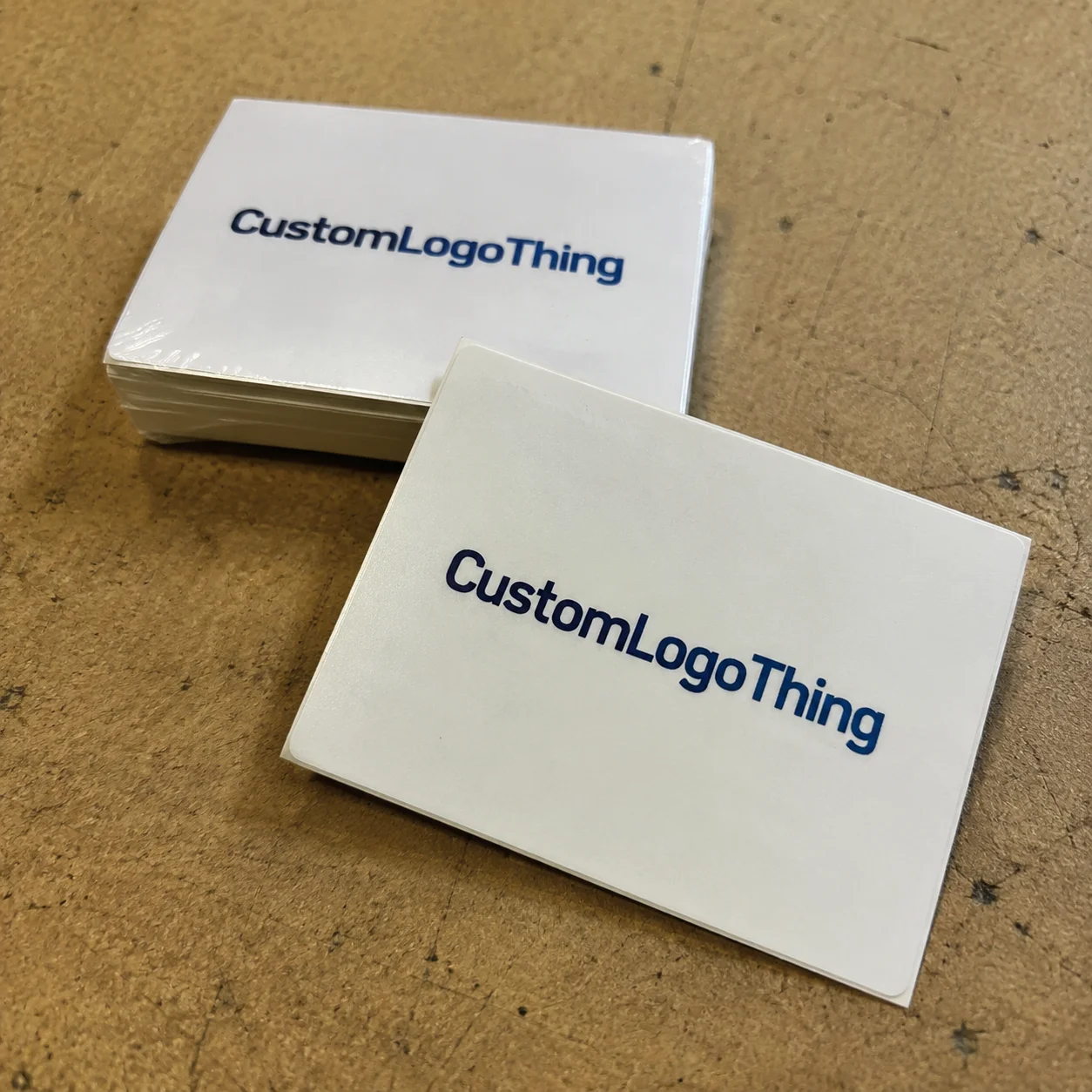
A custom sticker is a printed adhesive piece built around a specific size, shape, material, finish, adhesive, and quantity. The quiet details decide whether it looks sharp for one night, survives months outdoors, peels off cleanly, or damages a rental fixture and creates an invoice no one budgeted for.
Buyers often use sticker terms interchangeably, which is fine in casual conversation and risky during quoting. Stickers are usually individual adhesive graphics used for branding, giveaways, packaging seals, or decoration. Decals are often more durable and intended for windows, equipment, vehicles, cases, or outdoor surfaces. Roll labels come wound on rolls for fast hand application or label machines, common for bottles, jars, pouches, boxes, and mailers. Sheet stickers keep multiple pieces together on a sheet, useful for promo packs, badge decoration, or multiple designs.
Kiss-cut stickers are cut through the sticker layer but left on a larger backing sheet. They are easier to peel, easier to handle in stacks, and can leave room for printed instructions or extra branding on the liner. Die-cut stickers are cut through both the sticker and the backing to follow the final outside shape. They look cleaner as singles, especially at merch tables and event counters.
Buying rule: match the sticker to the surface, lifespan, budget, and handout method before getting distracted by holographic film or unusual shapes. Shiny mistakes are still mistakes.
For event work, the useful question is not “What looks cool?” It is “Where will this be stuck, who will apply it, how long should it last, and what happens if it fails?” A convention badge sticker may only need to survive three days. A storefront window decal facing desert sun needs a much tougher build. A removable promo sticker for a hotel mirror has a different risk profile than a permanent product label.
How Sticker Printing Works From Artwork to Finished Decals
Sticker production usually follows a predictable path: artwork review, proof setup, material selection, printing, coating or lamination, cutting, quality check, packing, and pickup or shipment. Skip the proofing discipline and the order can go sideways fast. Printers are good. They are not wizards. A 600-pixel logo pulled from a social profile will not become crisp at 4 inches wide because everyone is in a hurry.
Most short-run sticker orders use digital printing. It works well for smaller quantities, full-color art, multiple designs, fast edits, and runs of 100, 250, 500, or 1,000 pieces. Setup is lighter than plate-based production, so the format fits seasonal promos and event-specific artwork. Larger or repeated packaging runs may use flexographic printing, especially for roll labels. Screen printing still has a place for certain durable decals, spot colors, and specialty ink builds, though it is less common for small mixed batches.
Color setup deserves more attention than it usually gets. Standard full-color sticker printing is usually built in CMYK. If your brand requires an exact Pantone match, say so before quoting. Spot matching may require extra proofing, different inks, or a different production method. Neon orange, chrome silver, true metallic gold, mirror effects, and glitter-style finishes usually need specialty materials, foils, or inks. CMYK does a lot. It does not print actual glitter because physics remains annoyingly real.
Cutting is another common trouble spot. A die-cut sticker follows the outside contour and cuts through the entire piece. A kiss-cut sticker cuts only the adhesive layer and keeps the backing intact. For tiny shapes, delicate edges, thin lettering, or decals that need to be peeled quickly by booth staff, kiss-cut can be the better choice. It may not look as polished loose in a basket, but it often performs better in real use.
Proofing protects against expensive nonsense. Check small text, QR codes, gradients, borders, spelling, trim lines, bleed, and safe margins. Test QR codes at final printed size from a normal viewing distance, not from two inches away under perfect office lighting. If a 1.5-inch sticker needs a logo, website, disclaimer, QR code, social handle, sponsor mark, and tagline, congratulations, you have designed a postage stamp with anxiety.
Sticker Materials, Adhesives, and Finishes That Fit Vegas Use
Material choice is where the sticker either earns its keep or embarrasses the brand. Paper stickers are the budget-friendly option for indoor handouts, bakery boxes, retail bags, thank-you seals, and short-life packaging. They are usually the wrong choice for ice buckets, outdoor windows, pool events, refrigerated displays, or anything likely to get wet.
White vinyl is the workhorse for durable decals. It handles water, handling, and moderate outdoor exposure much better than paper, especially with a laminate or UV coating. Clear film works well for glass, bottles, jars, and product packaging where the desired effect is “printed on the surface.” BOPP, short for biaxially oriented polypropylene, is common for roll labels because it resists moisture and oils better than paper and runs well on many packaging applications.
The adhesive matters as much as the face stock. Permanent adhesive fits long-term package branding, laptops, bottles, equipment, and retail packaging that should stay put. Removable adhesive belongs on temporary event signage, rental fixtures, window promos, and venue-controlled surfaces. Freezer-grade adhesive is made for cold storage and refrigerated products. High-tack adhesive can help on textured plastic, rough cardboard, or difficult surfaces, but it is unforgiving if removal matters.
Vegas adds punishment: heat, sun exposure, dry air, refrigerated casino displays, outdoor windows, car bumpers, poolside promotions, and high-touch event environments. A sticker that looks great on a sample sheet under office lighting may curl, fade, scratch, or peel once it meets real use. That is not always a manufacturing defect. Sometimes the spec was optimistic.
Finish options include matte, gloss, soft-touch, holographic, metallic, UV coating, and laminate. Matte looks refined and hides fingerprints better. Gloss boosts color and gives a retail-friendly shine. Soft-touch can feel premium on packaging, though it may scuff more easily in some environments. Holographic and metallic stocks get attention, but they can make small text harder to read. UV coating adds surface protection and shine. Lamination typically gives stronger abrasion resistance, especially for decals handled often or used outdoors.
| Material | Best Use | Durability | Buyer Watchout |
|---|---|---|---|
| Paper | Indoor seals, bags, giveaways | Low to moderate | Not ideal for water, refrigeration, or outdoor use |
| White Vinyl | Decals, laptops, bottles, windows | Moderate to high | Needs the right adhesive for the surface |
| Clear Film | Glass, jars, premium product packaging | Moderate to high | White ink may be needed behind colors |
| BOPP Roll Label | Bottles, jars, pouches, fast application | Moderate | Roll direction matters for machine application |
Ask direct durability questions: indoor or outdoor, expected lifespan, water exposure, abrasion risk, cleaning chemicals, and whether clean removal is required. For broader packaging performance thinking, the International Safe Transit Association is a useful reference point for how distribution and handling affect packaged goods, even though a sticker order is usually simpler than a full shipper test.
Pricing, MOQ, and Unit Cost: What Changes the Sticker Quote
Sticker pricing depends on size, shape, material, adhesive, finish, quantity, number of designs, print colors, cutting complexity, setup time, proofing, and shipping speed. “How much for stickers?” is not a quote request. It is a guessing contest wearing a company polo.
Small custom runs carry higher unit costs because setup time gets spread across fewer pieces. A 100-piece run may feel expensive per sticker, while 1,000 or 5,000 pieces often drop the unit cost substantially. Simple 2-inch paper circles price very differently from 4-inch laminated vinyl die-cuts with a custom contour. Specialty materials such as holographic film, metallic stock, clear film with white ink, outdoor-rated laminate, or removable adhesives add cost because the raw material and production handling are different.
Typical short-run pricing can range from a few cents per piece for simple high-quantity paper labels to well over a dollar per piece for small batches of larger, laminated, specialty-cut decals. That range is intentionally broad. Sticker quotes are sensitive to square inches, setup, finishing, and quantity breaks. A buyer comparing only the final total may miss the real economics: the 500-piece order might cost only slightly more than 250, while a rush 100-piece order can be painfully inefficient.
MOQs vary by process. Digital sticker printing may support lower minimums like 50, 100, or 250 pieces, depending on equipment and material. Flexographic roll labels, spot color jobs, custom dies, and large-format decals may need higher quantities to justify setup. Exact minimums depend on the printer and stock availability, so ask before building a campaign around a quantity the supplier cannot produce economically.
Cost control does not have to make the sticker look cheap. Standardize sizes across designs. Avoid fragile cut shapes with thin points. Gang multiple designs together if the printer allows it. Choose common materials like white vinyl or standard paper before moving to specialty film. Approve artwork cleanly. Order early enough to avoid rush charges. Boring decisions often save the most money.
Cheap can be perfectly fine for one-night giveaways, badge decorations, or a street team handout. Cheap is usually a poor plan for Premium Retail Packaging, outdoor windows, product labels, or anything tied to a higher-end brand experience. If the product looks polished, the sticker should not look like it came from a dull blade and a bargain-bin material roll.
Process and Timeline for Ordering Local or Shipped Stickers
A clean ordering process saves days. Define the use case first. Choose size and material. Submit artwork. Review the proof. Confirm quantity. Approve production. Let the order print, cure or finish if needed, cut, inspect, pack, and ship or deliver. None of that is complicated, yet every step can stall when the buyer sends partial specs.
Lead time depends on artwork readiness, proof revisions, material stock, cut complexity, finish requirements, order quantity, rush capacity, and whether the stickers are produced locally or shipped into Las Vegas. Simple digital runs with print-ready art can often move in a few business days after proof approval. Specialty finishes, custom shapes, large quantities, exact color matching, or roll-label orientation checks can push timelines into one to three weeks. The actual schedule depends on the printer’s workload and inventory, not hope.
Do not build the schedule around the event date alone. Build it around the in-hand date. Add buffer for proof changes, freight delays, venue receiving rules, dock appointments, hotel package fees, and the inevitable last-minute logo swap from someone in marketing who “just noticed something.” We have all met that person. They are undefeated.
If the sticker has to fit packaging, scan as a QR code, survive outdoors, match Custom Labels & Tags, or coordinate with other Custom Packaging Products, order samples or a small pilot run first. A 100-piece test can catch sizing, adhesive, color, and application problems before a 10,000-piece order becomes expensive confetti.
Sustainability claims need caution. Recyclable packaging and adhesive labels can get complicated because the sticker, adhesive, ink, liner, and package substrate all interact. The EPA recycling resources are a useful starting point, but local recovery rules and material specs still matter. “Eco-friendly” without specifics is decoration, not evidence.
Step-by-Step Buying Checklist Before You Approve Artwork
Start with the surface. Glass, paper bags, plastic bottles, corrugated boxes, laptops, bumpers, painted walls, fabric hangtags, retail pouches, and coated mailers all behave differently. Adhesive decisions start there, not with vibes.
- Define the environment. Indoor, outdoor, refrigerated, wet, oily, sunny, handled daily, mailed, or stuck once and forgotten. Each condition changes the material and finish.
- Choose the format. Roll labels work for packaging lines and fast hand application. Sheets work for promo handouts. Die-cut singles work for merch. Kiss-cut backing makes peeling easier.
- Set the size. Measure the application area. Leave breathing room around curves, seams, zipper closures, bottle shoulders, and box folds.
- Prepare artwork. Use vector AI, EPS, or print-ready PDF when possible. High-resolution PNG or TIFF can work for image-based designs, usually at 300 dpi at final size.
- Build in bleed and safe margins. A common bleed is 0.0625 to 0.125 inch, depending on the printer. Keep text and key graphics away from the trim edge.
- Test scannable elements. QR codes and barcodes should scan at final size, on the final color background, from a realistic distance.
Proof review should be practical, not artsy. Check spelling, dates, URLs, social handles, barcode scans, trim lines, color expectations, small text, logo placement, backing style, and roll direction if the order is for labels. If the sticker will be applied to Custom Printed Boxes or retail displays, compare the proof against the full package branding system, not just the isolated sticker file.
Ask how the final pieces will be packed. Singles in bundles, sheets in cartons, and rolls with specific unwind directions all affect event setup or packaging operations. For machine-applied labels, unwind direction and core size are not decorative details. They decide whether the roll works on the applicator or turns the line into a very expensive paperweight.
Common Sticker Ordering Mistakes That Waste Budget
The first mistake is choosing the wrong adhesive. Removable adhesive on a surface that needs permanent grip can lead to curling and lost labels. Aggressive adhesive on rental fixtures can damage surfaces and trigger venue penalties. If a casino, convention center, hotel, or landlord has removal rules, read them before ordering wall, window, or fixture decals.
The second mistake is ordering paper for wet, outdoor, refrigerated, or high-touch use. Paper stickers can be great for indoor packaging seals and low-cost giveaways. Put them on a cooler, bottle, or pool promo and they may wrinkle, peel, or look like they survived a rough weekend. Sometimes the ugly outcome is not a production defect. Sometimes the spec was wrong from the start.
The third mistake is cramming too much information into too little space. A 2-inch sticker cannot carry a logo, URL, disclaimer, QR code, social handles, sponsor marks, and a five-word tagline with dignity. Prioritize the job. If the sticker is for awareness, let the logo breathe. If the job is scanning, make the QR code large enough and keep contrast high.
The fourth mistake is choosing a complex custom shape without enough border. Thin points, tiny notches, narrow gaps, and artwork that runs too close to the edge make cutting less forgiving. A small white or colored border often makes die-cut stickers look cleaner and reduces the risk of awkward edges.
The fifth mistake is approving proofs too quickly. Slow down for five minutes. Check final size, trim, material, adhesive, finish, quantity, and delivery date. Then order extras. Staff grabs samples. Stickers get damaged. Sponsors ask for more. A 5 to 10 percent overage is often cheaper than a panic reorder with rush shipping.
Next Steps: Specs to Send Before You Request a Sticker Quote
Before contacting a printer, gather the specs that affect the quote. Send the size, shape, quantity, material preference, surface, indoor or outdoor use, finish, deadline, shipping location, and artwork file type. If the order needs removable adhesive, waterproof vinyl, clear film, roll-label format, or a specific unwind direction, say that early.
Reference photos help more than buyers think. Send a photo of the bottle, bag, box, window, laptop, pouch, or display where the sticker will be applied. Include dimensions if the surface curves, flexes, gets cold, or has texture. A decent printer can often catch issues before production if they can see the real application.
Rank the priorities. Lowest price, fastest turnaround, outdoor durability, premium finish, exact color, removable adhesive, and easy application cannot all be priority one. Manufacturing does not work that way. Pick the top two or three and let the quote reflect them.
Ask for material recommendations instead of locking into a stock blindly, especially for glass, plastic, textured surfaces, refrigerated products, and event venues with removal rules. If the stickers tie into product packaging, branded packaging, or a larger packaging design system, mention the related materials so color and finish choices make sense together.
A strong quote request for custom stickers Las Vegas includes complete specs, clear proof expectations, and a real delivery timeline. Do that, and the printer can quote accurately, produce faster, and help you avoid the classic sticker-ordering disaster: getting exactly what you asked for, then realizing it was never what you needed.
FAQ
How much do custom stickers in Las Vegas usually cost?
Pricing depends on size, quantity, material, finish, cut style, and deadline. Small short-run orders usually have higher unit costs because setup time is spread across fewer pieces, while larger runs usually reduce the per-piece cost. Basic indoor paper stickers cost less than waterproof vinyl, clear film, holographic stock, or laminated outdoor decals. For a useful quote, send the printer your size, quantity, artwork, application surface, finish preference, and deadline instead of asking for a vague ballpark.
What is the best material for Las Vegas event stickers?
For indoor handouts, paper or standard vinyl may be enough. For outdoor events, drinkware, windows, refrigerated displays, or poolside promos, vinyl or film with a protective finish is usually safer. If stickers need to peel off after an event, ask for removable adhesive. If they need to stay put on bottles, laptops, or packaging, permanent adhesive is usually better. Heat, sun exposure, and handling matter, so material should not be chosen only from a sample book.
How long does it take to print custom decals for a Las Vegas event?
Simple digital sticker orders can move quickly when artwork is clean and materials are in stock, often within a few business days after proof approval. Custom shapes, specialty finishes, large quantities, exact color matching, or proof revisions add time. Build in buffer for proof approval, production, quality checks, shipping, venue receiving, and last-minute artwork changes. If the event date is fixed, tell the printer the in-hand date, not just the show opening date.
Should I order die-cut stickers, kiss-cut stickers, or roll labels?
Choose die-cut stickers for retail-style singles, merch, giveaways, and brand decals where the outside shape matters. Choose kiss-cut stickers when you want easier peeling, backing space, or multiple sticker shapes on one sheet. Choose roll labels for packaging, bottles, jars, mailers, and faster hand or machine application. For custom stickers Las Vegas trade show use, kiss-cut singles are often easier for booth staff to hand out quickly.
What artwork file works best for custom sticker printing?
Vector files such as AI, EPS, or print-ready PDF are best for logos, type, and clean shapes. High-resolution PNG or TIFF files can work for image-based designs if they are built at final print size, usually around 300 dpi. Artwork should include bleed, safe margins, outlined fonts, embedded images, and trim lines if a custom shape is needed. QR codes, barcodes, tiny text, and borders should be checked at final printed size before proof approval.