Print Custom Vinyl Stickers That Look Sharp and Last
A sticker may be the smallest branded item a customer touches, but it can stay visible long after the box, bag, or insert is gone. To print Custom Vinyl Stickers well, you are not just putting a logo on sticky plastic. You are choosing a film, adhesive, ink system, cut style, finish, liner, and packing method that match the way the sticker will be used.
That last part is where many orders go sideways. A laptop decal does not live the same life as a bottle sticker in a cooler, a warning marker on a tool case, or a storefront decal facing afternoon sun. Good sticker production is graphic work, material science, and plain production discipline. Glamorous? Not really. Useful? Absolutely.
What It Really Means to Print Custom Vinyl Stickers
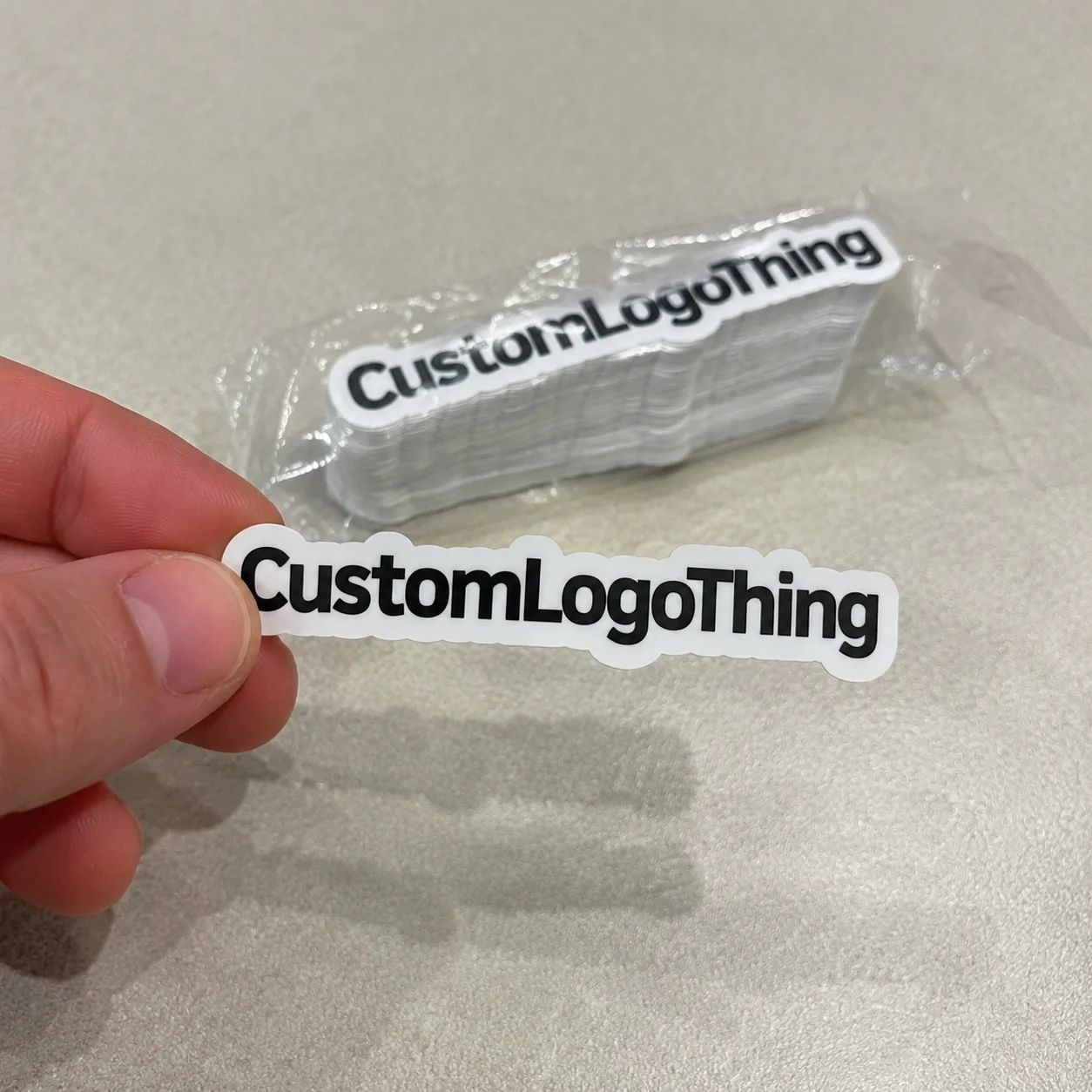
Vinyl stickers differ from ordinary paper labels in a practical way: they handle moisture, scuffing, sunlight, curved surfaces, and repeated handling better than most paper-based stocks. Paper labels are still the right answer for plenty of Custom Labels & Tags, especially dry retail packaging, cartons, jars, and short-life product programs. Vinyl earns its keep when the sticker needs to flex, resist wear, or stay presentable on a surface people keep touching.
Common uses include brand giveaways, product inserts, packaging seals, equipment markings, event merch, small retail sticker packs, window graphics, and reusable container branding. Stickers also work as a low-cost bridge between full packaging and promotional merchandise. A small decal can carry the same logo, color palette, and brand tone as custom printed boxes without forcing a full packaging redesign.
The mistake is treating the order like a file upload and nothing else. Better buyers match the artwork, adhesive, film thickness, finish, cut style, packing format, and expected environment before production starts. A 3-inch gloss die cut decal for a laptop might be perfect with a 4 mil white vinyl and gloss laminate. That same build may fail on a textured powder-coated tool chest or a bottle that gets repeated hand washing.
Shop-floor rule: the sticker specification should follow the surface, not just the artwork. Smooth glass, coated paperboard, curved plastic, painted metal, and textured cases all behave differently under pressure, moisture, and temperature change.
There is also a difference between a sticker that looks good on day one and one that still looks good after use. Day-one quality is mostly print sharpness, color, and cutting accuracy. Long-term quality depends on adhesive bond, laminate, edge performance, surface prep, and exposure. Buyers usually notice the second category only after something lifts, fades, or scratches. Convenient timing, as always.
How Vinyl Sticker Printing Works From File to Finish
The production flow is simple on paper: artwork review, prepress setup, color management, printing, drying or curing, optional lamination, cutting, quality checks, packing, and shipping. Each step has traps. If an order includes several sizes, designs, or versions, those SKUs also need tight tracking so sheets, rolls, and cartons do not get mixed during finishing.
Digital printing is the usual choice for short to medium runs because it handles full-color art, gradients, photos, variable sizes, and lower setup requirements. Runs from 100 to 5,000 pieces often fit digital production well, especially when the design uses several colors or detailed artwork. Screen printing still has a place for larger volumes, heavy ink deposits, bold spot colors, fluorescent effects, and demanding outdoor graphics where a thicker ink film can help.
Lamination is the clear protective layer that often separates an average sticker from one that keeps looking clean after months of use. Gloss laminate makes colors feel brighter and gives a polished promotional look. Matte laminate reduces glare and fingerprints. Satin sits between the two and works well for many retail sticker packs.
Laminate also improves scratch resistance, UV stability, and cleaning durability. That matters for stickers wiped with a damp cloth, handled with oily fingers, tossed into bags, or used on equipment cases. Unlaminated vinyl can be fine for short-term indoor use, but it is rarely my first choice for anything expected to survive rough handling.
Cut style affects peeling, presentation, and packing. Die cut stickers are cut through both the sticker and liner, so the finished piece follows the shape of the design. Kiss cut stickers are cut through the vinyl layer only, leaving the backing sheet intact. Sheet layouts are useful for several small designs on one backing sheet, while rolls suit machine application or repeat hand application at a packing bench.
- Die cut: best for single decals, retail-style handouts, and clean brand shapes.
- Kiss cut: easier peeling for small shapes, delicate outlines, and sticker sheets.
- Sheeted: practical for kits, insert cards, multi-design promotions, and retail packs.
- Roll format: useful for repeat application, packaging lines, and larger production batches.
Proofing deserves more attention than it gets. A clean file may still need 0.0625 to 0.125 inch bleed, safe zones, cut paths, white ink layers, or small-text adjustments before it is ready for production. If a border is only 1 mm wide, a tiny finishing shift can make the sticker look uneven. That is not always sloppy production. Sometimes the design left no room for normal tolerance.
Material, Adhesive, and Finish Choices That Affect Durability
Material choice controls appearance and performance. White vinyl is the standard because colors print with good opacity and predictable contrast. Clear vinyl works on glass, bottles, windows, and transparent packaging, but it often needs white ink behind the artwork so the design stays visible. Holographic vinyl creates a rainbow effect for merch and retail packaging. Metallic vinyl gives foil-like shine without traditional foil stamping.
Removable vinyl is built for temporary promotions, seasonal graphics, event signage, and surfaces where clean removal matters. It is not the same as weak vinyl. It simply uses an adhesive designed for a different job.
Adhesive choice matters as much as face film. Permanent adhesive is used for long-term applications on smooth, stable surfaces. Removable adhesive supports short-term campaigns and temporary display work. High-tack adhesive can help with textured plastic, low-energy surfaces, or materials that resist standard pressure-sensitive adhesives. Static cling has no traditional adhesive and is usually used on glass, though dust, temperature swings, and repeated repositioning can limit performance.
Indoor and outdoor exposure should be discussed honestly. Moisture, sunlight, temperature swings, skin oils, abrasion, cleaners, and edge lifting all affect lifespan. A laminated outdoor vinyl sticker may last several years in a moderate climate, but constant sun, salt air, pressure washing, freezer-to-room-temperature cycling, or a tight curved surface can shorten that life. The sticker is durable. It is not magic.
For transport packaging, the International Safe Transit Association is a useful reference for thinking about distribution stress, even though sticker durability is usually checked with material-specific samples rather than one universal test. If the sticker will travel on packaging, test it through the same handling pattern as the package: stacking, rubbing, temperature change, carton contact, and any condensation risk.
| Material or Finish | Typical Use | Practical Notes |
|---|---|---|
| White vinyl with gloss laminate | Brand decals, giveaways, laptop stickers | Bright color, strong contrast, good general durability |
| Clear vinyl with white ink | Glass, bottles, transparent packaging | White backing improves visibility on dark or clear surfaces |
| Matte laminated vinyl | Premium packaging design, retail sticker packs | Lower glare, softer look, better fingerprint control |
| Holographic or metallic vinyl | Merch, limited drops, promotional inserts | Higher material cost and more color-shift in the final look |
| Removable vinyl | Events, window promos, temporary displays | Cleaner removal, but usually less aggressive bond strength |
Thickness and flexibility are worth asking about. A thicker 4 to 6 mil construction can feel more substantial in the hand, which is good for giveaway decals. A thinner, more flexible film may wrap better around curved bottles, jars, helmets, or equipment cases without tenting at the edges. Finish changes the hand feel too: gloss is lively, matte is calmer, satin is neutral, and soft-touch feels premium. I would not choose soft-touch first for dirty work environments or heavy abrasion.
Cost and Pricing Factors Behind a Sticker Quote
Sticker pricing is driven by size, quantity, material, ink coverage, cut complexity, lamination, proofing requirements, packing format, and shipping. A simple 2-inch circle on white vinyl costs less to finish than a 5-inch contour-cut mascot with narrow points, heavy ink coverage, and matte laminate. The press may print both cleanly. The second job still takes more setup, slower cutting, and more careful handling.
Unit cost drops as quantity rises because setup, file preparation, press calibration, and finishing labor are spread across more pieces. As a broad buying range, a 3-inch laminated white vinyl sticker might land around $0.35 to $0.90 each at a few hundred pieces, then move lower at several thousand pieces, depending on shape, print coverage, and packing. Specialty films, rush timing, and individual bagging can push the number up fast. These are planning ranges, not a quote carved into stone tablets.
Shape complexity matters more than buyers expect. Circles, squares, rounded rectangles, and simple ovals cut efficiently and nest well on sheets. Intricate contour cuts slow finishing and may create more waste between pieces. If the design has thin antennae, sharp corners, or tiny isolated details, the cut path may need simplification so the decal peels cleanly.
| Specification Factor | Lower-Cost Direction | Higher-Cost Direction |
|---|---|---|
| Quantity | 1,000 to 5,000 pieces spreads setup cost | Very small batches carry higher unit cost |
| Shape | Circle, square, rectangle, simple contour | Detailed contour cuts with tight inside corners |
| Finish | Standard gloss or matte laminate | Holographic, metallic, soft-touch, specialty laminate |
| Artwork | Vector file with bleed and cut line | Low-resolution logo requiring rebuild |
| Packing | Bulk packed or sheets | Individual bagging, barcode labels, kit assembly |
Minimum order quantities vary by print method. Digital equipment can handle very small batches, sometimes 25 to 100 pieces, but the price per sticker stays higher because file work and setup still exist. Higher quantities usually unlock better production efficiency, especially when sheets are nested well and finishing is straightforward.
For a useful quote, send exact specs instead of a loose description. Include size, quantity, material, finish, cut style, intended surface, delivery deadline, and whether the sticker is part of broader Custom Packaging Products. If the decal goes into retail packaging or a launch kit, explain how it will be packed: loose in a carton, inserted into a mailer, applied to product packaging, or sold as a finished sticker pack.
Process, Timeline, and Production Steps to Expect
A normal order moves through quote request, artwork submission, file review, digital proof, customer approval, production, finishing, quality control, packing, and transit. For common digitally Printed Vinyl Stickers, production often takes 5 to 10 business days after proof approval. Specialty materials, large runs, complex contour cuts, packed kits, and strict color matching can take longer. Shipping is separate, and it is often the weak link if the campaign has a fixed date.
The production clock usually starts after proof approval, not when the first email is sent. Buyers miss that detail all the time. A printer cannot responsibly begin if the size, cut path, laminate, quantity, or color notes are still changing. A half-day delay on proof approval can push a job behind other approved work already on the schedule.
Several things speed up turnaround: vector artwork, clear sizing, confirmed quantity, approved material, no missing fonts, embedded images, and quick proof response. AI, EPS, and print-ready PDF files are usually cleaner than screenshots or logos pulled from a website. If raster art is used, 300 DPI at final print size is a reasonable baseline. A 600-pixel-wide web logo will not become sharp on a 4-inch decal just because everyone hopes hard enough.
Lead time slows down when cut paths are unclear, images are low resolution, late artwork changes arrive after proofing, or a specialty film needs sourcing. Multiple SKUs also add time because each version needs its own proof, setup, count, and packing check. A 10-design sticker sheet may look simple to the buyer, but production has to manage spacing, kiss-cut depth, sheet trimming, and version control.
Proofing checkpoints should include spelling, size, bleed, safe margins, cut line, finish, and any white ink layer for clear or metallic materials. Color expectations deserve a direct conversation. RGB screens emit light; printed inks reflect light. If brand color is critical, provide Pantone references or a physical sample.
If the stickers ship with paperboard packaging, sourcing may become part of the broader discussion. The Forest Stewardship Council is a recognized reference for responsible fiber sourcing on paper-based packaging, though vinyl sticker films are a separate material category. Do not blur those two just to make a sustainability claim sound nicer. That is how vague claims get expensive.
Build buffer time for launch kits, product drops, trade shows, subscription boxes, seasonal promotions, and retail programs tied to a hard date. For anything involving several pack components, 3 to 5 extra business days is a smart cushion. Stickers often arrive alongside cartons, inserts, labels, tissue, and other branded packaging pieces that all need to meet at the same packing bench.
Common Artwork and Ordering Mistakes to Avoid
The most common file mistake is sending a low-resolution logo pulled from a website. It may look acceptable on screen because it is displayed small and backlit, but once printed at 2, 3, or 4 inches wide, soft edges and pixelation show fast. Vector art prevents that by using paths instead of fixed pixels, so curves, text, and icons scale cleanly.
Missing bleed and unsafe margins create many of the small disappointments people notice after production. Full-color backgrounds should extend beyond the cut line, usually by 0.0625 to 0.125 inch depending on the printer’s standard. Text, borders, and key artwork should stay inside a safe area. Circles and contour-cut art are especially unforgiving because any tiny shift can make a border look heavy on one side.
Do not choose sticker size based only on a screen preview. Print a paper mockup at actual size, cut it out, and place it on the laptop, bottle, mailer, jar, carton, or display where it will be used. Small text that seems fine on a 27-inch monitor can become unreadable at 1.5 inches wide. A QR code may also need more room than the design team first allowed, especially if it will be scanned under retail lighting.
Color expectations need plain language. A bright neon green on a phone screen may print duller in CMYK. Some orange, blue, and purple brand colors are difficult to hit without spot colors or careful profiling. If the sticker must match offset printing on a folding carton or insert card, ask about proofing and tolerances early. Digital printing on vinyl and offset printing on paperboard use different substrates, ink behavior, and surface finishes.
Surface mismatch is another quiet troublemaker. An adhesive that performs well on smooth glass may struggle on textured plastic, powder-coated metal, waxy cartons, damp containers, or low-energy plastics such as polyethylene. Refrigeration adds condensation. Outdoor use adds UV and thermal movement. Oils from hands can contaminate the surface before application. Clean, dry, room-temperature surfaces are much friendlier for pressure-sensitive adhesives.
Application testing should not be skipped for stickers facing washing, coolers, ice buckets, outdoor exposure, curved surfaces, or heavy handling. Test a small sample on the actual surface for several days, then check edge lift, color scuffing, adhesive residue, and readability. For packaging design that includes both stickers and product packaging, that small test can prevent a large rework bill later.
Next Steps Before You Approve Your Sticker Order
Before approval, confirm the basics in writing: sticker size, shape, quantity, surface type, indoor or outdoor use, expected lifespan, finish, packing style, and delivery deadline. Those details are not paperwork for its own sake. They are the instructions production uses to choose the film, adhesive, print method, laminate, and finishing path.
- Confirm final size in inches, including whether the measurement is width by height or diameter.
- Choose die cut, kiss cut, sheeted, or roll format based on how the sticker will be peeled and used.
- State the application surface, such as glass, coated carton, painted metal, plastic bottle, or laptop shell.
- Prepare vector artwork with outlined fonts, embedded images, bleed, safe margins, and a clear cut path.
- Call out any color-critical areas, white ink layers, specialty films, or finish requirements.
- Check the proof for spelling, scale, cut line, material, laminate, quantity, and shipping address.
Order a proof or sample if the sticker will be used on a retail product, premium package, vehicle, storefront, reusable bottle, or any surface with performance risk. A proof is not only about spelling and layout. It is a chance to catch contrast issues, check fine type, confirm white ink behavior on clear stock, and make sure the finish supports the look of the overall package branding.
Compare quotes by specification, not just by total price. Two printers may quote the same 3-inch sticker, but one could include laminated outdoor vinyl while the other quotes unlaminated indoor film. One quote may assume bulk packing, while another includes sheet layouts or individual bagging. One may include artwork cleanup, while another charges extra after file review. None of that is unusual. It just needs to be visible before approval.
If you want to print Custom Vinyl Stickers with fewer surprises, send the printer the use case, artwork, quantity, deadline, and the surface the sticker needs to survive on. A clear brief helps the production team recommend the right material and adhesive the first time, whether the sticker is a simple giveaway, part of retail packaging, or a durable decal expected to keep your logo sharp through months of real handling.
FAQ
What file type is best to print custom vinyl stickers?
Vector files such as AI, EPS, or print-ready PDF are usually best because they scale cleanly and allow accurate cut paths. High-resolution PNG or TIFF files can work for full-color artwork, but they should generally be 300 DPI at final print size. Fonts should be outlined or included, and any special cut line, white ink layer, or bleed area should be clearly marked.
How long do custom vinyl stickers last outdoors?
Outdoor life depends on vinyl grade, ink system, laminate, sun exposure, weather, cleaning, and the surface where the sticker is applied. A laminated outdoor vinyl sticker usually lasts longer than an unlaminated sticker because the laminate helps protect against scratches, moisture, and UV exposure. For harsh use, ask for an outdoor-rated material and test the sticker on the actual surface before committing to a large run.
Are vinyl stickers waterproof or just water resistant?
Most vinyl sticker films are water resistant, and many are suitable for wet environments when paired with the right adhesive and laminate. Waterproof performance depends on the full construction, including ink, laminate, adhesive, edges, and application surface. Dishwashers, ice buckets, coolers, and refrigerated packaging are tougher environments than light splashes, so they should be tested separately.
What is the difference between die cut and kiss cut vinyl stickers?
Die Cut Stickers are cut through both the vinyl and backing paper, so the finished piece follows the sticker shape. Kiss cut stickers are cut through the vinyl layer only, leaving the backing intact, which makes them easier to peel and useful for sticker sheets. Die cut is often chosen for retail-style single stickers, while kiss cut is practical for giveaways, sheet layouts, and small detailed shapes.
How can I lower the unit cost for custom printed vinyl stickers?
Increase the order quantity when possible, because setup and finishing time are spread across more stickers. Use standard sizes, simpler shapes, common materials, and fewer specialty effects to keep production efficient. Provide clean print-ready artwork and approve proofs quickly to avoid extra prepress time, revisions, or rush charges.