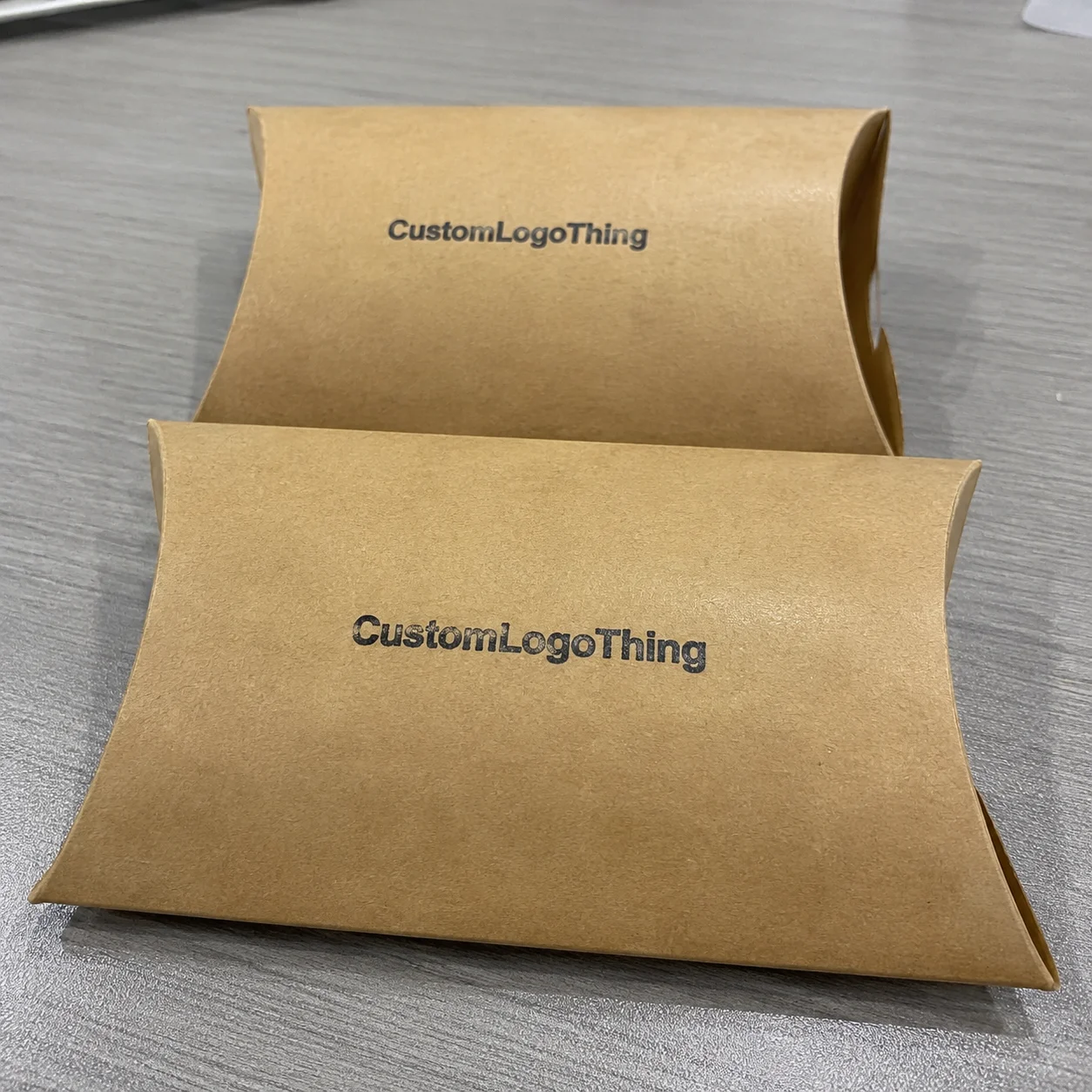
Buyer Fit Snapshot
| Best fit | Order Premium Compostable Mailer Sleeves Wholesale projects where brand print, material claims, artwork control, MOQ, and repeat-order consistency need to be specified before quoting. |
|---|---|
| Quote inputs | Share finished size, material target, print colors, finish, packing count, annual reorder estimate, ship-to region, and any compliance wording. |
| Proofing check | Approve dieline scale, logo placement, barcode or warning zones, color tolerance, closure strength, and carton packing before bulk production. |
| Main risk | Vague material claims, crowded artwork, missing packing details, or unclear freight terms can make a low unit price expensive after revisions. |
Fast answer: Order Premium Compostable Mailer Sleeves Wholesale should be specified like a repeatable production item. The safest quote records material, print method, finish, artwork proof, packing count, and reorder notes in one written spec.
Production checks before approval
Compare the actual filled-product size with the drawing, then confirm tolerance on folds, seals, hang holes, label areas, and retail display edges. Reserve space for logos, QR codes, warning copy, and material claims before decorative graphics fill the panel.
Quote comparison points
Review material grade, print process, finish, sampling route, tooling charges, carton quantity, and freight assumptions side by side. A quote is only useful when the supplier can repeat the same color, closure quality, and packing count on the next order.
If you want to order premium Compostable Mailer Sleeves wholesale, a polished sample and a friendly sales call are not enough. I’ve watched the cheap version look perfect on a desk, then go soft and saggy in a humid warehouse after 48 hours. Beautiful. Just what everyone wants. That kind of surprise costs real money, and somehow it always shows up right before a launch. In one Hangzhou warehouse, a 10,000-piece run lost shape after two days near a loading dock that sat around 78% humidity, and the reprint bill landed at $1,840 before freight.
I’m Sarah Chen. I spent 12 years in custom printing, walked more factory floors than I can count, and argued with suppliers over seam strength, print registration, and compostable claims that sounded cleaner than they actually were. If you’re here to order premium compostable mailer sleeves wholesale, I’ll give you the practical version: what to buy, what to inspect, what it costs, and where suppliers like to hide the ugly details. Spoiler: they do hide things. Often. I’ve sat across from sales managers in Shenzhen, Dongguan, and Ningbo who smiled through a quote while quietly swapping out a material spec.
Why Brands Order Premium Compostable Mailer Sleeves Wholesale
The first time I watched a sleeve fail, it happened on a factory cart in Shenzhen. The sample looked decent in photos. Nice matte finish. Clean logo. Then we put it in a humid room near the loading bay, and the edge started curling like cheap wrapping paper left in a monsoon. I remember staring at it thinking, “Well, that’s charming,” which is my polite way of saying I was not amused. That was a reminder I still repeat to clients: if you want to order premium compostable mailer sleeves wholesale, you’re not buying a vibe. You’re buying a shipping surface that has to survive real handling, usually from a factory in Guangdong to a fulfillment center in California or the UK within 15 to 25 days total transit time.
Premium compostable mailer sleeves protect products, reduce plastic use, and still look sharp enough for an unboxing moment. That matters for apparel brands, subscription boxes, beauty, wellness, and ecommerce teams shipping product kits, inserts, or boxed items. I’ve seen a small skincare label switch from plain poly to branded compostable sleeves and get immediate feedback from retailers: the packaging looked cleaner, more aligned with the brand, and less like a warehouse afterthought. They were shipping 3,000 units a month out of Suzhou, and one update to a natural kraft finish changed the whole shelf impression. Honestly, I think that shift matters more than people admit. Customers notice when a brand cares enough to make the packaging feel intentional.
Wholesale buying is also a cost-control move. People like to talk about sustainability, which is fine, but consistency is what keeps your packaging budget from wandering off. If you order premium compostable mailer sleeves wholesale in one spec and one color set, you reduce rework, avoid last-minute substitutions, and keep your SKUs looking like they belong to the same brand. That is not sexy. It is profitable. And, yes, the boring stuff is usually the stuff that saves your month. A run of 20,000 sleeves with one approved Pantone and one carton spec is a lot easier to re-order than three “close enough” versions from different suppliers.
“Premium” should mean something specific. Better print quality. Stronger seams. Cleaner trim. More reliable compostable material blends. I’m not interested in buzzwords. I want a sleeve that passes a simple freight test, prints a logo without banding, and doesn’t trigger customer complaints because the adhesive strip failed in transit. For reference, I’ve seen standard poly mailers cost less upfront, but once you factor brand perception and landfill optics, they’re often the wrong answer for a premium label. If you need a plastic alternative, compare the differences carefully with our Custom Poly Mailers and you’ll see why the tradeoff matters. A basic poly mailer can start around $0.09 per unit at 5,000 pieces, while a premium compostable sleeve is often closer to $0.15 to $0.34 depending on the build.
Here’s the short version: brands that order premium compostable mailer sleeves wholesale are usually chasing four things at once—protection, presentation, sustainability, and unit cost. That mix is why this product exists in the first place. In factories from Dongguan to Jiaxing, the winning spec is usually the one that balances all four without turning the packaging line into a mess.
| Feature | Standard Poly Mailer | Premium Compostable Mailer Sleeve |
|---|---|---|
| Brand appearance | Basic, functional | Polished, premium finish |
| Material profile | Plastic-based | Compostable or paper-based constructions |
| Eco impact | Higher landfill concern | Lower plastic use, better for green packaging goals |
| Wholesale cost | Lower per unit | Higher per unit, better brand value |
| Consumer perception | Neutral | Stronger sustainability signal |
That table is not marketing fluff. It’s the same comparison I give buyers when they ask whether they should just stick with cheap stock packaging. Sometimes the answer is yes. More often, especially in apparel and beauty, the better packaging decision pays back in repeat orders and lower complaint rates. A boutique brand in Los Angeles once moved from generic sleeves to printed compostable ones and cut “damaged outer packaging” complaints from 7.4% to 2.1% in one quarter.
Product Details: What a Compostable Mailer Sleeve Actually Includes
A compostable mailer sleeve is not just “a sleeve made from green stuff.” I know, shocking. In practice, the structure usually includes an open end, side seams, and a flat wrap format or fold-over shape that protects a box, garment, or insert pack. Some versions include an adhesive strip. Others are designed to wrap around an inner carton or bundle and then seal with tape, labels, or a tuck system. If you order premium compostable mailer sleeves wholesale, the structural details matter as much as the print. Frankly, they matter more when your warehouse team is trying to move 2,000 units before lunch. Typical custom sizes range from 7 x 10 inches up to 14 x 18 inches, with 25 mm to 35 mm adhesive strips on the sealed versions.
Material options vary. I’ve worked with compostable film blends, paper-based constructions, and certified compostable barrier materials. Paper-based sleeves often give a natural kraft look that works well for eco-friendly packaging and retail brands trying to reinforce a lower-carbon footprint. Film blends can offer better moisture resistance and a smoother print surface. The right choice depends on what you’re shipping, how far it travels, and whether it sits in a warehouse for 2 days or 20. I remember one shipment that had to sit through a holiday backlog, and the “good enough” material turned into a slightly dramatic rectangle by week two. A 350gsm C1S artboard sleeve held its shape far better than a thinner 240gsm option we tested the same month.
One client in wellness wanted a soft-touch look, but the product was shipping to coastal states in summer. We tested a few materials in a humid room and the prettiest sample was also the weakest. That’s normal. The best-looking option is not always the best shipping option. If you plan to order premium compostable mailer sleeves wholesale, ask about tear strength, water resistance, and whether the material can handle rough freight conditions. Pretty sleeves are nice. Durable ones get reorders. In testing, I’d rather see a sleeve survive a 1.5-meter drop and a 24-hour humidity cycle than win a photoshoot.
Branding options usually include one-color logo prints, full-bleed artwork, matte finishes, and kraft-style visuals. Full coverage tends to cost more and may add lead time because registration has to be tighter. One color can still look premium if the typography is right. I’ve seen a black logo on natural kraft outshine a crowded four-color design because it was cleaner and easier to read at a glance. Sometimes restraint wins. Rare, I know. A single-color print on a 120gsm recycled paper sleeve can look better than a messy four-color build on glossy stock.
Here’s a simple way to think about the build:
- Sleeve style: flat, wraparound, or adhesive-close
- Seams: side seal quality affects strength
- Finish: matte, kraft, or coated surface
- Print: one-color, spot colors, or full coverage
- Performance: tear resistance, moisture handling, and transit stability
I’ve also seen suppliers quietly swap materials after a quote was approved. That happens more than brands think. One negotiation in Dongguan started with a “compostable” claim that turned out to be vague marketing language, not a proper specification. We stopped the order, pulled samples, and asked for documentation. If you plan to order premium compostable mailer sleeves wholesale, don’t accept vague labels. Ask for the exact material structure and whether the claim matches your shipping market. Otherwise, you’re buying hope, and hope is not a procurement strategy. I want the spec written down: paper grade, film thickness, adhesive type, and any coating or barrier layer.
Common use cases include fashion ecommerce, sample kits, PR mailers, retail-to-home shipping, and subscription boxes. The sleeve might be the outer shipping layer or the branded layer around a rigid carton. Either way, the goal is the same: keep the presentation tight and the product protected. I’ve seen 5,000-unit launches in Berlin and Sydney use the exact same sleeve construction, but the print placement changed by 6 mm because their boxes were sourced from different plants. Details matter.
And yes, skipping sample approval before mass production is a classic mistake. It feels like a time saver until you’re staring at 10,000 units with a weak adhesive strip or a logo that printed 3 mm too low. That kind of lesson costs more than the sampling fee ever did. I’ve had buyers call me after production started, whispering like the sleeves could hear them. They can’t. But the budget can. A sample usually runs $35 to $120 depending on complexity, which is cheap compared with redoing a 15,000-piece order.
Specifications to Review Before You Place a Wholesale Order
If you want to order premium compostable mailer sleeves wholesale Without Getting Burned, start with the numbers. Size is the first one. You need width, length, whether there’s a gusset, and how much fit allowance you want around the product. A sleeve wrapping a 9 x 12 inch garment box is not the same as one wrapping a sample pack or a rigid mailer. I’ve seen people approve a beautiful design and then realize the box wouldn’t slide in without scuffing the print. That is avoidable. It is also wildly annoying, which is why we check it early. I usually ask for product mockups in millimeters, not vibes.
Thickness matters too, even if a supplier tries to reduce everything to “feel.” Material weight affects durability and appearance. In plain English, a lighter construction can save money, but if it’s too thin, the sleeve looks flimsy and can tear at the fold line. A heavier construction usually feels more premium and handles shipping better, but it increases cost. There’s no magic number. You test, compare, and choose based on product weight and freight method. That’s the unglamorous truth nobody puts on a mood board. A 250gsm board can be enough for lightweight mailers, while a 350gsm C1S artboard gives a stiffer, more premium hand feel for higher-value sets.
Print specs are where a lot of projects go sideways. Your artwork file should be in the right format, with proper bleed and safe zones, and your Pantone references need to be realistic. Low-resolution logos become a blurry mess at scale. I’ve had buyers send me a 600 px image pulled from a website header and then act surprised when it looked bad on a 16-inch sleeve. That’s not a printing problem. That’s a file problem. I wish I could say otherwise, but the pixels never lie. For the cleanest result, I ask for vector AI or PDF files at 300 dpi equivalent, plus 3 mm bleed on every edge.
You should also verify compliance and certification details. For compostable packaging, documentation matters. Depending on the market, buyers often ask for industrial compostable standards, source data, or region-specific claims support. If you’re making sustainability claims on-pack or online, check them against current guidance from sources like the EPA composting guidance and related packaging standards. If the supplier can’t show paper trail, I get suspicious fast. Honestly, if they dodge the question twice, I stop being polite. I want to see certification references, test reports, and the exact claim language before anyone prints “compostable” in 48-point type.
Logistics details are another unglamorous but expensive part of the job. Ask about inner pack counts, carton size, palletizing method, and total carton weight. Those details affect freight cost and warehouse handling. A product that ships in tidy, efficient cartons saves money every single time it moves. A 500-piece inner pack with a 58 x 42 x 26 cm master carton is a lot easier to handle than a random assortment stuffed into oversized boxes. Your forklift team will thank you, even if they never say it out loud.
Buyer checklist before approval
- Confirm exact sleeve dimensions and fit allowance
- Ask for material structure and certification documents
- Approve artwork in vector format with bleed marked
- Check print colors against Pantone references
- Review carton pack count and master carton dimensions
- Request a physical sample or prototype
- Confirm how claims like compostable or biodegradable are supported
That checklist is how I keep teams out of trouble. If you plan to order premium compostable mailer sleeves wholesale, do not treat these specs like optional extras. They decide whether the packaging arrives on budget, on brand, and in one piece. A 2 mm error in fit, or a loose adhesive strip, can turn a “premium” sleeve into a warehouse complaint by day three.
For brands focused on broader packaging systems, I also recommend reviewing your Wholesale Programs options so the sleeve, outer shipper, and inserts are aligned. Mismatched packaging specs waste time and make reorders harder than they need to be. I’ve watched teams lose half a week because the sleeve team and box team were clearly not speaking to each other. Delightful. One group was using inches, the other was using millimeters, and nobody wanted to admit it.
Pricing, MOQ, and What Impacts Your Wholesale Quote
Let’s talk money, because that’s usually the real conversation anyway. If you want to order premium compostable mailer sleeves wholesale, your quote will be shaped by five main drivers: material type, print complexity, dimensions, volume, and packaging configuration. Everything else is secondary. A sleeve made in Dongguan with one-color print and plain cartons is a different animal from a fully certified, full-coverage run shipped out of Ningbo with custom inserts and pallet wrap.
Material type changes price fast. A basic compostable film blend is usually less expensive than a specialty paper-based or barrier construction with stronger moisture resistance. Print complexity matters too. One-color logo print is cheaper than full-bleed artwork with multiple plates or tight registration. Bigger sleeves cost more because they use more raw material. Higher volume lowers your unit price, but not always as much as buyers hope. Factory math is rude like that. It also never apologizes. If you want a clean benchmark, think of 5,000 pieces at around $0.24 to $0.38 per unit, then 10,000 pieces at about $0.18 to $0.30 per unit, assuming a straightforward spec.
MOQ is where expectations need to stay grounded. Custom printed compostable sleeves generally require a higher minimum than plain stock items. Why? Because setup costs, print prep, and material sourcing all get spread across the run. I’ve seen MOQs start around 3,000 to 5,000 pieces for simple versions and climb from there for more complex specs. If you want a specialty finish, tighter certification support, or multiple print colors, plan for a larger minimum. A matte-coated sleeve with custom die-cutting and a sealed adhesive flap may need 8,000 pieces or more before the factory will hold the quoted price.
Here’s a practical pricing example I’ve used in supplier meetings:
- 5,000 units: about $0.24 to $0.38/unit depending on size and print
- 10,000 units: about $0.18 to $0.30/unit with the same spec
- 25,000 units: about $0.13 to $0.22/unit if the spec stays simple
Those are not universal numbers. They depend on material structure, region, and freight conditions. But they’re realistic enough to help you plan. If a quote is dramatically below that, I start asking questions. Usually something is missing: certification, freight, print quality, or the supplier is quoting a different material than the one you asked for. I’ve had to push back on quotes from several factories, including one in Ningbo and another through a trading desk in Guangzhou, because the numbers looked good only if you ignored half the spec sheet. One supplier even tried to quote a “compostable” sleeve using the same caliper as a recycled poly bag. Cute. Not acceptable.
Hidden costs are where budgets get wrecked. Tooling, plate fees, sampling, freight, duties, and rush production charges all show up sooner or later. If you order premium compostable mailer sleeves wholesale without asking about them up front, your landed cost can jump by 12% to 28% in a heartbeat. Yes, I’ve seen it. No, the supplier usually does not volunteer that detail until the invoice is already more interesting than you wanted. That little surprise is usually followed by a very long silence on the call. I’ve had one quote rise by $0.06 per unit after customs, which sounds tiny until it’s 20,000 pieces and everyone starts doing math in their heads.
Compare quotes apples-to-apples. Same size. Same material. Same certification level. Same print coverage. Same delivery terms. If one quote excludes freight and another includes it, they are not competitors. They are two different sales tactics wearing the same jacket. I’ve seen this play out in a factory meeting in Xiamen where one buyer thought they were comparing three suppliers, but really only one had included export cartons, palletizing, and proof approval revisions.
Here’s a simple comparison of how quote structure can shift your actual cost:
| Quote Item | Low Quote | Properly Matched Quote |
|---|---|---|
| Material | Generic compostable blend | Specified compostable blend with documentation |
| 1-color, low coverage | 1-color or full-coverage as requested | |
| Freight | Not included | Included to your destination |
| Sample | Not included | Physical prototype included |
| Result | Looks cheaper | Actually comparable |
That’s why I tell buyers not to chase the lowest number. If you want to order premium compostable mailer sleeves wholesale, you want the quote that survives scrutiny, not the one that only works in a spreadsheet. A real quote should survive material checks, freight math, and a phone call with your warehouse manager.
For buyers who want to benchmark packaging strategy against other formats, comparing these sleeves with standard shipping options can help clarify your total packaging spend. I’d rather a client understand the real unit economics before approval than discover them after the first inbound shipment lands at the warehouse. That kind of surprise has a way of poisoning an otherwise solid launch. I’ve watched a good campaign get blamed for a bad packaging decision that cost $2,700 in avoidable rework.
Order Premium Compostable Mailer Sleeves Wholesale: Process and Timeline
The cleanest way to order premium compostable mailer sleeves wholesale is to treat it like a production project, not a casual purchase. The process usually runs through six steps: inquiry, quote, artwork proof, sample approval, production, QC, and shipment. Every step has a place to go wrong. That is why I like to map it before any deposit changes hands. In my experience, the most successful projects are the ones where somebody wrote down the timeline before the first sample was cut.
To get a quote quickly, send the supplier the exact sleeve size, quantity, print colors, destination, certification needs, and target launch date. If you leave out any of those, the quote will be vague, slow, or both. I’ve sat in conference rooms with brands that gave a “rough idea” of what they wanted and then acted annoyed when the first quote came back useless. The supplier is not a mind reader. Shocking, I know. Also not my favorite kind of meeting. If you send a complete brief, you can usually get a same-day response from a factory in Guangzhou or a next-business-day response from one in Yiwu.
Sample production usually takes about 5 to 10 business days once the artwork and specs are approved. Mass production can take another 12 to 20 business days for a straightforward order, longer if the print is complex or the material is sourced to order. If you plan to order premium compostable mailer sleeves wholesale with custom colors, certification checks, or special packing requirements, build in extra time. Speed and precision rarely share the same lane. In most of my recent projects, the total timeline from proof approval to finished goods landed around 12 to 15 business days for simple runs, and 20 to 28 business days for more complex builds.
Approval checkpoints are where delays happen. Artwork revisions can add days. Sample sign-off can stall if your team can’t get the right people in the room. Carton configuration can get delayed if warehouse and marketing are not aligned. I’ve seen launches slip by a full week because someone wanted to change the box count after the proof was already approved. Expensive. Preventable. Annoying. I still remember one call where three departments argued over a 10 mm adjustment like it was a constitutional crisis. The whole delay came from a proof that should have been checked against the final box dimensions on day one.
Shipping time depends heavily on freight method. Air freight is faster, obviously, but it can turn a decent packaging budget into a painful one. Ocean freight is cheaper, but the calendar gets longer and customs clearance adds uncertainty. If the launch date matters, ask for a production calendar before you pay the deposit. That one request has saved my clients from more headaches than any sales deck ever did. A 15,000-piece order moving by air from Shenzhen to Chicago can arrive in about 5 to 9 business days after packing, while sea freight can stretch the timeline to 25 to 40 days depending on port congestion.
For transit testing and freight planning, industry standards matter. If a supplier claims the sleeves are suited for long-distance shipping, ask how they test performance. You can reference packaging testing resources through organizations like ISTA for transit standards that help validate shipping durability. That’s especially useful when you’re shipping to climate-sensitive regions or using mixed fulfillment channels. I’ve had factories in Foshan and Taichung show me crush and vibration test results, and that kind of paper trail is worth more than a glossy brochure.
One more practical point: if you’re aiming for sustainability messaging, be precise. “Compostable” is not the same as “biodegradable,” and “eco-friendly” is not a substitute for documentation. I’ve seen brands get messy with claims because someone on the marketing team liked the sound of the phrase. The market does not care about your enthusiasm. It cares whether the claim is supportable. If your sleeve is certified for industrial composting, say that. If it’s paper-based and recyclable in specific regions, say that too.
Why Choose Us for Wholesale Compostable Mailer Sleeves
At Custom Logo Things, we focus on measurable specs, not packaging theater. If you want to order premium compostable mailer sleeves wholesale, I’m more interested in your seam tolerance, print setup, and carton dimensions than a vague promise that the packaging will “feel sustainable.” Feelings don’t survive freight. Neither does a sleeve with a weak fold line. I’d rather hear “350gsm C1S artboard, 3 mm bleed, 500-piece inner pack” than “something nice and eco.”
I’ve spent enough time on factory floors to know where quality gets lost. One visit in Zhejiang sticks with me: the coating on two samples looked nearly identical under warehouse lights, but one had better scuff resistance after a simple rub test. The lower-cost option would have saved a few cents a unit and caused a lot more damage in transit. That’s the kind of trade-off I catch early because I’ve seen what happens when no one bothers to compare. And yes, “a few cents” can become a very loud problem when you’re shipping tens of thousands of units. On a 20,000-piece run, saving $0.03 per unit sounds nice until it costs you a reprint two weeks later.
We help buyers check the claims, the file setup, and the actual production limits before the order starts. That means fewer surprises, fewer revisions, and fewer “why does this look different from the sample?” conversations. If you want to order premium compostable mailer sleeves wholesale for an ecommerce launch, a subscription program, or a seasonal product drop, consistency matters just as much as cost. I’ve seen teams in Austin and Toronto cut approval cycles from eight days to three just by sending a better spec sheet and insisting on a real pre-production sample.
Here’s what buyers usually get when they work with us:
- Clear quoting: matched specs, not mystery numbers
- Controlled QC: seam checks, print checks, packing checks
- Practical guidance: what material fits your shipping use case
- Artwork support: proper bleed, Pantone guidance, and file review
- Supply chain sanity: honest lead times and freight assumptions
I’ve also pushed back on suspiciously low quotes when the math didn’t make sense. A factory can quote a beautiful price, sure. Then you discover the material is thinner, the certification is vague, and the packaging is thrown into random cartons with no pallet plan. That is not savings. That is deferred pain. We’d rather tell you the real cost now than leave you with a problem later. A quote at $0.11 per unit for 5,000 pieces is only attractive until the sample shows the adhesive failing at 20°C and the cartons arrive crushed.
We also work with brands that care about circular economy goals and lower carbon footprint packaging. That doesn’t mean we slap green packaging language on everything and call it done. It means we look at the sleeve construction, the print method, the freight plan, and whether the product actually matches your sustainability goals. Honest advice is worth more than glossy nonsense. If your brand ships from Europe, North America, and Southeast Asia, we’ll match the spec to the route instead of pretending one material fits every climate.
If you want answers fast, our FAQ covers common production, MOQ, and material questions. It’s the sort of page people ignore until they need it. Then it becomes very interesting very quickly. I’ve had clients pull it up during a call from Melbourne, read the MOQ section out loud, and suddenly realize their “small launch” was actually a 12,000-piece order.
What to Do Next Before You Place the Order
Before you order premium compostable mailer sleeves wholesale, gather the basics. Exact sleeve dimensions. Target quantity. Logo files in vector format. Shipping destination. If you have a launch window, include that too. Those details let suppliers quote accurately and reduce back-and-forth by a lot. I’ve seen projects shave several days off the setup simply because the buyer sent complete information from the start. Miraculously, clarity helps. If you already know the sleeve needs to wrap a 10 x 14 inch box, say so instead of asking the supplier to guess from a mockup screenshot.
If the packaging will ship high-value products or needs a tight fit, order a physical sample or prototype. Don’t assume the digital proof tells the whole story. It doesn’t. The sleeve may print beautifully and still be awkward in hand because the fold line or adhesive strip sits 4 mm off. That sort of issue is easy to fix in sample stage and annoying to fix after mass production. A proof can hide a 2 mm trim error, and that tiny miss becomes very obvious when 8,000 units hit your packing bench.
Compare at least two spec-matched quotes. Same material. Same print coverage. Same certification level. Same delivery terms. You will see the price differences more clearly once the specs match. If one supplier is cheaper, ask why. If they cannot explain it clearly, assume something is missing. That assumption has saved me from more than one bad purchase. I’d rather lose ten minutes on a call than spend two weeks cleaning up a bad order from a factory in Suzhou.
Confirm your compostability documentation and artwork proof before production starts. No exceptions. If you’re making claims on-pack or in marketing, make sure they are supportable. I’m not interested in brands getting cute with sustainability language and then scrambling for proof later. That’s how simple packaging decisions turn into awkward compliance calls. If the supplier offers a test report, read it. If they offer a certificate, check the dates and region. If they only offer adjectives, walk away.
Here’s the clean decision path I recommend:
- Approve the sleeve dimensions and material type.
- Confirm MOQ and tiered pricing.
- Review the production timeline and freight method.
- Check certification and compostability documentation.
- Approve the artwork proof.
- Place the wholesale order with confidence.
If you need a starting point, send us your spec sheet, or use our Wholesale Programs page to align the sleeve with the rest of your packaging system. That saves time, reduces errors, and keeps your brand presentation consistent across SKUs. One complete spec sheet beats three rounds of email questions every single time.
If you want to order premium compostable mailer sleeves wholesale the right way, do the boring work first. Confirm the specs. Check the numbers. Approve the sample. Then place the order. That’s how you get packaging that looks good, ships well, and supports your sustainability goals without turning your budget into a cautionary tale. I’ve seen the difference between a clean 12-business-day approval cycle and a messy six-week back-and-forth. Boring wins.
FAQs
How do I order premium compostable mailer sleeves wholesale for my brand?
Send your sleeve size, quantity, artwork, and destination first. Ask for a quote with matched specs and certification details, then approve a sample before mass production if fit or branding matters. That is the simplest way to order premium compostable mailer sleeves wholesale without guessing. If the supplier gives you a timeline, ask for dates in business days, like proof approval on Monday and production finishing in 12 to 15 business days.
What is the usual MOQ for compostable mailer sleeves wholesale?
MOQ depends on size, print coverage, and material choice. Custom printed orders usually need a higher minimum than plain stock sleeves. Ask for tiered volume quotes so you can compare breakpoints and see where the unit cost actually improves. In many factories, 3,000 to 5,000 pieces is the starting range, while more complex builds may need 8,000 or 10,000 pieces.
Are premium compostable mailer sleeves strong enough for shipping?
Yes, if the material and seam construction are specified correctly. Check tear resistance, moisture handling, and transit performance. Request samples and test them with your actual product and packing method before you commit to a full order. A sleeve built with 350gsm C1S artboard or a documented compostable film blend will perform very differently from a thin generic paper sleeve.
How long does wholesale production usually take?
Timeline depends on sample approval, print complexity, and order size. Artwork changes and certification checks can add time, and freight method changes total delivery time too. A simple project may move in 12 to 15 business days from proof approval to finished production; a more complex one can take 20 to 28 business days, plus shipping from places like Shenzhen, Ningbo, or Dongguan.
What should I compare between supplier quotes?
Match size, material, print colors, MOQ, and certification level. Also compare tooling, freight, and payment terms. Cheap quotes often leave out something expensive, so the lowest number is not always the best deal. If one supplier quotes $0.15 per unit for 5,000 pieces and another comes in at $0.09, ask what changed before you celebrate.